

Are you looking for a loyal and affectionate friend to light up your home? The Havanese Dog is a joyful breed with a silky coat. They fit well in any home, big or small.
Choosing the right pet is a big decision. This guide offers key Havanese information. It helps you see if this breed is right for your family. We cover their history, personality, and care needs.
These smart dogs love being around people. They’re great for seniors, families, and first-time owners. Knowing what they need helps you create a strong bond with them.
Key Takeaways
- The breed is highly adaptable to various living environments, including apartments.
- Their affectionate nature makes them excellent companions for families and seniors.
- Consistent grooming is necessary to maintain their beautiful, silky coat.
- Early socialization helps these intelligent pets develop well-rounded personalities.
- Understanding their specific needs ensures a successful and happy long-term commitment.
What is a Havanese Dog?
Welcoming a Havanese into your home is like bringing a piece of Cuban history into your life. They are small, sturdy, and incredibly affectionate. This makes them a top choice for many families. Whether you want a playful friend or a loyal lap dog, a Havanese puppy is often the perfect match.
Origin of the Havanese
The Havanese comes from Cuba, where it was a treasured companion of the aristocracy. They are seen as a national treasure, deeply connected to Cuba’s rich history. They moved from the homes of the wealthy to becoming beloved family pets worldwide.
From being a Cuban treasure to a modern pet, they show great adaptability. Their history has made them highly social and intelligent. They love being around people and enjoy being part of your daily life.
Physical Characteristics
The Havanese is known for its beautiful, silky coat. It comes in many colors, from pure white to deep chocolate or black. Their expressive, soulful eyes show exactly how they feel.
Despite their elegant look, they are surprisingly sturdy. A Havanese puppy is a dog that is both charming and resilient. Their small size makes them ideal for various living situations. Their balanced build gives them a graceful, springy walk.
Size, Weight, and Lifespan
The Havanese breed is known for being small but sturdy. They fit well in many homes. Their size belies their energy and strength.
Average Size and Weight
The Havanese breed is easy to manage in most homes. They weigh between 7 and 13 pounds as adults.
Despite being small, they are not weak. They have a sturdy build that lets them keep up with active families.
Lifespan Expectations
Choosing a Havanese means a long-term friendship. They live for 14 to 16 years on average.
With such a long life, owning a Havanese is a big commitment. Regular care, vet visits, and a healthy diet are key to their happiness.
- Weight Range: 7 to 13 pounds.
- Lifespan: 14 to 16 years of companionship.
- Build: Compact, sturdy, and well-proportioned.
- Portability: Easy to travel with due to their small size.
Temperament and Energy Level
The Havanese personality is truly unique. They blend deep affection with a playful spirit. This makes life interesting. These dogs are often called sunbeams on four legs because they bring so much warmth and joy.
Whether you’re a first-time owner or a seasoned dog lover, their presence is uplifting. They make everyone feel better.
Personality Traits
At their core, these dogs are exceptionally friendly and affectionate. They love being around people and form strong bonds. You’ll find them following you everywhere, as they love to be in the action.
They are gentle and make great companions for almost anyone. But, they don’t like being left alone for long. A positive Havanese temperament means they always want to be connected and make their favorite people happy.
Activity Needs
They are sweet but also have a lot of energy. They need daily activities to be happy. Playing fetch or just relaxing with you makes them feel valued.
To keep a healthy Havanese personality, they need mental and physical play. Regular walks and interactive toys are great. Meeting their activity needs keeps them cheerful and energetic.
Family-Friendly Traits
The Havanese temperament is loved for fitting well into busy homes. They love being part of your daily life and family events.
They are very people-focused, becoming the center of the home. Their loving nature helps them connect with everyone in the family, not just one person.
Suitability for Families
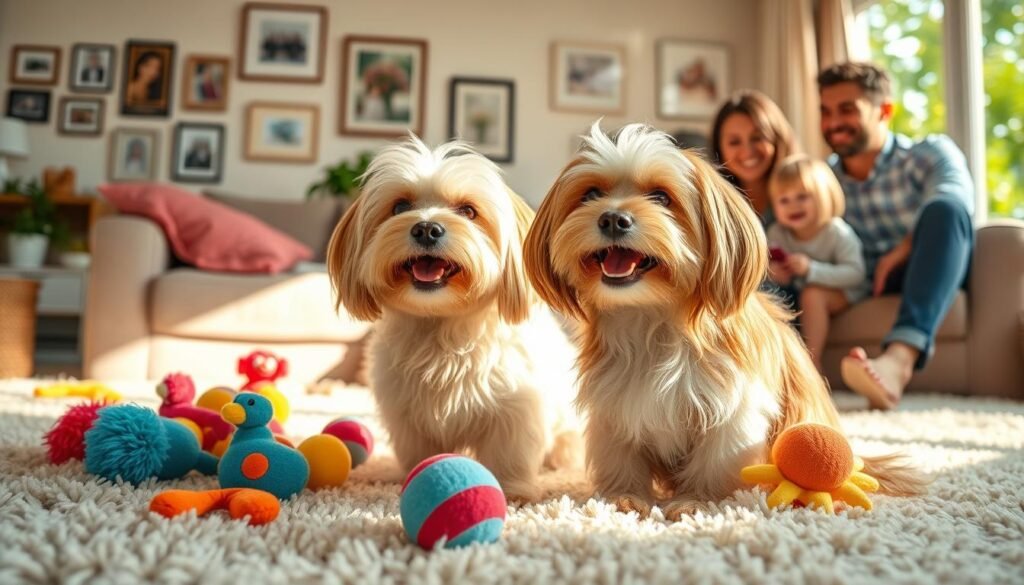
Looking for a pet that loves a lively home? The Havanese is perfect. They enjoy playing outside and snuggling up for movies.
They are very in tune with their owners’ feelings. They can sense when someone needs comfort or company.
Good with Children
These dogs get along well with kids, but always watch them together. It’s key to teach kids how to handle the dog gently.
Raised with kids, Havanese dogs are loyal and fun. Their gentle disposition helps them handle family energy well.
| Trait | Havanese | Typical Small Breed |
|---|---|---|
| Family Bonding | Very High | Moderate |
| Child Friendliness | Excellent | Variable |
| Social Needs | High | Moderate |
| Adaptability | High | Low to Moderate |
Using positive reinforcement and watching them closely helps kids and pets get along great. This breed is at its best when they feel part of the family.
Apartment Living Compatibility
Many people wonder if the Havanese personality fits well in an apartment. The good news is that this breed is great for smaller homes.
They are small and easy to adapt, making them perfect for tight spaces. They don’t need a big backyard to be happy and healthy.
Space Requirements
These dogs are small and fit well in most homes. They love being close to their people, making them ideal for city living.
To keep them happy in a small space, try these tips:
- Take them for daily walks to keep them active.
- Give them puzzle toys to keep their minds busy.
- Make a cozy spot for them to nap.
Noise Levels
The Havanese personality can be quite loud. They might bark at hallway noises or sounds outside.
Teach them to bark only when it’s needed with positive training. This way, you and your neighbors can enjoy peace.
First-Time Owner Considerations
Thinking about getting a Havanese puppy for your first pet? They are known for being friendly and easy to handle. Before you decide, it’s good to think about what you need to make sure it fits your life.
Ease of Training
The Havanese breed is smart and loves to please. This makes training easy for first-time dog owners. They do best with positive feedback and gentle, consistent teaching.
Even though they learn fast, remember each dog is unique. You might also consider breeds like the Basset Hound to see how different personalities affect training. Being patient and keeping training sessions short is key to their success.
Commitment Level
Getting a dog is a big change that needs a lot of time. You’ll need to commit to more than just training. This includes:
- Consistent socialization to help them feel at ease in new places.
- Regular grooming sessions to keep their coat looking great.
- Daily exercise to keep them healthy and happy.
Commitment is the key to a strong bond with your pet. Knowing what’s involved helps you handle the ups and downs of having a puppy. The hard work now will pay off with a lasting friendship.
Grooming Needs and Maintenance
Keeping your Havanese looking great is a big part of owning one. Their long, silky hair is beautiful but needs consistent attention to stay healthy. Proper grooming keeps them comfortable and prevents skin problems.
Coat Care
The Havanese’s beautiful coat can get tangled if not brushed regularly. You should brush their hair 2 to 3 times a week to avoid painful mats. Use a metal comb or slicker brush to get to the undercoat.
For small knots, gently work them out with your fingers or detangling spray before brushing. Consistency is key for a positive grooming experience. Regular coat care prevents painful dematting later.
Bathing Routine
Regular brushing is just part of the grooming routine. A bath every 4 to 6 weeks keeps your Havanese clean and smelling good. Always use a mild dog shampoo to protect their sensitive skin.
After bathing, dry their coat well to avoid skin problems. Taking your time helps keep their fur shiny. With the right grooming, your dog will stay happy and look great all year.
Exercise Requirements
Knowing what your dog needs to move is key for Havanese care. These small dogs have lots of energy and love to play. They need regular chances to run around.
Regular exercise keeps your dog at a healthy weight and sharp mind. It helps them stay calm and happy at home.
Daily Activity Levels
Adult Havanese dogs need 30 minutes to 1 hour of exercise daily. You can split this into shorter sessions to keep them active without getting too tired.
Adjust your exercise plan based on your dog’s age. Puppies have growing bones and joints. They need shorter, more frequent playtime, not long walks.
Fun Activities for Havanese
Mixing up activities makes Havanese care fun for both of you. These smart dogs enjoy challenges that test their brains and bodies.
Here are some fun ways to keep your dog active:
- Brisk daily walks: Explore new places to keep their senses sharp.
- Interactive play: Use soft toys or balls for fetch in a safe area.
- Mental enrichment: Try puzzle feeders or hide-and-seek games to keep them thinking.
- Training drills: Practice basic commands during play to learn and have fun.
The goal is to keep your dog happy and healthy through fun activities. Tailor these to your dog’s energy level to strengthen your bond.
Training and Social Behavior
The Havanese temperament is known for being loving, smart, and eager to please. They see training as a fun game, not a task. This makes them perfect for those who want a happy and responsive pet.
Training Difficulty
Teaching your Havanese new tricks is a rewarding experience. They learn quickly with the right approach. Remember, they are sensitive and don’t like harsh corrections or loud voices.
Here are some tips for effective training:
- Positive reinforcement: Use small, healthy treats to reward good behavior right away.
- Consistency: Keep training sessions short and frequent to keep them interested.
- Praise: A gentle tone and enthusiastic praise helps build their confidence.
Interaction with Other Pets
The Havanese temperament is great with other animals. They are usually non-aggressive and can live well with dogs and cats. Their playful nature makes them great for homes with multiple pets.
Early socialization is important for your dog. Introduce them to new places, people, and pets early. This helps them grow into confident and friendly adults. Positive experiences early on lead to a lifetime of good interactions with other pets.
Health Considerations
Knowing what your dog needs for a long, happy life is key. This breed is usually strong and healthy. But, it’s important for owners to know about possible health risks to keep their pets in great shape.
Getting a Havanese puppy means starting a journey that needs careful attention. Knowing about the breed’s health issues helps you create the best home for your dog to grow and thrive.
Common Health Issues
Small breeds like these can face certain health problems. The main issues are hip dysplasia and patellar luxation, which affect their joints and movement.
They might also have hereditary deafness. Early detection is vital. Watching how your dog reacts to sounds can help you spot any hearing problems early on.
Preventative Care
Regular Havanese care is the best way to prevent these health issues. Taking your dog to the vet regularly is important. It helps catch problems early.
Don’t forget about routine vaccinations and parasite control. These steps protect your dog from common diseases. By staying on top of these, you help your Havanese care routine support a long, happy life for your pet.
Pros and Cons of Owning a Havanese
Thinking about getting a Havanese? It’s good to know what life with them is like. Each dog breed has its own traits that affect your daily life and happiness. Weighing the good and bad helps you choose the right fit for your lifestyle.
Advantages of the Breed
The Havanese is loved for its delightful personality and adaptability. They are very affectionate and bond strongly with their family.
Here are the main benefits of having a Havanese:
- High Adaptability: They fit well in many homes, from quiet houses to busy apartments.
- Affectionate Nature: They love being close to their owners.
- Social Temperament: Most Havanese are friendly to strangers and other pets, making them great friends.
- Trainability: Their smart nature makes them eager to learn and respond well to positive training.
Disadvantages to Consider
While their personality is a big plus, there are practical things to think about. One key thing is the time needed for Havanese grooming. Their long, silky coats need regular brushing to avoid mats and tangles.
There’s more to their care than just grooming:
- Separation Anxiety: They love company and may get anxious if left alone for too long.
- Grooming Commitment: Regular Havanese grooming is essential for their skin and hair health.
- Attention Needs: They need lots of play and interaction to stay happy and mentally sharp.
Choosing a Havanese means you must be ready to give them the time and care they need. If you can handle the daily tasks and shower them with love, the joys of owning a Havanese are unmatched. Think about your schedule and make sure you’re ready for the commitment this loving breed requires.
Alternatives to the Havanese
There are many great small dogs out there, beyond the Havanese breed. This dog is known for being cheerful. But, you might want to look at other breeds to find the best fit for your home.
Similar Small Breeds
If you like the size and look of the Havanese breed, consider the Bichon Frise or Maltese. They are similar in size and loved for their friendly nature and loyalty.
The Bichon Frise is playful and has a hypoallergenic coat. It’s great for those with mild allergies. The Maltese is known for its elegant white coat and devoted temperament.
Other Family-Friendly Options
For families, the Cavalier King Charles Spaniel or Shih Tzu are good choices. They are patient and can adapt well to different homes.
The Cavalier is sweet and adaptable, making it great with kids. The Shih Tzu is a bit more independent but loves its family deeply.
| Breed | Temperament | Grooming Needs | Best For |
|---|---|---|---|
| Bichon Frise | Playful | High | Allergy Sufferers |
| Maltese | Gentle | High | Quiet Homes |
| Cavalier Spaniel | Affectionate | Moderate | Active Families |
| Shih Tzu | Loyal | High | Apartment Living |
Conclusion and Next Steps
Choosing a Havanese Dog is a rewarding decision. It brings a loving and playful companion into your home. This breed offers a unique blend of charm and intelligence.
We hope this guide gave you the essential Havanese information you needed. You now have the knowledge to support a healthy and happy life for your future pet.
Your next step is to research reputable breeders or visit a local shelter. Meeting dogs in person is important. Connecting with organizations like the Havanese Club of America can offer extra support during your search.
Take time to compare this breed with similar options. This ensures you find the perfect match for your family. A thoughtful approach leads to a lasting bond with your new furry friend.




💬 Leave a Comment