

If you’re looking for a loyal and energetic companion, the Harrier Dog could be perfect. This medium-sized hound has a rich history in medieval England. It was bred for pack hunting.
Now, it’s widely celebrated for its friendly nature and endurance. It’s great for active families who enjoy outdoor activities. They love going on long hikes or weekend trips.
Getting to know this breed is key to a happy life together. Learning about their needs and social nature helps. You’ll know if this charming hound fits your lifestyle and expectations.
Key Takeaways
- The breed originated in medieval England as a skilled pack hunter.
- These hounds are medium-sized and possess a friendly, outgoing temperament.
- They thrive in active households that prioritize daily exercise and outdoor play.
- Consistent training and socialization are essential for a well-adjusted pet.
- This breed is a wonderful match for families seeking a dedicated and energetic companion.
Introduction to Harrier Dogs
The Harrier is a breed that combines a friendly nature with a strong, athletic build. These dogs are medium-sized hounds with a unique charm. They make great additions to many homes. Knowing the Harrier Characteristics is key to seeing if they’re right for you.
What is a Harrier Dog?
At its core, the Harrier is a pack animal. Bred to hunt in groups, they have a sociable and cooperative personality. They do best when they’re part of a team, whether that’s a pack of hounds or your family.
Because of their history, they don’t like being alone for long. This Harrier Breed trait means they need lots of social interaction. They have stamina and a keen sense of smell, showing their dedication as working dogs.
Who is the Harrier Dog Suitable For?
If you’re active, a Harrier could be a great partner. They’re perfect for families who love outdoor activities and can provide consistent daily exercise. They’re not couch potatoes; they need to stay active.
Choosing the Harrier Breed means getting a loyal, medium-sized friend. They value companionship above all. If you can give them the attention and activity they need, they’ll be a devoted and loving companion.
Origin of Harrier Dogs
The story of the Harrier Hound starts in medieval England. The first packs were formed as early as 1260. This shows a breed that has helped humans for centuries.
Historical Background
In the Middle Ages, hunting was a must for many. The Harrier breed was made to chase hares in the English countryside. They were valued for their teamwork.
These dogs became a big part of rural life. They were bred to keep going for hours. This is why they’re so active and curious today.
Ancestry and Development
Looking at Harrier characteristics today shows generations of breeding. Breeders focused on a great sense of smell and lots of stamina. These were key for their hunting success.
The table below shows what shaped the breed:
| Development Factor | Primary Purpose | Resulting Trait |
|---|---|---|
| Pack Mentality | Cooperative hunting | Social behavior |
| Scent Tracking | Locating game | Strong prey drive |
| Physical Stamina | Long-distance travel | High energy levels |
Knowing their ancestry helps you understand why your dog loves to roam. Recognizing these traits lets you meet their needs better.
Size and Weight of Harrier Dogs
The Harrier Hound is known for its balanced and athletic build. They have a sturdy, muscular frame that was bred for endurance and agility. Knowing these traits helps you decide if a Harrier is right for your home.
Average Size
Harriers are consistent in their growth. Most adult dogs are 19 to 21 inches tall at the shoulder. This size is great for those who want a dog for outdoor activities but also fits well indoors.
Typical Weight Range
Weight is also important for understanding Harriers. A healthy adult usually weighs between 45 and 60 pounds. This weight is key for their joint health and mobility.
| Measurement | Typical Range | Physical Build |
|---|---|---|
| Height | 19 – 21 inches | Athletic & Sturdy |
| Weight | 45 – 60 pounds | Muscular & Lean |
| Category | Medium Breed | Working Hound |
Lifespan of Harrier Dogs
Choosing a dog means knowing how long you’ll be together. It’s key to plan for their life. Knowing how long your dog will live is a big part of being a good owner.
By planning for your dog’s future, you help them live well into old age. This ensures they have a great life, even when they’re older.
Average Lifespan Expectancy
A healthy Harrier can live from 12 to 15 years. Their long life is thanks to their strong build and love for activity. With the right care, they stay young and fun for years.
Several things help your dog live a long life. Giving them nutritious food, keeping them at a healthy weight, and regular vet visits are key. These steps help catch health problems early, so your dog can stay with you longer.
| Factor | Impact on Longevity | Owner Action |
|---|---|---|
| Nutrition | High | Provide balanced, age-appropriate meals |
| Exercise | High | Maintain daily physical activity levels |
| Vet Care | Critical | Schedule annual wellness examinations |
| Dental Care | Moderate | Brush teeth and provide dental chews |
Being with your Harrier is a wonderful experience. Focus on preventative health and a loving home. This gives your dog the best chance at a long, happy life. Always talk to your vet to make a care plan that fits your dog’s needs.
Temperament of Harrier Dogs
Looking for a dog with a big heart and a loud voice? The Harrier might be perfect for you. These dogs are incredibly friendly and love being part of an active family. Getting to know the Harrier Temperament is key to a strong bond with this loving breed.
General Personality Traits
Harriers are outgoing and playful, making them great friends for those who love to stay active. They love being around people and don’t like to be alone for long. Their highly expressive nature means they often use their voices to share their feelings.
This breed is known for its variety of sounds, like moans, groans, and barks. These aren’t usually aggressive; they’re just a way for your dog to show excitement or ask for attention. Accepting this Harrier Temperament means embracing a noisier but more lively home.
Behavior with Children
Harriers are patient and gentle with kids, making them great playmates. They’re full of energy, so it’s important to have adult supervision during play. This keeps everyone safe.
Teaching kids how to respect dogs is vital for a peaceful home. The Harrier Temperament is naturally friendly, but kids should learn to respect the dog’s space. With the right guidance, these dogs can become loyal protectors and close friends to your family’s younger members.
| Trait | Description | Impact on Home |
|---|---|---|
| Sociability | Highly outgoing | Thrives on family time |
| Vocal Nature | Expressive sounds | Communicates needs clearly |
| Playfulness | High energy | Great for active kids |
| Patience | Generally calm | Good with supervised children |
Energy Level and Exercise Requirements
Harriers were bred for hunting, so they have a lot of energy. They are athletic companions that love to stay active. It’s key to keep them busy to avoid bad behavior.

Daily Activity Needs
Your dog needs at least one hour of vigorous activity every day. This is essential for their health and happiness. Without it, they might get bored or develop bad habits.
Being consistent is important for Harriers. Try to split their exercise into two parts if you can. Remember that a tired dog is a happy dog, and they’ll be loving and calm after they’ve exercised.
Suitable Exercise Types
Harriers love to explore, so they’re great at activities that challenge them. Hiking on trails is perfect for their physical and mental needs. If you like running, a Harrier can be a great jogging buddy when they’re old enough.
If you have a big, fenced yard, games like fetch or agility training are great. Make sure the yard is safe, as they might chase after interesting smells. These activities will strengthen your bond and keep them sharp and fit.
Pros and Cons of Harrier Dogs
Thinking about getting a Harrier? It’s important to know their personality. These dogs are great friends, but understanding their Harrier temperament is key. It helps you get ready for life with this lively breed.
Advantages of Having a Harrier
One big plus is their naturally friendly and sociable nature. They are very loyal to their families. They form strong bonds that last forever.
They love being around people because of their pack history. Their affectionate nature makes them perfect for those who love the outdoors.
Potential Challenges
While Harriers are mostly great, their strong prey drive is a thing to watch. They were made for hunting. So, they might see small animals as prey, not pets.
They also have an independent streak. This makes training them a bit of a challenge. They don’t always want to listen, so you need to be patient and consistent.
If you have small pets at home, be careful when introducing them. It’s important to balance their energy with socialization. This way, your home can be peaceful for everyone.
Grooming Needs for Harrier Dogs
Creating a regular grooming routine is key for Harrier Care. These dogs love to be active and don’t need fancy grooming to stay clean. Spending a bit of time each week can make them very happy and healthy.
Coat Care
The Harrier has a short, dense coat that’s perfect for outdoor activities. They are easy to care for compared to dogs with long hair. They shed a bit all year, which is normal for them.
Weekly brushing is enough to handle their shedding. A soft-bristle brush or rubber mitt works well. It keeps their coat shiny and lets you check for any skin problems or ticks.
Bathing Frequency
Harriers don’t need to be bathed often. Over-bathing can harm their coat. A bath is needed only when they get very dirty or smell strongly.
When bathing, use a gentle dog shampoo. This protects their sensitive skin. Also, don’t forget to clean their ears and trim their nails regularly. This keeps them comfortable during walks.
Training Difficulty and Tips
Bringing home a new dog means learning about Harrier Training for a happy home. This breed is independent and loves to follow scents, which can make training tricky. But, knowing their Harrier Temperament helps turn these challenges into fun bonding moments.
Basic Training Approach
The best way to train your dog is with positive reinforcement. They love treats, praise, and play. Being consistent is key, as they do best when they know what’s expected.
Keep training sessions short and fun to keep your dog interested. They might get distracted by smells, so stay patient and positive. Always end on a good note to build trust.
Social Behavior with Other Pets
Socializing Harrier Puppies early is important for their development. They usually get along with other dogs but need supervision with small pets. This is because of their strong hunting instinct.
Introduce your dog to new places and pets early. This helps them learn social cues. With careful introductions, your dog can become a friendly part of your household.
| Training Focus | Recommended Strategy | Expected Outcome |
|---|---|---|
| Basic Commands | Use high-value treats | Reliable obedience |
| Scent Distractions | Short, focused sessions | Improved attention |
| Pet Socialization | Early, supervised play | Harmonious living |
| Independent Streak | Positive reinforcement | Stronger bond |
Health Considerations for Harrier Dogs
Knowing what your pet needs is key to a happy life together. Proper Harrier Care means watching closely and working with your vet. This way, you can create a caring space for your dog’s health.
Common Health Issues
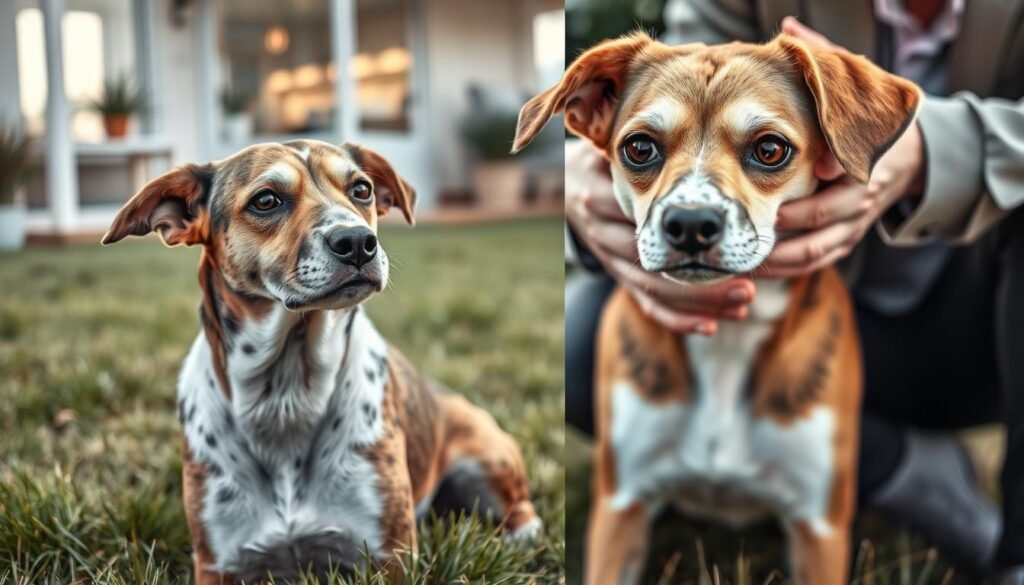
Harriers, like many active breeds, face certain health challenges. Hip dysplasia and ear infections are common Harrier Health Issues. Hip dysplasia causes discomfort as your dog gets older.
Harriers’ long ears can trap moisture, leading to ear infections. These issues are common but can be managed with vet advice.
Regular Health Care Tips
Preventative care can greatly improve your dog’s life. Keeping up with vaccinations and parasite prevention is vital. These steps help build a strong immune system.
Watch your Harrier Puppies for any unusual behavior or movement. If they limp or shake their head, see a vet. Early action can prevent bigger problems, keeping your dog happy and active.
Living Arrangements for Harrier Dogs
Before getting a new pet, think if your home fits their energy level. The right place is key for responsible pet ownership. It keeps your dog happy and well-adjusted. When getting Harrier Puppies, check if your home and routine match their active nature.
Family Compatibility
Harriers love being part of the family. They are gentle and patient, great with kids who treat pets right. They also enjoy being with other dogs, which keeps them happy and balanced.
Good Harrier Care means they join your family activities. They love being where things happen, indoors or outdoors. In a home with other dogs, they quickly fit in and enjoy the pack life.
Apartment Living Suitability
Harriers don’t do well in small spaces. Their high energy needs lots of room to run and play. Without a yard, they might get bored or loud.
If you live in a small place, you’ll need to spend hours outside with them every day. Not doing this can lead to bad behavior or health problems. A house with a yard is best for these energetic dogs.
“The environment you provide is just as important as the training you offer; a dog that can move freely is a dog that can thrive.”
| Feature | Apartment Living | House with Yard |
|---|---|---|
| Energy Outlet | Low | High |
| Exercise Effort | Very High | Moderate |
| Suitability | Not Recommended | Highly Recommended |
Alternative Breeds to Consider
Looking at other breeds like the Harrier Hound can help you decide. Each breed has its own traits. You need to find one that fits your lifestyle and energy level.
Similar Breeds for Future Owners
The Beagle and English Foxhound are similar to the Harrier. They are all scent hounds. This means they love to follow their noses and explore outdoors.
- Beagle: They are smaller and very friendly, great for families.
- English Foxhound: They are larger and more athletic, needing lots of space and endurance.
- Harrier: A good choice that’s not too big or too small, with lots of energy.
| Breed | Size | Energy Level |
|---|---|---|
| Harrier Hound | Medium | High |
| Beagle | Small/Medium | Moderate |
| English Foxhound | Large | Very High |
Recommendations for First-Time Dog Owners
First-time dog owners need to think about the time needed for consistent Harrier Training. These dogs are smart but can be independent. You’ll need to spend time on positive training methods.
It’s also important to look into Harrier Health Issues before deciding. Knowing about common health problems helps you plan for your dog’s care. This way, your dog can live a long, happy life.
The best dog is one that fits your lifestyle and living space. Take your time to meet different breeds. Talk to breeders and think about your lifestyle before getting a dog.
Conclusion and Next Steps
Choosing the right pet is a big step for any family. This guide helps you feel ready to bring a Harrier Dog home.
You now know how to meet this active breed’s needs. Success depends on your dedication to Harrier Training and spending time with your pet every day.
Researching Similar Breeds
It’s smart to compare the Harrier with other scent hounds. Dogs like Beagles or English Foxhounds are similar in energy.
Visit shelters or breeders to see these dogs up close. This lets you see their personality and how much energy they have before deciding.
Accessing Helpful Resources
Keep learning to help your pet all their life. The American Kennel Club has lots of info on breeds and health.
Local vets and trainers are great resources. They can help keep your dog happy and healthy for many years.



💬 Leave a Comment