
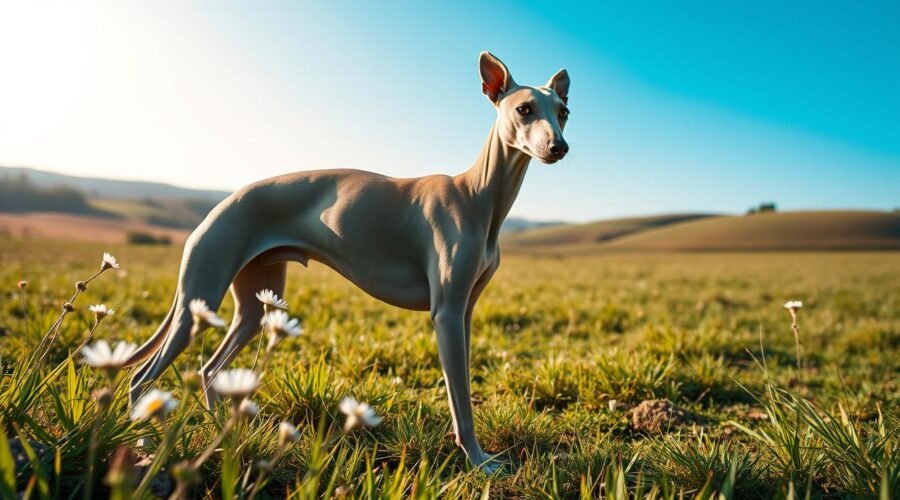
Are you looking for a pet that is both affectionate and highly intelligent? The Italian Greyhound is a special breed that wins many hearts. They have an elegant look and a loving nature. These dogs form a strong bond with their owners, making them great companions.
This breed is a long-lived companion, living up to 12 to 14 years. But, they need a lot of care and attention. You must be ready to give them the love and care they need to be happy.
This guide will help you decide if an Italian Greyhound is right for you. We’ll look at their wonderful personality and the daily care they need. Knowing this will help you decide if this special dog is a good fit for your life.
Key Takeaways
- This breed is celebrated for its affectionate and highly intelligent personality.
- Owners can expect a long-lived companion with an average lifespan of 12-14 years.
- The breed requires a dedicated owner who can provide consistent attention and companionship.
- Understanding their specific care needs is essential for a successful, happy relationship.
- This guide helps you determine if your lifestyle is a good match for their unique temperament.
What is an Italian Greyhound?
These dogs are known for their sleek look. They are among the most popular small dog breeds. People often call them miniature greyhounds because of their small size and athletic build. They add a touch of elegance to any home.
Origin and History
The Italian Greyhound has a long history. They were bred as companions for nobility. This Italian sighthound was loved in the Mediterranean during the Renaissance.
They were loyal and affectionate pets for royalty and aristocrats.
Physical Characteristics
These graceful dogs have slender bodies and a unique gait. They have a short, shiny coat that’s easy to care for. This makes them perfect for indoor living.
Their large eyes and alert ears show their intelligence and gentleness. Many owners fall in love with their appearance.
Lifespan and Size
Understanding their size and lifespan is important. They are sturdy but fragile compared to bigger dogs.
- Average Height: Typically 13 to 15 inches at the shoulder.
- Average Weight: Usually between 7 and 14 pounds.
- Lifespan: They live a long time, averaging 12 to 14 years. Some can live up to 18 years.
Because they live so long, you need to make a big commitment. Keeping them safe is key, as their bones are fragile.
Temperament and Personality Traits
Welcoming an Italian Greyhound into your home means embracing a lively and complex personality. These graceful dogs form deep bonds with their families. They love to be around people and often follow their owners everywhere, earning them the nickname “velcro dogs.”
Energy Level
Despite looking delicate, these dogs have a lot of energy. They love to run fast in short bursts, known as “zoomies.” But they also enjoy relaxing under a blanket for hours after their playtime.
Affectionate Nature
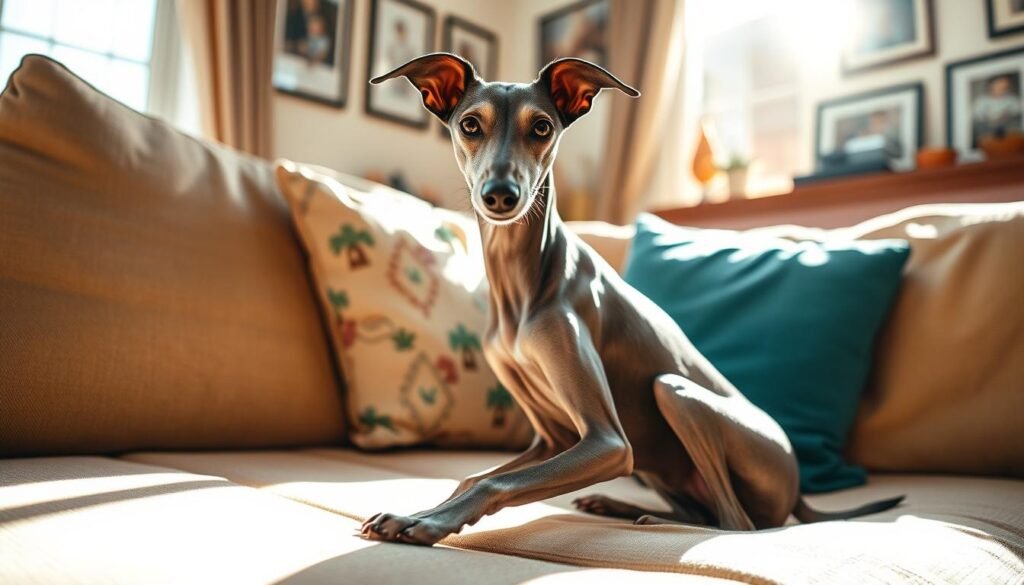
Italian Greyhounds are loving companion animals who need to be close to their people. They love to snuggle up next to you on the couch or in bed. Their need for affection is essential for their happiness.
Playfulness and Intelligence
These miniature greyhounds are very smart and can be a bit mischievous. They are clever at getting what they want from their owners. They need games that challenge their minds and bodies.
| Trait | Description | Owner Impact |
|---|---|---|
| Intelligence | High and observant | Requires consistent training |
| Affection | Very high | Needs daily quality time |
| Energy | Moderate/Burst | Needs safe play areas |
Knowing these traits helps you create a great home for your pet. By respecting their smarts and love needs, you’ll make them very happy. Whether they’re playing or resting, these loving companion animals will be the heart of your home.
Suitability for Families and Living Arrangements
Choosing the perfect breed means matching their needs with your home. The Italian Greyhound is special and needs a safe, loving place. Knowing their personality helps you see if your home is right for them.
Great with Children
These dogs are gentle but best with older kids. Their small size makes them vulnerable to toddlers. Supervision is key when kids and dogs are together.
Apartment Living
They’re perfect for small spaces. As a small dog breed, they’re quiet and love soft places. They don’t need a big yard, just love and exercise.
First-Time Dog Owners
First-time owners need to learn quickly. These dogs need positive reinforcement and patience. Consistency is key to a strong bond.
They can be hard to housebreak, so owners must be strict. With the right approach, an Italian Greyhound can be a great addition. They bring elegance and love, making them unique among small dog breeds.
Pros and Cons of Owning an Italian Greyhound
Thinking about getting a miniature greyhound? It’s key to know the good and bad before deciding. Getting a pet changes your life and how you feel every day. Understanding the pros and cons helps see if this breed fits your life.
Pros
The Italian Greyhound is known for being very affectionate. They love being around people and enjoy being close. Their short, fine coat means they don’t need much grooming.
They are fun and playful, adding joy to your home. They are quiet indoors and love to relax with their owners. This makes them great for those who want a gentle, loving friend.
Cons
Despite their many benefits, there are challenges. The Italian Greyhound has a strong prey drive and may chase small animals off-leash. They can also get very clingy and anxious if left alone for too long.
This clinginess can lead to bad behavior if they don’t get enough attention. You need to be ready to spend time with them and train them. Knowing this helps you have a good relationship with your pet.
| Feature | Benefit | Challenge |
|---|---|---|
| Grooming | Minimal effort required | Sensitive skin needs care |
| Temperament | Deeply affectionate | Prone to separation anxiety |
| Activity | Great for indoor play | High prey drive outdoors |
| Social Needs | Loyal to family | Requires constant attention |
Grooming and Basic Care Requirements
Taking care of your Italian Greyhound is a mix of simple tasks and special health needs. These elegant dogs are often chosen for their low maintenance nature. But, they need a dedicated owner to do well. Knowing their basic needs is key to a strong, healthy bond with your pet.

Coat Care
Their short, fine coat is easy to manage. You won’t have to deal with heavy shedding or long brushing sessions. A quick wipe or gentle brushing once a week keeps their skin and coat in top shape.
They are not hypoallergenic pets due to their thin fur and little body fat. Yet, their easy grooming makes them great for busy homes. Focus on keeping them warm in cold weather instead of grooming.
Health and Nutrition
Good nutrition is key to your dog’s long life. Feed them high-quality, balanced meals that match their high energy and active lifestyle. Always talk to your vet about the right food amounts to avoid obesity, which can harm their thin bodies.
Dental hygiene is a must for their daily care. They are prone to dental problems, so brushing their teeth regularly is vital. Start this habit early to make it easier for both of you.
Regular Vet Visits
Regular vet visits are essential to watch for health issues specific to their breed. Your vet can check their dental health, joint stability, and overall health. These visits help catch problems early when they are easier to treat.
| Care Category | Frequency | Importance Level |
|---|---|---|
| Coat Brushing | Weekly | Low |
| Dental Cleaning | Daily | Critical |
| Vet Check-ups | Annually | High |
| Nail Trimming | Bi-weekly | Moderate |
Exercise Needs and Activity Level
It’s key to know how much energy these graceful dogs have. They might look like they’re just lounging, but they’re actually quite active.
It’s important to find the right mix of exercise for them. This keeps them fit and sharp. It’s a fun part of your day.
https://www.youtube.com/watch?v=b1K2u7uvfrQ
Daily Exercise Requirements
The Italian Greyhound loves to move fast. They can run up to 40 km/h in short times.
They need a secure, fenced area for running free. Their instinct to chase small animals means they shouldn’t be loose in open spaces.
Fun Activities for Italian Greyhounds
It’s best to use their natural hunting skills for fun. Try lure coursing or fetch in a safe place.
These games help them use their energy safely. Make sure the area is flat and clear of obstacles to protect their legs.
Alternatives for Less Active Owners
Even if you’re not super active, you can make your Italian sighthound happy. You don’t have to run marathons to keep them entertained.
Try these low-key but engaging activities:
- Mental stimulation puzzles that challenge their brain.
- Short, brisk walks to see the neighborhood.
- Indoor hide-and-seek games for safe fun.
By doing these simple things, your Italian Greyhound will stay happy and healthy. These graceful dogs adjust to your lifestyle as long as they get plenty of love and attention.
Training Difficulty and Social Behavior
The Italian Greyhound is a sensitive breed. This means you need to be gentle when teaching them. They are smart but also independent, so kindness works best.
Training Basics
Positive reinforcement is key for this breed. They are emotionally intuitive and can get upset by harsh methods. Use treats and praise to reward good behavior.
Being consistent is important. Keep training sessions short and fun. Their clean nature makes them easy to have indoors, even if they’re not hypoallergenic pets.
Interaction with Other Pets
Italian Greyhounds may chase small animals due to their Italian sighthound nature. But they are generally calm and like other dogs. Introduce them to other pets early to teach them boundaries.
Watch how they interact with cats or small animals at first. They are usually gentle and like to be with others. This makes them great for homes with multiple pets.
Socialization Tips
Introduce your dog to new things, people, and places early. A well-socialized Italian Greyhound is less likely to be shy or anxious. Make sure these experiences are positive to help them trust the world.
| Training Aspect | Recommended Approach | Key Benefit |
|---|---|---|
| Methodology | Positive Reinforcement | Builds strong trust |
| Session Length | 5-10 Minutes | Maintains focus |
| Socialization | Early Exposure | Reduces anxiety |
| Pet Interaction | Supervised Play | Ensures safety |
Health Considerations for Italian Greyhounds
Learning about your Italian Greyhound‘s health is the first step in caring for them. It’s important to work with your vet to keep them healthy. Knowing their needs helps you create a safe space for them to thrive.
Common Health Issues
The Italian Greyhound faces some health challenges. Dental disease is common, so clean their teeth often. They also might have luxating patellas, where the kneecap slips out of place.
These dogs have thin bones, making them prone to leg fractures. They love to run, so watch their play to avoid injuries. Catching these problems early can help your pet a lot.
Preventative Care
Simple steps at home can greatly improve your dog’s life. Regular dental cleanings prevent infections that could harm their heart and kidneys. Keep their environment safe from high jumps to avoid broken bones.
Use soft rugs on slippery floors and limit high furniture jumping. Regular vet visits help catch problems early. This keeps your dog safe and healthy.
Lifespan Considerations
With the right care, Italian Greyhounds can live a long, happy life. Many live into their mid-teens, staying active and loving. Your dedication to their health is key to their long life.
Focus on good nutrition, exercise, and medical care. Consistency is key for their health and happiness for years.
Making the Decision: Is an Italian Greyhound Right for You?
Choosing a dog is a big decision. You need to think about your daily life and future plans. Meeting an Italian Greyhound in person can help you see if they fit your lifestyle.
Reaching out to local breeders or rescue groups is a good idea. It lets you see these dogs in real life.
Exploring Other Options
Maybe your home needs a different pet. If you want a dog that’s easy to care for, look into breeds that don’t need much exercise. Some people prefer pets that don’t trigger allergies.
Breeds like the Bichon Frise or Miniature Poodle might be better for your home. They offer unique qualities that could be a better match for you.
Practical Lifestyle Tips
Think about your schedule before getting a dog. Italian Greyhounds need regular attention and gentle care. Make sure your home is a cozy and safe place for them to rest.
Having the right supplies at home makes the transition smoother. This decision can bring great joy if it matches your ability to care for a pet.



💬 Leave a Comment