
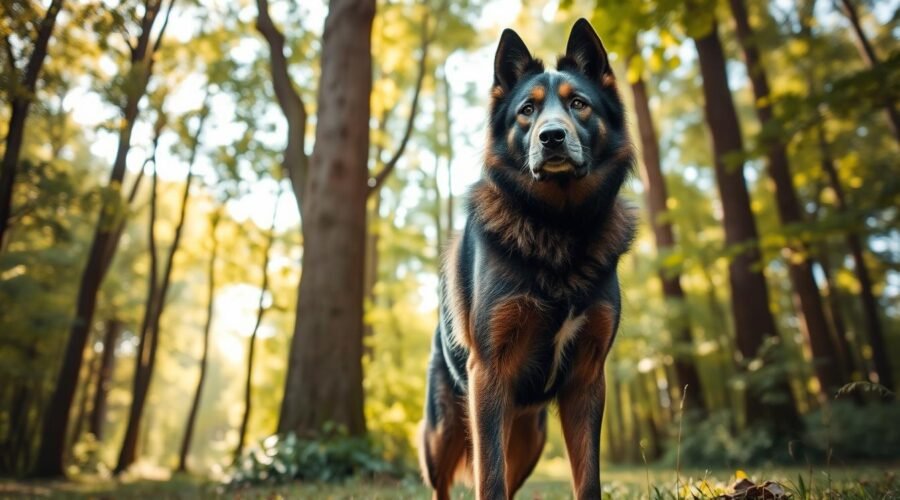
Looking for a companion that combines ancient history with unmatched loyalty? You might find your perfect match in the Kai Ken. Known as the “Tiger” of the mountains, this rare Japanese treasure has a striking brindle coat and sharp intelligence.
This medium-sized breed has a muscular and athletic build. It reflects its heritage as a skilled hunter. The Kai Dog is deeply devoted to its family. Its calm demeanor inside the home makes it a unique choice for those who appreciate a focused and observant partner.
Deciding if this breed fits your lifestyle requires understanding its high energy levels and need for mental stimulation. We will explore everything you need to know to determine if this devoted companion is the right addition to your household.
Key Takeaways
- The breed originates from Japan and is celebrated for its rare, ancient lineage.
- Its signature brindle coat earns it the nickname “Tiger” among enthusiasts.
- These animals are highly intelligent, loyal, and form deep bonds with their owners.
- An athletic, muscular frame makes them well-suited for active lifestyles and outdoor adventures.
- Prospective owners should be prepared to provide consistent training and plenty of daily exercise.
Introduction to the Kai Dog
The Kai Dog is known for its striking coat and loyalty. It’s a medium-sized, muscular dog that loves to stay active. This rare Japanese dog breed is smart and has a strong spirit.
What is a Kai Dog?
The Japanese Kai Dog is a natural athlete. It was bred for hunting in tough mountain terrain. This dog has a sturdy build and a unique brindle coat.
They are highly intelligent and can be reserved around strangers. They love to give their affection to those they trust. This makes them a loyal companion.
Suitable Owners and Living Situations
Thinking of getting a rare Japanese dog breed? You need to think about your lifestyle. These dogs need something to do or lots of exercise. They can live in apartments but need regular activity.
They’re best for experienced owners. They need clear guidance and early socialization. If you love outdoor activities, this breed is perfect for you.
| Feature | Requirement | Suitability |
|---|---|---|
| Activity Level | High | Active Owners |
| Living Space | Flexible | House or Apartment |
| Experience | Moderate | Experienced Owners |
| Socialization | Essential | Early Training |
The Kai Dog is a great choice for the right person. With the right care, you can have a deep and lasting bond with this amazing animal.
History and Origins of the Kai Dog
In the Kai province, a legendary hunting companion was born. It was shaped by the rugged landscape near Mount Fuji. This breed kept its pure lineage for centuries. When you search for Kai Ken information, you’ll see their history is tied to Japan’s mountains.
Traditional Uses and Roles
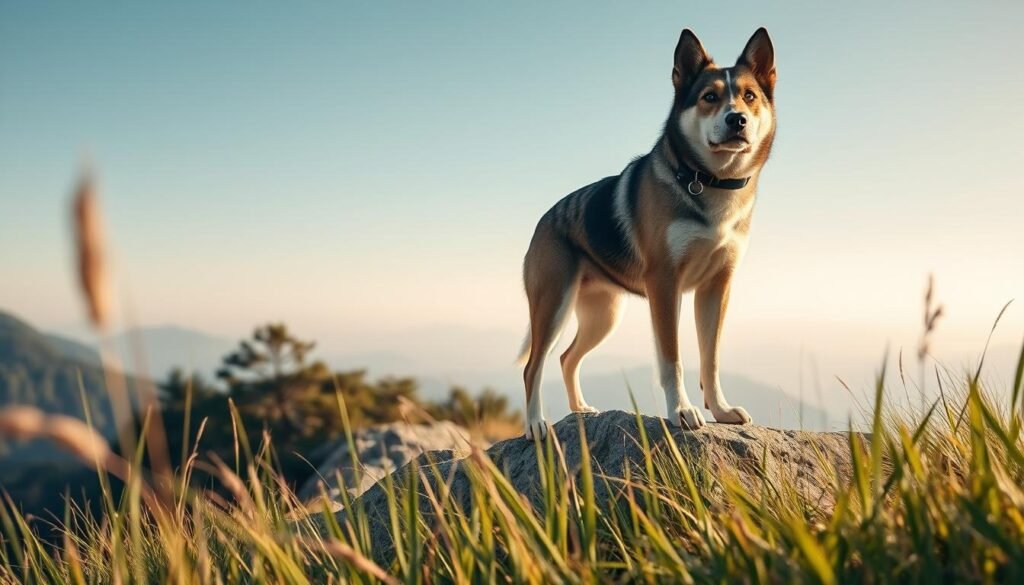
These dogs were once versatile hunters. They could track small pheasants to large bears. Their agility and stamina made them great for hunting in steep mountains. The breed is known for its intense focus and natural drive to work alongside its human partners.
There are two main physical lines of Kai Kens. The Kaikuro line is stocky and robust. The Dairo line is thinner and more agile. This explains why modern Kai Ken dogs have high energy and a strong desire for activity.
| Line Type | Physical Build | Primary Historical Role |
|---|---|---|
| Kaikuro | Stocky and Robust | Large game tracking |
| Dairo | Thinner and Agile | Small game and bird hunting |
Cultural Significance in Japan
The Japanese Kai Dog is highly respected in Japan. It’s been a protected Natural Monument. This shows the Japanese people’s deep respect for the breed’s steadfast nature and historical contributions.
Today, the Kai Dog’s legacy inspires many. Whether you’re researching their history or looking for Kai Ken puppies, their past is key to their identity. This Kai Ken heritage makes them a unique and respected companion for dedicated owners.
Size and Weight of the Kai Dog
The Kai Dog’s size shows it was built for mountain hunting. It has a compact yet muscular build for easy terrain navigation. Knowing this is key before getting a Kai Ken.
Standard Height and Weight Ranges
Kai Dogs are medium-sized. They stand 18 to 23 inches tall at the shoulder. They weigh 35 to 40 pounds, based on gender and activity.
Their balanced frame is notable. It supports their agility in climbing and swimming. They need space to move and stay active.
Comparison with Similar Breeds
Comparing them to other Japanese spitz-type dogs is helpful. They are similar to Kishu Ken and Korean Jindo but slightly more compact. They all have a refined, wolf-like appearance from their ancient lineage.
Here’s a table comparing their build:
| Breed | Average Height | Build Type |
|---|---|---|
| Kai Dog | 18″ – 23″ | Compact/Muscular |
| Kishu Ken | 17″ – 22″ | Sturdy/Athletic |
| Jindo | 18″ – 22″ | Lean/Balanced |
Understanding Kai Ken information helps prepare for a medium-sized dog. Their muscular frame is for endurance. They’re perfect for active owners who love the outdoors. Knowing their needs ensures your home is ready for them.
Lifespan and General Health of the Kai Dog
The Kai Dog is known for its hardy nature and impressive physical resilience. This breed is robust and sturdy, thriving in various environments with proper care.
As a future owner, you’ll find their physical health easy to manage. Focus on consistent nutrition and regular vet visits. This will keep your dog active and happy for years.
Average Lifespan
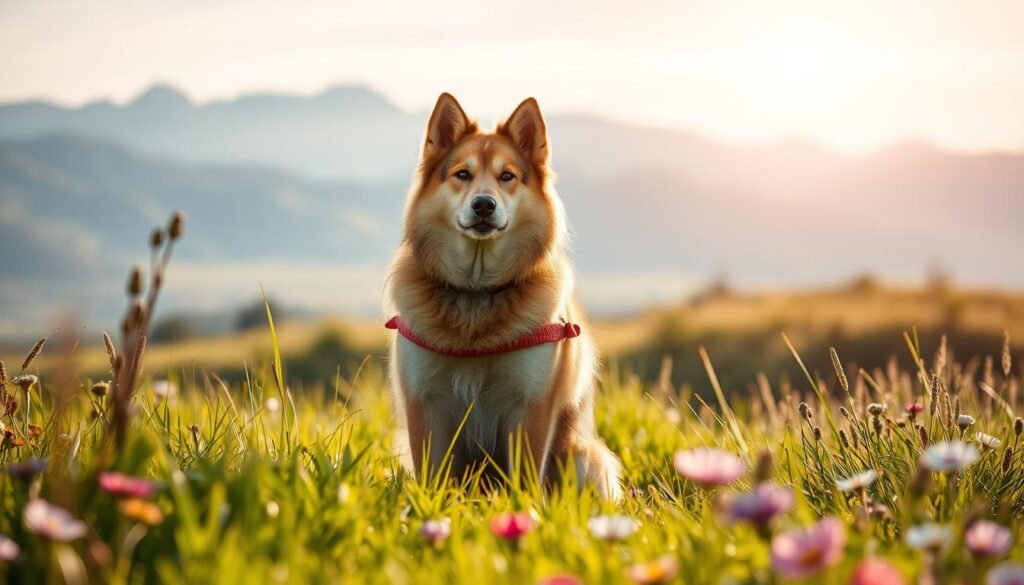
Welcoming a Kai Dog into your family means a long, fulfilling bond. They typically live for 11 to 13 years.
Feeding them a balanced diet and ensuring they get enough exercise is key. Consistency is key for their vitality, even in their senior years.
Common Health Issues to Watch For
The Kai Dog has an excellent health record. Unlike many purebreds, they don’t suffer from major hereditary conditions often seen in other breeds.
Even so, regular vet visits are essential to catch minor issues early. Keeping up with vaccinations and parasite prevention helps protect your dog from common diseases.
Remember, age-appropriate nutrition is critical as your dog ages. Always consult with your vet to create a health plan that suits your dog’s lifestyle and energy levels.
Temperament and Personality Traits
Kai Dogs are very devoted to their families but can be shy around strangers. They have a strong pack-oriented mindset. This is key for anyone wanting a loyal friend.
Typical Behavior Around People
Kai Dogs are naturally reserved around strangers. They don’t jump on guests or seek attention from new people. Instead, they watch from afar until they feel safe.
This cautious nature makes them great watchdogs. They’re not aggressive unless needed, but they watch their surroundings closely. Their steadfast loyalty means they always protect their pack.
Interaction with Children and Families
At home, Kai Dogs become loving and playful. They bond deeply with their family and enjoy family activities. Their intelligence makes them happy to be part of the family.
Early socialization is key for good behavior around kids and visitors. Raised well, they are gentle and patient with family. These traits make them a reliable and protective presence in the home.
| Trait | Description | Level |
|---|---|---|
| Loyalty | Deep devotion to family | Very High |
| Stranger Interaction | Reserved and cautious | Moderate |
| Protective Instinct | Alert and watchful | High |
| Family Affection | Warm and engaged | High |
The Kai Dog’s personality is a mix of independence and deep love. By giving them time to get to know new people, you can build a rewarding relationship. Knowing these traits helps decide if a Kai Dog is right for you.
Energy Level and Exercise Requirements
Kai Dogs were bred for hunting and have lots of stamina. They are naturally athletic and love to move. If you’re active, they’ll be a great partner for your adventures.
Daily Exercise Needs
A simple walk is not enough for a Kai Dog. They need at least an hour of active play every day. Consistency is key to keep them happy and healthy.
Make sure to exercise them in a safe, fenced area. They are talented climbers and might jump fences if they see something exciting. You can compare their energy to other breeds, like the Australian Shepherd.
Activities That Keep Them Engaged
Try sports that use their speed and agility. Agility training, tracking, and dock diving are great. They burn energy and strengthen your bond.
Structured activities help them use their energy well. After a day of play, they’ll relax quietly at home. This balance keeps them happy and well-adjusted.
Grooming Needs for the Kai Dog
The Kai Ken has a special coat that needs care. They are naturally clean, making grooming easy. Start a grooming routine early to keep your dog healthy and happy all year.
Coat Care and Shedding
The Kai Ken has a double coat. The soft undercoat keeps them warm. They shed a lot twice a year, so brush them often during these times.
Start brushing Kai Ken puppies with a soft brush. Brushing keeps their coat shiny and healthy. It’s key to their rugged look.
Bathing and Nail Trimming
Kai Kens rarely smell like dogs. Bathe them only when they’re dirty. Too many baths can harm their skin.
Don’t forget about their paws and ears. Trimming their nails and cleaning their ears is important. For more on their needs, check out this guide on the Kai Ken.
Training Difficulty and Social Behavior
Training a Kai Dog is a rewarding challenge for those who are dedicated. They are very smart and love to please, but they also like to do things their own way. So, you need to be consistent and patient to get the best results.
Positive reinforcement is the best way to bond with your Kai Dog. It makes training fun and a team effort. This approach keeps their trust and teaches them to fit well in a modern home.
Basic Training Needs
Training a Kai Dog works best with early and often sessions. They learn fast, so keep training short and interesting. Start new commands in a quiet place before moving to busier areas.
Being consistent is key. Set clear rules early to help your dog understand what’s expected. Early socialization is also important. It helps them not be too protective and feel confident around others.
Compatibility with Other Pets
Kai Dogs have a strong prey drive, thanks to their hunting background. This means they might not get along with small pets like cats or rabbits. Always watch them closely when introducing them to other pets.
With other dogs, their behavior can change based on their personality and how they were raised. They can be loyal but sometimes act like they’re in charge. Early exposure to other dogs can help them get along better and be more adaptable.
| Training Aspect | Recommended Approach | Expected Outcome |
|---|---|---|
| Training Style | Positive Reinforcement | Stronger Bond |
| Socialization | Early and Frequent | Improved Confidence |
| Small Pets | High Supervision | Safe Environment |
| Other Dogs | Controlled Exposure | Better Social Skills |
Pros and Cons of Owning a Kai Dog
Before you look for a new pet, it’s key to know the good and bad of Kai Dogs. They are a big responsibility that needs careful thought. By understanding their nature and your lifestyle, you can make a choice that works for both.
Advantages of This Breed
The Kai Dog is known for its loyalty to its family. They bond deeply and protect their home. They are also remarkably clean, grooming themselves like cats, which makes them easy to keep indoors.
They are also excellent guardians. Always alert, they keep their owners safe. If you want a loyal friend, finding a puppy from Kai Dog Breeders is a good start.
Potential Challenges for Owners
Despite their many good qualities, Kai Dogs have some challenges. They have a high prey drive and may chase small animals if not trained. Their intelligence and agility also make them prone to escaping if their area is not secure.
They need an experienced owner who can handle their independent nature. If you’re looking to adopt, Kai Dog Rescue can help find a trained adult dog. Be honest about your experience before adopting.
| Feature | Benefit | Consideration |
|---|---|---|
| Temperament | Deeply loyal to family | Requires consistent training |
| Hygiene | Naturally clean habits | Minimal grooming needed |
| Security | Excellent natural guardian | High prey drive instincts |
| Activity | Energetic and active | Needs secure containment |
Conclusion: Is the Kai Dog Right for You?
Choosing a dog is a big decision that needs careful thought. The Kai Dog is a unique, loyal friend for those who love being active and value a strong bond with their pet.
Think about the energy and training needs of the Kai Dog. See if they fit into your daily life. This Rare Japanese Dog Breed does best with clear guidance and lots of exercise.
Next Steps for Interested Owners
If you’re ready to bring a Kai Dog home, start by looking for reputable breeders. They should focus on health and temperament. You could also contact a Kai Dog Rescue to find a dog in need of a loving home.
Exploring Similar Breeds and Options
Compare the Kai Dog with other spitz-type dogs to make sure it’s the right fit for you. Looking at different breeds helps you feel sure about your choice. Finding the perfect dog is a rewarding journey that leads to a lifelong friendship.
## FAQ
### Q: Why is the Kai Ken often referred to as the “Tiger Dog”?
A: The Japanese Kai Dog is nicknamed the “Tiger Dog” (Kaiken) because of its stunning brindle coat. This unique camouflage pattern helps them blend into the mountainous terrain of the Kai province while hunting.
### Q: Is the Kai Dog a good choice for first-time dog owners?
A: While this Rare Japanese Dog Breed is incredibly loyal, they are generally better suited for experienced owners. Their independent nature and high prey drive require a caregiver who can provide consistent, rewards-based guidance and handle their athletic needs.
### Q: How much daily exercise does a Kai Dog require?
A: As an active hunting breed, the Kai Dog needs significant daily physical and mental stimulation. They excel in activities like agility, tracking, and dock diving. Because they are legendary climbers and can escape, a secure, high-fenced area is essential for their safety.
### Q: Where can I find Kai Ken Puppies or look into a Kai Dog Rescue?
A: Finding a companion may take some time because they are rare outside of Japan. You can reach out to reputable Kai Dog Breeders through the Kai Ken Society of America or the United Kennel Club (UKC). If you are interested in adoption, checking with a specialized Kai Dog Rescue or Japanese breed enthusiasts can help you find a dog in need of a home.
### Q: Do Kai Dogs have many health problems?
A: The Kai Dog is known for being robust and healthy, with a lifespan of 11 to 13 years. There are no major hereditary conditions commonly reported. Regular veterinary check-ups and age-appropriate nutrition are recommended to maintain their well-being.
### Q: Can a Kai Dog live comfortably in an apartment?
A: Yes, they can adapt to apartment living, provided you meet their high exercise requirements. They are naturally clean and have a low-maintenance double coat that rarely has a “doggy” odor. This makes them pleasant indoor companions if their energy is channeled through daily outdoor adventures.
### Q: How does the Kai Dog behave around strangers and other pets?
A: This breed is typically devoted to its family but can be reserved or cautious around strangers. Regarding other pets, their strong hunting instincts mean they may not be the best match for households with small animals. With early socialization, they can learn to interact well with other dogs.
### Q: What are the two distinct physical lines of the Kai Ken?
A: Historically, the breed featured two types: the Kaikuro, which is slightly stockier and more “bear-like,” and the Dairo, which is thinner with a more “fox-like” appearance used for hunting different types of game. Most modern Kai Dogs represent a blend of these two ancient lineages.
### Q: What are some essential Kai Dog characteristics to consider before buying?
A: Important Kai Dog Information to keep in mind includes their medium size (18–23 inches tall), their extreme loyalty to a single person or family, and their high intelligence. They are not “couch potatoes” and thrive when they have a job to do or an active lifestyle to share with you.




💬 Leave a Comment