
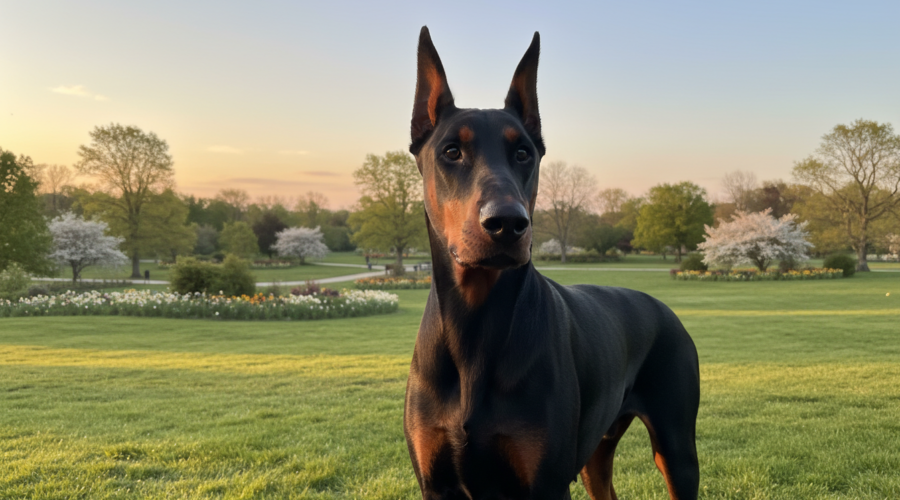
The Doberman Pinscher stands out as a remarkable blend of intelligence, strength, and unwavering loyalty. Many active families choose this breed because it adapts perfectly to both rigorous work tasks and cozy home life.
Owners often describe their pets as dedicated guardians who remain gentle with their loved ones. This unique balance makes the animal a top choice for those seeking a protective yet affectionate friend. Whether you need a partner for outdoor adventures or a watchful presence at home, this breed excels in every role.
Understanding the multifaceted nature of this canine helps you appreciate why it remains a beloved icon in the United States. Let us explore what makes this noble dog such a versatile companion for modern households.
Key Takeaways
- The breed is highly intelligent and excels in various training environments.
- These dogs are known for their deep loyalty and protective instincts toward family members.
- They are ideal for active households that enjoy daily exercise and engagement.
- The animal serves as both a capable working partner and a gentle house pet.
- Consistent training and socialization help bring out the best in this breed.
Introduction to the Doberman Pinscher
Few dog breeds possess the striking silhouette and storied past of the Doberman Pinscher. Known for their sleek coat and athletic build, these dogs have earned a reputation as both formidable protectors and deeply devoted family members. Exploring the Doberman breed info helps potential owners understand why this dog remains a top choice for those seeking a loyal companion.
History and Origins
The story of this breed begins in the early 1900s in Germany. A local tax collector named Louis Dobermann sought a reliable partner to accompany him through dangerous, bandit-infested areas. He aimed to create a dog that combined fearless protection with high intelligence and stamina.
By carefully selecting traits from various working breeds, he successfully developed a dog that could handle the rigors of his daily rounds. This historical foundation explains why the Doberman Pinscher is still recognized today for its unwavering courage and alertness. It is a breed forged in the fires of necessity and refined through generations of selective breeding.
Key Characteristics
When reviewing essential Doberman breed info, it becomes clear that these dogs are defined by more than just their looks. They are highly intelligent, often ranking among the smartest breeds in the world. This mental acuity makes them exceptionally responsive to training, though it also means they require consistent mental stimulation.
Their protective nature is perhaps their most famous trait, yet they are also known for being affectionate with their families. Below is a summary of the core traits that define the modern Doberman Pinscher:
| Trait | Description | Level |
|---|---|---|
| Intelligence | Problem-solving ability | Very High |
| Loyalty | Bond with family | Extreme |
| Energy | Daily activity needs | High |
| Trainability | Ease of learning | Excellent |
Understanding these characteristics is vital for any prospective owner. A Doberman Pinscher thrives when it has a clear job to do and a strong bond with its human pack. By respecting their history and their natural instincts, you can ensure a harmonious relationship with this remarkable breed.
The Physical Attributes of Dobermans
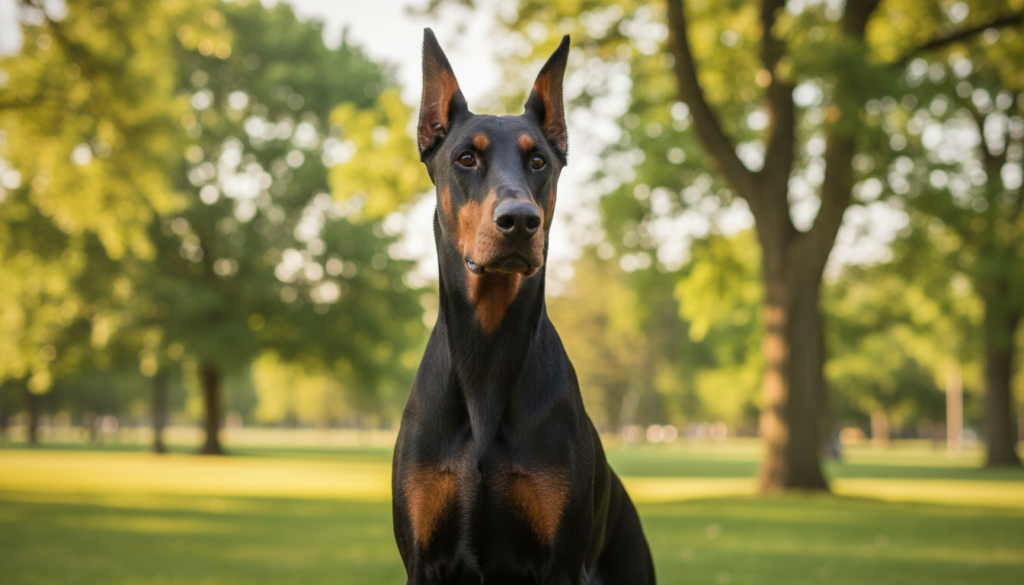
When you look at a Doberman, you immediately notice the perfect balance of power and grace. This breed is famous for its sleek, muscular build that radiates confidence and alertness. Getting accurate Doberman breed info helps you appreciate why these dogs are considered the aristocrats of the canine world.
Size and Weight
The Doberman is a medium-to-large dog that carries itself with a proud, upright posture. Males typically stand between 26 and 28 inches tall at the shoulder, while females are slightly smaller, ranging from 24 to 26 inches. Proper weight management is vital for this breed, as they are naturally lean and athletic.
Most healthy adults weigh between 60 and 100 pounds depending on their gender and frame. Maintaining this weight ensures they remain agile and healthy throughout their lives. Reliable Doberman breed info suggests that consistent exercise is the best way to keep them at their ideal physical standard.
Coat and Colors
The coat of a Doberman is short, smooth, and lies close to the body. It requires very little maintenance, making it a great choice for owners who prefer a low-effort grooming routine. You will find them in four primary colors: black, blue, red, or fawn.
Each of these colors is complemented by distinct rust markings found on the muzzle, throat, chest, and legs. These markings provide a sharp contrast that highlights the dog’s defined muscle structure. Keeping the coat shiny is easy with a soft brush and a healthy diet.
Distinctive Features
Beyond their color and size, Dobermans are known for their wedge-shaped heads and alert, intelligent eyes. Their ears are naturally floppy, though some owners choose to have them cropped for a specific look. Their tail is often docked, which contributes to their compact and powerful silhouette.
| Feature | Male Standard | Female Standard |
|---|---|---|
| Height | 26–28 inches | 24–26 inches |
| Weight | 75–100 lbs | 60–90 lbs |
| Coat Type | Short/Smooth | Short/Smooth |
| Primary Colors | Black, Red, Blue, Fawn | Black, Red, Blue, Fawn |
Understanding these physical traits is a key part of gathering Doberman breed info before bringing one home. Their athletic frame is built for endurance and speed, reflecting their history as a versatile working dog. By monitoring these physical standards, you ensure your companion stays in peak condition.
Temperament and Personality Traits
A deep dive into the mind of a Doberman reveals a dog that is as affectionate as it is protective. Understanding the nuances of the Doberman temperament is the first step toward building a lifelong bond with this noble breed. While they are often viewed as formidable guardians, their true nature is far more complex and sensitive than many realize.
Loyalty and Affection
Dobermans are famously known as “velcro dogs” because they prefer to stay close to their human family members at all times. They form intense emotional attachments and often act as a shadow to their owners throughout the day. This deep-seated loyalty makes them incredibly devoted companions who thrive on human interaction and affection.
While they are naturally protective, this instinct is rooted in their desire to keep their loved ones safe. Unlike the American Pit Bull Terrier, which is often noted for its exuberant friendliness toward strangers, the Doberman is typically more reserved. They are naturally cautious with people they do not know, which makes them excellent watchdogs for the home.
Intelligence and Trainability
The high intelligence of this breed is both a gift and a challenge for owners. They learn new commands with remarkable speed, often picking up complex tasks after only a few repetitions. Because they are so sharp, consistent Doberman dog training is absolutely vital to keep their minds engaged and focused.
Without proper mental stimulation, these dogs may become bored and find their own ways to entertain themselves, which is rarely ideal for the household. Owners should prioritize positive reinforcement techniques to encourage good behavior. A well-structured approach to Doberman dog training ensures that their natural drive is channeled into productive and rewarding activities.
Energy Level
Dobermans possess a high energy level that requires a dedicated outlet every single day. They are not suited for a sedentary lifestyle and will quickly become restless if they do not receive enough physical exercise. Daily activity is essential to maintain their physical health and emotional stability.
Engaging them in vigorous play, such as fetch or long walks, helps prevent the development of destructive habits. By providing consistent outlets for their energy, you foster a calm and well-adjusted pet. Understanding these personality traits allows owners to create a harmonious environment where their Doberman can truly flourish.
Training Your Doberman Pinscher
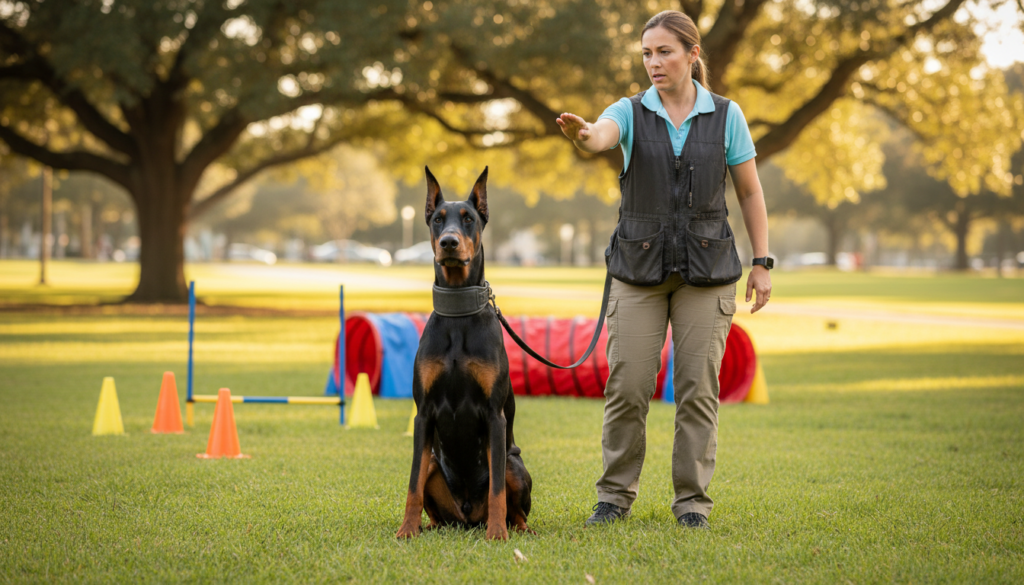
Mastering the art of Doberman dog training is the most rewarding way to ensure your pet becomes a well-adjusted family member. These dogs are naturally intelligent and possess a strong desire to please their owners, which makes them highly responsive to positive reinforcement. By establishing clear communication early on, you create a foundation of mutual respect and trust.
Basic Obedience Training
Every owner should prioritize foundational commands like sit, stay, and come. Consistency is the key to success when you learn how to train a Doberman Pinscher effectively. Keep your sessions short, fun, and focused to maintain your dog’s interest and enthusiasm.
Using treats and verbal praise helps reinforce good behavior immediately. Patience is vital during these early stages, as your Doberman Pinscher learns to navigate your expectations. Always end each session on a positive note to keep your dog motivated for the next lesson.
Advanced Training Techniques
Once your dog masters the basics, you can explore more complex challenges. Dobermans excel in a wide variety of sports, including agility, rally obedience, and working dog trials. These activities provide the mental stimulation that this breed craves to stay happy and balanced.
Advanced training often involves off-leash work and complex obstacle navigation. Engaging in these sports strengthens the bond between you and your dog while showcasing their natural athleticism. It is a fantastic way to channel their high energy into productive and fun outlets.
Socialization Strategies
Early socialization is critical for developing a confident and stable temperament. Expose your puppy to various environments, sounds, and people in a controlled manner. This helps them become comfortable in diverse situations, preventing unnecessary anxiety or reactivity later in life.
Positive interactions with other dogs and humans are essential for a well-rounded Doberman Pinscher. Always monitor these encounters to ensure they remain safe and enjoyable for everyone involved. A well-socialized dog is a confident and reliable companion in any setting.
| Training Stage | Primary Focus | Expected Outcome |
|---|---|---|
| Basic | Obedience Commands | Reliable household manners |
| Intermediate | Socialization | Confidence in public spaces |
| Advanced | Agility & Sports | Mental and physical mastery |
Health Considerations for Dobermans
While Dobermans are known for their strength, they are also prone to specific Doberman health issues that every owner should know. Being aware of these vulnerabilities allows you to provide the best possible life for your loyal companion. Proactive care is the cornerstone of a long and vibrant life for this noble breed.
Common Health Issues
One of the most significant concerns for this breed is Dilated Cardiomyopathy (DCM). This heart condition affects the muscle’s ability to pump blood effectively and often requires specialized monitoring.
Beyond heart health, owners should remain vigilant regarding other potential risks. These include:
- Bloat (GDV): A life-threatening condition where the stomach twists, requiring immediate emergency intervention.
- Liver Disease: Certain genetic predispositions can affect liver function as the dog ages.
- Von Willebrand’s Disease: A common bleeding disorder that can complicate surgeries or injuries.
Preventive Care Tips
Implementing consistent Doberman care tips can make a world of difference in your dog’s longevity. Regular veterinary check-ups are not just optional; they are essential for early detection of silent illnesses.
Consider these vital steps to maintain your dog’s well-being:
- Schedule annual echocardiograms to screen for early signs of heart changes.
- Perform routine blood tests to monitor liver enzymes and overall organ function.
- Maintain a healthy weight to reduce unnecessary strain on the heart and joints.
- Watch for sudden changes in appetite or energy levels, as these can be early warning signs.
By staying diligent with these preventive measures, you can catch potential problems before they become severe. Your commitment to these health practices ensures that your Doberman remains a strong and active partner for years to come.
Grooming Your Doberman
Proper grooming is a fundamental pillar of responsible Doberman care tips. Beyond keeping your dog looking sharp, regular sessions allow you to monitor their physical health closely. You can easily spot unusual lumps, skin irritations, or parasites during these quiet moments of connection.
Bathing and Brushing
Dobermans have a short, sleek coat that is relatively easy to maintain. Brushing them once or twice a week with a soft-bristle brush or a rubber grooming mitt helps remove loose hair and distributes natural oils. This simple routine keeps their coat shiny and reduces shedding around your home.
Bathing should only occur when your dog is visibly dirty or develops a distinct odor. Over-bathing can strip the skin of essential moisture, leading to dryness or irritation. Be vigilant for signs of skin conditions like Pemphigus Foliaceus, which may present as crusts or hair loss, particularly around the nose and ears. If you notice persistent redness or a yeasty smell, consult your veterinarian for specific Doberman care tips regarding medicated shampoos.
Nail Trimming and Ear Care
Keeping your dog’s nails at a comfortable length is vital for their mobility and joint health. Aim to trim the nails every few weeks to prevent them from clicking on hard floors or becoming overgrown. If you are new to this process, ask a professional groomer to demonstrate the correct technique to avoid the quick.
Ear care is equally important, especially for dogs with cropped ears. Regularly check the ear canals for debris, redness, or signs of infection. Use a gentle, vet-approved cleaning solution and a soft cotton ball to wipe the outer ear area. Consistent attention to these details ensures your pet remains comfortable and helps you implement effective Doberman care tips throughout their life.
| Grooming Task | Recommended Frequency | Essential Tool |
|---|---|---|
| Brushing | Weekly | Rubber Grooming Mitt |
| Bathing | As Needed | Mild Dog Shampoo |
| Nail Trimming | Every 3-4 Weeks | Heavy-Duty Clippers |
| Ear Cleaning | Bi-Weekly | Cotton Balls & Solution |
Finding the Right Doberman Pinscher
Bringing a Doberman Pinscher into your home is a significant life event. Since these dogs have an average lifespan of 13 years, you are making a long-term commitment to a loyal companion. Taking the time to find the right source is the most important step toward a happy life together.
Choosing a Reputable Breeder
When you look for Doberman puppies for sale, your primary goal should be finding a breeder who prioritizes health and temperament. Ethical Doberman breeders will always be happy to show you the health records of the puppy’s parents. They perform genetic testing to ensure that common breed-specific issues are minimized.
A responsible breeder will also ask you many questions about your lifestyle and home environment. They want to ensure that their puppies go to loving and prepared homes. If a breeder seems more interested in the transaction than the welfare of the dog, consider that a major red flag.
Adoption Options
If you prefer to provide a second chance to a dog in need, a Doberman rescue is an excellent path to explore. Many rescue organizations specialize in this breed and understand their unique personality traits. These groups often foster the dogs in home environments, which helps them assess the animal’s behavior with people and other pets.
Adopting from a rescue allows you to skip the intensive puppy phase if you prefer a more mature dog. You will often find that rescue dogs are already house-trained and have basic obedience skills. Opening your heart to a rescue Doberman can be an incredibly rewarding experience for both you and the dog.
Doberman Pinscher as a Family Pet
Despite common misconceptions, the Doberman Pinscher is often a gentle and devoted family member. Many people are surprised to learn that this breed can be incredibly affectionate when raised in a loving environment. By focusing on proper guidance, you can ensure your dog becomes a cherished companion for every member of your household.
Interaction with Children
When it comes to children, the Doberman temperament is often misunderstood. These dogs are naturally protective, which can translate into a deep sense of loyalty toward the younger members of the family. Supervision is always essential, especially when children are learning how to interact respectfully with a large dog.
Teaching children to respect the dog’s space and boundaries is a vital part of building a strong bond. When children and dogs are introduced correctly, the Doberman Pinscher often becomes a patient and watchful guardian. Consistent training helps the dog understand its role as a calm, steady presence in the home.
Compatibility with Other Pets
Integrating a new dog into a home with existing pets requires patience and a structured approach. Because of their pack-oriented nature, many Dobermans thrive when they have a canine companion to play with. Early socialization is the most effective way to ensure your dog learns how to communicate appropriately with other animals.
If you introduce your pet to cats or smaller animals at a young age, they are likely to develop a harmonious relationship. It is important to monitor initial meetings to ensure everyone feels safe and comfortable. With the right environment, the Doberman temperament allows for a peaceful coexistence, making them a wonderful addition to a multi-pet household.
The Working Role of Doberman Pinschers
Throughout history, the Doberman has proven itself to be an indispensable partner in various high-stakes working environments. Their legacy is perhaps best exemplified by their service as the official U.S. Marine Corps War Dogs during World War II. These brave animals led patrols through the dense jungles of the South Pacific, showcasing their unmatched courage and loyalty under pressure.
Service and Therapy Roles
Modern Dobermans continue to excel in roles that require high levels of empathy and focus. Many owners find that these dogs make exceptional therapy companions due to their intuitive nature and desire to be close to their handlers. Their ability to remain calm in new environments allows them to provide comfort in hospitals and nursing homes.
To succeed in these roles, these dogs require consistent mental stimulation. Engaging in specialized Doberman dog training helps them channel their intelligence into productive tasks. This mental engagement is vital for maintaining their emotional well-being and ensuring they remain reliable partners.
Law Enforcement and Security Work
The breed remains a top choice for police and security agencies because of their natural protective instincts and agility. Their physical prowess allows them to perform complex maneuvers that are essential for field operations. However, these demanding roles require a structured approach to ensure the dog remains balanced and responsive.
Effective Doberman dog training is the cornerstone of their success in security work. Handlers must focus on obedience and impulse control to manage the dog’s high energy levels safely. When these dogs are properly trained, they become highly efficient assets in protecting public safety.
It is also important for handlers to monitor Doberman health issues that could impact their performance. Because these dogs are often pushed to their physical limits, regular veterinary checkups are necessary to detect potential concerns early. Maintaining their physical health ensures that these dedicated workers can continue to serve with excellence for many years.
Exercise and Activity Needs
A tired Doberman is truly a well-behaved companion. Because this breed possesses an athletic build and high stamina, providing adequate movement is one of the most essential Doberman care tips for any owner. Without a proper outlet for their energy, these intelligent dogs may resort to destructive behaviors like chewing, digging, or excessive howling.
Daily Exercise Routines
Consistency remains the key to maintaining your dog’s physical health. You should aim for at least sixty to ninety minutes of vigorous activity every single day. This can include brisk walking, jogging, or a game of fetch in a secure, fenced area.
Structured routines help your pet understand when it is time to work and when it is time to rest. By integrating these habits into your daily schedule, you ensure your Doberman remains a happy and well-balanced member of the family. Remember that mental stimulation is just as important as physical exertion for this breed.
Fun Activities for Dobermans
Beyond standard walks, Dobermans thrive when given a job to do. Engaging in specialized sports allows them to burn off steam while sharpening their natural intelligence. These activities are excellent Doberman care tips for owners looking to deepen their bond with their pet.
Consider the following activities to keep your companion physically and mentally fit:
| Activity Type | Intensity Level | Primary Benefit |
|---|---|---|
| Agility Training | High | Mental Focus |
| Dock Diving | High | Physical Power |
| Obedience Games | Moderate | Discipline |
| Hiking | Moderate | Endurance |
Whether you choose competitive agility or simple backyard play, the goal is to keep your dog engaged. Providing variety prevents boredom and keeps your Doberman eager to learn. Following these Doberman care tips will lead to a more harmonious relationship with your loyal friend.
Conclusion: The Ideal Companion
Choosing a canine partner involves looking for a balance of spirit, intelligence, and devotion. The Doberman Pinscher stands out as a breed that offers deep emotional bonds alongside unmatched physical capability.
Valuing the Bond
Owning a Doberman Pinscher brings a unique sense of security and joy to any household. These dogs provide more than just protection; they offer a constant presence that enriches daily life. Their ability to adapt to various roles makes them a top choice for active individuals and families across the United States.
Lasting Commitments
Success with this breed relies on your willingness to invest time in their development. Consistent guidance and physical activity ensure your Doberman Pinscher remains a well-adjusted member of your pack. Focus on building a relationship rooted in mutual respect and clear communication. This approach guarantees a rewarding journey with a companion that will stand by your side through every season of life.
We invite you to share your experiences with your own pets in the community forums. Tell us about the unique personality traits that make your dog special. Your stories help others understand the true nature of this remarkable breed.



💬 Leave a Comment