
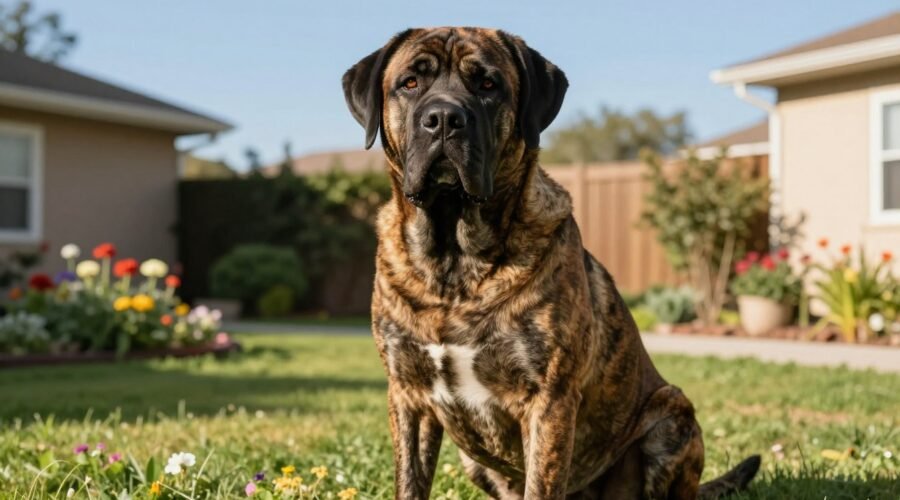
Are you looking for a pet that offers unwavering protection and a kind heart? Choosing the right pet is a big deal. You want a guardian that fits well into your family life.
The Bullmastiff is a great choice for those who want a calm yet alert presence. This large dog breed is known for its strength and quiet love.
This dog has a strong build and a steady mood. It’s more than a pet; it’s a dedicated family member. Knowing what this breed needs can help you see if it’s right for you.
Key Takeaways
- The Bullmastiff is known for its calm and courageous personality.
- This breed possesses a powerful, muscular build that commands respect.
- They are highly loyal and make excellent, watchful family guardians.
- Early socialization is essential to ensure a well-adjusted companion.
- This breed thrives when it feels like a true part of the family unit.
Introduction to the Bullmastiff
The Bullmastiff is a breed known for its immense strength and calm, loving nature. If you’re thinking of getting a big dog, knowing about this breed is key. It’s important for a good relationship.
This section offers dog breed information to help you decide. By learning about their history and needs, you can see if they’re right for your home.
Overview of the Breed
In 19th-century England, the Bullmastiff was created to protect gamekeepers. They were trained to catch and hold poachers without hurting them too much. This needed a mix of bravery and control.
Now, these characteristics are a big part of who they are. They are big, strong dogs, weighing 100 to 130 pounds. Even though they’re big, they’re quiet and steady. They often become a loyal companion to their families.
Ideal Owners and Lifestyle
These dogs do best with owners who give them clear rules and care. They don’t need to run a lot, but they do need daily walks. This keeps them healthy and happy.
The best owner is someone who wants a devoted protector and has enough space for a big pet. If you can give them a stable home and lots of love, they’ll be a wonderful loyal companion. Early training and socialization help keep their protective instincts in check.
Origin and History of the Bullmastiff
The story of the Bullmastiff starts in Victorian England’s rugged landscapes. In the 19th century, gamekeepers faced a big challenge from poachers. These workers needed a reliable partner for their nightly patrols.
Development of the Breed
Gamekeepers crossed the English Mastiff with the Old English Bulldog to solve their problem. This created a powerful yet agile companion. The Bullmastiff was made to track, pin, and hold intruders without harming them too much.
This mix gave the dog the size of a Mastiff and the tenacity of a Bulldog. They were nicknamed “Gamekeeper’s Night Dog.” Their silence while tracking made them great guard dogs for those dark nights.
Role in Home Protection
As estate patrolling needs decreased, the breed became a beloved family pet. Yet, their protective instincts stayed strong. Today, the Bullmastiff is known for its ability to sense danger and protect its family.
Unlike some breeds, this dog uses its presence to scare off visitors. They are a natural guard dog that values peace at home. Knowing their history helps you understand their dedication to keeping your home safe.
Size and Weight of the Bullmastiff
The size of this large dog breed often surprises new owners. They are not always ready for how fast they grow. Knowing your dog’s size is key to being a good owner.
Typical Measurements
A healthy Bullmastiff is strong and sturdy. Males weigh 110 to 130 pounds, and females weigh 100 to 120 pounds. They have broad chests and strong bodies, making them look big.
Height is also important. Most adults are 24 to 27 inches tall. You’ll need enough space for them to rest comfortably.
| Gender | Weight Range | Height Range |
|---|---|---|
| Male | 110 – 130 lbs | 25 – 27 inches |
| Female | 100 – 120 lbs | 24 – 26 inches |
Growth Stages
Watching a Bullmastiff grow is rewarding. They grow fast in their first year. You need to feed them right to help their bones and joints grow strong.
By 18 to 24 months, they are fully grown. Even though they look like adults, their bodies are not fully mature. Giving them gentle exercise helps them stay healthy and balanced.
Lifespan and Health
Knowing how to keep your pet healthy is key to a long, happy life. As a large breed, the Bullmastiff needs special care. This ensures they stay comfortable and active for years.
Average Longevity
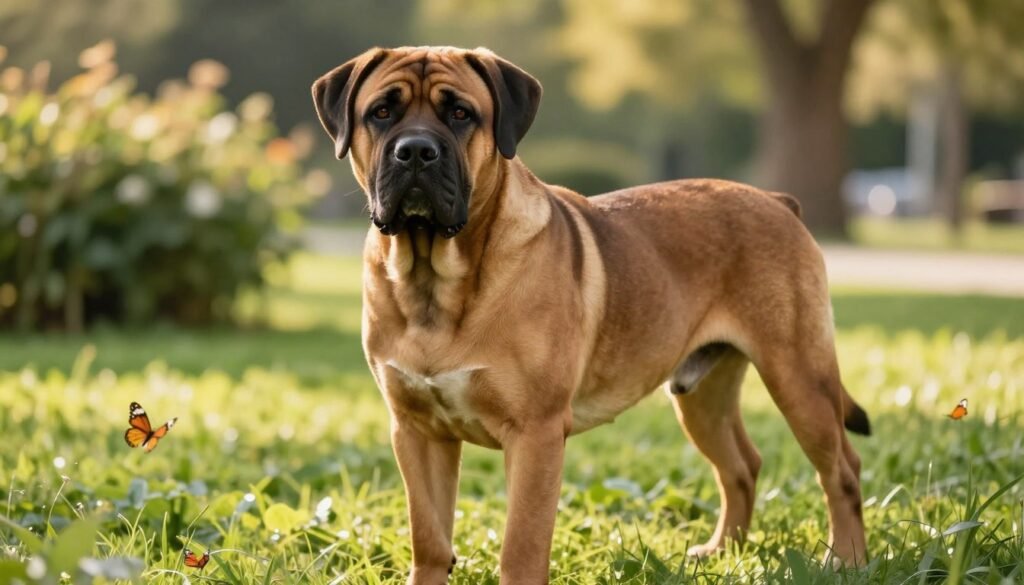
The Bullmastiff usually lives between 7 to 10 years. While this might seem brief, proper care can help them live well. Focus on preventative care and a balanced lifestyle.
Regular exercise and good food are vital for aging well. If you’re curious about other sturdy breeds, check out the American Staffordshire Terrier. It helps understand longevity differences.
Common Health Issues
Large breeds face specific health challenges. Owners must watch for bloat, a serious stomach issue that needs quick vet care.
Joint health is also a concern. Their size makes them prone to hip or elbow dysplasia. Regular vet visits help catch these issues early, keeping your dog’s life quality high.
| Health Aspect | Key Consideration | Recommended Action |
|---|---|---|
| Average Lifespan | 7 to 10 years | Routine wellness exams |
| Digestive Health | Risk of bloat | Small, frequent meals |
| Joint Mobility | Potential dysplasia | Weight management |
| Bullmastiff Care | Large breed needs | Consistent vet visits |
Temperament and Personality Traits
The Bullmastiff is a mix of a strong guardian and a gentle friend. Their size is big, but their temperament is calm and steady. They can easily go from being a relaxed housemate to a focused protector when needed.
Behavior with Family
At home, these dogs are known as “gentle giants.” They are quiet and like to relax near their owners. They love being close to their family.
Even though they are big, they are careful around kids. They are very loving and make great family pets. They quickly form a deep bond with their family.
Loyalty and Protectiveness
The Bullmastiff is naturally protective of its territory. They don’t bark unless something is wrong. They use their size and presence to keep things safe.
They have a strong instinct to protect, but they are not aggressive. With proper training, they know who to trust. They provide a sense of safety for their owners.
| Trait | Indoor Behavior | Outdoor/Alert Behavior |
|---|---|---|
| Energy Level | Low (Relaxed) | Moderate (Alert) |
| Social Style | Affectionate | Watchful |
| Primary Role | Loyal Companion | Natural Guardian |
Energy Level and Exercise Needs
Even a gentle giant like the Bullmastiff needs a structured exercise routine. They are not couch potatoes, but they don’t need high-intensity energy bursts either.
Keeping a consistent routine is key to keeping your pet happy and fit. Balance is the key to ensure they stay in shape without harming their joints.
Daily Activity Requirements
To keep your Bullmastiff healthy, plan for at least one hour of daily exercise. It doesn’t have to be a marathon. Instead, focus on steady, low-impact movement.
Walking is the best way to meet these needs. Here’s a schedule to keep your dog engaged:
- Morning: A brisk 20-minute walk to start the day.
- Afternoon: A casual 20-minute stroll to explore the neighborhood.
- Evening: A final 20-minute walk to help them settle down for the night.
Playtime and Mental Stimulation
Physical movement is just half the battle. Mental stimulation is also key to prevent boredom and destructive behaviors in a Bullmastiff.
Adding mental challenges to your daily routine is easy. Simple games like hide-and-seek with treats or using puzzle toys can keep their mind sharp. Here’s a quick guide to manage their activity levels:
| Activity Type | Intensity Level | Benefit |
|---|---|---|
| Leashed Walking | Low | Joint health |
| Puzzle Toys | Mental | Cognitive focus |
| Gentle Fetch | Moderate | Bonding |
Always watch for signs of fatigue in your Bullmastiff, even in cooler weather. By providing consistent, moderate exercise, you’ll keep your Bullmastiff healthy and loyal for years.
Suitability for Families and Children
This breed is a gentle giant, showing great love for family members. Their size might scare strangers, but at home, they are calm and loving. Choosing the right pet is important, and this breed offers both protection and affection.
Compatibility with Kids
Bringing a Bullmastiff home can be a great experience. They are patient and kind with kids. But, because of their size and strength, always watch them during play.
Teaching kids how to play with a big dog is key. Even a friendly dog can accidentally hurt a child. Setting rules helps keep everyone safe and happy.
Ideal Household Dynamics
The perfect home for a Bullmastiff is one where they are part of the family. They love being around people and don’t like being alone. Here are things to consider:
- Space: They need room to move around.
- Consistency: They like a stable routine.
- Socialization: Early exposure to people and places helps them adjust.
- Active Engagement: They love to join in on family activities.
The Bullmastiff is a great choice for families who want loyalty and safety. With the right care and love, they become a beloved part of your life. Understanding their needs helps create a strong bond with them.
Living Arrangements: House vs. Apartment
Thinking about your home size for a large dog breed like the Bullmastiff? These dogs are calm but big. It’s key to match your living space with your pet’s needs for a happy home.

Space Requirements
Bullmastiffs need room to stretch and relax. They love a fenced yard for free movement. A yard is safe for them to enjoy fresh air and some exercise.
In a house, keep indoor areas clear. These dogs are not very active indoors but need space to move. Having a special bed spot helps them feel secure.
Adaptability to Small Spaces
Many think a Bullmastiff can’t live in an apartment. But, they can adapt to small spaces with a regular routine. The secret to success is regular exercise and mental games outside.
In an apartment, daily walks are a must, rain or shine. A Bullmastiff that exercises gets to relax indoors a lot. Keeping a regular schedule keeps them happy in smaller spaces.
| Living Environment | Space Availability | Exercise Requirement |
|---|---|---|
| House with Yard | High | Moderate |
| Large Apartment | Medium | High |
| Small Apartment | Low | Very High |
Grooming and Basic Care
Looking after your Bullmastiff is a joy that keeps them happy and healthy. Knowing their characteristics is key to creating a good care guide for them.
Coat Maintenance
The Bullmastiff has a short, dense coat that’s easy to care for. A weekly brushing session is enough to keep their coat clean and their skin healthy.
Grooming is a chance to bond with your dog. It lets you check for skin issues and keeps their coat shiny.
Nutrition and Diet
Feeding your Bullmastiff right is key to their health. They can easily gain weight, so watch their calories.
Talking to your vet helps pick the right food for your dog’s age. Good nutrition keeps them energetic and prevents health problems as they get older.
Make sure your dog always has fresh water. A regular feeding schedule keeps them in top shape.
Training Difficulty and Social Behavior
Bullmastiffs are very loyal but can be independent. They are smart but might be stubborn if they don’t see the point of a command. Success in training comes from building a relationship based on respect, not just dominance.
Training Needs for First-Time Owners
If you’re new to dog ownership, be consistent and patient. Bullmastiffs do best with positive reinforcement like treats, praise, and play. Avoid harsh methods as they can hurt the trust you’re building.
Here are some key training tips:
- Start early: Begin basic obedience training when your puppy is young and eager to learn.
- Keep sessions short: Aim for 10 to 15 minutes to prevent boredom or frustration.
- Be consistent: Use the same commands and rules every day so your dog knows what to expect.
- Socialize often: Expose your dog to new people, environments, and sounds to build their confidence.
Interaction with Other Pets
It’s important to manage how your Bullmastiff interacts with other animals. They may be wary of unfamiliar dogs due to their protective nature. But, with the right guidance, they can live well with other pets.
Early socialization is the key to ensuring your dog stays calm around other animals. Introduce them to other pets in a controlled, positive environment. This way, they are more likely to accept them as family. Always supervise these meetings to keep everyone safe and comfortable.
Remember, every dog is different with its own personality. Stay patient and use these tips to help your dog become a well-mannered and social member of your household.
Pros and Cons of Owning a Bullmastiff
Thinking about getting a Bullmastiff? It’s good to know the good and the bad. This helps make sure your home is right for your new friend.
Advantages of the Breed
This breed is known for their deep, unwavering loyalty to their family. They are calm indoors, making great companions for those who want a steady friend.
They naturally watch over your property as a guard dog. Plus, their coat is easy to care for, needing just occasional brushing.
Considerations Before Commitment
They are big, so you need to be ready for the work of caring for a large dog. Also, they can get sick, so you’ll need to see the vet often.
Good training tips are key. These dogs think for themselves and do best with positive training. Without early training and socialization, they can be hard to handle in public.
| Feature | Benefit | Challenge |
|---|---|---|
| Temperament | Deeply loyal and calm | Can be stubborn |
| Protection | Natural guard dog | Requires early training |
| Maintenance | Low-shedding coat | High food and vet costs |
| Guidance | Responds to training tips | Needs consistent leadership |
Deciding to get a Bullmastiff is a big choice. It’s about if you can give them the care and structure they need. Think about it carefully to see if they’re right for you.
Conclusion: Next Steps for Interested Owners
Choosing a dog is a big decision that needs careful thought. The Bullmastiff is a great, loyal friend for those who are ready to train and care for them every day. Think about your lifestyle to make sure this powerful breed is right for you.
Learn more about the Bullmastiff by reading professional dog breed information. A good care guide will help you manage their needs from puppyhood to old age. Knowing their temperament helps you build a strong bond with your pet.
Researching Similar Breeds
If you’re not sure, look at breeds with similar looks or protective traits. Comparing dogs helps you find the best fit for your family. There are many resources to help you decide between different large breeds.
Finding Reliable Resources
Join local breed clubs or talk to reputable breeders for real advice on dog ownership. They can guide you on health, food, and socializing your dog. Being part of these communities means you’ll have the support to raise a happy dog.



💬 Leave a Comment