
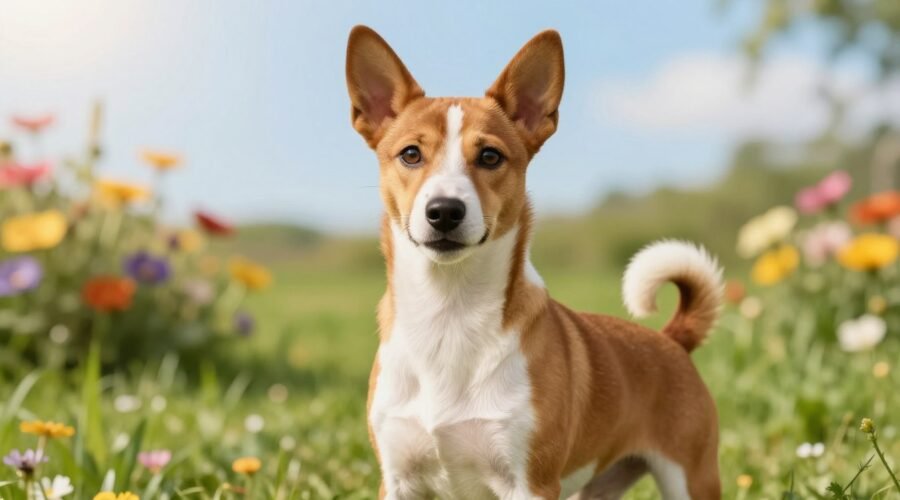
Finding the perfect pet for an active household requires careful research. Many families seek a partner that is both loyal and energetic. The Basenji Dog stands out as a unique choice for those who appreciate a spirited personality.
Often called the African Barkless Dog, this breed offers a quiet home environment while maintaining a high level of curiosity. They are truly an Intelligent Canine Companion for owners who understand their specific needs and independent nature.
These animals thrive when given plenty of mental stimulation and physical exercise. If you are ready for a rewarding bond, this breed might be your ideal match. Let us explore what makes these pets so special and how to keep them happy.
Key Takeaways
- This breed is famous for being quiet and not barking.
- They are highly intelligent and require consistent mental engagement.
- Active families will find them to be loyal and playful partners.
- Understanding their independent nature is vital for successful training.
- They are well-suited for owners who enjoy an active, outdoor lifestyle.
What is a Basenji Dog?
Few breeds possess the mysterious allure and historical depth of the Basenji Dog. This remarkable animal has captured the hearts of owners for generations due to its cat-like personality and independent spirit.
Often referred to as the African Barkless Dog, this breed is truly one of a kind. It offers a perfect blend of ancient instincts and modern companionship for the right household.
History and Origin
The roots of this breed stretch back to the ancient civilizations of Egypt and the dense forests of Central Africa. Historically, tribes relied on this Small Hunting Dog to flush game into nets during expeditions.
Because of its agility and keen senses, it became an essential partner for survival in harsh environments. Over centuries, the breed remained relatively unchanged, preserving its primitive traits and natural instincts.
Unique Characteristics
As a Unique Breed, the Basenji stands out for its inability to bark like other dogs. Instead, it produces a distinct sound often described as a yodel or a chortle when excited.
Beyond its vocalizations, the breed is known for its meticulous grooming habits, much like a feline. Owners often find that their pets spend significant time cleaning themselves to stay tidy.
| Feature | Description | Benefit |
|---|---|---|
| Vocalization | Quiet/Yodel | Ideal for apartments |
| Grooming | Self-cleaning | Low maintenance |
| Energy | High | Great for active owners |
This Small Hunting Dog remains a popular choice for those who appreciate a clean, quiet, and intelligent companion. Its status as a Unique Breed ensures that every day with a Basenji Dog is an adventure.
Key Traits of Basenji Dogs
The Basenji Dog is a fascinating breed known for its complex and engaging personality. As a unique breed, they offer a distinct experience for owners who appreciate a dog with a mind of its own. Their behavior often mirrors that of a cat, making them stand out in the canine world.
Temperament
Often referred to as the African Barkless Dog, this breed is famous for its quiet nature. While they do not bark, they are far from silent, often making yodeling or chortling sounds to express themselves. They tend to be reserved and aloof with strangers, yet they form deeply loyal bonds with their immediate family members.
Energy Level
This Small Hunting Dog possesses an incredible amount of stamina and vitality. They are naturally Curious and Playful, always looking for an opportunity to explore their surroundings. Without proper outlets for their energy, they may become restless or destructive in a home environment.
Trainability
Training this Intelligent Canine Companion requires patience and a creative approach. Because they are highly independent, they do not always feel the need to please their owners in the same way other breeds might. Success comes from using positive reinforcement and keeping sessions short to maintain their interest.
| Trait | Description | Level |
|---|---|---|
| Independence | High self-reliance | High |
| Energy | Need for activity | Very High |
| Trainability | Mental engagement | Moderate |
| Affection | Bond with family | High |
Why Choose a Basenji Dog?
Discovering the charm of this Unique Breed reveals why so many people fall in love with them. If you lead an active lifestyle and want a companion that keeps you on your toes, this dog might be your perfect match.
Ideal Family Pet
The Basenji Dog is known for being incredibly Curious and Playful, making them a delight to have in an active household. They form deep, meaningful bonds with their human family members and often act as loyal guardians of their space.
Because they are so intelligent, they thrive when they are included in daily family activities. Their affectionate nature ensures that they are not just pets, but true members of the home who enjoy being part of the action.
Low Maintenance Needs
One of the most attractive qualities of this Basenji Dog is their natural cleanliness. They are often compared to cats because they groom themselves meticulously, which keeps their coat looking pristine without much effort from you.
They are also known for being quiet companions, as they do not bark like many other breeds. This makes them an excellent choice for owners who appreciate a peaceful home environment. Their independent spirit means they are comfortable spending time on their own, provided they have received enough exercise and mental stimulation earlier in the day.
How to Care for Your Basenji
Maintaining the health of your African Barkless Dog is a rewarding journey that centers on specific care routines. Providing consistent attention to their physical needs ensures they remain vibrant and active throughout their lives. By focusing on quality nutrition and regular hygiene, you create a foundation for a long and happy partnership.

Note on health information: While this breed is generally robust, all dogs can be predisposed to hereditary conditions. Always consult a veterinarian and request health clearances from breeders. The health information above is for general guidance only and is not a substitute for professional veterinary advice.
Diet and Nutrition
A healthy Basenji Dog thrives on a balanced diet tailored to their high energy levels. Because these dogs are naturally athletic, they require nutrient-dense food that supports muscle maintenance and joint health. It is vital to monitor their caloric intake closely, as they can be prone to weight gain if overfed.
Always provide fresh, clean water at all times to keep your pet hydrated. High-quality proteins should be the primary ingredient in their meals to ensure they receive essential amino acids. Consult with your veterinarian to determine the specific portion sizes that match your dog’s age and activity level.
Grooming Essentials
Many owners appreciate that the Basenji Dog is a Low Shedding Dog, which makes cleaning up around the house much easier. While they are often considered a Hypoallergenic Breed, they still require regular grooming to keep their coat shiny and skin healthy. A quick weekly brushing helps remove loose hair and distributes natural oils across their skin.
Beyond brushing, remember to check their ears and trim their nails regularly to prevent discomfort. Since they are an African Barkless Dog, they are naturally fastidious and often groom themselves like cats. This unique trait makes them a fantastic choice for those who prefer a cleaner living environment.
| Care Category | Frequency | Key Benefit |
|---|---|---|
| Brushing | Weekly | Reduces dander |
| Nail Trimming | Bi-weekly | Prevents injury |
| Dental Care | Daily | Promotes longevity |
| Ear Cleaning | Monthly | Prevents infection |
Training Techniques for Basenji Dogs
Training a Basenji Dog requires a unique approach that respects their sharp mind and independent spirit. These dogs are not typical followers, so you must adapt your methods to keep them interested. By focusing on mutual respect, you can turn training sessions into a fun bonding experience.
To succeed, you must act as an Intelligent Canine Companion who understands the specific needs of this breed. They respond best to short, high-energy sessions rather than long, repetitive drills. Keeping your dog engaged is the secret to unlocking their full potential.
Positive Reinforcement
Positive reinforcement is the most effective way to encourage good behavior in your pet. Use high-value treats, praise, and play to reward them when they follow a command. Consistency is vital, as these dogs are quick to notice if you are not firm with your expectations.
Avoid harsh corrections or shouting, as this will only cause your pet to shut down. Instead, redirect their focus when they become distracted. This gentle guidance helps them learn that listening to you leads to positive outcomes.
Handling Independence
Managing the natural independence of a Basenji Dog is a common challenge for owners. They often weigh the benefits of a command before deciding whether to obey. As an Intelligent Canine Companion, you should focus on making the desired behavior the most rewarding option for them.
Establish a clear routine to help your dog feel secure and understand what is expected. When you remain calm and patient, you build trust that makes them more willing to cooperate. Use the following table to understand how to adjust your training style for better results.
| Training Aspect | Traditional Method | Basenji-Friendly Method |
|---|---|---|
| Session Length | Long, 30-minute drills | Short, 5-10 minute bursts |
| Motivation | Strict obedience | High-value rewards and play |
| Correction | Verbal reprimands | Positive redirection |
| Environment | Distraction-free room | Varied, stimulating locations |
By staying consistent and patient, you will find that your pet becomes a well-mannered member of the family. Remember that every small victory is a step toward a stronger relationship with your dog.
Common Health Issues in Basenjis
While the African Barkless Dog is a robust and energetic companion, they do have specific medical needs that owners should monitor closely. Understanding these potential challenges is a vital part of responsible pet ownership. By staying informed, you can ensure your furry friend enjoys a long and happy life.
Genetic Predispositions
Every breed has a unique genetic history, and this breed is no exception. One of the most well-known conditions to watch for is Fanconi syndrome, a kidney disorder that affects how the body processes nutrients. Early signs often include increased thirst and frequent urination.
Beyond kidney health, some individuals may face issues like progressive retinal atrophy or hip dysplasia. Although they are often considered a Hypoallergenic Breed, their physical health requires just as much attention as their grooming needs. Awareness of these hereditary traits allows for better management and early intervention.
Regular Vet Checkups
Routine visits to the veterinarian are essential for every Basenji Dog. These checkups allow your doctor to track baseline health markers and catch subtle changes before they become serious problems. Consistent monitoring is the best way to protect your pet.
During these visits, be sure to discuss any changes in behavior or appetite. Your vet can provide tailored advice on nutrition and exercise to keep your African Barkless Dog in peak condition. Use the following table to understand how to manage common concerns effectively.
| Condition | Primary Symptom | Management Strategy |
|---|---|---|
| Fanconi Syndrome | Excessive thirst | Specialized diet and supplements |
| Hip Dysplasia | Difficulty jumping | Weight control and physical therapy |
| Retinal Atrophy | Vision loss in dim light | Regular eye exams by specialists |
Socializing Your Basenji Dog
Socializing your Basenji Dog is a rewarding journey that shapes their personality for years to come. Because this breed is naturally independent and sometimes wary of strangers, early and consistent exposure to the world is vital. By starting early, you help your pet become a well-adjusted member of your family.
Interaction with Other Pets
The Basenji Dog is naturally curious and playful, which can sometimes lead to high-energy encounters with other animals. When introducing your pet to new companions, always prioritize a controlled environment to ensure safety for everyone involved. Keep initial meetings short and positive to prevent overstimulation.
Watch for signs of body language that indicate your dog is becoming too intense or defensive. If they seem overwhelmed, calmly remove them from the situation and try again later. Consistent, calm guidance helps them learn how to interact politely with other household pets.
“Socialization is not just about meeting new friends; it is about teaching your dog how to remain calm and confident in a variety of changing environments.”
Building Confidence
Building confidence in your pet requires a steady approach to new sights, sounds, and surfaces. A curious and playful spirit is a hallmark of the breed, but they need your support to navigate unfamiliar territory without fear. Take them on short walks in different neighborhoods to expose them to the sights of the world.
Reward your dog with treats or praise when they remain calm during these new experiences. This positive reinforcement builds a strong bond and teaches them that the world is a safe place to explore. Over time, your Basenji Dog will develop the self-assurance needed to handle new social situations with ease.
| Socialization Stage | Activity Type | Goal |
|---|---|---|
| Early Exposure | Quiet walks | Build comfort |
| Mid-Level | Pet-friendly stores | Manage distractions |
| Advanced | Group play dates | Improve social skills |
Basenji Dog Activities and Exercises
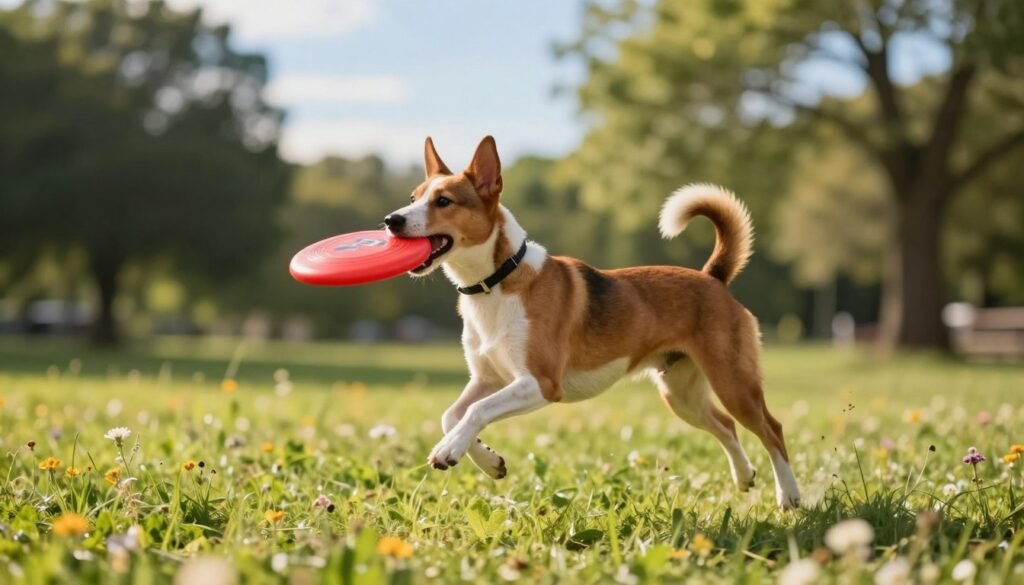
A Basenji Dog requires a unique blend of physical and mental challenges to stay balanced. Because this breed possesses high energy levels, they need consistent outlets to burn off steam and remain content in a domestic setting.
Without proper engagement, these intelligent animals may find their own ways to entertain themselves, which often leads to unwanted behaviors. Providing a structured routine ensures your companion stays healthy and happy.
Outdoor Adventures
As a Small Hunting Dog, the breed naturally enjoys exploring the great outdoors. They are excellent companions for long walks and light jogging sessions in secure, fenced areas.
It is vital to remember that they have a strong prey drive. Always keep your pet on a sturdy leash unless you are in a completely enclosed space to prevent them from chasing after local wildlife.
Mental Stimulation Games
Because they are Curious and Playful, these dogs need more than just physical exercise to stay sharp. Mental stimulation is just as important as physical movement to keep their minds occupied.
You can easily incorporate brain-teasing activities into your daily schedule to prevent boredom. Consider these effective ways to challenge your pet:
- Puzzle Feeders: Use treat-dispensing toys that require problem-solving skills to access food.
- Scent Games: Hide treats around the living room and encourage your dog to sniff them out.
- Trick Training: Teach new commands for 10 minutes a day to build focus and confidence.
| Activity Type | Primary Benefit | Intensity Level |
|---|---|---|
| Hiking | Physical Endurance | High |
| Puzzle Toys | Cognitive Growth | Low |
| Scent Work | Mental Engagement | Medium |
| Agility Training | Coordination | High |
Understanding Basenji Dog Communication
Mastering the signals of your Intelligent Canine Companion will strengthen your bond significantly. While they are known for being quiet, these dogs are far from silent in their own way. This Unique Breed relies on a complex mix of sounds and physical cues to share their feelings with you.
Vocalizations
The Basenji Dog is world-famous for its inability to bark like a typical canine. Instead, they produce a distinct sound often described as a yodel or a baroo. This vocalization usually happens when they are excited, happy, or trying to get your attention.
Beyond the yodel, they also make chortling sounds and whines. These noises are their way of expressing frustration or a desire for play. Learning to distinguish these subtle tones helps you understand exactly what your pet needs at any given moment.
Body Language
Because they do not rely on barking, this Intelligent Canine Companion uses its entire body to communicate. You will notice that their ears are highly expressive, often swiveling to track sounds or pinning back when they feel submissive. Their tail, which is tightly curled, can also signal their mood through its position and tension.
Observing their posture is key to interpreting their intentions. A stiff body often indicates alertness or suspicion, while a relaxed, wiggly frame shows pure joy. By paying close attention to these physical cues, you can better anticipate their needs and build a deeper level of trust.
| Signal | Behavior | Meaning |
|---|---|---|
| Yodeling | High-pitched, melodic sound | Excitement or greeting |
| Ear Position | Ears pinned back | Submission or anxiety |
| Tail Wag | Loose, side-to-side motion | Happiness and playfulness |
| Stiff Posture | Rigid body and fixed gaze | Alertness or caution |
Understanding these signals makes life with this Unique Breed much more rewarding. When you learn to read their silent language, you become a more effective partner to your pet. Consistent observation will turn you into an expert at interpreting their emotions.
Choosing the Right Basenji Dog
Your search for a Small Hunting Dog should prioritize ethical practices and long-term health. Bringing a new pet into your home is a significant commitment that requires careful preparation and research. By selecting the right source, you ensure that your new companion is well-adjusted and ready to thrive in your unique environment.
Finding Reputable Breeders
When you decide to purchase a Basenji Dog from a breeder, look for professionals who prioritize the welfare of their animals. A responsible breeder will always be happy to show you the living conditions of their dogs. They should provide documentation regarding genetic health screenings to ensure the puppy is free from common hereditary issues.
Ask plenty of questions during your initial meeting. Inquire about the socialization process the puppies undergo during their first few weeks of life. Transparency is key when you are making such an important decision for your family.
Rescue Organizations
Adopting a Basenji Dog from a rescue organization is a rewarding way to find your next best friend. Many rescue groups specialize in this breed and understand the specific needs of these intelligent animals. These organizations often perform temperament testing to help match the right dog with your lifestyle and experience level.
Choosing to rescue a Small Hunting Dog often means you are giving a second chance to a pet in need. Most rescues provide essential vaccinations and spay or neuter services before the dog goes home. This process helps you feel confident that your new family member is healthy and ready for a fresh start.
| Feature | Reputable Breeder | Rescue Organization |
|---|---|---|
| Health History | Extensive genetic testing | Vet-checked and vaccinated |
| Age Range | Primarily puppies | Puppies, adults, and seniors |
| Cost | Higher initial investment | Lower adoption fees |
| Support | Lifetime breeder guidance | Rescue community resources |
Basenji Dogs in Popular Culture
Beyond their physical beauty, the Basenji Dog has carved out a unique niche in global pop culture. This unique breed has captured the imagination of artists, writers, and filmmakers for generations. Their independent spirit and striking appearance make them stand out in any setting.
Movies and TV Appearances
The Basenji Dog has graced the silver screen on several notable occasions. One of the most famous appearances occurred in the classic film Goodbye, Mr. Chips, where the breed was featured prominently. Their calm yet alert demeanor often makes them a preferred choice for directors looking for a sophisticated animal actor.
Television shows have also highlighted the charm of this unique breed. Because they are known for being quiet, they are often cast in roles that require a composed and dignified presence. Their ability to remain stoic under pressure is a trait that producers frequently admire.
Famous Basenji Owners
Many influential figures have been drawn to the Basenji Dog throughout history. These owners often appreciate the breed’s cat-like cleanliness and quiet nature. It is not uncommon to find high-profile individuals who prefer the company of such a distinct and intelligent companion.
The following table outlines some of the most interesting cultural milestones and associations for this unique breed:
| Category | Cultural Reference | Significance |
|---|---|---|
| Film | Goodbye, Mr. Chips | Classic cinematic debut |
| Literature | African Folklore | Ancient cultural roots |
| Media | Dog Shows | Global recognition |
| Status | Companion Animal | Modern celebrity pet |
The Lifespan and Care of Older Basenjis
Watching your loyal friend enter their golden years brings a unique set of responsibilities. Providing dedicated support helps your Basenji Dog maintain a high quality of life during this peaceful stage.
Managing Age-Related Health Needs
Regular visits to your veterinarian become vital as your pet grows older. These checkups allow professionals to monitor joint health and organ function in your African Barkless Dog. Early detection of minor issues often leads to better outcomes and keeps your companion active for longer periods.
Adjusting Daily Routines
Your Low Shedding Dog may require softer bedding to protect sensitive joints during rest. Gentle exercise remains important, but you should shorten the duration of walks to match their energy levels. Keep their environment stable and predictable to reduce stress as their senses naturally dull over time.
Sharing your home with this breed is a rewarding journey that spans many years. Observe your pet closely for subtle changes in behavior or appetite. Your attentive care ensures that every day remains filled with the quiet companionship that makes this breed so special.


💬 Leave a Comment