
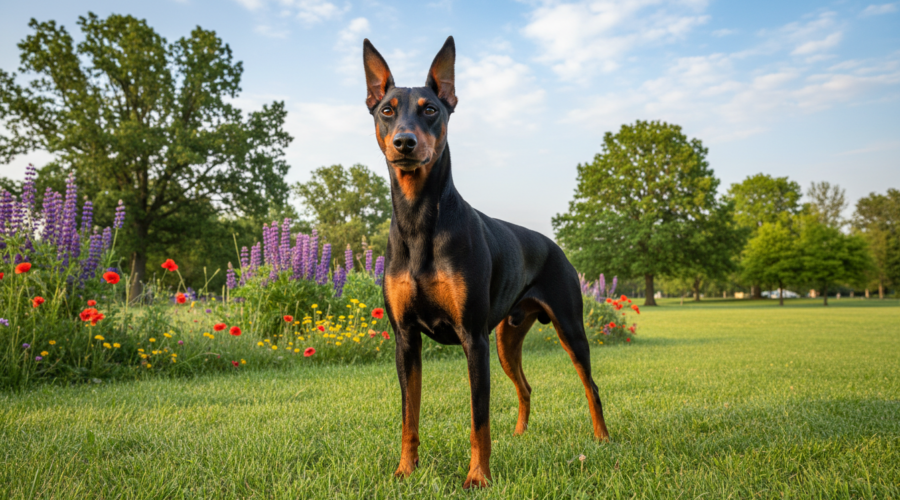
The German Pinscher is a medium-sized, energetic breed that brings joy to any active household. Known for its intelligence and spirit, this animal serves as an excellent loyal companion for families who enjoy staying busy.
Originally developed as a hardworking farm dog, this breed has successfully transitioned into a beloved house pet. Its history reflects a unique blend of stamina and affection that remains relevant today.
Finding accurate dog breed information is vital for potential owners. Understanding the specific needs of this loyal companion ensures a happy life for both the pet and the owner. Whether you are looking for a hiking partner or a devoted friend, this breed offers a perfect balance of work and play. Exploring this essential dog breed information will help you decide if this spirited dog is the right addition to your home.
Key Takeaways
- The breed is a medium-sized, versatile dog perfect for active families.
- It has a rich history as a capable farm worker.
- These dogs are known for being highly intelligent and affectionate.
- Potential owners should prioritize learning about the breed’s exercise needs.
- This dog makes a wonderful, devoted friend for the right household.
Introduction to the German Pinscher
Long before modern breeds were standardized, the German Pinscher was already a staple on farms across Germany. This medium-sized canine has earned a reputation as a bold and capable partner for those who value intelligence and stamina in a pet.
Overview of the Breed
The German Pinscher is widely recognized as one of the oldest and most foundational breeds in Europe. It serves as the original blueprint for several other popular dogs, including the Doberman and the Miniature Pinscher.
Because of its balanced size and high energy, this versatile working dog has remained a favorite for centuries. Owners often appreciate how this breed combines a sleek, athletic appearance with a sharp, alert mind.
History and Origins
Tracing its roots back to 15th-century farm life, this German dog breed was primarily used for guarding property and controlling vermin. These early dogs were prized for their ability to adapt to various tasks, making them essential companions for rural families.
Over time, the influence of the pinscher breed expanded significantly. Breeders utilized these sturdy dogs to help develop other iconic working lines, such as the Schnauzer and the Rottweiler. This historical contribution highlights why the breed is considered a cornerstone of canine development.
Distinctive Traits
What sets this German dog breed apart is its unique combination of elegance and grit. It is a versatile working dog that maintains a high level of focus, whether it is performing a task or simply enjoying time with its family.
The pinscher breed is known for its smooth, short coat and a muscular build that suggests power without bulk. These physical traits, paired with a spirited personality, ensure that the German Pinscher remains a significant and respected figure in the world of dogs today.
Temperament of the German Pinscher
The character of this German dog breed is defined by a mix of courage and affection. These dogs are known for being highly energetic and determined in everything they do. Owners often find that their pets possess a vibrant spirit that keeps the whole household active.
Friendly and Loyal
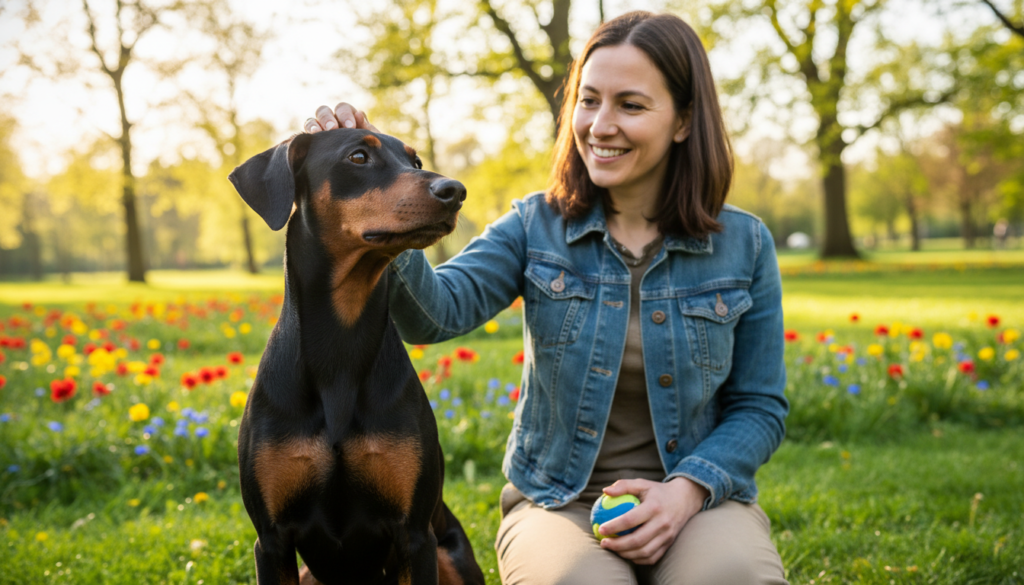
At their core, these dogs are deeply devoted to their human families. They thrive on meaningful interaction and love to be involved in daily activities. While they may seem reserved with strangers, they form an unbreakable bond with their primary caregivers.
Intelligent and Trainable
As an intelligent dog, this breed learns new commands with impressive speed. They are quick thinkers who enjoy solving puzzles and mastering new skills. However, their independent streak means they require consistent, positive guidance to stay focused during training sessions.
Protective Nature
The breed is naturally alert and makes an excellent watchdog for any home. They are not aggressive without cause, but they are always aware of their surroundings. This protective instinct is balanced by a calm demeanor when they are in the comfort of their own space.
| Trait | Description | Level |
|---|---|---|
| Loyalty | Deep bond with family | High |
| Intelligence | Quick to learn tasks | High |
| Energy | Needs daily activity | Very High |
| Watchfulness | Alert to surroundings | High |
Overall, the German Pinscher is a balanced companion for those who appreciate a sharp mind. Providing this intelligent dog with enough mental stimulation ensures a happy and well-adjusted pet. When treated with respect, this German dog breed becomes a loyal partner for life.
Physical Characteristics
The German Pinscher is a striking example of canine elegance and power. These dogs possess a balanced, muscular frame that reflects their history as versatile working animals. Understanding these German Pinscher characteristics helps owners appreciate the functional beauty of the breed.
Size and Build
As a classic medium-sized dog, this breed is neither too large nor too small for active households. They typically stand between 17 and 20 inches tall at the shoulder. Their build is compact and square, featuring a strong back and deep chest that allows for impressive agility.
Coat Colors and Textures
The coat of a German Pinscher is short, dense, and smooth to the touch. It lies close to the body, highlighting their well-defined musculature. Common colors include various shades of red, as well as black with distinct tan or rust markings. This low-maintenance coat is a hallmark of the breed’s practical nature.
Lifespan and Health Considerations
With proper care, this medium-sized dog often enjoys a long and active life, typically ranging from 12 to 14 years. Maintaining their physical health requires a balanced diet and consistent daily movement. Being aware of specific German Pinscher characteristics regarding their health allows owners to provide the best possible environment for their loyal companion. Regular veterinary checkups remain the best way to ensure your pet stays in peak condition throughout their life.
Training Your German Pinscher
Because the German Pinscher is such an intelligent dog, they thrive when given consistent mental challenges. These dogs possess a sharp mind that requires regular engagement to prevent boredom and unwanted habits. Owners who invest time in structured learning will find a highly responsive and capable partner.
Basic Commands
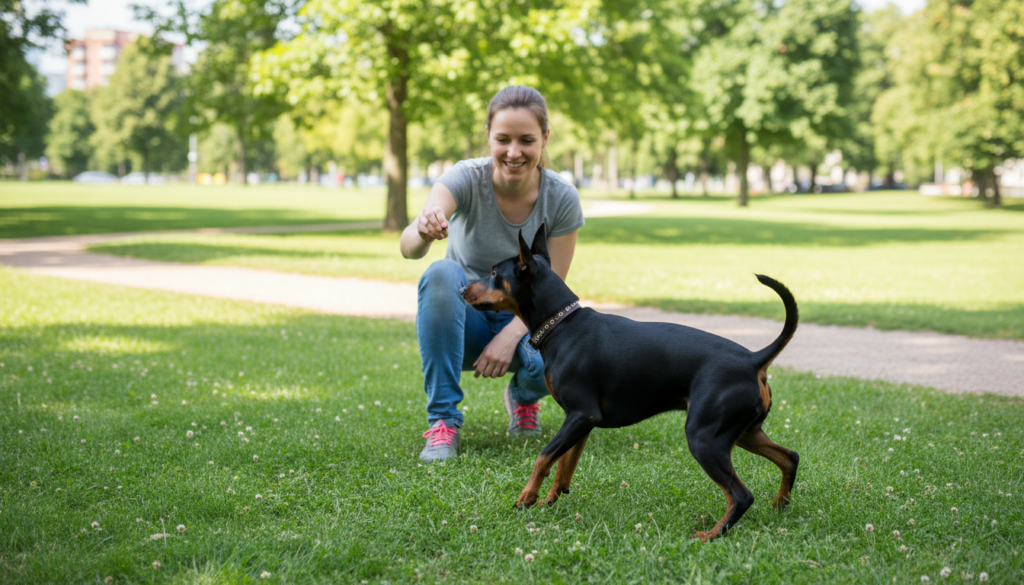
Starting with foundational obedience is essential for every German Pinscher. Focus on positive reinforcement techniques, such as treats and verbal praise, to encourage desired behaviors. Consistency is the key to success, as these dogs respond best to clear, predictable expectations.
Keep training sessions short and varied to maintain their interest. If you find yourself struggling with specific techniques, enrolling in professional puppy classes is a highly recommended step for new owners. These classes provide a controlled environment to practice commands while building a stronger bond with your pet.
Socialization Tips
Early socialization is vital to ensure your pet remains well-adjusted in various social settings. Introduce your dog to new people, different environments, and other animals during their formative months. This exposure helps them develop confidence and reduces the likelihood of them becoming overly suspicious of strangers.
Always prioritize positive experiences during these outings. A well-socialized dog is much more likely to remain calm and composed when encountering new situations later in life. Remember that patience is your greatest tool when navigating these new experiences together.
Addressing Behavioral Issues
This breed is known for its independent thinking, which can sometimes manifest as stubbornness during training. When your intelligent dog decides to test your boundaries, stay firm but fair. Avoid harsh discipline, as this often leads to frustration for both you and your companion.
Instead, redirect their energy toward productive tasks or games that challenge their problem-solving skills. By staying one step ahead and providing plenty of mental stimulation, you can effectively manage their independent nature. With the right approach, you will foster a respectful and harmonious relationship with your pet.
Health and Care Needs
Keeping your dog in peak condition involves a balance of nutrition, medical care, and activity. Providing consistent attention to these areas ensures that your German Pinscher remains a vibrant and active member of your family for many years.
Regular Veterinary Checkups
Preventative medicine is the cornerstone of a long life for your pet. Scheduling annual wellness exams allows your veterinarian to monitor for breed-specific concerns and keep vaccinations up to date.
Early detection of potential issues is vital for the German Pinscher. By maintaining a strong relationship with your local clinic, you ensure that any minor health changes are addressed before they become serious problems.
Nutrition and Diet
Fueling a high-energy breed requires a diet rich in high-quality proteins and balanced nutrients. You should select premium dog food that supports muscle maintenance and sustained energy levels throughout the day.
Always monitor your dog’s weight to prevent obesity, which can strain their joints. Consult with your vet to determine the exact caloric intake needed for your specific German Pinscher based on their age and activity level.
Exercise Requirements
As a high-energy working dog, this breed demands a significant amount of daily physical activity. Without a proper outlet for their stamina, they may become restless or develop unwanted habits.
Consistent exercise helps maintain their physical health and provides essential mental stimulation. Whether it is a long walk, a game of fetch, or agility training, keeping your German Pinscher moving is a non-negotiable part of their daily routine.
| Care Category | Frequency | Primary Goal |
|---|---|---|
| Veterinary Exams | Annually | Preventative Health |
| Balanced Diet | Twice Daily | Energy Management |
| Physical Exercise | Daily | Stamina Regulation |
| Weight Monitoring | Monthly | Joint Longevity |
Grooming Your German Pinscher
Maintaining the appearance of your dog is a simple task thanks to the unique German Pinscher characteristics. Because this breed features a sleek, short coat, they are significantly lower maintenance than many longer-haired companions. You will find that keeping your pet looking sharp requires only a small amount of your time each week.
Coat Maintenance
The coat of a German Pinscher is naturally shiny and dense, which helps it repel dirt effectively. While they do shed, the hair is short and rarely becomes matted or tangled. A quick weekly session is usually enough to remove loose fur and keep their skin healthy.
Bathing and Brushing
You do not need to bathe your dog frequently unless they have been playing in the mud. Over-bathing can strip the natural oils from their skin, so stick to a schedule of once every few months or as needed. Using a soft-bristle brush or a grooming mitt will help distribute oils and keep their coat looking vibrant and healthy.
Nail and Ear Care
Regular hygiene is a vital part of the overall German Pinscher characteristics that keep them comfortable. You should trim their nails every few weeks to prevent discomfort while walking. Additionally, check their ears weekly for any signs of redness or debris to ensure they remain clean and infection-free.
| Grooming Task | Frequency | Recommended Tool |
|---|---|---|
| Brushing | Weekly | Soft-bristle brush |
| Bathing | As needed | Mild dog shampoo |
| Nail Trimming | Every 3-4 weeks | Dog nail clippers |
| Ear Cleaning | Weekly | Cotton ball/Ear solution |
Living with a German Pinscher
Welcoming this breed into your living space requires understanding their unique personality and needs. The German Pinscher thrives when they are fully integrated into the heart of your family activities, acting as a loyal companion that rarely leaves your side.
Ideal Home Environment
Their compact size makes them an ideal medium-sized dog for those living in smaller homes or apartments. While they are adaptable, they possess a high level of energy that requires a dedicated space to move and play.
Providing a secure, fenced area is highly beneficial for their well-being. They enjoy being near their owners, so they are happiest when they have access to the main living areas of the house.
Compatibility with Children and Other Pets
When raised together, these dogs often form deep bonds with children. Because of their spirited nature, interactions should always be supervised to ensure play remains gentle and respectful.
Socialization is the key to success when introducing them to other household pets. They can be assertive, so early exposure to other animals helps them learn how to interact politely within a multi-pet home.
Daily Routine for a Happy Pup
A structured schedule is essential for keeping this loyal companion balanced and content. You should prioritize a mix of physical exercise and mental challenges to prevent boredom.
Your daily routine should include:
- Morning walks to burn off initial energy.
- Interactive training sessions to keep their mind sharp.
- Evening relaxation time where they can settle down with the family.
By maintaining this balance, you ensure your medium-sized dog remains a well-adjusted member of the household. Consistent routines help the German Pinscher feel secure and understood in their environment.
Activities and Exercise for German Pinschers
The German Pinscher is a high-energy breed that thrives on movement and engagement. Because of their history as working animals, they possess a natural drive that requires consistent outlets to remain balanced and happy.
Providing structured activities helps channel their intensity into positive behaviors. When you engage your pet in purposeful play, you strengthen the bond you share while keeping them physically fit.
Fun Outdoor Activities
This breed is a truly versatile working dog that excels in a wide variety of canine sports. You might consider enrolling your companion in agility courses, where they can navigate obstacles with speed and precision.
Other excellent options include barn hunt, scent work, and lure coursing. These activities tap into their natural instincts and provide a healthy way to burn off excess energy in an outdoor setting.
Mental Stimulation Games
Physical exercise is only half the battle for a sharp-minded German Pinscher. You should incorporate mental stimulation games to keep their brain active and prevent the development of boredom-related habits.
Try using puzzle toys that require your dog to solve problems to reach a treat. Hide-and-seek games or teaching complex new tricks are also fantastic ways to challenge their intellect daily.
Importance of Regular Exercise
Consistency is the key to maintaining a well-behaved pet. A versatile working dog needs daily activity to prevent frustration and destructive behaviors that often arise from inactivity.
By prioritizing a routine that includes both physical movement and cognitive challenges, you ensure your German Pinscher remains a calm and content member of your family. Remember that a tired dog is almost always a happy dog.
Common Misconceptions about German Pinschers
Uncovering the truth behind the German Pinscher reveals a history of incredible resilience and devotion. This breed faced near-extinction following the chaos of World War II, a time when their numbers dwindled to dangerous levels. It was only through the heroic efforts of Werner Jung, who risked his life to smuggle a female into West Germany, that the lineage survived today.
Myths vs. Facts
A frequent myth is that the pinscher breed is inherently aggressive or impossible to manage. In reality, these dogs are simply highly alert and possess a strong protective instinct. When provided with proper training and early socialization, they become well-mannered and balanced companions.
Another misconception suggests that they are strictly working dogs unsuitable for home life. While they have a history as farm guardians, they are deeply affectionate and thrive when they are part of a family unit. They do not require a job to be happy, provided they receive adequate mental and physical stimulation.
Understanding Their Behavior
Many potential owners worry that the German Pinscher is too intense for a typical household. Their high energy levels are often mistaken for hyperactivity, but this is actually a sign of their intelligence and engagement with the world. They are quick learners who enjoy solving puzzles and participating in family activities.
Understanding their behavior requires recognizing their need for consistent leadership. They are not a “set it and forget it” pet; they crave interaction and clear guidance. When you invest time in their development, you will find a loyal partner that is both playful and incredibly smart.
Clarifying Their Role as Family Pets
The pinscher breed is often unfairly labeled as a solitary animal, yet they are remarkably devoted to their human families. They form strong emotional bonds with their owners and often act as a watchful guardian of the home. Their presence is both comforting and protective, making them excellent companions for active households.
By moving past outdated stereotypes, you can appreciate the true nature of these dogs. They are not just working animals; they are loving, spirited, and deeply committed members of the family. Choosing to welcome one into your home means gaining a friend that is as resilient as the history of the breed itself.
Finding a German Pinscher
Selecting the right source for your new pet is a vital step in your journey. You want a partner that prioritizes the health and temperament of every German Pinscher they raise.
Finding Ethical Sources
Look for breeders who focus on stable temperaments and a strong work ethic. Organizations like the American Kennel Club provide lists of reputable breeders who conduct health screenings. You might explore local rescue groups if you prefer to give a home to a dog in need of a second chance.
Navigating the Adoption Process
The adoption process often involves interviews and home visits to ensure a good match. Reviewing accurate dog breed information helps you prepare for the specific needs of this energetic animal. Be ready to share details about your lifestyle and activity levels with the rescue staff.
Preparing Your Living Space
Set up a secure area with comfortable bedding and durable toys before your new friend arrives. A well-prepared home makes the transition smoother for both you and your pet. This breed thrives when it feels like a valued member of the family unit.
Embracing life with this intelligent and capable dog offers endless rewards. Use your knowledge of dog breed information to build a lasting bond. Your commitment to proper care ensures a happy and healthy life for your German Pinscher.


💬 Leave a Comment