
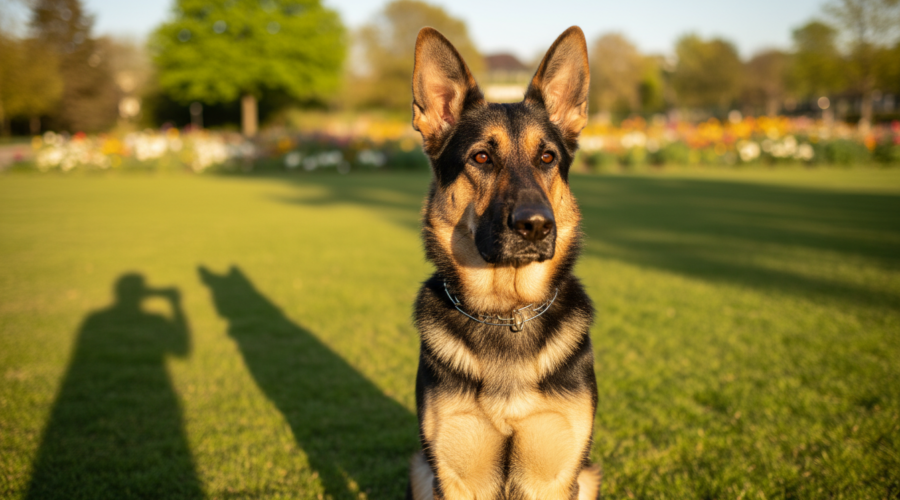
Bringing a new pet into your home is a life-changing decision. Among the many breeds available, the German Shepherd Dog stands out as a truly remarkable companion. These animals are famous for their intelligence, loyalty, and protective nature.
Whether you are a busy professional or part of a growing family, this breed offers a unique blend of work ethic and affection. They thrive when given a purpose, making them excellent partners for active households. Choosing to welcome one into your life is a rewarding journey that requires careful thought and preparation.
Before you commit, it is vital to understand the specific needs of this breed. From daily exercise requirements to consistent training, being well-informed ensures a happy life for your new friend. This guide will help you navigate the joys of owning a German Shepherd Dog with confidence and ease.
Key Takeaways
- This breed is highly valued for its exceptional intelligence and unwavering loyalty.
- They are versatile companions suitable for both active families and working professionals.
- Potential owners must prioritize consistent training and regular physical exercise.
- Early preparation is essential for a smooth transition into your home.
- Understanding the breed’s temperament helps build a strong, lasting bond.
Understanding the German Shepherd Dog Breed
Few dogs command as much respect and admiration as the German Shepherd. This iconic animal has captured hearts across the globe due to its unique blend of beauty and utility. Learning about the German Shepherd breed helps owners build a stronger bond with their canine companions.
History and Origin of German Shepherds
The story of these dogs began in late 19th-century Germany. Captain Max von Stephanitz is widely credited with standardizing the breed to create the ultimate herding dog. He focused on intelligence, strength, and an unwavering work ethic.
While they were originally developed for managing sheep, their versatility quickly became apparent. They transitioned from the farm to police and military roles with ease. Today, the German Shepherd breed remains a symbol of reliability and courage.
Physical Characteristics of German Shepherds
When observing German Shepherd characteristics, one immediately notices their powerful, athletic build. They are medium-to-large dogs designed for endurance and agility. Their alert, pointed ears and dark, intelligent eyes give them a noble expression.
Their double coat is another defining feature, often coming in classic black and tan patterns. This dense fur provides protection against harsh weather conditions. The following table highlights some of their most notable physical traits.
| Feature | Description | Function |
|---|---|---|
| Build | Muscular and lean | Agility and speed |
| Ears | Erect and pointed | Superior hearing |
| Coat | Dense double coat | Weather resistance |
| Tail | Bushy and low-set | Balance during movement |
Temperament and Behavior Traits
The German Shepherd temperament is defined by a deep sense of loyalty to their human family. They are naturally protective, which makes them excellent guardians of the home. However, they are also known for their gentle and affectionate side when they are with their loved ones.
These dogs possess a high level of intelligence that makes them eager to learn new tasks. They thrive when given a job to do, whether it is playing fetch or learning complex commands. Consistent training and socialization help channel their natural instincts into positive behaviors.
Why Choose a German Shepherd Dog?
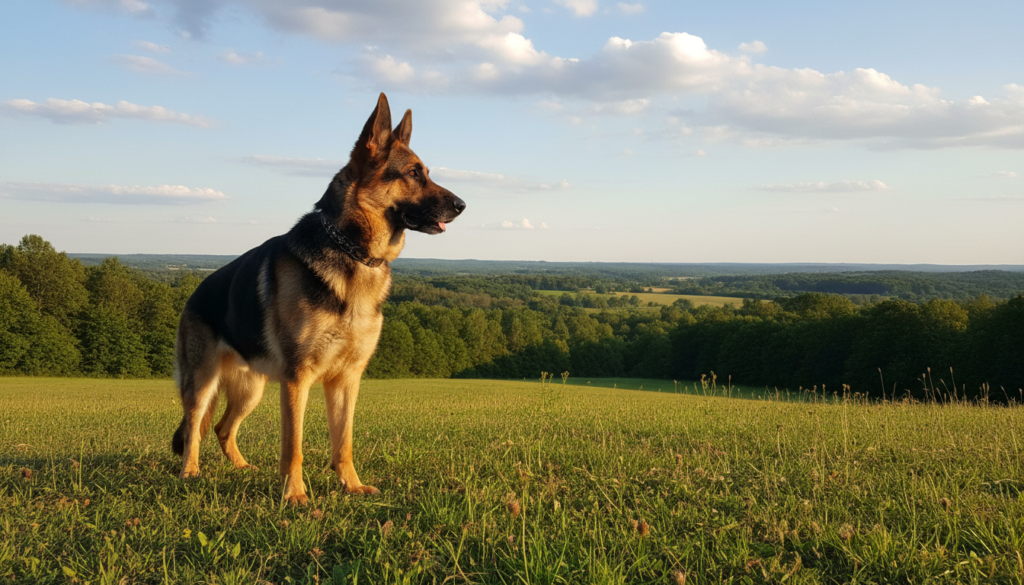
If you are looking for a dedicated partner, the German Shepherd Dog stands out as an exceptional choice. These dogs offer a unique blend of courage and affection that transforms the way you experience daily life. Choosing this breed means welcoming a companion that is truly invested in your well-being.
Loyal Companionship
The deep bond that forms between these dogs and their owners is legendary. They are not just pets; they are devoted family members who thrive on human interaction. You will find that their presence provides a sense of security and comfort that is hard to match.
Because of their protective nature, they often become the ultimate guardian of the household. This German Shepherd temperament ensures that they remain alert to their surroundings while staying gentle with their loved ones. Their loyalty is a constant, unwavering force in the home.
Versatile Working Abilities
Beyond their role as family pets, the German Shepherd breed is famous for its incredible versatility. These dogs excel in various professional fields, ranging from search and rescue operations to serving as highly skilled service animals. Their ability to adapt to complex tasks makes them invaluable assets in many high-stakes environments.
Whether they are assisting individuals with disabilities or working alongside law enforcement, their performance is consistently impressive. These German Shepherd characteristics allow them to handle pressure with a calm and focused demeanor. It is this adaptability that makes them such a reliable partner for so many different roles.
Intelligence and Trainability
One of the most rewarding aspects of owning this dog is their high level of intelligence. They possess a sharp mind that allows them to learn new commands and tasks with remarkable speed. This makes the German Shepherd Dog a fantastic choice for owners who enjoy active engagement and consistent training.
Because they are so eager to please, the training process often becomes a fun bonding experience. You will find that their German Shepherd temperament makes them responsive to positive reinforcement and clear guidance. Investing time in their education results in a well-mannered and highly capable German Shepherd breed that is a joy to live with every single day.
Essential Care for a German Shepherd Dog
When you bring home a German Shepherd Dog, you commit to a lifestyle of attentive care. Providing a stable environment and consistent routines helps your pet thrive throughout every stage of life. Proper German Shepherd care is the most effective way to ensure your companion remains active and healthy for many years.
Nutrition and Dietary Needs
Feeding your dog a balanced diet is critical for supporting their large frame and high energy levels. You should prioritize high-quality proteins and healthy fats to maintain strong muscles and a shiny coat. It is essential to choose formulas specifically designed for large, active breeds to prevent joint issues and support digestive health.
Always monitor your dog’s weight to avoid obesity, which can put unnecessary strain on their hips and joints. Consult with your veterinarian to determine the right portion sizes based on your dog’s age, activity level, and metabolism. Providing fresh water at all times is also a non-negotiable part of their daily nutritional requirements.
Grooming and Maintenance Practices
The German Shepherd breed is well-known for its thick, beautiful double coat that requires regular attention. Brushing your dog at least three times a week helps manage shedding and prevents painful mats from forming near the skin. During peak shedding seasons, you may find that daily brushing becomes a necessary part of your routine.
Beyond coat maintenance, dental hygiene is a vital component of overall health. Brushing your dog’s teeth regularly or providing safe dental chews helps prevent plaque buildup and gum disease. By staying consistent with these grooming habits, you keep your German Shepherd Dog comfortable, clean, and happy.
Training Your German Shepherd Dog
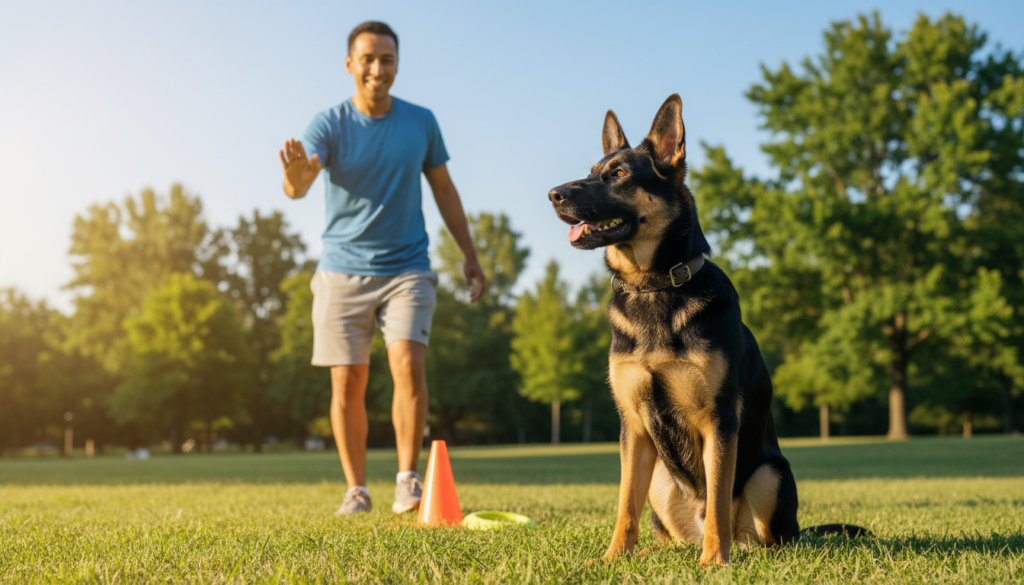
Unlocking the full potential of your German Shepherd requires a structured approach to learning. Effective German Shepherd training relies on patience, consistency, and a focus on positive reinforcement to build trust. By establishing clear expectations early, you help your companion navigate the world with confidence.
Early Socialization Techniques
Socialization is the foundation for a well-adjusted German Shepherd Dog. You should introduce your pet to various sights, sounds, and people during the critical developmental window. This process helps shape a stable German Shepherd temperament that remains calm in diverse situations.
For German Shepherd puppies, positive exposure is key. Take them on short walks in quiet neighborhoods or invite calm friends over to visit. Always ensure these experiences are pleasant to build a foundation of bravery and curiosity.
Obedience Training Tips
Basic obedience is essential for the safety and happiness of your dog. Start with fundamental commands like “sit,” “stay,” and “come” in a distraction-free environment. Consistency is the most important factor when teaching these skills to your German Shepherd breed.
Keep training sessions short and fun to maintain your dog’s interest. Use high-value treats and enthusiastic praise to reward correct behaviors immediately. This positive approach encourages your dog to look forward to every learning session.
Advanced Training Opportunities
Because of their high intelligence, these dogs often crave a “job” to perform. Engaging in advanced German Shepherd training prevents boredom and destructive behaviors that can arise from inactivity. You might consider agility courses, scent work, or rally obedience to challenge their sharp minds.
Providing mental stimulation is just as vital as physical exercise for this active breed. Whether you are teaching complex tricks or participating in canine sports, keeping your dog mentally active strengthens your bond. Remember that a challenged German Shepherd Dog is a happy and well-behaved member of the family.
Health Considerations for German Shepherds
Understanding the unique health needs of your companion is vital for a long, happy life. As a dedicated owner, you play a primary role in monitoring the physical well-being of your German Shepherd Dog. By staying informed, you can provide the best possible environment for your pet to thrive.
Common Health Issues
Every breed has specific genetic predispositions that owners should monitor. For the German Shepherd breed, joint health is a frequent topic of discussion among veterinarians. Conditions like hip and elbow dysplasia are common, making early detection essential for long-term mobility.
Digestive sensitivities also appear in some dogs of this lineage. Maintaining a balanced diet is a key component of proper German Shepherd care to avoid gastrointestinal distress. Watch for signs of discomfort and consult your vet if you notice persistent changes in appetite or energy levels.
Regular Vet Check-ups and Vaccinations
Routine veterinary visits are the foundation of a healthy life. These check-ups allow professionals to track the growth and development of your dog over time. Staying current with vaccinations protects your pet from preventable diseases that could otherwise be life-threatening.
- Annual physical examinations to monitor weight and joint health.
- Core vaccinations to prevent common viral infections.
- Regular blood work to catch internal issues before they become severe.
Exercise Requirements for Optimal Health
One of the most important German Shepherd characteristics is their high energy level. Meeting these exercise needs is not just about burning off steam; it is crucial for preventing obesity and supporting cardiovascular health. A sedentary lifestyle can lead to significant health complications over time.
Engaging in daily physical activity helps keep their muscles strong and their joints flexible. Whether it is a brisk walk, a game of fetch, or agility training, consistent movement is a non-negotiable part of German Shepherd care. Always tailor the intensity of exercise to the age and physical condition of your dog to ensure they remain safe and happy.
Creating a Safe Environment for Your German Shepherd
Providing a secure home is the foundation of responsible German Shepherd care. Because these dogs are large and naturally curious, they require a living space that minimizes risks while allowing them to move freely. A well-prepared environment helps reduce anxiety and ensures your pet feels truly at home.
Indoor Safety Tips
Start by puppy-proofing your living areas to prevent accidental ingestion of harmful items. Keep electrical cords tucked away, secure cleaning supplies in high cabinets, and remove small objects that could pose a choking hazard. Much like the Australian Shepherd, this breed is highly intelligent and may find ways to open cabinets if they are not properly latched.
Using a crate is an excellent way to provide a personal sanctuary for your German Shepherd Dog. When introduced positively, a crate becomes a quiet retreat where your dog can rest without interruption. Ensure the crate is the right size so your companion can stand, turn around, and lie down comfortably.
Outdoor Space Considerations
Your yard should be a secure playground that keeps your dog safe from external threats. Inspect your fencing regularly to ensure there are no gaps or loose boards that a determined dog might exploit. A sturdy, high fence is essential for maintaining control during playtime.
Consider these key elements for a safe outdoor area:
- Secure Gates: Always use heavy-duty locks to prevent accidental escapes.
- Hazard Removal: Clear the yard of toxic plants, pesticides, and sharp garden tools.
- Shaded Zones: Provide a cool, covered area to protect your pet from direct sunlight.
Consistent German Shepherd care involves monitoring your outdoor space as your dog grows. By creating a safe haven, you allow your German Shepherd Dog to explore and exercise with confidence. A secure environment is the best way to foster a long, happy relationship with your loyal companion.
Engaging Activities for Your German Shepherd Dog
Discover how to channel your dog’s natural drive into productive and fun tasks. Providing consistent mental and physical stimulation is essential for a happy and well-adjusted pet. When you prioritize these activities, you help prevent boredom and destructive behaviors at home.
Fun Playtime Ideas
You can tap into your pet’s natural instincts through simple yet effective games. A classic game of fetch is a fantastic way to burn off excess energy while reinforcing your bond. Consider using a high-quality ball or frisbee to keep the session exciting and fast-paced.
Scent games are another excellent way to provide mental enrichment. You can hide treats around your yard or living room and encourage your companion to find them using their powerful nose. This type of German Shepherd training mimics their historical working roles and keeps their mind sharp.
Canine Sports and Competitions
If you want to take your activities to the next level, consider exploring organized canine sports. These dogs excel in agility courses, where they navigate obstacles with speed and precision. Participating in these events showcases their incredible athleticism and natural drive.
Beyond agility, many owners find success in obedience trials or dock diving. These structured environments offer a great way to refine your German Shepherd training while meeting other enthusiasts. Engaging in these sports is a rewarding experience that highlights the intelligence and versatility of the German Shepherd Dog.
The Role of German Shepherds in Various Fields
Few breeds possess the natural drive and intelligence required to excel in high-stakes professional environments like the German Shepherd Dog. Their innate desire to work, combined with a calm demeanor under pressure, makes them perfect candidates for specialized tasks. Owners often find that understanding these professional roots helps them better appreciate the high energy levels of their own pets.
Service and Therapy Dogs
These dogs provide life-changing support to individuals facing physical or emotional challenges. Through rigorous German Shepherd training, these animals learn to assist with mobility, alert owners to medical emergencies, or provide comfort in stressful settings. Their unwavering loyalty ensures that they remain focused on their handler’s needs at all times.
Therapy work is another area where this breed shines brightly. They visit hospitals, schools, and nursing homes to offer gentle companionship to those who need it most. Their presence often lowers stress levels and brings a sense of peace to difficult environments.
Search and Rescue Operations
The German Shepherd Dog is a legendary figure in search and rescue missions across the globe. Whether navigating unstable rubble after a disaster or tracking missing persons in dense forests, their keen sense of smell and agility are unmatched. These dogs work tirelessly alongside their handlers to save lives in the most challenging conditions.
Law enforcement agencies also rely heavily on these dogs for their bravery and protective instincts. Success in these demanding fields requires consistent, high-level German Shepherd training that builds on their natural problem-solving abilities. It is truly inspiring to see how these dogs use their intelligence to serve and protect their communities every single day.
Joining a Community of German Shepherd Dog Owners
Building a strong bond with your pet grows deeper when you share experiences with others who love the breed. Connecting with fellow enthusiasts provides a wealth of knowledge that helps you navigate the unique journey of raising a German Shepherd Dog.
Local Clubs and Organization Options
Many owners find great value in joining local kennel clubs or breed-specific organizations. These groups offer structured environments where you can exchange training tips and socialize your German Shepherd puppies. You might explore the Dog Breeds A–Z directory to find breed profiles and expert insights that guide your path as a responsible owner.
Online Resources and Support Groups
Digital platforms provide instant access to advice from experienced handlers across the country. Participating in dedicated forums allows you to ask questions about behavior or health while meeting people who share your passion. Engaging with these networks ensures you have a reliable support system as your companion grows. Your commitment to learning creates a fulfilling life for your loyal friend.




💬 Leave a Comment