
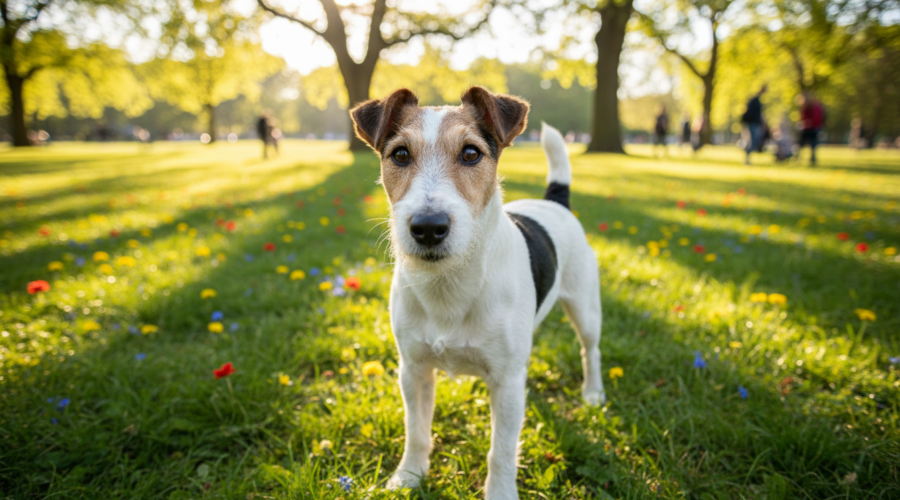
If you are searching for a companion that brings endless energy and joy to your home, the Fox Terrier might be your perfect match. This breed is known for its bold personality and sharp intelligence, making it a favorite for active households.
Many people compare this lively pup to the Flat-Coated Retriever. While both are wonderful, this specific breed offers a unique, spunky charm that keeps every day interesting. It truly excels as a family dog for those who love outdoor adventures and constant engagement.
Understanding the needs of this spirited animal is the first step toward a happy life together. Whether you are playing in the yard or relaxing after a long walk, this Fox Terrier remains a devoted and loyal friend. Let us explore what makes this charming canine such a special addition to your life.
Key Takeaways
- The breed is highly energetic and thrives in active households.
- It possesses a sharp, inquisitive mind that requires regular mental stimulation.
- Unlike the more laid-back nature of some retrievers, this dog is bold and spirited.
- It serves as a loyal and protective companion for the entire family.
- Consistent training and exercise are essential for a well-adjusted pet.
Introduction to the Fox Terrier
Known for their spirited nature, Fox Terriers bring a unique blend of charm and courage into any home. This compact breed is widely recognized for its boundless energy and sharp intelligence. Despite their small stature, they possess a bold, fearless personality that commands attention in any room.
While some owners might compare their active lifestyle to larger breeds like the Flat-Coated Retriever, the Fox Terrier maintains a distinct, alert expression that reflects a deeply curious mind. They are always ready for an adventure, making them an ideal partner for those who enjoy an active, outdoor lifestyle. Their social nature ensures they are rarely shy, as they thrive on interaction with their human companions.
Choosing a family dog often involves finding a balance between playfulness and loyalty. The Fox Terrier excels in this area, offering a big presence that fills a home with joy and excitement. By understanding their unique temperament, potential owners can provide the structure and affection these vibrant dogs need to flourish as part of the family.
History of the Fox Terrier
The story of the Fox Terrier begins in the rolling hills of 19th-century England. Breeders sought a small, agile animal capable of flushing out foxes and other vermin from their dens. This specific purpose shaped the physical and mental traits that define the breed today.
Origin of the Breed
During the 1800s, hunters required a dog that was both fearless and compact. The Fox Terrier was carefully bred to possess a high prey drive and the stamina to keep up with horses and hounds. Unlike a larger flat-coat retriever, this breed was designed to go underground, making it an essential tool for rural pest control.
These early dogs were prized for their tenacity and quick reflexes. Their ability to navigate tight spaces allowed them to succeed where other hunting dogs failed. Over time, selective breeding refined their appearance, leading to the distinct types recognized by enthusiasts today.
Notable Historical Roles
As the breed gained popularity, its influence spread far beyond the English countryside. By the late 1800s, the Fox Terrier had become a staple in Australia, where it was utilized for managing small game populations on vast ranches. This international expansion proved the breed’s adaptability to different climates and terrains.
Today, the breed is known as an outgoing dog that brings its historical energy into the modern home. While they no longer spend their days in the field, their alert nature and intelligence remain constant. The following table highlights how their historical functions compare to their current roles.
| Historical Role | Modern Trait | Primary Benefit |
|---|---|---|
| Vermin Hunting | High Alertness | Excellent Watchdog |
| Field Stamina | High Energy | Active Companion |
| Underground Work | Fearless Spirit | Confident Personality |
Characteristics of the Fox Terrier
The Fox Terrier is a fascinating breed that combines a compact, athletic frame with a bold and lively personality. While they may share some high-energy traits with a larger flat-coat retriever, these dogs possess a unique intensity all their own. Understanding their specific traits helps owners provide the best possible care for this spirited companion.
Physical Traits
Despite their small stature, these dogs are built for action. They typically stand between 9 and 12 inches tall at the shoulder, making them a perfect size for many living situations. Their weight generally ranges from 7 to 12 pounds, reflecting a lean and muscular build that allows for quick, agile movements.
Their physical appearance is defined by a balanced, sturdy frame that suggests readiness for adventure. This athletic build is a hallmark of the breed, ensuring they remain nimble whether they are playing in the yard or going for a brisk walk. You will find that their compact size is quite deceptive given their immense physical capability.
Personality Traits
Beyond their physical appearance, this breed is known for being an incredibly outgoing dog. They thrive on human interaction and are often described as both affectionate and highly intelligent. Their sharp minds mean they learn quickly, though they certainly have a mischievous streak that keeps their owners on their toes.
The temperament of a Fox Terrier is best described as fearless and bold. They approach life with a level of enthusiasm that is truly contagious. To better understand their nature, consider these core personality traits:
- High Energy: They require consistent activity to stay happy and healthy.
- Intelligent: They excel at problem-solving and enjoy mental stimulation.
- Affectionate: They form deep, loyal bonds with their family members.
- Courageous: They possess a brave spirit that belies their small size.
Owning a Fox Terrier means welcoming a vibrant personality into your home. Their combination of intelligence and affection makes them a joy to train for the right owner. When provided with proper guidance, they become a devoted and entertaining member of the household.
Types of Fox Terriers
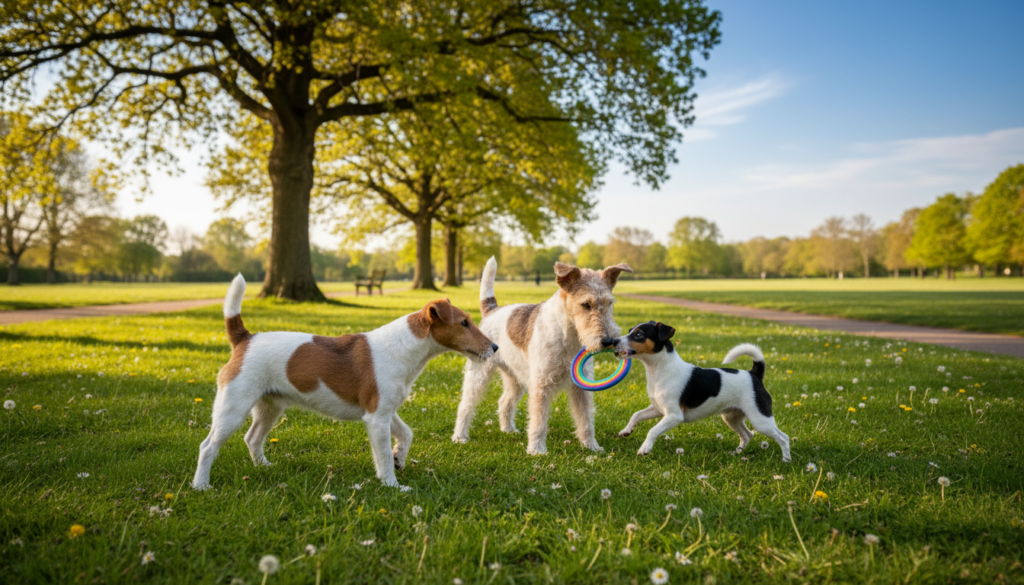
The world of the Fox Terrier is divided into two charming types, each with its own unique coat and aesthetic appeal. While they look different at first glance, both varieties share the same spirited personality and high-energy requirements that enthusiasts adore. Whether you prefer a sleek look or a textured coat, both dogs make excellent, active companions.
Smooth Fox Terrier
The Smooth variety is known for its short, flat, and dense coat that lies close to the body. This type is remarkably easy to groom, requiring only occasional brushing to keep the coat shiny and healthy. Because their hair is so short, they do not need the professional hand-stripping that other breeds might require.
Owners often appreciate this variety for its clean, athletic appearance. They are just as energetic as their wire-haired cousins, though they lack the shaggy look of a flat coat retriever. If you want a dog that is ready for adventure without a complex grooming routine, this is a fantastic choice.
Wire Fox Terrier
The Wire variety is easily recognized by its distinctive, broken coat that feels crisp and wiry to the touch. This coat provides a rugged, classic look that many breed lovers find irresistible. Unlike the smooth version, this dog requires regular brushing and professional grooming to prevent matting and maintain its signature appearance.
Consistency is key when managing the coat of a Wire Fox Terrier. While the grooming needs are higher, many owners find the process rewarding as it keeps the dog looking its best. Regardless of the coat type you choose, you are gaining a loyal and courageous friend that will keep you on your toes every single day.
Training Your Fox Terrier
Because of their independent nature, teaching a Fox Terrier takes patience and a consistent routine. These dogs are incredibly bright, but they often prefer to do things on their own terms. Building a strong bond through positive reinforcement is the most effective way to capture their attention.
Basic Commands
Start with the fundamentals like “sit,” “stay,” and “come.” Due to their high prey drive, mastering recall is critical for your dog’s safety during outdoor adventures. You must ensure they listen to you even when they spot a squirrel or another distraction.
Unlike a more biddable breed like a flat coat retriever, your terrier may test your boundaries. Keep training sessions short, fun, and highly rewarding to maintain their interest. Consistency is the key to turning their natural energy into well-mannered behavior.
Socialization Tips
Early exposure to new environments is vital for a balanced temperament. Introduce your pet to various people, sounds, and other animals in a controlled manner. This helps them become confident and calm in different situations.
Always reward calm behavior when meeting new friends. If your dog becomes over-excited, simply step back and give them space to settle down. Proper socialization ensures your companion remains friendly and approachable throughout their life.
Health and Lifespan of Fox Terriers
Understanding the unique health profile of your Fox Terrier is the first step toward a long, happy life. With proper attention and care, these energetic dogs often enjoy a lifespan of 12 to 15 years. While they are generally robust, staying informed about potential breed-specific conditions allows you to provide the best possible support for your companion.
Common Health Issues
Like many purebred dogs, the Fox Terrier may be predisposed to certain genetic conditions. One common concern is patellar luxation, where the kneecap occasionally slips out of place. Owners should also be aware of Legg-Calve-Perthes disease, a condition affecting the hip joint that typically appears in younger dogs.
While these issues sound serious, early detection often leads to successful management. It is helpful to remember that every breed has its own set of vulnerabilities; for instance, a larger dog like a black retriever might face different joint challenges compared to the smaller, more compact frame of a terrier. Keeping a close eye on your dog’s movement and activity levels is essential for early intervention.
Preventive Care
Proactive care is the most effective way to ensure your pet remains vibrant throughout their senior years. Regular veterinary check-ups allow your doctor to monitor for subtle changes in health before they become major problems. Early health screenings are vital for identifying hereditary conditions early on.
Maintaining a healthy weight and keeping up with vaccinations are also cornerstones of a long life. By staying consistent with these habits, you provide your dog with the foundation they need to stay active and playful. The following table outlines key areas of focus for maintaining your dog’s well-being.
| Focus Area | Action Required | Frequency |
|---|---|---|
| Joint Health | Monitor gait and mobility | Daily observation |
| Vet Exams | Comprehensive physicals | Annually |
| Weight Control | Balanced diet and exercise | Ongoing |
| Dental Care | Professional cleaning | Bi-annually |
Grooming Your Fox Terrier
Establishing a consistent grooming routine helps your Fox Terrier stay in top condition. While this breed is known for its high energy, their coat is surprisingly manageable. Unlike the thick, shedding coat of a black retriever, the Fox Terrier requires less intensive daily maintenance to look its best.
Regular brushing is the foundation of a healthy coat. Aim to brush your dog at least once a week to remove loose hair and prevent tangles. This simple habit also allows you to check for any skin irritations or parasites that might be hiding beneath the surface.
Beyond brushing, you must pay attention to other hygiene needs to ensure your pet remains comfortable. Keeping nails trimmed prevents discomfort while walking, and regular ear cleaning helps avoid infections. Dental hygiene is equally vital, so try to brush your dog’s teeth several times a week to maintain fresh breath and healthy gums.
Consistency is the key to making these tasks stress-free for both you and your companion. If you start these routines while your dog is young, they will likely grow to enjoy the extra attention. Use the following guide to keep track of your grooming schedule:
| Grooming Task | Frequency | Primary Benefit |
|---|---|---|
| Brushing | Weekly | Removes loose fur |
| Nail Trimming | Monthly | Prevents joint pain |
| Ear Cleaning | Bi-weekly | Reduces infection risk |
| Dental Care | 3x Weekly | Promotes oral health |
By following these simple steps, your Fox Terrier will stay clean, healthy, and happy. Investing just a few minutes each week makes a significant difference in your pet’s overall well-being. A well-groomed dog is truly a joy to have in your home.
Nutrition for a Happy Fox Terrier
Providing high-quality fuel is essential for a breed as energetic as the Fox Terrier. Because these dogs were historically bred as a gun dog, they possess a natural drive that requires consistent, nutrient-dense meals to maintain their stamina. A well-planned diet acts as the foundation for their long-term health and vitality.
Balanced Diet
A balanced diet is the most effective way to prevent obesity, which can put unnecessary strain on your dog’s joints. You should focus on high-quality proteins and complex carbohydrates that provide sustained energy throughout the day. Always consult with your veterinarian to determine the exact caloric needs based on your pet’s age, weight, and activity level.
Portion control is critical for the Fox Terrier, as they are prone to overeating if given the chance. Measuring food precisely helps ensure they receive the right amount of nutrients without excess calories. Maintaining a healthy weight is vital for joint health and overall longevity.
Treats and Snacks
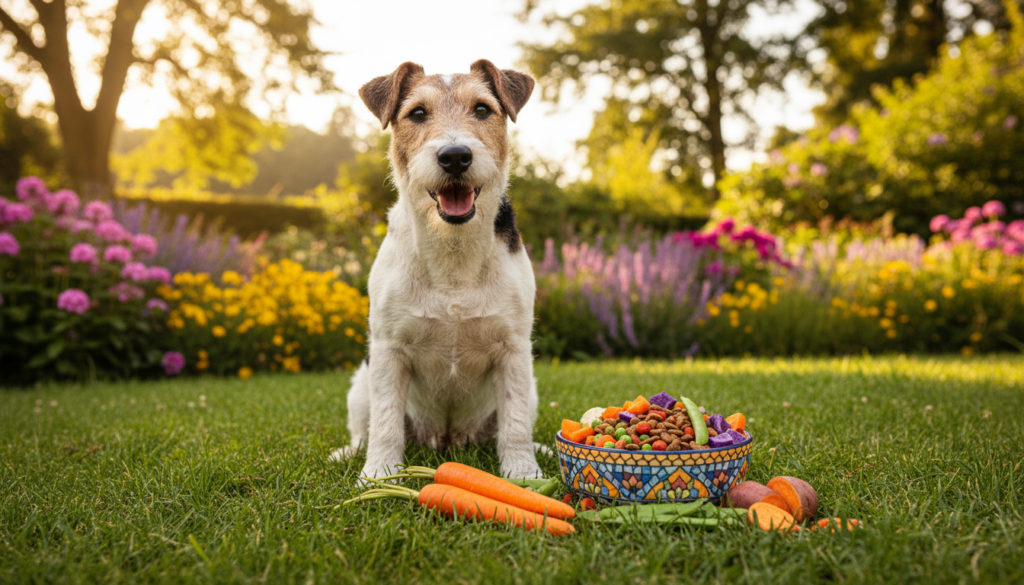
Treats are a wonderful tool for training and bonding, but they should never replace a main meal. When choosing snacks, look for options that are low in fillers and high in nutritional value. Healthy rewards like carrot sticks, green beans, or small pieces of lean chicken are excellent choices that keep your dog fit.
Remember that treats should only account for a small percentage of your dog’s daily caloric intake. By being mindful of these extra calories, you can reward your companion without compromising their physical fitness. Consistency is key to keeping your energetic friend in top shape for years to come.
Fox Terrier and Family Life
The Fox Terrier is a spirited companion that can thrive in a family setting with the right approach. While they are known for their high energy, they often form deep, loyal bonds with their human pack. Consistency and early socialization are the keys to ensuring this breed integrates well into your home life.
Compatibility with Children
These dogs are generally playful and enjoy the active nature of children. However, because they are sturdy but small, it is vital to teach children how to interact with them respectfully. You should always supervise interactions to ensure that play remains gentle and safe for both the child and the dog.
Many owners find that life with a wire fox terrier is incredibly rewarding when children are involved. When raised together, they often become inseparable playmates. Just remember that this gun dog heritage means they may occasionally play with a bit of extra intensity.
Interaction with Other Pets
Managing a household with multiple pets requires awareness of the breed’s natural instincts. Because they were historically bred to hunt, they may view small animals like hamsters, guinea pigs, or rabbits as prey. It is usually best to keep these small pets in secure enclosures that the dog cannot access.
When it comes to other dogs, early socialization is essential for a peaceful home. A well-socialized Fox Terrier can learn to coexist happily with other canine companions. Using positive reinforcement helps them understand that other pets are friends rather than targets for their hunting drive.
| Factor | Compatibility Level | Management Tip |
|---|---|---|
| Young Children | Moderate | Always supervise play |
| Other Dogs | High | Socialize early |
| Small Pets | Low | Keep in secure areas |
Exercise Needs of the Fox Terrier
The Fox Terrier is a bundle of joy that demands an active lifestyle to thrive in your home. These dogs possess a high-octane personality that requires consistent outlets for their boundless energy. If you are not prepared to provide daily movement, this breed may struggle to settle down.
Suitable Activities
Because of their background as hunters, these dogs excel in tasks that challenge their agility and intelligence. Engaging in agility training is a fantastic way to burn off steam while strengthening the bond you share with your pet. You might also consider hiking on rugged trails, which allows them to explore new scents and terrains.
Interactive play is another essential component of their routine. While they are not typically a versatile retriever in the traditional sense, they love games of fetch that tap into their natural prey drive. Using puzzle toys can also keep their sharp minds occupied when you are indoors.
Importance of Regular Exercise
Consistent physical activity is the most effective way to prevent boredom and unwanted destructive behaviors. A Fox Terrier that does not receive enough stimulation may resort to digging or excessive barking to release pent-up frustration. Daily exercise ensures your companion remains calm, healthy, and happy throughout the day.
Even if your dog acts like a versatile retriever during play, remember that their stamina is high. Providing a structured routine helps them understand when it is time to work and when it is time to rest. The following table outlines recommended activities to keep your dog in peak condition.
| Activity Type | Intensity Level | Frequency |
|---|---|---|
| Agility Training | High | 3-4 times weekly |
| Brisk Walking | Moderate | Daily |
| Interactive Fetch | High | Daily |
| Puzzle Games | Low | As needed |
Fun Facts About Fox Terriers
Beyond their reputation as energetic companions, the Fox Terrier possesses a treasure trove of surprising traits. These dogs are much more than just high-energy pets; they are historical legends with a flair for the dramatic. Their spirited nature has kept owners entertained for generations.
One of the most fascinating aspects of this breed is their history of bravery. Despite their compact size, they were historically fearless when facing much larger prey. This boldness is a hallmark of their character, proving that size does not dictate courage.
You might be surprised to learn that the Fox Terrier is quite a versatile retriever in the field. While often associated with hunting small game, their intelligence allows them to adapt to various tasks with ease. Their ability to act as a versatile retriever showcases their sharp mind and eagerness to please.
Their physical appearance is just as distinct as their personality. Many enthusiasts admire their alert, erect ears, which give them a constant look of curiosity. This physical trait is not just for show; it helps them stay tuned into every sound in their environment.
Ultimately, the Fox Terrier remains a favorite among active pet owners who appreciate a dog with a big personality. Whether they are playing in the yard or relaxing at home, they bring a unique charm to every household. It is truly delightful to see how these small dogs leave such a large impact on our lives.
Conclusion: Is the Fox Terrier Right for You?
Bringing a Fox Terrier into your home means welcoming a bundle of endless energy and sharp intelligence. This breed thrives when given a clear purpose and plenty of human interaction.
You should consider if your daily routine allows for the high activity levels this sporting dog demands. Success with this breed requires a firm commitment to consistent training and mental stimulation.
A Fox Terrier will reward your efforts with deep loyalty and a playful spirit that brightens any household. They excel in environments where owners provide structure and regular physical challenges.
Take a moment to evaluate your lifestyle before making this long-term commitment. If you seek an adventurous partner for your outdoor excursions, this sporting dog might be the perfect match for your family.
Reach out to local breed clubs or reputable breeders to learn more about the specific needs of these dogs. Your journey with a new canine companion starts with understanding their unique personality and drive.



💬 Leave a Comment