Blog

Field Spaniels: Loyal, Intelligent Companions

Field Spaniels: Loyal, Intelligent Companions

If you are searching for a dog that brings endless joy to your home, look no further than the Flat-Coated Retriever. This breed is widely celebrated for its spirited nature and deep affection for its human family. They are truly the ultimate partners for anyone seeking a loyal and intelligent friend.

What makes this dog so special is its famous “Peter Pan” personality. Even as they grow into adulthood, these dogs maintain a playful, puppy-like energy that keeps life exciting. They thrive on activity and love being involved in every family adventure.

Choosing a Flat-Coated Retriever means welcoming a bundle of happiness into your daily routine. Their bright minds and eager-to-please attitudes make them a top choice for active households. This guide will help you understand how to provide the best care for your remarkable new companion.

Key Takeaways

  • The breed is known for a joyful, “Peter Pan” personality that lasts a lifetime.
  • They are highly intelligent and thrive in active, engaged families.
  • Consistent exercise is essential to keep their energy levels balanced.
  • Their affectionate nature makes them excellent companions for children and adults alike.
  • Early training helps channel their natural curiosity into positive behaviors.

What is a Field Spaniel?

Many people mistake this dog breed for a black retriever, but the Field Spaniel has its own distinct history and personality. While it shares some visual similarities with a Flat-Coated Retriever, it remains a unique and specialized animal. This breed is a wonderful choice for those who appreciate a calm yet capable companion.

History of the Field Spaniel

The Field Spaniel was developed in 19th-century England as a versatile hunting companion. Breeders aimed to create a dual-purpose retriever that could work effectively on both land and water. They were highly valued by hunters for their stamina and ability to navigate dense brush.

Over time, the breed evolved to become a dedicated member of the sporting dog group. While their popularity has fluctuated, their reputation as a reliable worker has remained steady among enthusiasts. Today, they are cherished for their history as much as their gentle nature.

Distinguishing Features

The Field Spaniel is known for its sleek, dense coat and athletic build. They possess a balanced frame that allows them to move with grace and purpose. Unlike a typical retriever breed, they have a slightly longer, lower-set body that is built for endurance.

Feature Field Spaniel Typical Retriever
Coat Texture Silky and dense Thick and water-repellent
Body Shape Long and low Square and robust
Primary Role Flushing and retrieving Specialized retrieving

Breed Characteristics

As a recognized sporting dog, this breed displays a high level of intelligence and focus. They are not just beautiful to look at; they are also highly capable in various tasks. Their steady temperament makes them a joy to live with in a family setting.

Owners often note that this dog breed is exceptionally loyal and affectionate. They thrive when they have a job to do and plenty of human interaction. Providing them with consistent training and love ensures they remain happy and well-adjusted members of the household.

Temperament and Personality

If you are looking for a companion that never seems to grow old, the Field Spaniel is a perfect choice. Often called the “Peter Pan of dogs,” this breed retains a youthful, playful spirit well into its senior years. While they share some of the exuberant energy found in a Flat-Coated Retriever, they possess a unique, steady charm that is entirely their own.

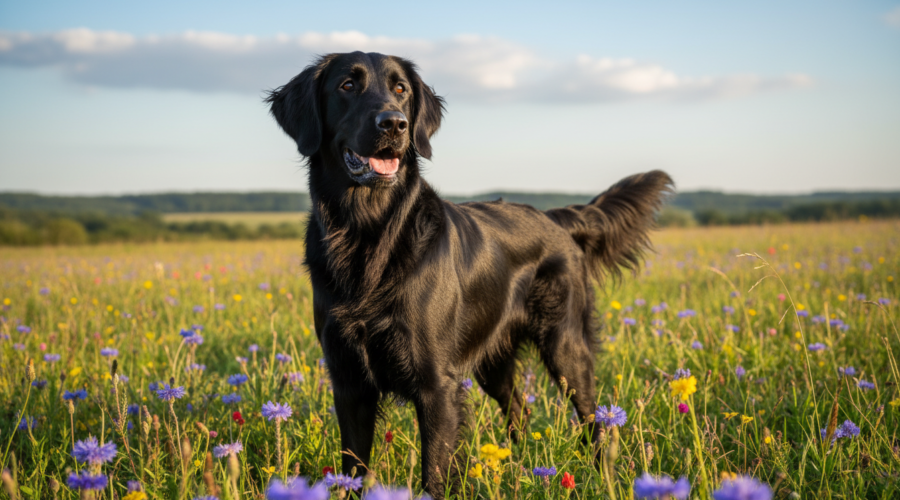
A joyful Flat-Coated Retriever with an intelligent gaze, proudly sitting in a grassy field. In the foreground, the dog is facing slightly to the left, showcasing its shiny black coat and expressive eyes filled with energy. In the middle ground, a few colorful wildflowers peek through the grass, adding a sense of playfulness. The background features soft, out-of-focus trees bathed in warm, golden sunlight, creating an inviting and serene atmosphere. The lighting is natural and bright, enhancing the coat's glossiness. Capture this moment with a slight low-angle perspective to emphasize the dog's proud stature while portraying the loyal and friendly temperament associated with this breed. The overall mood should reflect warmth, companionship, and intelligence.

Affectionate Nature

This dog breed is famous for its deep devotion to its human family. They thrive on companionship and prefer to be involved in every household activity rather than being left alone for long periods.

Their gentle demeanor makes them an exceptionally family-friendly dog that gets along well with people of all ages. Owners often notice several key traits in their daily interactions:

  • Unwavering loyalty to their primary caregivers.
  • A sensitive nature that responds well to a calm, loving environment.
  • A social personality that enjoys meeting new friends during walks.

Intelligence and Trainability

As an intelligent breed, these dogs are quick to learn and eager to please their owners. They possess a sharp mind that requires consistent mental stimulation to stay happy and well-adjusted.

Because they are sensitive, they respond best to positive, reward-based guidance rather than harsh correction. Using treats, praise, and play as motivators will help you build a strong, lasting bond with your pet. When you provide clear, consistent direction, you will find that they are highly capable and attentive partners in any training endeavor.

Health and Care Requirements

Providing the best care for your dog involves understanding their unique physical needs and potential health risks. Whether you own a black retriever or another color variation, consistent attention to their well-being ensures a vibrant life. Proper retriever health care is the foundation for a long and happy partnership with your pet.

Common Health Issues

Like any specific dog breed, these animals have certain genetic predispositions that owners should monitor. One significant concern is a higher instance of cancer at an early age, particularly malignant histiocytosis. Early detection is vital, so scheduling regular veterinary checkups is a non-negotiable part of responsible ownership.

“The secret to a long life for your canine companion lies in the partnership between a vigilant owner and a dedicated veterinarian.”

β€” Veterinary Wellness Journal

Grooming Needs

As a long-haired retriever, your dog requires a consistent grooming routine to keep their coat healthy and glossy. Brushing at least three times a week helps prevent painful mats and removes loose fur. This practice also allows you to check for skin irritations or lumps that might need professional attention.

Dietary Considerations

Supporting an active lifestyle requires a balanced diet tailored to the specific energy needs of a Flat-Coated Retriever. High-quality protein sources are essential for muscle maintenance and overall vitality. To minimize digestive risks, it is best to provide smaller, frequent meals rather than one large portion.

Care Category Frequency Key Benefit
Coat Brushing 3x Weekly Prevents matting
Vet Exams Bi-Annually Early disease detection
Dietary Intake Daily Supports energy levels

Ultimately, the health of your Flat-Coated Retriever depends on your commitment to their daily routine. By focusing on quality nutrition and regular grooming, you protect your black retriever from common ailments. Investing time in this dog breed today guarantees many years of companionship tomorrow.

Training Your Field Spaniel

Unlocking the potential of your Field Spaniel starts with effective communication. This breed is known for being sensitive, meaning they respond best to kindness rather than strict discipline. Positive reinforcement using praise, treats, and play is the most effective method for success.

A vibrant outdoor training scene featuring a Flat-Coated Retriever and a Field Spaniel. In the foreground, the Field Spaniel, with its shiny, dark liver coat, sits attentively, looking toward its trainer with a focused demeanor. In the middle ground, the trainer, dressed in casual yet professional attire, holds a training clicker and treats, demonstrating a positive reinforcement technique. The background features a lush green park with blooming flowers and trees, bathed in warm, golden sunlight that creates a cheerful atmosphere. The angle captures the connection between the dog and trainer, emphasizing engagement and learning. The overall mood is energetic and encouraging, reflecting the joy of training and companionship.

Basic Commands and Obedience

Effective dog training for this breed relies on patience and consistency. You should aim for short, frequent sessions that keep your dog engaged and eager to learn. Avoid harsh corrections, as these can damage the trust you have built with your pet.

Start with foundational commands like “sit,” “stay,” and “come.” By keeping sessions varied, you maintain the dog’s natural enthusiasm for learning new tasks. Always end each session on a high note with a favorite toy or a small reward.

Socialization Techniques

Early exposure to different environments is vital for raising a well-mannered companion. Take your dog to parks, quiet streets, and pet-friendly stores to help them feel comfortable in public settings. This process helps them remain calm when encountering new people or other animals.

Consistency is the key to success during these outings. If your dog seems overwhelmed, simply step back and give them space to observe from a distance. Over time, they will gain the confidence needed to navigate the world with ease.

Fun Activities for Mental Stimulation

Field Spaniels possess a natural drive that requires a productive outlet. Much like the Flat-Coated Retriever, these dogs thrive when they have a “job” to do. Providing consistent mental stimulation prevents boredom and destructive behaviors at home.

Consider incorporating scent work or puzzle toys into your daily routine. These activities challenge their intelligence and keep their minds sharp. Engaging in these games strengthens your bond while ensuring your dog remains happy and fulfilled.

Training Method Primary Benefit Best For
Positive Reinforcement Builds Trust Basic Obedience
Scent Games Mental Sharpness Natural Instincts
Socialization Public Manners Confidence Building

By integrating these dog training strategies, you ensure your pet grows into a well-adjusted family member. Remember that every dog learns at their own pace, so celebrate small victories along the way. Your dedication will pay off in the form of a loyal and obedient companion.

Exercise and Activity Needs

As a high-energy sporting dog, your companion needs a structured plan to burn off that natural enthusiasm. While many owners assume a simple walk is sufficient, this breed requires much more to stay truly content. Without a proper physical outlet, they may become restless or develop unwanted behaviors around the home.

Daily Exercise Requirements

To maintain peak physical condition, your dog needs at least two hours of vigorous exercise every single day. This is not just about keeping them slim; it is about satisfying their deep-seated need for movement. Much like the Flat-Coated Retriever, this breed thrives when given a job to do.

You should aim to break these two hours into multiple sessions throughout the day. Morning and evening outings are ideal for keeping their energy levels balanced. Remember that a long-haired retriever requires consistent activity to prevent boredom and maintain their muscular build.

Best Activities for Field Spaniels

Because they are a versatile sporting dog, they excel in activities that challenge both their body and mind. Engaging in high-impact play helps them channel their natural athleticism effectively. If you enjoy the outdoors, consider activities similar to those favored by the American Water Spaniel, such as swimming or field training.

“A tired dog is a happy dog, but a stimulated dog is a fulfilled companion.”

Anonymous

The following table outlines the best ways to keep your pet active and engaged throughout the week:

Activity Type Intensity Level Primary Benefit
Retrieving Games High Builds endurance
Swimming Moderate Low-impact cardio
Hiking High Mental stimulation
Agility Training Very High Obedience and focus

By incorporating these varied activities into your routine, you ensure your dog remains healthy and happy. Consistency is the key to managing their energy levels successfully. Always monitor your pet during intense play to ensure they stay hydrated and safe.

Living with a Field Spaniel

Field Spaniels are deeply devoted animals that thrive when they are part of the family circle. Because they are such a family-friendly dog, they require consistent interaction and affection to remain happy and well-adjusted.

These dogs are not suited for full-time outdoor living. They are sensitive, people-oriented companions that need to be inside the home to feel secure and loved.

Ideal Home Environment

To create the perfect space, ensure your home offers plenty of room for your pet to lounge near you. While they are active, they are also expert relaxers who enjoy curling up on a soft rug or bed while you work or watch television.

Unlike a high-energy Flat-Coated Retriever that might require constant outdoor stimulation, the Field Spaniel is content as long as they are near their humans. Providing a warm, indoor environment is essential for their emotional well-being.

Compatibility with Children and Pets

These dogs are generally known for their gentle and patient demeanor. They often form strong bonds with children, making them wonderful playmates for families who can provide supervision.

When introducing them to other pets, early socialization is key to success. Because they are naturally social, they usually adapt well to living with other dogs or cats if the introductions are handled with care and patience.

  • Always supervise interactions between young children and your dog.
  • Provide a quiet “safe space” where your pet can retreat if they feel overwhelmed.
  • Maintain a consistent routine to help your dog feel secure in a multi-pet household.

Choosing a Field Spaniel

Selecting the right companion involves looking beyond the surface to ensure a perfect match for your lifestyle. Whether you are interested in a retriever breed or a specific spaniel, the journey begins with thorough research into the background of your future pet. Understanding the health history and temperament of the lineage is vital for a long and happy relationship.

Finding a Reputable Breeder

A responsible breeder acts as a guardian for the future of the breed. They prioritize health testing and temperament over profit, ensuring that every puppy has the best start in life. You should always ask to see documentation regarding genetic screenings for common hereditary conditions.

Transparency is a hallmark of a great breeder. They will gladly answer questions about their dog training methods and the environment in which the puppies are raised. If a breeder seems hesitant to share information, it is often a sign to look elsewhere.

Adoption vs. Buying

Deciding between buying from a breeder or adopting from a rescue organization depends on your personal goals. While buying allows you to track a puppy’s lineage, adoption provides a second chance to a dog in need. It is important to note that even within a specific retriever breed, such as the Flat-Coated Retriever, unexpected traits can appear.

For instance, while standard colors are preferred in the show ring, recessive genes can occasionally produce yellow puppies. These dogs are just as healthy and loving, though they may be disqualified from formal competitions. Regardless of your choice, early dog training and socialization remain the most critical factors in your pet’s development.

Sourcing Method Primary Benefit Consideration
Reputable Breeder Predictable health history Higher initial cost
Rescue/Adoption Saving a life Unknown early history
Private Rehoming Immediate availability Requires vetting

Field Spaniels in Competitions

Field Spaniels are much more than just beautiful companions; they are natural athletes ready to shine in the competitive ring. Their inherent drive and eagerness to please make them a standout choice for owners who enjoy an active lifestyle. Whether you are a seasoned competitor or a newcomer, this breed offers a unique blend of focus and stamina.

Popular Dog Sports for Field Spaniels

This intelligent breed thrives when given a job to do, making them excellent candidates for various canine activities. They excel in competitive agility training, where their speed and coordination are put to the test. Furthermore, their love for the outdoors makes them natural participants in water-related sports and field trials.

Effective dog training is the key to unlocking their full potential in these arenas. Because they are a versatile sporting dog, they adapt quickly to the demands of obedience trials. Many owners find that the process of preparing for these events strengthens the bond between human and canine significantly.

Achievements and Recognition

The Field Spaniel has earned respect in the show ring and the field alike, often being compared to the work ethic of a Flat-Coated Retriever. While they are a distinct retriever breed in their own right, their history of success mirrors the dedication seen in other working dogs. You can learn more about the evolution of these performance standards by exploring the past and future of the field trial community.

Kennel clubs frequently recognize the breed for its consistent performance and remarkable versatility. As an intelligent breed, they continue to impress judges with their steady temperament and physical prowess. Consistent dog training ensures that these dogs remain top contenders, proving that a well-rounded sporting dog is a joy to watch in any competition.

Conclusion: The Field Spaniel as a Family Pet

Choosing a companion for your household is a significant decision that shapes your daily life for years. The Flat-Coated Retriever stands out as a wonderful choice for active people who want a partner for every adventure. These dogs bring immense joy and energy to any home environment.

A family-friendly dog like this breed thrives on human interaction and consistent activity. You can expect a decade or more of loyal friendship from these spirited animals. Their presence turns ordinary walks into exciting outings and quiet evenings into moments of deep connection.

Success with your pet relies on your commitment to their long-term wellness. Prioritizing quality retriever health care ensures your dog stays active and happy throughout their life. Regular checkups and a balanced diet help maintain their vibrant spirit.

Embracing the unique personality of your dog creates a bond that lasts a lifetime. Share your experiences with other owners to learn more about this special breed. Your journey with a new pet starts with love, patience, and a shared sense of wonder.

FAQ

What defines the history and origin of the Flat-Coated Retriever?

The Flat-Coated Retriever was developed in 19th-century England as a versatile hunting companion. Classified as a premier sporting dog, this retriever breed was specifically bred to work on both land and in water, combining the traits of various herding and water dogs to create the athletic, sleek dog we recognize today.

Why is this dog breed often referred to as the “Peter Pan” of canines?

This intelligent breed is famous for its “forever young” personality. Unlike some breeds that settle down early, the Flat-Coat maintains a sunny, social, and playful temperament well into its adult years, making them an exceptionally family-friendly dog for active households.

What are the grooming requirements for a long-haired retriever?

Because they are a long-haired retriever, regular maintenance is a vital part of retriever health care. Weekly brushing is necessary to manage their dense, weather-resistant coat and to keep their black retriever or liver-colored fur glossy and free of mats, especially after outdoor adventures.

How should I approach dog training with a Flat-Coated Retriever?

Successful dog training for this breed relies on patience and positive, reward-based guidance. They are highly sensitive and intelligent, meaning they respond far better to encouragement and treats than to harsh corrections. Keeping training sessions varied and fun will help maintain their natural enthusiasm.

Does this sporting dog require a lot of daily exercise?

Yes, the Flat-Coated Retriever is a high-energy animal that requires significant daily activity to prevent restlessness. A simple walk around the block is rarely enough; they thrive on high-impact activities like swimming, hiking, or fetching to satisfy their natural athleticism and drive.

What health predispositions should potential owners be aware of?

Proactive retriever health care is essential, as this dog breed can be prone to certain genetic conditions, including hip dysplasia and specific types of cancer. It is important to work with reputable breeders who provide health clearances from organizations like the Orthopedic Foundation for Animals (OFA).

Can a Flat-Coated Retriever live in an apartment or outdoors?

While they are a family-friendly dog that adapts well to indoor life, they are not suited for living outdoors full-time. They crave human companionship and need to be near their people. Due to their high energy levels, they are best suited for homes with plenty of space or owners committed to a vigorous exercise routine.

Are there different colors available for this retriever breed?

The standard and most common color is a solid black retriever, though liver is also a recognized and beautiful variation. While a yellow gene exists within the breed’s genetics, it is not recognized by major kennel clubs like the American Kennel Club (AKC) for show purposes.

Do Flat-Coated Retrievers perform well in competitive dog sports?

Absolutely. Their natural athleticism and status as an intelligent breed make them top contenders in agility, obedience trials, and field work. They are highly regarded by professional handlers for their versatility and their long history of success in various American Kennel Club sanctioned competitions.

About vmanoel

Dog breed enthusiast and writer at Dog Breeds Worldwide.

View all posts β†’

πŸ’¬ Leave a Comment

Your email address will not be published. Required fields are marked *