
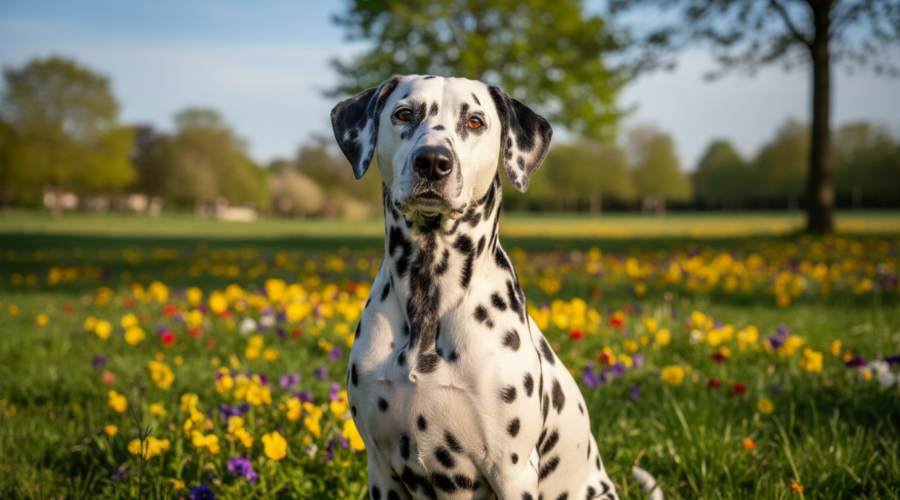
Few animals possess the striking appearance and spirited nature of the famous spotted breed. These companions have captured hearts across the United States for generations, thanks to their elegant gait and boundless energy.
Many people are surprised to learn that these iconic friends are actually born completely white. Their signature markings only begin to emerge as they mature, making each individual truly unique.
Beyond their famous look, this Dalmatian Dog is known for being a loyal and playful family member. Whether they are running in the yard or relaxing at home, their presence brings joy to any household.
Key Takeaways
- This breed is globally recognized for its distinct spotted coat.
- Puppies are born without spots, which develop as they grow older.
- They are celebrated for their high energy and spirited, loving nature.
- These animals have remained popular family companions for many decades.
- Proper care and activity are essential for their overall well-being.
Overview of Dalmatian Dogs
From the coastal regions of Croatia to the bustling streets of Victorian England, the Dalmatian breed has a fascinating story to tell. These dogs are far more than just their famous spots; they are historical icons of utility and grace.
Origin and History
The roots of this elegant animal trace back to the historical region of Dalmatia. While their exact beginnings remain somewhat mysterious, they gained fame as versatile carriage dogs during the 18th and 19th centuries.
In this role, they were tasked with running alongside horse-drawn carriages to protect passengers and guide the horses through crowded city streets. Their natural stamina and protective instincts made them the perfect companions for travelers of that era.
Key Characteristics
The Dalmatian Dog is instantly recognizable due to its sleek white coat adorned with distinct black or liver-colored spots. Beyond their appearance, they are known for being highly energetic and athletic animals that thrive on human interaction.
If you are considering bringing one into your home, it is helpful to understand their primary traits:
- High Stamina: They were bred to run for miles, making them excellent partners for active owners.
- Alert Nature: Their history as carriage guards gives them a naturally watchful personality.
- Intelligence: This Dalmatian breed is quick to learn but requires consistent, positive training methods.
- Loyalty: They form deep, lasting bonds with their families and prefer to be involved in daily activities.
Ultimately, the Dalmatian Dog remains a beloved companion for those who appreciate a mix of history, beauty, and high-energy playfulness.
Unique Spot Patterns
The iconic appearance of the Dalmatian breed is defined by its unique spotted pattern. While many people recognize these dogs instantly, the complexity of their markings is often misunderstood. Every individual dog carries a distinct map of spots that makes them truly one-of-a-kind.
When you first welcome a Dalmatian puppy into your home, you might be surprised to see a plain white coat. These puppies are born almost entirely white, with their signature markings developing gradually as they mature. This transformation is a fascinating process that highlights the beauty of the breed.
Variations in Spot Color
While the classic black-spotted coat is the most famous, there is actually significant variety within the breed. The two primary recognized colors for Dalmatian spots are black and liver (a rich, reddish-brown).
- Black-spotted: The most common variety, featuring deep, dark spots on a crisp white background.
- Liver-spotted: A warmer variation where the spots appear as a deep chocolate or brown hue.
- Distribution: Spots should be well-defined and evenly distributed, ideally ranging from the size of a dime to a half-dollar.
Genetic Factors Behind Spots
The development of these markings is governed by complex genetic interactions. The piebald gene is primarily responsible for the white base coat, while other modifiers dictate the size, shape, and placement of the spots on the Dalmatian Dog.
Because these patterns are determined by polygenic traits, breeders cannot predict the exact placement of spots on a Dalmatian puppy. This genetic mystery ensures that every dog remains a unique work of art. Whether you have a black-spotted or liver-spotted companion, the Dalmatian breed remains one of the most visually striking dogs in the world.
Temperament and Personality
The personality of a Dalmatian is as vibrant and distinct as their unique coat patterns. When you bring a Dalmatian dog into your home, you are welcoming a companion that thrives on human interaction and deep emotional connections.
Understanding the Dalmatian temperament is the first step toward building a lasting bond. While they can sometimes appear reserved or cautious around strangers, they are incredibly devoted to their immediate family members.
Affectionate Nature
These dogs are known for their deep loyalty and desire to be involved in every aspect of household life. They often act as “velcro dogs,” preferring to stay close to their owners throughout the day.
Because of this strong attachment, the Dalmatian breed does best in environments where they receive plenty of attention. They are not the type of pet to be left alone for long periods, as they truly crave the presence of their human pack.
Playfulness and Energy Levels
Beyond their loving side, these dogs possess a boundless spirit that requires a consistent outlet. Their high energy levels mean they are always ready for a game of fetch or a long walk in the park.
The Dalmatian dog is naturally athletic and enjoys staying active with their owners. This playful nature makes them excellent partners for families who enjoy an outdoor lifestyle and want a dog that can keep up with their pace.
Properly channeling this energy is essential for a happy Dalmatian breed. When their physical and mental needs are met, they reveal a charming, humorous, and highly intelligent personality that makes them a joy to live with.
Training Tips for Dalmatian Owners
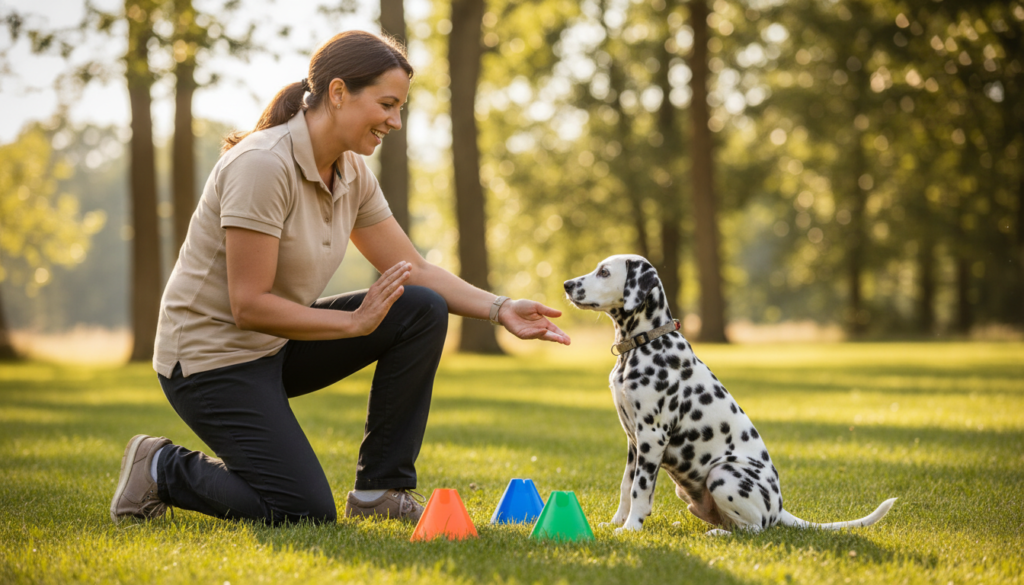
Training a Dalmatian Dog requires a blend of patience, consistency, and a deep understanding of their unique personality. Because these dogs are highly intelligent and energetic, they thrive when provided with clear boundaries and a structured daily routine.
Early Socialization
The Dalmatian breed is naturally alert and can be somewhat reserved with strangers if not properly introduced to the world. Early socialization is the foundation of a confident and well-adjusted adult dog. You should expose your puppy to a variety of sights, sounds, and environments during their formative months.
Consider these essential socialization steps to help your pet feel secure:
- Introduce them to different types of people, including children and individuals wearing hats or uniforms.
- Visit quiet parks to let them observe other dogs from a safe distance.
- Expose them to common household noises like vacuum cleaners or doorbells in a calm manner.
Positive Reinforcement Techniques
When it comes to effective Dalmatian training, positive reinforcement is the gold standard. This method focuses on rewarding desired behaviors rather than punishing mistakes, which helps build a strong bond of trust between you and your companion. For more expert guidance, you can explore resources like professional training programs to refine your approach.
To keep your training sessions productive, keep these tips in mind:
- Use high-value treats or favorite toys to reward immediate compliance.
- Keep training sessions short and fun to prevent your dog from becoming bored or distracted.
- Always remain calm and patient, as your dog will mirror your emotional state during lessons.
Consistency is key when teaching new commands. By rewarding the behaviors you want to see, you encourage your dog to repeat them, making the learning process enjoyable for everyone involved.
Health Considerations
Every owner should be aware of the unique physical requirements that come with this spotted breed. Maintaining the vitality of a Dalmatian Dog requires a blend of knowledge, consistent observation, and professional veterinary support. By staying informed, you can provide the best possible life for your companion.
Common Health Issues
Like many purebred animals, the Dalmatian breed has specific genetic predispositions that owners should monitor. One of the most well-known concerns is hereditary deafness, which can affect one or both ears. Responsible breeders typically perform BAER testing on puppies to identify these conditions early.
Another significant area of concern involves metabolic sensitivities. These dogs have a unique urinary tract system that makes them prone to forming urate stones. Managing these Dalmatian health issues often requires a specialized diet low in purines and plenty of fresh water to keep their system flushed.
Importance of Regular Vet Check-ups
Routine visits to the veterinarian are the cornerstone of preventative care. Regular screenings allow your doctor to catch potential problems before they become serious. Establishing a baseline for your pet’s health early in life makes it much easier to spot subtle changes later on.
Your vet can also provide guidance on weight management and joint health, which are essential for this active breed. Staying ahead of the curve ensures that your pet remains happy and comfortable throughout their life. Consider the following summary of common concerns and how to manage them effectively:
| Health Concern | Primary Management | Frequency |
|---|---|---|
| Urate Stones | Low-purine diet | Daily |
| Hereditary Deafness | Early BAER testing | Once (Puppyhood) |
| Joint Mobility | Controlled exercise | Ongoing |
| General Wellness | Annual physicals | Yearly |
Exercise Needs for Dalmatians
Managing the boundless energy of a Dalmatian Dog is the most important part of being a responsible owner. Because these dogs were originally bred to run for miles alongside carriages, they possess an incredible amount of natural stamina. Without a proper outlet for this energy, they may become restless or develop unwanted behaviors at home.
Daily Activity Requirements
To keep your pet healthy, you should plan for at least one to two hours of vigorous activity every single day. A simple walk around the block is rarely enough for the Dalmatian breed. Instead, focus on high-intensity exercises like jogging, hiking on trails, or long-distance walking.
Consistency is essential for these athletic companions. If you lead an active lifestyle, you will find that this dog makes the perfect partner for your outdoor adventures. Always ensure they have access to fresh water during longer sessions to keep them hydrated and happy.
Fun Activities to Keep Them Engaged
Physical exercise is only half of the equation; mental stimulation is equally vital for this intelligent breed. Incorporating interactive games will help keep their sharp minds occupied and satisfied. Consider these engaging activities to bond with your pet:
- Agility training: This sport challenges their coordination and speed.
- Fetch and retrieval: Use a durable ball or frisbee to burn off excess energy.
- Puzzle toys: These are perfect for rainy days when outdoor play is limited.
By mixing up your routine, you ensure that your beloved companion stays both physically fit and mentally sharp. A tired dog is truly a happy dog, and your efforts will be rewarded with a calm and affectionate friend at the end of the day.
Grooming Your Dalmatian
Proper grooming is a vital part of Dalmatian care that helps build a strong bond with your pet. While this breed is known for its short, sleek coat, they still require regular attention to stay clean and comfortable. Establishing a routine early on makes the process much easier for both you and your dog.
Basic Grooming Routine
A consistent Dalmatian care schedule should include more than just brushing. You should inspect your dog’s ears weekly for any signs of redness or debris, gently wiping them with a damp cloth. Dental hygiene is equally important, so aim to brush their teeth several times a week to prevent tartar buildup.
Nail trimming is another essential task for the Dalmatian breed. If you hear their nails clicking on the floor, it is time for a trim. Keeping their paws healthy ensures they remain active and pain-free during their daily walks.
Dealing with Shedding
Many owners are surprised to learn that the Dalmatian Dog sheds quite consistently throughout the year. Their short, stiff hairs can easily weave into fabrics, making regular maintenance a necessity. Using a rubber curry brush or a grooming mitt is the most effective way to remove loose hair before it ends up on your furniture.
Brushing your Dalmatian Dog at least two to three times a week will significantly reduce the amount of hair in your home. This simple habit also helps distribute natural skin oils, keeping their coat shiny and healthy. Below is a quick reference guide to help you manage your grooming tasks effectively.
| Grooming Task | Frequency | Primary Benefit |
|---|---|---|
| Brushing | 2-3 times weekly | Reduces shedding |
| Ear Cleaning | Once weekly | Prevents infections |
| Dental Care | 3-4 times weekly | Promotes oral health |
| Nail Trimming | Every 3-4 weeks | Ensures paw comfort |
Nutrition for Dalmatians
Proper nutrition is the foundation of long-term health for every Dalmatian Dog. Because this breed has a unique metabolic system, they require a diet that supports their high energy levels while managing specific health risks. Providing high-quality food is a vital component of responsible Dalmatian care.

Recommended Diet
The Dalmatian breed is genetically predisposed to forming urinary stones, which makes a low-purine diet highly beneficial. Owners should prioritize ingredients that are low in purines, such as high-quality proteins like eggs or specific white meats, while avoiding organ meats and excessive red meat. Hydration is equally important, so always ensure your pet has access to fresh, clean water throughout the day.
When selecting commercial food, look for labels that list whole proteins as the first ingredient. Avoid fillers and artificial additives that offer little nutritional value. Consulting with your veterinarian can help you determine the exact caloric needs based on your dog’s age, weight, and activity level.
Supplements to Consider
Beyond a balanced diet, certain supplements can enhance the overall well-being of your pet. Omega-3 fatty acids are excellent for maintaining a shiny coat and healthy skin, which is a hallmark of proper Dalmatian care. Additionally, joint supplements containing glucosamine may support mobility as your dog ages.
Always speak with a professional before adding new supplements to your dog’s routine. Every Dalmatian Dog is an individual, and what works for one may not be necessary for another. Below is a summary of key nutritional considerations for your companion.
| Nutrient Category | Focus Area | Benefit |
|---|---|---|
| Protein Sources | Low-Purine Options | Prevents Urinary Stones |
| Hydration | Fresh Water Access | Supports Kidney Function |
| Healthy Fats | Omega-3 Fatty Acids | Promotes Skin & Coat Health |
| Joint Support | Glucosamine/Chondroitin | Maintains Mobility |
Living with a Dalmatian
Creating a harmonious household with a Dalmatian Dog involves balancing their need for physical activity with their deep desire for human connection. These dogs thrive when they feel like a true member of the family, often following their owners from room to room. Providing a stable and loving environment is the foundation of successful Dalmatian care.
Ideal Living Conditions
The Dalmatian breed is best suited for homes with access to a securely fenced yard where they can burn off excess energy. Because they are highly active, they do not typically thrive in small apartments unless their owners are committed to multiple long walks and vigorous play sessions every day. A spacious living area allows them to move freely and stay comfortable throughout the afternoon.
Consistency in your daily routine helps these intelligent dogs feel secure and settled. They prefer a home where they have a designated, cozy spot to rest after a long day of exercise. Keeping their environment predictable is a key aspect of responsible Dalmatian care.
Compatibility with Children and Other Pets
Dalmatians are generally affectionate and playful, making them wonderful companions for active children. However, due to their high energy levels, they are often best suited for families with older children who understand how to interact respectfully with a dog. Supervision is always recommended during playtime to ensure both the child and the dog remain safe and happy.
When it comes to other household pets, early socialization is the secret to success. A well-socialized Dalmatian breed can live peacefully alongside cats or other dogs. Introducing them to new friends in a controlled manner helps build confidence and reduces potential territorial behavior.
| Feature | Requirement | Benefit |
|---|---|---|
| Living Space | Fenced Yard | Safe Exercise |
| Socialization | Early Exposure | Better Temperament |
| Family Interaction | Daily Engagement | Stronger Bond |
| Activity Level | High Intensity | Healthier Dog |
Ultimately, the Dalmatian Dog is a loyal partner that brings immense joy to an active household. By meeting their physical and social needs, you ensure a long and happy life together. With the right approach, your home will become the perfect sanctuary for your spotted friend.
Famous Dalmatians in Popular Culture
Few breeds have left as significant a mark on American pop culture as the spotted Dalmatian Dog. Their striking appearance and high intelligence have made them natural stars in both fiction and real-life historical settings.
These dogs are more than just pretty faces; they possess a distinctive charm that has captivated audiences for generations. Whether on screen or in the community, their presence is always memorable.
Movies Featuring Dalmatians
The most famous representation of the Dalmatian breed in cinema is undoubtedly Disney’s “101 Dalmatians.” This classic film brought the breed into the spotlight, showcasing their playful nature and strong family bonds.
Beyond animation, these dogs have appeared in numerous live-action films and television shows. Their ability to perform complex tasks often makes them a favorite choice for directors looking for a highly trainable and photogenic canine actor.
Iconic Dalmatian Moments in History
Historically, the Dalmatian is perhaps best known as the traditional firehouse mascot in the United States. During the era of horse-drawn fire carriages, these dogs ran alongside the horses to clear paths and protect the equipment.
This role required intense focus and discipline, which highlights the importance of early Dalmatian training. Even today, many fire stations keep the tradition alive by honoring the breed’s historical contribution to public safety.
These moments have helped shape the public perception of the breed as loyal, brave, and incredibly hardworking. Their legacy continues to grow as they remain a beloved symbol of companionship and service in American culture.
Adopting a Dalmatian
If you are ready to welcome a spotted companion into your life, the journey begins with finding the right source. Bringing a Dalmatian Dog into your home is a significant commitment that requires careful research and preparation. Before you start your search, ensure your lifestyle can accommodate the high energy and social needs of this unique breed.
Where to Find Dalmatians
Prospective owners generally have two primary paths: working with a reputable breeder or contacting a rescue organization. A responsible breeder will prioritize the health and temperament of the Dalmatian breed above all else. They should be willing to provide documentation for health screenings, such as BAER hearing tests and hip evaluations.
Alternatively, breed-specific rescues are excellent places to find a companion. These organizations often have a deep understanding of the individual personality of each Dalmatian puppy or adult dog in their care. Adopting from a rescue can be a rewarding experience that gives a deserving animal a second chance at a happy life.
Adoption Process and Considerations
The adoption process typically involves an application, a home visit, and a thorough interview. You must be prepared to discuss your daily routine, exercise plans, and your experience with high-energy dogs. Understanding the specific needs of the Dalmatian breed is essential to ensure a successful long-term match.
When considering a Dalmatian puppy, always ask about the parents’ health history. Early socialization and consistent training are vital for this intelligent breed. Use the table below to help weigh your options when deciding how to bring your new friend home.
| Feature | Reputable Breeder | Rescue Organization |
|---|---|---|
| Health History | Extensive documentation | Varies, usually vetted |
| Cost | Higher initial investment | Lower adoption fees |
| Age Availability | Primarily puppies | Puppies and adults |
| Support | Lifetime breeder guidance | Rescue community support |
Ultimately, whether you choose a breeder or a rescue, your goal is to find a healthy Dalmatian Dog that fits your family dynamic. Take your time during the selection process to ensure you are fully prepared for the journey ahead. A well-informed decision leads to a lifetime of joy with your new spotted friend.
Conclusion: Why Choose a Dalmatian
Bringing a pet into your home changes your daily routine in wonderful ways. Choosing a Dalmatian Dog means inviting a spirited partner into your life for many years to come.
The Joy of Owning a Spotted Friend
Active families often find that the Dalmatian breed fits perfectly into their energetic lifestyle. These dogs typically live between 11 and 13 years, providing a long window for shared adventures and deep bonds. Their unique beauty serves as a constant reminder of the special connection you share.
Lasting Bonds and Future Adventures
Success with this breed relies on your commitment to their health and training needs. You create a stable environment by staying consistent with exercise and veterinary care. This dedication ensures your spotted friend remains a happy, healthy member of your household. Reach out to local breed clubs or rescue groups to start your journey toward finding the perfect companion today.




💬 Leave a Comment