
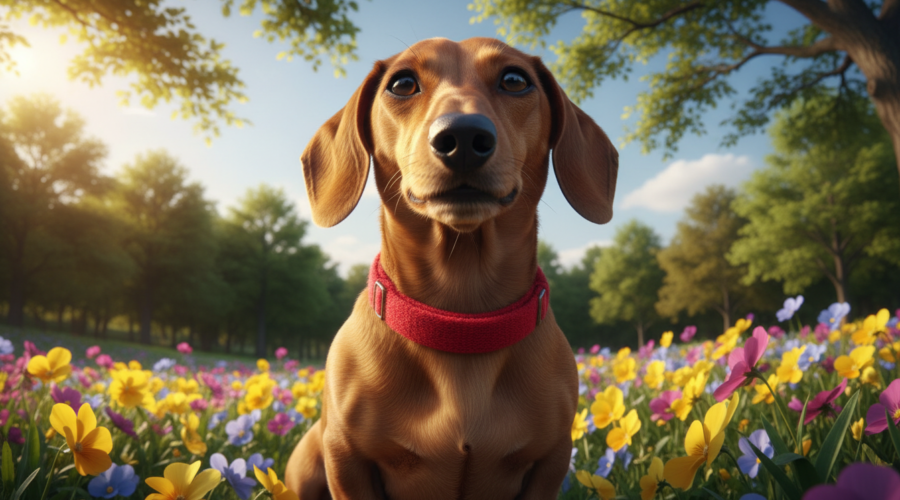
The Dachshund Dog is truly one of a kind. Known for its iconic long body and spirited personality, this breed captures hearts across the United States with ease. These small companions possess a fearless nature that makes them seem much larger than they actually are.
Families often choose this breed because of its deep devotion. Much like the American Pit Bull Terrier, these pets form incredibly strong bonds with their human pack. Whether they are curling up on the sofa or exploring the backyard, their playful curiosity keeps everyone entertained.
Understanding how this unique Dachshund Dog fits into your home is the first step toward a happy life together. Their big hearts and bold attitudes ensure that every day is filled with joy and laughter.
Key Takeaways
- These pets are famous for their distinct, elongated physical stature.
- They possess a bold and fearless personality despite their small size.
- The breed is known for forming deep, loyal bonds with family members.
- Regular play and mental stimulation are essential for their happiness.
- They adapt well to various household dynamics with proper training.
Introduction to Dachshund Dogs
Exploring the world of the Dachshund breed reveals a rich history rooted in German hunting traditions. These dogs are famous for their distinct silhouette and big personalities that often seem too large for their small frames.
Brief History of the Breed
The story of these dogs began in Germany, where they were specifically developed to hunt burrowing animals. Their name literally translates to “badger dog,” reflecting their original purpose of tracking and flushing out badgers from deep underground dens.
Breeders focused on creating a dog with a low profile and powerful front paws to navigate tight tunnels. This specialized background explains why they possess such remarkable stamina and a fearless nature when facing challenges.
Unique Traits and Characteristics
When observing Dachshund characteristics, it is easy to see why they remain a favorite among pet owners. They are not just physically unique; they are also known for their spirited and sometimes stubborn temperament.
These dogs are highly intelligent and often display a sense of humor that keeps their owners entertained. Key traits that define this breed include:
- Courageous spirit: They often act as if they are much larger than they actually are.
- Loyalty: They form deep, lasting bonds with their primary human companions.
- Persistence: Their hunting heritage makes them very determined when they want something.
Understanding these Dachshund characteristics helps owners provide the right environment for their pets to thrive. While they can be independent, they are also deeply affectionate and love to be part of the family action. Choosing the right Dachshund breed for your lifestyle means appreciating both their history and their lively, modern-day personality.
The Different Types of Dachshunds
If you are considering a new pet, learning about the different types within the Dachshund breed will help you choose the perfect match for your home. These dogs are not one-size-fits-all, and their physical traits can vary significantly depending on their specific classification.
Standard vs. Miniature
The most common way to categorize this Dachshund breed is by size. In the United States, they are primarily divided into two weight classes:
- Standard: These dogs typically weigh between 16 and 32 pounds. They were originally bred to hunt badgers and other burrowing animals.
- Miniature: These smaller companions usually weigh 11 pounds or less when fully grown. They are perfect for those who want the classic personality in a more compact package.
Long-Haired, Short-Haired, and Wire-Haired Variants
Beyond size, the Dachshund breed is also defined by its distinct coat types. Each variety requires a different level of grooming and offers a unique aesthetic appeal.
Choosing the right coat type often depends on how much time you can dedicate to brushing and maintenance. Here is a quick breakdown of what to expect from each variety:
| Coat Type | Grooming Needs | Personality Hint |
|---|---|---|
| Short-Haired | Low maintenance | Classic and sleek |
| Long-Haired | Requires regular brushing | Elegant and soft |
| Wire-Haired | Needs professional stripping | Spunky and bold |
Whether you prefer the sleek look of a short-haired dog or the elegant flow of a long-haired companion, there is a perfect Dachshund breed variant for every owner. Understanding these differences ensures that you and your new furry friend will be happy for years to come.
Personality Traits of Dachshunds
If you are looking for a dog with a massive personality in a tiny frame, the Dachshund is your perfect match. These dogs are famous for their unique blend of courage, humor, and deep devotion to their families. Understanding these Dachshund characteristics is essential for anyone considering bringing one into their home.
Loyalty and Affection
Dachshunds are renowned for forming incredibly tight bonds with their primary owners. They often act like “velcro” dogs, preferring to stay by your side throughout the day. When they are not busy exploring, they are world-class snugglers who love nothing more than curling up under a warm blanket.
Playfulness and Energy
Despite their small stature, these dogs possess the heart of a brave hunter. They are naturally spirited and enjoy games that challenge their agility and curiosity. You will often find them to be quite vocal, as they are not afraid to announce their presence or excitement with a sharp bark.
Intelligence and Trainability
While they are undeniably smart, these dogs are also known for a streak of stubborn independence. This makes them both entertaining and challenging to train. Providing consistent, positive reinforcement is the best way to manage this aspect of their Dachshund information.
| Trait | Description | Level |
|---|---|---|
| Affection | Deeply attached to family | High |
| Energy | Spirited and active | Medium-High |
| Trainability | Smart but independent | Moderate |
| Vocalness | Alert and expressive | High |
Health Considerations for Dachshund Owners
Understanding the unique physical structure of your pet is the first step toward ensuring a long and happy life. Because of their elongated spines, these dogs require specific attention to maintain their physical well-being. Accessing reliable Dachshund information is essential for any owner who wants to provide the best possible care for their companion.
Common Health Issues
The most significant concern for this breed is Intervertebral Disc Disease (IVDD). This is a genetic condition where the discs in the back begin to degenerate, which can lead to pain or mobility issues. To protect your Dachshund, it is vital to manage their weight carefully, as excess pounds put unnecessary strain on their spine.
Providing supportive bedding is another simple way to reduce pressure on their joints and back. Consistency in these small lifestyle adjustments can make a massive difference in their long-term comfort. Always monitor your pet for signs of discomfort, such as reluctance to jump or changes in their gait.
Importance of Regular Veterinary Check-ups
Prioritizing Dachshund health through routine visits to the vet is the best strategy for early detection. A professional can identify potential issues before they become serious, allowing for timely intervention. These check-ups are not just for emergencies; they are a cornerstone of preventative care.
During these appointments, your veterinarian can assess your dog’s spinal health and provide tailored advice on exercise and nutrition. Staying proactive ensures that your furry friend remains active and playful for years to come. Remember, a healthy dog is a happy dog, and your dedication to their medical needs is a true sign of love.
Essential Care Tips for Dachshund Owners
Mastering the basics of Dachshund care will help you build a stronger bond with your loyal companion. Providing a consistent routine ensures that your pet remains happy, healthy, and full of life for many years to come.
Feeding and Nutrition
A balanced diet is the foundation of your dog’s long-term health. Because this breed is prone to spinal issues, maintaining a healthy weight is absolutely critical to reduce pressure on their backs.
High-protein, nutrient-dense meals help support muscle tone and overall vitality. Always consult with your veterinarian to determine the right portion sizes based on your dog’s age and activity level.
Grooming and Coat Maintenance
Proper Dachshund grooming varies significantly depending on the specific coat type of your dog. While smooth-haired varieties are relatively low-maintenance, they still require brushing at least one to two times per week to remove loose fur.
For long-haired or wire-haired Dachshunds, you should invest in specialized tools like slicker brushes or wide-tooth combs to prevent painful matting. Regular sessions not only keep their coat shiny but also provide a great opportunity to check for skin irritations or ticks.
Consistent Dachshund care includes more than just feeding and brushing. By staying attentive to these daily needs, you ensure your pup feels comfortable and loved in their home environment.
Training Your Dachshund
Dachshunds are known for their big personalities, which makes effective Dachshund training essential for a happy home. Because these dogs possess a naturally independent and sometimes stubborn streak, starting your educational efforts early is the most effective way to build a well-behaved companion. Consistency is the secret ingredient to success when working with this intelligent breed.
Basic Commands and Obedience
Positive reinforcement is the gold standard for teaching your pup new skills. By rewarding good behavior with treats, praise, or play, you encourage your dog to repeat those actions. You can find expert guidance on training Dachshunds to ensure you are using methods that align with their unique temperament.
Focus on mastering foundational commands like “sit,” “stay,” and “come” in short, frequent sessions. Keeping these sessions brief prevents your dog from becoming bored or frustrated. Remember that patience is vital, as these dogs often prefer to do things on their own terms.
Addressing Behavioral Issues
Dachshunds are vocal by nature, which can sometimes lead to excessive barking if left unchecked. To manage this, identify the triggers for the noise and redirect your dog’s attention to a quiet activity or a puzzle toy. Early socialization and consistent boundaries help curb unwanted vocalization before it becomes a habit.
If you find yourself struggling with specific challenges, do not hesitate to seek professional help. A structured approach to Dachshund training will help you navigate common hurdles like house-training or leash pulling. The following table outlines effective strategies for common training goals:
| Training Goal | Recommended Method | Expected Outcome |
|---|---|---|
| Basic Obedience | Positive Reinforcement | Reliable Command Response |
| Excessive Barking | Redirection & Calmness | Reduced Vocalization |
| Leash Manners | Consistent Heel Practice | Relaxed Daily Walks |
| Socialization | Controlled Exposure | Confident Interactions |
Exercise Needs of Dachshunds
While they may be small, Dachshunds possess a surprising amount of energy that requires a daily outlet. Many owners mistakenly believe these dogs are content to lounge on the sofa all day, but consistent movement is actually a cornerstone of proper Dachshund care.
Regular physical activity does more than just burn off excess energy. It plays a critical role in strengthening the muscles that support their long spines, which helps prevent injury and keeps your pet feeling their best.
Daily Activity Requirements
To maintain a healthy weight and optimal muscle tone, most adult Dachshunds need between 30 and 60 minutes of exercise every day. You do not need to complete this all at once; breaking it into two shorter sessions is often safer for their backs.
Consistency is the secret to success. By sticking to a routine, you help your dog manage their weight, which is vital for reducing strain on their joints and spine. Always monitor your dog for signs of fatigue, especially during warmer weather.
Fun Activities to Do Together
Keeping your dog active should be an enjoyable bonding experience for both of you. Incorporating variety into your routine ensures that your pet stays mentally sharp and physically fit.
Consider these engaging ways to incorporate exercise into your daily Dachshund care:
- Leashed Walks: A brisk walk around the neighborhood provides excellent cardiovascular exercise and sensory stimulation.
- Indoor Fetch: Use a soft toy in a carpeted area to play fetch, which minimizes the risk of slipping on hard floors.
- Puzzle Toys: Mental exercise is just as important as physical movement; use treat-dispensing puzzles to keep them busy.
- Controlled Play: Gentle tug-of-war games can help build muscle, provided you keep the toy low to the ground to protect their neck and back.
Remember, the goal is to keep them moving safely. Avoid activities that involve jumping off high furniture or climbing steep stairs, as these can put unnecessary pressure on their delicate frames.
Socialization and Interaction
Building a strong foundation for your pet begins with early social experiences. When you invest time in these interactions, you help your dog navigate the world with confidence and ease. This process is especially critical for Dachshund puppies, as it shapes their personality and helps them become well-adjusted family members.
Importance of Early Socialization
Early exposure to various environments, sounds, and people is vital for long-term success. By introducing your pet to new stimuli in a controlled way, you significantly reduce the risk of anxiety later in life. This proactive approach ensures that your dog remains calm and friendly in diverse social settings.
Consistent, positive experiences teach your pet that the world is a safe and interesting place. When Dachshund puppies encounter new things early on, they learn to adapt rather than react with fear. This creates a happier and more relaxed companion for your entire family.

Tips for Socializing with Other Pets
Introducing your dog to other animals requires patience and careful planning. Always start with neutral territory to ensure that neither pet feels territorial or threatened. Keep initial meetings short and closely supervised to maintain a positive atmosphere for everyone involved.
Use treats and praise to reward calm behavior during these interactions. If your dog shows signs of stress, such as excessive barking or hiding, gently remove them from the situation and try again later. Remember that Dachshund puppies often benefit from slow and steady introductions to build lasting friendships with other pets.
Living with a Dachshund
Whether you live in a sprawling house or a cozy city flat, Dachshunds adapt beautifully to their surroundings. These spirited companions thrive wherever their favorite humans are located. However, their unique body shape requires specific attention to ensure they remain healthy and comfortable throughout their lives.
Home Environment Considerations
The most critical aspect of your home setup involves protecting your dog’s long back. You should minimize the use of stairs whenever possible, as jumping on and off furniture can cause long-term spinal strain. Installing pet ramps is a fantastic way to give your dog independence while keeping them safe.
Consistency is key when it comes to house rules. Incorporating Dachshund training early on helps them understand which areas are off-limits and how to navigate the home safely.
“A house is not a home without a dog to greet you at the door with a wagging tail.” — Unknown
Adapting to Apartment Living
Dachshunds are surprisingly well-suited for apartment life due to their moderate size and energy levels. While they enjoy a good romp, they are generally content to lounge on a soft bed after a brisk walk. You must ensure they receive enough mental stimulation to prevent boredom in smaller quarters.
To keep your pet happy in a limited space, focus on indoor games and puzzle toys. Consistent Dachshund training sessions can also provide the mental exercise they crave. By creating a structured routine, you ensure your companion stays happy, healthy, and well-adjusted in any living situation.
The Lifespan of Dachshunds
Dachshunds are known for their impressive longevity, often staying by your side for many years. These spirited dogs typically enjoy a lifespan of 12 to 16 years, making them long-term companions for families. Prioritizing Dachshund health throughout their life helps ensure they reach these later years with vitality and joy.
Average Lifespan and Aging
As your dog enters their senior years, you may notice subtle changes in their energy levels and daily habits. It is common for older dogs to sleep more and move a bit slower than they did in their youth. Understanding these natural shifts is a key part of being a responsible pet owner.
Regular monitoring of your dog’s behavior is essential for maintaining good Dachshund health. You might observe that your pet becomes more sensitive to temperature changes or prefers a quieter environment. Keeping a close eye on these changes allows you to provide the support they need to stay comfortable.
How to Care for Aging Dachshunds
Providing the right care for an aging Dachshund ensures they remain happy and comfortable throughout their golden years. One of the most important steps is scheduling more frequent veterinary check-ups to catch any potential issues early. These visits are vital for managing chronic conditions and keeping your pet pain-free.
Mobility support is another critical aspect of senior care. You can help your dog by using ramps to avoid jumping on furniture, which protects their delicate spine. Creating a cozy, accessible space for them to rest will significantly improve their quality of life as they age.
Finally, consider adjusting their diet to meet the nutritional needs of a senior dog. Maintaining a healthy weight is crucial for Dachshund health, as extra pounds can put unnecessary strain on their joints and back. With your love and attention, your senior companion can continue to thrive for years to come.
Fun Facts About Dachshunds
If you think you know everything about these long-bodied dogs, you might be surprised by these hidden gems of information. Beyond their charming appearance, Dachshunds hold a fascinating place in history and modern culture. They are much more than just adorable companions; they are a breed with a rich, storied past.
Interesting Trivia and Myths
Many people believe these dogs were bred solely for companionship, but their history is rooted in courageous hunting. Originally known as “badger dogs,” they were engineered to track and flush out burrowing animals. While some myths suggest they are fragile, they are actually quite sturdy and possess a bold, fearless spirit.
Another common misconception involves their maintenance needs. Owners often worry that Dachshund grooming is overly complex due to their unique body shape. In reality, keeping their coat healthy is straightforward if you follow a consistent routine. Proper care ensures they stay comfortable and look their best throughout their long lives.
Famous Dachshunds in Pop Culture
The Dachshund has long been a favorite among artists, writers, and world leaders. From Pablo Picasso to Andy Warhol, many creative icons found inspiration in the unique silhouette of this breed. Their presence in movies and television has further cemented their status as a global pop culture icon.
Whether they are appearing in animated films or serving as mascots for major events, these dogs always steal the show. Their expressive faces and playful personalities make them natural performers. Below is a quick look at how common myths compare to the reality of living with these spirited dogs.
| Common Myth | The Reality | Care Tip |
|---|---|---|
| They are lazy dogs | They are high-energy hunters | Daily walks are vital |
| Grooming is difficult | Routine is quite simple | Focus on Dachshund grooming |
| They cannot be trained | They are very intelligent | Use positive reinforcement |
Finding a Dachshund
Selecting a new pet is a major life event that shapes your daily routine for years. Whether you choose to rescue a senior pet or search for healthy Dachshund puppies, your commitment ensures a happy life for your new friend.
Choosing Between Rescue and Breeders
Adopting from organizations like the Dachshund Rescue of North America provides a second chance to a dog in need. These groups often know the personality of the animal well, which helps you find a perfect match for your lifestyle. Purchasing from a reputable breeder allows you to learn about the health history and temperament of the parents. Look for breeders who prioritize genetic testing and provide clean, spacious environments for their Dachshund Dog litters.
Evaluating Your Future Pet
Observe the energy levels and social behavior of the animals before making a final choice. A healthy puppy should have clear eyes, a shiny coat, and a curious attitude toward new people. Ask for documentation regarding vaccinations and veterinary records to confirm the animal received proper care from birth. Taking these steps guarantees that your new Dachshund Dog becomes a cherished member of your family for many years. Share your experiences with other owners to build a supportive community for these wonderful dogs.




💬 Leave a Comment