
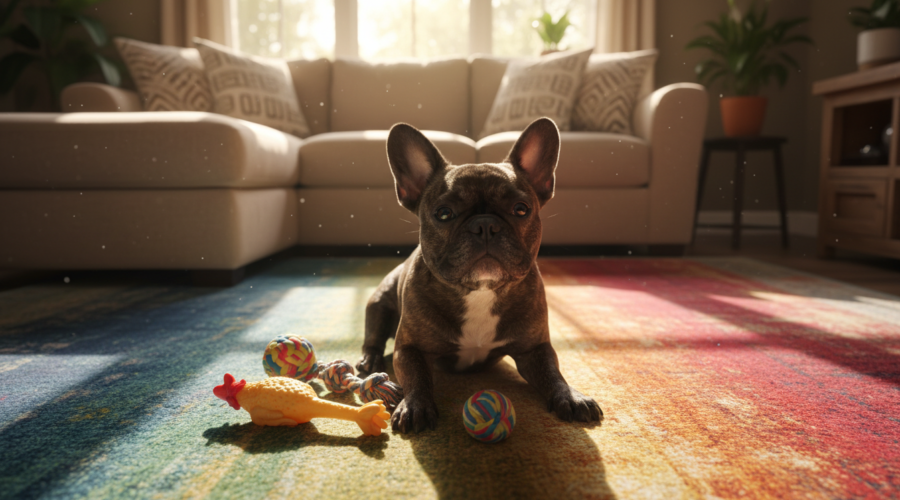
The French Bulldog has captured hearts across the United States with its charming personality and compact, muscular frame. Known for those iconic, upright bat-like ears and a smooth, easy-to-care-for coat, this breed is a favorite for city dwellers and suburban families alike.
Beyond their striking appearance, these dogs are the ultimate companion animal. They thrive on human interaction and offer endless affection to their owners. If you are considering bringing one home, check out this helpful guide for new owners to ensure you are fully prepared for your new best friend.
Whether you live in a cozy apartment or a spacious house, their adaptable nature makes them a perfect fit. Their playful spirit and gentle demeanor ensure they remain a delightful addition to any household.
Key Takeaways
- These dogs are famous for their muscular build and signature bat-like ears.
- They are widely considered an ideal companion animal for various living situations.
- Consistent, positive reinforcement is the best way to handle their occasional stubborn streak.
- Regular care for their facial wrinkles and monitoring for heat sensitivity are vital for health.
- Early socialization helps these affectionate pets grow into confident and well-mannered family members.
Overview of French Bulldogs
Few dogs capture the heart quite like the iconic French Bulldog. This charming companion has become a staple in households across the country, known for its playful spirit and compact size.
Whether you live in a bustling city apartment or a quiet suburban home, this small dog breed fits seamlessly into many different lifestyles. Their unique appearance and affectionate nature make them a top choice for families and individuals alike.
History and Origin of the Breed
The story of the French Bulldog began in 1800s England. They were originally bred as miniature versions of the larger Bulldog breed, often kept by lace workers as companions.
When many lace workers moved to France for better opportunities, they brought their small dogs with them. These dogs quickly gained popularity in France, where they were crossbred with local terriers to develop the distinct look we recognize today.
Characteristics of French Bulldogs
One of the most notable French Bulldog characteristics is their set of large, upright “bat ears.” These ears give them an alert and curious expression that many owners find irresistible.
They also feature a short, smooth coat and a signature wrinkled face. Despite their sturdy and muscular build, they remain a quintessential small dog breed that is easy to manage.
Popularity in the United States
The French Bulldog has seen a massive surge in popularity throughout the United States over the last decade. Many people love them because they are relatively quiet and do not require excessive amounts of exercise.
Their adaptability makes them perfect for modern living. Below is a quick look at how they compare to other popular companions.
| Feature | French Bulldog | Typical Small Breed |
|---|---|---|
| Energy Level | Low to Moderate | High |
| Grooming Needs | Minimal | Moderate to High |
| Barking Tendency | Low | High |
| Ideal Environment | Apartment/House | House with Yard |
Personality and Temperament
Many owners fall in love with the French Bulldog because of its incredibly sweet and devoted nature. This breed is widely recognized for a balanced disposition that makes them perfect for modern living. Understanding the core French Bulldog characteristics is the first step toward appreciating why they are such popular housemates.
Friendly and Affectionate Nature
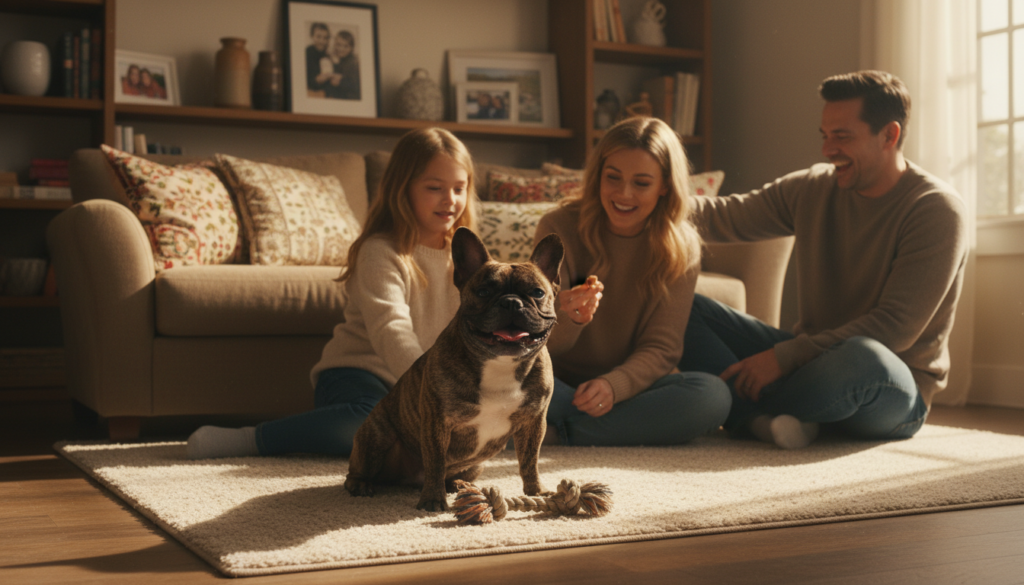
These dogs are often called “velcro dogs” because they thrive on human interaction and constant companionship. They possess a deeply affectionate spirit and prefer to be right by your side throughout the day. Whether you are working from home or relaxing on the couch, your pet will likely be your most loyal shadow.
Great with Kids and Other Pets
The French Bulldog temperament is famously patient and gentle, which makes them excellent companions for families. They tend to handle the high energy of children with a calm and playful attitude. This makes them a reliable choice for households with little ones who want a sturdy yet loving friend.
Beyond their relationship with humans, these dogs usually get along well with other household pets. Their French Bulldog nature is rarely aggressive, favoring a peaceful coexistence with cats or other dogs. By prioritizing early socialization, you can ensure your pet remains a friendly and well-adjusted member of your family.
Keeping Your French Bulldog Healthy
Ensuring your French Bulldog stays healthy requires a proactive approach to their unique physical needs. Because this Bulldog breed has specific anatomical traits, owners must stay informed to provide the best possible quality of life. Consistent attention to their well-being will help your companion thrive for many years.
Common Health Issues
As a brachycephalic breed, these dogs have a shortened skull structure that can lead to respiratory challenges. You should be particularly mindful of their breathing during physical exertion or stressful situations. Always monitor your pet closely when the temperature rises, as they are highly sensitive to extreme heat and can overheat very quickly.
Beyond respiratory concerns, this breed may also be prone to joint conditions like hip dysplasia. Early detection is vital for managing these issues effectively. Keeping a close eye on their mobility allows you to address potential discomfort before it becomes a significant problem.
Regular Vet Check-Ups
Routine veterinary visits are a fundamental pillar of proper French Bulldog care. Scheduling annual or bi-annual exams ensures that your veterinarian can track your dog’s health trends over time. These visits provide an opportunity to catch minor ailments before they develop into serious health complications.
Your vet can also offer personalized advice regarding vaccinations and parasite prevention. Building a strong relationship with a trusted professional is essential for long-term health. Never hesitate to ask questions about any changes you notice in your dog’s behavior or physical condition.
Importance of a Balanced Diet
Nutrition plays a massive role in the overall vitality of your French Bulldog. Providing a high-quality, balanced diet helps maintain a healthy weight, which is crucial for reducing stress on their joints and respiratory system. Obesity can exacerbate the natural challenges faced by this brachycephalic breed, so portion control is key.
Consult with your veterinarian to determine the best caloric intake for your specific dog. A well-rounded diet supports a shiny coat, strong immune system, and sustained energy levels throughout the day. Investing in premium food is one of the most effective ways to support your French Bulldog throughout their life.
Grooming and Maintenance
While they are a low-maintenance small dog breed, French Bulldogs still require a consistent grooming routine to stay healthy. Establishing a regular schedule helps you catch potential issues early while keeping your companion comfortable. Proper French Bulldog care is simple enough for even the busiest owners to manage at home.
Coat Care Tips
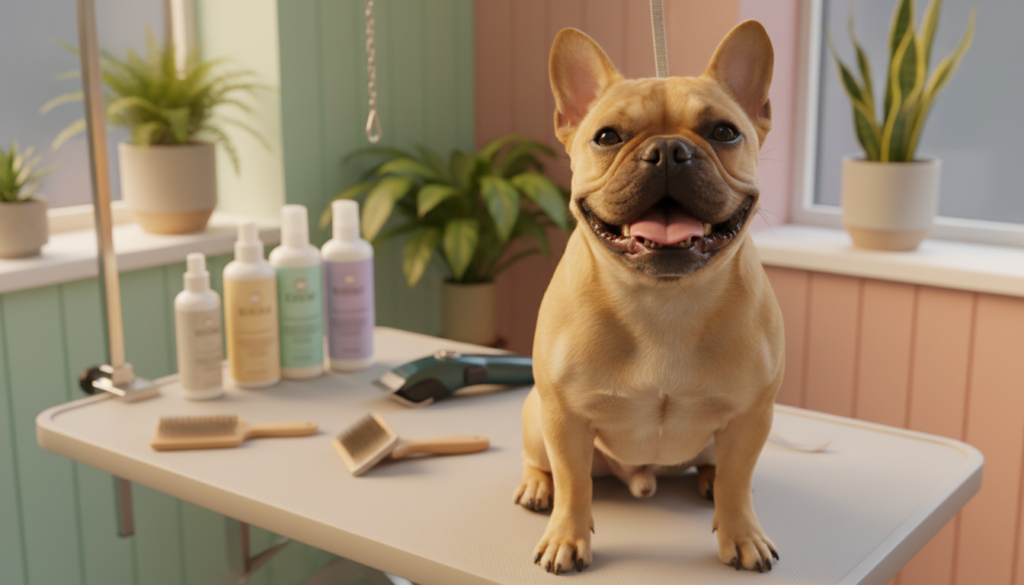
The short, smooth coat of a French Bulldog is one of their most convenient features. You will find that a quick weekly brushing is usually sufficient to remove loose hair and distribute natural skin oils.
- Use a soft-bristle brush or a rubber grooming mitt.
- Focus on areas where hair might collect, such as the neck and back.
- Check for any skin irritations or bumps during your brushing sessions.
Bathing and Brushing
Frequent bathing is generally unnecessary for this breed unless they get into something messy. Over-bathing can strip their coat of essential oils, leading to dry or itchy skin.
The most critical part of French Bulldog maintenance involves their signature skin folds. You must gently wipe these areas with a damp cloth or specialized pet wipes to prevent moisture buildup. Keeping these folds clean and dry is vital for preventing infections and keeping your dog happy.
Nail Trimming and Ear Cleaning
Regular nail trimming is a fundamental aspect of French Bulldog care that prevents discomfort while walking. If you hear their nails clicking on the floor, it is time for a trim.
Additionally, you should inspect their ears weekly for signs of redness or debris. Use a vet-approved ear cleaner and a soft cotton ball to wipe the outer ear canal gently. Consistent attention to these small details ensures your pet remains in peak condition throughout their life.
Training Your French Bulldog
If you want a well-behaved companion, understanding the French Bulldog temperament is the first step in your training journey. While these dogs are incredibly charming, they also possess a stubborn streak that makes training an interesting challenge for new owners. Unlike the high-energy drive seen in an American Pit Bull Terrier, this breed prefers a more relaxed pace.
Basic Obedience Training
To see real progress, keep your training sessions short, fun, and consistent. A French Bulldog thrives when they feel like they are playing a game rather than working. Focus on mastering simple commands like “sit,” “stay,” and “come” in quiet environments before moving to busier areas.
Socialization Strategies
Early socialization is vital to ensure your pet remains confident and calm in various settings. Introduce your dog to new people, different sounds, and other friendly animals during their formative months. This helps prevent anxiety and ensures your French Bulldog grows into a well-adjusted adult.
- Take short walks in different neighborhoods to expose them to new sights.
- Invite friends over to help your dog get used to meeting strangers.
- Use positive reinforcement, such as treats or praise, to reward calm behavior.
Dealing with Behavioral Issues
If your dog shows signs of stubbornness, avoid frustration and stay patient. It is important to remember that the French Bulldog temperament is sensitive; harsh corrections will only damage your bond. Instead, redirect their attention to a toy or a desired behavior when they start to act out.
By maintaining a respectful and firm approach, you can manage common challenges effectively. Always remember that building a strong, trusting relationship is the ultimate goal of your training efforts. With time and dedication, your pup will become a polite and happy member of your household.
Exercise Needs of French Bulldogs
Understanding the unique physical needs of your companion is the first step toward a healthy lifestyle. Because they are a brachycephalic breed, these dogs require a thoughtful approach to physical exertion. Balancing movement with plenty of rest ensures your pet stays happy without putting unnecessary strain on their respiratory system.
Daily Activity Recommendations
Most owners find that a French Bulldog has moderate energy levels. They do not require intense marathons or long-distance running to stay fit. Instead, they thrive on short, consistent sessions of movement throughout the day.
Two or three short walks, lasting about 15 to 20 minutes each, are usually sufficient. These walks allow them to explore their surroundings while keeping their heart rate at a safe, comfortable level. Always watch for signs of fatigue, such as heavy panting or lagging behind.
Indoor vs. Outdoor Exercise
One of the most appealing French Bulldog characteristics is their incredible adaptability to different living spaces. Whether you live in a large house or a cozy apartment, your pet can get enough exercise indoors. Simple games like hide-and-seek or gentle indoor fetch are perfect for rainy days.
Outdoor exercise is equally beneficial, provided the weather is mild. You should avoid taking your dog out during the hottest parts of the day, as this brachycephalic breed is prone to overheating. Always ensure they have access to fresh water and shade when playing outside.
Fun Activities to Keep Them Active
Keeping your pet engaged does not have to be complicated. Interactive toys, such as puzzle feeders or treat-dispensing balls, provide excellent mental and physical stimulation. These activities tap into natural French Bulldog characteristics, keeping them sharp and entertained.
The following table outlines a balanced approach to keeping your pet active while respecting their physical limits:
| Activity Type | Intensity Level | Recommended Duration |
|---|---|---|
| Leisurely Walks | Low to Moderate | 15-20 Minutes |
| Indoor Fetch | Moderate | 10 Minutes |
| Puzzle Games | Low | 15 Minutes |
| Social Play | Moderate | 10-15 Minutes |
By incorporating these varied activities, you help your French Bulldog maintain a healthy weight and a joyful spirit. Remember that consistency is far more important than intensity for this breed.
Choosing the Right Environment
Creating the perfect home environment is essential for your new companion’s happiness. Because every dog has unique needs, understanding how your space impacts their daily life is a vital part of responsible ownership. By making small adjustments, you can ensure your pet feels secure and comfortable from the very first day.
Ideal Living Situations
The French Bulldog is widely considered one of the best breeds for urban dwellers. Their compact size and naturally quiet demeanor make them excellent candidates for apartment living or smaller homes. They do not require a massive backyard to burn off energy, which is a significant advantage for those living in city centers.
These dogs are generally content to lounge by your side while you work or relax. Their low-barking nature ensures that you will not have to worry about disturbing your neighbors. This makes them a fantastic choice for people who value a peaceful living atmosphere.
Preparing Your Home for a French Bulldog
Proper French Bulldog maintenance involves more than just grooming; it requires creating a climate-controlled sanctuary. As a brachycephalic breed, these dogs are highly sensitive to heat and humidity. You must ensure your home stays cool during the warmer months to prevent overheating.
Consider these tips to keep your home safe and comfortable:
- Keep the indoor temperature consistent, ideally between 68 and 75 degrees Fahrenheit.
- Provide multiple cooling mats or shaded areas where your pet can rest away from direct sunlight.
- Use air conditioning or fans during peak summer heat to help your dog breathe easier.
- Remove potential hazards like small objects or toxic plants that could be chewed.
Safe Outdoor Spaces
While they do not need vast acreage, having access to a safe outdoor area is still beneficial. If you have a yard, ensure it is fully fenced to prevent your French Bulldog from wandering off. Always supervise your pet during outdoor time, especially when the weather is warm.
Because they are a brachycephalic breed, you should avoid intense exercise during the hottest parts of the day. A short, shaded walk in the early morning or late evening is much safer than a midday excursion. Consistent French Bulldog maintenance of their outdoor environment ensures they stay healthy and happy throughout the year.
Cost of Owning a French Bulldog
Understanding the true cost of ownership is essential for any prospective owner. While these dogs are beloved for their charming personality, they do require a significant financial commitment throughout their lives.
Initial Purchase Price
The upfront cost of acquiring a puppy can vary greatly depending on several factors. You will find that prices fluctuate based on the breeder’s reputation, the puppy’s lineage, and the rarity of the coat color.
Reputable breeders invest heavily in health testing and proper care, which is reflected in the price. While it might be tempting to look for a bargain, investing in a well-bred puppy often saves you money on health issues later on.
Ongoing Costs (Food, Vet, Supplies)
Beyond the initial purchase, you must account for monthly expenses. High-quality nutrition is vital for proper French Bulldog maintenance, as this breed can have a sensitive stomach.
Routine veterinary care, including annual vaccinations and parasite prevention, is a non-negotiable expense. Additionally, you should budget for grooming supplies, toys, and comfortable bedding to keep your pet happy and healthy.
Budgeting for Unexpected Expenses
Even with the best care, unexpected health issues can arise. Because of the unique French Bulldog temperament and physical structure, some owners find that specialized veterinary care becomes necessary at some point.
It is highly recommended to set aside an emergency fund or consider pet insurance to cover potential accidents or illnesses. Planning ahead ensures that you can provide the best possible care for your companion without facing sudden financial stress.
| Expense Category | Estimated Frequency | Budget Priority |
|---|---|---|
| Premium Dog Food | Monthly | High |
| Routine Vet Visits | Annually | High |
| Emergency Fund | Ongoing | Medium |
Bringing Home a French Bulldog
Welcoming a new pet into your life marks the start of a beautiful journey. Selecting a reputable breeder or visiting a local rescue organization ensures your French Bulldog begins life in a healthy environment. These sources prioritize the well-being of the breed and provide vital health records.
Proper preparation makes the transition smooth for your new companion animal. Set up a cozy crate, stock up on high-quality food, and designate a quiet space for rest. These small steps create a sense of security for your pet during the first few days.
Consistent French Bulldog care builds a strong bond between you and your dog. Focus on patience as your new friend adjusts to the sights and sounds of your household. You will soon enjoy the unique personality and charm that makes this breed a favorite for families across the United States.
Share your experiences with other owners to learn more about this rewarding lifestyle. Your commitment to quality care ensures a long and happy life for your loyal friend. Enjoy every moment with your new family member.




💬 Leave a Comment