

Are you searching for a loyal companion who will happily join you on every outdoor adventure? Finding the right dog for your household is a big decision, especially when you want a pet that balances gentle affection with a love for movement. Many families find that the perfect match is a breed known for its calm spirit and unwavering devotion.
The Bloodhound is widely recognized for its sweet temperament and deep bond with family members. This breed thrives in active households where it can participate in daily walks and family outings. Because of its patient nature, it makes a wonderful addition to homes looking for a loving and reliable partner.
Key Takeaways
- This breed is famous for its gentle and patient temperament.
- It forms a very strong, loyal bond with all family members.
- These dogs are ideal for active families who enjoy outdoor time.
- They are known for being affectionate and great with people.
- Choosing this breed brings a devoted companion into your home.
Introduction to the Bloodhound
Bringing a Bloodhound into your life means welcoming a gentle giant known for its incredible sense of smell and loving heart. These dogs are deeply affectionate and often form very strong bonds with their human families. While they are famous for their tracking abilities, their true nature is surprisingly soft and sensitive.
What is a Bloodhound?
The Bloodhound is a large, powerful scent hound that is remarkably docile when indoors. They are known for their iconic wrinkled faces and long, drooping ears, which give them a soulful expression. Despite their imposing size, they are rarely aggressive and generally get along well with everyone they meet.
This breed thrives on human companionship and can become quite lonely if left by themselves for long periods. Their friendly and patient temperament makes them a wonderful addition to a home that values a calm, steady presence.
Ideal Owners
Because of their high energy and need for engagement, the Bloodhound is best suited for active owners. You should be prepared to provide plenty of outdoor time, as these dogs love to explore and follow their noses. They are not the type of dog to sit quietly in a corner all day; they crave meaningful social interaction with their pack.
If you lead an active lifestyle and have the time to dedicate to training and companionship, this breed will reward you with unwavering loyalty. They are perfect for families who enjoy long walks and want a devoted partner by their side. Choosing a Bloodhound means committing to a lifestyle that prioritizes their need for movement and love.
Origin and History of the Breed
To understand the modern Bloodhound, you must look back at their ancient roots in the forests of Belgium. This breed has evolved significantly over the centuries, transforming from a rugged forest companion into a highly specialized working canine. Their journey is a testament to the enduring bond between humans and their most capable partners.
Early Beginnings
The history of this breed is often linked to the monks of the Saint-Hubert Monastery in Belgium. These dedicated breeders refined the dogs to create a superior scent hound capable of navigating dense terrain. Originally, they were prized as an agile hunter, capable of tracking large game through difficult landscapes with ease.
Over time, these dogs gained popularity across Europe, eventually making their way to England. Their reputation for persistence and accuracy made them a favorite among nobility. This early development laid the foundation for the traits that define the breed today.
Historical Roles
As the breed matured, their primary purpose shifted from hunting to more complex tasks. They became the premier tracking dog for those who needed to follow a specific scent over long distances. This natural ability eventually led to their widespread use in search and rescue operations.
Their historical contributions include:
- Pioneering the art of mantrailing to locate missing persons.
- Serving as a reliable top scenting dog for law enforcement agencies.
- Providing essential support in challenging terrain where other methods failed.
Today, the legacy of these dogs continues to influence how we view canine intelligence. By honoring their past as a dedicated scent hound, you can better appreciate the instincts that make them such unique companions. Whether in the field or at home, their history remains a vital part of their identity.
Size and Weight
When you bring a Bloodhound into your home, you are welcoming a truly impressive companion. As a large breed, these dogs possess a powerful build that is both sturdy and distinct. Understanding their physical requirements helps you create a safe and comfortable environment for your pet.
Standard Measurements
The Bloodhound is known for its substantial frame and heavy bone structure. Adult males typically stand between 25 and 27 inches tall, while females usually measure between 23 and 25 inches. Weight is equally significant, with males often reaching 90 to 110 pounds and females weighing between 80 and 100 pounds.
| Gender | Height Range | Weight Range |
|---|---|---|
| Male | 25–27 inches | 90–110 lbs |
| Female | 23–25 inches | 80–100 lbs |
Growth Expectations
Watching your puppy grow into a large breed adult is an exciting journey. You should expect rapid growth during the first year, which requires careful attention to nutrition and joint health. Because they grow quickly, it is vital to avoid over-exercising them on hard surfaces while their bones are still developing.
Managing their size is particularly important if you have small children or limited living space. Here are a few ways to prepare for their growth:
- Create clear pathways: Ensure your home has enough room for a dog of this size to move without knocking over furniture.
- Invest in sturdy gear: Use heavy-duty leashes and crates designed for a Bloodhound to ensure safety during training.
- Monitor weight gain: Regular vet visits help ensure your dog maintains a healthy weight as it matures.
By keeping these factors in mind, you can provide the best care for your Bloodhound as it reaches its full adult size. Being prepared for their physical presence makes the transition into your family much smoother for everyone involved.
Lifespan and Health
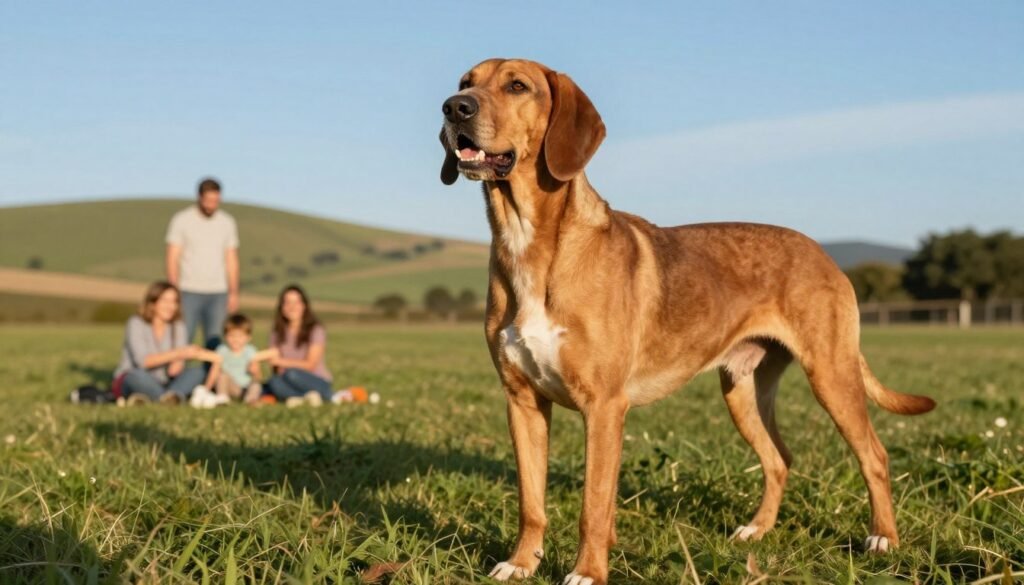
When you welcome a Bloodhound into your home, you are committing to a journey that spans over a decade. Providing consistent care and attention helps ensure your companion enjoys a high quality of life throughout their senior years.
Average Lifespan
On average, this large breed typically lives between 10 and 12 years. While every dog is unique, you can influence their longevity through a balanced diet, regular exercise, and routine veterinary visits.
Early detection of age-related changes allows you to adjust their lifestyle accordingly. Staying proactive is the best way to support their well-being as they enter their golden years.
Common Health Issues
Like many other dogs of significant size, the Bloodhound may be prone to specific genetic conditions. Being aware of these possibilities helps you work effectively with your veterinarian to manage risks.
Common concerns include hip and elbow dysplasia, which affect joint mobility. Additionally, this large breed is at risk for bloat, a serious condition that requires immediate medical attention. Maintaining a healthy weight and avoiding vigorous exercise right after meals can help reduce these risks.
| Health Concern | Primary Impact | Management Strategy |
|---|---|---|
| Hip Dysplasia | Joint discomfort | Weight control |
| Bloat | Digestive emergency | Small, frequent meals |
| Elbow Dysplasia | Mobility issues | Regular vet checkups |
By understanding these predispositions, you can create a preventive health plan tailored to your dog’s needs. Consistent monitoring and open communication with your vet are the keys to a long, happy life together.
Temperament of the Bloodhound
The temperament of a Bloodhound is a fascinating blend of independent thought and gentle devotion. While they are famous for their tracking abilities, their personality at home is often much more relaxed and mellow.
You will find that these dogs possess a unique character that balances a sensitive soul with a mind of their own. Understanding this duality is essential for building a strong, lasting bond with your pet.
Personality Traits
A Bloodhound is often described as a gentle giant. They are known for being incredibly patient, though they can display a stubborn streak when they catch an interesting scent.
Because they are highly sensitive to their environment, they respond best to positive reinforcement rather than harsh commands. You might also notice that your dog is quite vocal; they love to bay or howl when they are excited or want to get your attention.
Social Behavior
When it comes to social interaction, the Bloodhound truly shines as a member of the family. They are deeply affectionate and thrive when they are included in daily household activities.
These dogs are generally friendly toward strangers and other animals, making them poor guard dogs but excellent companions. They prefer to be near their humans, often following you from room to room just to stay close.
| Trait | Description | Impact on Owner |
|---|---|---|
| Affection Level | High | Requires consistent companionship |
| Independence | Moderate | Can be stubborn during training |
| Vocal Nature | High | Expect baying when excited |
| Social Needs | High | Thrives in a family setting |
By recognizing these traits, you can better appreciate the loving nature of your Bloodhound. Their loyal and gentle disposition makes them a wonderful addition to any home that values a devoted canine friend.
Energy Level and Exercise Needs
Because the Bloodhound is a natural tracker, they require specific outlets for their boundless energy. While they may appear calm and relaxed while lounging at home, these dogs possess a hidden reservoir of stamina that must be managed through regular movement.
Daily Activity Requirements
As a dedicated scent hound, your dog is hardwired to follow interesting smells for miles. Without a structured plan, this natural instinct can lead to frustration or destructive habits like digging and chewing when they feel bored.
Consistency is the key to maintaining their physical and mental well-being. You should aim for at least one long, brisk walk every day to keep them fit and satisfied. Regular activity helps prevent restlessness and ensures your companion remains a calm presence in your household.
Ideal Exercise Routines
Shared outdoor adventures are the perfect way to strengthen the bond between you and your pet. Engaging in Bloodhound exercise needs will help you discover which activities your dog enjoys most. Whether it is a long hike on a leash or a structured game of scent tracking in a safe, enclosed area, variety keeps them engaged.
Always remember that a tired scent hound is a happy one. By incorporating these routines into your daily schedule, you provide the necessary stimulation that every Bloodhound craves to stay healthy and happy throughout their life.
Grooming Needs
You will find that grooming a Bloodhound is a straightforward process that strengthens your bond. While these dogs have a distinct appearance, their maintenance requirements are quite manageable for most owners. Consistent care ensures your companion stays comfortable and healthy throughout the year.
Coat Care Essentials
The short, dense coat of a Bloodhound is relatively low-maintenance. A weekly brushing session with a rubber curry brush or a soft bristle brush is usually sufficient to remove loose hair and distribute natural skin oils. This simple habit keeps their coat shiny and helps you monitor their skin for any signs of irritation or parasites.
Because of their active nature, you should pay close attention to their skin health during these sessions. Check for any red spots or dry patches that might need extra attention. Keeping their coat clean is a great way to ensure they feel their best every single day.
Bathing Frequency
You do not need to bathe your dog too often, as excessive washing can strip away essential oils. A bath every few months is typically enough unless they have been playing in the mud. However, you must prioritize cleaning their facial wrinkles and long ears regularly to prevent moisture buildup and potential infections.
Use a damp cloth to gently wipe between the folds of their skin and ensure the area is dried thoroughly. Keeping these areas clean is vital for a Bloodhound to avoid skin fold dermatitis. Below is a quick guide to help you stay on track with your routine.
| Task | Frequency | Key Benefit |
|---|---|---|
| Brushing | Weekly | Removes loose hair |
| Ear Cleaning | Weekly | Prevents infections |
| Wrinkle Care | Daily/Every other day | Maintains skin health |
| Bathing | As needed | Removes dirt and odor |
Family Compatibility
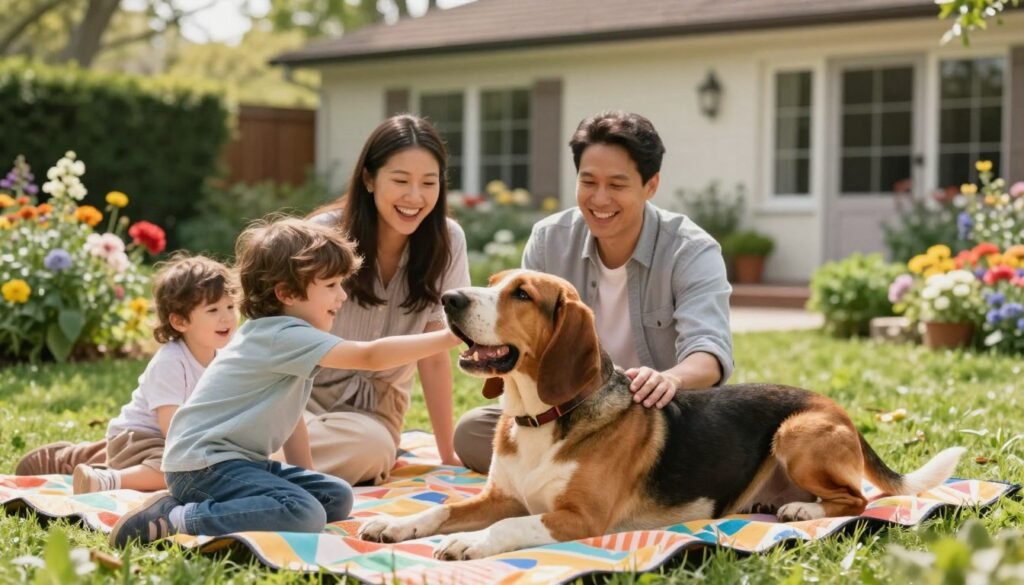
The Bloodhound is widely celebrated for its calm temperament and deep devotion to its human pack. Because of their nurturing nature, these dogs often become the heart of a household, offering a steady and loving presence that is hard to match.
Suitable for Families
When you welcome a Bloodhound into your home, you gain a companion that is naturally patient and tolerant. They are known for their laid-back attitude, which allows them to handle the hustle and bustle of a busy family environment with ease.
Their protective instincts are usually directed toward loyalty rather than aggression. This makes them reliable guardians who are deeply attached to every member of the family. They thrive when they are included in daily activities, whether it is a quiet evening on the porch or a weekend trip to the park.
Interaction with Children
While these dogs are famously gentle, successful relationships between a pet and a child require guidance. It is important to teach your children how to interact with the dog respectfully to ensure a harmonious bond for years to come.
To keep interactions safe and positive, consider these helpful practices:
- Always supervise playtime between young children and your dog to prevent accidental roughhousing.
- Teach children to respect the dog’s space, especially when the pet is resting or eating.
- Encourage early socialization so your dog becomes comfortable with the unpredictable energy of kids.
- Model calm behavior to help your pet understand how to remain gentle during interactions.
By fostering mutual respect, you ensure that your Bloodhound remains a cherished and safe member of your family. Their affectionate spirit truly shines when they are given the right environment to grow alongside your children.
Apartment Living and First-Time Owners
Living in an apartment with a large, scent-driven Bloodhound presents unique challenges that every prospective owner should understand. While these dogs are known for their gentle and affectionate nature, their physical size and specific behavioral traits require a thoughtful approach to your living environment.
Bloodhound in Apartments
It is possible for a Bloodhound to live in an apartment, but it requires a high level of commitment from you. These dogs are large and can be quite clumsy in tight spaces, often knocking over furniture with their long tails. Space is not their primary concern, but they do need consistent access to outdoor areas to burn off energy.
Another factor to consider is their vocal nature. This breed is famous for baying, which can be loud and persistent, potentially causing issues with neighbors in close quarters. If you live in a building with thin walls, you must be prepared to manage their tendency to vocalize when they catch an interesting scent.
Tips for New Owners
If you are a first-time owner, the Bloodhound can be a rewarding but demanding companion. They are independent thinkers, which means they may not always follow commands immediately. Patience is your most valuable tool when navigating the early stages of training and house-training.
Establishing a strict routine is essential for success. Because they are scent-oriented, they can easily become distracted during walks, so always keep them on a sturdy leash. Building a strong bond through positive reinforcement will help you overcome the initial hurdles of ownership.
Many owners find that the deep affection and loyalty of a Bloodhound far outweigh the extra effort required in the beginning. By staying consistent and providing plenty of mental stimulation, you can ensure your Bloodhound thrives in your home, regardless of your experience level.
Training and Behavior
Understanding the mind of a scent-driven breed is the first step toward a well-behaved companion. Because they are natural trackers, these dogs view the world through their noses rather than through commands. Patience is your greatest asset when working with this breed, as they often prioritize their own interests over human requests.
Training Challenges
You will quickly learn that a Bloodhound is an independent thinker. They are not typically motivated by the desire to please in the same way as other breeds. Instead, they require consistent, positive reinforcement to stay engaged during sessions.
Treats and praise work wonders, but you must keep lessons short to prevent boredom. Remember that their history as a dedicated tracking dog means they are easily distracted by interesting scents. If they catch a whiff of something intriguing, their focus will shift instantly, making it vital to train in secure, enclosed areas.
Socialization with Other Pets
Early socialization is essential to ensure your pet develops into a well-adjusted member of the household. As a working canine, they generally possess a gentle nature, but their size and enthusiasm can sometimes be overwhelming for smaller animals.
Introducing them to other pets at a young age helps them learn appropriate boundaries. When you provide structured social experiences, you help channel their natural instincts into positive habits. With the right guidance, your Bloodhound will likely become a calm and friendly companion to other household pets, proving that even a focused tracking dog can thrive in a multi-pet home.
Pros and Cons of Owning a Bloodhound
Owning a large breed like the Bloodhound comes with a specific set of rewards and responsibilities. Before you commit to this companion, it is important to look at the full picture of what daily life entails. By weighing the benefits against the potential challenges, you can ensure that your home is the right environment for this unique dog.
Advantages
The Bloodhound is widely celebrated for its gentle and patient temperament. These dogs are incredibly loyal and form deep, lasting bonds with their human families. Because of their calm nature, they often serve as wonderful, patient playmates for children.
Their affectionate personality makes them a joy to have around the house. You will find that they thrive on companionship and love being part of your daily activities. Their presence is often described as grounding and comforting for those who appreciate a devoted pet.
Disadvantages
While they are loving, there are practical realities to consider. As a large breed, they require plenty of space and can be quite messy due to their tendency to drool. You should be prepared for a bit of extra cleaning around your home.
Training a Bloodhound can also test your patience, as they are known for being quite stubborn when they catch an interesting scent. Their natural instinct to follow their nose means they are prone to wandering if they are not kept in a secure area. Consistent training and a watchful eye are essential to keep them safe and happy in your care.
Conclusion: Is a Bloodhound Right for You?
Bringing a Bloodhound into your life is a significant commitment that rewards you with deep affection and loyalty. This breed thrives when placed in an active home where their unique scent-driven nature is understood and embraced.
You should reflect on your daily routine and living space before making a final choice. A Bloodhound requires patience, consistent training, and plenty of room to explore safely. These dogs offer a special kind of companionship that makes the extra effort worthwhile for the right owner.
Take time to visit local shelters or reach out to reputable breeders to meet these gentle giants in person. Observing their personality firsthand helps you decide if their temperament aligns with your family goals. You might also look into similar scent-driven breeds to compare their specific needs.
Researching and preparing your home creates a strong foundation for a lasting bond. Your journey toward finding the perfect canine partner starts with this careful consideration. Enjoy the process of discovering if this devoted breed is the missing piece in your household.




💬 Leave a Comment