
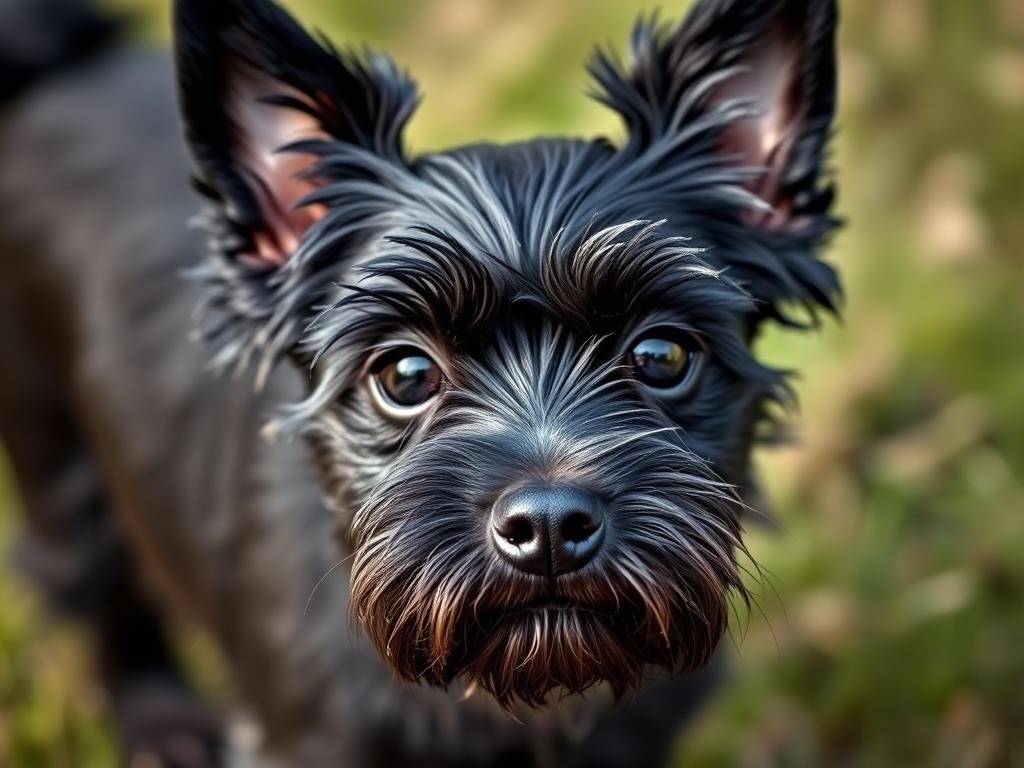
The Affenpinscher stands as one of the most distinctive and entertaining small dog breeds in the canine world. This tiny companion with a big personality has captured hearts for centuries with its amusing monkey-like facial expression and fearless temperament. If you’re considering adding an Affenpinscher to your family, understanding this unique breed is essential for a successful relationship.
These pint-sized dogs pack tremendous character into their compact frames. Despite their small size, Affenpinschers display confidence that rivals much larger breeds. Their wiry coat and distinctive appearance make them instantly recognizable among toy breeds.
This comprehensive guide explores everything you need to know about Affenpinschers. From their fascinating German origins to modern care requirements, you’ll discover what makes these dogs special. Whether you’re a prospective owner or simply curious about this remarkable breed, connecting with reputable Affenpinscher breeders starts with proper education about breed characteristics and needs.
Origin and History of the Affenpinscher Breed
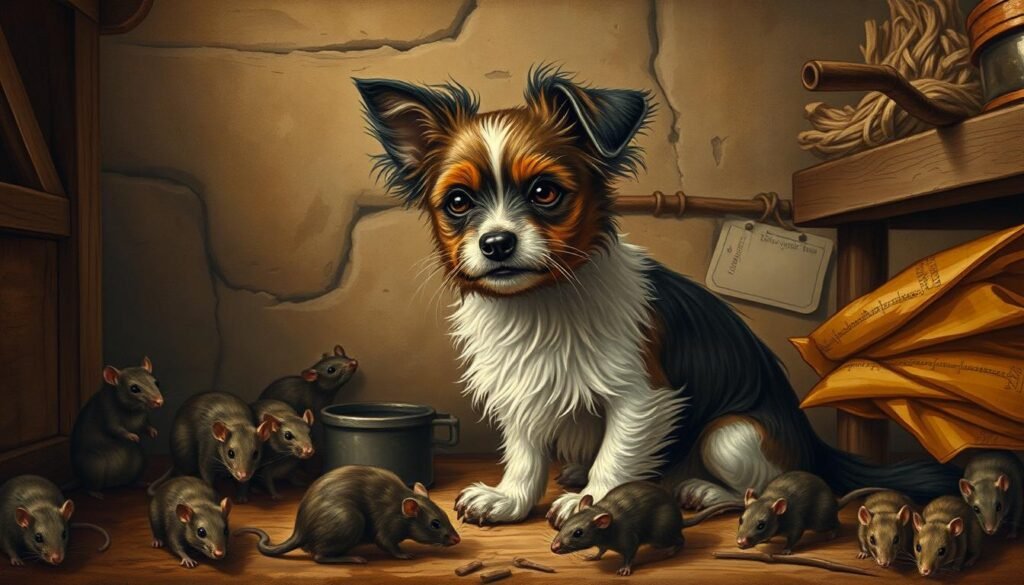
The Affenpinscher originated in Germany during the 1600s, where these small dogs served a practical purpose in homes and stables. Their primary job involved hunting and eliminating rats and other vermin. The breed’s name comes from the German word “Affen,” meaning monkey, combined with “Pinscher,” which refers to a terrier-type dog.
Initially, Affenpinschers were larger than today’s breed standard. Early specimens weighed around 12 to 13 pounds and worked alongside humans as skilled ratters. Their fearless nature and quick reflexes made them excellent at controlling rodent populations in kitchens, stables, and grain stores.
Development of the Modern Affenpinscher
During the 19th century, German breeders began selectively breeding Affenpinschers to reduce their size. This transformation aimed to create ideal companion dogs for city dwellers and aristocratic families. The breeding program successfully miniaturized the breed while maintaining its spirited personality and distinctive appearance.
The breed influenced the development of other small dogs. Brussels Griffons and Miniature Schnauzers both share ancestry with Affenpinschers. These genetic connections demonstrate the Affenpinscher’s importance in toy breed development across Europe.
Recognition by the American Kennel Club
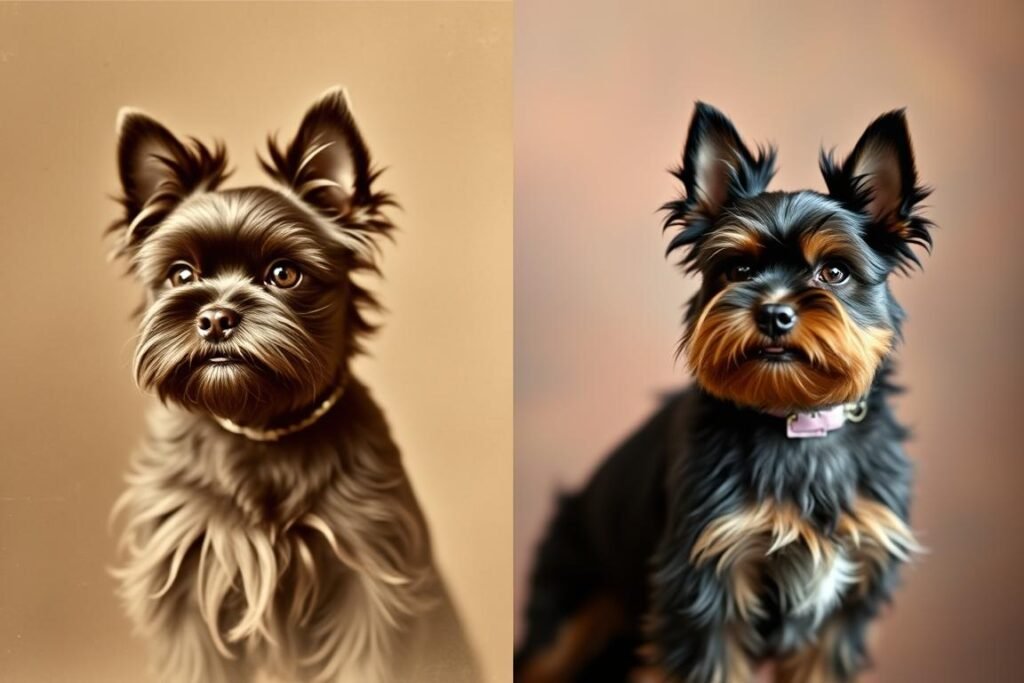
The American Kennel Club officially recognized the Affenpinscher in 1936. This recognition established the breed standard that guides breeding programs today. The breed joined the Toy Group classification, reflecting its transformation from working ratter to beloved companion.
World War II nearly devastated European Affenpinscher populations. The breed faced near extinction as resources became scarce and breeding programs halted. Dedicated breeders in both Germany and the United States worked tirelessly after the war to preserve and rebuild the breed population.
The Affenpinscher in Modern Times
Today, Affenpinschers remain relatively rare compared to other toy breeds. The American Kennel Club ranks them among the less common breeds, with only a few hundred puppies registered annually. This rarity contributes to their special appeal among dog enthusiasts who appreciate unique breeds.
The breed gained international attention in 2013 when an Affenpinscher named Banana Joe won Best in Show at the Westminster Kennel Club Dog Show. This victory introduced many people to the breed’s charm and distinctive characteristics. Show dogs continue to exemplify the breed standard established nearly a century ago.
Discover Your Affenpinscher’s Heritage
Learn more about this fascinating breed’s history and download our comprehensive care guide for new Affenpinscher owners.
Physical Characteristics and Appearance
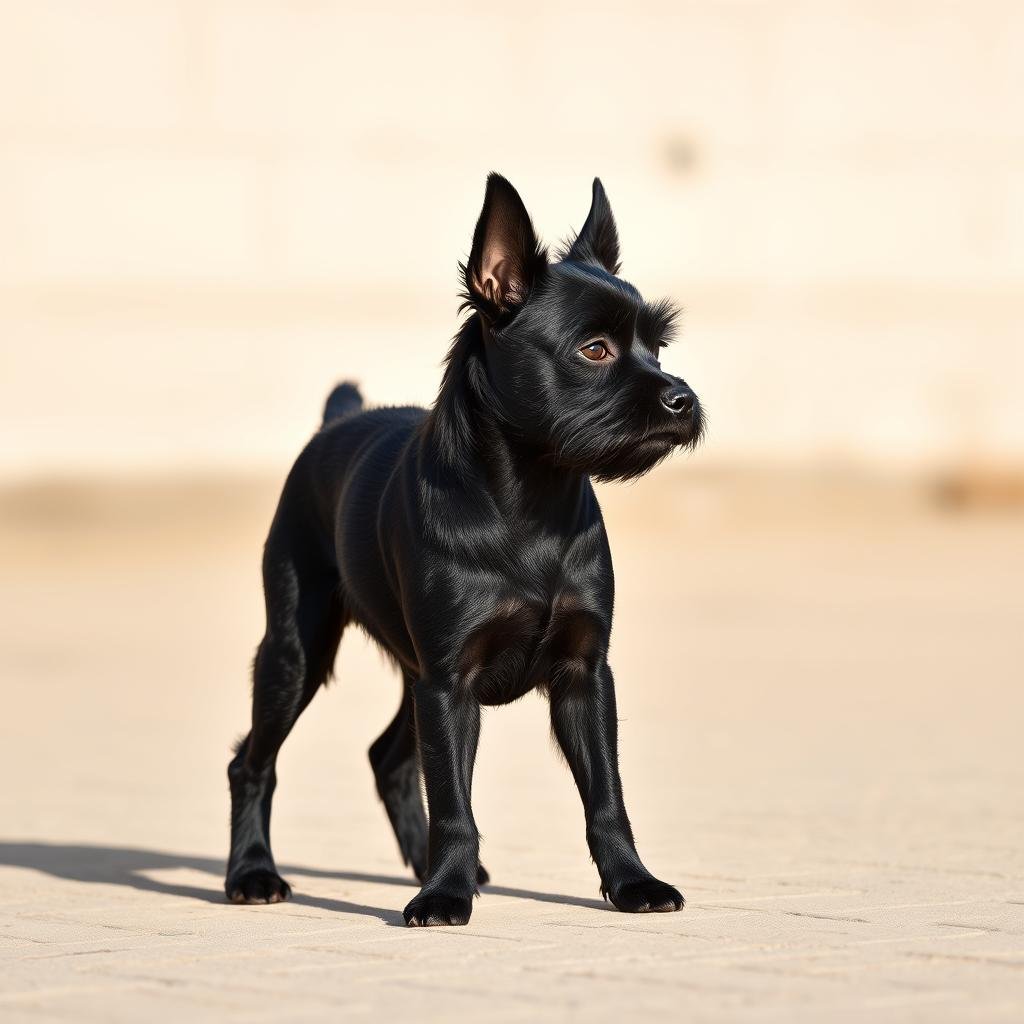
The Affenpinscher exhibits a distinctive appearance that sets this breed apart from all other toy breeds. Their compact, square body shape creates a balanced silhouette that emphasizes strength despite small size. According to the breed standard established by the American Kennel Club, ideal proportions create a dog that appears sturdy and confident.
Size and Weight Standards
Adult Affenpinschers typically stand between 9 and 11.5 inches tall at the shoulder. This height range places them firmly in the toy breed category. Their weight normally falls between 7 and 10 pounds when fully grown and properly maintained.
Males and females show minimal size differences, unlike many other dog breeds. Both sexes should display the same compact, muscular build. Breeders focus on maintaining consistent size to preserve the breed’s distinctive appearance and functionality.
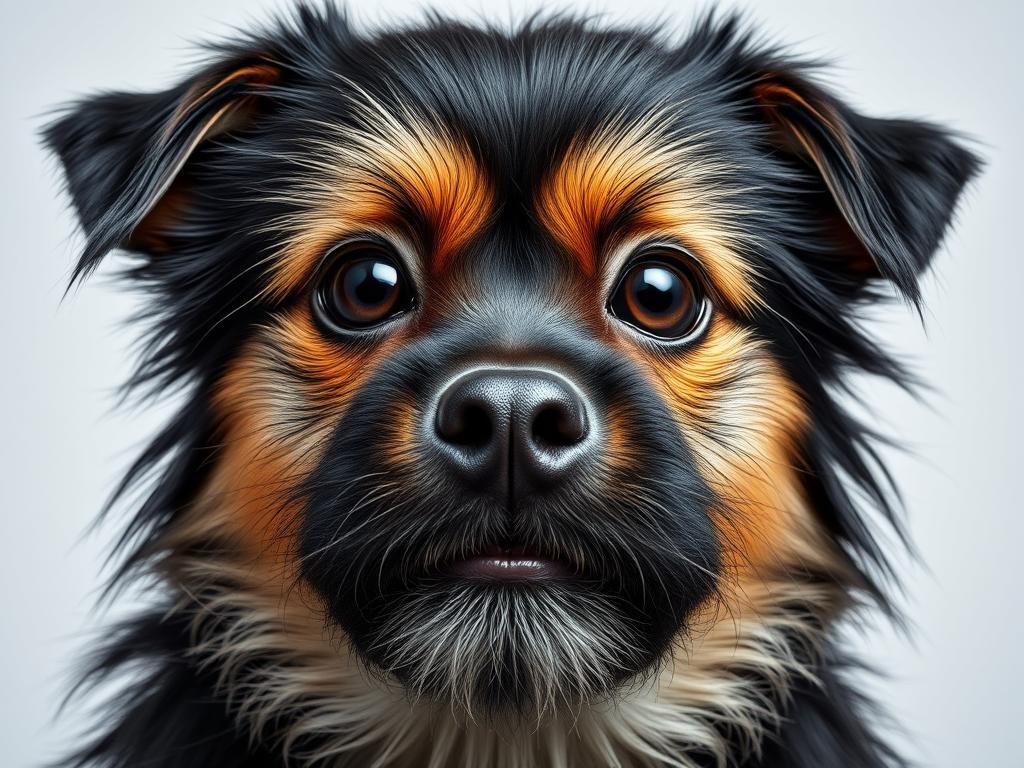
Head and Facial Features
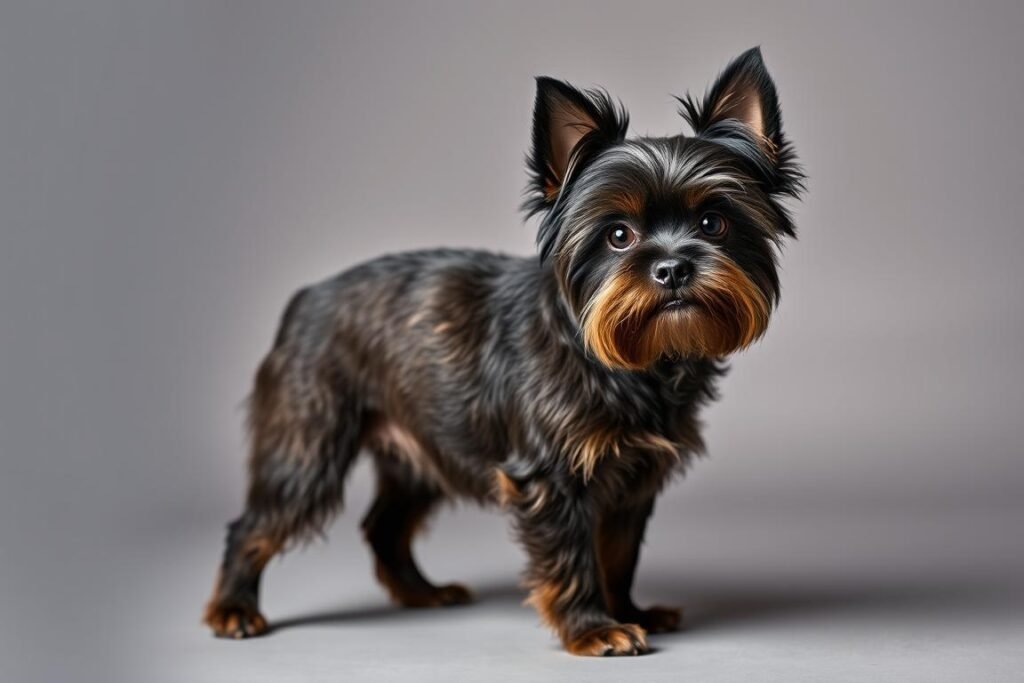
The Affenpinscher’s head creates its famous monkey-like appearance. A rounded skull combines with a short muzzle to produce distinctive facial proportions. Large, dark, round eyes contribute to the alert, intelligent expression that defines the breed.
The chin protrudes slightly, creating an undershot bite that gives the face additional character. Bushy eyebrows and a beard frame the face, enhancing the comical expression. Small, high-set ears may be cropped or left natural, depending on owner preference and regional regulations.
Coat Characteristics and Colors
The Affenpinscher coat represents one of the breed’s most distinctive features. This wiry coat feels rough to the touch and grows to about one inch in length across most of the body. The coat texture provides natural protection from weather and minor injuries.
Black remains the most common and preferred color according to the breed standard. However, the American Kennel Club accepts several other colors including gray, silver, red, black and tan, and beige. Some Affenpinschers display a mixture of colors, though solid black specimens often receive preference in show rings.
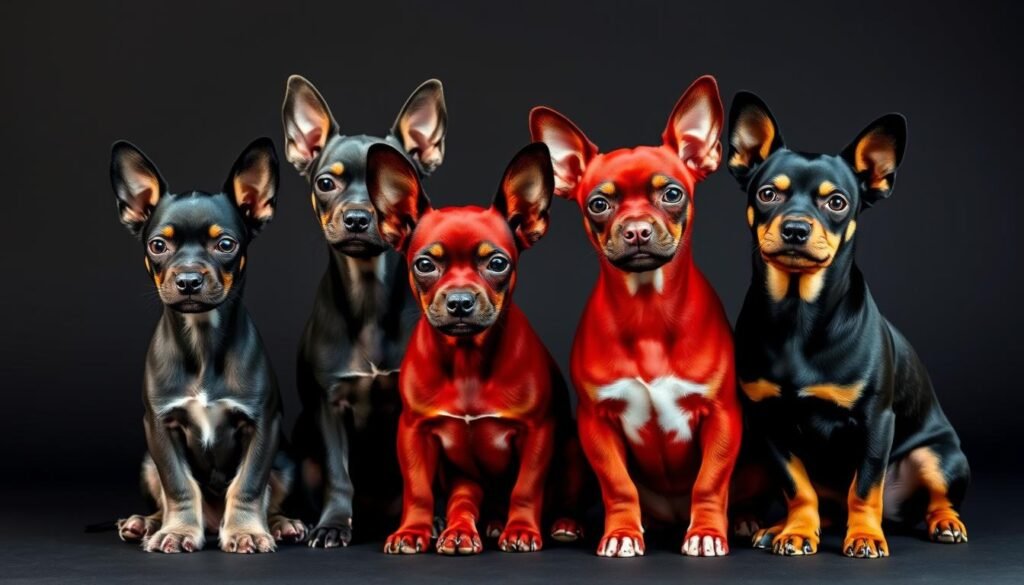
The coat grows longer and shaggier around the head, neck, chest, stomach, and legs. This longer growth creates a mane-like appearance that frames the face. Regular grooming maintains the characteristic shaggy look while preventing matting.
Body Structure and Movement
Affenpinschers possess a square body structure where height equals length. This proportion creates balanced, efficient movement. The chest reaches deep enough to provide adequate heart and lung capacity despite the dog’s small size.
Strong, straight legs support the compact body. The breed moves with a confident, light, and balanced gait. When trotting, Affenpinschers display reach and drive that covers ground efficiently. Their movement reflects both toy breed elegance and terrier-like determination.
Distinctive Features That Define the Breed
Several unique features distinguish Affenpinschers from similar toy breeds. The monkey-like facial expression results from the combination of round eyes, short muzzle, and prominent lower jaw. This expression conveys both humor and determination.
The tail traditionally receives docking to 1 to 2 inches in length, though natural tails are increasingly common where docking is prohibited. Natural tails curve over the back in a gentle arc. Both docked and natural tails are acceptable under current breed standards.
Essential Grooming Tools for Your Affenpinscher
Maintain your Affenpinscher’s distinctive wiry coat with professional-quality grooming supplies designed specifically for harsh coat textures.
Temperament and Personality Traits
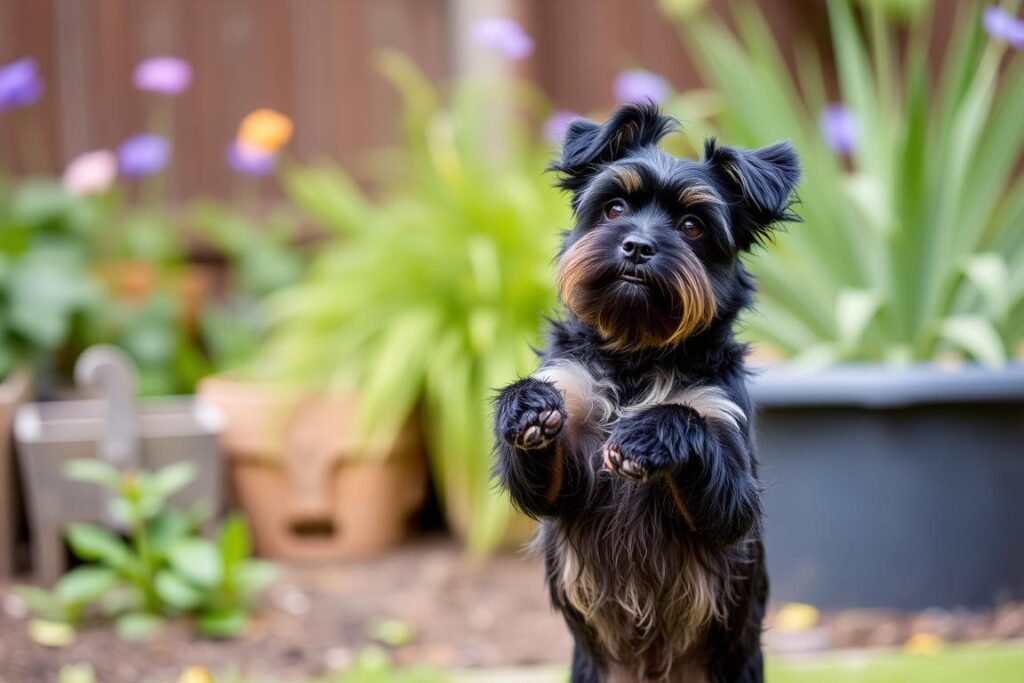
Affenpinschers possess one of the most entertaining and complex personalities in the dog world. These small dogs demonstrate confidence that far exceeds their physical size. Their fearless nature often surprises people who expect timid behavior from toy breeds.
The breed exhibits strong terrier-like characteristics despite classification in the Toy Group. Affenpinschers display determination, independence, and occasional stubbornness. These traits reflect their heritage as working ratters who needed courage and persistence to perform their jobs effectively.
Intelligence and Training Characteristics
Affenpinschers rank among the more intelligent toy breeds. They learn quickly and remember commands well when training incorporates positive reinforcement methods. However, their independent streak can make training challenging for inexperienced dog owners.
These dogs respond best to short, engaging training sessions. Repetitive drills bore them quickly, leading to disinterest and non-compliance. Creative training approaches that feel like games produce better results than strict obedience routines.
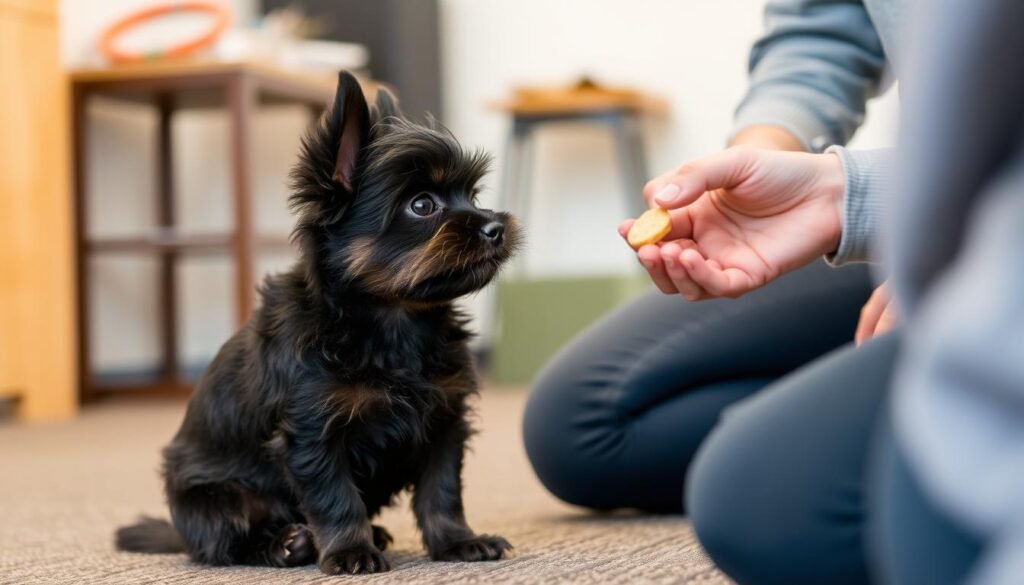
Early socialization proves crucial for developing well-adjusted Affenpinschers. Exposure to various people, animals, sounds, and situations during puppyhood creates confident adults. Without proper socialization, these dogs may become suspicious or aggressive toward strangers.
Behavior with Family Members
Within their families, Affenpinschers form strong bonds and display loyal, affectionate behavior. They enjoy spending time with their people and often follow family members from room to room. This attachment makes them excellent companions for individuals who spend significant time at home.
The breed demonstrates a playful nature that persists well into adulthood. Affenpinschers maintain puppy-like enthusiasm for games and activities throughout their life span. This enduring playfulness provides entertainment and requires regular mental stimulation.
Interaction with Children
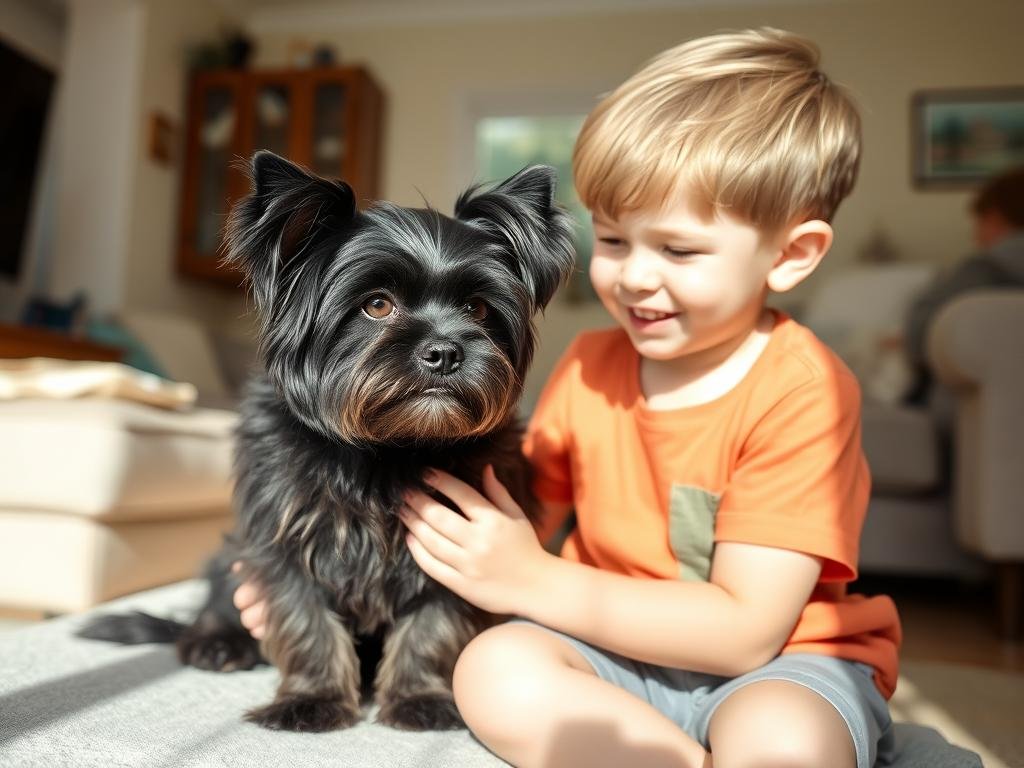
Affenpinschers can coexist with children, but this pairing requires careful consideration. The breed’s small size makes them vulnerable to injury from rough handling. Young children may accidentally hurt these delicate dogs during enthusiastic play.
Older children who understand gentle handling can develop wonderful relationships with Affenpinschers. Teaching children appropriate interaction methods prevents problems. Supervision during all interactions between dogs and children protects both parties.
The breed’s low tolerance for teasing or rough treatment makes them better suited to homes with older, respectful children. Affenpinschers may snap when provoked or frightened, a natural self-defense response for small dogs.
Compatibility with Other Pets
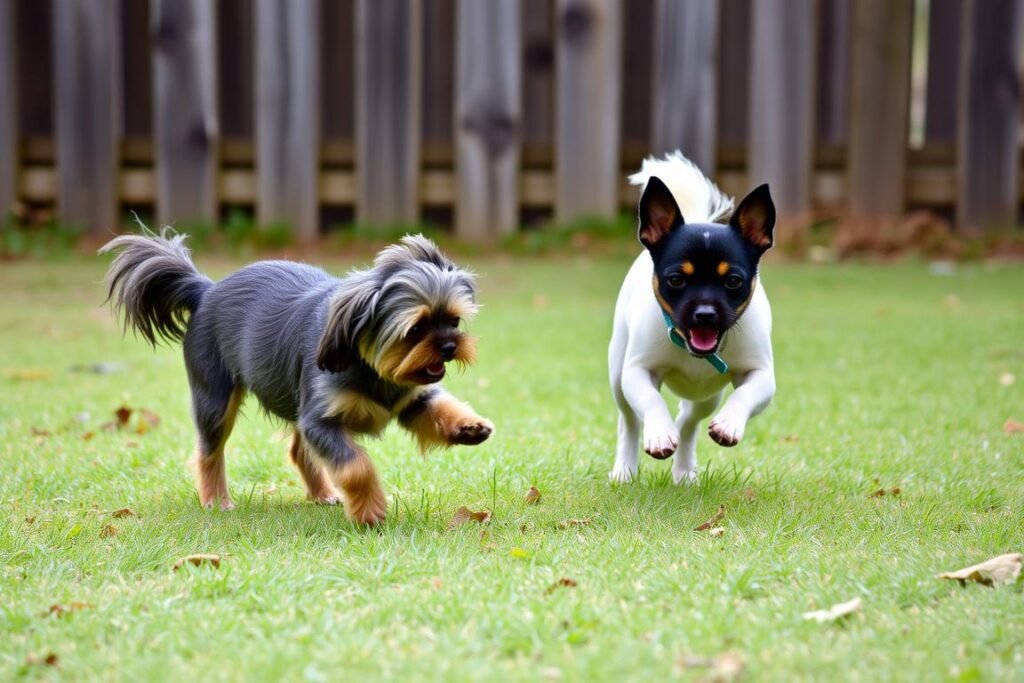
Affenpinschers can live peacefully with other dogs when properly introduced and socialized. They often prefer the company of other small dogs over large breeds. Their fearless nature sometimes leads them to challenge much bigger dogs, which can create dangerous situations.
Early socialization with other pets improves compatibility. Affenpinschers raised with cats often accept them as family members. However, their strong prey drive may trigger chasing behavior toward small pets like hamsters, rabbits, or birds.
Energy Level and Exercise Needs
Despite their small size, Affenpinschers possess moderate to high energy levels. They require daily exercise to maintain physical health and prevent behavioral problems. Indoor play sessions combined with short walks typically meet their exercise requirements.
These dogs enjoy activities that engage both body and mind. Interactive toys, puzzle feeders, and short training sessions provide mental stimulation. Without adequate activity, Affenpinschers may develop destructive behaviors or excessive barking.
Watchdog Abilities and Territorial Behavior
Affenpinschers excel as watchdogs despite their small size. They remain alert to their surroundings and bark to announce visitors or unusual activities. This vigilant nature makes them effective home security systems, though their bark typically exceeds their bite.
The breed can display territorial behavior, especially in their home environment. They may become protective of their space, toys, and family members. Proper training and socialization help manage these tendencies and prevent excessive possessiveness.
Personality Strengths
- Confident and fearless despite small size
- Highly entertaining and playful
- Loyal and affectionate with family
- Excellent watchdog abilities
- Adaptable to various living situations
- Long-lasting playful energy
Personality Challenges
- Can be stubborn during training
- May show aggression without proper socialization
- Tendency toward excessive barking
- Strong prey drive toward small animals
- May challenge larger dogs
- Can be possessive of toys and territory
Professional Training Resources for Affenpinschers
Master positive reinforcement techniques designed for independent-minded toy breeds. Connect with certified trainers who understand Affenpinscher temperament.
Care Requirements and Daily Needs
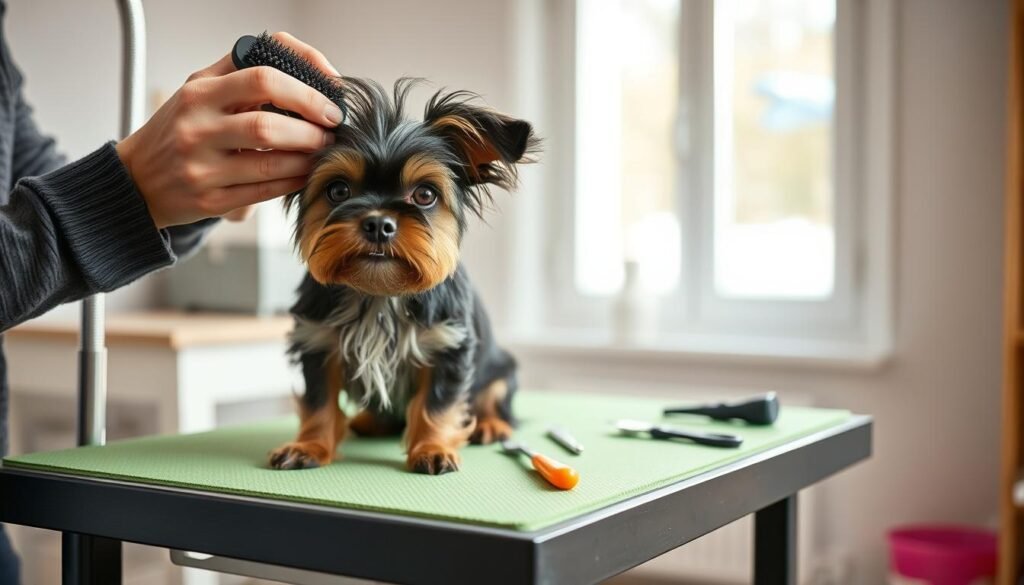
Caring for an Affenpinscher requires commitment to specific grooming, exercise, and dietary needs. These small dogs thrive when their owners understand and consistently meet their requirements. Proper care ensures a healthy, happy companion for many years.
Note on health information: While this breed is generally robust, all dogs can be predisposed to hereditary conditions. Always consult a veterinarian and request health clearances from breeders. The health information above is for general guidance only and is not a substitute for professional veterinary advice.
Grooming and Coat Maintenance
The Affenpinscher’s wiry coat demands regular attention to maintain its characteristic appearance and prevent matting. Brushing two to three times weekly removes loose hair and distributes natural skin oils throughout the coat. A slicker brush or pin brush works best for this breed’s texture.
Hand-stripping represents the traditional grooming method for maintaining proper coat texture. This technique involves pulling out dead hairs by hand rather than cutting them. Hand-stripping preserves the wiry quality that defines the breed, while clipping softens the coat over time.
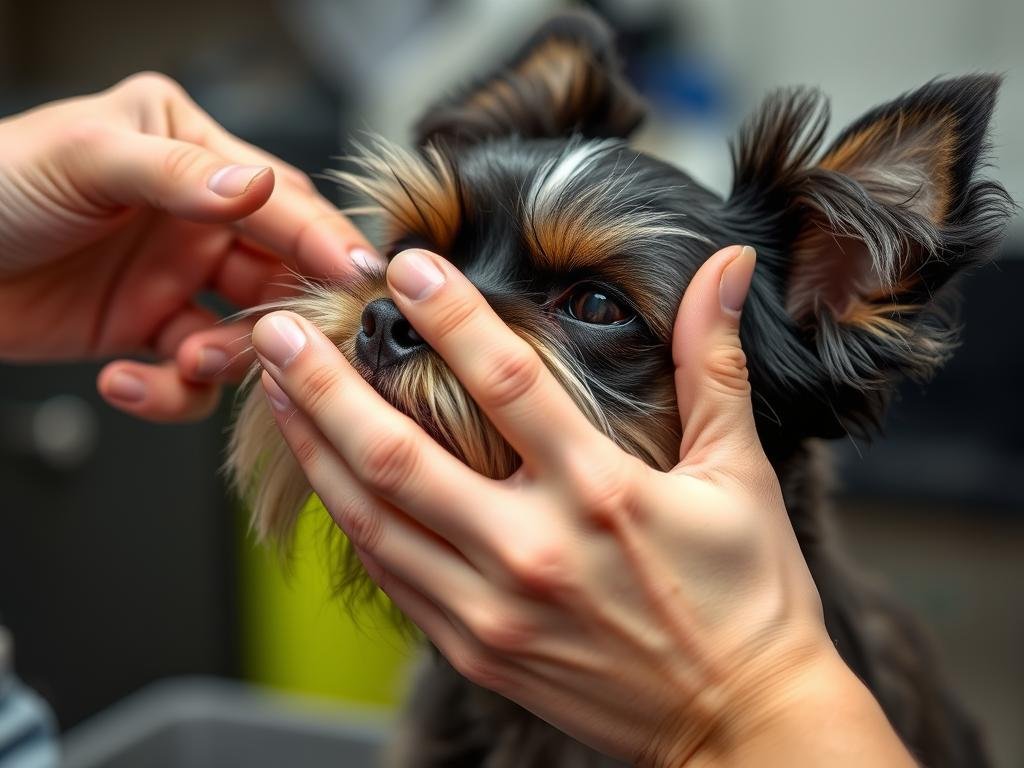
Many pet owners choose professional grooming every 6 to 8 weeks. Groomers familiar with harsh-coated breeds provide the best results. Between professional appointments, home maintenance keeps the coat manageable and attractive.
Bathing frequency depends on individual dogs and their activities. Most Affenpinschers need bathing once every 4 to 6 weeks. Use a mild dog shampoo formulated for wiry coats. Thorough rinsing prevents skin irritation from shampoo residue.
Additional Grooming Tasks
Regular nail trimming prevents discomfort and gait problems. Most Affenpinschers require nail trimming every 2 to 3 weeks. Dogs who walk primarily on soft surfaces may need more frequent trimming than those who exercise on pavement.
Dental care proves essential for maintaining overall health. Daily tooth brushing with dog-specific toothpaste prevents periodontal disease. Dental treats and chew toys supplement brushing but don’t replace it.

Ear cleaning should occur weekly or as needed. Check ears regularly for redness, odor, or discharge that might indicate infection. Clean only the visible portions of the ear canal using a veterinarian-recommended solution.
Eye care includes gentle cleaning around the eyes to remove tear stains and debris. The prominent eyes of Affenpinschers make them susceptible to injuries, so regular inspection helps catch problems early.
Exercise and Activity Requirements
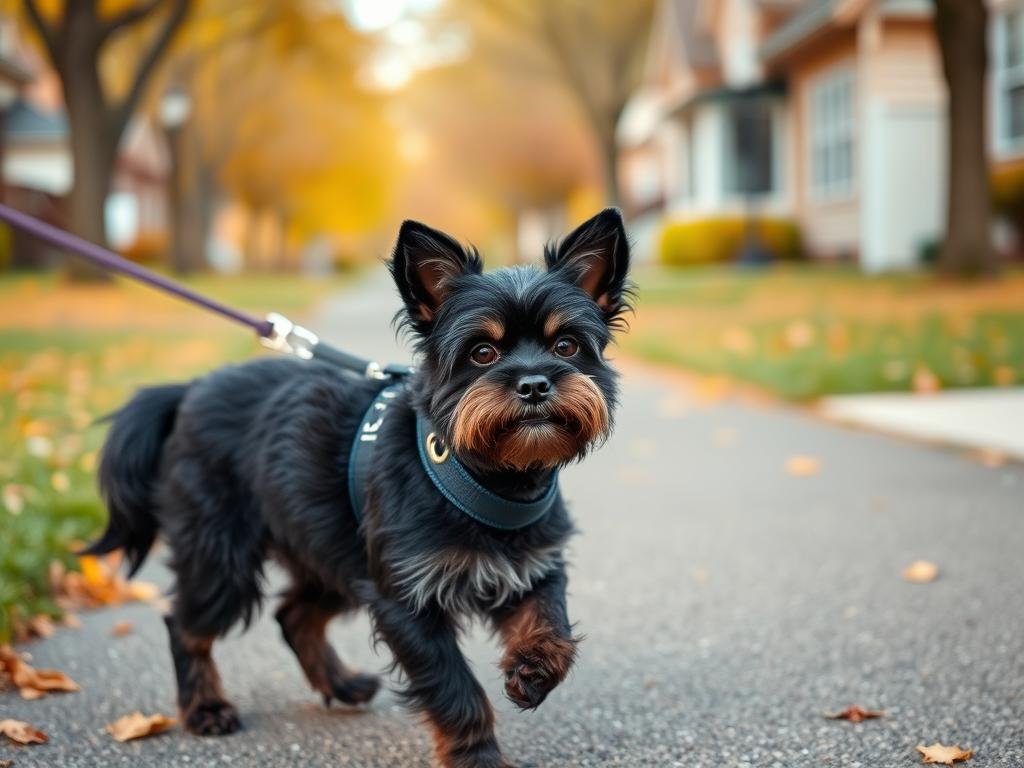
Affenpinschers need daily exercise despite their small size. A combination of indoor play and outdoor walks totaling 30 to 45 minutes per day typically satisfies their activity requirements. These sessions should be split into multiple periods throughout the day.
Short walks around the neighborhood provide physical exercise and mental stimulation. Affenpinschers enjoy exploring new scents and sights during walks. Their small legs mean a moderate human pace feels brisk to them.
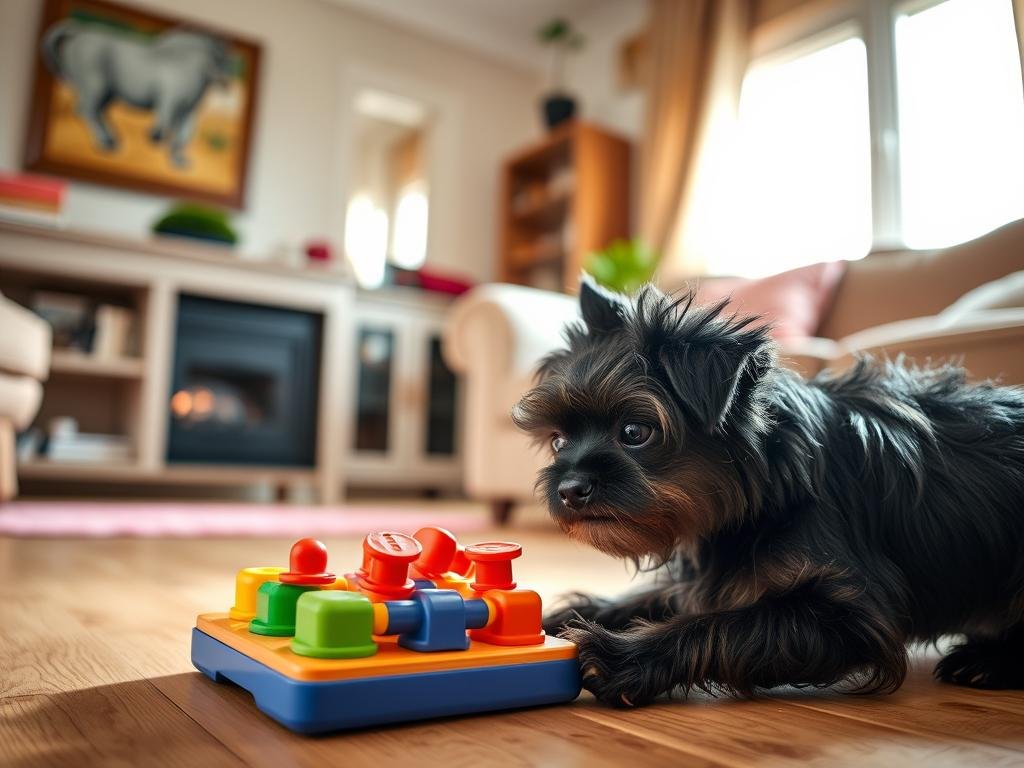
Indoor play sessions supplement outdoor exercise. Interactive toys, fetch games, and hide-and-seek provide both physical activity and mental challenges. These activities strengthen the bond between dog and owner while meeting exercise needs.
Extreme weather requires adjustments to exercise routines. Hot weather can overwhelm these small dogs quickly due to their pushed-in faces. Cold weather demands protective clothing for short-coated individuals. Indoor activities become more important during temperature extremes.
Nutritional Needs and Feeding Guidelines
High-quality dog food formulated for small breeds provides proper nutrition for Affenpinschers. These dogs require food with appropriate calorie density for their size and energy level. Choose products listing meat as the first ingredient and avoiding excessive fillers.
Most adult Affenpinschers thrive on 1/4 to 1/2 cup of dry food daily, divided into two meals. Exact amounts vary based on age, activity level, and individual metabolism. Monitor body condition and adjust portions to maintain ideal weight.
| Life Stage | Daily Food Amount | Feeding Frequency | Protein Content |
| Puppy (2-6 months) | 1/4 to 1/3 cup | 3-4 times daily | 28-30% |
| Puppy (6-12 months) | 1/3 to 1/2 cup | 2-3 times daily | 26-28% |
| Adult (1-7 years) | 1/4 to 1/2 cup | 2 times daily | 24-26% |
| Senior (7+ years) | 1/4 to 1/2 cup | 2 times daily | 22-24% |
Puppies require more frequent feeding than adults. Young Affenpinschers benefit from three to four small meals daily until six months old. Gradually transition to twice-daily feeding as they mature.
Fresh water must be available at all times. Change water daily and clean bowls regularly to prevent bacterial growth. Small dogs dehydrate quickly, making constant water access essential.
Living Environment Considerations
Affenpinschers adapt well to various living situations. Their small size makes them ideal for apartments and condominiums. However, their tendency to bark at noises requires training to prevent disturbing neighbors.
These dogs prefer staying close to their families. They don’t tolerate long periods alone well and may develop separation anxiety. Homes where someone is present most of the day suit this breed best.

Temperature control matters for this breed. Affenpinschers don’t tolerate extreme heat or cold well. Maintain comfortable indoor temperatures and provide sweaters or coats during cold weather. Limit outdoor time during hot weather to prevent overheating.
A securely fenced yard benefits Affenpinschers but isn’t mandatory. When yards are available, check fencing carefully for small gaps these dogs might squeeze through. Never leave them unsupervised in unfenced areas due to their prey drive and fearless nature.
Complete Care Package for Your Affenpinscher
Get everything your Affenpinscher needs for optimal health and happiness. Browse our curated selection of food, toys, grooming supplies, and accessories.
Health Considerations and Common Issues

Affenpinschers generally enjoy good health compared to many other toy breeds. However, like all purebred dogs, they face certain genetic health problems. Understanding these potential issues helps owners provide preventive care and recognize problems early.
Common Health Problems in the Breed
Hip dysplasia occasionally affects Affenpinschers despite their small size. This condition involves abnormal development of the hip joint, leading to arthritis and pain. Responsible breeders screen breeding stock for hip dysplasia to reduce occurrence in puppies.
Patellar luxation represents another orthopedic concern in this breed. The kneecap slips out of its normal position, causing lameness and discomfort. Severity ranges from mild cases requiring no treatment to severe instances needing surgical correction.
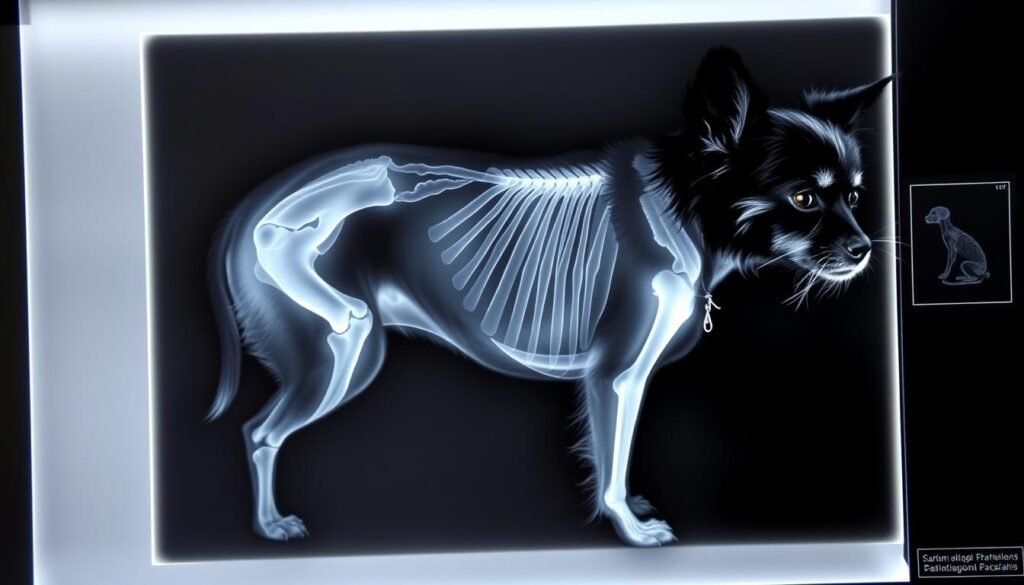
Heart murmurs occur more frequently in Affenpinschers than some other breeds. Regular veterinary examinations detect murmurs early. Some murmurs remain benign throughout a dog’s life, while others indicate serious cardiac conditions requiring treatment.
Legg-Calve-Perthes disease affects the hip joint in small breeds including Affenpinschers. This condition involves deterioration of the femoral head, typically appearing between 4 and 12 months of age. Surgical treatment often provides good outcomes.
Eye Health Issues
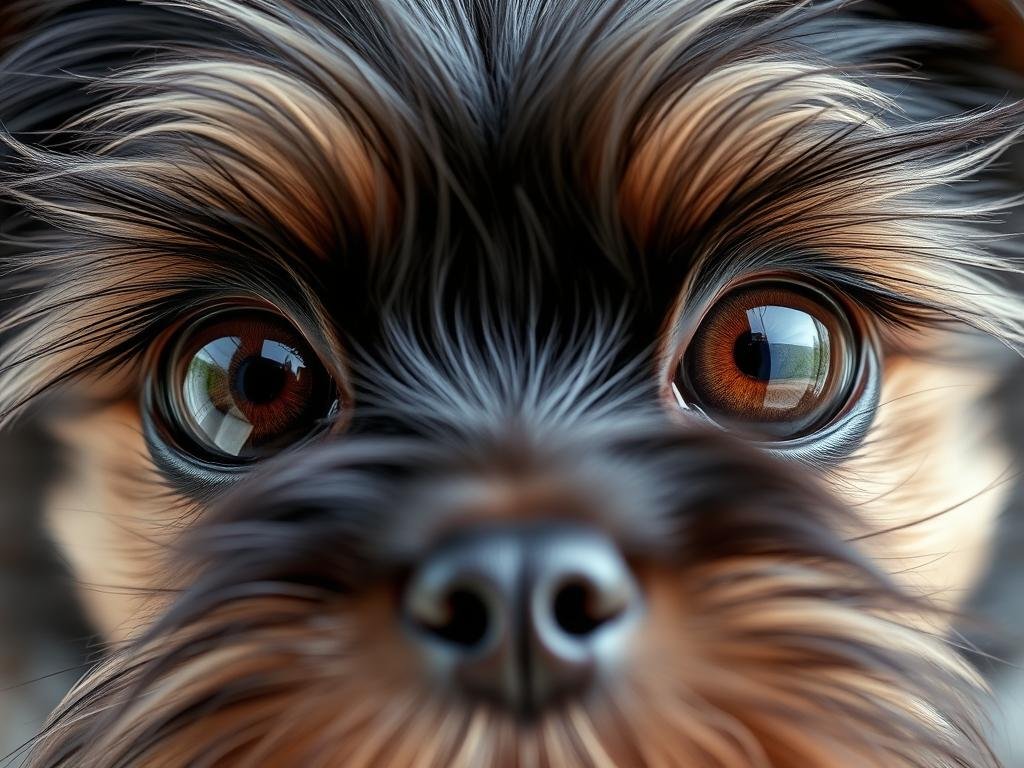
The Affenpinscher’s prominent eyes make them vulnerable to injuries and certain conditions. Corneal ulcers can develop from scratches or foreign objects. Signs include squinting, tearing, and pawing at the eye. Prompt veterinary attention prevents serious complications.
Cataracts may develop in older Affenpinschers, causing clouding of the lens and vision impairment. Some cases progress to complete blindness without surgical intervention. Regular eye examinations help detect cataracts in early stages.
Dental Health Concerns
Small breeds like Affenpinschers face higher risks of dental problems. Overcrowded teeth create spaces where food particles and bacteria accumulate. Without proper care, periodontal disease develops, potentially affecting overall health.
Regular professional dental cleanings combined with home care prevent serious dental issues. Most Affenpinschers benefit from annual dental cleanings under anesthesia. These procedures remove tartar below the gum line that brushing can’t reach.
Tooth loss becomes more common as Affenpinschers age, particularly without preventive care. Missing teeth can affect eating ability and overall quality of life. Maintaining dental health from puppyhood preserves teeth longer.
Respiratory Considerations
While not as severely affected as extremely flat-faced breeds, some Affenpinschers experience respiratory challenges. Their shortened muzzles can lead to breathing difficulties, especially during hot weather or intense exercise.
Watch for signs of breathing distress including excessive panting, blue-tinged gums, or collapse. These symptoms require immediate veterinary attention. Avoid exercising during peak heat and provide air conditioning during summer months.
Life Expectancy and Aging
Affenpinschers typically live 12 to 15 years with proper care. Some individuals exceed this range, living into their late teens. Good nutrition, regular exercise, preventive veterinary care, and genetic health contribute to longevity.
- Regular veterinary checkups and preventive care
- Maintaining ideal body weight throughout life
- High-quality nutrition appropriate for life stage
- Daily exercise and mental stimulation
- Proper dental care from puppyhood
- Early detection and treatment of health issues
- Responsible breeding practices reducing genetic problems
Factors Promoting Longevity
- Obesity and sedentary lifestyle
- Neglected dental disease
- Untreated chronic conditions
- Poor quality diet lacking essential nutrients
- Genetic health problems from irresponsible breeding
- Injuries from inadequate supervision
- Environmental stressors and toxins
Factors Reducing Lifespan
Senior Affenpinschers require adjustments to their care routine. Older dogs benefit from softer food, gentler exercise, and more frequent veterinary visits. Watch for signs of cognitive decline and adapt the home environment to accommodate reduced mobility or sensory changes.
Preventive Health Care
Vaccination schedules follow standard protocols for all dogs. Puppies receive a series of vaccines starting at 6 to 8 weeks of age. Adult dogs need regular boosters according to veterinarian recommendations and local regulations.
Parasite prevention protects Affenpinschers from fleas, ticks, heartworms, and intestinal parasites. Year-round prevention works best in most climates. Discuss appropriate products with your veterinarian based on local parasite risks.

Spaying or neutering provides health benefits beyond preventing unwanted puppies. These procedures reduce risks of certain cancers and eliminate reproductive system diseases. Discuss optimal timing with your veterinarian based on individual circumstances.
Working with Your Veterinarian
Establish a relationship with a veterinarian experienced with toy breeds. Regular wellness examinations allow early detection of potential problems. Most adult Affenpinschers benefit from annual checkups, while seniors should visit every six months.
Keep detailed health records including vaccination dates, medications, and any health issues. This information helps veterinarians provide better care and proves valuable if you need to visit emergency clinics or specialists.
| Age | Veterinary Visit Frequency | Key Health Screenings | Preventive Focus |
| Puppy (0-1 year) | Every 3-4 weeks until vaccinated | Physical exam, parasite check, vaccine series | Vaccination, parasite control, spay/neuter discussion |
| Adult (1-7 years) | Annually | Physical exam, dental check, heart evaluation | Dental care, weight management, parasite prevention |
| Senior (7-10 years) | Every 6 months | Blood work, urinalysis, joint assessment | Early disease detection, arthritis management, diet adjustment |
| Geriatric (10+ years) | Every 4-6 months | Comprehensive blood panel, organ function, cancer screening | Quality of life maintenance, pain management, cognitive support |
Schedule Your Affenpinscher’s Health Consultation
Connect with veterinarians who specialize in toy breed care. Ensure your Affenpinscher receives expert preventive health services and early problem detection.
What Makes Affenpinschers Good Family Pets
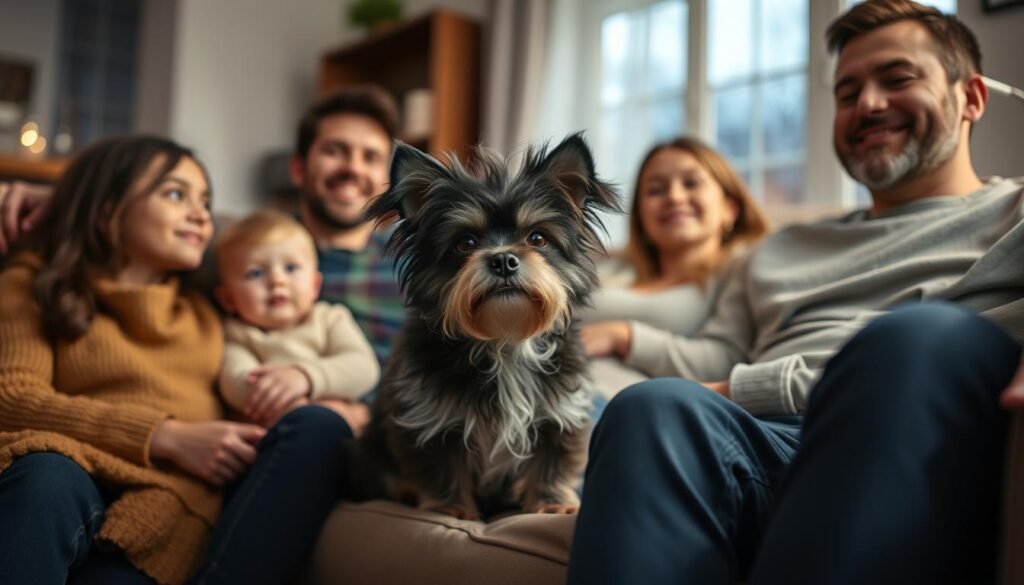
Affenpinschers can make wonderful family companions when matched with the right household. Their unique personality blend creates both opportunities and challenges for families considering this breed. Understanding these factors helps determine if an Affenpinscher fits your family dynamics.
Adaptability to Different Living Situations
The small size of Affenpinschers makes them exceptionally well-suited to various living environments. These dogs thrive in apartments, condominiums, townhouses, and single-family homes equally well. Their modest space requirements mean they don’t need large yards to be happy.
Urban living suits this breed particularly well. Affenpinschers enjoy the mental stimulation provided by city sights and sounds. Their portable size allows easy transportation on public transit or in carrying bags when needed.

Suburban and rural settings work equally well when families provide sufficient attention and activity. The key factor isn’t location but rather the family’s commitment to meeting the dog’s social and exercise needs regardless of setting.
Companionship and Bonding
Affenpinschers form deep bonds with their family members. They crave human interaction and prefer being involved in family activities. This strong attachment makes them loyal, devoted companions who genuinely enjoy their people’s company.
These dogs often select one family member as their primary person while still showing affection to others. This tendency doesn’t indicate aloofness but rather reflects their preference for especially close relationships with certain individuals.

Emotional Support Capabilities
Many Affenpinschers demonstrate intuitive awareness of their owners’ emotional states. They often provide comfort during stressful times by staying close and offering quiet companionship. This sensitivity makes them effective emotional support animals for appropriate individuals.
Their small size allows them to curl up in laps or beside their people easily. This physical closeness strengthens bonds and provides mutual comfort. Many owners report their Affenpinschers actively seeking them out when they seem upset.
Entertainment Value and Personality
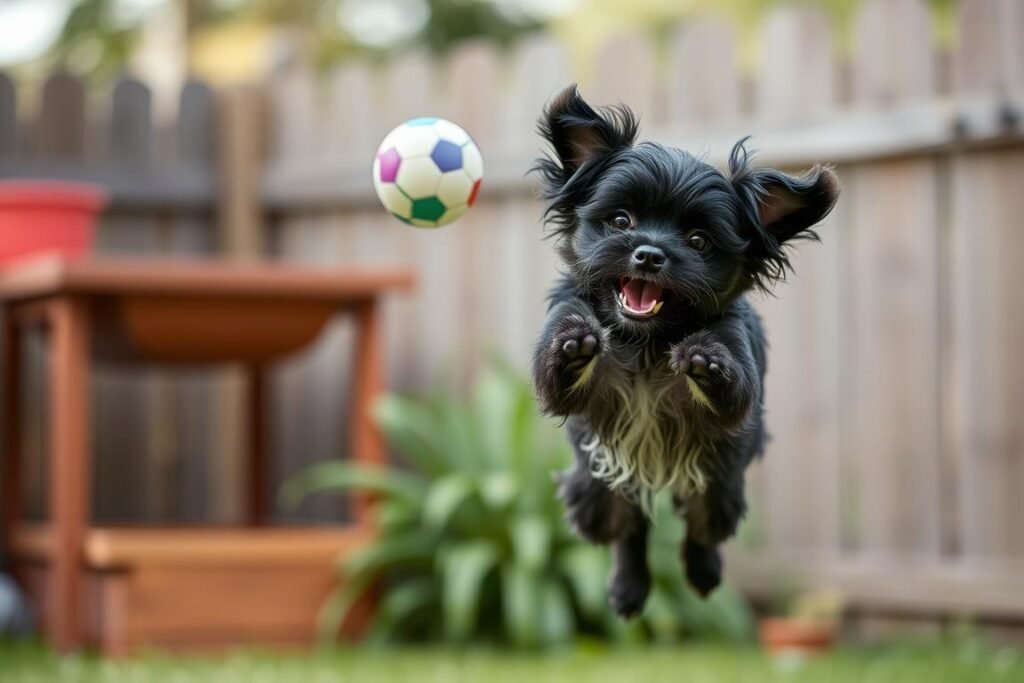
The Affenpinscher’s clownish personality provides endless entertainment for families. These dogs possess natural comedic timing and seem aware of their amusing effect on people. Their antics and expressions frequently make family members laugh.
This breed maintains playful energy throughout most of their life. Unlike some dogs who become sedate with age, Affenpinschers retain their fun-loving nature well into their senior years. Families enjoy this consistent source of amusement and joy.
Suitability for Different Family Types
Singles and couples often find Affenpinschers ideal companions. The breed’s moderate exercise needs and small size suit busy professionals who can provide attention during off-work hours. Their alert nature provides security for people living alone.
Families with older children can successfully integrate Affenpinschers when everyone understands proper handling. The breed’s spirited nature appeals to kids who appreciate an active, engaging pet. Teaching children respectful interaction creates positive relationships.
Seniors frequently choose Affenpinschers as companions. The manageable size makes physical care easier than with larger breeds. Their loyalty and companionship combat loneliness while their playfulness encourages activity and engagement.
Best Match Families
- Experienced dog owners
- Adults or families with older children
- People home frequently
- Active individuals seeking small companions
- Those who enjoy grooming activities
Challenging Match Families
- First-time dog owners without research
- Families with very young children
- People away from home most days
- Those seeking low-maintenance pets
- Households with many large dogs
Ideal Family Characteristics
- Patient with training challenges
- Committed to regular grooming
- Understanding of toy breed fragility
- Willing to provide mental stimulation
- Appreciative of bold personalities
Travel and Portability
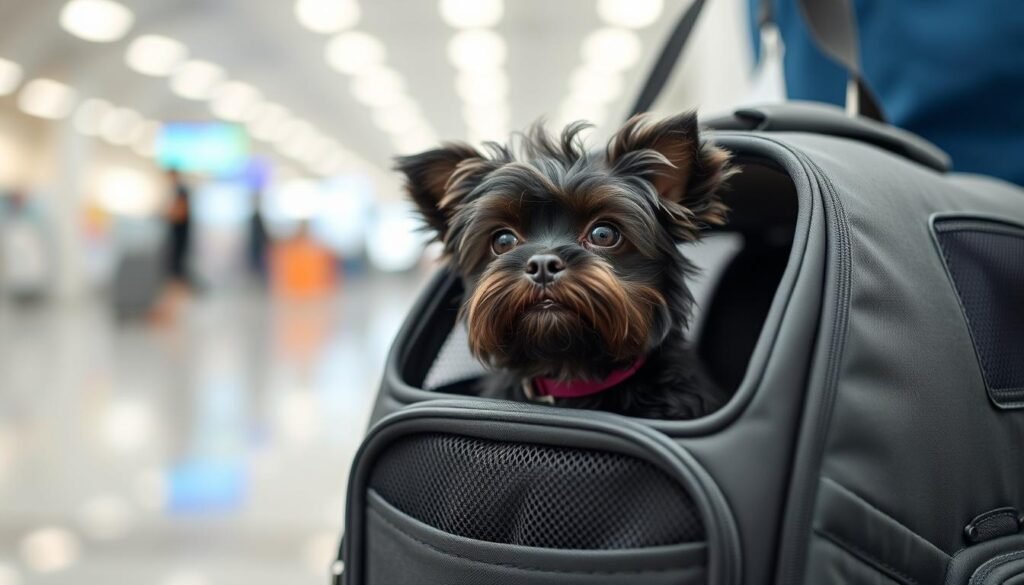
Affenpinschers travel more easily than larger breeds due to their compact size. They fit comfortably in airline-approved carriers for cabin travel. Many hotels and rental properties that restrict large dogs accept toy breeds.
These dogs adapt well to travel when properly socialized to new environments. Regular short trips during puppyhood create confident travelers. Many Affenpinschers enjoy accompanying their families on adventures and outings.
Low-Shedding Benefits
While no dog is truly hypoallergenic, Affenpinschers shed minimally compared to many breeds. Their wiry coat holds onto dead hairs until removed through brushing. This characteristic reduces loose hair around the home.
People with mild dog allergies sometimes tolerate Affenpinschers better than heavy-shedding breeds. However, allergic individuals should spend time with the breed before committing to ownership. Dander, not just hair, triggers most allergic reactions.
Watchdog Qualities for Home Security
The Affenpinscher’s alert nature and tendency to bark at unusual occurrences makes them effective watchdogs. They notify families of visitors, deliveries, and potential problems. This vigilance provides peace of mind for security-conscious owners.
Their bark sounds surprisingly large for such small dogs. This acoustic illusion may deter potential intruders who can’t see the source. Of course, their actual protective ability is limited by their size, but their alarm system function works excellently.
Longevity and Long-Term Commitment
Families choosing Affenpinschers should prepare for a 12 to 15 year commitment. This extended lifespan allows deep bonds to form between dogs and families. Children who grow up with Affenpinschers often form lifelong appreciation for the breed.
The breed’s generally good health means fewer medical crises compared to some other toy breeds. This reliability makes them suitable for families seeking stable, long-term companions. Proper care maximizes the years families spend with these special dogs.
Understanding the “Monkey Dog” Nickname
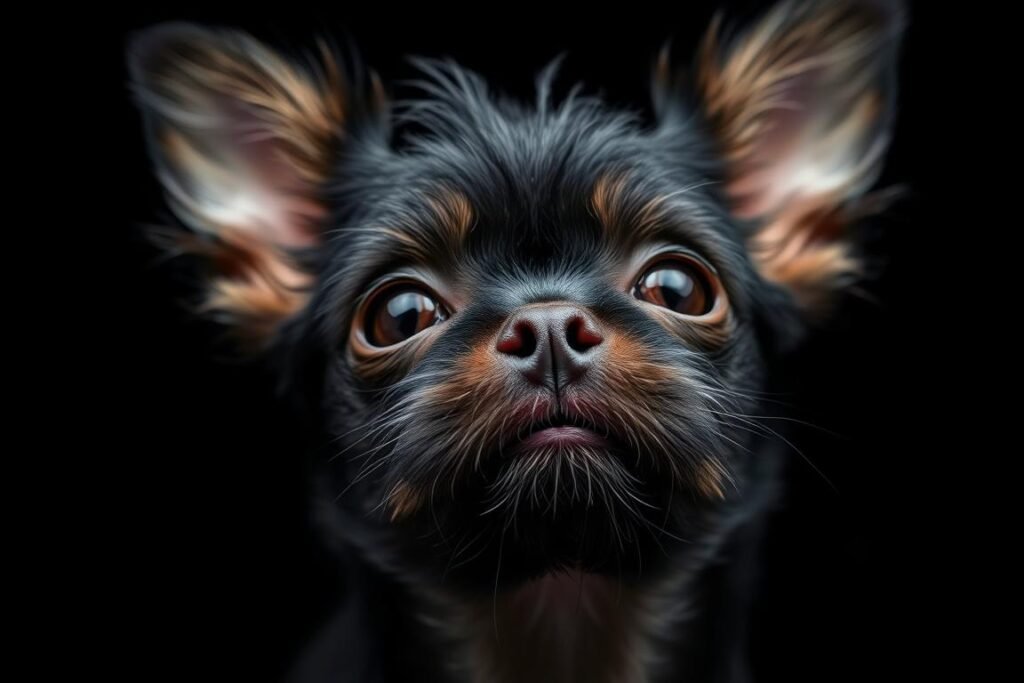
The “monkey dog” nickname attached to Affenpinschers reflects their most distinctive characteristic. This charming moniker has followed the breed throughout history and remains commonly used today. Understanding the origins and accuracy of this comparison provides insight into the breed’s unique appeal.
Physical Features Creating the Monkey Comparison
Several facial features contribute to the Affenpinscher’s simian appearance. The rounded skull shape resembles a monkey’s head structure more than typical dog proportions. This similarity strikes people immediately upon seeing the breed.
The short, pushed-in muzzle creates facial proportions unlike most dog breeds. Combined with prominent eyes set forward on the face, this structure mirrors primate facial arrangements. The overall effect produces an unmistakably monkey-like visage.
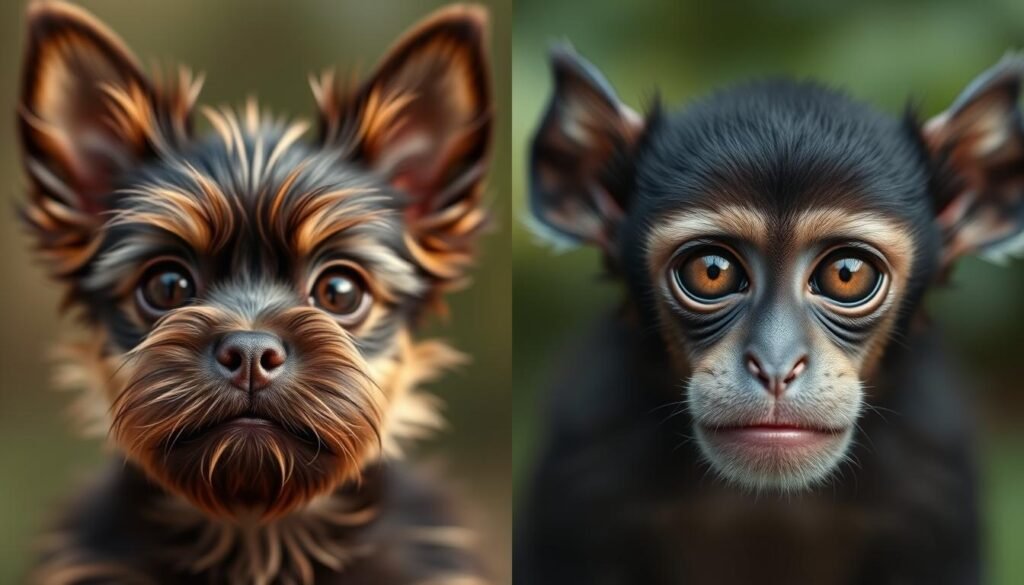
Dense facial hair adds to the resemblance. The bushy eyebrows, beard, and mustache frame the face similarly to fur patterns on certain monkey species. This hair distribution enhances the overall primate-like appearance that defines the breed.
Behavioral Traits Reinforcing the Nickname
Affenpinscher behavior patterns mirror monkey characteristics in entertaining ways. These dogs display curiosity and mischievousness that recall primate antics. Their tendency to use paws to manipulate objects resembles monkey hand use more than typical canine behavior.
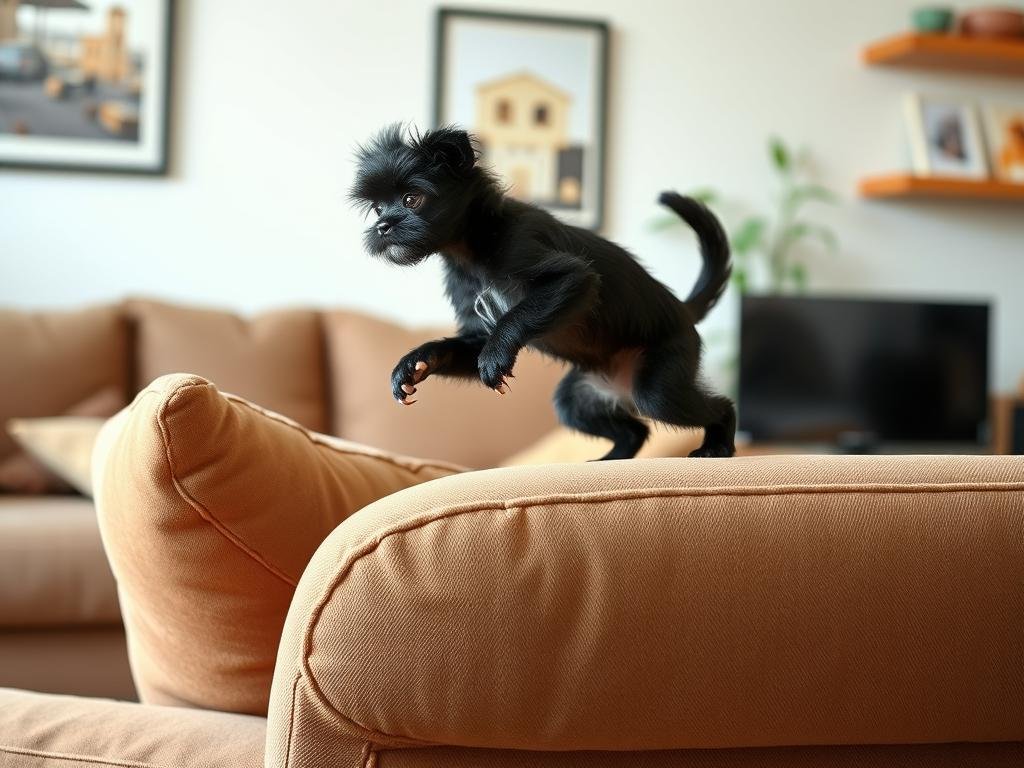
The breed shows exceptional climbing ability for dogs. Affenpinschers scramble onto furniture, shelves, and other elevated surfaces with agility that surprises owners. This vertical mobility reminds observers of monkey movement patterns.
Expressive faces capable of conveying complex emotions add to the monkey comparison. Affenpinschers wrinkle their brows, squint their eyes, and contort their features in ways that seem remarkably human-like or primate-like. These expressions captivate people and strengthen the monkey association.
Historical Use of the Monkey Reference
German speakers originally coined the “Affen” prefix, directly translating to “monkey” in English. This naming choice by breed developers demonstrates that the monkey resemblance was intentional and celebrated from the beginning. Early breed documentation consistently references this simian quality.
Artistic depictions of Affenpinschers throughout history emphasize their monkey-like features. Paintings and drawings from centuries past show artists highlighting the breed’s distinctive facial structure. This consistent artistic treatment proves the monkey comparison spans the breed’s entire documented history.
Modern Perception and Marketing
Contemporary breed promotion frequently leverages the monkey dog nickname. Breeders, kennel clubs, and enthusiasts use this memorable descriptor to attract attention to the breed. The unique comparison helps Affenpinschers stand out among numerous toy breeds.
Social media has amplified awareness of the monkey dog comparison. Photos and videos emphasizing Affenpinscher facial expressions and behaviors regularly go viral. This exposure introduces the breed to audiences who might never encounter them otherwise.

The Charm Factor of the Comparison
Most people find the monkey resemblance endearing rather than off-putting. The unusual appearance creates conversation starters and memorable first impressions. This charm factor contributes significantly to the breed’s appeal among those seeking distinctive companions.
The nickname helps potential owners form realistic expectations about the breed’s appearance and personality. People attracted to the “monkey dog” concept often appreciate the quirky, entertaining nature that comes with Affenpinscher ownership.
Finding a Reputable Affenpinscher Breeder
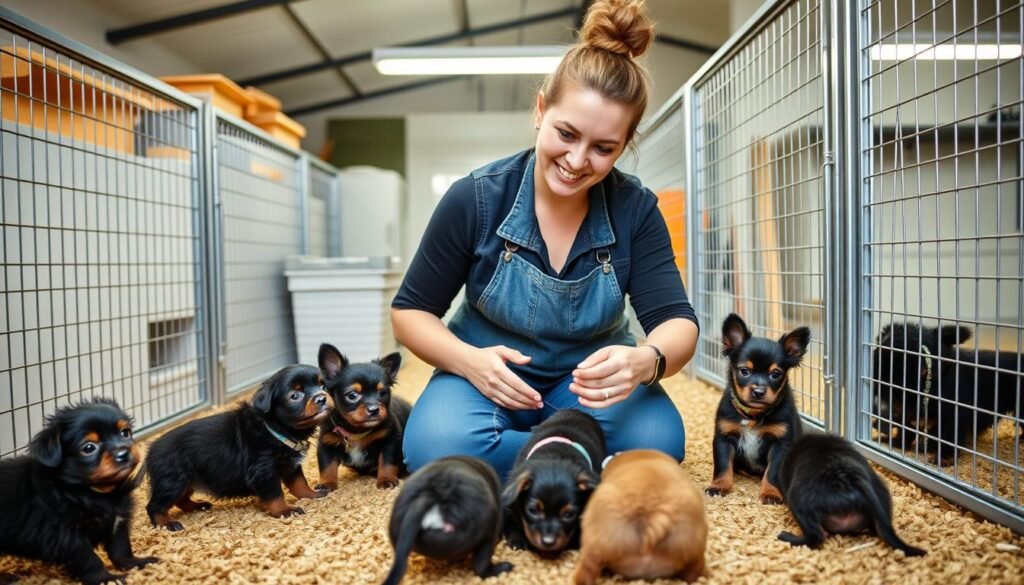
Selecting a responsible breeder represents one of the most important decisions in acquiring an Affenpinscher. Quality breeders produce healthier, better-socialized puppies and provide crucial support throughout your dog’s life. The search for the right breeder requires patience, research, and careful evaluation.
Characteristics of Responsible Breeders
Reputable Affenpinscher breeders prioritize health, temperament, and breed standard conformity over profit. They conduct health testing on breeding dogs to screen for genetic conditions. These tests typically include hip evaluations, cardiac exams, and eye certifications.
Quality breeders belong to the American Kennel Club and often participate in breed-specific clubs. Membership demonstrates commitment to ethical breeding practices and breed improvement. Many responsible breeders also show their dogs, proving their breeding stock meets breed standards.
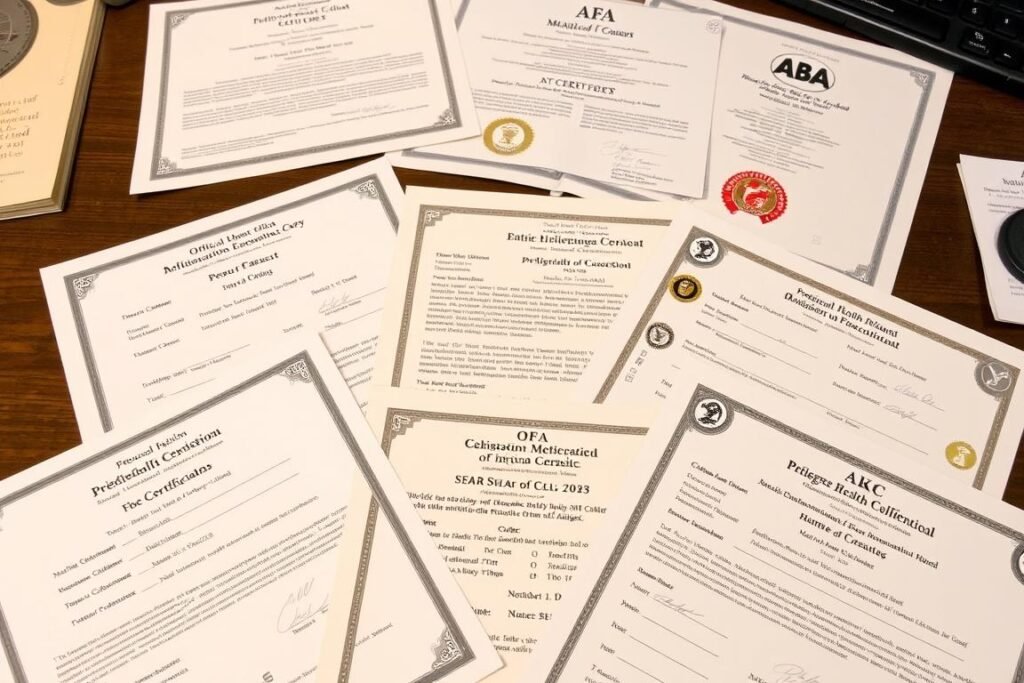
Good breeders interview potential buyers extensively. They ask about your lifestyle, experience with dogs, and expectations. This screening ensures puppies go to appropriate homes. Breeders who sell to anyone with money should raise concerns.
Responsible breeders maintain long-term relationships with puppy buyers. They remain available for questions and advice throughout the dog’s life. Many include contracts requiring buyers to return dogs if circumstances change, ensuring no dog ends up in shelters.
Red Flags to Avoid
Several warning signs indicate problematic breeders. Avoid anyone who always has puppies available or breeds multiple litters simultaneously. Responsible breeders produce limited litters and often maintain waiting lists.
Breeders unwilling to show you where puppies are raised should be avoided. Refusing home visits often indicates poor conditions or puppy mill operations. Legitimate breeders welcome potential buyers to meet parent dogs and see facilities.
- No health testing documentation for parent dogs
- Unwilling to provide references from previous buyers
- Selling puppies younger than 8 weeks old
- No questions about your home or lifestyle
- Multiple breeds available or constant puppy availability
- Meeting in parking lots or refusing home visits
- Pressure tactics or immediate sale demands
- No written contract or health guarantee
- Inability to register puppies with AKC
Breeder Red Flags
- Comprehensive health testing with documentation
- Happy to provide references and veterinarian contact
- Puppies stay with mother until at least 8 weeks
- Extensive screening of potential buyers
- Focuses on one or two breeds maximum
- Welcomes visits to see breeding facility and parents
- No pressure, educational approach to placement
- Detailed contract with health guarantees and requirements
- Full AKC registration available with breeding rights discussion
Quality Breeder Indicators
Questions to Ask Potential Breeders
Prepare a list of questions before contacting breeders. Ask about health testing performed on parent dogs and request to see documentation. Inquire about the parents’ temperaments and any titles they’ve earned in showing or performance events.
Request information about the breeder’s socialization practices. Puppies should receive extensive handling and exposure to various stimuli during their first weeks. Ask about the environment where puppies are raised and their interaction with household activities.
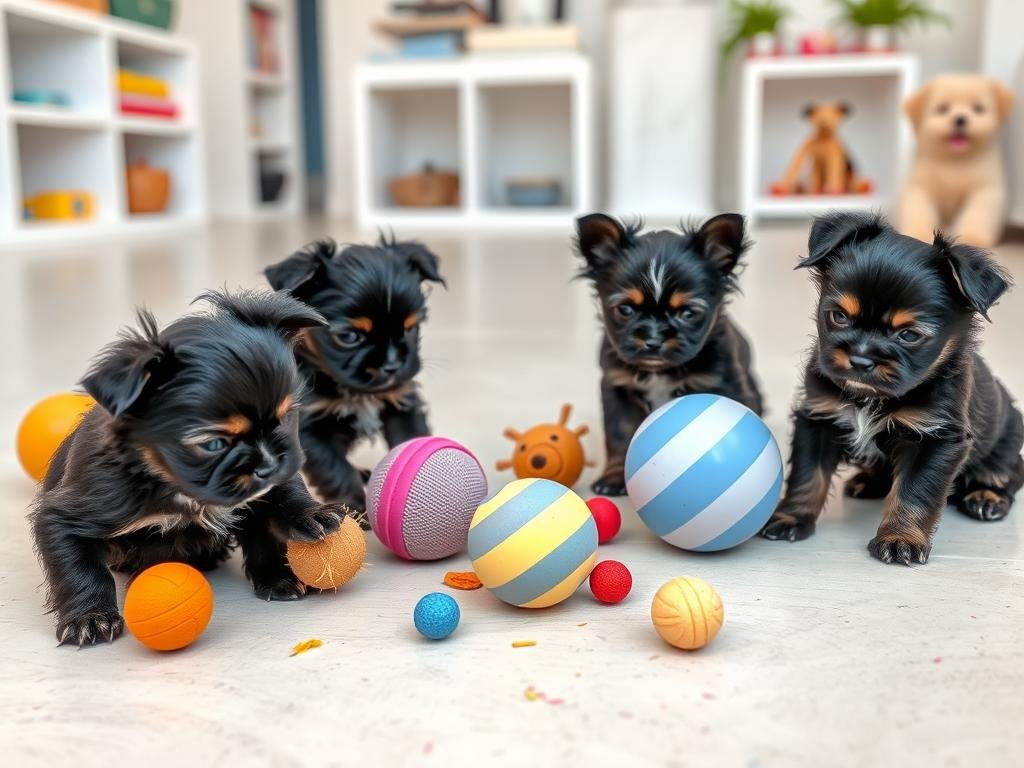
Discuss the breeder’s return policy and lifetime support. Understanding what happens if you can’t keep the dog demonstrates the breeder’s commitment. Ask about the contract terms, including spay/neuter requirements and breeding restrictions.
Understanding Breeder Contracts and Guarantees
Reputable breeders provide written contracts outlining both parties’ responsibilities. These documents typically include health guarantees covering genetic conditions for specified periods. Read contracts carefully and ask questions about unclear provisions.
Many contracts include co-ownership clauses or breeding restrictions. These protect breed quality by limiting breeding to dogs meeting health and temperament standards. Pet-quality puppies usually require spay/neuter agreements.
Health guarantees should cover serious genetic conditions but recognize that no breeder can guarantee perfect health. Understand what conditions are covered, time frames involved, and remedies offered. Some breeders offer replacement puppies while others provide partial refunds.
Cost Considerations
Well-bred Affenpinscher puppies typically cost between $2,000 and $3,500. This investment reflects health testing, quality care, proper socialization, and breeder expertise. Significantly lower prices often indicate corner-cutting that leads to future problems.
Remember that purchase price represents a small fraction of lifetime ownership costs. A healthy, well-bred puppy from health-tested parents saves money on veterinary bills compared to poorly bred dogs with genetic problems.
| Expense Category | Initial Cost | Annual Cost | Lifetime Cost (12 years) |
| Puppy Purchase Price | $2,000 – $3,500 | N/A | $2,000 – $3,500 |
| Initial Supplies | $300 – $500 | N/A | $300 – $500 |
| Food and Treats | $50 | $300 – $500 | $3,600 – $6,000 |
| Veterinary Care | $200 – $300 | $400 – $800 | $5,000 – $10,000 |
| Grooming | $75 | $300 – $600 | $3,600 – $7,200 |
| Training | $200 – $500 | $0 – $200 | $200 – $2,900 |
| Pet Insurance | $30 | $300 – $600 | $3,600 – $7,200 |
Alternative Acquisition Options
Affenpinscher rescue organizations occasionally have dogs available for adoption. These groups specialize in the breed and provide valuable support to adopters. Rescue dogs may come from various backgrounds including owner surrenders or breeding program retirements.
Adult Affenpinschers sometimes become available from breeders who retire show dogs or need to rehome dogs for various reasons. These mature dogs often make excellent companions and may cost less than puppies while offering known temperaments.
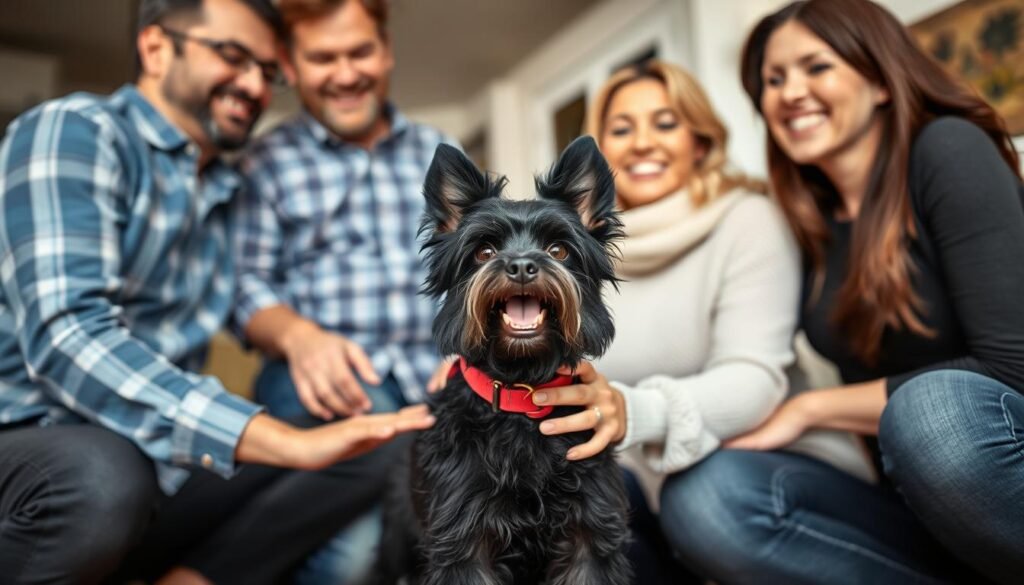
Connect with Reputable Affenpinscher Breeders
Start your journey to Affenpinscher ownership by connecting with ethical breeders who prioritize health, temperament, and breed quality. Access our breeder directory and screening resources.
Training and Socialization for Affenpinschers
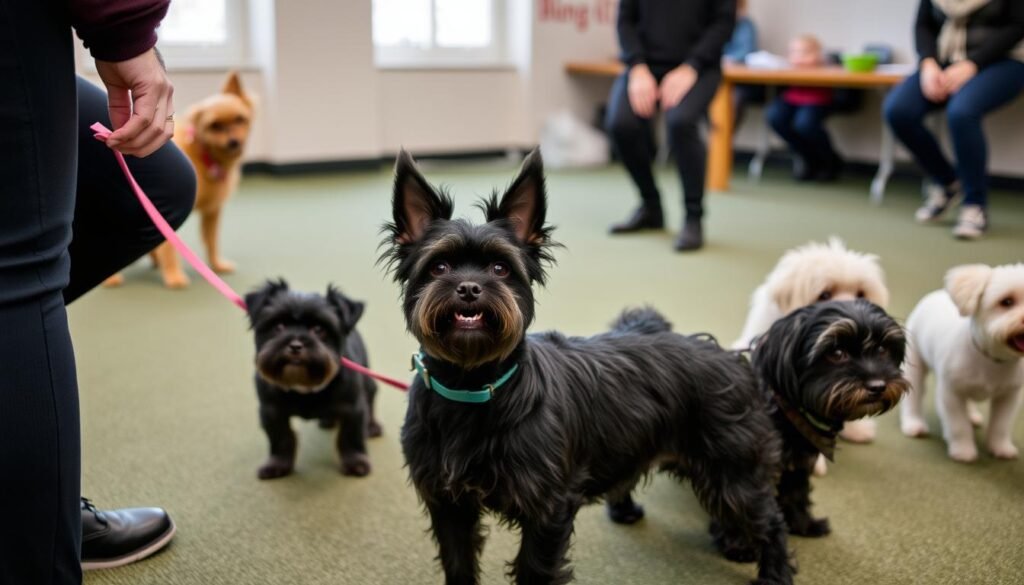
Training an Affenpinscher requires understanding their intelligent but independent nature. These dogs learn quickly but choose when to comply based on their own assessment of situations. Successful training combines patience, consistency, positive reinforcement, and appropriate expectations.
Positive Reinforcement Training Methods
Affenpinschers respond best to reward-based training approaches. Positive reinforcement using treats, praise, and play motivates these dogs more effectively than corrections or punishment. Their sensitive nature means harsh training damages the human-dog relationship.
Keep training sessions short and engaging. Five to ten minute sessions multiple times daily work better than long, repetitive drills. Affenpinschers lose interest in boring activities quickly. Variety and fun maintain their attention and cooperation.
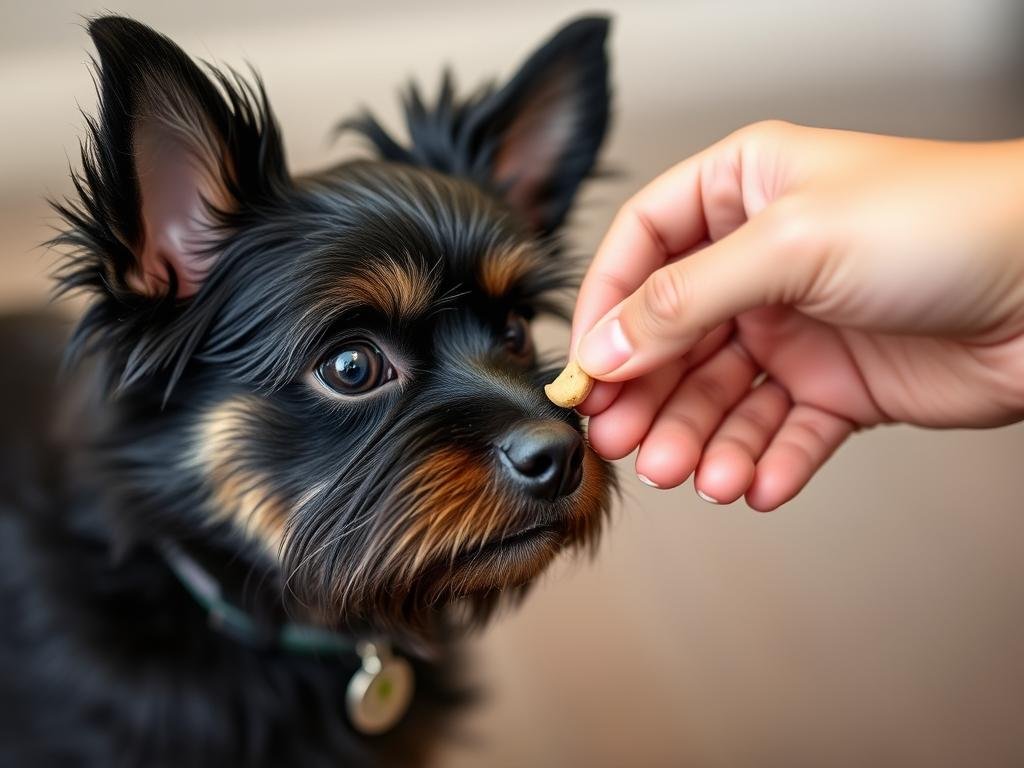
High-value treats improve training success. Find foods your Affenpinscher considers special and reserve them exclusively for training. Many dogs work harder for small pieces of chicken, cheese, or commercial training treats than for regular kibble.
Essential Basic Commands
Start training with fundamental commands that enhance safety and household harmony. “Sit,” “stay,” “come,” “down,” and “leave it” form the foundation for good behavior. Master these basics before moving to more complex behaviors.
The “come” command proves especially important for small dogs who may slip out doors or off leashes. Practice recalls in controlled environments before attempting them in distracting situations. Always reward compliance generously to build reliable response.
Housetraining Strategies
Small bladders and high metabolism make housetraining Affenpinschers challenging. Puppies need frequent outdoor trips, especially after eating, drinking, playing, or waking up. Taking puppies out every 1 to 2 hours prevents most accidents.
Establish a designated bathroom area and use consistent verbal cues. Praise and reward elimination in appropriate locations immediately. Timing matters – rewards must occur within seconds of the behavior to create associations.
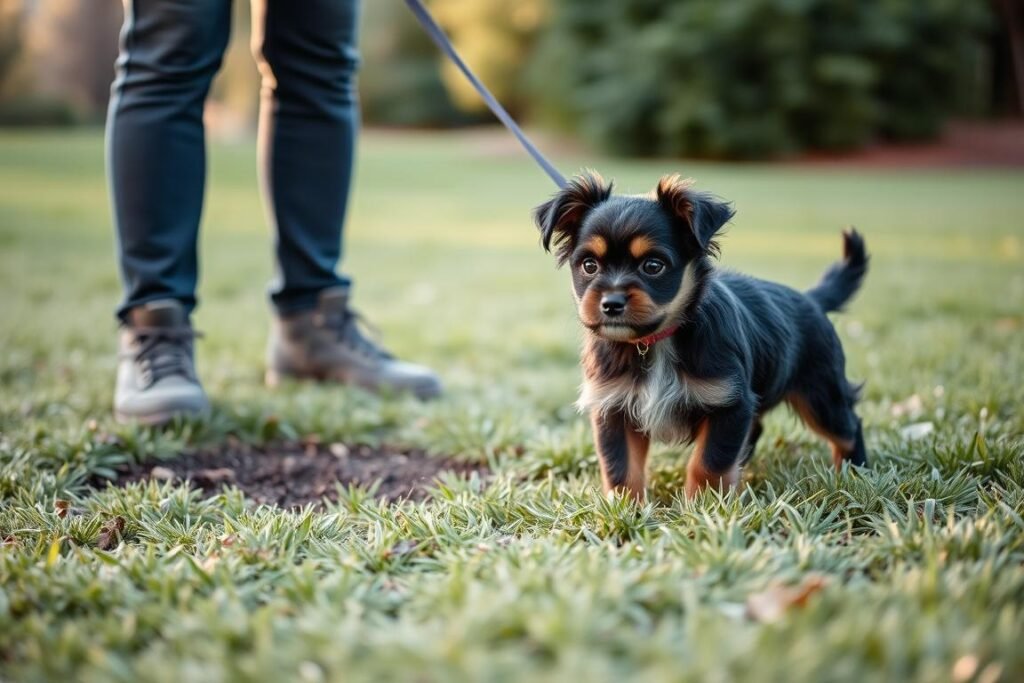
Crate training aids housetraining by utilizing dogs’ natural reluctance to soil sleeping areas. Choose appropriately sized crates where dogs can stand, turn, and lie down comfortably. Never use crates for punishment or leave dogs crated for excessive periods.
Accidents will happen during the training process. Clean soiled areas thoroughly with enzymatic cleaners that eliminate odors. Avoid punishment for accidents, which creates fear and confusion rather than understanding. Simply increase supervision and outdoor opportunities.
Socialization During Critical Periods
The period between 3 and 14 weeks represents the critical socialization window for puppies. Experiences during this time profoundly influence adult temperament and behavior. Expose puppies to various people, animals, environments, sounds, and surfaces.
Arrange positive encounters with friendly, vaccinated dogs. Puppy socialization classes provide controlled environments for learning appropriate canine communication. These classes also introduce basic training in distracting group settings.
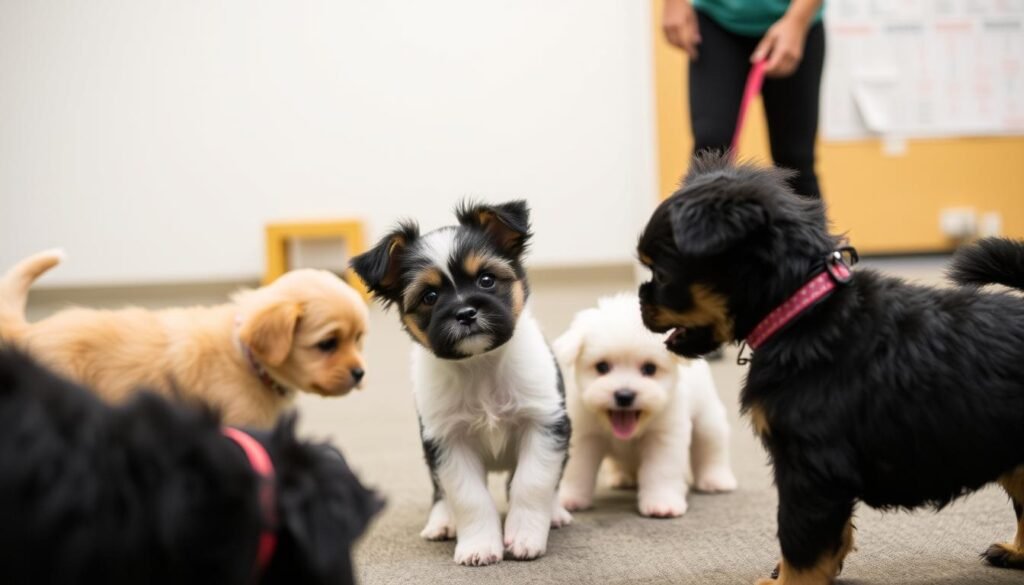
Introduce puppies to people of different ages, genders, and appearances. Include people wearing hats, using mobility aids, or displaying other characteristics that might seem unusual. Positive associations during puppyhood prevent fear responses later.
Expose puppies to various sounds including traffic, household appliances, children playing, and other common noises. Start with lower volumes and reward calm behavior. Gradually increase intensity as confidence builds.
Addressing Common Behavior Challenges
Excessive barking represents a common Affenpinscher behavior issue. These alert dogs bark at noises, movements, and perceived threats. Teaching a “quiet” command helps manage this tendency. Reward periods of silence and avoid reinforcing barking by giving attention.
Small dog syndrome develops when owners fail to set boundaries due to the dog’s size. Affenpinschers need the same training and behavioral expectations as large breeds. Avoiding this syndrome requires consistency in rules and consequences regardless of cuteness.

Resource guarding sometimes appears in Affenpinschers who become possessive of food, toys, or locations. Address this behavior early through trading games and positive associations with people approaching valued items. Severe cases may require professional behavior consultation.
Advanced Training and Activities
Affenpinschers can excel in various dog sports and activities beyond basic obedience. Rally obedience provides fun challenges that suit their intelligence and agility. The fast-paced nature keeps them engaged better than traditional obedience.
Trick training capitalizes on the breed’s cleverness and desire to entertain. Teaching tricks like “spin,” “wave,” “play dead,” or “speak” provides mental stimulation while strengthening bonds. These activities showcase the Affenpinscher’s personality.
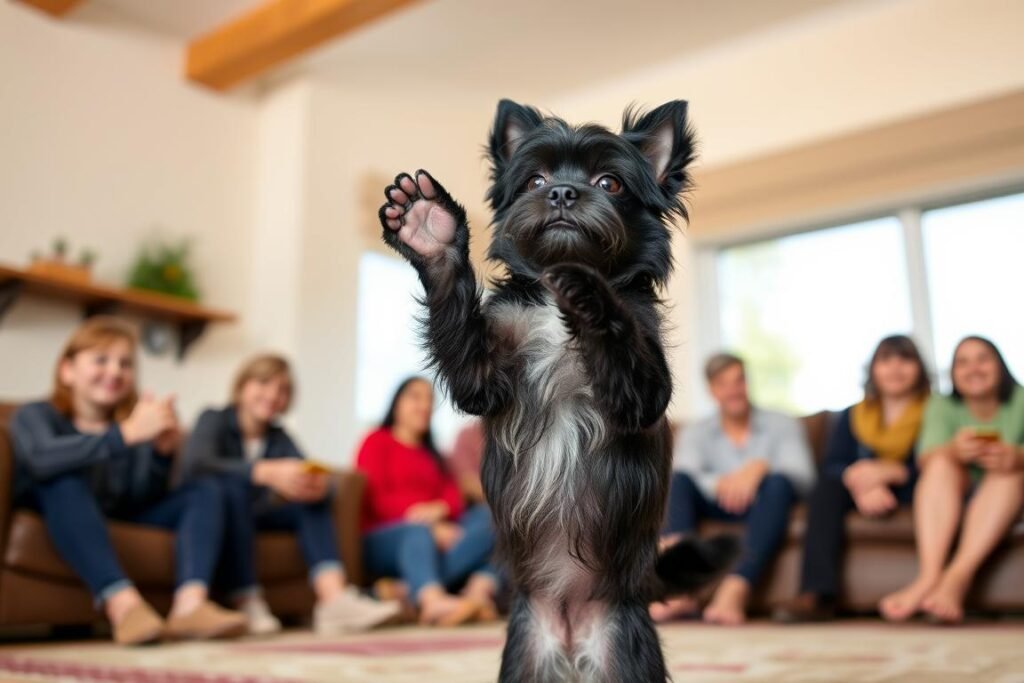
Agility training works well for athletic Affenpinschers who enjoy physical challenges. The small size allows use of reduced-height equipment. This activity provides excellent exercise while building confidence and focus.
Expert Training Resources for Your Affenpinscher
Access professional training courses designed specifically for intelligent, independent toy breeds. Learn positive reinforcement techniques that work with your Affenpinscher’s unique personality.
Embracing Life with Your Affenpinscher
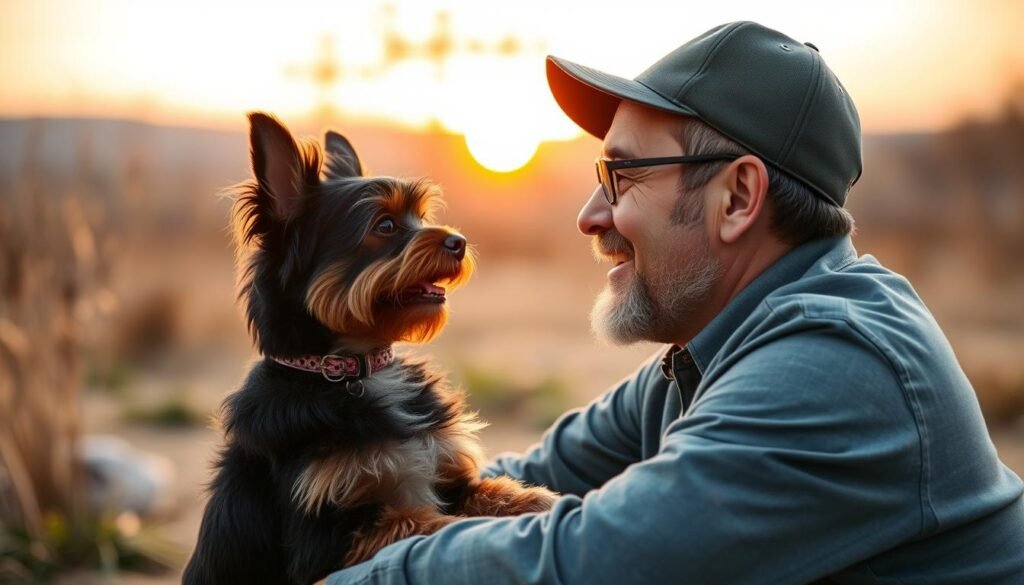
The Affenpinscher represents a unique choice among toy breeds, offering distinctive appearance combined with bold personality. These monkey dogs bring entertainment, companionship, and joy to appropriate homes. Their small size packages tremendous character that surprises and delights owners daily.
Success with this breed requires understanding their needs and characteristics. Affenpinschers thrive with owners who appreciate independent spirits, commit to regular grooming, provide consistent training, and enjoy active small dogs. The investment of time and effort yields rewarding relationships spanning 12 to 15 years.
While challenges exist, particularly regarding training patience and grooming maintenance, the rewards outweigh difficulties for dedicated owners. The loyal companionship, amusing antics, and unwavering devotion create bonds that enrich lives. Affenpinschers may be small, but their impact on families remains large.
For individuals and families seeking an uncommon companion with remarkable personality, the Affenpinscher deserves serious consideration. Research thoroughly, connect with reputable breeders or rescue organizations, and prepare properly before bringing one home. With appropriate preparation and commitment, an Affenpinscher becomes not just a pet but a beloved family member.
The journey with an Affenpinscher begins with education and continues with daily care, training, and love. These special dogs reward owners with loyalty, laughter, and lasting memories. Whether watching them patrol the house with confidence or curl up for cuddles, Affenpinscher owners consistently find themselves charmed by these remarkable little dogs.
Find Your Affenpinscher
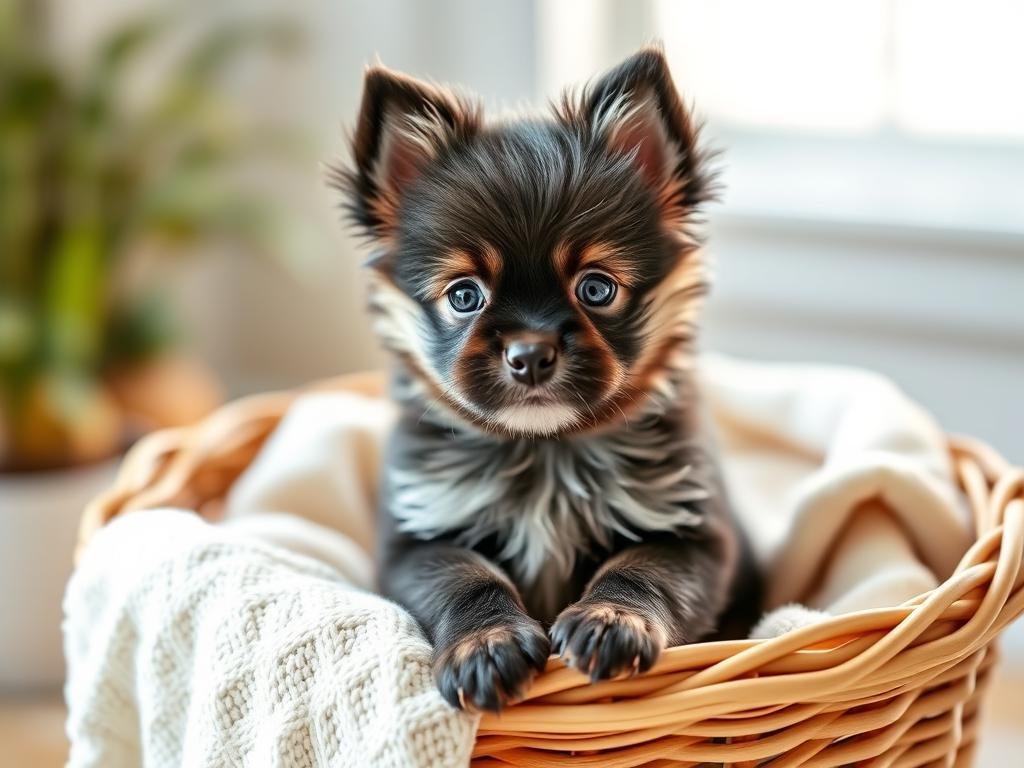
Connect with ethical breeders committed to producing healthy, well-socialized Affenpinscher puppies. Start your journey to finding the perfect companion.
Essential Supplies
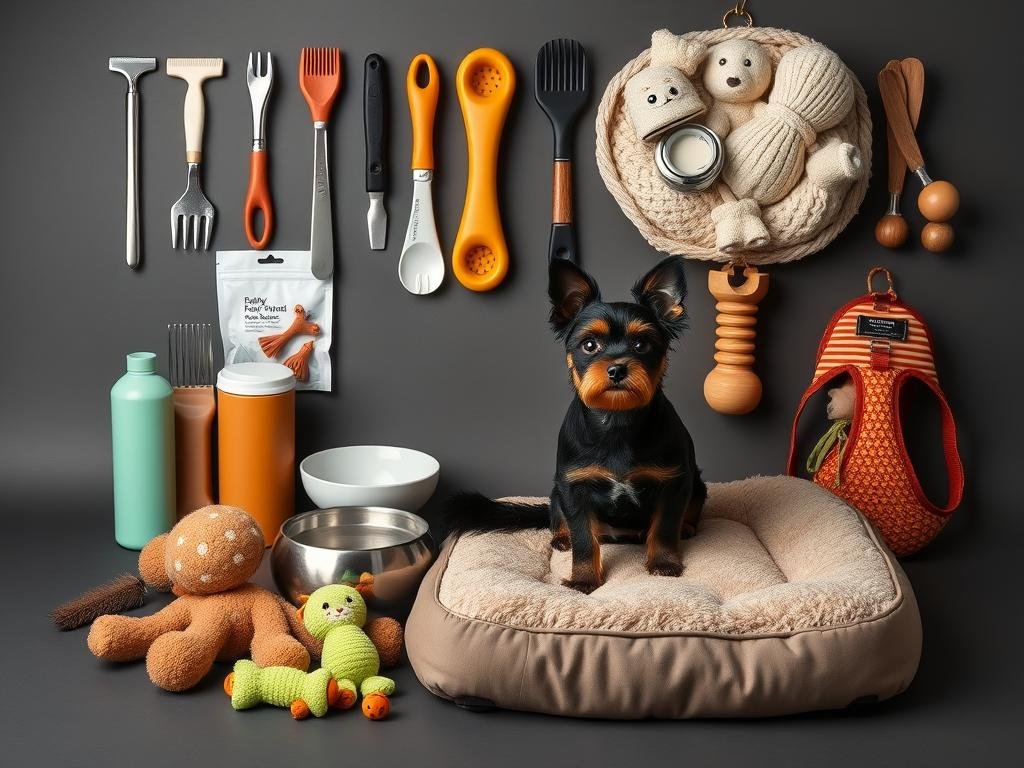
Shop high-quality food, grooming tools, toys, and accessories designed for the unique needs of Affenpinschers and other toy breeds.
Expert Care Guides
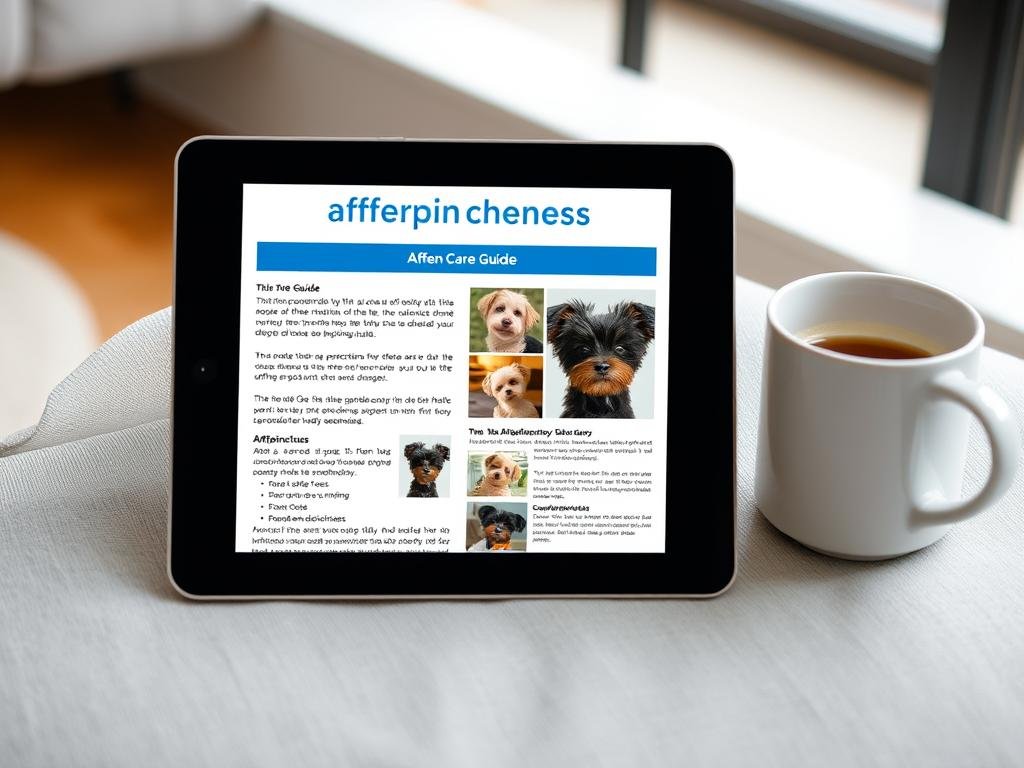
Download detailed care guides covering nutrition, grooming, training, and health management for Affenpinscher owners at all experience levels.


💬 Leave a Comment