Blog

The Fox Terrier: A Spirited, Loyal Breed

The Fox Terrier: A Spirited, Loyal Breed

If you are searching for a companion that brings endless energy and joy to your home, the Fox Terrier is a fantastic choice. This spirited breed is often compared to the athletic German Shorthaired Pointer due to its boundless enthusiasm and sharp intelligence. Whether you are hiking on trails or playing in the backyard, this dog thrives on activity.

Many active families find that this medium-sized dog fits perfectly into their lifestyle. They are not just energetic; they are deeply loyal and form strong bonds with their owners. Understanding their unique needs is the first step toward a rewarding life together.

In this guide, we will explore what makes these dogs so special. You will learn how to provide the best care, training, and enrichment for your furry friend throughout every stage of their life.

Key Takeaways

  • The Fox Terrier is known for its high energy and playful personality.
  • They share similar activity levels with breeds like the German Shorthaired Pointer.
  • This medium-sized dog is an ideal match for active, outdoor-oriented households.
  • Consistent training and mental stimulation are essential for their well-being.
  • Early socialization helps these intelligent dogs become well-rounded companions.

Introduction to the Fox Terrier

Few dogs possess the charm and vivacity of the Fox Terrier, a breed that truly stands out in the canine world. This medium-sized dog is widely celebrated for its spirited personality and unwavering loyalty to its human family. Whether they are exploring the backyard or curling up on the sofa, these dogs bring a unique sense of joy to every home.

Much like the German Shorthaired Pointer, this breed thrives when it has a clear job to do and plenty of physical activity. Owners should be prepared for a high-energy companion that requires consistent mental stimulation and daily exercise to stay happy. Understanding their drive is the key to a harmonious relationship.

“The Fox Terrier is a small dog with a big heart, always ready for the next great adventure.”

Ultimately, this breed is perfect for active individuals who want a partner that is as intelligent as it is affectionate. By providing the right environment and engagement, you will find that this medium-sized dog is one of the most rewarding companions you could ever choose.

History and Origins of the Fox Terrier

Exploring the origins of the Fox Terrier reveals why they remain such iconic and spirited companions today. These dogs were not created by accident; they were the result of careful selection to meet the needs of hunters in the British countryside.

Early Breeding Practices

Historically, breeders focused on creating a smart and trainable partner that could navigate difficult terrain. The primary goal was to produce a dog with enough courage to flush out foxes from their dens while maintaining a size that allowed for agility.

Breeders prioritized intelligence and a high drive to work. This dedication ensured that the dogs could follow complex commands during a hunt, making them highly effective in the field.

Evolution Over the Years

As time passed, the breed continued to refine its specialized skills. Much like the German Shorthaired Pointer, which was developed in the 1800s to track and retrieve, the Fox Terrier was honed to be a versatile working dog.

By the time the American Kennel Club recognized similar working breeds in 1930, the Fox Terrier had already established a reputation for being exceptionally smart and trainable. Their evolution reflects a transition from rugged field workers to the beloved, energetic companions we recognize today.

Breed Primary Role Key Trait
Fox Terrier Flushing game High Agility
German Shorthaired Pointer Tracking/Retrieving Versatility
Working Terrier Pest Control Tenacity

Physical Characteristics of the Fox Terrier

A Fox Terrier is built for action, featuring a compact frame that supports its high energy. Much like the athletic build of a GSP, this breed displays a lean, muscular structure that allows for quick movements and impressive agility. Their balanced proportions make them a joy to watch in motion.

Size and Weight

These dogs are generally small to medium in size, which helps them navigate tight spaces with ease. A typical adult Fox Terrier usually stands about 15 to 16 inches tall at the shoulder. Their weight is typically proportional to their height, usually ranging between 15 and 19 pounds.

This compact stature does not hinder their strength or endurance. They possess a sturdy bone structure that supports their active lifestyle. Owners often find that maintaining this ideal weight is key to keeping their pet healthy and happy.

Coat Types and Colors

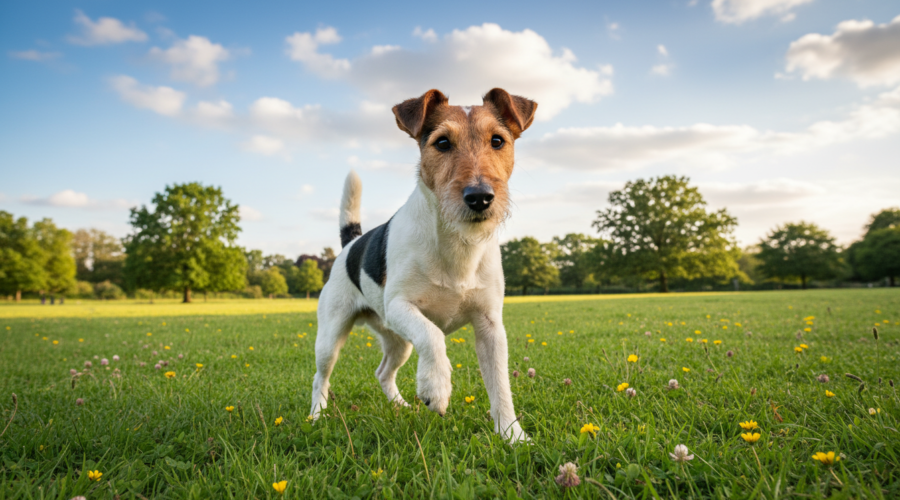
The breed is famous for two distinct coat varieties: the Smooth and the Wire. The Smooth variety features a short, flat, and dense coat that feels hard to the touch. In contrast, the Wire variety has a broken, crinkly texture that provides extra protection.

White is the dominant color for both types, often accented by black or tan markings. These patterns are not just for show; they historically helped hunters spot their dogs in the field. Because they are smart and trainable, these dogs often learn to enjoy the grooming process required to keep their coats in top condition.

Feature Smooth Variety Wire Variety
Coat Texture Short and flat Wiry and dense
Primary Color Predominantly white Predominantly white
Maintenance Low grooming needs Regular stripping required

Temperament and Personality Traits

The Fox Terrier is a breed defined by its boundless spirit and sharp intelligence. These dogs possess a vibrant personality that makes them stand out in any crowd. Owners often find that their quick wit and playful antics bring endless joy to the household.

A lively Fox Terrier in an outdoor setting, showcasing its active lifestyle. In the foreground, the dog playfully chases a bright red frisbee, its ears perked and fur gleaming in golden sunlight. The middle ground features a lush green park with scattered trees and colorful wildflowers, framing the joyous scene. In the background, a clear blue sky evokes a sense of openness, while distant figures of joggers add to the dynamism, all while remaining soft-focused. The lighting is warm and natural, creating an inviting atmosphere, captured with a slight low-angle perspective to emphasize the dog's energy and enthusiasm. Aim to convey a cheerful, energetic mood that reflects the spirit and temperament of the Fox Terrier.

Spirited and Energetic Nature

This breed is renowned for its high energy levels, which demand an owner committed to an active lifestyle. Much like the GSP, these dogs thrive when they have a job to do or a trail to explore. Their natural curiosity keeps them constantly on the move, seeking new adventures every single day.

Because of their intense drive, they are not suited for a sedentary home environment. Providing plenty of physical outlets is essential to keep them happy and well-behaved. When their needs are met, they display a remarkable zest for life that is truly contagious.

Loyalty and Affection

Beyond their high-octane energy, Fox Terriers are incredibly loyal and affectionate companions. They form deep bonds with their human families and often prefer to be right in the middle of the action. This need for consistent human companionship makes them devoted partners for those who spend quality time with them.

They are not the type of dog to sit quietly in the corner while you work. Instead, they will likely follow you from room to room, eager to participate in whatever you are doing. Their unwavering devotion ensures that you will always have a faithful friend by your side.

Training and Socialization

Training a Fox Terrier requires patience, consistency, and a deep understanding of their spirited personality. Because these dogs are naturally intelligent and independent, they thrive when given clear direction from an early age. Establishing a routine helps channel their high energy into positive behaviors, ensuring they become well-adjusted members of your household.

Importance of Early Training

Early socialization is the cornerstone of raising a confident dog. By exposing your puppy to various environments, sounds, and people, you build their resilience and reduce potential anxiety. Structured training prevents the development of unwanted habits, such as excessive barking or digging, which can arise when a dog lacks mental stimulation.

Just like a GSP, your Fox Terrier needs a job to do to stay happy. Without proper guidance, their natural drive can lead to frustration for both the owner and the pet. Investing time in these early stages creates a foundation of mutual respect that lasts a lifetime.

Tips for Effective Training

To succeed, you must pair your training efforts with an active lifestyle that keeps your dog physically and mentally engaged. Short, frequent sessions are often more effective than long, tedious ones. Always keep your training sessions upbeat and rewarding to maintain your dog’s interest.

“Training is not just about teaching commands; it is about building a language of trust between you and your companion.”

Consider these essential strategies for your training journey:

  • Use positive reinforcement: Reward desired behaviors with treats, praise, or play to encourage repetition.
  • Maintain consistency: Ensure all family members use the same commands and rules to avoid confusing your pet.
  • Prioritize mental stimulation: Incorporate puzzle toys or scent games to satisfy their curious nature.
  • Stay patient: Remember that progress takes time, and maintaining a calm demeanor is vital for success.

By integrating these practices into your daily routine, you support an active lifestyle that keeps your Fox Terrier healthy and content. Consistent training turns their natural intensity into a focused, joyful energy that makes them a delight to live with every single day.

Exercise Requirements for Fox Terriers

Because they are a versatile hunting dog, these terriers possess an endless supply of energy that needs a constructive outlet. While many owners believe a simple stroll through the neighborhood is sufficient, this breed often requires much more to stay balanced. Without proper physical and mental stimulation, these intelligent dogs may develop unwanted behavioral issues like excessive barking or digging.

Daily Activity Needs

A Fox Terrier thrives when they have a structured routine that challenges both their body and their mind. You should aim for at least sixty minutes of vigorous activity every single day to keep them satisfied. This can be broken into multiple sessions to ensure they remain engaged throughout the day.

Physical exercise is only half of the equation for this versatile hunting dog. Mental games are equally important because they satisfy the breed’s natural instinct to solve problems and stay alert. Incorporating puzzle toys or scent-based games into their daily routine will prevent boredom and keep their sharp minds occupied.

Fun Activities to Engage Them

Keeping your dog active does not have to be a chore; it can be a wonderful bonding experience for both of you. You might consider activities that tap into their natural agility and speed. Games like fetch, hide-and-seek, or even basic obstacle courses in your backyard are excellent ways to burn off excess energy.

If you are looking for more structured ways to keep your pet fit, consider the following options:

Activity Type Primary Benefit Intensity Level
Agility Training Mental Focus High
Scent Work Instinctual Outlet Moderate
Fetch Games Physical Stamina High
Interactive Puzzles Cognitive Health Low

Always remember that consistency is the key to success with this breed. By providing a variety of challenges, you ensure your companion remains physically fit and mentally sharp. A tired Fox Terrier is truly a happy and well-behaved member of the family.

Health Considerations and Lifespan

A long and happy life for your pet starts with proactive health management. As a versatile hunting dog, this breed is generally robust, but owners must remain vigilant about specific genetic predispositions. Understanding these factors early on allows you to provide the best possible quality of life for your furry friend.

Common Health Issues

While these dogs are known for their stamina, they can be prone to certain inherited conditions. Being aware of these risks helps you spot symptoms before they become serious problems.

  • Lens Luxation: A condition where the lens of the eye shifts, which requires immediate attention.
  • Hip Dysplasia: A common joint issue that can affect mobility as the dog ages.
  • Legg-CalvΓ©-Perthes Disease: A hip joint disorder often seen in smaller terrier breeds.

“The secret to a long-lived dog is a combination of good genetics, a balanced diet, and a watchful owner who notices small changes in behavior.”

Regular Veterinary Care

Consistent visits to your veterinarian are the cornerstone of a healthy lifestyle. You should schedule annual wellness exams to monitor your dog’s weight, dental health, and overall physical condition. Early detection is often the key to managing potential health challenges effectively.

Beyond routine check-ups, keep up with vaccinations and parasite prevention. Maintaining the health of a versatile hunting dog requires a partnership between you and your vet. By staying proactive, you ensure your companion remains an active and joyful member of your family for many years to come.

Grooming and Maintenance

Managing the coat of this energetic breed is easier than you might think. While they are known for their high spirits, they also require a consistent grooming routine to stay comfortable and clean. Proper care not only keeps them looking their best but also allows you to check for any skin issues or parasites early on.

A vibrant German Shorthaired Pointer, energetically running through a sunlit park, showcasing its sleek, short coat with a combination of liver and white patches. In the foreground, the dog is captured mid-action, its ears flapping and tail wagging, emphasizing its lively spirit. In the middle ground, lush green grass and a scattering of colorful flowers add to the scene's freshness. The background features a blurred view of tall trees, creating depth and a serene atmosphere. The lighting is warm and golden, reminiscent of a late afternoon, casting gentle shadows. The angle is slightly low, making the dog appear dynamic and larger than life, evoking a sense of joy and vitality.

Coat Care for Fox Terriers

The grooming needs of your dog depend largely on whether they have a smooth or wire-haired coat. Smooth-coated varieties are relatively low-maintenance, requiring only occasional brushing to remove loose hair. Consistency is the key to preventing shedding from becoming a nuisance in your home.

Wire-haired dogs require a bit more attention to keep their texture healthy. Many owners choose to have their coats hand-stripped to maintain the proper wire texture and vibrant color. If you prefer a simpler approach, regular brushing will help prevent mats and tangles from forming in their dense fur.

Bathing and Brushing Tips

Bathing should be done only when necessary to avoid stripping the natural oils from their skin. Using a high-quality dog shampoo will keep their coat shiny and soft. Always ensure you rinse thoroughly to prevent any soap residue, which can cause irritation for this energetic breed.

Brushing is a great way to bond with your pet while keeping their coat in top condition. To make the process efficient, keep these essential tools on hand:

  • Slicker brush: Perfect for removing loose hair and preventing tangles.
  • Metal comb: Useful for checking for mats in harder-to-reach areas.
  • Rubber curry brush: Ideal for smooth-coated dogs to distribute natural oils.
  • Nail clippers: Essential for keeping paws healthy and comfortable.

Make grooming a positive experience by offering treats and praise during the session. By keeping these tasks regular, you ensure your companion stays happy, healthy, and ready for their next big adventure.

Fox Terriers in Competitive Sports

Competitive sports provide the perfect outlet for the high-octane personality of the Fox Terrier. Because they are such an energetic breed, these dogs often struggle when they lack a clear purpose or task to complete. Engaging them in structured activities helps channel their natural intensity into positive results.

Agility and Obedience Competitions

The agility ring is where this energetic breed truly shines. Their compact size and lightning-fast reflexes allow them to navigate complex obstacle courses with ease and precision. Many owners find that the mental stimulation required for agility training keeps their dogs happy and well-behaved at home.

Obedience trials also offer a fantastic way to build a stronger bond with your pet. While they are known for having a stubborn streak, their high intelligence means they can master advanced commands quickly. Consistent, positive reinforcement is the key to unlocking their full potential in these competitive environments.

Hunting Skills and Heritage

The success of the Fox Terrier in modern sports is no accident. Their ancestors were bred for endurance and courage, traits that remain deeply embedded in their DNA today. This hunting heritage translates perfectly into field trials and earthdog tests, where they can showcase their natural instincts in a controlled setting.

Giving your dog a job to do is essential for their overall well-being. Whether it is tracking, agility, or obedience, providing a structured outlet for their drive prevents boredom and destructive behaviors. By honoring their history, you ensure that your energetic breed remains a healthy and fulfilled companion for years to come.

Family Life with a Fox Terrier

As a loyal family pet, the Fox Terrier offers endless entertainment and deep companionship for active households. These dogs thrive when they are included in daily activities and feel like a true member of the pack. Their spirited personality ensures that there is never a dull moment when they are around.

Compatibility with Children

Fox Terriers generally enjoy the company of children, especially those who are old enough to play games and respect the dog’s boundaries. Because of their high energy, they are often best suited for families with older children who can engage in active play. Supervision is always recommended to ensure that interactions remain positive and safe for both the child and the dog.

It is important to teach children how to approach the dog calmly and avoid rough handling. When children understand these basic rules, the bond between them and their loyal family pet can become incredibly strong. They often become protective and playful companions who love to join in on backyard adventures.

Interaction with Other Pets

Integrating a Fox Terrier into a home with other animals requires patience and careful management. Due to their historical background as hunters, they may possess a strong prey drive that can be triggered by smaller pets like cats or hamsters. Early socialization is the key to helping them learn how to coexist peacefully with other household members.

When introduced properly, many Fox Terriers learn to live harmoniously with other dogs. They often enjoy the company of a canine companion who can match their high energy levels during playtime. The following table outlines how they typically interact with various household members:

Household Member Interaction Style Supervision Level
Older Children Playful and energetic Moderate
Small Pets High prey drive Strictly Required
Other Dogs Social and dominant Initial Monitoring

Living Environment and Adaptability

A Fox Terrier thrives when its living space matches its spirited personality and need for activity. Choosing the right home environment is essential for the happiness of a loyal family pet like the Fox Terrier. While they are highly adaptable, they require specific conditions to remain content and well-behaved.

Best Living Situations

These dogs are incredibly social and prefer to be where the action is. They do best in homes where they receive plenty of human interaction throughout the day. Unlike some breeds, such as the American Pit Bull Terrier, which may have different social dynamics, the Fox Terrier is happiest when it is considered a central member of the household.

A house with a securely fenced yard is often the ideal living situation for this breed. They possess a strong prey drive and a curious nature, making a safe outdoor space vital for their safety. If you live in an apartment, you must be prepared to provide significant daily exercise to keep them from becoming bored or restless.

Space Requirements

While Fox Terriers are relatively small, they are not “couch potatoes” that require little room. They need enough space to move around, play, and explore their surroundings. Mental stimulation is just as important as physical space, so ensure your home includes areas for puzzle toys and training sessions.

Regardless of your square footage, the quality of your interaction matters more than the size of your home. A loyal family pet will adapt to various living arrangements as long as their need for movement and companionship is met. Consistent daily walks and active play sessions are the keys to maintaining a harmonious living environment for this energetic breed.

Conclusion: The Fox Terrier as a Devoted Companion

Bringing a Fox Terrier into your home marks the start of a vibrant journey filled with energy and joy. These dogs thrive when you provide clear structure and consistent daily activity. A well-adjusted pet becomes a loyal partner for your entire family.

Patience during the early stages of life pays off in the long run. When you invest time in training and socialization, these dogs become great with children. Their playful spirit creates lasting memories for everyone in the household.

Your commitment to their health and mental stimulation builds a deep bond. These terriers reward your efforts with unwavering affection and sharp intelligence. They remain active participants in your daily life for many years.

Consider the unique needs of this breed as you plan your future together. A purposeful approach ensures your dog feels secure and happy. You will find that a Fox Terrier is truly great with children and a wonderful addition to any active home.

FAQ

How does the history of the Fox Terrier compare to other working breeds like the German Shorthaired Pointer?

While the Fox Terrier was specialized for bolting prey, the German Shorthaired Pointer (or GSP) was developed in Germany during the 1800s as a versatile hunting dog meant to point, retrieve, and track. Both breeds share a legacy of excellence that has been celebrated since the American Kennel Club (AKC) recognized these similar working groups around 1930.

Is the Fox Terrier considered a smart and trainable breed?

Yes! Much like the German Shorthaired Pointer, the Fox Terrier is exceptionally smart and trainable. They possess a sharp intellect that allows them to pick up commands quickly, though their spirited nature means they respond best to consistent, engaging training sessions that challenge their minds.

Are Fox Terriers suitable for households with kids?

Most definitely. The Fox Terrier is a loyal family pet and is generally great with children. They are sturdy, playful, and have enough energy to keep up with active kids, making them a fantastic addition to a lively home environment.

What are the exercise requirements for this energetic breed?

Because the Fox Terrier is a versatile hunting dog, they require more than just a casual stroll around the block. To remain happy and healthy, this energetic breed needs an active lifestyle that includes vigorous play, long hikes, or even dog sports like agility to burn off their natural intensity.

How large do Fox Terriers typically get?

The Fox Terrier is a classic medium-sized dog. They are compact, athletic, and built for agility, which allowed them to navigate difficult terrain historically. Their size makes them versatile enough for both suburban yards and more rural settings.

Can Fox Terriers participate in competitive dog sports?

Absolutely. Their heritage as a working partner makes them naturals in the ring. Whether it is AKC agility trials, obedience competitions, or earthdog tests, their high energy and drive make them top-tier competitors, similar to the athletic GSP.

How should I manage their grooming and maintenance?

Maintenance depends on the coat typeβ€”Wire or Smooth. However, both varieties require regular brushing to keep their coats in top condition. Because they lead such an active lifestyle, frequent checks for debris after outdoor adventures are recommended to keep this loyal family pet comfortable.

Do Fox Terriers get along well with other pets in the house?

While they are a loyal family pet, Fox Terriers do have a strong hunting instinct. They can coexist peacefully with other pets if socialized early, but their history as a versatile hunting dog means they may occasionally view smaller animals as something to chase!

About vmanoel

Dog breed enthusiast and writer at Dog Breeds Worldwide.

View all posts β†’

πŸ’¬ Leave a Comment

Your email address will not be published. Required fields are marked *