
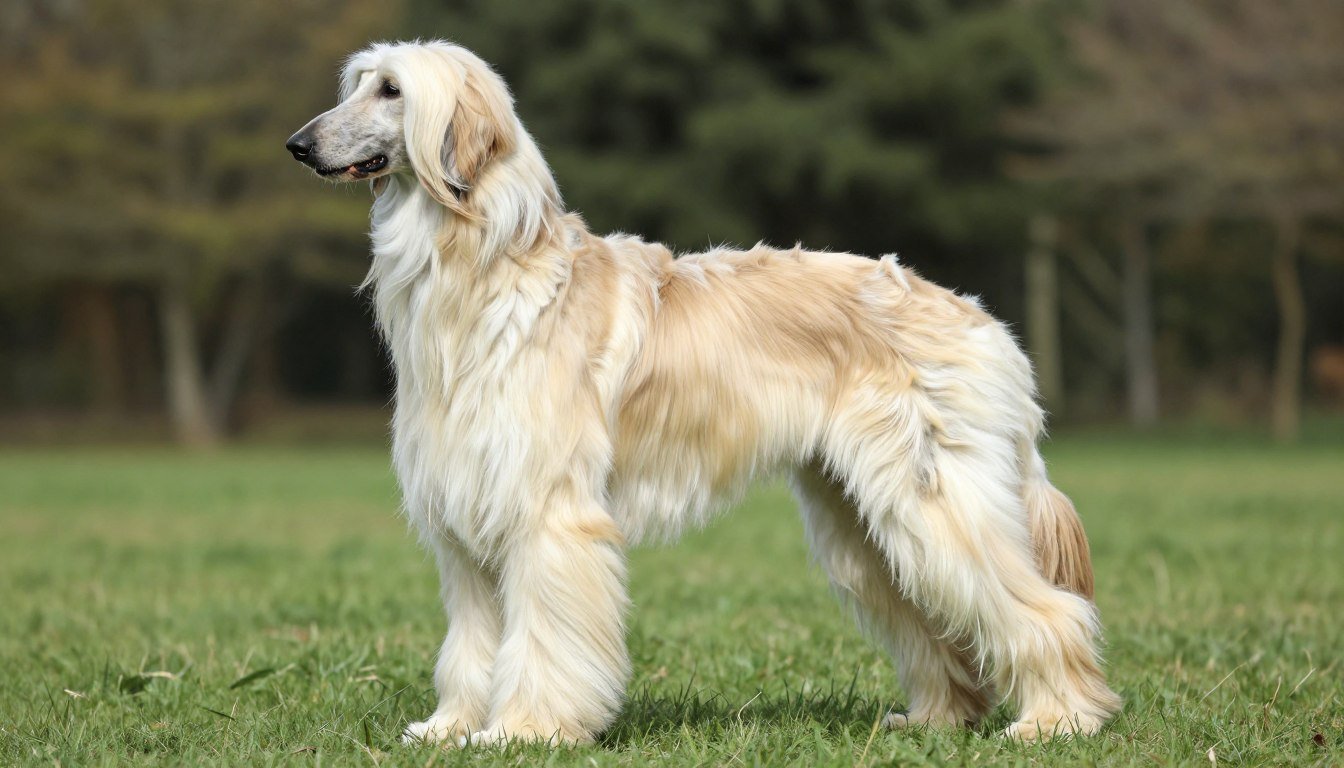
The Afghan Hound stands as one of the most recognizable and aristocratic dog breeds in the world. With their flowing silky coat, aloof dignified demeanor, and striking appearance, these hounds captivate dog enthusiasts and show competitors alike.
This ancient breed combines breathtaking beauty with a complex personality. Afghan Hounds aren’t for everyone.
They demand significant grooming commitment, patient training approaches, and understanding of their independent nature. But for the right owner, they offer unmatched elegance and loyal companionship.
Ready to Welcome an Afghan Hound?
Connect with reputable breeders or explore adoption options to find your perfect companion. Start your journey with this magnificent breed today.
Afghan Hound Breed Overview and Introduction
The Afghan Hound belongs to the hound group, specifically classified as a sighthound. These dogs were bred for hunting by sight rather than scent. Their incredible speed and visual acuity made them ideal for pursuing game across the rugged terrain of Afghanistan.
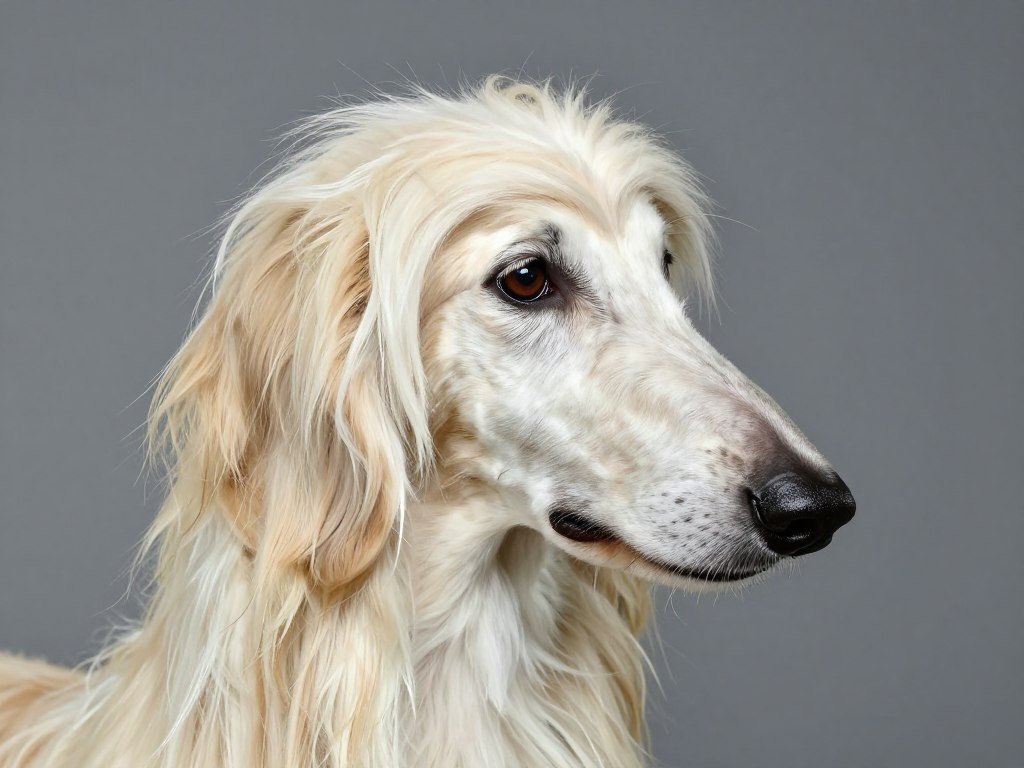
The American Kennel Club recognizes the Afghan Hound as a distinct breed with a detailed breed standard. This standard outlines the ideal physical characteristics and temperament traits.
Adult Afghan Hounds typically stand between twenty-five and twenty-seven inches tall at the shoulder. Males generally weigh fifty to sixty pounds, while females weigh slightly less.
These elegant dogs possess a distinctive appearance that sets them apart from other breeds. Their long, flowing coat comes in many different colors including cream, red, black, blue, and brindle.
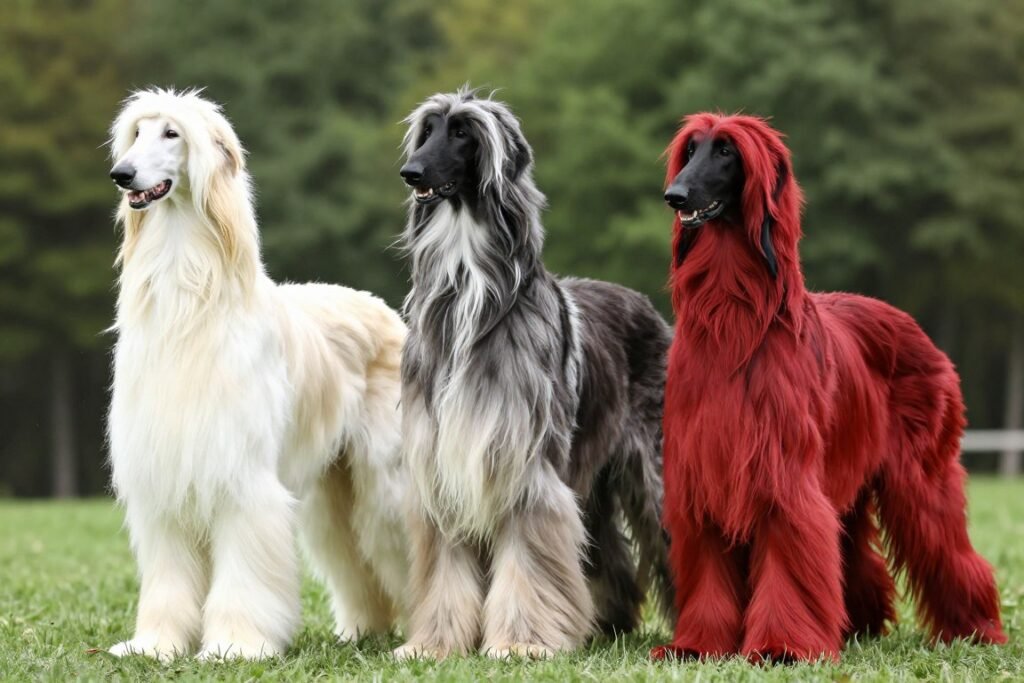
The breed standard describes Afghan Hounds as aloof and dignified. They carry themselves with aristocratic bearing. Their eyes convey an expression that seems to gaze through you rather than at you.
History and Origin of the Afghan Hound
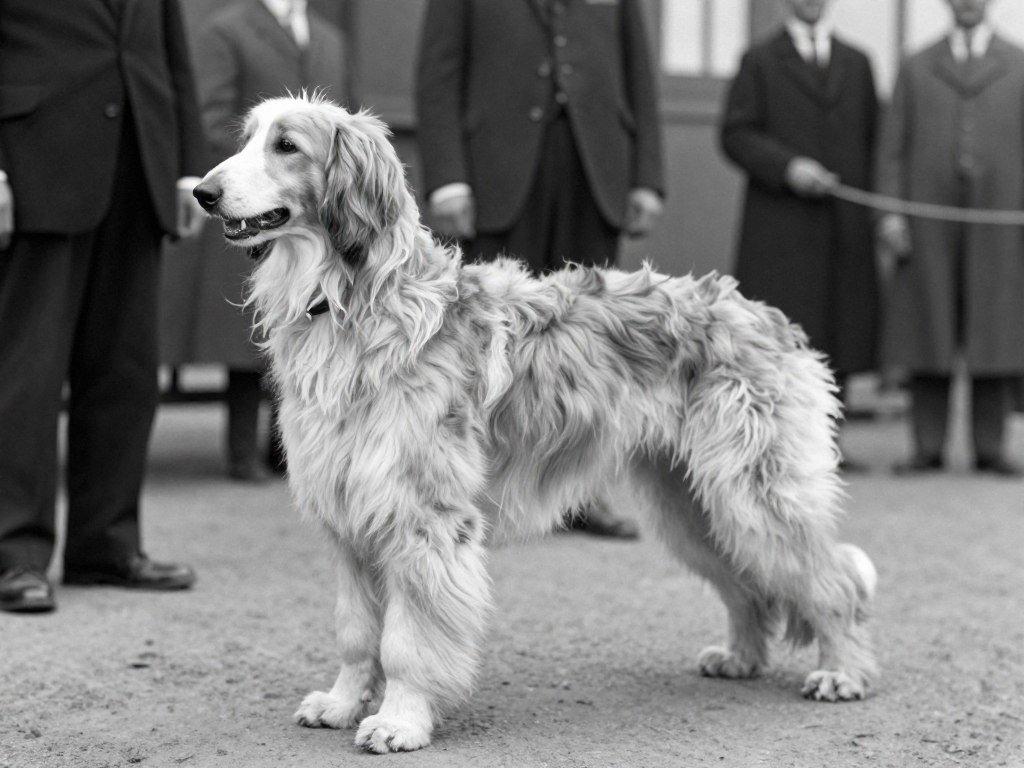
The Afghan Hound breed boasts an ancient lineage that stretches back thousands of years. These hounds originated in the mountainous regions of Afghanistan, where they served as hunting companions for nobility and tribesmen.
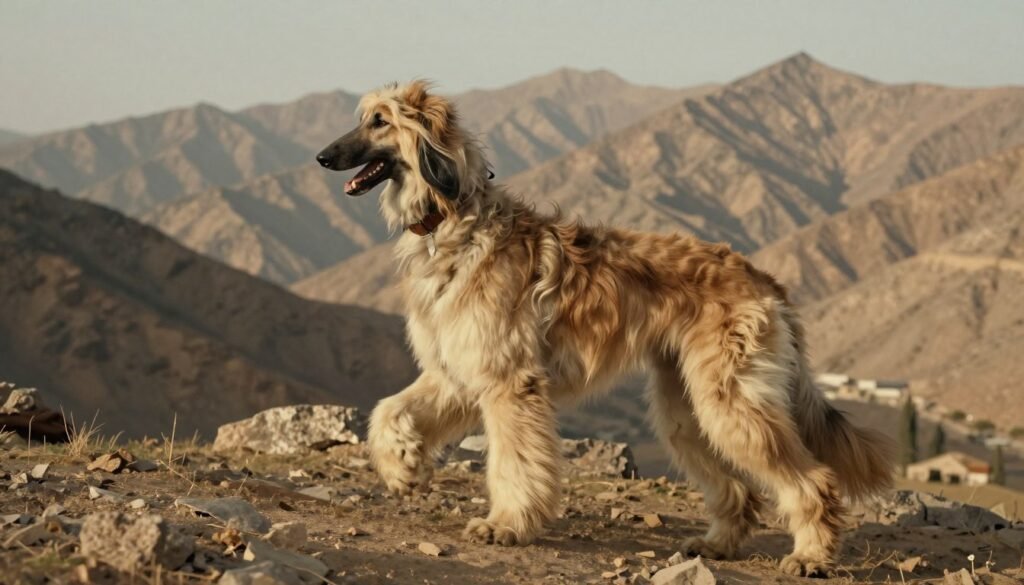
In their native land, Afghan Hounds hunted leopards, wolves, and gazelles across challenging terrain. Their thick coat protected them from harsh conditions in the mountainous area. The hair on their bodies provided insulation against cold nights and scorching days.
British soldiers brought the first Afghan Hounds to England in the late nineteenth century. These dogs quickly captivated European dog fanciers with their exotic appearance and regal demeanor.
The breed made its way to the United States in the early twentieth century. World War I temporarily halted breeding programs, but enthusiasts revived the breed standard afterward.
Breed Recognition Timeline
- Late 1800s: First imports to England from Afghanistan
- 1907: First breed standard established in England
- 1926: American Kennel Club recognizes the breed
- 1940: United Kennel Club grants recognition
- Post-World War II: Breed popularity increases globally
- 1957: Afghan Hound wins Best in Show at Westminster
The Afghan Hound Club of America formed to preserve breed characteristics and promote responsible breeding. This organization works closely with the American Kennel Club to maintain breed standards.
“The Afghan Hound represents one of the oldest pure dog breeds, with DNA evidence suggesting lineage dating back thousands of years to ancient civilizations.”
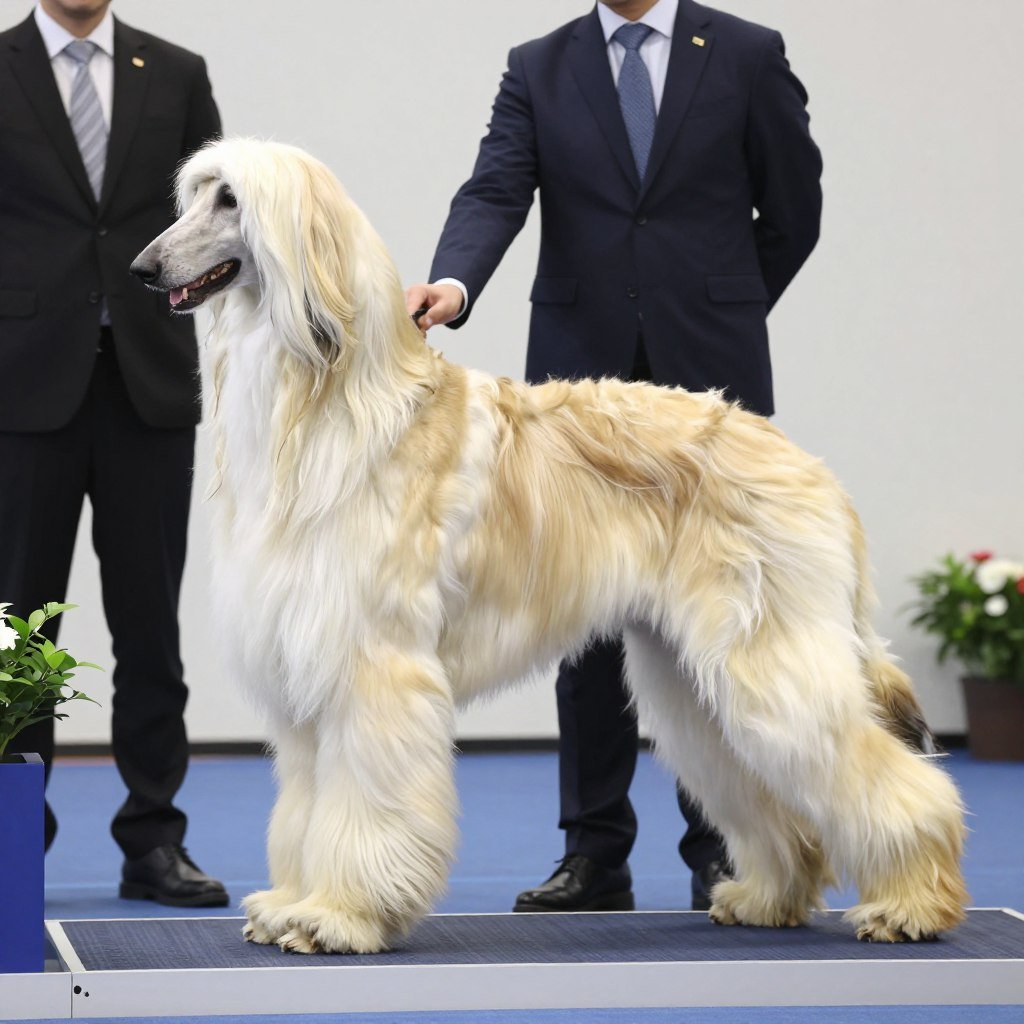
Today, Afghan Hounds appear in dog shows around the world. They compete in conformation events judged against the official breed standard. The United Kennel Club and other international kennel clubs recognize the Afghan Hound breed.
Connect with Afghan Hound Heritage
Learn more about breed history and preservation efforts through the Afghan Hound Club of America. Join fellow enthusiasts dedicated to maintaining this ancient breed’s legacy.
Physical Characteristics and Breed Appearance
The Afghan Hound’s physical appearance makes an immediate impression. Every aspect of their body reflects generations of selective breeding for both function and beauty.
Head and Facial Features
The head of an Afghan Hound exhibits refinement and nobility. The skull appears long and not too narrow, with a prominent occiput. Their muzzle tapers slightly to the nose without appearing snipey.
Afghan Hound eyes are almond-shaped and slightly slanted. The eyes typically appear dark, though lighter-colored dogs may have lighter eyes. This eye shape contributes to their characteristic expression of dignified aloofness.
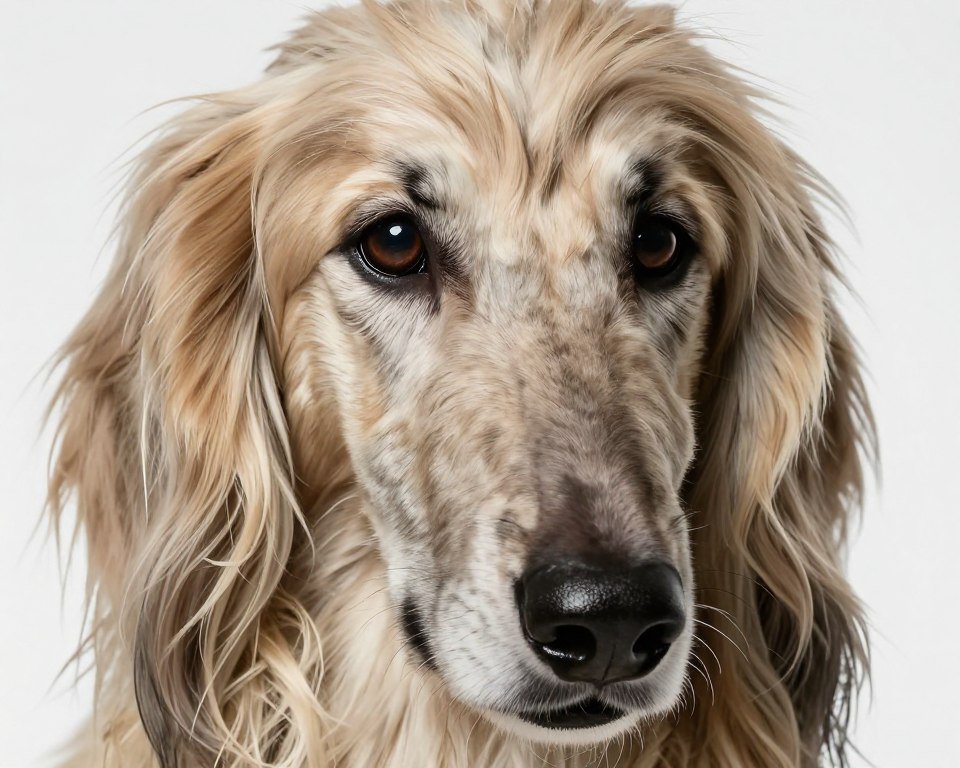
The ears hang long and are set low on the head. They’re covered with long, silky hair that blends with the coat on the neck. The lower jaw should align properly with the upper jaw for correct bite.
Body Structure and Proportions
The neck rises strongly from the shoulders and arches slightly. It’s of good length, allowing the head to be carried proudly. This neck structure contributes to the breed’s regal appearance.
The body presents a level topline with a slight arch over the loin. Afghan Hounds possess deep chests that provide ample room for heart and lungs. This chest depth supports their athletic capabilities.
Front Assembly
- Shoulders slope back properly
- Front legs appear straight and strong
- Pasterns show slight spring
- Large feet provide stable foundation
Rear Assembly
- Powerful hindquarters drive movement
- Hocks turn neither in nor out
- Well-bent stifles enable speed
- Hip bones positioned prominently
The tail sets low on the rump. It forms a ring at the end and carries in a characteristic manner during movement. The tail shouldn’t curl over the back or hang limp.
Coat Characteristics
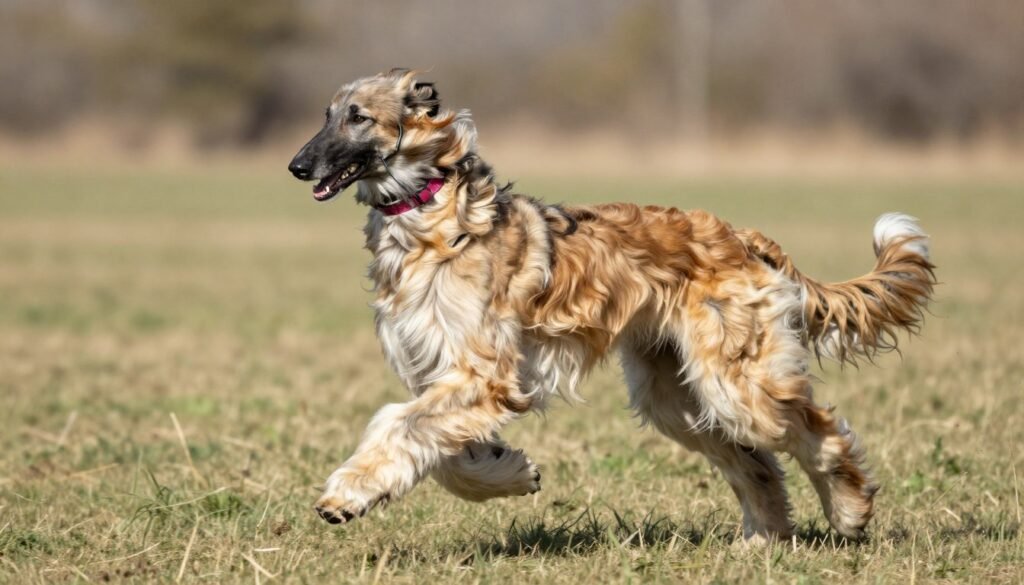
The Afghan Hound’s coat represents their most striking feature. The hair grows long and fine on the body, creating a flowing appearance. Short hair appears on the face and along the back from shoulders to tail.
This silky coat texture distinguishes purebred Afghan Hounds from similar breeds. The hair should feel smooth to the touch, never woolly or coarse.
| Coat Area | Hair Length | Texture | Grooming Focus |
| Face and Muzzle | Short | Smooth | Minimal |
| Saddle (Back) | Short | Smooth | Light brushing |
| Body Sides | Very Long | Silky | Daily attention |
| Ears | Very Long | Silky | Regular detangling |
| Legs | Long | Feathered | Mat prevention |
| Tail | Long | Plumed | Weekly brushing |
Color Variations
Afghan Hounds come in many different colors and patterns. The breed standard accepts all coat colors. Common colors include cream, red, black, blue, and various brindle patterns.
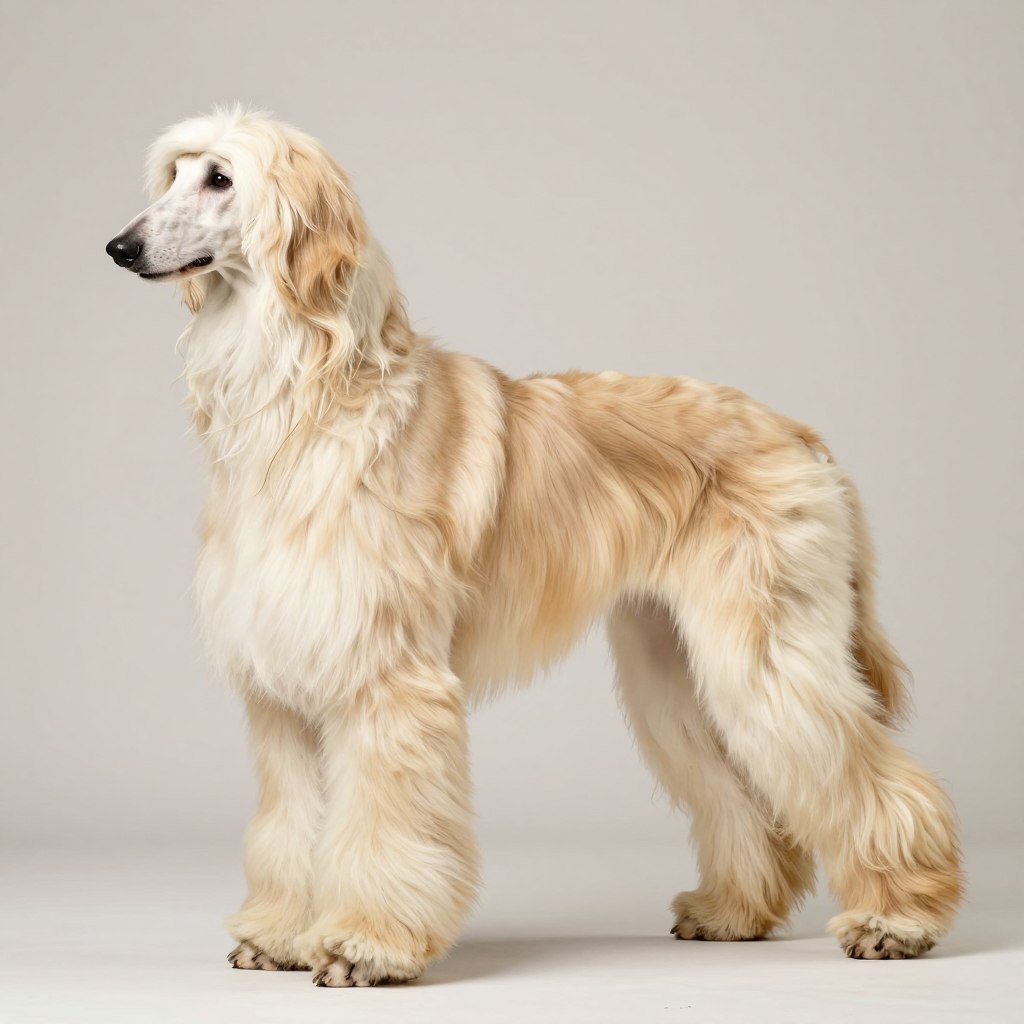
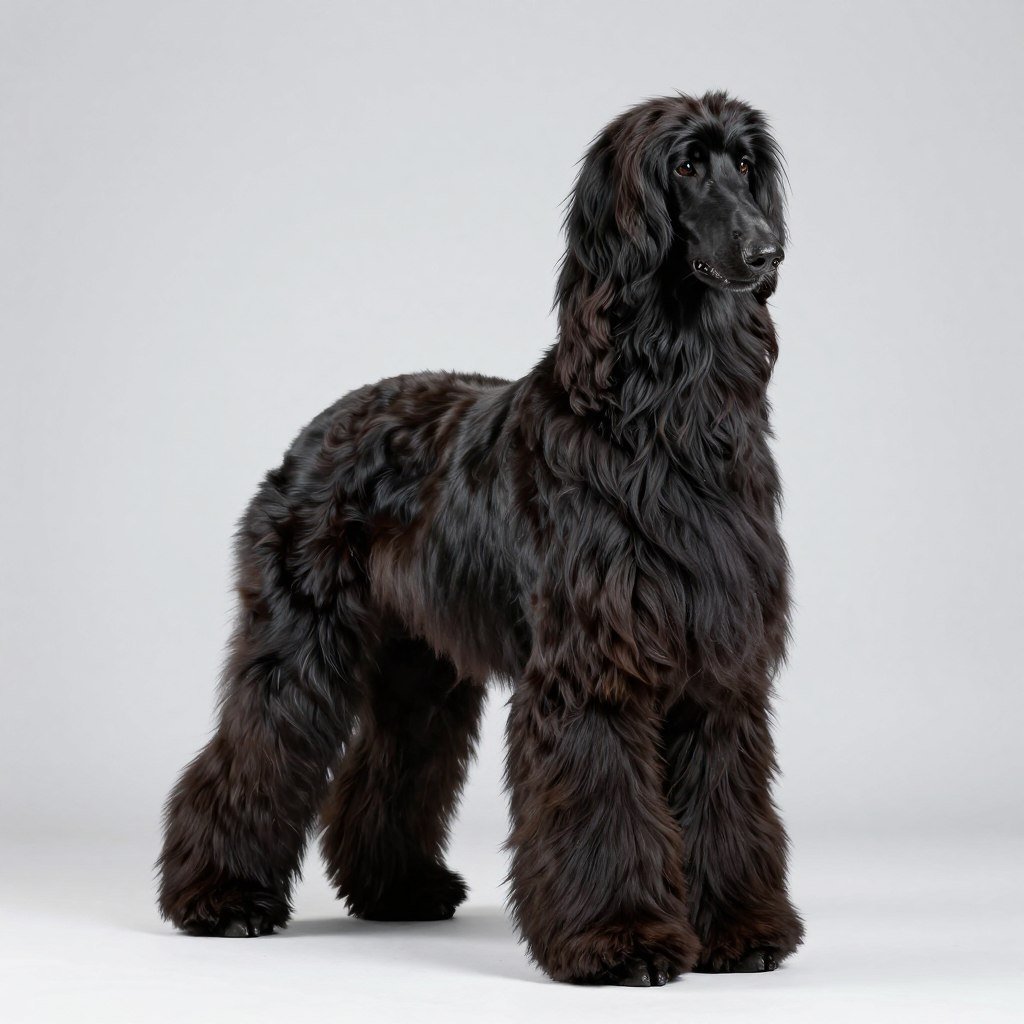
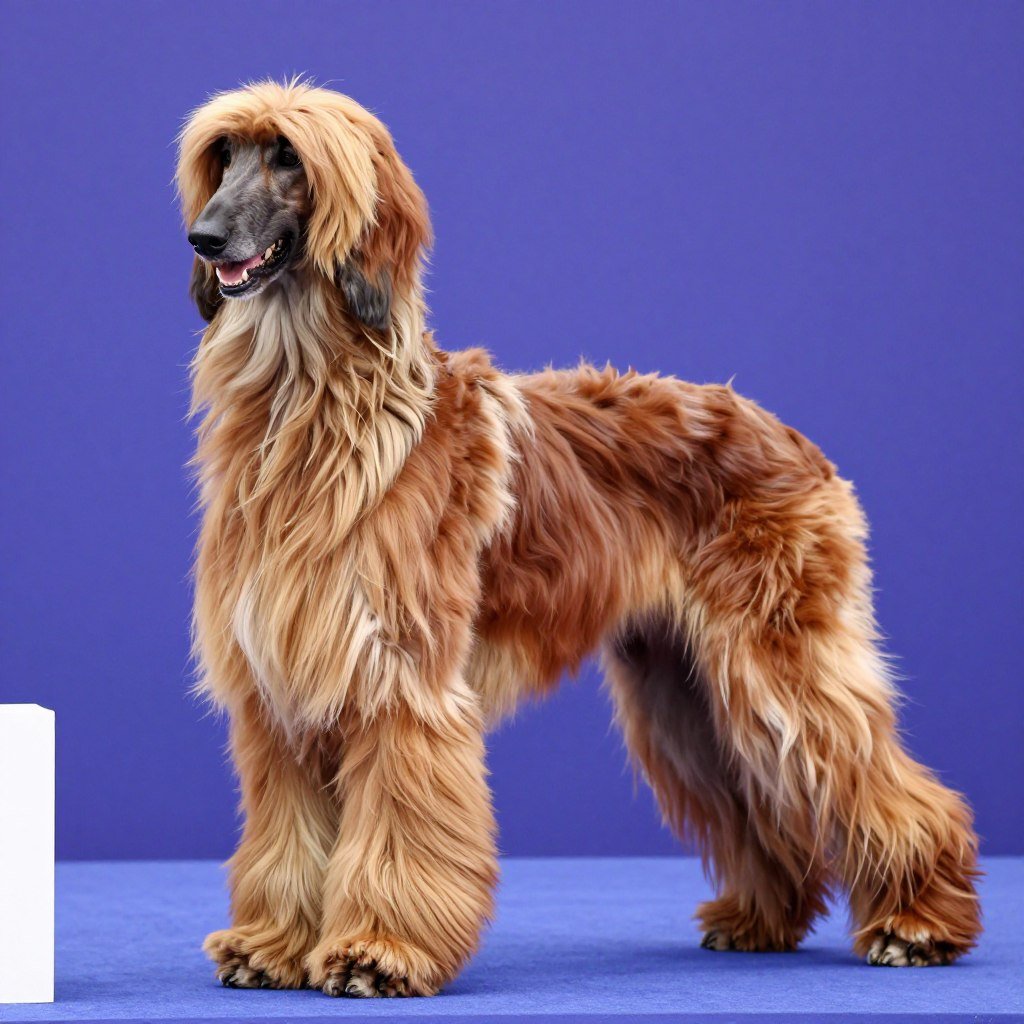
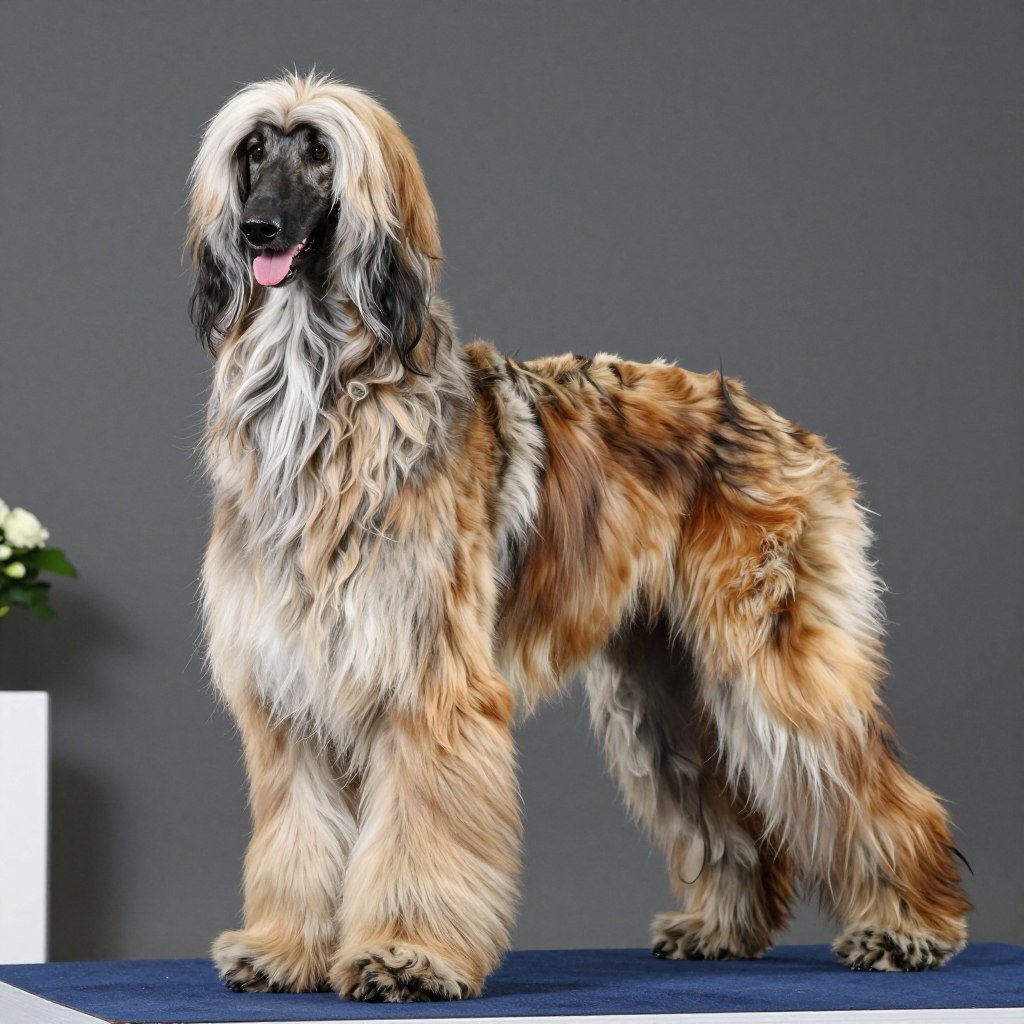
Some Afghan Hounds display masks on their faces. Others show white markings, though extensive white isn’t preferred in show dogs. The richness and clarity of color contribute to overall appearance quality.
Show Quality vs. Pet Quality Afghan Hounds
Understanding breed standards helps you choose the right dog for your goals. Whether you want a show prospect or loving companion, knowing the differences matters.
Temperament and Personality Traits of Afghan Hounds
Afghan Hound temperament represents a unique blend of independence, dignity, and loyalty. These dogs don’t behave like typical companion breeds. Understanding their personality helps owners appreciate their distinctive character.
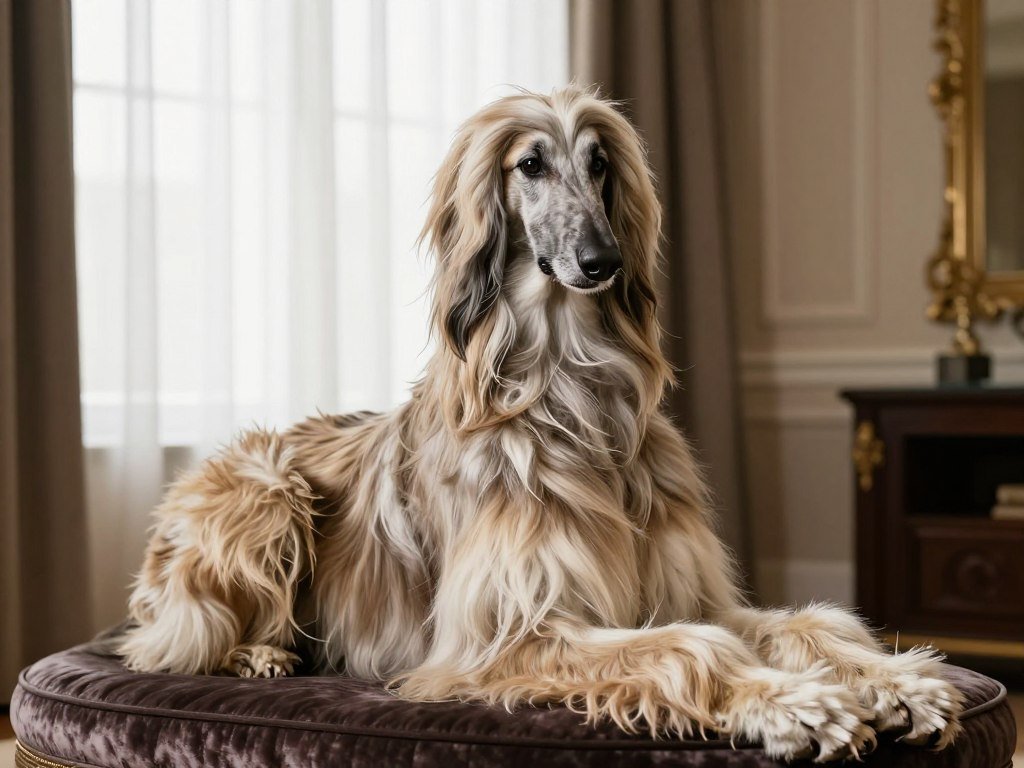
The Aloof and Dignified Nature
The phrase “aloof dignified” perfectly captures the Afghan Hound personality. These dogs maintain emotional distance even with family members. They choose when to offer affection rather than seeking constant attention.
This aloofness stems from their breeding history. Afghan Hounds worked independently during hunts. They made decisions without constant human direction. This independence persists in modern dogs.
Don’t mistake aloofness for lack of affection. Afghan Hounds bond deeply with their families. They simply express love on their own terms and timeline.
Intelligence and Independent Thinking
Afghan Hounds possess high intelligence. However, their independent nature makes them appear stubborn. They think for themselves rather than blindly following commands.
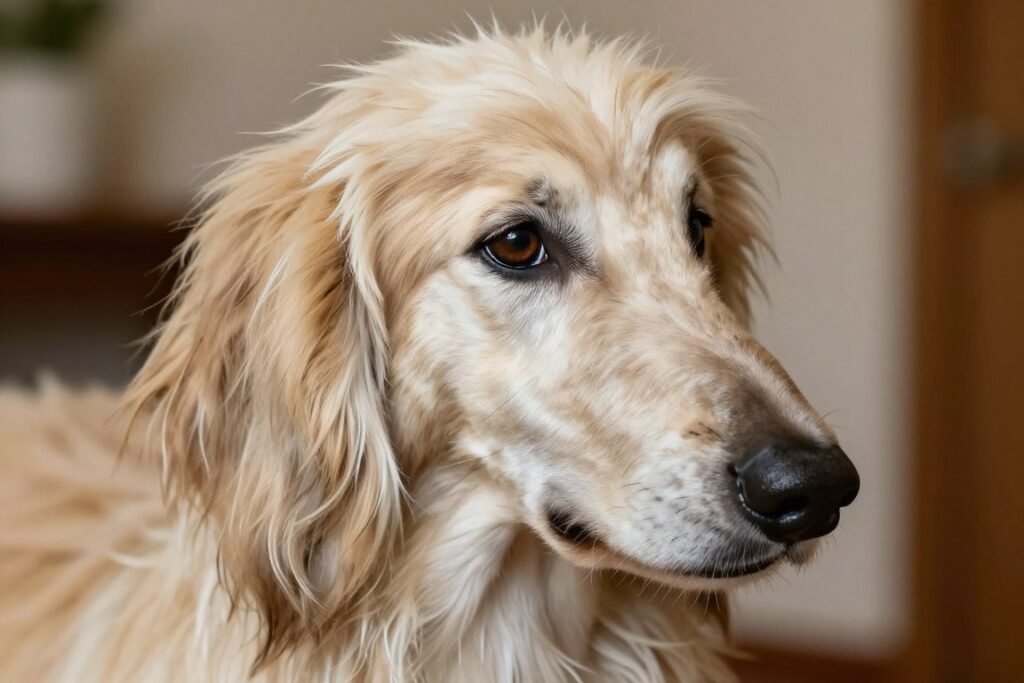
This breed evaluates situations before responding. They consider whether a command makes sense to them. Training requires patience and understanding of their cognitive process.
“Afghan Hounds don’t perform on command like some breeds. They perform when they decide the request has merit. This isn’t stubbornness—it’s independent intelligence.”
Socialization and Interaction Patterns
Afghan Hounds typically remain reserved with strangers. They won’t rush to greet visitors with enthusiasm. Instead, they observe from a distance before deciding whether to engage.
Early socialization shapes how Afghan Hounds interact with the world. Puppies exposed to various people, dogs, and situations develop better social skills. Without proper socialization, they may become overly shy or fearful.
With Family Members
- Form strong bonds with primary caregivers
- Show affection selectively and subtly
- Prefer quiet, calm households
- May choose favorite family members
- Enjoy being in same room without direct interaction
With Other Animals
- High prey drive toward small animals
- Can coexist peacefully with other dogs
- May chase cats unless raised together
- Need supervision around small pets
- Sometimes prefer being only dog in household
Energy Levels and Activity Preferences
Despite their elegant appearance, Afghan Hounds possess considerable energy. They need regular exercise to maintain physical and mental health. Without adequate activity, they may develop destructive behaviors.
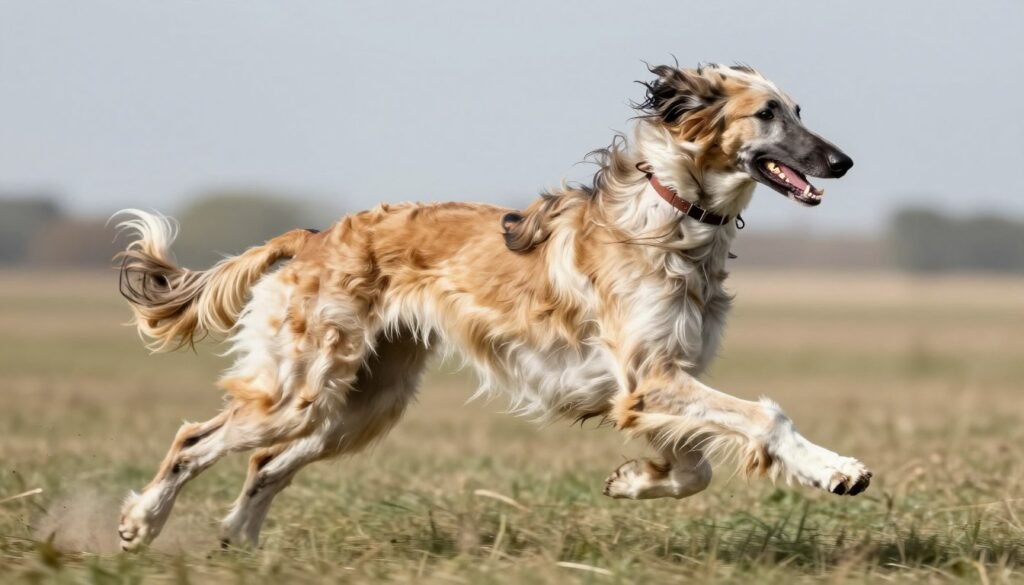
Their sighthound heritage gives Afghan Hounds impressive speed. They can reach forty miles per hour when running. This speed creates challenges for owners in managing outdoor activities safely.
Afghan Hounds enjoy sprinting in safe, enclosed areas. They need opportunities to run freely. A securely fenced yard provides ideal exercise space.
Positive Personality Traits
- Loyal to family members
- Generally quiet indoors
- Independent and self-sufficient
- Dignified and well-mannered
- Athletic and graceful
- Adaptable to various living situations
Challenging Personality Aspects
- Aloof with strangers
- Strong prey drive
- Independent thinking complicates training
- Reserved affection display
- Selective hearing when distracted
- Need for mental stimulation
Behavioral Considerations
Afghan Hounds rarely bark excessively. They make relatively quiet household companions. However, they may howl when bored or lonely.
These hounds don’t naturally guard property or people. Their reserved nature shouldn’t be confused with protective instincts. They’re unlikely to alert owners to intruders or threats.
Separation anxiety can affect Afghan Hounds who become too attached to owners. Gradual desensitization to being alone prevents this issue. Most adapt well to reasonable periods of solitude.
Grooming and Coat Care Requirements
Afghan Hound grooming represents the most time-intensive aspect of ownership. Their spectacular coat requires dedicated maintenance. Prospective owners must honestly assess their commitment to grooming before acquiring this breed.
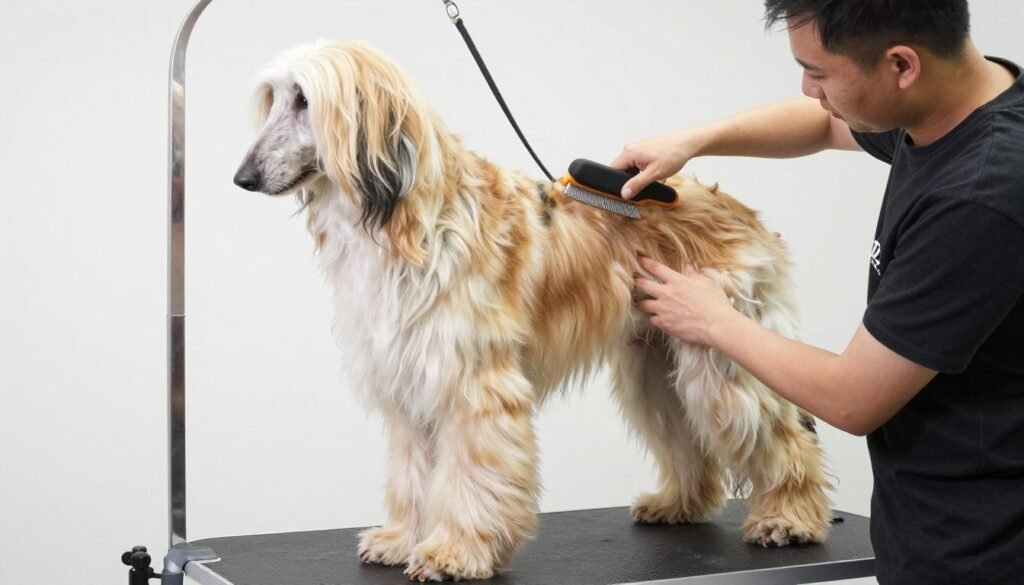
Daily Coat Maintenance
Afghan Hounds require daily brushing to prevent mats and tangles. Their silky coat tangles easily, especially in areas where the hair grows longest. Skipping even one day can create grooming challenges.
Start grooming sessions at the skin level. Work through the coat in sections from roots to tips. This methodical approach ensures you don’t miss hidden mats beneath the top layer of hair.
Time Commitment Reality Check
Expect to spend forty-five minutes to one hour daily on coat maintenance for show-quality coats. Pet owners who keep coats shorter can reduce this to twenty to thirty minutes per session. This commitment lasts the dog’s entire lifetime.
Essential Grooming Tools
Investing in quality grooming tools makes coat care more effective and efficient. The right equipment prevents coat damage and makes the process easier for both dog and owner.
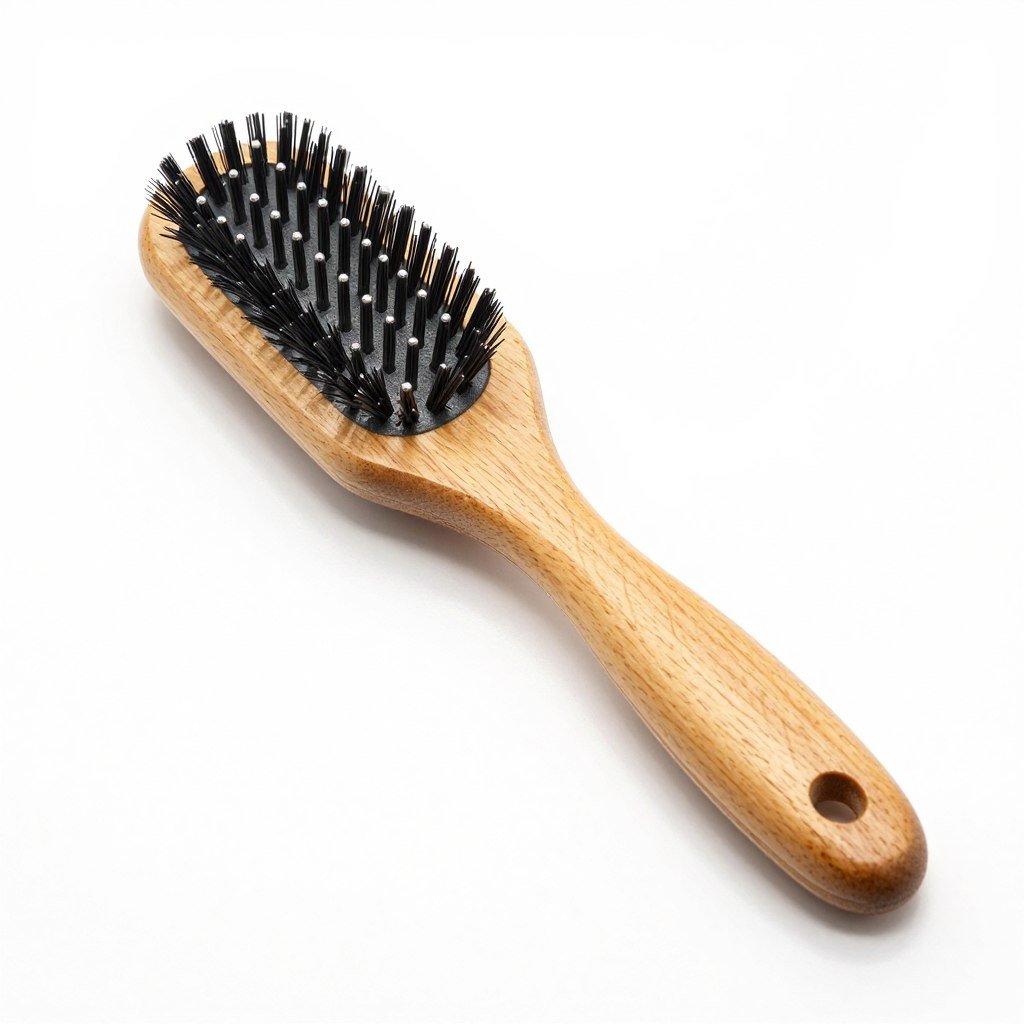
Pin Brush
Essential for daily brushing. Choose brushes with polished metal pins that won’t damage the hair. The pins should have rounded tips to protect skin.
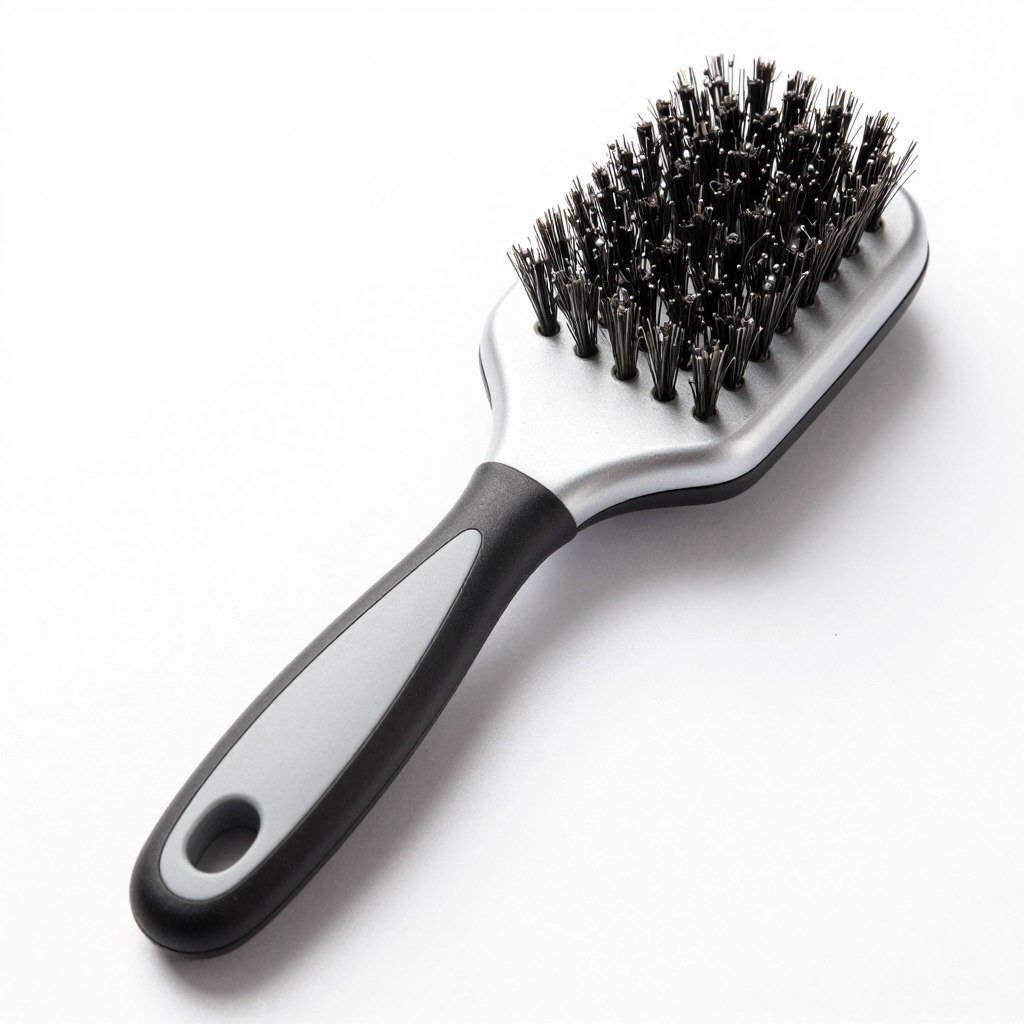
Slicker Brush
Removes tangles and loose hair effectively. Use gentle pressure to avoid scratching skin. Works well on leg feathering and ear hair.
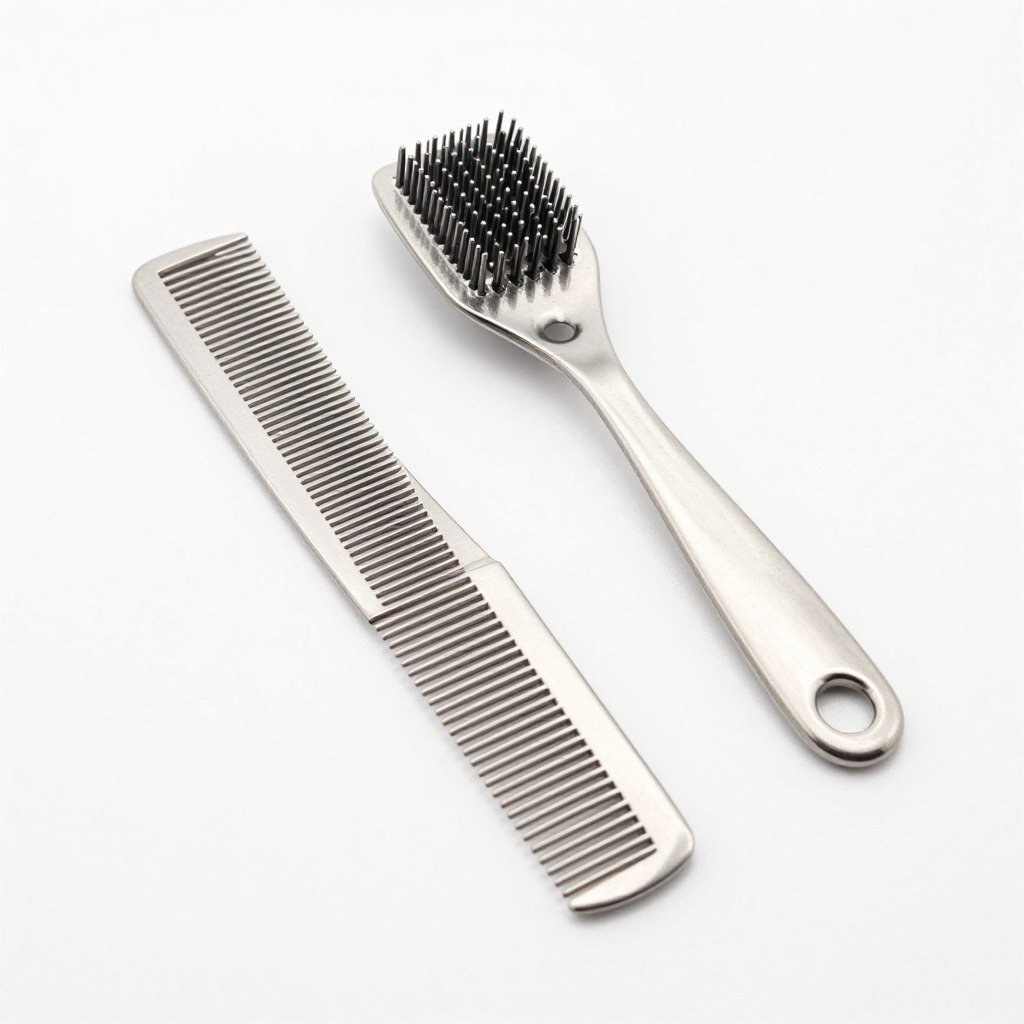
Metal Comb
Finishing tool that reveals remaining tangles. Use after brushing to ensure thorough grooming. Choose combs with both wide and narrow teeth.
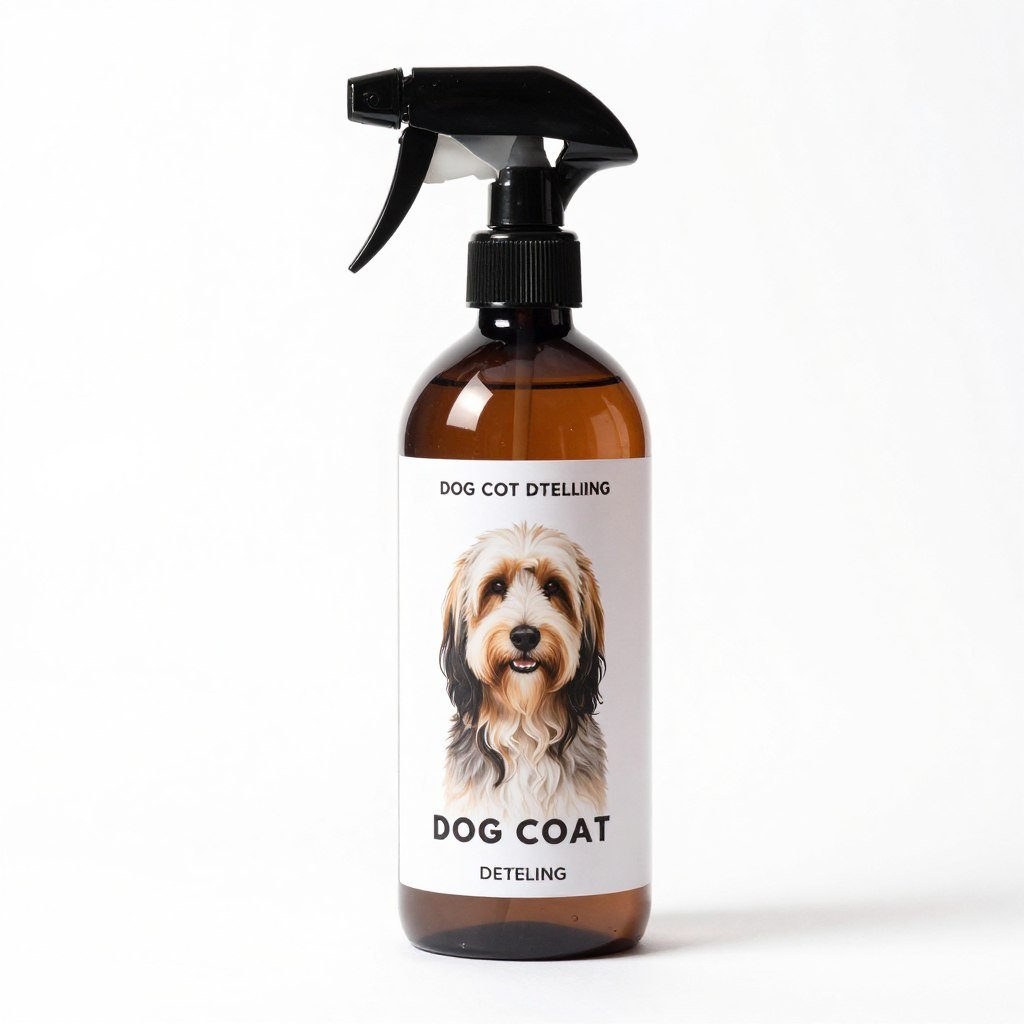
Detangling Spray
Prevents hair breakage during brushing. Makes combing easier and reduces static. Choose products safe for frequent use on Afghan Hound coats.
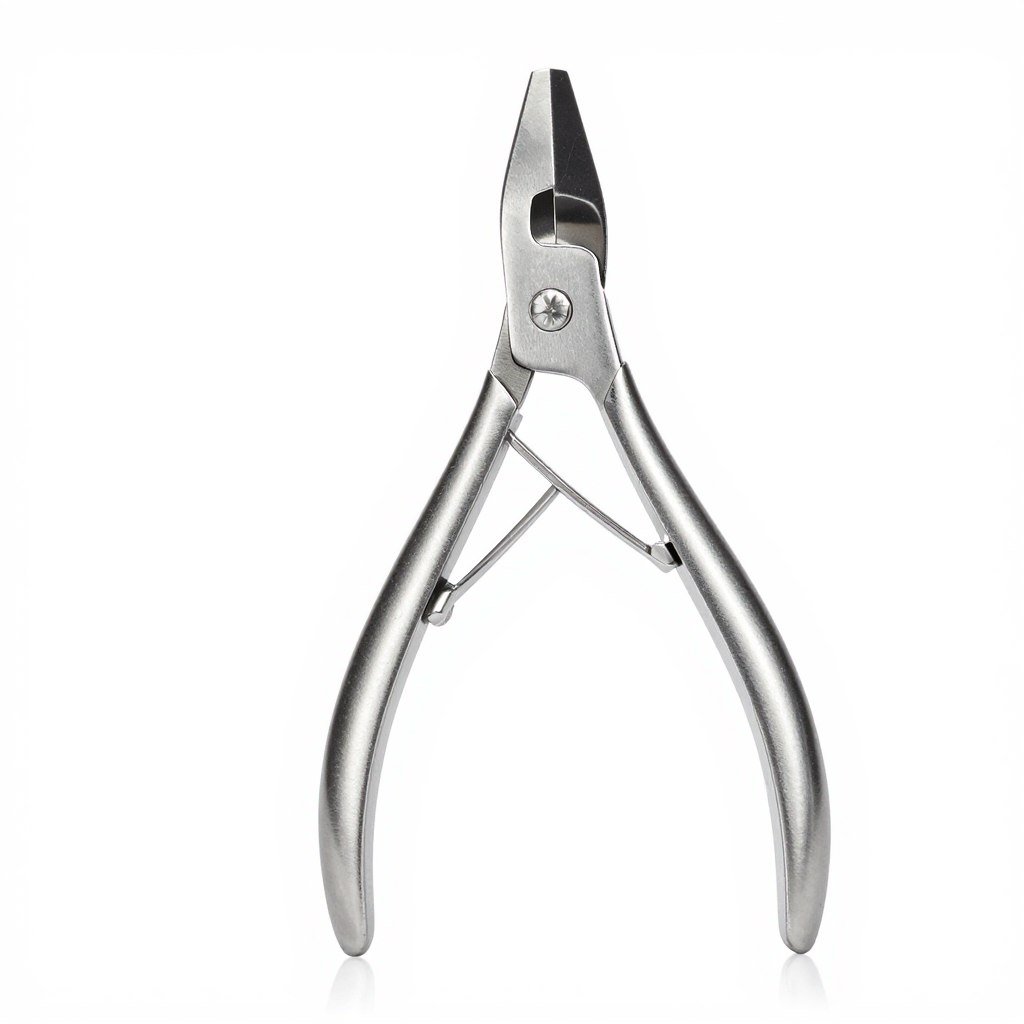
Nail Clippers
Afghan Hounds need regular nail trimming. Choose clippers sized appropriately for large breed dogs. Consider professional grinding tools as alternatives.
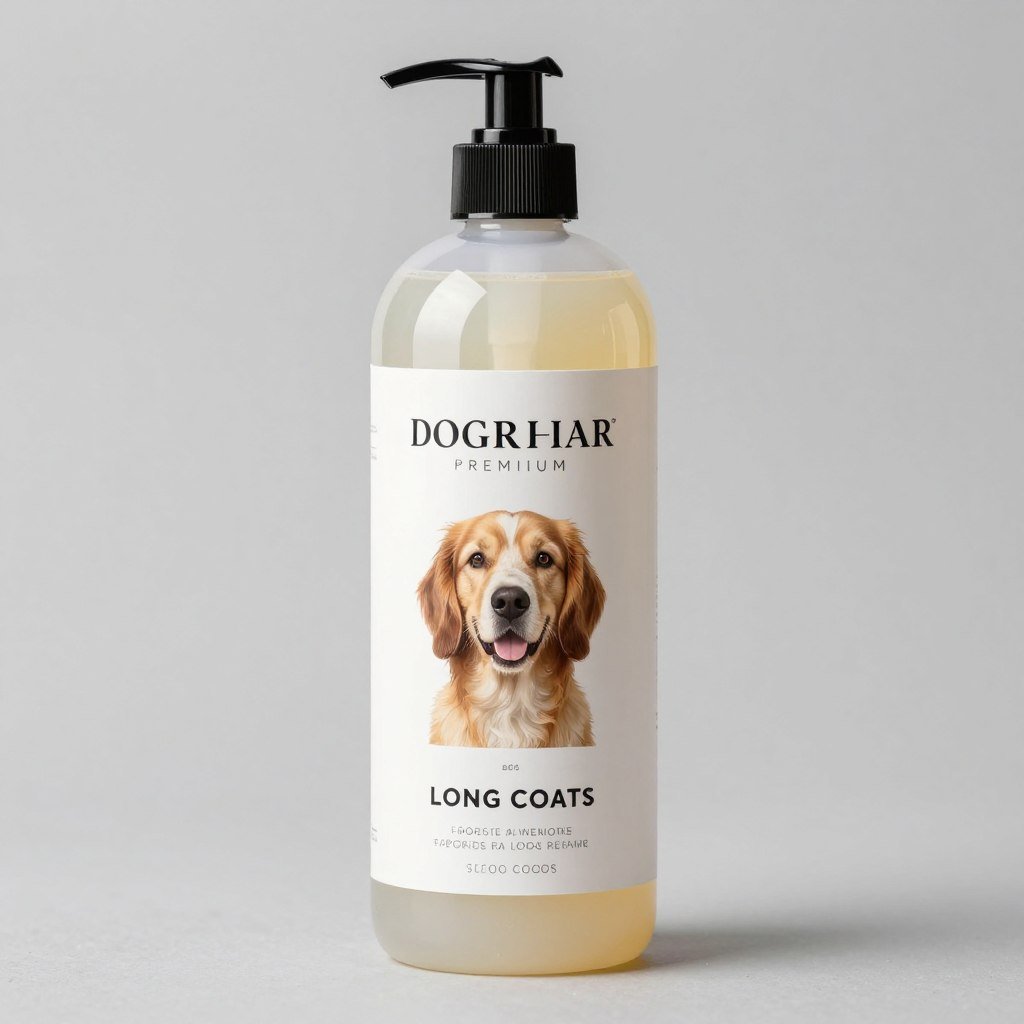
Quality Shampoo
Use shampoos formulated for long, silky coats. Avoid harsh products that strip natural oils. Conditioner helps maintain coat texture and manageability.
Bathing Your Afghan Hound
Afghan Hounds need baths every one to two weeks when in full coat. More frequent bathing helps keep the hair clean and tangle-free. The coat actually tangles less when clean.
Always brush thoroughly before bathing. Wetting tangled hair makes mats worse and nearly impossible to remove. This pre-bath brushing prevents significant grooming problems.
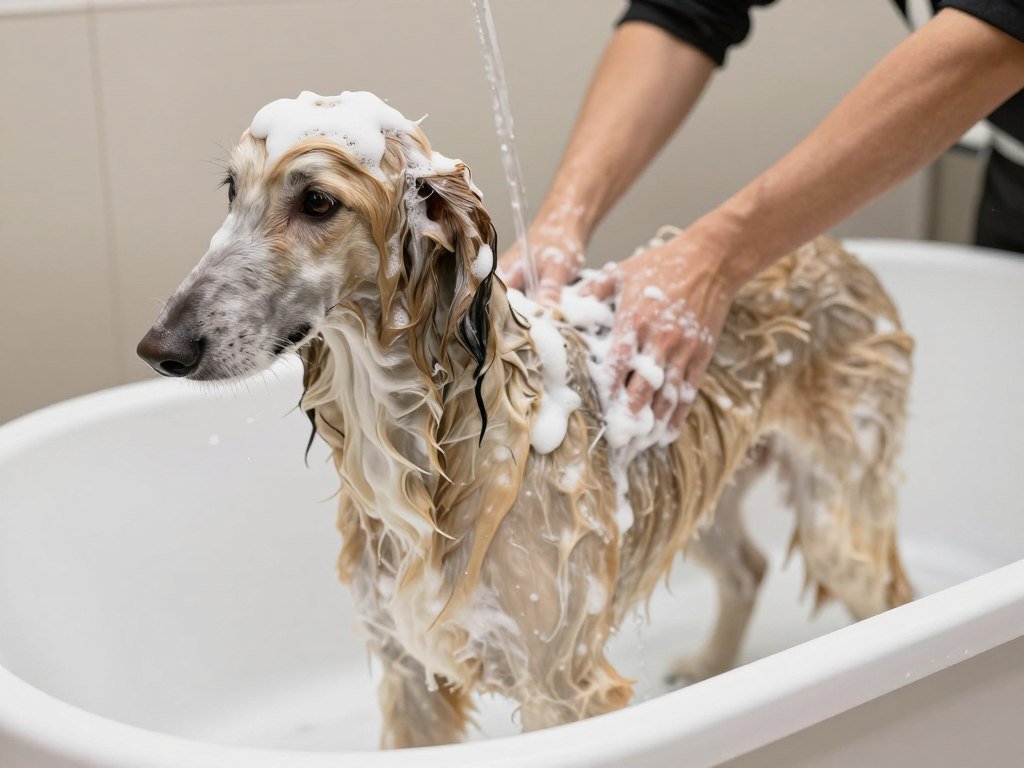
Use lukewarm water during baths. Apply shampoo in sections and work it through the coat gently. Rinse thoroughly to prevent residue buildup that can cause skin irritation.
After shampooing, apply a quality conditioner. This step helps maintain the silky coat texture Afghan Hounds are known for. Leave conditioner on for several minutes before rinsing.
- Daily brushing sessions of 45-60 minutes
- Bathing every 7-10 days
- Professional grooming monthly
- Full coat length maintained
- Regular coat oil treatments
- Wrap coat in protective covering between shows
Show Coat Maintenance
- Daily brushing sessions of 20-30 minutes
- Bathing every 2-3 weeks
- Professional grooming every 6-8 weeks
- Moderate coat length for easier care
- Standard conditioning products
- Trimming problem areas as needed
Pet Coat Maintenance
Drying and Finishing
Never let an Afghan Hound air dry completely. The coat will tangle severely during the drying process. Use a blow dryer while brushing the coat smooth.
Work in sections when drying. Start at the skin and brush the hair straight while directing warm air along the hair shaft. This technique creates the flowing appearance characteristic of the breed.
Problem Areas and Special Attention
Certain areas of the Afghan Hound body require extra grooming attention. The ears, with their long hair, tangle easily and can trap moisture. Check ears daily and brush them thoroughly.
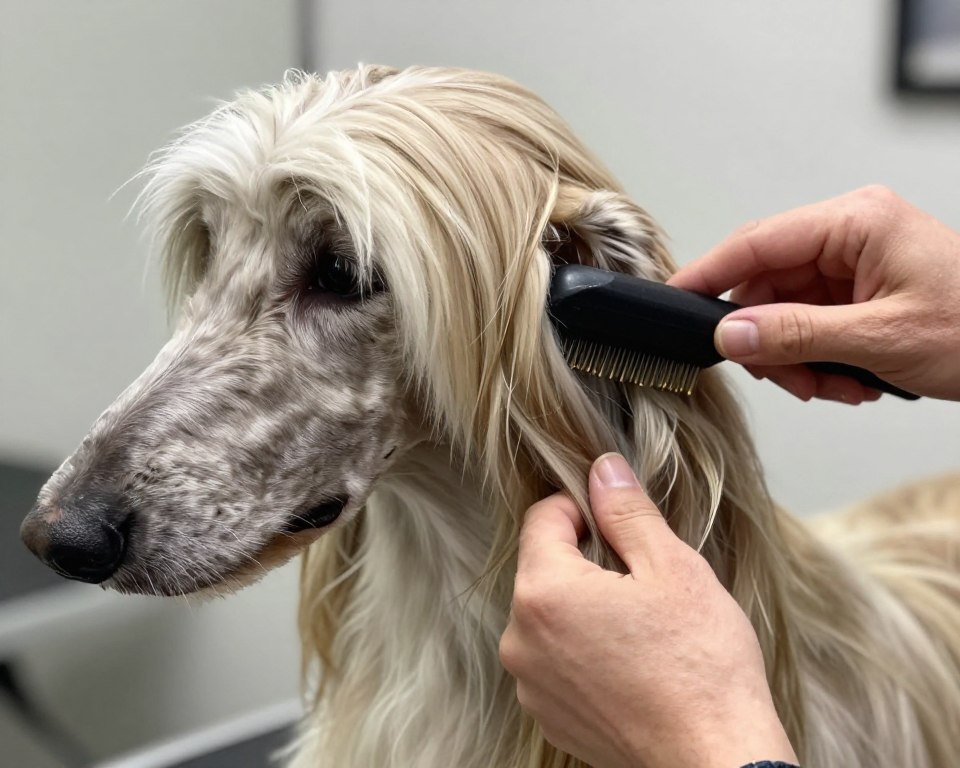
The feathering on the legs collects dirt and debris. These areas may need trimming if the dog spends time outdoors on rough terrain. Keep leg hair clean and mat-free.
The tail plume requires regular attention. Brush it carefully to maintain its ring shape. Some owners braid tail hair between groomings to prevent tangling.
Coat Clipping Options
Many pet owners choose to clip their Afghan Hounds into more manageable coat styles. A shorter coat significantly reduces grooming time. This practical option suits families who want the breed without extreme grooming commitment.
Professional groomers can clip Afghan Hounds into various styles. The puppy clip keeps hair at two to four inches throughout the body. This length maintains the breed’s elegant appearance while easing maintenance.
Need Professional Grooming Help?
Professional groomers experienced with Afghan Hounds can teach you proper techniques and provide regular maintenance services. Find qualified groomers in your area.
Other Grooming Needs
Beyond coat care, Afghan Hounds need regular nail trimming. Their nails grow quickly and can become uncomfortable if neglected. Trim nails every two to three weeks.
Clean ears weekly to prevent infections. Afghan Hounds’ drop ears create a warm, moist environment where bacteria and yeast thrive. Use veterinarian-recommended ear cleaning solutions.
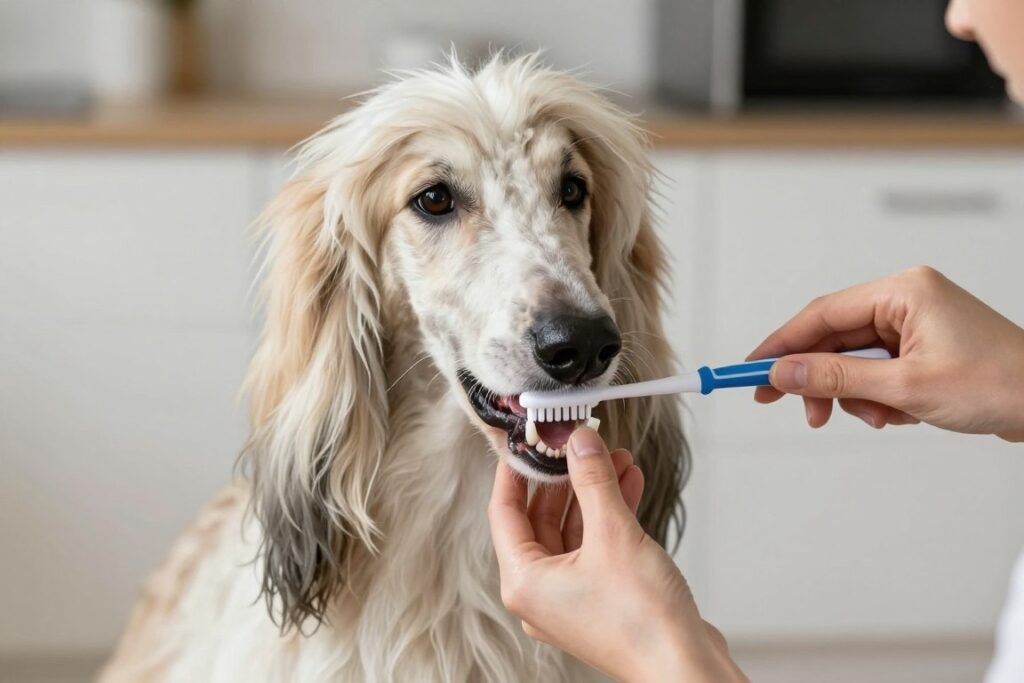
Dental care prevents health problems as Afghan Hounds age. Brush teeth several times weekly using dog-safe toothpaste. Regular dental cleanings by a veterinarian maintain oral health.
Health Considerations and Common Issues
Afghan Hounds generally enjoy good health compared to many purebred dogs. However, like all breeds, they’re predisposed to certain health conditions. Understanding these issues helps owners provide proper preventive care.
Life Expectancy
Afghan Hounds typically live twelve to fourteen years. Some individuals live longer with excellent care, proper nutrition, and regular veterinary attention. This lifespan represents a significant commitment for potential owners.
Hip Dysplasia
Hip dysplasia affects some Afghan Hounds. This condition involves improper formation of the hip joint. The ball and socket don’t fit together correctly, causing pain and arthritis over time.
Responsible breeders screen their breeding stock for hip dysplasia. They obtain clearances from the Orthopedic Foundation for Animals or similar organizations. Ask breeders for health testing documentation before purchasing a puppy.
Maintaining proper weight helps dogs with mild hip dysplasia. Excess weight stresses joints and worsens symptoms. Exercise strengthens supporting muscles but shouldn’t be excessive in affected dogs.
Thyroid Problems
Hypothyroidism occurs in Afghan Hounds more frequently than in some other breeds. This condition results from insufficient thyroid hormone production. Symptoms include weight gain, lethargy, and coat problems.
Veterinarians diagnose thyroid issues through blood tests. Daily medication manages the condition effectively. Most dogs with hypothyroidism live normal, healthy lives with proper treatment.
Eye Conditions
Several eye problems can affect Afghan Hounds. Cataracts develop in some older dogs, clouding the lens and impairing vision. Progressive retinal atrophy causes gradual vision loss leading to blindness.
Annual eye examinations by board-certified veterinary ophthalmologists detect these conditions early. Early detection allows owners to plan for managing vision loss. Some conditions respond to treatment if caught quickly.
Bloat and Gastric Torsion
Afghan Hounds face increased risk of bloat compared to many breeds. Bloat occurs when the stomach fills with gas. In severe cases, the stomach twists, cutting off blood supply. This condition requires emergency surgery.
Emergency Warning Signs of Bloat
Seek immediate veterinary care if your Afghan Hound shows these symptoms: distended abdomen, unsuccessful attempts to vomit, excessive drooling, restlessness, rapid breathing, or signs of pain. Bloat can kill within hours without treatment.
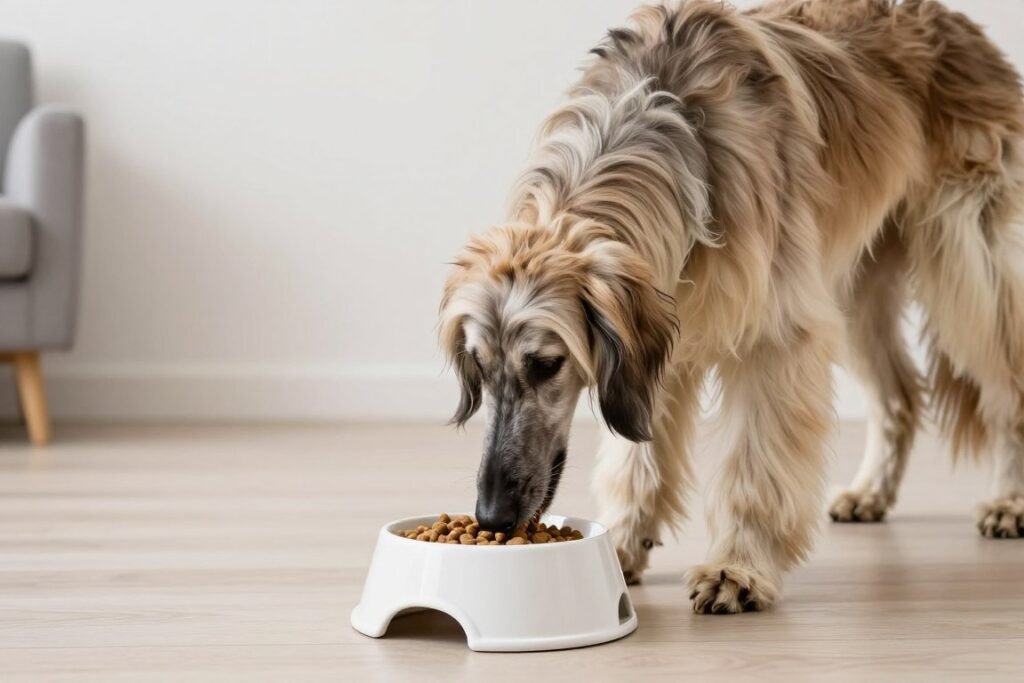
Feeding multiple small meals instead of one large meal reduces bloat risk. Avoid vigorous exercise immediately before or after meals. Use raised food bowls cautiously, as research shows mixed results on their effectiveness.
Allergies
Afghan Hounds can develop allergies to environmental triggers or food ingredients. Symptoms include itchy skin, ear infections, and digestive upset. Identifying the allergen requires systematic testing or elimination diets.
Environmental allergies may respond to antihistamines, medicated shampoos, or immunotherapy. Food allergies require dietary changes to novel protein sources or hydrolyzed protein formulas.
Cancer
Cancer affects Afghan Hounds at rates similar to other large breed dogs. Various cancer types can develop, with some appearing more frequently as dogs age. Regular veterinary examinations help detect cancer early when treatment proves most effective.
Heart Conditions
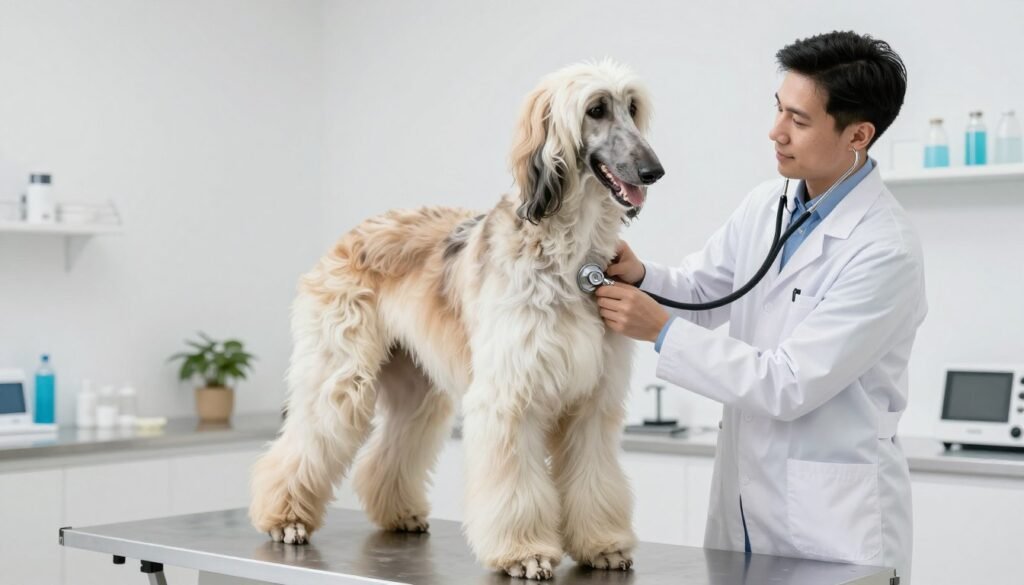
Some Afghan Hounds develop heart problems, though these conditions occur less frequently than in certain other breeds. Regular veterinary check-ups including heart auscultation detect murmurs or irregular rhythms early.
Preventive Health Care
Regular veterinary care prevents many health problems or catches them early. Annual wellness examinations for young dogs transition to twice-yearly visits for seniors over seven years old.
| Health Screening | Frequency | Purpose | Recommended Age to Start |
| Hip Evaluation | Once (breeding dogs) | Detect hip dysplasia | 2 years |
| Eye Examination | Annually | Detect cataracts, PRA | 1 year |
| Thyroid Panel | Every 2-3 years | Monitor thyroid function | 2 years |
| Cardiac Exam | Annually | Detect heart abnormalities | Puppy vaccines |
| Blood Chemistry | Annually (seniors bi-annually) | Overall health screening | 3 years |
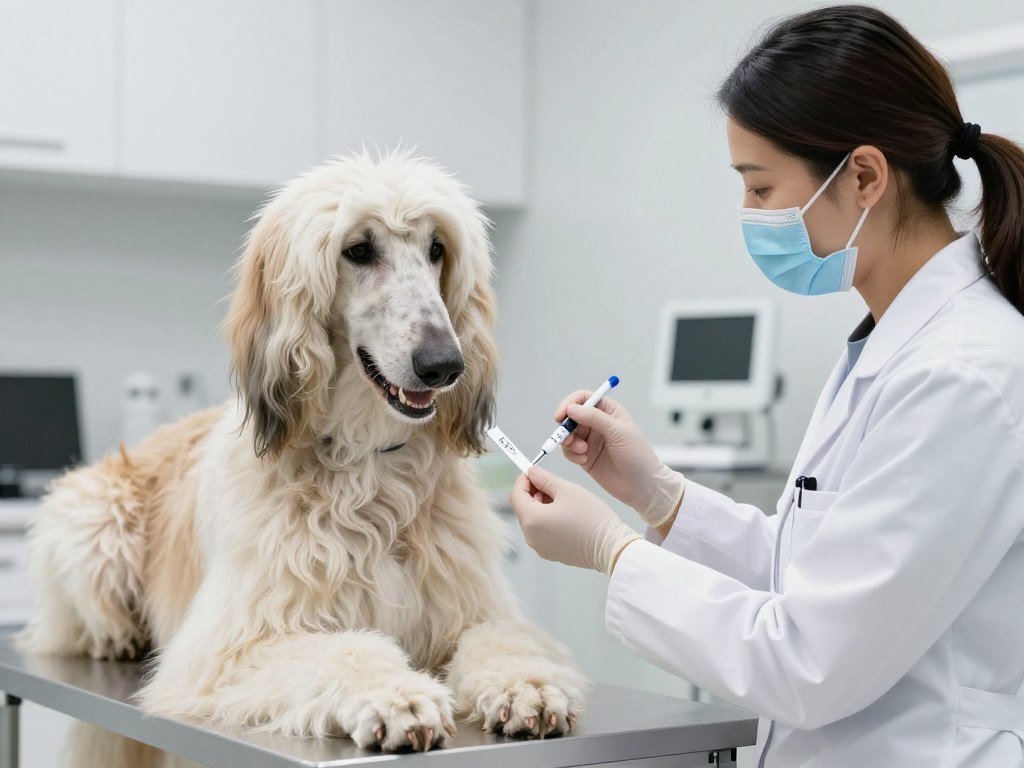
Keep Afghan Hounds current on vaccinations appropriate for their lifestyle and geographic area. Discuss vaccination protocols with your veterinarian. Core vaccines protect against serious diseases like rabies, distemper, and parvovirus.
Parasite prevention maintains health and comfort. Use veterinarian-recommended products to prevent heartworms, fleas, and ticks. These parasites can transmit serious diseases to dogs and sometimes to humans.
Finding Health-Tested Puppies
Reputable breeders provide health testing documentation for parent dogs. This testing helps ensure puppies have the best genetic foundation for long, healthy lives. Never purchase puppies without seeing health clearances.
Training Tips and Exercise Needs for Afghan Hounds
Training an Afghan Hound requires different approaches than many other breeds. Their independent nature and intelligence create unique training challenges. Success comes from understanding their perspective and motivations.
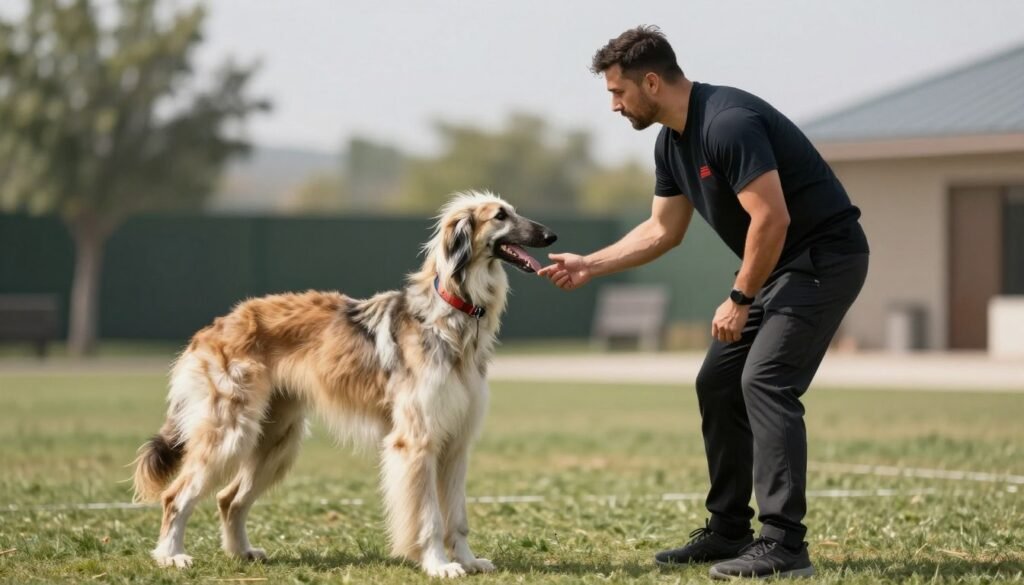
Understanding Afghan Hound Intelligence
Afghan Hounds think independently. They analyze situations rather than responding automatically to commands. This trait made them excellent hunting companions in Afghanistan, where they worked far from their handlers.
Modern training situations don’t always leverage this intelligence effectively. Afghan Hounds don’t see the point in repetitive obedience drills. They need training that engages their minds and respects their thinking abilities.
Don’t interpret their selective response as lack of understanding. Afghan Hounds comprehend commands perfectly. They simply choose when compliance serves their interests.
Effective Training Methods
Positive reinforcement training works best with Afghan Hounds. Harsh corrections damage the trust necessary for training success. These sensitive dogs shut down when treated roughly.
Find what motivates your individual Afghan Hound. Some respond well to food rewards. Others prefer play or praise. Match training rewards to your dog’s preferences for best results.
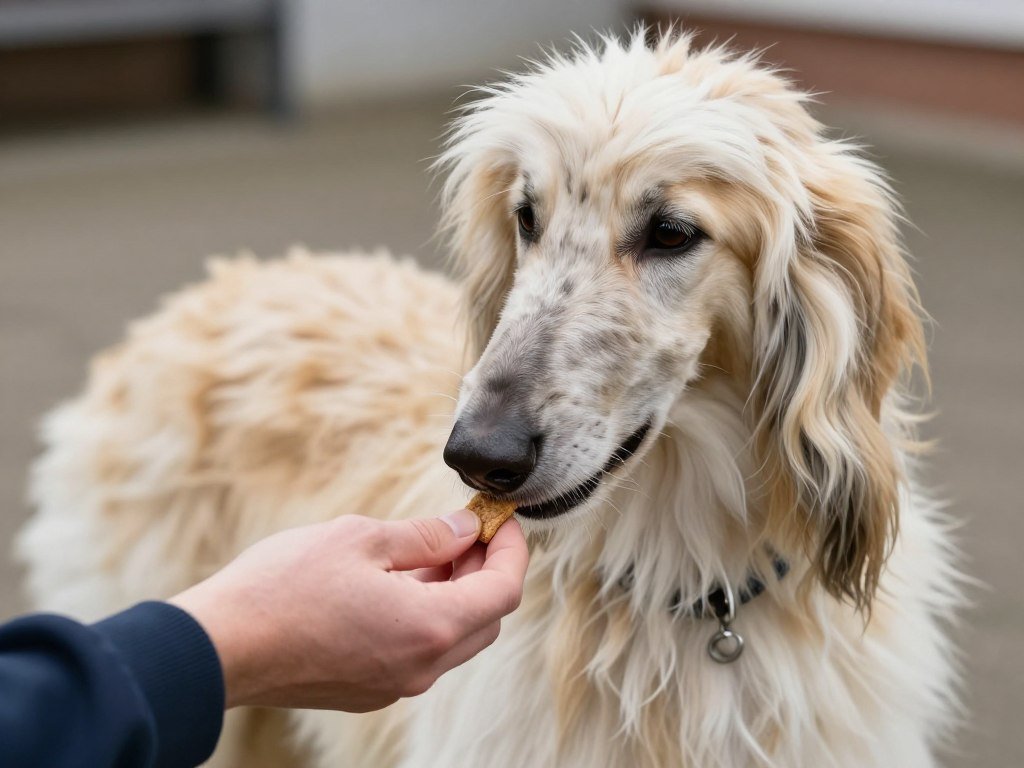
Keep training sessions short and varied. Afghan Hounds lose interest in repetitive exercises quickly. Five to ten minute sessions several times daily prove more effective than longer, boring sessions.
Training Success Formula
Short sessions + high-value rewards + variety + patience = training progress with Afghan Hounds. Adjust your expectations to match the breed’s independent nature rather than comparing them to eager-to-please breeds.
Basic Obedience Training
Start training early with Afghan Hound puppies. Young puppies show more flexibility in learning. Older dogs become increasingly set in their independent ways.
Focus on essential commands that ensure safety and manageability. Recall represents the most critical command for a breed with strong prey drive and tendency to run.
- Recall (come when called)
- Wait at doors and gates
- Drop it (release objects)
- Leave it (ignore distractions)
- Settle on mat or bed
Priority Commands
- Polite greeting behaviors
- Walking on loose leash
- Staying in place reliably
- Going to crate on command
- Accepting grooming procedures
Advanced Skills
Socialization Requirements
Proper socialization shapes Afghan Hound behavior throughout their lives. Expose puppies to various people, animals, environments, and situations during their critical socialization period between three and fourteen weeks of age.
Take puppies to different locations safely after initial vaccinations. Let them experience various surfaces, sounds, and sights. Positive experiences during this window create confident adult dogs.
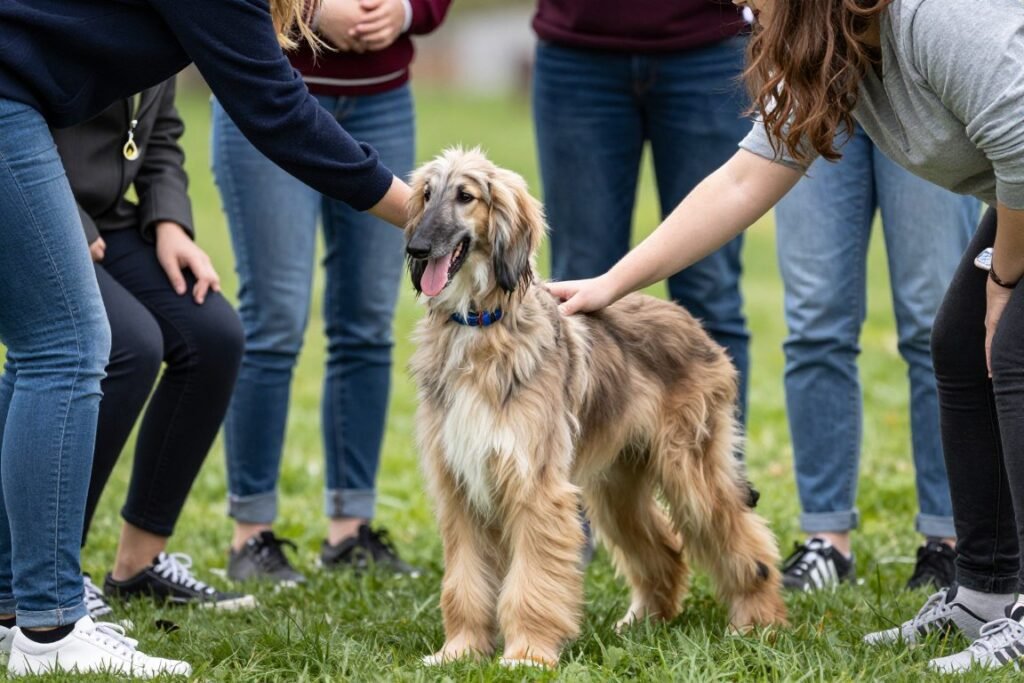
Continue socialization throughout adolescence and adulthood. Regular exposure to the world prevents fearfulness and maintains social skills. Adult Afghan Hounds benefit from ongoing new experiences.
Exercise Needs and Activities
Afghan Hounds need substantial daily exercise despite their calm indoor demeanor. Plan for at least sixty to ninety minutes of activity daily. This exercise should include opportunities for running, not just walking.
These sighthounds love running at high speeds. Provide safe areas where they can sprint freely. Securely fenced spaces prevent them from chasing prey animals into dangerous situations.
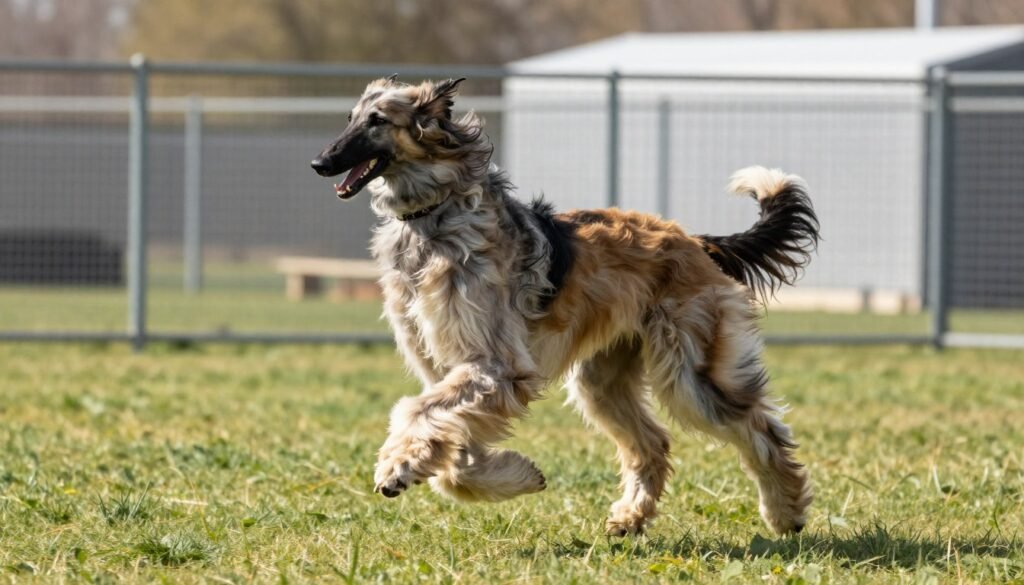
Walking on leash provides mental stimulation and bonding time. However, walks alone don’t satisfy an Afghan Hound’s exercise requirements. They need opportunities for vigorous activity.
Dog Sports and Activities
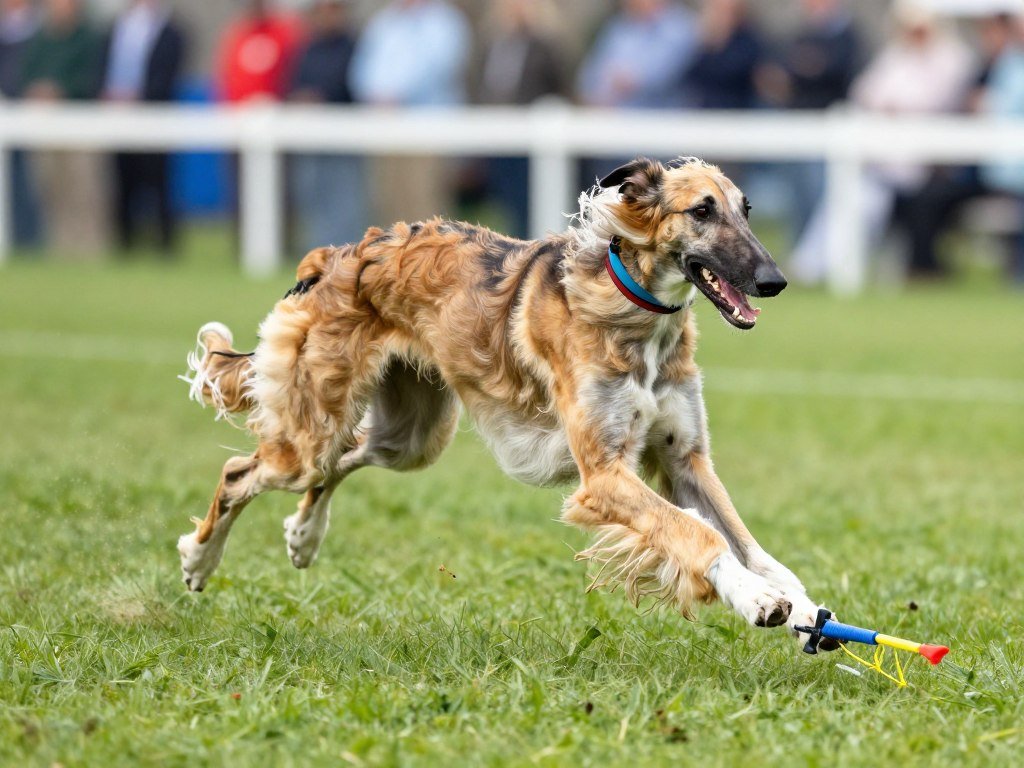
Several dog sports suit Afghan Hound abilities and temperament. Lure coursing appeals to their natural hunting instincts. This sport involves chasing a mechanized lure across a field.
Many Afghan Hounds excel at lure coursing. The activity provides excellent exercise while satisfying their prey drive safely. Regional clubs host regular coursing events where dogs can participate.
Suitable Activities for Afghan Hounds
- Lure coursing competitions
- Conformation dog shows
- Therapy dog work (with proper temperament)
- Hiking in safe areas
- Running alongside bicycles (with training)
- Playing fetch in enclosed spaces
- Participating in parade of breeds events
Conformation showing showcases Afghan Hound beauty and structure. Many owners enjoy the dog show world. Success requires dedication to grooming and presentation plus breeding for breed standard quality.
Some Afghan Hounds work as therapy dogs. Their calm demeanor and striking appearance appeal to people in hospitals and nursing homes. However, their aloof nature means not every Afghan Hound suits this work.
Mental Stimulation Needs
Afghan Hounds need mental exercise along with physical activity. Boredom leads to destructive behaviors or excessive vocalization. Puzzle toys, training games, and new experiences keep their minds engaged.
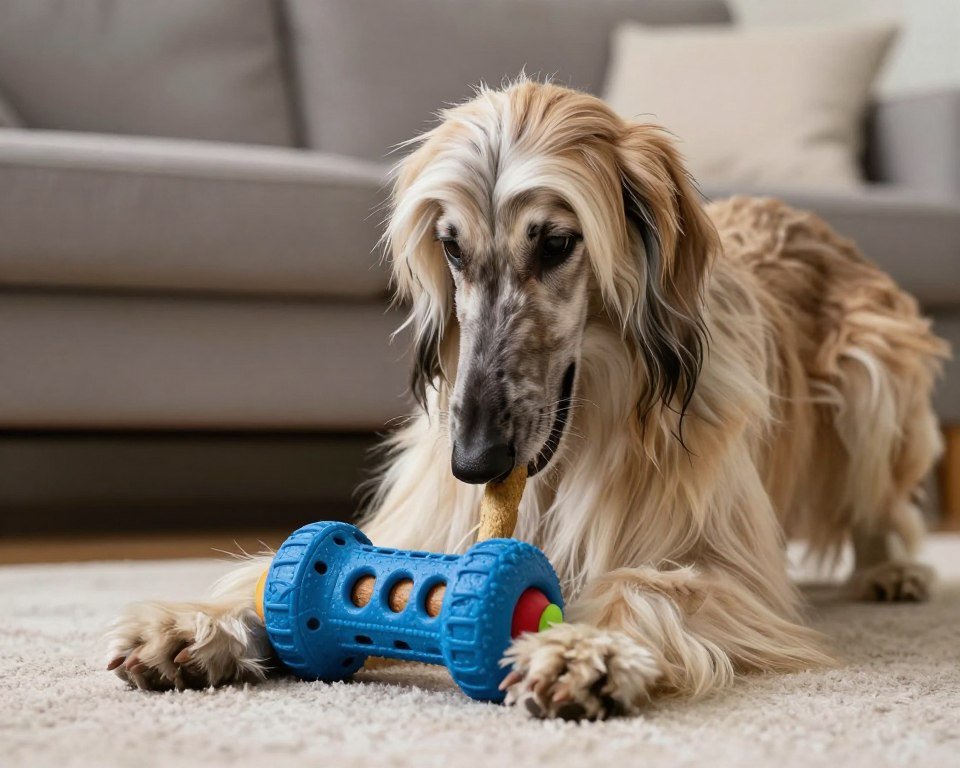
Rotate toys regularly to maintain interest. Provide toys that challenge them to work for treats or kibble. Food puzzle toys occupy Afghan Hounds while you’re away.
Behavior Problem Prevention
Adequate exercise and training prevent most Afghan Hound behavior problems. Bored, under-exercised dogs develop undesirable habits. They may dig, bark excessively, or destroy household items.
Their prey drive creates management challenges. Afghan Hounds will chase cats, squirrels, rabbits, and other small animals. Secure fencing and leash walking in areas with wildlife prevent tragedies.
Never trust an Afghan Hound off leash in unfenced areas. Their hunting instincts override training when they spot potential prey. They can disappear from view in seconds at full speed.
Professional Training Support
Working with trainers experienced in sighthound behavior accelerates training success. Find qualified professionals who understand Afghan Hound temperament and use positive methods.
Is the Afghan Hound the Right Dog for You?
Choosing to add an Afghan Hound to your family requires honest self-assessment. This breed demands significant commitments that don’t suit every household. Understanding whether you can meet their needs prevents disappointment for both dog and owner.
Ideal Afghan Hound Owner Profile
The perfect Afghan Hound owner appreciates independence in their canine companion. They don’t need constant displays of affection or eager-to-please behavior. Instead, they value the breed’s dignity and subtle expressions of loyalty.
Successful owners commit to extensive grooming. They either enjoy the grooming process or can afford professional grooming services regularly. The time and financial investment in coat care never ends.
Afghan Hound owners need secure, fenced yards where dogs can exercise safely. They live in areas where regular lure coursing or similar activities are accessible. Urban dwellers must create exercise plans that meet the breed’s needs.
Living Situation Considerations
Afghan Hounds adapt to various living situations if their exercise needs are met. They can live comfortably in apartments when provided adequate daily activity. However, houses with yards simplify meeting exercise requirements.
These dogs need quiet environments. Chaotic households with constant activity and noise stress Afghan Hounds. They thrive in calm, structured homes where they can retreat to peaceful spaces.
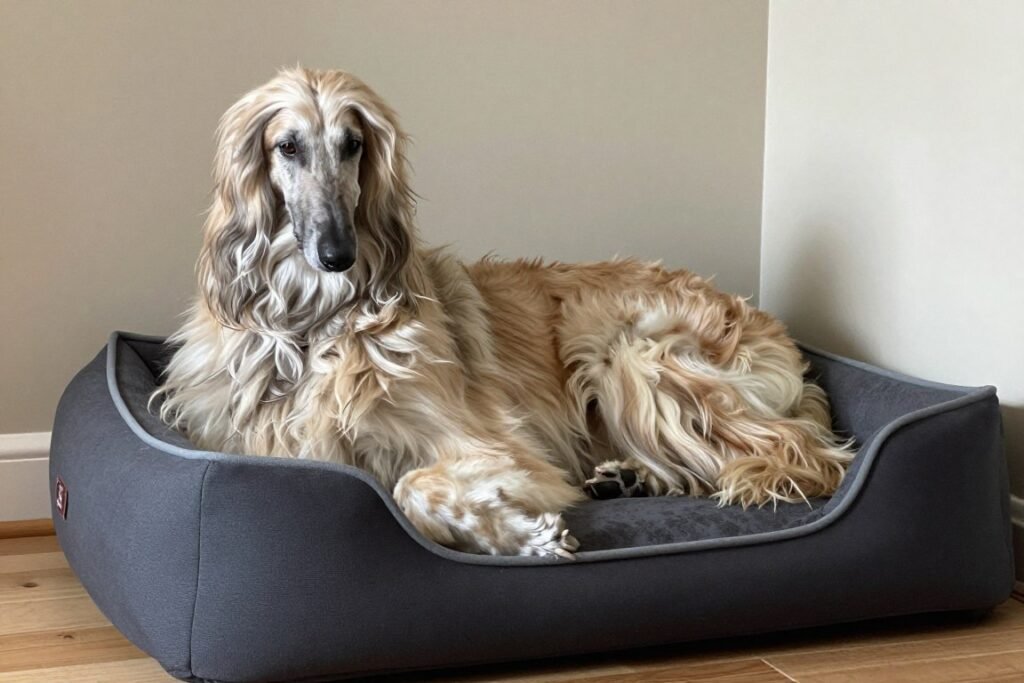
Climate matters less than many assume. Afghan Hounds tolerate cold weather reasonably well due to their coat. However, they appreciate shelter from extreme conditions. Their low body fat means they shouldn’t live outdoors.
Time and Financial Commitments
Afghan Hound ownership requires substantial time investments. Daily grooming takes thirty minutes to one hour depending on coat length. Exercise demands another sixty to ninety minutes. Training and socialization add more time.
Financial considerations extend beyond initial purchase price. Professional grooming every four to eight weeks costs between fifty and one hundred fifty dollars per session depending on location and coat condition.
| Expense Category | Initial Cost | Annual Cost | Lifetime Cost (12 years) |
| Purchase/Adoption | $1,000-$3,000 | N/A | $1,000-$3,000 |
| Initial Supplies | $300-$600 | N/A | $300-$600 |
| Food (Premium Quality) | N/A | $600-$1,200 | $7,200-$14,400 |
| Grooming (Professional) | N/A | $600-$1,800 | $7,200-$21,600 |
| Veterinary Care (Routine) | $200-$400 | $400-$800 | $5,000-$10,000 |
| Training Classes | $200-$500 | $0-$300 | $200-$4,100 |
| Pet Insurance | N/A | $400-$800 | $4,800-$9,600 |
| Miscellaneous | N/A | $300-$600 | $3,600-$7,200 |
Quality food for a fifty to sixty pound dog costs fifty to one hundred dollars monthly. Veterinary care including annual exams, vaccinations, and preventive medications adds several hundred dollars yearly. Emergency veterinary care can cost thousands.
Compatibility with Children and Pets
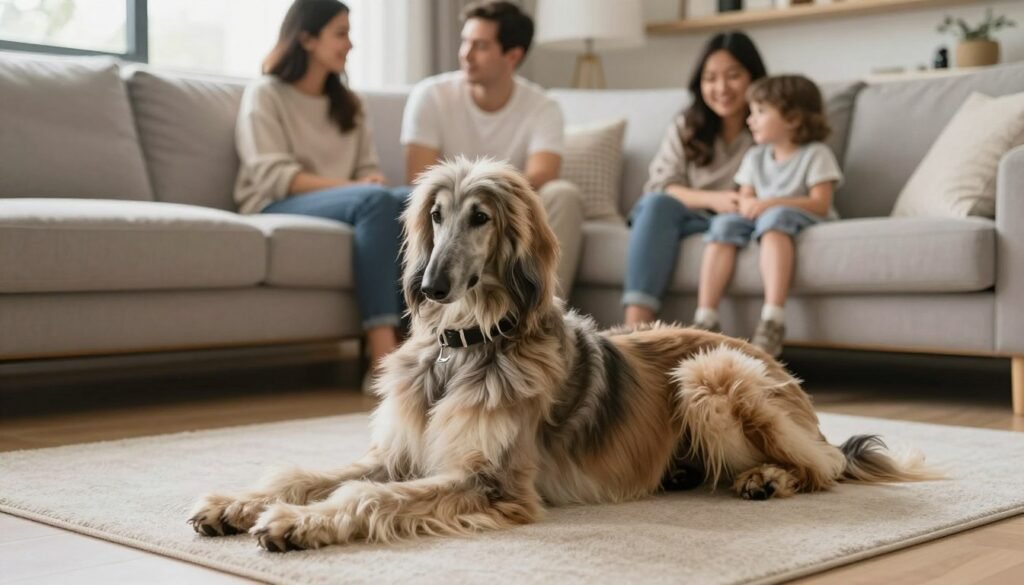
Afghan Hounds can live successfully with children when properly socialized. However, they don’t tolerate rough handling or excessive noise well. Families with very young children might wait until kids are older before adding an Afghan Hound.
Teach children to respect the dog’s space and dignity. Afghan Hounds won’t play endlessly like some breeds. They prefer calm interactions and quiet companionship.
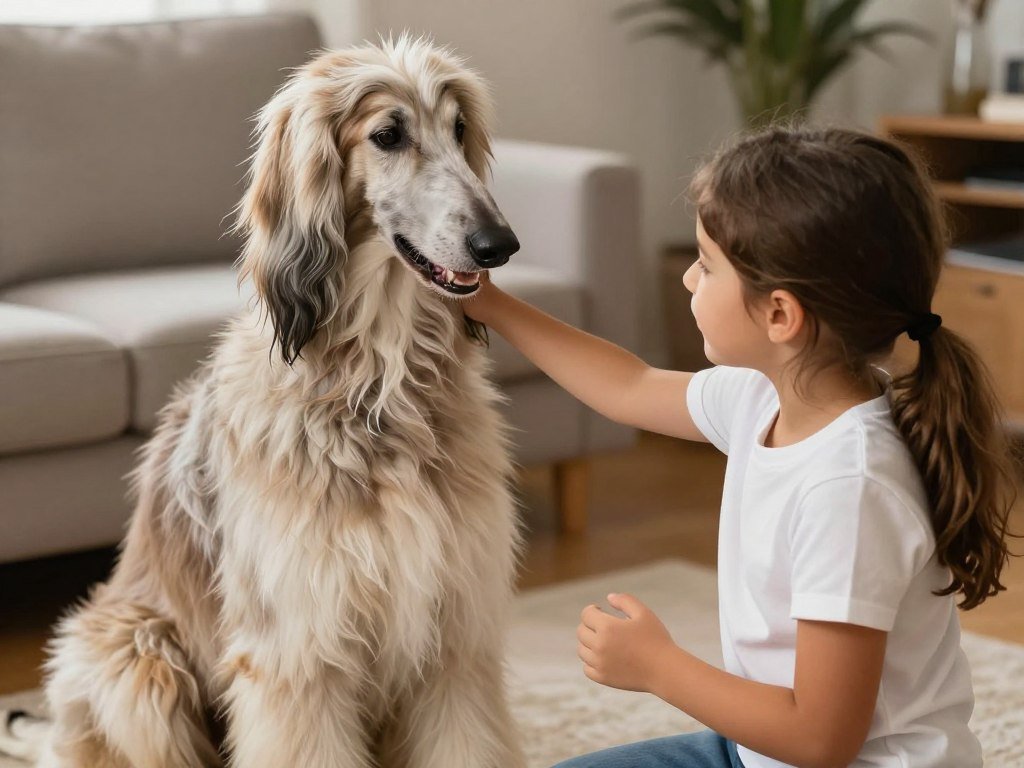
Their strong prey drive complicates relationships with small pets. Afghan Hounds may view cats, rabbits, or small dogs as prey animals. Raising an Afghan Hound with other pets from puppyhood improves chances of peaceful coexistence.
They generally accept other dogs when properly socialized. Some Afghan Hounds prefer living as only dogs. Others enjoy canine companionship. Individual personalities vary widely.
Lifestyle Match Assessment
Afghan Hounds suit people with active lifestyles who also appreciate calm home environments. They need owners who exercise them vigorously, then allow them to relax quietly indoors.
People who travel frequently must arrange appropriate care. Afghan Hounds don’t adapt well to boarding kennels due to their sensitive nature and grooming needs. Professional pet sitters familiar with the breed work better.
Afghan Hounds Thrive With Owners Who
- Commit to extensive daily grooming
- Provide vigorous daily exercise
- Appreciate independent personalities
- Maintain calm, quiet households
- Have secure fenced yards
- Budget for professional grooming
- Understand sighthound behavior
- Value elegance over obedience
Afghan Hounds Struggle With Owners Who
- Want highly obedient, eager-to-please dogs
- Cannot commit to daily grooming
- Lead sedentary lifestyles
- Expect constant affection displays
- Have very young children
- Keep small pets like rabbits
- Lack secure outdoor spaces
- Want low-maintenance breeds
Alternatives to Consider
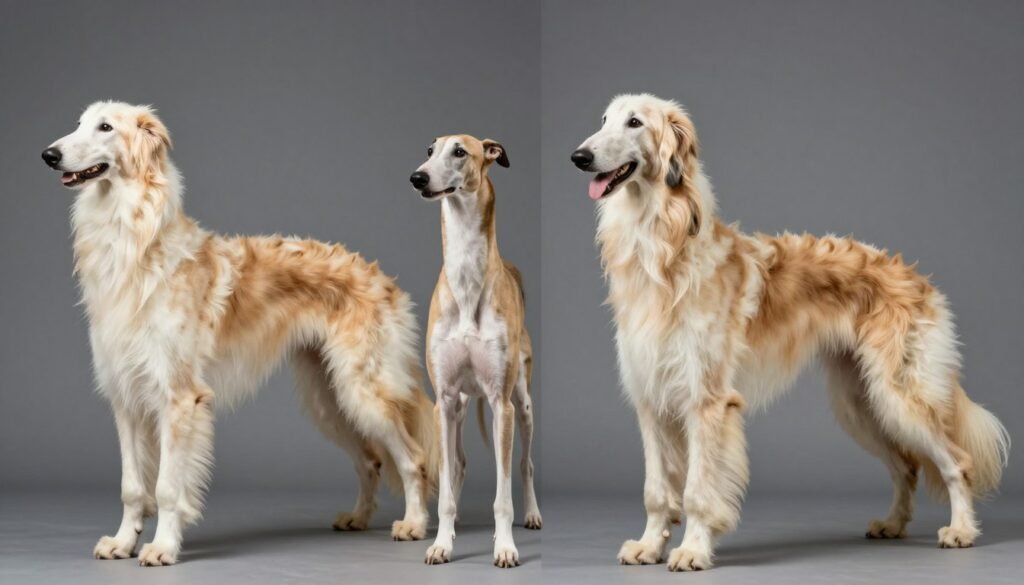
If Afghan Hound requirements seem overwhelming, consider other breeds with similar qualities but different care needs. Salukis offer similar elegance with somewhat easier coat care. Greyhounds provide the sighthound experience without extensive grooming.
Borzoi present another elegant sighthound option. Their coat requires regular brushing but less intensive care than Afghan Hounds. Irish Setters combine beauty and athleticism with friendlier, more outgoing personalities.
Making Your Decision
Visit Afghan Hound breeders to meet the dogs in person. Spending time with the breed reveals whether their personality suits you. Observe their behavior and interaction styles.
Attend dog shows where Afghan Hounds compete. Talk with owners and handlers about their experiences. Ask about daily realities of living with this breed.
Consider fostering an Afghan Hound through breed rescue organizations. This trial period shows whether you can manage the grooming, exercise, and training requirements successfully.
Are Afghan Hounds good for first-time dog owners?
Afghan Hounds generally aren’t recommended for first-time dog owners. Their independent nature, extensive grooming needs, and training challenges require experienced handlers. First-time owners often struggle with the breed’s aloof personality and grooming demands. Consider gaining dog experience with easier breeds before committing to an Afghan Hound.
How much does it cost to maintain an Afghan Hound?
Annual maintenance costs range from two thousand to five thousand dollars depending on location and care choices. Major expenses include professional grooming, quality food, veterinary care, and supplies. Lifetime costs over twelve years typically range from twenty-five thousand to seventy thousand dollars including purchase price and all care expenses.
Can Afghan Hounds live in apartments?
Afghan Hounds can adapt to apartment living if their exercise needs are met consistently. They remain relatively calm indoors but require sixty to ninety minutes of daily exercise including opportunities to run. Apartment dwellers must commit to regular trips to safe, enclosed areas where dogs can sprint freely. Access to dog parks or fenced fields becomes essential.
Do Afghan Hounds get along with cats?
Afghan Hounds have strong prey drives that complicate relationships with cats. They may chase and potentially harm cats, especially those unfamiliar to them. Raising an Afghan Hound with cats from puppyhood improves success rates, but supervision remains necessary. Never trust even well-socialized Afghan Hounds completely around small animals due to their hunting instincts.
How often do Afghan Hounds need grooming?
Afghan Hounds require daily brushing sessions lasting twenty to sixty minutes depending on coat length. Professional grooming every four to eight weeks maintains coat health and manageability. Show dogs need more intensive grooming daily. Pet owners who keep coats clipped shorter reduce grooming time significantly but still need regular maintenance.
Are Afghan Hounds easy to train?
Afghan Hounds rank among the more challenging breeds to train due to their independent thinking. They understand commands but choose when to comply based on their own judgment. Success requires positive reinforcement methods, patience, and realistic expectations. They never achieve the immediate obedience of breeds like German Shepherds or Golden Retrievers.
Ready to Take the Next Step?
Whether you choose to work with a breeder or adopt through rescue, connecting with the Afghan Hound community helps ensure success. Explore your options and find the perfect match for your lifestyle.
Finding Your Afghan Hound: Breeders vs. Rescue
Once you’ve decided an Afghan Hound fits your lifestyle, finding the right dog becomes your next priority. You have two primary options: working with reputable breeders or adopting through rescue organizations. Each path offers distinct advantages and considerations.
Working with Reputable Breeders
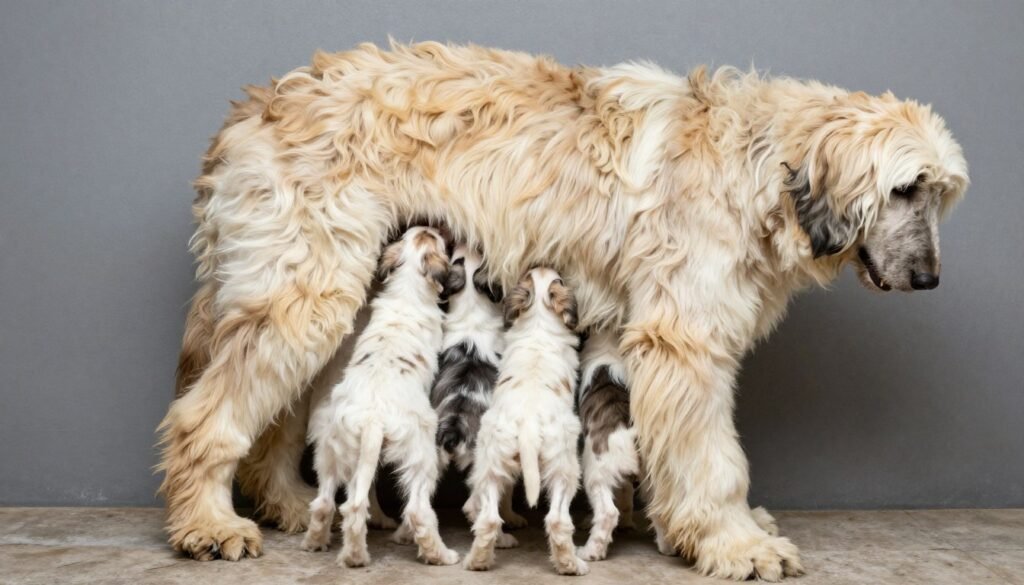
Reputable Afghan Hound breeders prioritize health, temperament, and breed standard adherence. They conduct extensive health testing on breeding dogs. This testing helps ensure puppies have the best genetic foundation possible.
Good breeders belong to the Afghan Hound Club of America or regional breed clubs. They participate in dog shows or other breed events. These activities demonstrate their commitment to breed preservation and improvement.
Expect thorough screening when contacting quality breeders. They ask detailed questions about your lifestyle, experience, and plans for the dog. This vetting process ensures puppies go to appropriate homes.
Questions to Ask Breeders
- What health testing do parent dogs have?
- Can I meet the mother and see where puppies are raised?
- What genetic health guarantees do you provide?
- How do you socialize puppies?
- Will you take the dog back if circumstances change?
- Can you provide references from previous puppy buyers?
- Are you involved in breed clubs or dog shows?
Red Flags to Avoid
- Multiple litters available simultaneously
- Puppies available immediately without waitlist
- Unwilling to show breeding facilities
- No health testing documentation
- Selling puppies younger than eight weeks
- No screening of potential buyers
- Pressure to purchase quickly
What Responsible Breeders Provide
- Health testing certificates for parents
- Written health guarantee
- Vaccination and deworming records
- AKC or UKC registration papers
- Starter supply of current food
- Lifetime breeder support
- Take-back clause in contract
Puppy prices from reputable breeders typically range from one thousand to three thousand dollars. Show-quality puppies from champion bloodlines cost more. Pet-quality puppies from the same litters cost less but still come with health guarantees.
Afghan Hound Rescue and Adoption
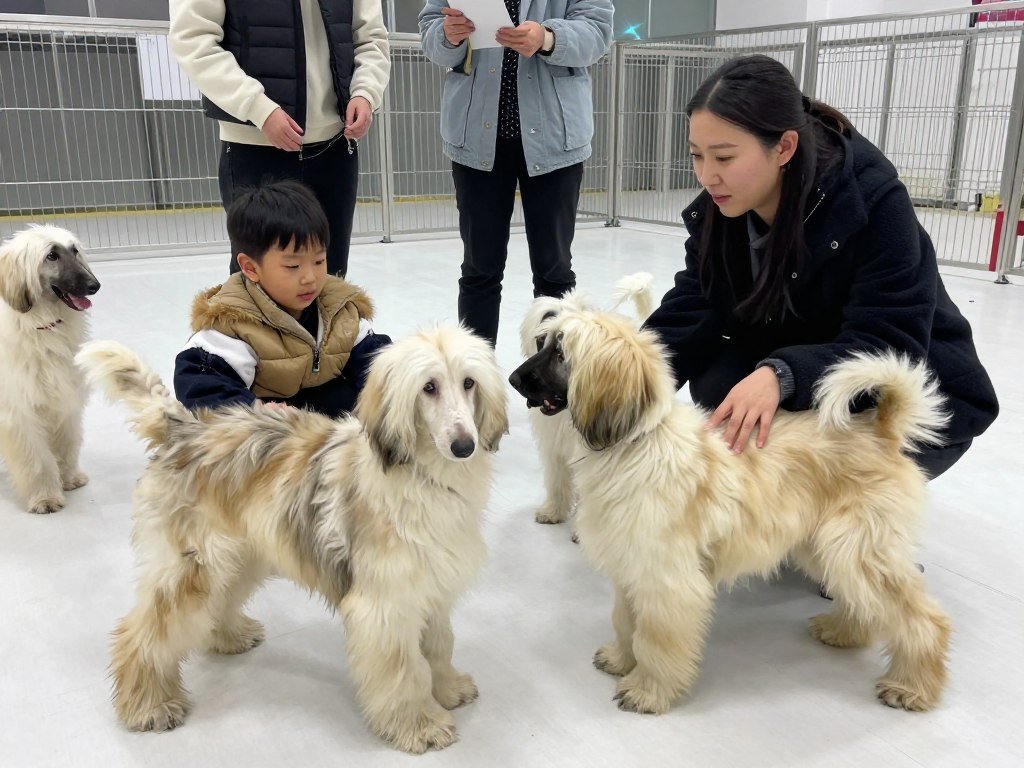
Afghan Hound rescue organizations save dogs from shelters, owner surrenders, and puppy mills. They provide necessary veterinary care, grooming, and behavioral assessment before placing dogs in new homes.
Adoption fees typically range from two hundred to five hundred dollars. This fee covers veterinary expenses including spaying/neutering, vaccinations, and medical treatments. Adopting an adult dog costs significantly less than purchasing a puppy.
Rescue Afghan Hounds come in all ages from puppies to seniors. Many adult dogs need homes through no fault of their own. Common reasons for surrender include owner lifestyle changes, allergies, or underestimating grooming requirements.
Benefits of Adoption
- Lower initial cost than purchasing puppy
- Adult dogs have established personalities
- Many are already house-trained
- Bypasses challenging puppy stage
- Saves a dog’s life
- Rescue provides ongoing support
- Can meet dog before committing
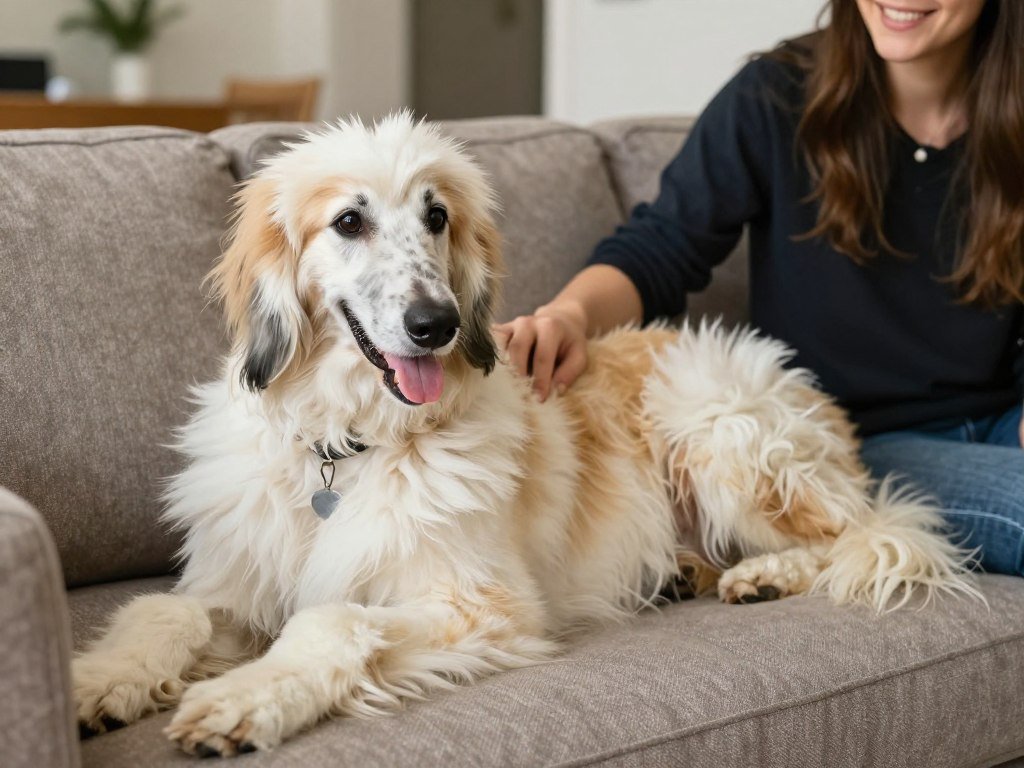
Rescue organizations conduct home visits and application screening. They want to ensure good matches between dogs and adopters. This process protects both dogs and families from incompatible placements.
Afghan Hound Rescue Resources
Several organizations specialize in Afghan Hound rescue:
- Petfinder Afghan Hound Listings
- Afghan Hound Club of America Rescue Network
- Regional sighthound rescue groups
- Local animal shelters (occasionally have Afghan Hounds)
Preparing for Your New Afghan Hound
Before bringing your Afghan Hound home, prepare your house and purchase necessary supplies. Having everything ready reduces stress for both you and your new dog during the transition period.
| Supply Category | Essential Items | Estimated Cost |
| Feeding Supplies | Food bowls, water bowls, elevated stand, quality food | $50-$150 |
| Grooming Tools | Pin brush, slicker brush, comb, nail clippers, shampoo | $100-$200 |
| Sleeping Area | Dog bed, crate, blankets | $75-$250 |
| Walking Equipment | Collar, leash, harness, ID tags | $40-$100 |
| Toys and Enrichment | Chew toys, puzzle toys, interactive games | $30-$80 |
| Health and Safety | First aid kit, cleaning supplies, waste bags | $25-$75 |
Secure your yard before bringing an Afghan Hound home. Check fencing for gaps or weaknesses. Afghan Hounds can jump surprisingly high despite their elegant appearance. Fence height of at least five feet prevents escapes.
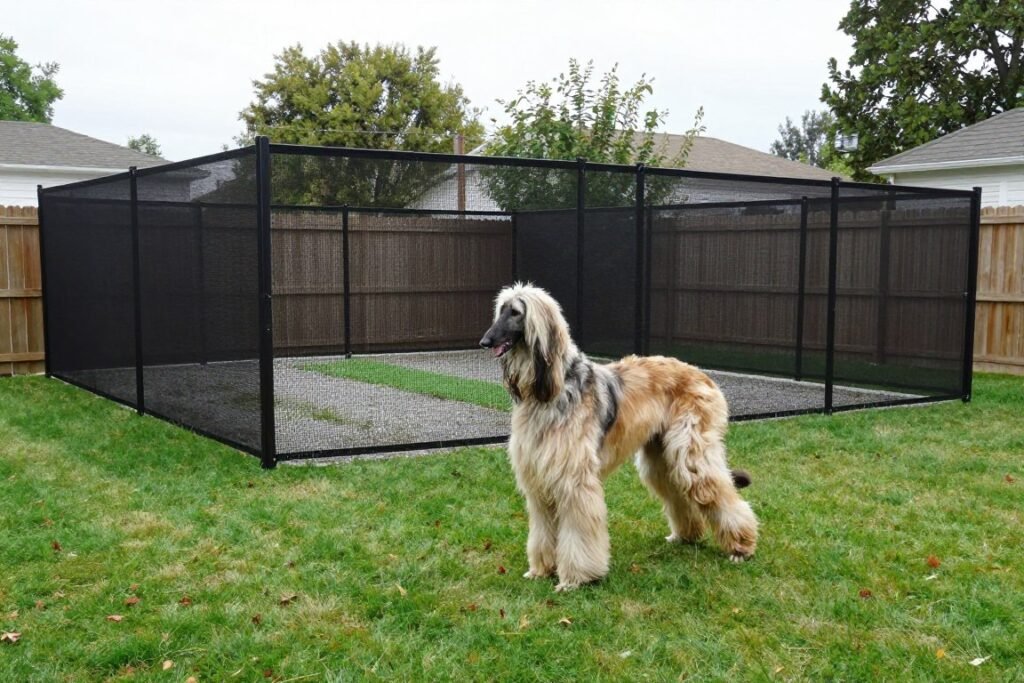
Identify a veterinarian before getting your dog. Schedule a wellness check within the first week of bringing your Afghan Hound home. Establishing veterinary care early ensures health monitoring and builds a relationship with your vet.
Conclusion: Embracing Life with an Afghan Hound
The Afghan Hound represents a unique commitment in the dog world. This breed combines stunning beauty with complex personality traits. Their aloof dignified nature, extensive grooming needs, and independent thinking create challenges that many dog owners aren’t prepared to handle.
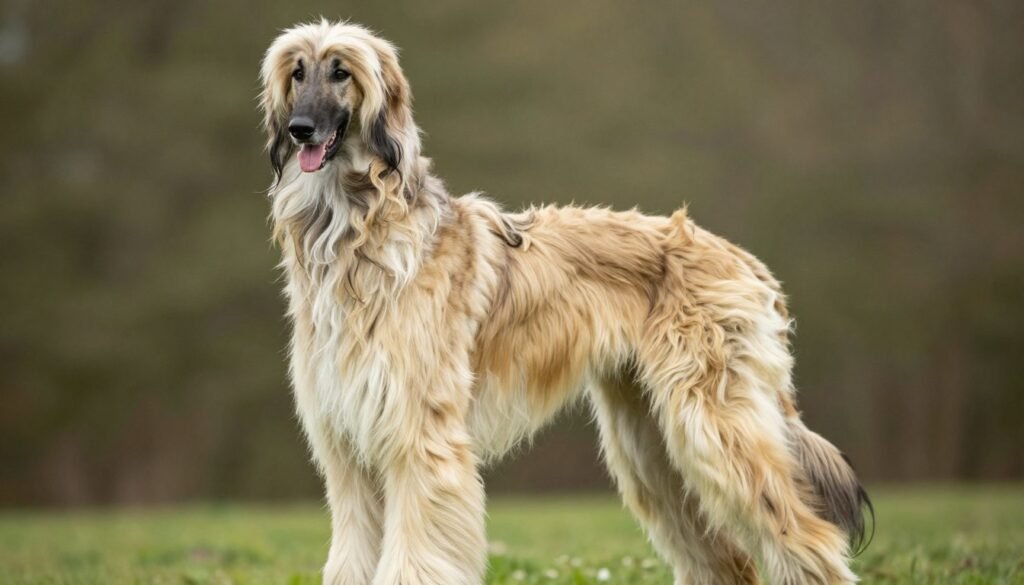
Yet for the right owner, Afghan Hounds offer incomparable rewards. Their elegant presence transforms any space they occupy. The bond they form, while subtle, runs deep and lasting. Watching an Afghan Hound run at full speed demonstrates the breed’s athletic heritage and natural grace.
Success with this breed requires realistic expectations and thorough preparation. Understand the time commitment for daily grooming before bringing an Afghan Hound into your life. Budget for professional grooming services if you can’t maintain the coat yourself.
Recognize that Afghan Hounds won’t behave like eager-to-please breeds. They think independently and choose when to comply with requests. This independence stems from centuries of breeding for autonomous hunting in challenging terrain.
The American Kennel Club and United Kennel Club maintain breed standards that preserve Afghan Hound characteristics. These standards guide breeders in producing healthy dogs that exemplify the breed. Understanding these standards helps you select quality puppies from reputable sources.
Whether you acquire your Afghan Hound from a breeder or through rescue, commit to providing appropriate care throughout their twelve to fourteen year lifespan. This commitment includes daily exercise, regular grooming, ongoing training, and preventive healthcare.
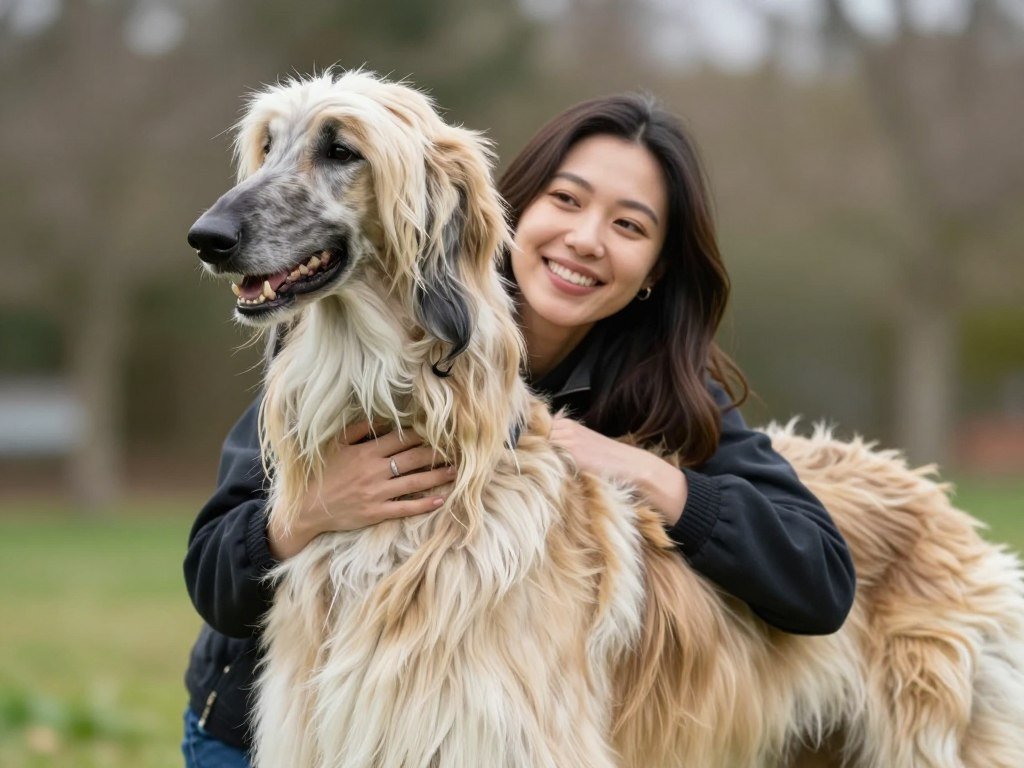
Join the Afghan Hound community through breed clubs and events. These connections provide ongoing support, education, and opportunities to participate in activities your dog enjoys. Lure coursing events, dog shows, and breed meet-ups enrich both your life and your dog’s.
The Afghan Hound breed isn’t for everyone, and that’s perfectly acceptable. Honest assessment of whether this breed suits your lifestyle prevents heartbreak for both dog and owner. If you determine the Afghan Hound isn’t right for you, many other wonderful breeds might better match your needs.
For those who connect with the Afghan Hound’s unique personality and can meet their demanding care requirements, few breeds offer such elegance and grace. Living with these dogs teaches patience, appreciation for independence, and admiration for athletic beauty.
The journey with an Afghan Hound challenges you to become a better dog owner. Their needs push you to develop grooming skills, understand canine behavior more deeply, and appreciate the subtle ways dogs express affection and loyalty.
Final Thoughts
The Afghan Hound represents ancient heritage preserved through careful breeding. When you bring one into your home, you become a steward of this magnificent breed’s future. This responsibility requires dedication, but the rewards of sharing life with such an extraordinary dog make every effort worthwhile.
Take time to research thoroughly, meet dogs in person, and connect with experienced owners before making your final decision. The Afghan Hound breed deserves owners who understand and appreciate their unique qualities fully.
Begin Your Afghan Hound Journey Today
Connect with the Afghan Hound community, find reputable breeders or rescue organizations, and take the first steps toward welcoming this magnificent breed into your life. Your perfect companion awaits.
Whether you’re drawn to their flowing coat, athletic ability, dignified demeanor, or ancient heritage, the Afghan Hound offers a unique canine experience. Approach ownership with eyes wide open to both challenges and rewards, and you’ll find a loyal companion unlike any other breed.

💬 Leave a Comment