
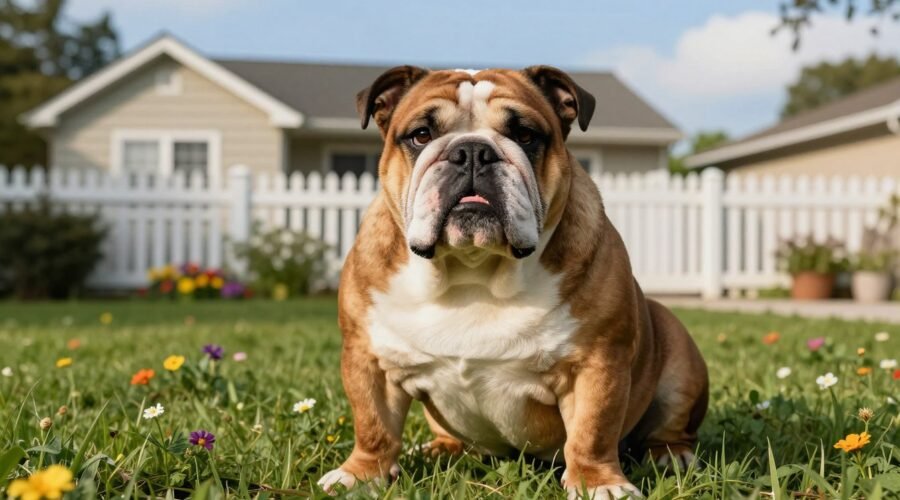
Ever thought about getting a stout, loving pet? Many families love the Bulldog breed for its gentle and unique charm.
The Bulldog is a popular choice for a loyal friend. But, getting one means you need to think carefully and prepare well.
Before looking for Bulldog puppies, think about your daily life and finances. Taking care of a Bulldog is more than just loving them. It means being ready for their health needs and giving them constant attention.
This guide will cover the basics of the Bulldog. Knowing these things will help you make a smart choice for a happy life together.
Key Takeaways
- The breed is widely recognized for its loyal personality and distinctive appearance.
- Prospective owners must assess their lifestyle to ensure it matches the needs of the dog.
- Financial planning is essential to cover the specific health requirements of this breed.
- Thorough research is the best way to prepare for a successful transition.
- Understanding the breed’s temperament helps in building a strong, lasting bond.
Introduction to the Bulldog Breed
Understanding the Bulldog means seeing beyond their strong build to their loving heart. They belong to the Non-Sporting Group. Known for being devoted and friendly, they make great companions for all ages.
What is a Bulldog?
The Bulldog breed is known for its unique look and calm nature. They might seem lazy, but they are actually very attentive and love to please their owners.
These dogs are of moderate size, weighing 40 to 50 pounds. They live about 8 to 10 years. Their Bulldog characteristics include a low build and a steady temperament. This makes them great house pets.
Who Should Consider Owning a Bulldog?
If you want a loyal friend who doesn’t need lots of exercise, a Bulldog could be right for you. They adapt well to city living and quiet homes.
They are perfect if you want a calm and loving pet. They love to be part of family activities. If you’re looking for a patient and gentle pet, a Bulldog is a great choice.
Origin of the Bulldog
The journey of the Bulldog breed is a remarkable tale of evolution and resilience. Today’s dogs are calm and loving, but their ancestors were shaped by a different environment.
Knowing where they come from helps us understand their unique traits. Their development shows a big change in how we value animals as companions.
Historical Background
The Bulldog story starts in 13th-century England. Back then, they were bred for bull-baiting, a brutal sport. They were valued for their strength and tenacity.
After bull-baiting was banned in 1835, the breed’s future changed. Breeders focused on making them gentle and loving. This change turned the Bulldog history from combat to domestic devotion.
- 13th Century: Origins in England as working dogs for bull-baiting.
- 1835: The sport of bull-baiting is officially banned.
- Post-1835: Selective breeding creates the friendly, companion-focused dog we know today.
Cultural Significance
Over time, the Bulldog has become a symbol of courage and loyalty. It’s often seen as a reflection of British spirit. It shows stubborn determination and quiet strength.
Today, the Bulldog breed is known worldwide as a symbol of resilience. Looking into Bulldog history shows how a tough dog became a cherished family pet. It proves that even the toughest beginnings can lead to a legacy of warmth and affection.
Size and Weight of Bulldogs
The Bulldog breed is known for a sturdy build. This requires careful thought about your home. Knowing your pet’s size is key to getting your home ready.
Though they’re medium-sized, their muscular and compact frame makes them seem heavier. This is important when setting up your furniture and choosing sleeping spots.
Typical Size Range
Bulldogs are quite low to the ground. Most adults are about 14 to 15 inches tall at the shoulder.
Their broad shoulders and wide stance make them look iconic. Their low center of gravity makes them stable but not tall.
Weight Guidelines
Weight is a big deal when talking about Bulldog characteristics. Their dense bones and muscles make them heavier than they look.
A healthy adult male usually weighs about 50 pounds. Females weigh around 40 pounds. It’s key to watch their weight to avoid health problems.
| Measurement | Male Bulldog | Female Bulldog |
|---|---|---|
| Average Height | 14–15 inches | 14–15 inches |
| Average Weight | 50 pounds | 40 pounds |
| Build Type | Sturdy/Muscular | Sturdy/Muscular |
Remembering these measurements helps make your home perfect for your new friend. The right environment is essential for your Bulldog to thrive.
Lifespan of Bulldogs
Having a Bulldog is a special journey. It’s important to know what to expect in terms of their lifespan. This knowledge helps you prepare for the long-term commitment of caring for a pet.
Average Lifespan Expectations
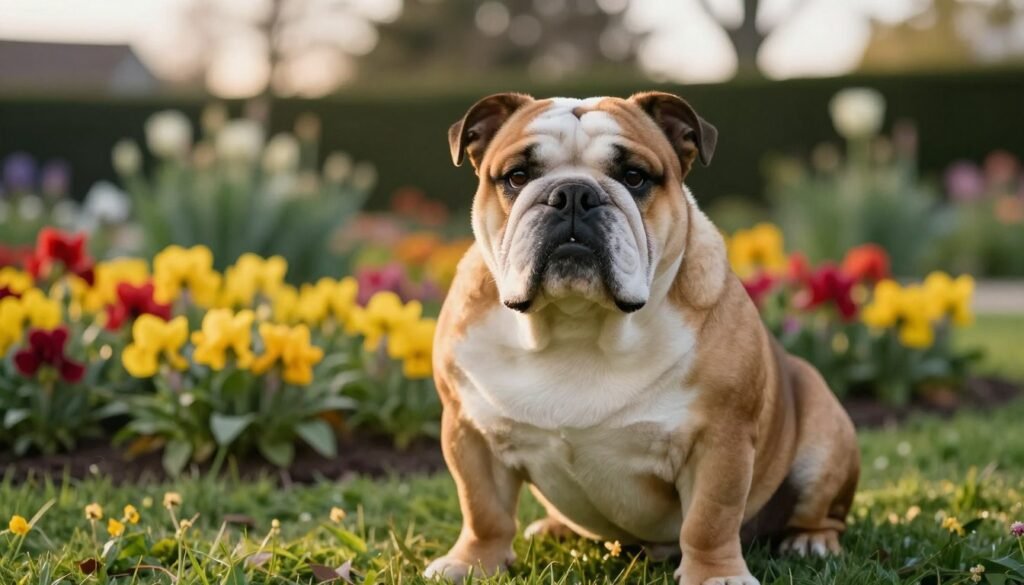
On average, a Bulldog lives between 8 and 12 years. While every dog is different, this range gives you a good starting point for planning.
Remember, the quality of life is just as important as the number of years. Creating a loving environment can greatly improve your pet’s life.
Factors Influencing Longevity
Several factors can help your Bulldog live a long and healthy life. Responsible breeding is key, as it reduces the risk of inherited health problems.
Regular health care is also essential. This includes daily exercise, a balanced diet, and regular vet visits for preventative care.
By being proactive with vet visits, you can catch health issues early. Consistent care and attention to their needs are the best ways to support your Bulldog throughout their life.
Your dedication as an owner greatly impacts their happiness. Choosing a reputable breeder and maintaining a healthy lifestyle for your Bulldog breed ensures they enjoy their golden years fully.
Temperament and Personality Traits
Welcoming a Bulldog into your home means gaining a loving companion. They are known for their calm demeanor and affectionate nature. This makes them a favorite in many homes. Their steady and predictable nature brings joy every day.
General Behavior Characteristics
The Bulldog temperament is a mix of relaxation and devotion. They are known for their easy-going attitude. This allows them to adapt well to different environments and routines.
Whether you live in a quiet home or a busy apartment, they stay calm and content. Key Bulldog characteristics that owners love include:
- Loyalty: They form strong bonds with their human family.
- Affection: They are gentle and loving, always looking for cuddles.
- Patience: Their laid-back nature makes them very tolerant.
Social Behavior with Other Pets
Worried about how a new dog will fit in? Don’t be. The Bulldog breed is friendly and social. They are great in multi-pet homes and rarely show aggression.
They often get along well with dogs and cats. But, early socialization helps them feel confident and happy around new friends. Their gentle nature makes them a reliable companion for your pets.
Energy Level and Activity Needs
The Bulldog breed is known for being calm. But, they need regular movement to stay healthy. Knowing their Bulldog characteristics helps you create a good routine. This keeps them fit without straining them too much.
Daily Exercise Requirements
Exercise for this breed is a moderate commitment. They are not built for long, high-energy activities. They can get too hot in warm weather.
Short, consistent walks are best. Avoid long, strenuous hikes. Watch for signs of fatigue like heavy panting or lagging behind. Make sure they have shade and water in warm months.
Ideal Activities for Bulldogs
Finding the right balance of play is key. They enjoy social interaction, so low-impact games are best. This keeps them engaged and healthy.
Here are some activities to add to your daily routine:
- Gentle walks: Short strolls in cooler morning or evening hours.
- Tug-of-war: A fun game that engages muscles without needing a big space.
- Indoor play: Simple games like hide-and-seek or gentle fetch in a cool place.
Respecting their physical limits keeps your Bulldog happy and active. Remember, rest is just as important as movement. Give them plenty of downtime after any activity.
Family Suitability and Living Conditions
The Bulldog breed is known for being calm and adaptable. They are gentle, making them great for families looking for a loving pet.
It’s important to understand the Bulldog characteristics to create a happy home. While they are laid-back, each dog needs a careful introduction to your family.
Bulldogs and Families
Bulldogs are perfect for families with kids. They are patient and handle kids’ energy well.
But, it’s vital to watch how kids and dogs interact. Dogs need a safe place to go when they’re tired or stressed.
Ideal Living Spaces: Apartment vs. House
The Bulldog is great for any living space. They don’t need much exercise, so they do well in small apartments or big houses.
They are quiet, making them good neighbors. No matter where you live, make sure they have a comfy place to rest.
| Living Factor | Apartment Life | House with Yard |
|---|---|---|
| Activity Level | Low (Needs daily walks) | Low (Enjoys yard play) |
| Space Needs | Minimal | Moderate |
| Noise Level | Very Quiet | Very Quiet |
| Suitability | Excellent | Excellent |
The Bulldog is a great companion for any home. They can make any place feel warm and welcoming, whether you’re a first-time owner or an experienced dog lover.
Pros and Cons of Owning a Bulldog
Thinking about getting a Bulldog? It’s key to know the good and the tough parts of having one. This helps make sure you and your lifestyle fit well with this special dog.

Advantages of Bulldog Ownership
The Bulldog breed is known for being very loving and loyal. They are exceptionally devoted to their families. This makes them great friends for those who like a calm home.
They don’t need a lot of exercise. A short walk and some time indoors is enough. This suits people who like a laid-back life.
Potential Challenges
Despite being wonderful pets, there are things to keep in mind. Bulldog characteristics include health issues that can cost more at the vet. You’ll need to plan for regular check-ups and maybe extra care.
Training can be a challenge. They are smart but can be stubborn. You’ll need to use positive methods to teach them. Also, Bulldog puppies need extra care for their skin and folds to stay comfy.
| Feature | Benefit | Consideration |
|---|---|---|
| Temperament | Loyal and calm | Can be stubborn |
| Activity Level | Low energy needs | Prone to overheating |
| Maintenance | Short coat | Requires skin fold care |
| Health | Predictable needs | Potential vet expenses |
Deciding to get a Bulldog should be thoughtful. Think about if you can give them the care they need. This way, you can have a happy and long-lasting bond with your new pet.
Grooming Needs and Maintenance
Bulldogs need more than just an occasional brush to stay healthy. Their Bulldog breed has a short coat, but they need regular grooming. A daily routine helps you bond with your pet and keeps them clean and comfortable.
Basic Grooming Requirements
Bulldogs shed, even with short hair. They benefit from weekly brushing. Use a soft-bristle brush or a rubber mitt to remove loose fur and spread oils.
Nail trimming is key for Bulldog care. Their nails don’t wear down as much because they’re less active. Check their paws every few weeks and trim the tips to avoid discomfort or walking problems. Consistency is key for a stress-free experience.
Health Considerations Related to Grooming
The Bulldog characteristics include their skin folds. These can trap moisture and debris, leading to skin issues. Clean between these folds with a damp, soft cloth and dry them well.
Ear cleaning is also vital for Bulldog health. Their ears can get wax buildup. Wipe the outer ear canal with a vet-approved solution to prevent problems. By focusing on these hygiene tasks, you protect your pet from common diseases and ensure they’re happy and healthy. Remember, Bulldog care is about more than looks; it’s about their overall health.
Training Difficulty for Bulldogs
Bulldogs are known for their charming personalities. But, they need a thoughtful and consistent training approach. They often have a stubborn streak, which is a key Bulldog characteristic.
Understanding this independent nature is vital for a harmonious relationship with your pet.
Training Approaches and Tips
The best way to train Bulldogs is through positive reinforcement. They are sensitive, so harsh corrections can harm your bond. Reward good behavior with treats, praise, and play to keep them motivated.
Consistency is key when starting Bulldog training. Keep sessions short and fun to avoid boredom or distraction. For more tips, check out resources on managing bulldog behavior.
Socialization Needs
Early socialization is critical for a well-adjusted and confident Bulldog. Introduce them to various environments, sounds, and people early. This helps reduce anxiety in new situations.
Socializing your pet with other animals is also important. Introduce your Bulldog to other pets in a controlled and positive way. This helps them develop healthy social skills. Remember, patience is essential as every Bulldog breed member learns at their own pace.
Common Health Issues in Bulldogs
Welcoming a new pet into your home means knowing about health issues. Knowing about Bulldog health helps you give them the best life. Bulldogs are loving, but they need special care because of their body shape.
Frequently Encountered Health Problems
Bulldogs face certain health problems because of their Bulldog characteristics. Owners should watch for these common issues:
- Skin Sensitivities: Their wrinkles need regular cleaning to avoid moisture and irritation.
- Joint Health: Their strong build can lead to joint pain, so keeping them at a healthy weight is key.
- Digestive Wellness: Bulldogs with sensitive stomachs need high-quality, easy-to-digest food.
Some owners compare Bulldogs to the American Pit Bull Terrier. But Bulldogs have different health needs. Knowing this helps you prevent discomfort.
Preventative Healthcare Tips
Staying proactive can greatly improve your pet’s life. Regular vet visits are key to Bulldog care. These visits help catch problems early.
Good nutrition is also vital for Bulldog health. A balanced diet helps prevent obesity, which can harm joints and breathing. A healthy Bulldog is a happy one, and caring for them will bring years of joy.
Similar Breeds and Alternatives
If you’re drawn to the Bulldog breed but want to explore other options, you’re in the right place. Choosing a new pet is a big decision. It’s important to compare different dogs to find the perfect match for your home.
Many people love the Bulldog’s iconic look. But understanding how other breeds compare can give you valuable insight.
Breeds Similar to Bulldogs
Several breeds share the Bulldog characteristics that many owners find appealing. These include a calm temperament and a sturdy, compact frame. If you enjoy the Bulldog’s personality but want slight variations, consider these popular alternatives:
- French Bulldog: Known as the “Frenchie,” these dogs are smaller, highly affectionate, and well-suited for apartment living.
- Boston Terrier: Known as the “American Gentleman,” they are lively, intelligent, and share a similar short-muzzled appearance.
- Pug: These dogs are famous for their charming, playful nature and are excellent companions for those who want a smaller, social pet.
Alternative Options for Prospective Owners
When searching for Bulldog puppies, consider your lifestyle. Think about your daily activity level, grooming time, and living space. Comparing these factors against other breeds can help you decide if the Bulldog is right for you.
| Breed | Size | Energy Level | Best For |
|---|---|---|---|
| Bulldog | Medium | Low | Relaxed Homes |
| French Bulldog | Small | Low-Moderate | Apartments |
| Boston Terrier | Small | Moderate | Active Families |
Finding a companion that fits seamlessly into your life is the goal. Whether you choose a Bulldog or another breed, research and comparison are key. Your journey toward finding the right canine companion should be exciting and well-informed.
Conclusion: Is a Bulldog Right for You?
Thinking about getting a new dog means considering your lifestyle and daily routine. Bulldogs are charming and loyal, making them great pets for the right person. They need time and resources to meet their specific needs.
Good Bulldog care means focusing on their health and happiness. You now know if a Bulldog fits your home. This choice will lead to a happy life for your pet.
Next Steps in Your Pet-Buying Journey
Begin by contacting the Bulldog Club of America for reputable breeders. You can also check local shelters or rescue groups for a dog in need. Meeting a dog in person helps you understand their personality and energy level.
Further Resources for Bulldog Enhusiasts
Keeping up with Bulldog health is important. Talk to your vet for a care plan. Online forums and breed groups offer tips on training. These steps help you become a well-prepared owner.



💬 Leave a Comment