
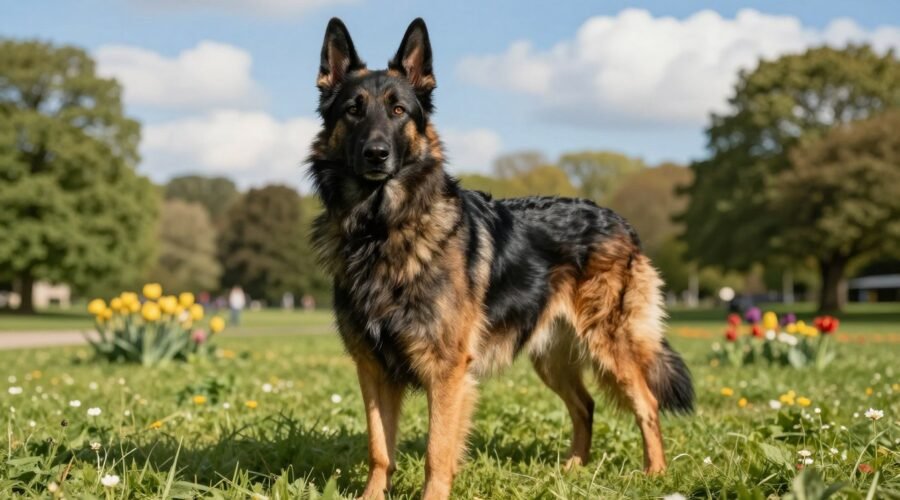
Are you searching for a canine companion that balances high-level intelligence with an unwavering desire to work alongside you? The Belgian Sheepdog is a remarkable animal known for its agility and deep devotion to its human family. Whether you are an active individual or part of a busy household, this highly trainable herder offers a unique blend of grace and stamina.
This breed thrives when given a clear purpose, making it a top choice for those who enjoy outdoor adventures or canine sports. If you are curious about whether this dog fits your specific environment, our team at Dog Breeds Worldwide provides the expert guidance you need to make an informed choice. We are dedicated to helping you understand the history and temperament of every breed we feature.
Key Takeaways
- The breed is celebrated for its exceptional intelligence and trainability.
- It serves as a loyal partner for both active work and home life.
- Prospective owners should be prepared for a dog that requires regular mental and physical stimulation.
- This animal is highly versatile, excelling in various canine sports and tasks.
- Understanding the specific needs of this breed ensures a successful and happy partnership.
What is the Belgian Sheepdog?
The Belgian Sheepdog is a remarkable breed known for its sharp intelligence and deep devotion to its owners. Often recognized by its elegant black coat, this dog combines grace with a strong, athletic build that makes it a standout in any setting.
Overview of the Breed
At its core, this breed is a high-energy worker that thrives when it has a clear job to do. You will find that these dogs are incredibly responsive to their handlers, making them a favorite for those who enjoy active training and outdoor adventures.
- Highly intelligent and quick to learn new commands.
- Deeply loyal to family members and protective of their home.
- Versatile enough to excel in various canine sports and tasks.
History and Origin
When you explore Belgian Sheepdog history, you discover that the breed traces its roots to Belgium in the late 19th century. During this time, local farmers needed a capable, hardy dog to manage their livestock and guard their property.
These early dogs were not yet a standardized breed but rather a diverse group of herding animals. Over time, breeders worked to refine these dogs, eventually creating the distinct, elegant variety that we recognize today.
Purpose and Roles
While they began as essential farm hands, their roles have evolved significantly over the decades. Their natural drive and unmatched work ethic made them perfect candidates for more demanding tasks.
Today, the Belgian Sheepdog is frequently employed in professional fields, including:
- Police and law enforcement support.
- Search and rescue operations.
- Advanced protection and security work.
Even if you are looking for a companion rather than a working dog, their history as a dedicated partner remains a central part of their personality. They bring that same focused energy into your home, ensuring they are always ready to participate in your daily life.
Characteristics of the Belgian Sheepdog
The Belgian Sheepdog is a breed defined by its striking appearance and sharp mind. When you look at this dog, you will immediately notice their unmistakable solid-black coat, which gives them a regal and elegant presence. Understanding these traits is the first step toward building a strong bond with your future companion.
Size and Weight
This breed is generally classified as a medium to large dog. Males typically stand between 24 and 26 inches tall, while females are slightly smaller, ranging from 22 to 24 inches.
In terms of weight, you can expect a healthy adult to weigh between 45 and 75 pounds. Their athletic build allows them to move with grace and speed, reflecting their history as agile working dogs.
Lifespan
Providing proper care and nutrition is vital for the longevity of your pet. On average, the Belgian Sheepdog breed enjoys a lifespan of 12 to 14 years.
Regular veterinary checkups and an active lifestyle help ensure they stay healthy throughout their senior years. Consistent attention to their physical needs often rewards owners with many happy years of companionship.
Temperament
The Belgian Sheepdog temperament is marked by high intelligence and a deep sense of loyalty to their family. They are naturally alert, making them excellent watchdogs who remain devoted to those they love.
Because of their sharp instincts, they thrive when given clear guidance and consistent training. To better understand their nature, consider these key behavioral traits:
- Highly observant: They are always aware of their surroundings.
- Eager to learn: Their intelligence makes them very responsive to positive reinforcement.
- Deeply affectionate: They form strong, lasting bonds with their primary caregivers.
By focusing on these Belgian Sheepdog characteristics, you can create an environment where your dog feels secure and valued. Whether you are an experienced owner or a beginner, appreciating these traits will help you provide the best possible life for your pet.
Energy Level and Activity Needs
Bringing a Belgian Sheepdog into your home means committing to an active and engaging lifestyle. These dogs possess a natural drive that makes them unsuitable for sedentary living. If you enjoy being outdoors and staying on the move, you will find this breed to be an enthusiastic partner in all your adventures.
Daily Exercise Requirements
Because of their working heritage, these dogs require significant physical exertion every single day. A simple walk around the block is rarely enough to satisfy their needs. You should plan for at least an hour of vigorous activity, such as jogging, hiking, or playing fetch in a secure area.
Consistency is the key to keeping your Belgian Sheepdog physically fit and emotionally balanced. Without a proper outlet for their energy, they may become restless or develop unwanted habits. Providing a structured routine helps them understand when it is time to work and when it is time to rest.
Play and Mental Stimulation
Physical exercise is only half of the equation for this intelligent breed. You must also provide consistent mental stimulation to keep their sharp minds occupied. Incorporating puzzle toys, scent work, or advanced obedience training sessions can make a world of difference.
Interactive play is a fantastic way to bond with your dog while challenging their problem-solving skills. By mixing physical movement with cognitive tasks, you ensure your Belgian Sheepdog remains happy, healthy, and well-adjusted. Remember that a tired dog is a content dog, and these clever companions truly thrive when they have a meaningful job to perform.
Personality Traits of the Belgian Sheepdog
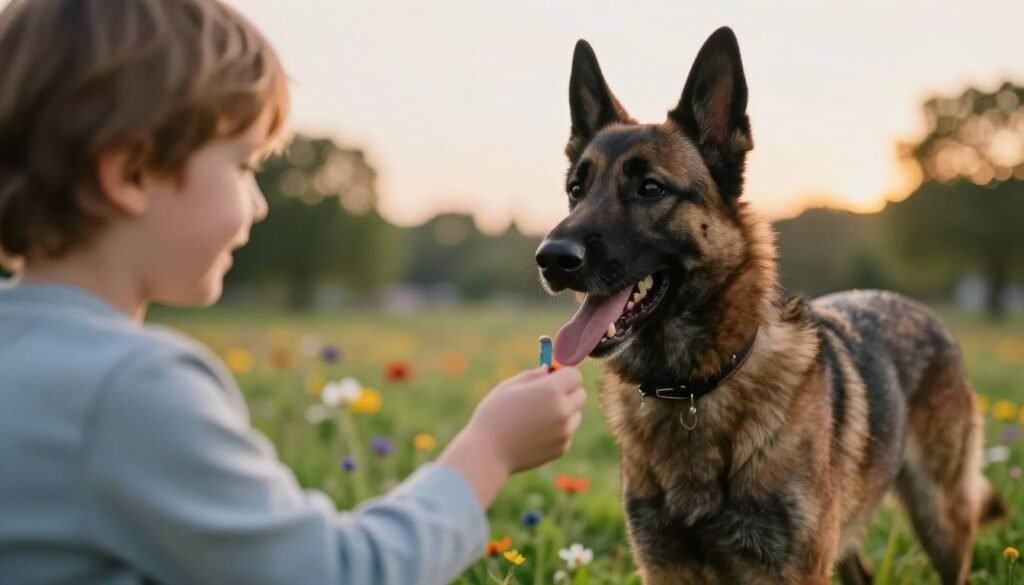
If you are curious about the Belgian Sheepdog temperament, you will find a breed that is as sensitive as it is hardworking. These dogs are not just simple laborers; they are complex companions that thrive on deep emotional connections with their owners.
Affectionate and Loyal
While they are known for their incredible work ethic, these dogs are also sensitive souls who crave human companionship. They often form an unbreakable bond with their primary caregiver, preferring to stay close by your side throughout the day.
You can expect your dog to be a devoted shadow. Their loyalty is profound, making them excellent partners for those who enjoy spending quality time with their pets.
Intelligent and Trainable
The Belgian Sheepdog is widely recognized for its sharp mind and eagerness to learn. Because they are so bright, they pick up on commands and routines much faster than many other breeds.
This high level of intelligence means they require consistent mental engagement to stay happy. When you provide them with clear guidance, they respond with enthusiasm and precision.
Alert but Friendly
Their natural instinct is to watch over their environment, which makes them naturally alert. However, this does not mean they are aggressive; they are simply observant of their surroundings.
With proper socialization, they learn to distinguish between normal activity and potential threats. They are generally friendly toward those they know and trust, maintaining a balanced demeanor.
| Trait | Description | Impact on Owner |
|---|---|---|
| Loyalty | Deeply devoted to family | Requires consistent presence |
| Intelligence | Highly observant and quick | Needs mental stimulation |
| Sensitivity | Responds to human mood | Benefits from positive reinforcement |
Understanding the Belgian Sheepdog personality helps you prepare for a rewarding life together. By respecting their need for both activity and affection, you will build a strong, lasting friendship.
Is the Belgian Sheepdog Right for Families?
If you are considering a new canine companion, you might be curious about the family-friendly nature of the Belgian Sheepdog. These dogs are widely recognized for their deep loyalty and affectionate bond with their human pack. When you provide them with proper training and early socialization, they can become wonderful, protective members of your household.
Suitability for Children
The Belgian Sheepdog is generally known for being gentle and patient with children. Because of their high intelligence, they often form a strong, protective attachment to the younger members of the family. However, you should always supervise interactions between young children and any dog to ensure safety for everyone involved.
Compatibility with Other Pets
When raised together, this breed often gets along well with other household pets. Their natural herding instincts mean they may try to “keep track” of other animals, which is a normal behavior for the breed. Early exposure to cats and other dogs helps them learn to coexist peacefully in a shared space.
Ideal Home Environment
Determining if this breed is a good match for you depends on your lifestyle and activity level. You can learn more about whether a Belgian Sheepdog is right for you by assessing your daily routine. They are not typically recommended for small apartments, as they thrive in homes with ample space to move and play.
| Feature | Requirement | Suitability |
|---|---|---|
| Living Space | Large Yard | High |
| Family Time | Active Engagement | High |
| First-time Owners | Requires Experience | Moderate |
| Apartment Living | Not Recommended | Low |
Pros and Cons of Owning a Belgian Sheepdog
If you are considering a Belgian Sheepdog, it is essential to look at the full picture of what life with this dog entails. While these dogs are incredibly rewarding, they require a specific type of owner who is ready for an active lifestyle. Understanding both the benefits and the hurdles will help you decide if this breed is the right match for your home.
Advantages of the Breed
The versatility of the Belgian Sheepdog is perhaps its most celebrated trait. These dogs excel in a wide variety of roles, including obedience, herding trials, and protection work. Their natural intelligence makes them highly capable of learning complex tasks quickly.
Beyond their work ethic, they are known for their deep loyalty and affection toward their human families. You will find that they form a strong, protective bond with their owners. This makes them excellent companions for those who enjoy spending significant time training and interacting with their pets.
Challenges to Consider
While their energy is a strength, it can also be a significant challenge for unprepared owners. A Belgian Sheepdog requires a substantial time commitment for daily exercise and mental stimulation. Without enough activity, they may become bored or develop unwanted behaviors.
They are also highly sensitive and intelligent, which means they need consistent, positive training methods. If you are a first-time dog owner, the intensity of this breed might feel overwhelming. It is important to be honest about your ability to provide the structure and engagement they crave.
| Feature | Pros | Cons |
|---|---|---|
| Training | Highly intelligent and eager to learn | Requires experienced, consistent handling |
| Activity | Perfect for active, outdoor lifestyles | Needs intense daily physical exercise |
| Bonding | Deeply loyal and protective of family | Can be prone to separation anxiety |
| Versatility | Excels in sports and work tasks | Demands constant mental stimulation |
Grooming Needs and Care
Keeping your pet in top shape requires a consistent routine and the right tools. Proper Belgian Sheepdog care is not just about aesthetics; it is a fundamental aspect of your dog’s overall well-being and comfort.
By establishing a predictable schedule, you help your dog feel secure while keeping their coat and skin in excellent condition. A little effort each week goes a long way in preventing long-term issues.
Coat Maintenance
The Belgian Sheepdog is well-known for its thick, double coat that provides protection in various weather conditions. This dense fur requires regular attention to prevent painful matting and to manage the natural shedding process.
During seasonal changes, you will notice an increase in shedding as the dog blows its undercoat. Frequent brushing during these times is essential to remove loose hair and keep your home clean.
Bathing and Brushing
Consistent Belgian Sheepdog grooming involves more than just a quick pass with a brush. You should aim to brush your dog at least two to three times per week to distribute natural oils and remove debris.
Bathing should be done on an as-needed basis, typically every few months, unless your dog gets particularly muddy. Always use a high-quality canine shampoo to avoid drying out their sensitive skin.
Basic Health Care Tips
Beyond the coat, your Belgian Sheepdog needs attention to other areas to stay healthy. Regular maintenance of their nails, ears, and teeth is a vital part of your routine.
- Check ears weekly for signs of redness or debris.
- Trim nails every few weeks to prevent discomfort.
- Brush teeth regularly to support good oral hygiene.
Maintaining these habits ensures that your dog remains comfortable and happy. Consistency is the key to successful Belgian Sheepdog care throughout the year.
| Grooming Task | Frequency | Recommended Tool |
|---|---|---|
| Brushing | 2-3 times weekly | Slicker brush |
| Nail Trimming | Every 3-4 weeks | Dog nail clippers |
| Ear Cleaning | Once a month | Cotton ball/solution |
| Bathing | Every 2-3 months | Mild dog shampoo |
Training Requirements and Challenges
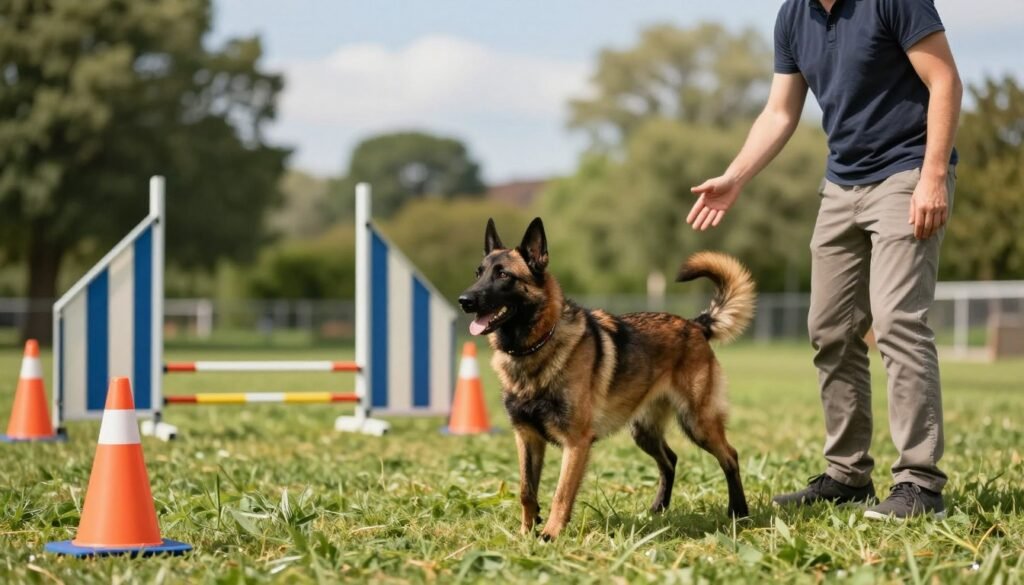
Successful Belgian Sheepdog training relies on your ability to remain consistent and calm. Because these dogs are highly intelligent, they thrive when you provide clear expectations and structured guidance. Positive reinforcement is the most effective way to build a respectful and obedient relationship with your companion.
Obedience Training
You will find that this breed learns new commands with impressive speed. However, their sharp minds can lead to boredom if training sessions become repetitive or dull. Keep your sessions short, engaging, and varied to maintain their focus and enthusiasm.
Consistency is the cornerstone of success. Ensure that everyone in your household uses the same cues and rules to avoid confusing your dog. Positive reinforcement, such as treats, praise, or play, will motivate your pet to perform at their best.
Socialization Needs
Early socialization is essential for a well-adjusted Belgian Sheepdog. You should introduce your dog to a wide variety of people, sounds, and environments during their formative months. This process helps them develop confidence and reduces the likelihood of anxiety or reactivity in new situations.
When you expose your dog to different experiences, you teach them how to remain calm and composed. A well-socialized dog is much easier to manage in public spaces and at home. Remember that patience is your greatest tool during these developmental stages.
Behavior with Other Pets
Managing your dog’s interactions with other animals requires careful observation and training. Due to their background as herding dogs, they may exhibit a strong prey drive or a desire to control the movement of other pets. Early introduction and supervised play are vital to ensure harmony in your household.
| Training Focus | Primary Goal | Recommended Method |
|---|---|---|
| Basic Commands | Safety and Control | Positive Reinforcement |
| Socialization | Confidence Building | Controlled Exposure |
| Pet Interaction | Peaceful Coexistence | Supervised Introduction |
If you notice signs of over-excitement or chasing, intervene early with calm redirection. With proper Belgian Sheepdog training, you can foster a safe environment where your dog learns to respect the boundaries of other pets. Always prioritize safety and positive experiences to ensure your Belgian Sheepdog remains a friendly and well-mannered member of your family.
Health Considerations for the Belgian Sheepdog
While the Belgian Sheepdog is a robust breed, staying informed about their health is a vital responsibility. Providing a nurturing environment starts with understanding the specific needs of your companion. By staying observant and proactive, you can help ensure your dog enjoys a vibrant and active life by your side.
Common Health Issues
Like many active working breeds, there are certain conditions that owners should monitor throughout their dog’s life. Being aware of these possibilities allows you to catch potential concerns early when they are most manageable.
- Hip and Elbow Dysplasia: These are joint conditions that can affect mobility as your dog ages.
- Epilepsy: Some dogs may experience seizures, which require careful management by a veterinarian.
- Gastric Torsion: Often called bloat, this is a serious condition where the stomach twists, requiring immediate emergency care.
Preventive Care Recommendations
Maintaining optimal Belgian Sheepdog health is largely about consistency and smart choices. Regular veterinary check-ups are essential for catching issues before they become serious problems. Always work with reputable breeders who perform health screenings on their parent dogs to reduce the risk of inherited conditions.
Beyond professional care, your daily habits make a significant difference. Proper nutrition and controlled exercise help prevent unnecessary strain on your dog’s joints and digestive system. By prioritizing these simple steps, you provide the best foundation for a long, happy, and healthy journey together.
Similar Breeds to Consider
If you are still weighing your options, comparing the Belgian Sheepdog to other similar breeds can provide helpful clarity. While this breed is a wonderful companion, understanding how it stacks up against other herding dogs ensures you find the perfect match for your lifestyle.
It is important to remember that every dog has unique needs. If you find that the high-intensity requirements of these herding dogs are not quite right for you, you might also consider a different type of companion, such as a friendly Beagle dog, which offers a different energy level.
Belgian Malinois
The Belgian Malinois is a close cousin often confused with the Belgian Sheepdog breed. However, the Malinois is typically more intense and is widely recognized for its work in police and military service.
They possess an exceptionally high drive that requires a job to do. If you are looking for a pet that is slightly less demanding than a working Malinois, the Belgian Sheepdog might be a better fit for your home.
German Shepherd
The German Shepherd is perhaps the most famous herding breed in the world. Like the Belgian Sheepdog, they are highly intelligent and loyal to their families.
While they share many Belgian Sheepdog characteristics, German Shepherds are often slightly larger and may have a different temperament regarding their protective instincts. Both breeds thrive when they receive consistent training and plenty of mental stimulation.
Belgian Tervuren
If you admire the look and spirit of the Belgian Sheepdog but want to explore other varieties, the Belgian Tervuren is a great option. They are essentially the same breed but with a different coat color and texture.
The Tervuren is just as active and affectionate as the Belgian Sheepdog breed. Choosing between them often comes down to personal preference regarding their beautiful, distinct coats.
Practical Tips for Prospective Owners
If you are considering adding a dog to your family, understanding the specific demands of the Belgian Sheepdog is the first step toward success. These dogs are known for their high intelligence and need for constant engagement. Before making a commitment, it is vital to ensure your daily life can accommodate their unique requirements.
Assessing Your Lifestyle
These dogs thrive in environments that stimulate both their minds and bodies. If you lead a sedentary lifestyle, you may find that this breed requires more activity than you are prepared to provide. Consistency is key when managing a dog with such high energy levels.
Ask yourself if you have the time for daily training sessions and long walks. If you are looking for Belgian Sheepdog puppies, remember that their early months require even more patience and structured socialization. You must be ready to dedicate significant time to their development.
Preparing Your Home for a Belgian Sheepdog
Creating a safe and welcoming space is essential for your new companion. Because these dogs are naturally alert, they appreciate a home environment that feels secure and organized. You should focus on creating a space where they can rest comfortably after a long day of activity.
Consider these practical steps to prepare your living area:
- Secure your perimeter: Ensure your yard has a sturdy fence, as these dogs are agile and curious.
- Designate a quiet zone: Provide a comfortable crate or bed where your dog can retreat when they need downtime.
- Stock up on mental toys: Invest in puzzle feeders and durable chew toys to keep their minds sharp.
- Remove hazards: Clear away small items or toxic plants that a curious dog might investigate.
By taking these steps, you create a foundation for a happy life with your Belgian Sheepdog. Preparation helps minimize stress for both you and your new pet, allowing you to focus on building a strong, lasting bond.
Next Steps in Your Dog Research
Choosing a new companion is a significant life decision that requires careful thought and preparation. You now possess a solid foundation regarding the unique traits of the Belgian Sheepdog.
This knowledge serves as a starting point for your journey toward responsible ownership. You can now move forward with confidence as you evaluate if this breed aligns with your daily routine.
Explore Similar Breeds
You might find it helpful to compare the Belgian Sheepdog with other intelligent working dogs. Researching breeds like the German Shepherd or the Belgian Malinois provides a broader perspective on what to expect from high-energy companions.
Comparing these options helps you identify which temperament best matches your household dynamics. Visiting local breeders or attending dog shows allows you to observe these animals in real-world settings.
Learn More About Care and Training
Commitment to proper Belgian Sheepdog care remains the most vital aspect of a healthy relationship. You should look into local obedience clubs to understand the specific demands of Belgian Sheepdog training.
Professional guidance helps you build a strong bond through positive reinforcement techniques. Investing time in these resources now ensures a rewarding future with your new canine partner.




💬 Leave a Comment