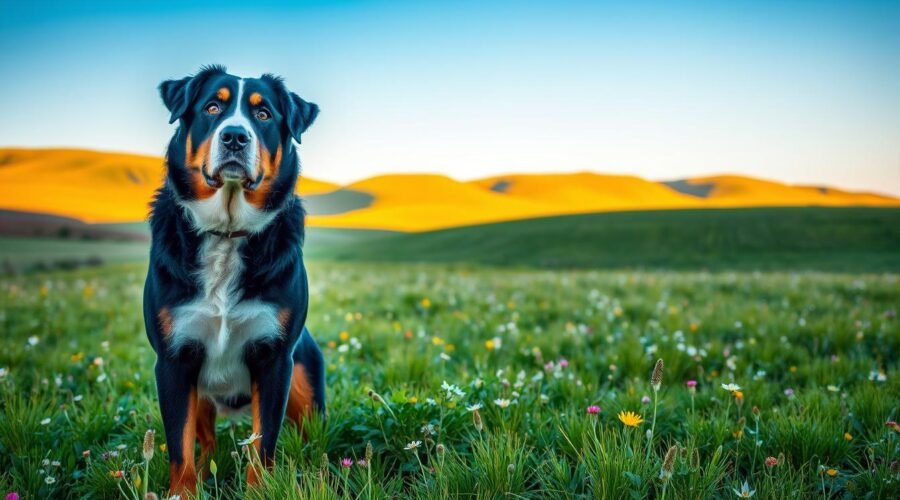
Are you looking for a loyal companion for your active home? The Greater Swiss Mountain Dog is a strong, hardworking breed. It’s known for being calm and having a striking look. This dog needs lots of space and regular, moderate exercise.
Many families pick this breed for its gentleness and patience. They are often compared to other family-friendly dogs. But, their history as draft animals makes them special. Knowing key Swiss Mountain Dog facts is the first step to see if they’re right for you.
We’ll look at what makes this breed a great addition to the right home. Let’s get into the details to see if this devoted partner is perfect for your family.
Key Takeaways
- This breed is a large, sturdy worker that requires ample space to roam.
- They are well-regarded for being calm and patient with family members.
- Moderate daily activity is necessary to keep them healthy and happy.
- Prospective owners should be prepared for a dog that loves being part of the action.
- Early training and socialization are vital for this intelligent, loyal breed.
Introduction to the Greater Swiss Mountain Dog
Looking for a loyal friend that loves to stay active? The Greater Swiss Mountain Dog could be your ideal companion. They are known for their striking looks and steady nature. But, it’s important to know what they need before bringing one home.
Overview of the Breed
The Swiss Mountain Dog is a sturdy, hardworking dog bred for farm work. They are not lazy pets; they love to have a job. They are smart, love people, and stay calm when they’re active.
They do well in tasks like carting, hiking, or obedience training. They need mental and physical challenges to be happy. Without something to do, they might get bored or restless.
Ideal Owner Profile
The perfect owner for a Greater Swiss Mountain Dog is someone who loves the outdoors and is active. If you want a pet that loves to relax all day, this breed isn’t for you. They need an owner who can train them and keep them busy.
Good owners see their dog as a partner in their adventures. They should be ready to socialize and exercise their Swiss Mountain Dog regularly. Here’s a quick guide to what they need in a home.
| Trait | Requirement | Owner Expectation |
|---|---|---|
| Activity Level | High | Daily exercise and mental tasks |
| Social Needs | High | Needs constant human interaction |
| Training | Moderate | Consistent, positive reinforcement |
| Space | Large | Needs room to move and play |
Origin of the Greater Swiss Mountain Dog
The Greater Swiss Mountain Dog has a history as strong as the breed itself. To understand these dogs, we must look at their beginnings in the Alps.
These dogs were bred for hard work and endurance, not luxury. Their development is linked to the survival of families in the mountains.
Historical Background
In the 19th century, European farmers and herders needed these dogs. The Swiss Mountain Dog history shows they were valued for their strength and ability to handle tough terrain.
They were versatile farm dogs, guarding property and pulling heavy carts. Their strength was key for moving goods up steep paths.
Role in Swiss Culture
As the breed grew, they became symbols of hard work in rural Switzerland. The Greater Swiss Mountain Dog was more than a tool; they were a trusted partner in fields and home protectors.
This partnership shaped their modern nature. They have a natural desire to please and protect, traits that remain today.
Knowing their heritage helps us see why your Greater Swiss Mountain Dog is so loyal. They carry the legacy of generations in every step.
Size and Weight
The Greater Swiss Mountain Dog is a breed that commands attention. They are one of the most recognizable large breed dogs. Their sturdy and muscular frame shows their history as working animals.
Before welcoming one into your home, it’s important to understand their size. They will take up a lot of space.
General Size Specifications
Height is a key indicator of their size. Males stand between 25.5 and 28.5 inches tall. Females are slightly smaller, ranging from 23.5 to 27 inches.
Make sure your living environment can fit a dog of this size. Having enough room for them to stretch and move is essential.
Weight Range for Adults
The weight of a Swiss Mountain Dog is impressive. Males weigh between 115 and 140 pounds. Females weigh between 85 and 110 pounds.
They are physically powerful companions. You must be ready for a dog that is strong and sturdy. They need consistent training from an early age to be manageable on a leash.
Lifespan of the Greater Swiss Mountain Dog
Welcoming a new dog into your home is exciting. You might wonder how many years you’ll spend together. Knowing their life expectancy is key to being a responsible pet owner.
Average Lifespan
The Greater Swiss Mountain Dog is a strong and loyal breed. They live between 8 and 11 years on average. This range helps you plan for the future.
Factors Affecting Lifespan
Several things can affect your Swiss Mountain Dog‘s lifespan. Genetics are important, so choose a reputable breeder. A balanced diet and regular exercise also help.
Preventative healthcare is vital. Regular vet visits help catch problems early. This keeps your pet happy and healthy.
| Factor | Impact on Longevity | Actionable Tip |
|---|---|---|
| Nutrition | High | Monitor weight daily |
| Healthcare | High | Annual wellness exams |
| Genetics | Moderate | Research breed history |
The Greater Swiss Mountain Dog thrives with a proactive health approach. Quality nutrition and regular vet visits ensure a long, happy life for your Swiss Mountain Dog.
Temperament and Personality Traits
The Greater Swiss Mountain Dog is known for being both affectionate and watchful. Understanding the Swiss Mountain Dog temperament helps us see why they’re great companions. They have a calm nature that makes them a joy to have around.
Looking at the Swiss Mountain Dog breed characteristics, we see a dog deeply devoted to its family. They’re not just pets; they’re loyal partners who enjoy being part of your life.
Friendly and Loyal Nature
At their core, these dogs are incredibly affectionate with their loved ones. They form a strong bond with everyone in the household, showing a gentle and patient side. You’ll often find your dog following you, just happy to be with you.
They have a friendly nature and a desire to please, making them a joy to live with. Despite their size, they’re known as gentle giants for their kind behavior. They’re rarely aggressive and prefer a peaceful environment.
Protective Instincts
Beyond their loving nature, these dogs are naturally alert and vigilant. They have a strong protective instinct that makes them excellent watchdogs. You might notice them watching the perimeter of your property or the front door.
This doesn’t mean they’re aggressive without reason. Instead, they’re aware of their surroundings and will alert you if something seems off. Here are a few ways their protective side shows:
- Alert Barking: They use their voice to signal the arrival of guests or strangers.
- Vigilance: They often position themselves to see the entire room or yard.
- Loyalty: Their main goal is to keep their family safe and secure.
By balancing watchfulness with a calm, friendly attitude, the Greater Swiss Mountain Dog is a reliable guardian. They’re perfect for owners who value both companionship and security in a dog.
Energy Level and Exercise Requirements
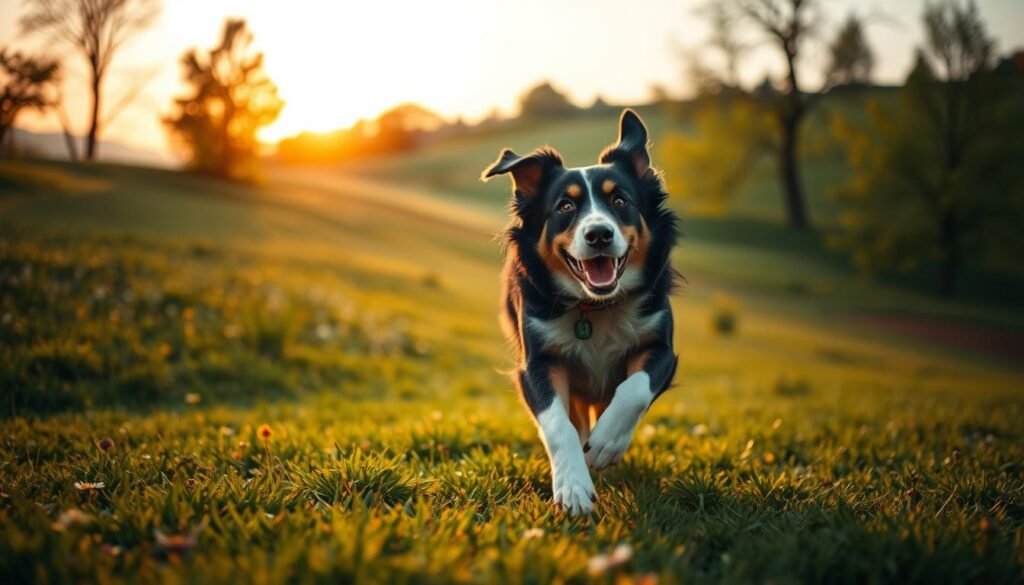
These dogs are not high-energy but love to move. The Greater Swiss Mountain Dog has a moderate energy level. They are calm indoors but need regular outdoor time.
Remember, they are working dogs at heart. They need daily activities to stay happy and healthy.
Daily Exercise Needs
They need consistent, moderate exercise, not intense activities. Their large size means their joints need protection during growth.
Avoid high-impact activities like long-distance jogging or jumping for puppies under two years. Instead, focus on steady walks and controlled movement to build their stamina safely.
Fun Activities for the Breed
They excel at tasks like light pulling or steady trekking. If you’re looking for an outdoor companion, consider the Australian Shepherd. But the Greater Swiss Mountain Dog prefers a more measured pace.
Here are some great ways to keep your Swiss Mountain Dog engaged:
- Hiking: Enjoy scenic trails at a steady, walking pace.
- Controlled Play: Use a large, fenced area for fetch or gentle tug-of-war.
- Carting: Many owners find that training their dog to pull a light cart is a rewarding way to honor their heritage.
- Obedience Training: Mental exercise is just as important as physical movement for this intelligent breed.
By adding these activities to your weekly schedule, your dog will stay fit and happy. Always watch for signs of fatigue, and keep their exercise sessions safe and fun.
Suitability for Families and Children
Looking for a loyal friend for your family? The Greater Swiss Mountain Dog might be perfect. They are known for being calm and loving. But, it’s key to know their needs to fit your family’s life.
Family-Friendly Characteristics
The Swiss Mountain Dog is very patient and loving. They love being around people and feel like part of the family. Their steady nature makes them great for active families.
They have a protective side but are usually gentle. This makes them a great choice for families wanting a loyal and gentle pet.
Interaction with Young Children
These dogs are generally kind to kids, but their size is something to think about. A Greater Swiss Mountain Dog is big and can accidentally hurt a small child. Always watch when kids and dogs play together.
Here are some tips for a safe and happy home:
- Supervise all play sessions to keep the dog calm and safe.
- Teach kids to interact respectfully by not pulling ears or tails.
- Give the dog a quiet spot to go if they’re feeling too energetic.
- Do calm activities like grooming or walks to strengthen your bond.
With the right training and care, your Swiss Mountain Dog will be a loving and protective friend to your kids. They will bring joy and safety to your family for many years.
Apartment Living and Space Considerations
The Greater Swiss Mountain Dog is a wonderful companion, but their size is key. They are calm indoors, but need space. Think about your home before getting one.
https://www.youtube.com/watch?v=4UdqL6y5nIA
Space Requirements for the Breed
These dogs need room to move, thanks to their farm dog background. They don’t fit well in small apartments. A secure, fenced yard is vital for their safety.
Without a yard, it’s hard to keep them happy. They can knock over furniture and feel trapped. Giving them space helps keep their relaxed and gentle nature.
Tips for Apartment Owners
Living with a Greater Swiss Mountain Dog in a small home needs a lot of effort. You must care for their physical and mental health. Here are some tips to help:
- Prioritize daily exercise: Plan long walks to keep them active.
- Create a dedicated zone: Make a special area for them to relax.
- Focus on mental stimulation: Use puzzle toys and training to keep their mind busy.
- Establish a routine: A regular schedule helps them understand their space.
While it’s doable to have a big dog in a small home, it’s a big commitment. Make sure your home supports their active lifestyle.
Grooming Needs and Maintenance
Getting a Greater Swiss Mountain Dog means you’re in for a care routine. This breed looks tough but needs regular grooming to stay clean and comfy. Good Swiss Mountain Dog care keeps your pet healthy and reduces hair around your home.
Coat Care and Grooming Frequency
The Greater Swiss Mountain Dog has a thick double coat for protection. They shed a lot all year, more during seasonal changes. Brushing them 2-3 times a week helps remove loose hair and spreads natural oils.
Regular brushing is key to handling shedding. A slicker brush or grooming rake works best for the thick undercoat. This keeps your home tidy and lets you spot skin issues or parasites early.
Bathing Recommendations
Bathing is vital for Swiss Mountain Dog care, but it’s not daily or weekly. Bathe them when they’re dirty or smell bad. Too much bathing can dry out their skin.
Use a good dog shampoo when you do bathe them. Make sure to rinse well to avoid skin irritation. Following these tips will keep your dog’s coat healthy and your home comfortable.
| Grooming Task | Frequency | Primary Benefit |
|---|---|---|
| Brushing | 2-3 times weekly | Reduces shedding and debris |
| Bathing | As needed (monthly) | Maintains skin health |
| Nail Trimming | Every 3-4 weeks | Prevents discomfort |
| Ear Cleaning | Weekly | Prevents infections |
Training Difficulty and Social Behavior
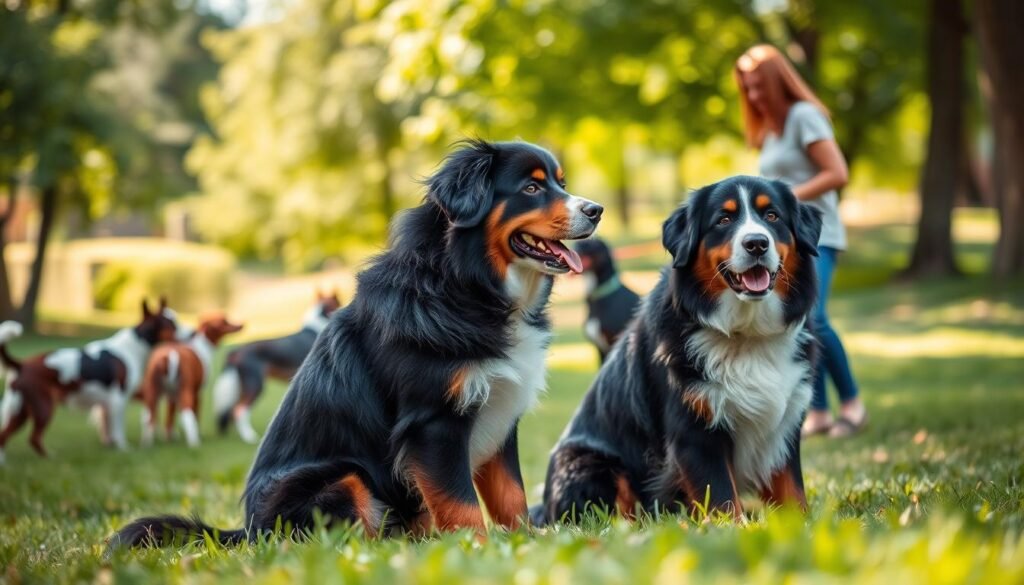
Training a Greater Swiss Mountain Dog is rewarding but challenging. These dogs are independent and strong-willed. They are not ideal for first-time dog owners who need consistent guidance.
To avoid dominance issues, be a confident leader. Use patience and positive reinforcement in training. This builds a lifelong bond of respect.
General Training Expectations
The Swiss Mountain Dog temperament is calm and steady. But, they can be hard to train. They often think for themselves, which might seem stubborn to some.
“Consistency is the bridge between a strong-willed puppy and a well-mannered adult companion.” — Professional Dog Trainer
Keep training sessions short and fun. Use treats and praise to keep them interested. This helps them learn good behaviors at home.
| Training Aspect | Difficulty Level | Recommended Approach |
|---|---|---|
| Basic Obedience | Moderate | Positive Reinforcement |
| Leash Manners | High | Early Consistency |
| Socialization | Moderate | Frequent Exposure |
Interaction with Other Pets
Early socialization is key for your Swiss Mountain Dog. They are generally friendly but need to learn boundaries. Their size and protective nature require early training.
Introduce your dog to different environments and animals early. A well-socialized Greater Swiss Mountain Dog will be calm and friendly in public.
Always watch when your dog meets smaller pets. This ensures everyone’s safety. Focus on the Swiss Mountain Dog temperament and provide structured social experiences. This keeps your dog polite and well-adjusted in your family.
Health Considerations and Common Issues
Knowing what your dog needs for health is key to being a good owner. These dogs are large breed dogs and need special care. Learning about possible health risks early helps you give your dog the best life.
Potential Health Problems
The Greater Swiss Mountain Dog faces some health issues common in big dogs. Bloat is a serious problem that needs quick vet help. It happens when the stomach twists.
They can also get joint dysplasia, which makes moving hard as they get older. Some dogs might have epilepsy, causing seizures. Watching your dog closely is important for their Swiss Mountain Dog care.
Regular Health Checkups
Regular vet visits are a must for your dog’s health. These visits help catch problems early. Big dogs have different health needs, like joint care and managing weight.
Also, think about the cost of owning a Swiss Mountain Dog. They can cost more to care for. Saving money for vet bills is wise. Taking care of your dog well means being ready for their health needs at any age.
| Health Concern | Common Sign | Management Strategy |
|---|---|---|
| Bloat | Swollen abdomen | Small, frequent meals |
| Joint Dysplasia | Limping or stiffness | Weight control and supplements |
| Epilepsy | Unexplained seizures | Regular vet monitoring |
Comparisons to Similar Breeds
Have you ever wondered how the Greater Swiss Mountain Dog compares to its relatives in the Swiss Alps? Knowing about these connections helps you see where this breed fits in the dog world. By looking at their history and shared traits, you can decide if this breed is right for you.
Breeds with Similar Traits
The Greater Swiss Mountain Dog comes from the same region as several other working breeds. The Bernese Mountain Dog cousin is often compared to them. While they both have a tricolor coat, the “Swissy” is bigger and has a shorter, denser coat.
Other relatives include the Appenzeller and the Entlebucher. These dogs are smaller, more agile, and have more energy than the Swiss Mountain Dog. Knowing these differences helps you find a dog that fits your lifestyle.
Alternative Options for Future Owners
If the size or energy needs of the Greater Swiss Mountain Dog don’t match your lifestyle, there are other options. You might prefer a smaller Bernese Mountain Dog cousin for a milder temperament. Or, if you need a high-energy hiking partner, the smaller Swiss breeds could be better.
Looking at the table below can help you see the differences between these breeds. This can help you make a better choice:
| Breed Name | Size Category | Energy Level | Coat Type |
|---|---|---|---|
| Greater Swiss Mountain Dog | Giant | Moderate | Short/Dense |
| Bernese Mountain Dog | Large | Moderate | Long/Silky |
| Appenzeller | Medium | High | Short/Dense |
| Entlebucher | Medium | Very High | Short/Dense |
Your choice should match your living situation and your ability to train consistently. Each Swiss Mountain Dog variety has its own special qualities. Take your time to consider these options carefully.
Conclusion and Next Steps for Prospective Owners
Choosing a new dog is a big decision that needs careful thought. You now have the key Greater Swiss Mountain Dog info to see if it’s right for you. Think about your daily life and where you live.
Remember, budgeting is key. Expect to spend $1,500 to $3,000 for a puppy from a good breeder. This money helps your new pet get a healthy start.
Exploring Similar Breeds
It’s smart to look at other working breeds too. Check out the Bernese Mountain Dog or Saint Bernard. They share similarities in size, mood, and care needs. This helps you make sure you’re choosing the best dog for you.
Resources for Further Learning
Seeing these dogs in person is the best way to understand them. Go to dog shows or join breed clubs to meet owners. You’ll get real-life Greater Swiss Mountain Dog info to help you prepare for your new friend. Good luck finding your perfect dog!

💬 Leave a Comment