
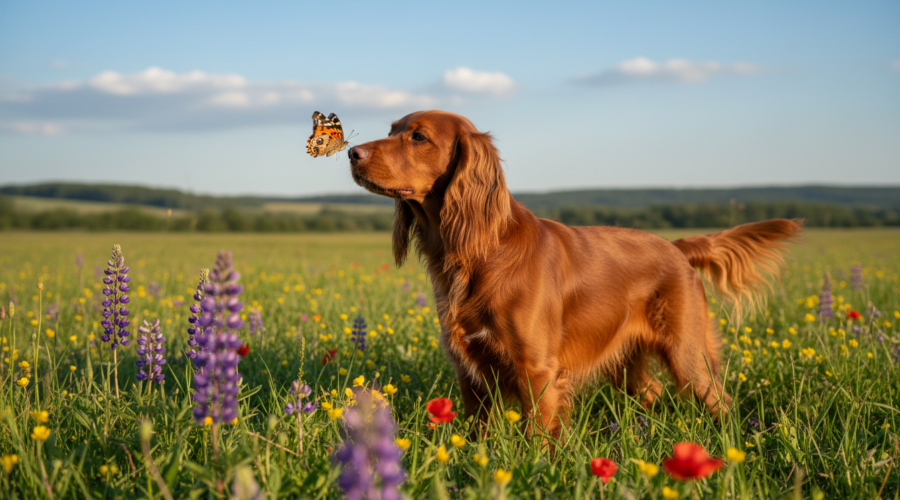
The Field Spaniel is a truly versatile dog that captures hearts with its unique blend of charm, intelligence, and athleticism. Many enthusiasts admire this remarkable breed for its gentle nature and steady temperament.
Originally developed as a hardworking partner in the woods, this Spaniel breed has successfully transitioned into a beloved family member. Its ability to balance high energy with a calm demeanor makes it a wonderful addition to many households.
If you are considering bringing this unique canine into your home, you can expect a loyal friend who thrives on human interaction. This guide will explore the history, care, and training needs required to keep your pet happy and healthy.
Key Takeaways
- The breed is known for its exceptional intelligence and friendly personality.
- These dogs possess a unique combination of athleticism and calm indoor behavior.
- They have evolved from dedicated working dogs into affectionate family companions.
- Consistent training and early socialization are vital for a well-adjusted pet.
- Prospective owners should prepare for a dog that deeply values human companionship.
History of the Field Spaniel
To truly understand the Field Spaniel, one must look back at its roots in Victorian England. During the 19th century, breeders sought to create a specialized canine that could excel in the dense, overgrown thickets of the British countryside.
This period marked a significant shift in how enthusiasts viewed their hunting partners. The resulting breed became a staple for those who valued both beauty and utility in a sporting dog.
Early Origins and Development
The Field Spaniel history is deeply intertwined with the evolution of other spaniel breeds. Initially, these dogs were categorized simply by their size rather than their specific lineage.
As selective breeding became more refined, enthusiasts began to isolate traits that favored a longer, lower-to-the-ground build. This physical adaptation allowed the dogs to navigate heavy brush with ease, a trait that remains a hallmark of the breed today.
Breeding for Versatility
The primary goal was to develop a capable Working Spaniel that could perform in diverse environments. These dogs were not just companions; they were essential tools for hunters who needed to flush and retrieve game from difficult terrain.
Breeders focused on stamina, scenting ability, and a calm temperament. This careful selection process ensured that the dogs could work tirelessly throughout the day while remaining manageable in the field.
Recognition by Canine Organizations
As the breed gained popularity, formal recognition became a priority for dedicated fanciers. Major kennel clubs began to distinguish the Field Spaniel from its cousins, such as the Cocker and Springer Spaniels, by the late 1800s.
This formal status helped standardize the breed’s appearance and temperament. Today, the breed is celebrated for its unique history and its enduring role as a versatile sporting dog.
| Era | Development Phase | Primary Focus |
|---|---|---|
| Early 1800s | Foundation | General hunting utility |
| Late 1800s | Refinement | Standardizing physical traits |
| Modern Era | Preservation | Health and companionship |
Physical Characteristics of Field Spaniels
The Field Spaniel possesses a distinct silhouette that sets it apart from other members of the Spaniel breed family. This dog is built for endurance and agility, showcasing a balanced frame that reflects its heritage as a versatile hunting companion.
Size and Build
When evaluating the Field Spaniel, you will notice a medium-sized frame that is both sturdy and elegant. These dogs are designed to be well-proportioned, ensuring they can navigate dense brush with ease.
Adult males generally weigh between 35 to 50 pounds, while females typically range from 30 to 45 pounds. Their solid bone structure provides the necessary strength for long days in the field without sacrificing their graceful movement.
Coat Colors and Textures
One of the most defining Field Spaniel characteristics is the luxurious, silky coat. This fur is not only beautiful to look at but also serves a practical purpose by being water-resistant, which protects the dog in various weather conditions.
The breed standard allows for several beautiful color variations that highlight their natural beauty. Common coat colors include:
- Solid black
- Liver (a rich, reddish-brown)
- Golden liver
- Roan patterns
Distinctive Features
Beyond their size and coat, these dogs are known for their regal appearance. Their long, pendant ears frame the face beautifully, adding to their gentle and intelligent expression.
The eyes of a Field Spaniel are particularly expressive, often conveying a sense of warmth and loyalty. This combination of physical traits makes the Spaniel breed a truly striking animal that is as functional as it is handsome.
Personality Traits of Field Spaniels
The Field Spaniel is known for a temperament that balances deep affection with a curious, independent mind. These dogs are remarkably devoted to their families, often forming a very close bond with their primary caregivers.
Temperament Overview
At their core, the Field Spaniel temperament is a harmonious blend of loyalty and a gentle, sensitive nature. They are rarely aggressive and typically display a calm demeanor when they are in a comfortable environment.
However, they do possess a touch of an independent spirit. This means they may occasionally choose to follow their own nose during walks, reflecting their history as active hunting dogs.
Intelligence and Trainability
When discussing Field Spaniel characteristics, their high level of intelligence is always a standout feature. They are quick learners who enjoy solving problems and engaging in mentally stimulating tasks.
Because they are so smart, they require consistent and patient guidance from their owners. Using positive reinforcement techniques will yield the best results, as these dogs respond much better to praise than to harsh corrections.
Social Behavior with Other Pets
The Field Spaniel is generally a social creature that enjoys the company of other animals. When introduced properly, they usually get along well with other dogs and even household cats.
Early socialization is the key to ensuring they remain confident and friendly in various social settings. Providing them with opportunities to interact with different pets will help them develop into well-rounded companions.
| Trait | Level | Description |
|---|---|---|
| Loyalty | High | Deeply attached to family members. |
| Independence | Moderate | Enjoys exploring but stays close. |
| Trainability | High | Responds best to positive rewards. |
| Sociability | High | Friendly with other household pets. |
Care Requirements for Field Spaniels
Your journey with a Field Spaniel begins with understanding their specific needs for nutrition, movement, and grooming. Providing consistent, high-quality care is the foundation for a long and vibrant life for this intelligent breed. By focusing on these core areas, you ensure your companion remains happy and healthy for years to come.
Nutrition and Diet
A balanced diet is essential for maintaining the energy levels of a Working Spaniel. You should choose high-quality dog food that lists a protein source as the first ingredient. It is important to monitor portion sizes carefully to prevent obesity, as this breed can be prone to weight gain if overfed.
Always provide access to fresh, clean water throughout the day. If you have questions about specific dietary needs or supplements, consult your veterinarian to create a plan tailored to your dog’s age and activity level.
Exercise Needs for a Healthy Life
Because they were originally bred as a Working Spaniel, these dogs possess moderate to high energy levels. They thrive when given the opportunity to explore, run, and engage in physical play daily. A simple walk around the block is often not enough to satisfy their need for mental and physical stimulation.
Incorporate activities like fetch, hiking, or scent games to keep them physically fit and mentally sharp. Consistent exercise helps manage their weight and prevents boredom, which can lead to unwanted behaviors. Remember that a tired dog is typically a well-behaved dog.
Grooming: Coat Maintenance Tips
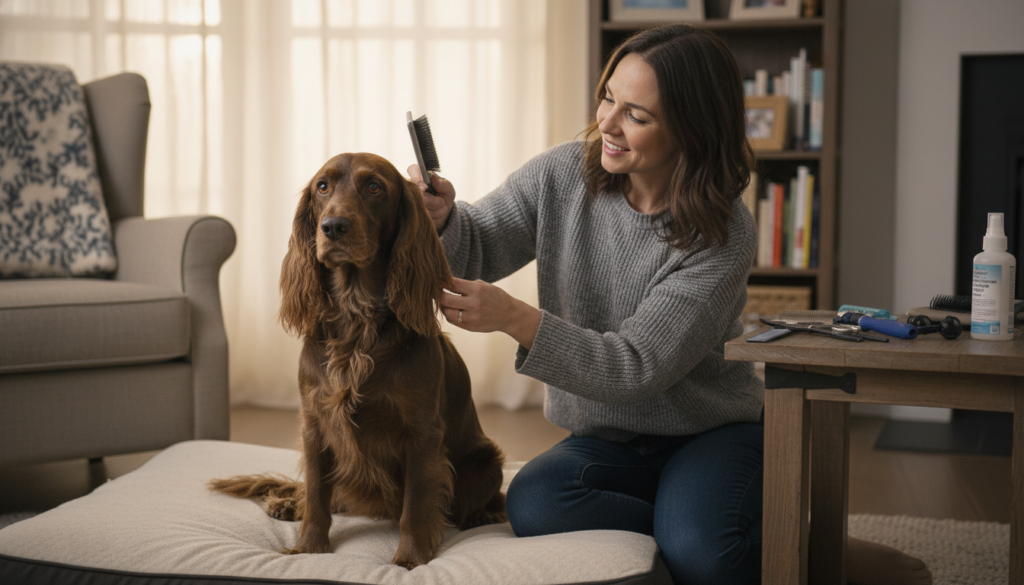
Proper Field Spaniel care involves regular attention to their beautiful, silky coat. You should plan to brush your dog at least two to three times a week to prevent painful matting and remove loose hair. This routine also provides a great opportunity to bond with your pet while checking for any skin irritations.
Do not forget to pay close attention to their ears, as they are prone to trapping moisture and debris. Gently cleaning the ears with a vet-approved solution helps prevent infections. Keeping up with these grooming habits ensures your Field Spaniel looks and feels their absolute best.
Training Your Field Spaniel
Unlocking the potential of your dog requires a thoughtful approach to Field Spaniel training. These dogs are naturally intelligent and eager to please, making them highly responsive to positive reinforcement methods.
By using treats, praise, and play, you create a collaborative environment where your pet feels motivated to learn. Consistency is the foundation of success when working with this breed.
Basic Obedience Training
Every Field Spaniel needs a solid grasp of fundamental commands to ensure safety and good manners. Start with short, frequent sessions to keep your dog engaged without causing fatigue.
- Sit and Stay: Essential for impulse control during meals or walks.
- Recall (Come): A vital safety skill that allows your dog to explore off-leash in secure areas.
- Leash Manners: Teaching your dog to walk calmly by your side prevents pulling and makes outings more enjoyable.
Advanced Commands and Tricks
Once your companion has mastered the basics, you can challenge their sharp mind with more complex tasks. Advanced Field Spaniel training not only builds skills but also provides the mental stimulation this active breed craves.
Consider teaching your dog to retrieve specific items or perform agility-based maneuvers. These activities strengthen your bond and keep your dog mentally sharp throughout their life.
Socialization Techniques
Early and consistent socialization is critical for a well-adjusted Field Spaniel. You should introduce your dog to a variety of sights, sounds, and people during their formative months.
Exposing your pet to different environments helps them navigate new situations with confidence and ease. Whether it is a busy park or a quiet neighborhood street, positive experiences will help your dog remain calm and friendly in any setting.
Health Considerations for Field Spaniels
Proactive wellness management is the cornerstone of excellent Field Spaniel care. By understanding the unique biological needs of this breed, you can ensure your companion enjoys a vibrant and active life by your side.
Common Health Issues to Watch For
Like many purebred dogs, the Field Spaniel may be genetically predisposed to certain conditions. Being aware of these risks allows you to spot symptoms early and seek professional help quickly.
Owners should remain vigilant regarding the following concerns:
- Hip dysplasia: A condition affecting joint mobility that requires monitoring.
- Ear infections: Due to their heavy, hanging ears, regular cleaning is vital.
- Eye conditions: Periodic screenings can help maintain long-term vision health.
Routine Veterinary Care
Consistent visits to your veterinarian are essential for maintaining your dog’s overall well-being. These check-ups allow for early detection of potential issues before they become serious problems.
Your vet will help you establish a schedule for vaccinations, parasite prevention, and dental cleanings. This structured approach to Field Spaniel care is the best way to manage their long-term health effectively.
Importance of Regular Exercise
Physical activity is not just about burning energy; it is a critical component of a healthy lifestyle. Regular movement helps maintain a healthy weight, which reduces stress on the joints and heart of your Field Spaniel.
Daily walks, interactive play, and mental stimulation games contribute significantly to their physical condition. Keeping your dog active is a simple yet powerful way to support their immune system and overall happiness.
Field Spaniels as Family Pets
Many families find that the unique Field Spaniel temperament makes them an ideal companion for both adults and children. These dogs are widely recognized for their gentle and affectionate nature, which allows them to settle into a home environment with ease. If you are considering adding a new member to your household, you can learn more about the specific needs of this breed by visiting this Field Spaniel resource guide.
Compatibility with Children
The Field Spaniel is famously patient, making them a fantastic choice for families with younger children. They tend to be tolerant of the high energy levels often found in a busy household. Their calm demeanor ensures that they remain steady even when playtime gets a bit rowdy.
Interaction with Other Animals
Socialization is a key strength for this breed, as they generally get along well with other pets. Whether you have another dog or a cat, a well-adjusted Field Spaniel usually integrates into the pack without much conflict. Their non-aggressive nature helps foster a peaceful environment where all animals can coexist comfortably.
Training for Family Integration
Successful family life relies on clear communication and consistent guidance. Engaging in regular Field Spaniel training helps the dog understand their role within the family unit. By focusing on positive reinforcement, you can build a strong, trusting bond that lasts for years.
Effective Field Spaniel training should start early to ensure the dog learns house rules and boundaries. When everyone in the family participates in the process, the dog feels more secure and connected to each member. This collaborative approach is the best way to ensure your pet becomes a well-mannered and cherished part of your daily life.
Fun Activities for Field Spaniels
Discover the best ways to keep your energetic sporting dog happy through fun and games. Because this breed possesses a high level of intelligence, they require consistent outlets for their natural curiosity and stamina.
Outdoor Adventures and Playtime
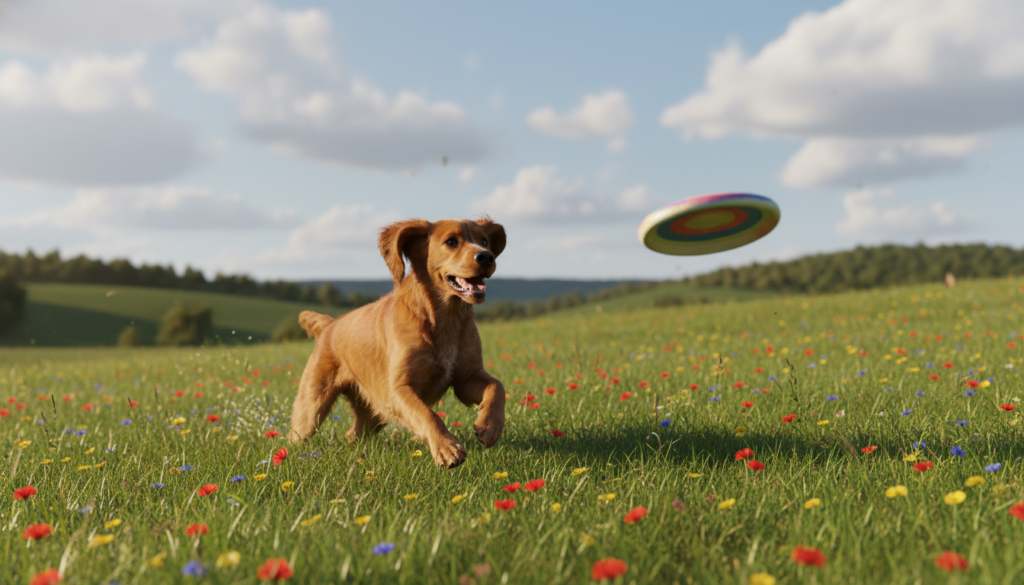
The Field Spaniel is a natural explorer that loves spending time in the great outdoors. Long, brisk walks in nature or hiking on local trails provide the perfect environment for them to sniff and investigate their surroundings.
You can also incorporate structured playtime into your daily routine to keep them physically fit. Consider these popular outdoor activities:
- Playing a spirited game of fetch with a durable ball or frisbee.
- Taking your dog on a scenic nature hike to stimulate their senses.
- Setting up a backyard obstacle course to encourage jumping and weaving.
Engaging Mental Stimulation Games
Physical exercise is only half the battle when caring for a Working Spaniel. Mental challenges are equally important to prevent boredom and destructive behaviors at home.
Try using interactive puzzle toys that reward your dog with treats when they solve a problem. Scent work games, where you hide toys or snacks around the house, are also excellent for tapping into their natural tracking instincts.
Dog Sports and Competitions
If you want to take your training to the next level, consider enrolling your pet in organized canine sports. The Field Spaniel is a versatile athlete that often excels in high-energy environments.
These activities are fantastic for building a stronger bond between you and your companion:
- Agility: Navigating complex courses with jumps, tunnels, and weave poles.
- Flyball: A fast-paced relay race that satisfies their need for speed and teamwork.
- Competitive Obedience: Showcasing their discipline and focus in a structured setting.
Participating in these events allows your Working Spaniel to showcase their natural athleticism. Whether you compete professionally or just for fun, these activities ensure your sporting dog remains a content and well-adjusted member of the family.
Adoption and Breeding Options
Bringing a Field Spaniel into your home is a rewarding journey that begins with careful planning. While this breed is not among the most common dogs in the United States, it maintains a deeply dedicated following of enthusiasts. Whether you choose to work with a breeder or seek a rescue, your goal should always be the long-term health and happiness of the animal.
Finding Reputable Breeders
When you decide to purchase a puppy, prioritize breeders who focus on health and temperament. A responsible breeder will gladly share genetic testing results for common breed-specific conditions. They view their dogs as family members rather than just inventory.
Ask questions about how the puppies are raised and socialized during their first few weeks. A good breeder will also want to interview you to ensure that a Field Spaniel is the right match for your specific lifestyle. This mutual vetting process is a hallmark of a professional and ethical breeding program.
Considerations for Adopting a Field Spaniel
Before bringing your new friend home, consider the time and energy required for this active breed. These dogs thrive on human interaction and need consistent mental stimulation to stay balanced. Ensure your living situation provides enough space for them to move and explore safely.
Think about your daily schedule and whether you can provide the exercise they crave. Owning a Field Spaniel is a long-term commitment that requires patience, especially during the initial adjustment period. Being prepared for their needs will make the transition much smoother for everyone involved.
Rescue Organizations
Rescue organizations play a vital role in finding loving homes for dogs that need a second chance. Many of these groups are run by volunteers who understand the unique personality of the breed. Adopting from a rescue can be a truly fulfilling experience for those who want to provide a stable environment for a dog in need.
Check with national breed clubs to find reputable rescue networks that specialize in this breed. These organizations often provide valuable support and guidance to new owners. By choosing to adopt, you are helping a deserving dog find the forever home they deserve.
Field Spaniel Lifespan and Aging
As your dog enters their golden years, understanding their changing needs becomes essential for their well-being. Providing the right support ensures that your Field Spaniel remains comfortable and happy throughout every stage of their life. While aging is a natural process, proactive attention can significantly improve their quality of life.
Average Lifespan and What to Expect
On average, these dogs enjoy a lifespan of 10 to 14 years. This longevity is often supported by a healthy lifestyle and consistent Field Spaniel care throughout their younger years. Owners should expect to see gradual changes in energy levels and mobility as their pet matures.
Regular monitoring of your dog’s health is vital during this time. Early detection of age-related conditions can often lead to better management and a more comfortable life for your companion. Staying observant of subtle shifts in behavior is the best way to support them.
Senior Dog Care Tips
Nutrition plays a critical role in maintaining the health of an aging dog. You may need to switch to a diet specifically formulated for seniors to support joint health and digestion. Always consult with your veterinarian to ensure your Field Spaniel receives the proper nutrients for their specific needs.
Routine veterinary visits become even more important as your dog ages. These check-ups allow for blood work and screenings that catch potential issues before they become serious. Providing a soft, orthopedic bed can also help alleviate pressure on their joints, ensuring they get the rest they need.
Adjusting Activities for Older Spaniels
While your dog may slow down, they still benefit from regular, low-impact movement. Short, gentle walks are excellent for maintaining muscle tone without putting too much strain on their body. Proper Field Spaniel care involves tailoring these outings to match their current stamina and comfort level.
Mental stimulation remains just as important as physical exercise for a senior dog. Engaging them with scent games or simple puzzle toys keeps their mind sharp and provides meaningful interaction. By adjusting your daily routine, you can ensure your loyal friend continues to enjoy a fulfilling and active life.
Famous Field Spaniels in Media
The charm of the Field Spaniel extends far beyond the hunting grounds, reaching into the realms of film and celebrity culture. While they are often considered a rare breed, their unique look and gentle demeanor have made them a favorite for those seeking a dog with both character and grace. Their presence in media highlights a fascinating journey from working dogs to beloved companions.
Notable Appearances in Films
Field Spaniels have made appearances in various movies and television shows, showcasing their charm to global audiences. Directors often choose this breed when they need a dog that conveys intelligence and a soulful, steady presence on camera. Their ability to remain calm during production makes them excellent candidates for on-screen work.
- Appearances in independent films focusing on rural life.
- Feature roles in television dramas requiring a classic, elegant look.
- Commercial spots highlighting the breed’s versatility and beauty.
Field Spaniel in Literature
The literary world has long appreciated the distinct personality of this breed. Many authors have referenced the Field Spaniel history to add depth to stories set in the English countryside. These dogs are frequently depicted as loyal, quiet companions who possess a deep, almost human-like understanding of their owners.
Writers often emphasize their sturdy build and patient nature in classic novels. By including these dogs in their narratives, authors pay homage to a breed that has remained relatively unchanged for generations. This literary legacy helps preserve the breed’s reputation as a thoughtful and devoted partner.
Celebrity Owners and Their Pets
It is no surprise that many high-profile individuals have been drawn to the Field Spaniel. These dogs offer a perfect balance of activity and relaxation, making them ideal for busy lifestyles. Several celebrities have shared their lives with these spaniels, often praising their unwavering loyalty and affectionate temperament.
Owning a Field Spaniel is often seen as a mark of a true dog enthusiast who values quality over popularity. These famous owners often use their platforms to raise awareness about the breed’s needs and their wonderful, gentle nature. Their influence has helped keep the breed in the public eye while maintaining its status as a hidden gem.
Conclusion: The Ideal Companion
Choosing a dog is a significant life event that brings joy and purpose to your daily routine. The Field Spaniel stands out as a remarkable choice for those seeking a devoted partner. Their unique blend of intelligence and calm energy makes them a standout member of the Spaniel breed.
Understanding Your New Friend
The core Field Spaniel characteristics center on a gentle nature and a deep desire to please. These dogs adapt well to active households that value companionship and consistent engagement. You will find that their steady temperament creates a peaceful environment for everyone in your home.
Building a Lasting Bond
Success with this breed relies on patience and clear communication during your daily interactions. Focus on positive reinforcement to bring out the best in your pet. You now possess the knowledge to provide a high quality of life for your new companion.
Taking the Next Step
Reach out to reputable breeders or local rescue groups to begin your search for a healthy puppy or adult dog. Prepare your home with the right supplies and set aside time for training sessions. Your journey with a Field Spaniel promises years of affection and shared adventures.



💬 Leave a Comment