
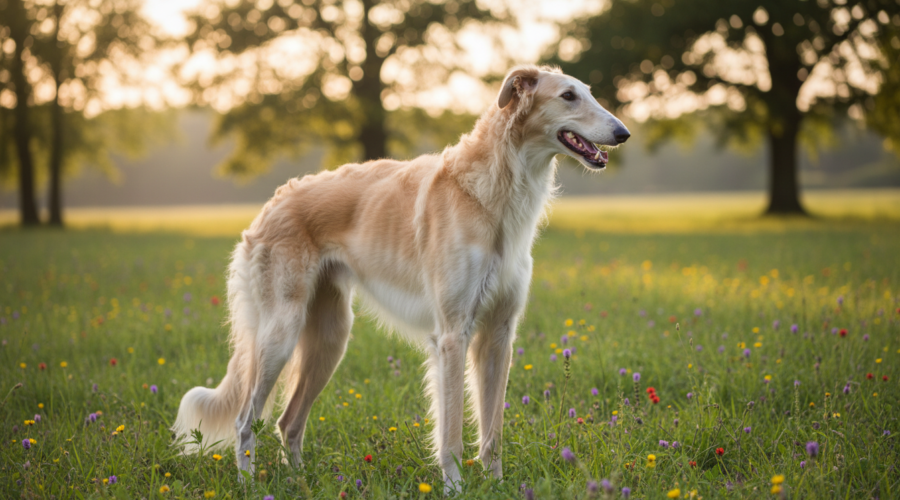
The Borzoi, historically known as the Russian wolfhound, is a breed defined by its breathtaking elegance and storied past. For centuries, these sighthounds served as noble hunting companions across the vast landscapes of Russia.
Today, this majestic dog has successfully transitioned from the field to the living room. Many families now cherish them for their quiet, dignified demeanor and gentle nature. Their unique blend of athleticism and calm affection makes them a truly special addition to any home.
Understanding their history helps owners appreciate the deep loyalty they offer. Whether lounging on a rug or sprinting in the yard, they remain a symbol of refined beauty and grace.
Key Takeaways
- The breed originated in Russia as a specialized hunting companion.
- They are widely recognized for their calm and dignified temperament.
- These animals possess a unique combination of speed and relaxation.
- They have evolved into affectionate and loyal family pets.
- Proper socialization ensures they thrive in modern household environments.
Introduction to Borzoi Dogs
Few breeds possess the elegance and storied past of the Borzoi Dog, a canine once favored by the Russian aristocracy. These dogs are widely recognized for their slender, athletic frames and their calm, dignified demeanor. Whether they are lounging at home or sprinting across a field, they carry themselves with an unmistakable sense of nobility.
Brief History of the Borzoi Breed
The history of this breed is deeply intertwined with the traditions of Russian nobility. Originally developed for hunting wolves, these dogs were prized for their incredible speed and endurance. Unlike the Dandie Dinmont Terrier history, which focuses on small-game hunting in the British Isles, the Borzoi was engineered to cover vast, open landscapes with ease.
For centuries, these hounds were essential companions for the Russian elite during grand hunting expeditions. Their ability to track and catch prey in harsh climates solidified their reputation as powerful yet graceful hunters. Today, they have transitioned from the hunting fields to become cherished family pets.
Characteristics of Borzoi Dogs
The Borzoi Dog is defined by a unique blend of physical power and gentle temperament. They are known for their long, silky coats and their quiet, affectionate nature toward their owners. If you are interested in learning more about the breed standards, you can review the official breed information to understand their specific needs.
Understanding the core traits of this breed helps potential owners provide the best care possible. The following table highlights the key differences between the Borzoi and other common sighthounds.
| Feature | Borzoi | Greyhound |
|---|---|---|
| Coat Length | Long and Silky | Short and Smooth |
| Primary Use | Wolf Hunting | Racing/Coursing |
| Temperament | Reserved/Noble | Playful/Gentle |
| Build | Sturdy/Tall | Lean/Athletic |
Ultimately, the Borzoi Dog remains a fascinating subject for enthusiasts and pet owners alike. Their combination of historical significance and modern-day charm makes them a truly special addition to any household.
Physical Traits of Borzoi Dogs
Understanding the physical makeup of a Borzoi Dog reveals why this breed is considered one of the most beautiful in the world. These dogs possess a natural grace that is evident in every movement they make. Their structure is built for speed and endurance, reflecting their history as elite hunters.
Size and Build
The Borzoi Dog is a large, slender animal that commands attention wherever it goes. They feature a lean, muscular build that allows them to reach incredible speeds in short bursts. Unlike the compact and low-slung frame associated with Dandie Dinmont Terrier characteristics, the Borzoi is tall, rangy, and built with long limbs.
Coat and Color Varieties
One of the most striking features of this breed is its luxurious, silky coat. The fur can be flat, wavy, or even curly, providing a soft texture that is pleasant to the touch. You will find them in a wide array of colors, including solid white, shades of tan, deep black, or beautiful gray patterns.
Unique Facial Features
The head of a Borzoi Dog is a defining characteristic that separates them from other sighthounds. They possess a long, narrow head that tapers into a slender snout, giving them a refined and aristocratic appearance. This specific head shape is not just for show; it is a functional trait that aids in their aerodynamic performance.
| Feature | Borzoi | Dandie Dinmont Terrier |
|---|---|---|
| Body Type | Tall and Slender | Low and Sturdy |
| Head Shape | Long and Narrow | Large and Domed |
| Coat Texture | Silky and Flowing | Crisp and Wiry |
| Primary Use | Sighthound Hunting | Badger Hunting |
Temperament and Personality
The temperament of a Borzoi is often described as dignified, yet they possess a surprisingly affectionate side. These dogs are widely recognized for their calm and elegant presence within the home environment. They rarely display aggressive tendencies, preferring to observe their surroundings with a quiet, watchful eye.
General Disposition
At their core, Borzois are loyal and devoted companions. While they may seem aloof to strangers, they form deep, lasting bonds with their primary owners. This breed is known for its gentle nature, often acting as a soothing presence after a long day.
They are not typically high-energy “nuisance” barkers. Instead, they maintain a composed demeanor that makes them excellent housemates for those who appreciate a peaceful living space. Their intelligence is paired with a sensitive spirit, meaning they respond best to kindness and patience.
Interaction with Families and Children
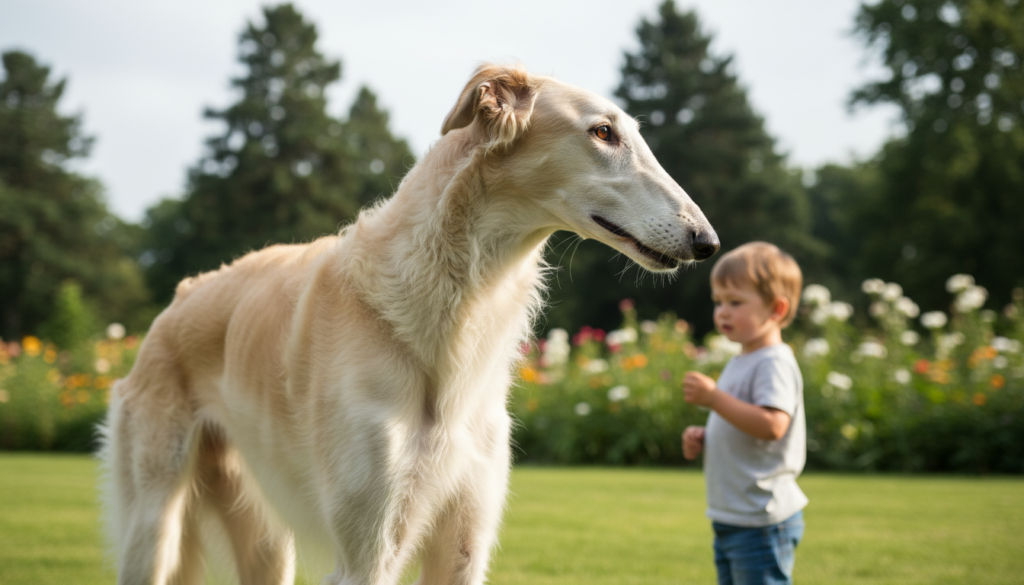
Borzois generally thrive in family settings where they receive plenty of love and attention. They are remarkably gentle with children, often showing a protective yet patient attitude toward younger family members. However, due to their size, supervision is always recommended during play to ensure safety for both the dog and the child.
When it comes to other pets, their history as sighthounds means they may have a strong prey drive. Early introductions are vital for a harmonious household. With proper guidance, they can coexist peacefully with smaller animals, though their instinct to chase is something owners should always keep in mind.
Socialization Needs
Early socialization is essential to help your Borzoi become a well-rounded adult. Exposing them to various environments, sounds, and people helps build their confidence. When evaluating different breeds, it is helpful to compare their needs to others, such as the Dandie Dinmont Terrier.
While the Borzoi is reserved and calm, the Dandie Dinmont Terrier temperament is often more spirited and independent. Understanding these differences helps potential owners choose a dog that fits their specific lifestyle and activity level.
| Trait | Borzoi | Dandie Dinmont Terrier |
|---|---|---|
| Energy Level | Moderate | Moderate to High |
| Social Style | Reserved/Dignified | Bold/Outgoing |
| Training Needs | Patient/Positive | Firm/Consistent |
| Best Environment | Quiet Home | Active Household |
Health Considerations for Borzoi Dogs
While Borzois are elegant and athletic companions, they do have specific health considerations that every owner should know. Maintaining their well-being requires a proactive approach to veterinary care and daily observation. By staying informed, you can ensure your graceful friend enjoys a long and vibrant life.
Common Health Issues
The most critical concern for this breed is bloat, also known as gastric dilatation-volvulus. This is a life-threatening condition where the stomach twists, requiring immediate veterinary attention. Owners should learn to recognize the signs, such as a distended abdomen or unproductive retching, to act quickly in an emergency.
Beyond digestive concerns, these dogs may also face heart-related issues that require regular monitoring. It is helpful to compare these needs with other breeds; for instance, understanding Dandie Dinmont Terrier health issues can provide a broader context for why breed-specific preventative care is so vital for all dog owners. Consistent checkups help catch these potential problems before they become serious.
Lifespan and Care Requirements
With proper care, a Borzoi typically lives between 10 and 12 years. Providing a balanced lifestyle is the best way to support their longevity. This includes maintaining a healthy weight, as excess pounds can put unnecessary strain on their slender frames and joints.
Regular veterinary visits are essential for early detection of any underlying conditions. You should also ensure your dog receives appropriate vaccinations and parasite prevention throughout their life. Consistent love and attention, combined with professional medical guidance, will help your Borzoi thrive for many years to come.
Training and Obedience
Mastering the art of obedience with a Borzoi involves recognizing their high intelligence and independent spirit. These dogs are remarkably smart, yet they often possess a stubborn streak that can challenge even the most experienced owners. A successful training program relies on patience, consistency, and a deep understanding of their unique temperament.
Basic Training Tips
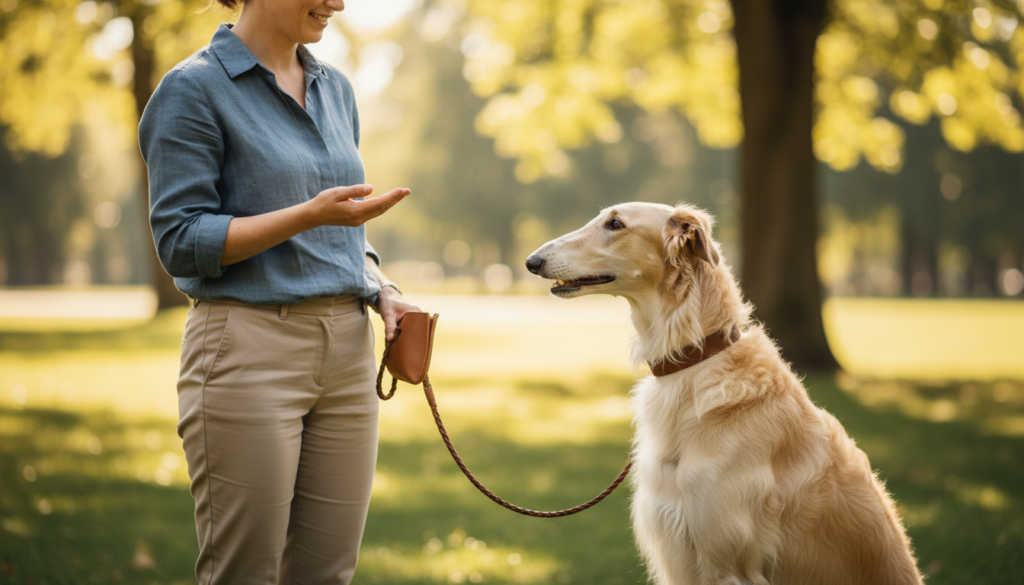
When working with a Borzoi, keep your training sessions short and engaging. These dogs can quickly become bored with repetitive drills, so variety is essential to keep their attention. Consistency is the key to success; ensure that all family members follow the same rules to avoid confusing your pet.
Focus on foundational commands like “sit,” “stay,” and “come” in a quiet environment before moving to busier areas. Always end each session on a high note with a successful task to build your dog’s confidence. Remember that your Borzoi wants to please you, but they prefer to do so on their own terms.
Socialization Techniques
Early socialization is vital for raising a well-adjusted and responsive Borzoi. You should introduce your dog to a wide variety of people, animals, and environments during their puppyhood. This exposure helps them feel comfortable in new situations and reduces the likelihood of anxiety or fear-based behaviors later in life.
Take your dog on regular walks in different neighborhoods or visit pet-friendly parks to broaden their horizons. Gentle exposure to loud noises, different surfaces, and various types of people will help them develop a calm demeanor. Always monitor their reactions and provide plenty of reassurance during these new experiences.
Importance of Positive Reinforcement
Positive reinforcement is the most effective method for teaching a Borzoi. Because these dogs are sensitive, harsh training methods can damage the bond you share and cause them to shut down. Instead, use high-value treats, praise, and play to reward desired behaviors immediately.
This approach is particularly important when managing their high prey drive. By rewarding your dog for checking in with you during walks, you reinforce the idea that you are more interesting than the squirrels or birds they might want to chase. Building a strong partnership through kindness ensures your Borzoi remains a happy and obedient companion for years to come.
Exercise and Activity Needs
While they may look like elegant statues, Borzois are actually high-energy sprinters that need plenty of room to stretch their legs. Despite their calm and regal appearance, these dogs possess a natural athletic drive that must be satisfied to keep them happy. Providing the right environment for them to move is essential for their overall well-being.
Daily Exercise Requirements
Borzois are not built for endurance marathons, but they are masters of the short, explosive sprint. They require at least one or two opportunities each day to engage in vigorous movement. A simple walk around the block is rarely enough to burn off their pent-up energy.
Ideally, these dogs should have access to a large, securely fenced area where they can run at full speed. If you do not have a private yard, look for local dog parks that offer plenty of open space. Always ensure the perimeter is high and secure, as their instinct to chase small animals can override their recall training in an instant.
Ideal Activities for Borzoi Dogs
Because of their background as sighthounds, these dogs thrive when they can engage in activities that mimic their natural hunting style. Lure coursing is perhaps the most rewarding activity for a Borzoi, as it allows them to chase a mechanical lure in a safe, controlled environment. This sport perfectly aligns with their desire to sprint and turn at high speeds.
If competitive sports are not your preference, you can still provide excellent mental and physical stimulation through interactive play. Using a flirt pole in a large yard is a fantastic way to let your dog practice their agility and focus without needing miles of open land. Always keep sessions short and fun to prevent overexertion.
Remember that even on days when you cannot get outside for a long run, you should provide mental enrichment to keep them balanced. Puzzle toys and scent games can help tire out their active minds when the weather keeps you indoors. A tired Borzoi is a well-behaved companion that will happily spend the rest of the evening lounging by your side.
Nutrition and Diet
Feeding your Borzoi a high-quality diet is essential for maintaining their signature lean and muscular frame. Because this breed is an active sighthound, they require a nutrient-dense profile that supports their unique metabolism and athletic build. Providing the right fuel is the most effective way to ensure your dog stays energetic and healthy for years to come.
Recommended Dog Food
When selecting a diet, look for high-quality proteins as the primary ingredient to support muscle maintenance. It is important to avoid fillers and artificial additives that offer little nutritional value to your pet. You can find more detailed advice on selecting the best dog food for Borzoi to ensure you are meeting their specific physiological needs.
Quality nutrition acts as the cornerstone of your dog’s overall wellness. A diet rich in healthy fats and essential vitamins will help keep their coat shiny and their joints strong. Always consult with your veterinarian if you are unsure about the specific caloric needs of your individual dog.
Feeding Guidelines
Managing your Borzoi’s weight is vital to prevent unnecessary strain on their long, slender limbs. Most owners find that splitting the daily food intake into two or three smaller meals is more effective than one large feeding. This approach helps maintain steady energy levels throughout the day.
To reduce the risk of bloat, a serious condition common in deep-chested breeds, avoid intense exercise immediately before or after mealtime. Consistency is key when establishing a feeding schedule. By monitoring their body condition regularly, you can adjust portion sizes to ensure your companion remains at an ideal, healthy weight.
Grooming and Maintenance
The majestic coat of a Borzoi demands consistent care to stay tangle-free and healthy. Because these dogs possess long, silky hair, they are prone to developing mats if left unattended for too long. Regular attention is the key to keeping their appearance as graceful as their movement.
Coat Care Practices
You should aim to brush your Borzoi at least two to three times per week. Using a high-quality slicker brush or a metal comb helps reach the undercoat and remove loose hair before it turns into a knot. Focus on areas prone to friction, such as behind the ears, under the legs, and near the tail.
If you encounter a stubborn mat, avoid pulling it aggressively. Instead, use a detangling spray and gently work through the tangle with your fingers or a wide-toothed comb. This patient approach prevents discomfort and keeps your dog calm during the process.
Nail Trimming and Bathing
Bathing a Borzoi is a significant task due to their size and the volume of their coat. You only need to bathe them when they are visibly dirty or have developed a “doggy” odor, typically every six to eight weeks. Always use a mild, moisturizing shampoo to protect their skin and keep the hair soft.
Nail trimming is equally important for their overall comfort and posture. If you hear their nails clicking on the floor, it is time for a trim. Many owners find that comparing their routine to Dandie Dinmont Terrier grooming helps put the effort into perspective, as the Borzoi requires a different focus on length and volume rather than the specific stripping techniques used for terriers.
| Breed | Primary Grooming Focus | Frequency |
|---|---|---|
| Borzoi | Detangling long, silky hair | 2-3 times per week |
| Dandie Dinmont Terrier | Hand-stripping the coat | Monthly professional care |
| General Maintenance | Nail and ear hygiene | Every 4-6 weeks |
Adopting a Borzoi Dog
Welcoming a Borzoi into your life marks the start of a rewarding journey with a loyal companion. Finding the right source for your new pet requires patience and careful research to ensure a healthy start.
Finding Reputable Sources
You should prioritize breeders who perform health screenings on their parent dogs. This vetting process mirrors the diligence required when searching for Dandie Dinmont Terrier breeders. Whether you seek Borzoi puppies or are exploring options like a Dandie Dinmont Terrier rescue, always ask for health records and visit the facility in person.
Preparing for Your New Companion
Responsible ownership involves more than just selecting a dog. You must prepare your home for the unique needs of this elegant breed. Many people compare the research phase to the care taken when looking for Dandie Dinmont Terrier puppies. A commitment to regular veterinary checkups will keep your dog thriving for years.
Consider your lifestyle and space before making a final decision. If you prefer to adopt, look for a reputable Borzoi club or a dedicated breed rescue. Your dedication to finding a healthy, well-bred dog ensures a long and happy life for your new friend. Share your experiences with fellow owners to help others navigate the path to responsible pet ownership.



💬 Leave a Comment