
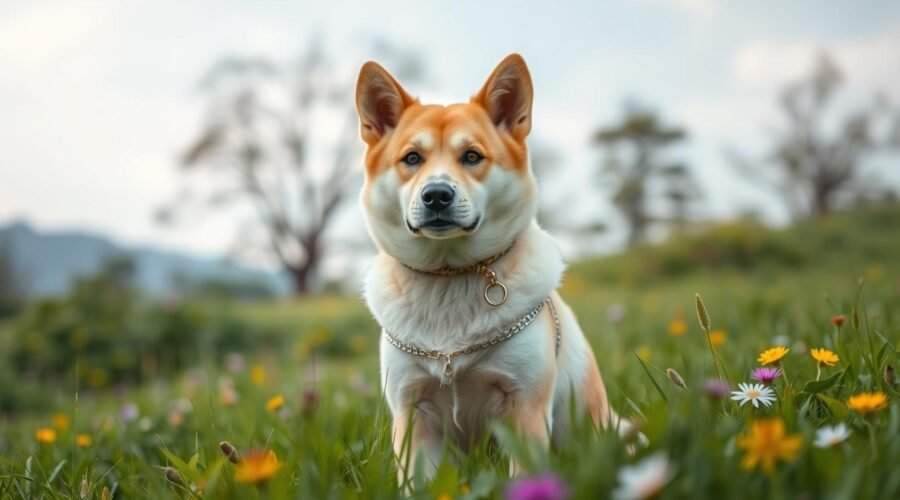
Choosing a new pet is a big decision that needs careful thought. If you’re interested in the loyal and intelligent Korean Jindo, you’re looking for a loyal friend. This dog is known for its sharp instincts and deep love for its family.
Before getting a Korean Jindo Dog, it’s important to know their unique personality and exercise needs. They do best with a clear purpose and consistent leadership. To see if this special companion is right for you, check out this detailed Jindo breed guide. We aim to help you make a well-informed choice for your home.
Key Takeaways
- The breed is known for extreme loyalty and a strong protective instinct.
- Early socialization is essential for a well-adjusted pet.
- These animals require significant daily mental and physical stimulation.
- They are highly independent and may challenge inexperienced owners.
- Prospective owners should prioritize secure fencing due to their clever escape skills.
Introduction to the Jindo Dog
Exploring the unique traits of the Korean Jindo Dog is the first step to a rewarding relationship. These dogs are known for their unwavering loyalty and sharp intelligence. They have won the hearts of many enthusiasts around the world. Understanding the Jindo breed’s core is key to deciding if it fits your lifestyle.
What is a Jindo Dog?
The Jindo Dog is a medium-sized breed from South Korea, celebrated for its hunting heritage and remarkable independence. They have a keen sense of awareness and a natural protective instinct. Jindo dogs are alert and calm at home.
They are highly observant and quick to learn new tasks. But, they are not typical “people-pleasers” like some other breeds. Their intelligence and strong-willed nature need a patient and confident handler.
Who is the Jindo Dog Suitable For?
The Korean Jindo is best for experienced dog owners who can provide consistent leadership. First-time owners might find their independent spirit challenging. This breed thrives with a clear structure and a job to do.
Prospective owners should be ready for a high-energy companion. They need regular physical and mental stimulation. Below is a quick comparison to help you understand if your lifestyle fits this breed’s needs.
| Feature | Jindo Requirement | Owner Need |
|---|---|---|
| Training | Consistent, firm guidance | Experience with independent breeds |
| Activity | High daily exercise | Active lifestyle |
| Socialization | Early and frequent | Time and patience |
| Leadership | Strong, calm authority | Confidence and stability |
The Jindo breed is a devoted partner for those who respect its intelligence and autonomy. Acknowledging these needs early ensures a harmonious life with your future companion.
Origin and History of the Jindo Dog
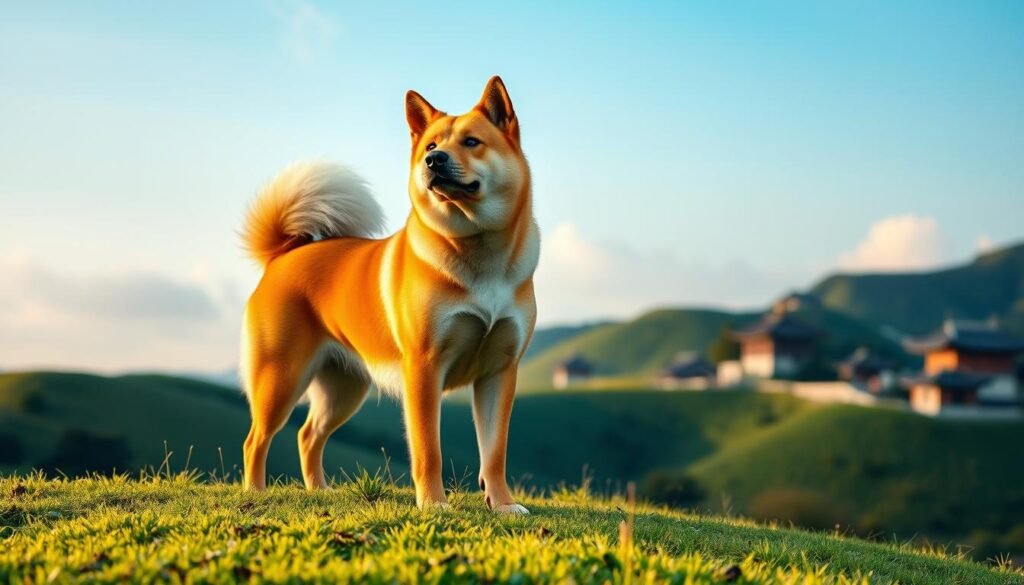
The Korean Jindo Dog has a long history, dating back thousands of years. It comes from Jindo Island, off South Korea’s southwest coast. This isolation helped the Jindo breed stay pure and develop sharp instincts.
Historical Background
For ages, these dogs were vital to locals. They hunted and guarded homes against wild animals. The island’s tough terrain made them agile and directionally aware.
This environment made them smart and independent. These traits shaped the Korean Jindo into a loyal and protective dog. The island’s isolation kept the breed’s unique traits safe from outside changes.
Cultural Significance
In South Korea, the Jindo breed is a national treasure. The government works to keep this heritage alive. It shows the strong bond between Koreans and their dogs.
This history explains why the Korean Jindo Dog is so devoted to its family. Their ancestors were bred for reliability, and this trust lives on today. Here’s how their history affects their behavior now.
| Historical Trait | Developmental Impact | Modern Behavior |
|---|---|---|
| Island Isolation | Genetic Purity | Consistent Temperament |
| Hunting Roots | High Prey Drive | Active and Alert |
| Guard Duty | Protective Instinct | Loyal to Family |
| Rugged Terrain | Physical Agility | Strong and Athletic |
Size, Weight, and Lifespan
The Korean Jindo Dog has a special build, showing it’s a working breed. Knowing these traits helps plan your home for your new pet.
The Jindo breed has a balanced and athletic look. They are medium-sized, built for speed and stamina, not size.
Physical Characteristics
A healthy Korean Jindo is 18 to 22 inches tall. They weigh 35 to 50 pounds, based on their gender and how active they are.
They have distinctive upright ears and a curled tail. Their confident and alert stance shows their smart nature.
Because of their sturdy build, they fit well in different homes. But, they need enough space to move and show their energy.
Average Lifespan
The Jindo Dog is a tough and loyal friend. With good food and vet visits, they can live a long, healthy life.
On average, a Korean Jindo Dog lives 12 to 15 years. This shows their strong nature and careful breeding over time.
Keeping them happy and mentally active is key, even as they age. Regular vet visits are important to catch health problems early.
Temperament and Personality Traits
The Jindo breed is known for its unique temperament and deep loyalty. These dogs are naturally calm at home, preferring to watch quietly. But, their high intelligence means they need constant mental challenges to stay happy.
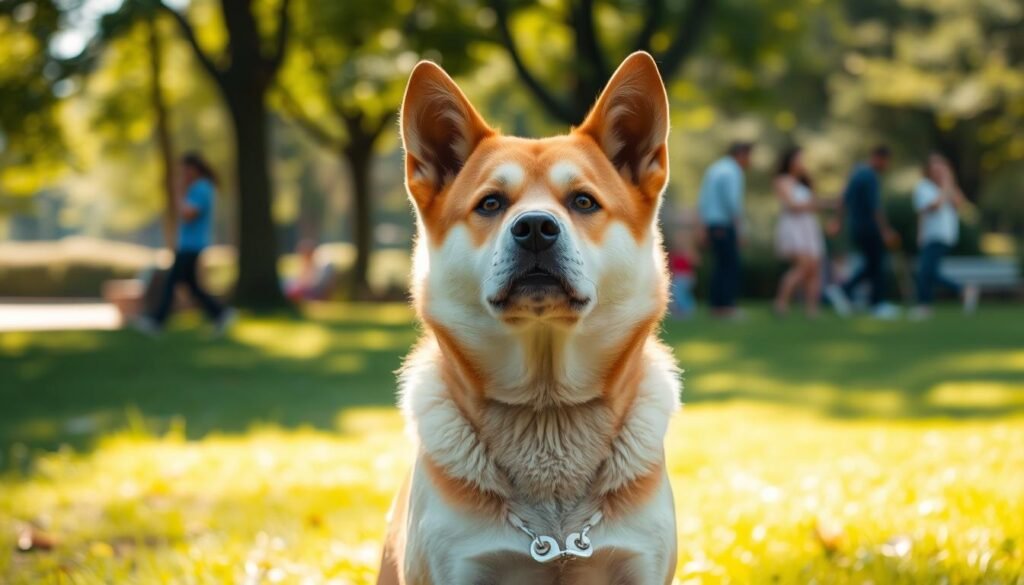
Getting to know Jindo dog characteristics is key to a strong bond. They are very smart and can get bored without enough mental stimulation. Giving them puzzles or training sessions helps keep their energy positive.
Behavior with Family Members
The Korean Jindo is known for its intense loyalty to its owner. They may be shy with strangers but are very loving and loyal to their family. This makes them exceptionally protective companions.
They are great watchdogs, alerting you to anything unusual without being too aggressive. Their protective nature is balanced by a calm and confident demeanor.
Energy Level and Playfulness
These dogs have a steady energy level that needs regular activity. The Jindo Dog loves to explore and play. Without enough exercise, they might find their own ways to entertain themselves, so structured activity is key.
It’s important to know how your dog likes to play. Some prefer long walks, while others enjoy agility games. Keeping a routine helps keep their Jindo dog temperament balanced and friendly.
| Trait | Description | Level |
|---|---|---|
| Loyalty | Deep bond with primary owner | Very High |
| Intelligence | Quick to learn and solve problems | High |
| Watchdog Ability | Naturally alert and protective | High |
| Indoor Energy | Calm and relaxed | Low |
Is the Jindo Dog Right for You?
Many people are drawn to the Jindo breed. But is it right for you? It’s important to consider your daily routine and dog experience. These dogs need owners who understand their independent nature.
Families and Children
The Korean Jindo can be a great family pet with the right care. They are protective and bond deeply with their family. But, they need early socialization to feel comfortable around kids and guests.
Always watch when kids and pets are together. Teach kids to respect the dog’s space. With kindness, the Jindo Dog becomes a loyal family guardian.
Apartment Living and Space Needs
These dogs are clean and quiet indoors but need exercise. A Korean Jindo Dog can live in an apartment with enough activity. They need daily walks and mental games to stay happy.
If you live in a small space, find a park or secure area for your dog. They don’t need constant attention but a routine. Without exercise, they might get restless or bored.
First-Time Owners
First-time owners should be careful with the Jindo breed. They are smart but strong-willed. Training them requires patience, consistency, and a gentle but firm approach.
Be ready to invest in obedience classes and positive training. With dedication, the experience can be rewarding. But, they are not for those seeking a very submissive dog.
Pros and Cons of Owning a Jindo Dog
Thinking about the Korean Jindo? It’s good to know the good and the tough parts of their nature. Each dog breed has its own special traits. These can either fit right into your life or surprise you. Knowing all about it helps you decide if this breed is for you.
Advantages of the Breed
The Jindo breed is loved for many reasons. They are naturally clean, like cats, which is great for those who don’t like dog smells. This makes them a perfect pick for some.
- Unwavering Loyalty: They bond deeply with their owners.
- High Intelligence: They learn fast and notice things around them.
- Low Maintenance Grooming: Their fur is easy to care for with regular brushing.
- Alert Guardians: They protect well and are always watching.
Disadvantages to Consider
But, their smarts can also be a challenge. The Jindo dog temperament is independent and stubborn. They might not always listen if they don’t see the reason.
Also, they are known as escape artists. Their high energy and curiosity mean they need a secure place to live. If you’re thinking about Jindo dog adoption, be ready for their high energy and need for mental play.
Getting help from good Jindo dog breeders or rescue groups can help. They can tell you more about what the Korean Jindo Dog needs. Understanding these Jindo dog characteristics early on can lead to a great bond with your new pet.
Grooming and Care Requirements
Keeping a Jindo breed happy and healthy is more than just showing love. It needs a regular routine. By sticking to a care plan, your dog stays comfortable and lively all year.
General Grooming Needs
The Jindo Dog has a thick, double coat that keeps it warm in cold weather. You’ll need to brush it regularly to avoid tangles and loose hair. Aim for brushing once or twice a week.
When they shed heavily twice a year, brush your Korean Jindo daily. This keeps your home tidy and your dog happy. Remember, regular grooming is key to a healthy coat without stressing your pet.
Exercise and Activity Levels
The Korean Jindo Dog is energetic and smart. It needs lots of physical and mental challenges to stay happy. Without enough, it might get bored and act out.
Try to get your dog to do at least an hour of active play each day. This can be walks, hikes, or playtime. Also, give them puzzle toys and scent games to keep their minds sharp.
| Care Category | Frequency | Key Benefit |
|---|---|---|
| Brushing | Weekly (Daily during shedding) | Reduces shedding and skin issues |
| Physical Exercise | Daily (60+ minutes) | Prevents boredom and obesity |
| Mental Stimulation | Daily | Supports cognitive health |
| Nail Trimming | Monthly | Ensures comfortable movement |
By meeting these grooming and exercise needs, you create a great home for your Korean Jindo Dog. Every dog is different, so watch how they react and adjust your routine as needed.
Training Difficulty and Social Behavior
Understanding the Jindo dog temperament is key to successful training. These dogs are smart and independent, which can seem stubborn. They think before acting, making training a challenge.
Building a meaningful connection with your pet is essential. Training with patience and consistency helps. This way, your dog sees you as a trusted leader, not just a boss.
Training Challenges
The Jindo breed needs positive, reward-based training. Harsh methods can harm your bond. Short, fun sessions keep them engaged and eager to learn.
“The secret to training a highly intelligent dog is to make them believe that following your lead is the most rewarding choice they can make.”
Consistency is key with a Korean Jindo Dog. Changing rules can confuse or upset them. Clear boundaries and rewards help them understand what’s expected.
Interaction with Other Pets
Socialization is vital for a well-adjusted Jindo Dog. They may chase small animals due to their instincts. Early, controlled exposure to other pets helps manage this.
Many Korean Jindo dogs get along with other pets. But, watch their interactions closely. They often want to be the top dog in a household. Here’s how to socialize them:
| Scenario | Recommended Approach | Key Focus |
|---|---|---|
| Meeting new dogs | Leashed, neutral territory | Positive reinforcement |
| Small pets | Supervised interaction | Safety and boundaries |
| Household pets | Gradual introduction | Building trust |
Your Jindo Dog can be a great companion with the right training. Respect their independence and train consistently. This way, you’ll have a loyal and well-behaved family member.
Health Considerations and Common Issues
The Jindo Dog is known for being tough and loyal. But, knowing about health issues is key for a happy pet. Understanding their needs helps them live a long, happy life.
Common Health Problems
The Jindo breed is mostly free from genetic diseases. Yet, they can face some health challenges. Owners should watch for these closely.
- Skin Allergies: Some dogs may react to the environment or food.
- Hypothyroidism: This affects their energy. It’s usually managed with medicine.
- Joint Health: Active breeds need to stay mobile as they age.
“The secret to a long life for your canine companion is not just in the food they eat, but in the watchful eye of an owner who notices the small changes before they become big problems.”
Regular Veterinary Care
Regular vet visits are essential for a healthy Korean Jindo Dog. Annual or bi-annual visits help catch problems early. This is often the key to successful treatment.
Consistent care includes vaccinations, parasite prevention, and dental care. By prioritizing regular veterinary visits, you invest in your Jindo Dog‘s well-being. This keeps your Korean Jindo active and happy for years.
Conclusion: Is a Jindo Dog Right for Your Lifestyle?
Getting a Jindo Dog is a big step that brings great loyalty. This bond needs a deep understanding of the breed and time for their growth.
Think about your daily life and future plans. See if a Jindo Dog fits into your world. Success with a Korean Jindo Dog needs structure and consistent guidance.
Exploring Similar Breeds
If the Jindo breed is too intense for you, look at other spitz-type dogs. The Shiba Inu or Akita share some looks with the Korean Jindo but have different personalities. Looking into these breeds can help you find the right fit for your home.
Next Steps for Future Owners
Start by looking into Jindo dog adoption through good rescues. Talk to experienced Jindo dog breeders for insights into their needs. Remember, patience and dedicated training are key to a great bond with this amazing pet.



💬 Leave a Comment