
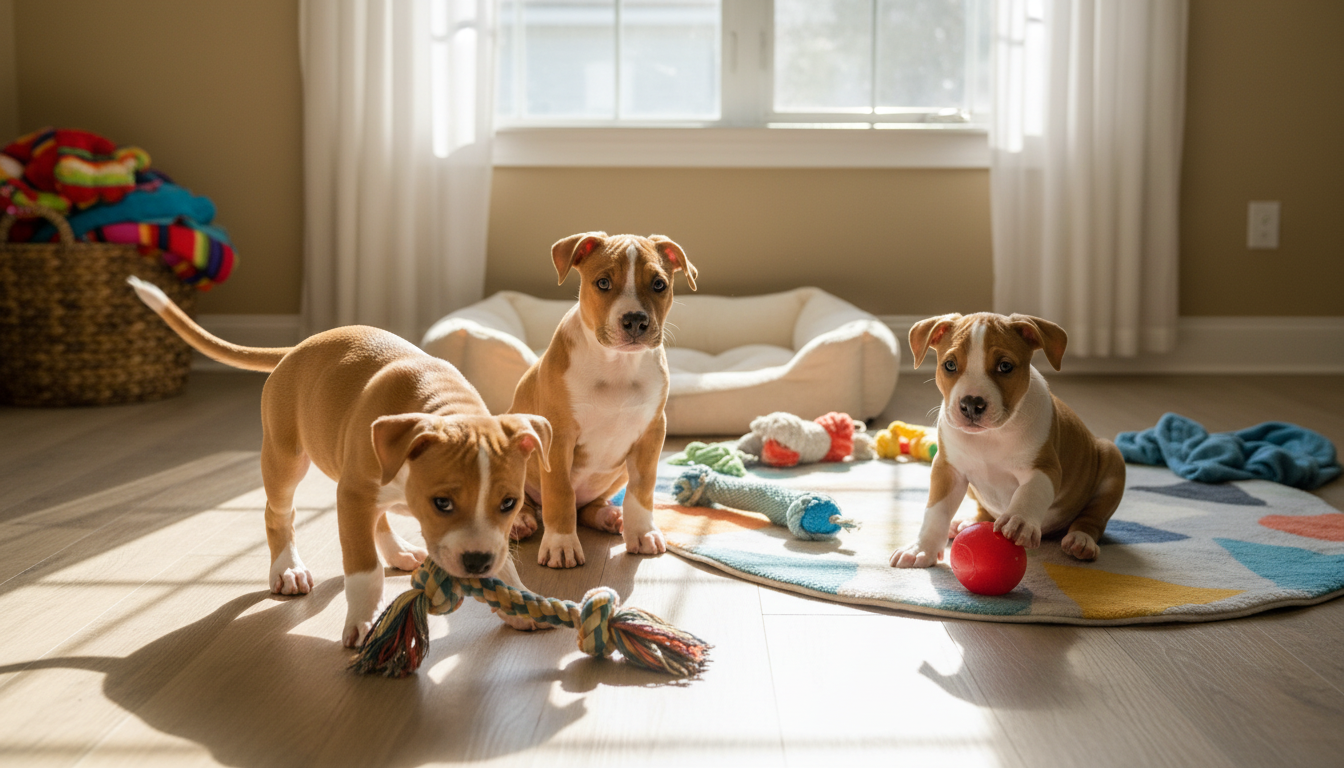
Finding the perfect addition to your family is an exciting journey. Many people search for pit bull puppies for sale because they desire a pet that offers unmatched devotion. These dogs are widely recognized as loyal companions who thrive on human connection and affection.
Choosing the right dog requires careful research and patience. It is essential to connect with reputable pit bull puppy breeders who prioritize the health and temperament of their animals. By selecting a responsible source, you ensure your new friend starts life with the best care possible.
This guide will help you understand what to expect when bringing this breed into your home. We will explore their unique needs, training tips, and the joy they bring to daily life. Get ready to discover why these dogs remain a top choice for active households across the United States.
Key Takeaways
- Pit bulls are known for their deep bond with family members.
- Always research ethical breeders to ensure a healthy puppy.
- Early socialization is vital for a well-adjusted adult dog.
- These dogs require consistent training and plenty of exercise.
- Bringing a new pet home is a long-term commitment to love.
Understanding the Pit Bull Breed
Pit Bull puppies are often misunderstood, but by delving into their characteristics, you can uncover the truth about this loving breed. As a breed, Pit Bulls have been the subject of much debate, but for those looking to bring a new pet into their family, understanding their nature is crucial.
Characteristics of Pit Bull Puppies
Pit Bull puppies are known for their energetic and playful personalities. They are a breed that thrives on interaction and requires early socialization to grow into well-adjusted adults. Their muscular build and athletic ability make them a great fit for active families. As puppies, they are naturally curious and love to explore their surroundings.
One of the defining characteristics of Pit Bull puppies is their loyalty. They form strong bonds with their family members and are often described as “velcro dogs” due to their tendency to stick close by. This loyalty, combined with their intelligence, makes them highly trainable with the right approach.
Common Temperament Traits
The temperament of Pit Bull puppies is often a topic of discussion. While they have a reputation for being aggressive, this is not inherently a trait of the breed. Proper training and socialization from an early age can help bring out their friendly and affectionate nature. Pit Bulls are known to be great with children when raised with them, making them a potential addition to families.
It’s also worth noting that Pit Bulls are highly intelligent and respond well to positive reinforcement training. Their eagerness to please and quick learning ability make them a joy to train for experienced and novice dog owners alike.
Lifespan and Health Considerations
Pit Bulls generally have a lifespan of 12 to 16 years, depending on various factors including diet, exercise, and health conditions. Like many breeds, they can be prone to certain health issues such as hip dysplasia and allergies. Regular veterinary check-ups and a balanced diet are crucial for maintaining their health.
Understanding the potential health considerations for Pit Bulls can help owners prepare for the responsibilities involved in caring for them. By being aware of these factors, you can take proactive steps to ensure your Pit Bull puppy leads a long and healthy life.
Why Choose a Pit Bull Puppy?
For those looking for a loyal companion, Pit Bull puppies are an excellent choice. They bring joy and love into many families’ lives. With their affectionate nature, it’s no wonder why many people consider them as pets.
Loyal Family Members
Pit Bull puppies are known for their loyalty. They form strong bonds with their family members. This loyalty is one of the key reasons why many families choose Pit Bulls as their pets. Their ability to become integral family members makes them a popular choice.
Versatility and Adaptability
These puppies are versatile and can adapt to various living situations, from apartments to homes with yards. Their adaptability is a significant advantage for potential owners who live in different types of environments. Whether you live in a small apartment or a spacious house, a Pit Bull puppy can adjust accordingly.
Great for Active Lifestyles
Their energetic nature makes them ideal for families with active lifestyles. Pit Bull puppies require regular exercise, which encourages their owners to lead a more active lifestyle as well. Engaging in activities like walking, running, or playing fetch can be beneficial for both the puppy and the owner.
| Characteristics | Benefits |
|---|---|
| Loyal | Forms strong family bonds |
| Versatile | Adapts to different living situations |
| Energetic | Ideal for active families |
How to Find Reputable Breeders
The journey to bringing a new Pit Bull puppy home starts with identifying a trustworthy breeder. With the rise in demand for Pit Bull puppies, it’s become increasingly important to know how to distinguish between reputable and disreputable breeders.
What to Look for in a Breeder
When searching for a breeder, there are several key factors to consider. A reputable breeder will be transparent about the health, temperament, and ancestry of their puppies. They should be willing to provide health clearances for the parents of the puppy you’re interested in and allow you to visit their facility to meet the puppies and the parents.
To ensure you’re dealing with a responsible breeder, look for the following:
- Health clearances for the puppy’s parents
- A clean and safe environment for the dogs
- Evidence of socialization of the puppies
- A willingness to answer all your questions
Questions to Ask Before Purchasing
Before making a decision, it’s essential to ask the breeder several questions. This not only helps you understand the puppy’s background but also gives you insight into the breeder’s practices and priorities.
Some critical questions to ask include:
- What health clearances do the parents have?
- Can I meet the parents of the puppy?
- How have the puppies been socialized?
- What kind of support do you offer after the sale?
Red Flags to Avoid
While there are positive indicators of a reputable breeder, there are also red flags to watch out for. Being aware of these can save you from potential pitfalls.
Be cautious if:
- The breeder is unwilling to let you visit their facility.
- They have multiple breeds and a large number of dogs on the premises.
- They can’t provide health clearances or vaccination records.
- They pressure you into making a decision quickly.
Comparison of Reputable vs. Disreputable Breeders
| Characteristics | Reputable Breeder | Disreputable Breeder |
|---|---|---|
| Health Clearances | Provides health clearances for parents | Lacks or refuses to provide health clearances |
| Facility Visit | Welcomes visits to the facility | Refuses or is evasive about visits |
| Socialization | Prioritizes socialization of puppies | Shows little concern for puppy socialization |
| Support | Offers support after the sale | Limited or no support after the sale |
By being informed and vigilant, you can find a reputable Pit Bull breeder who prioritizes the health and well-being of their dogs.
Adoption vs. Buying: Making the Right Choice
When considering bringing a Pit Bull puppy into your family, one of the most significant decisions you’ll make is whether to adopt or buy. Both options have their merits and drawbacks, and understanding these can help you make an informed decision that suits your lifestyle and preferences.
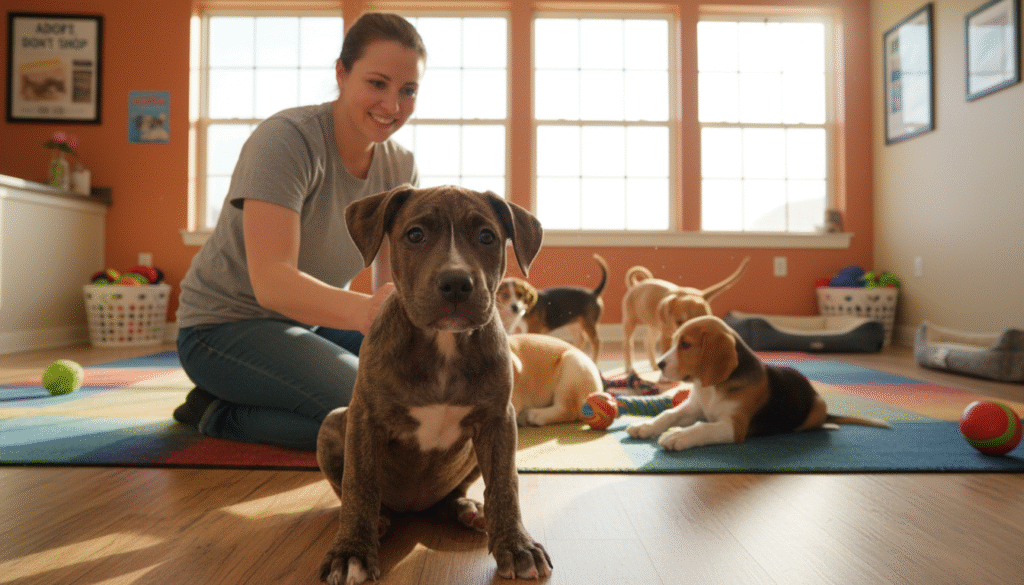
Adopting a Pit Bull puppy can be a rewarding experience, not just for you, but for the puppy as well. Many shelters have Pit Bulls and Pit Bull mixes waiting for a loving home. By choosing adoption, you’re not only giving a home to a puppy in need but also opening up a space in the shelter for another dog.
Benefits of Adopting a Pit Bull Puppy
Adopting a Pit Bull puppy comes with several benefits. Firstly, you’re giving a loving home to a puppy that might otherwise be euthanized. Many shelters have a variety of ages and mixes, so you might find a puppy that’s already house-trained or one that’s still young and full of energy. Adoption fees are often lower than buying from a breeder, and many shelters include initial vaccinations and spaying/neutering in the adoption cost.
Furthermore, adopting an adult Pit Bull can mean skipping the potentially destructive puppy phase, as they might already be house-trained and less energetic than a younger puppy. However, with patience and the right training, Pit Bull puppies can grow into well-behaved and loving companions.
Cost Comparisons
The cost of adopting a Pit Bull puppy can vary significantly from buying one from a breeder. Adoption fees can range from $50 to $200, depending on the shelter and the services included. On the other hand, buying from a reputable breeder can cost anywhere from $500 to $2,000 or more, depending on the puppy’s lineage and the breeder’s reputation.
It’s essential to consider not just the initial cost but also the long-term expenses associated with dog ownership, such as food, vet bills, and training. While the initial cost of adoption might be lower, the overall cost of caring for a Pit Bull puppy remains the same whether you adopt or buy.
Supporting Local Shelters
By adopting a Pit Bull puppy, you’re supporting local shelters and their efforts to care for abandoned and stray animals. This support can help encourage more people to adopt rather than shop, potentially reducing the demand for puppies from irresponsible breeders.
Additionally, many shelters offer resources and support for new owners, including training advice and behavioral support, which can be invaluable as you navigate the challenges and joys of raising a new puppy.
Preparing Your Home for a Pit Bull Puppy
As you get ready to welcome a Pit Bull puppy into your family, it’s essential to ensure your home is puppy-proofed and ready for the new addition. Preparing your home involves gathering the right supplies, creating a safe environment, and setting up a dedicated training area.
Essential Supplies to Gather
Before your Pit Bull puppy arrives, you’ll need to stock up on essential supplies. These include:
- A comfortable dog bed
- Nutritious puppy food and treats
- Toys suitable for Pit Bull puppies
- Grooming tools like brushes and nail clippers
- Leash and collar
- ID tags with your puppy’s name and your contact information
Having these supplies on hand will help ensure a smooth transition for your new puppy.
Creating a Safe Environment
Creating a safe environment for your Pit Bull puppy is crucial. This involves:
- Securing toxic substances and cleaning supplies out of reach
- Removing hazardous items like electrical cords and sharp objects
- Blocking off areas you don’t want your puppy to access
- Setting up baby gates to restrict movement
Setting Up a Training Area
A dedicated training area can significantly aid in housebreaking and obedience training. Consider the following when setting up this space:
| Training Area Considerations | Description |
|---|---|
| Location | Choose a quiet, distraction-free area |
| Equipment | Invest in puppy pads, training treats, and clickers |
| Consistency | Use the same commands and rewards consistently |
By setting up a well-organized training area, you’ll be better equipped to raise a well-behaved Pit Bull puppy.
Early Training for Your Pit Bull Puppy
Early training is not just about teaching commands; it’s about building trust and understanding between you and your Pit Bull puppy. This foundational period is critical for developing good behavior and a strong, lasting bond.
During the early stages, your Pit Bull puppy is most receptive to new experiences and learning. It’s a time when they are eager to please and quick to absorb the behaviors and commands you teach them. Consistency and positive reinforcement are key to successful training during this period.
Basic Commands Every Puppy Should Know
Teaching your Pit Bull puppy basic commands is essential for their development and your peace of mind. Commands like “sit,” “stay,” “come,” and “leave it” are not just useful; they are fundamental for establishing a line of communication and ensuring your puppy’s safety.
- Sit: Encourages your puppy to sit on command, helping with mealtime, greeting guests, and more.
- Stay: Teaches your puppy to remain in position, even when distracted, ensuring their safety in various situations.
- Come: A vital command for recalling your puppy, especially in off-leash situations or when they’re distracted.
- Leave it: Helps prevent unwanted behaviors like stealing food or picking up harmful objects.
Socialization Importance
Socialization is a critical component of your Pit Bull puppy’s early life. It involves exposing them to a variety of environments, people, and other animals to help them become confident and calm in new situations. A well-socialized puppy is less likely to develop behavioral issues such as fear aggression or anxiety.
To socialize your Pit Bull puppy effectively, start by introducing them to new experiences gradually. This can include visits to dog parks, puppy classes, and simply spending time in different locations around your community.
Resources for Training Aid
Fortunately, there are many resources available to help you train your Pit Bull puppy. From online tutorials and training videos to local dog training classes, you can choose the method that best suits your lifestyle and your puppy’s needs.
Some recommended resources include professional dog trainers who specialize in positive reinforcement techniques, online forums and communities dedicated to Pit Bull owners, and training books that offer step-by-step guides.
By leveraging these resources and committing to early training, you can help your Pit Bull puppy grow into a well-behaved and loving companion.
Nutrition for Growing Pit Bull Puppies
Pit Bull puppies require a specific nutritional intake to support their rapid growth and high energy levels. A well-balanced diet is crucial for their development, ensuring they grow into strong, healthy dogs.
Recommended Diet Plans
When it comes to feeding your Pit Bull puppy, it’s essential to choose a high-quality puppy food that is rich in protein, moderate in fat, and low in carbohydrates. Look for foods that list a named protein source (such as chicken or beef) as the first ingredient. Avoid foods with fillers or by-products.
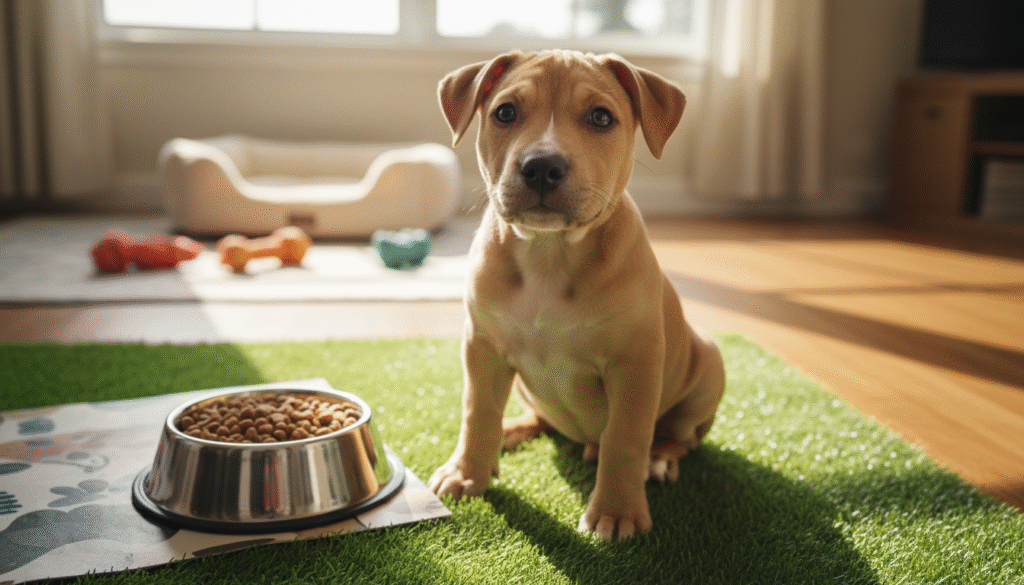
A recommended diet plan for Pit Bull puppies includes feeding them 3-4 times a day until they are about six months old. After that, you can gradually switch to twice a day. Consult with your veterinarian to determine the best feeding schedule for your puppy based on their size, age, and activity level.
Understanding Puppy Nutrition Needs
Pit Bull puppies have different nutritional needs compared to adult dogs. They require more protein and calories per pound of body weight to support their growth. Essential nutrients include vitamins A, D, and E, as well as minerals like calcium and phosphorus for bone development.
It’s also important to ensure your puppy stays hydrated. Always provide access to fresh, clean water.
Importance of Regular Vet Check-ups
Regular veterinary check-ups are vital to monitor your puppy’s growth and health. Your vet can provide guidance on the best diet for your Pit Bull puppy and identify any potential health issues early on.
During these check-ups, your vet will track your puppy’s weight, overall health, and provide vaccinations and parasite control measures as needed. Regular check-ups can help prevent health problems and ensure your puppy grows into a healthy adult dog.
Health Care Considerations for Pit Bull Puppies
Providing the right health care for your Pit Bull puppy sets the foundation for a healthy and fulfilling companionship. As a responsible dog owner, it’s crucial to be aware of the specific health needs of your Pit Bull puppy to ensure they lead a long and happy life.
Vaccination Schedule
Pit Bull puppies require a series of vaccinations to protect them from common canine diseases. The typical vaccination schedule includes:
- First vaccinations at 6-8 weeks
- Follow-up vaccinations every 3-4 weeks until they are 16-17 weeks old
- Booster shots as recommended by your veterinarian
It’s essential to follow this schedule to ensure your puppy is fully protected against diseases such as distemper, parvovirus, and rabies.
Common Health Issues in Pit Bulls
Pit Bulls are generally a healthy breed, but like all breeds, they can be prone to certain health issues. Some common health concerns include:
| Health Issue | Description | Prevention/Treatment |
|---|---|---|
| Hip Dysplasia | A genetic condition that affects the hip joint | Regular check-ups, maintaining a healthy weight |
| Allergies | Skin allergies or food allergies | Proper diet, allergy testing |
| Heart Disease | Conditions such as cardiomyopathy | Regular veterinary check-ups, heart screenings |
Importance of Spaying/Neutering
Spaying or neutering your Pit Bull puppy is a critical decision that impacts their health and behavior. Spaying/neutering can prevent certain health issues, such as uterine infections and testicular cancer, and reduce undesirable behaviors like roaming or aggression.
The ideal time for spaying or neutering can vary based on your puppy’s age, size, and health status. Consult with your veterinarian to determine the best time for this procedure.
Socializing Your Pit Bull Puppy
The socialization of your Pit Bull puppy plays a significant role in shaping their behavior and temperament. It’s essential to start this process early to ensure your puppy grows into a well-adjusted adult dog.
Friendly Interaction Tips
Friendly interaction is crucial for your Pit Bull puppy’s social development. Here are some tips to encourage positive interactions:
- Be calm and positive during interactions.
- Encourage gentle play.
- Reward good behavior with treats and praise.
By following these tips, you can help your puppy develop good social skills that will benefit them throughout their life.
Organizing Playdates with Other Dogs
Organizing playdates with other dogs is an excellent way to socialize your Pit Bull puppy. Ensure the other dogs are vaccinated and well-behaved. You can:
- Arrange playdates with dogs of similar size and temperament.
- Monitor the interactions closely to prevent any conflicts.
- Gradually increase the number of dogs in playdates.
This will help your puppy become confident in the presence of other dogs.
Introducing New Experiences
Introduce your puppy to new environments, people, and experiences gradually. This helps in reducing anxiety and fear. Some ideas include:
- Taking your puppy on short car rides to new places.
- Introducing your puppy to various textures, sounds, and smells.
- Inviting friends over to meet your puppy.
These experiences will help your puppy become more adaptable and calm in new situations.
By following these socialization tips, you can help your Pit Bull puppy grow into a confident, friendly, and well-adjusted adult dog.
Exercise Requirements for Pit Bull Puppies
To keep your Pit Bull puppy entertained and in top physical condition, a well-planned exercise regimen is essential. Exercise not only helps in burning off excess energy but also plays a crucial role in their mental health and development.
Daily Activity Recommendations
Pit Bull puppies require a significant amount of exercise. It is recommended to have at least 30 minutes of exercise per day, which can be divided into shorter sessions to accommodate their age and energy levels. For younger puppies, shorter, more gentle exercises are advisable to prevent overexertion.
Daily activities can include walks, playtime in securely fenced areas, and interactive games that challenge them physically and mentally. As they grow, the duration and intensity of these activities can be adjusted accordingly.
Fun Playtime Ideas
Engaging your Pit Bull puppy in fun activities is crucial for their development and for strengthening your bond with them. Some ideas include:
- Playing fetch or tug-of-war
- Going on long walks or hikes
- Engaging in agility training
- Swimming or playing in water
Benefits of Regular Exercise
Regular exercise provides numerous benefits for Pit Bull puppies, including improved physical health, reduced risk of obesity, and enhanced mental well-being. It also helps in reducing destructive behavior that can stem from excess energy or boredom.
Regular physical activity is crucial for the overall development of Pit Bull puppies. By incorporating a variety of exercises into their daily routine, you can help ensure they grow into healthy, well-adjusted adults.
Building a Strong Bond with Your Pit Bull Puppy
Establishing a deep connection with your Pit Bull puppy is a rewarding experience that requires effort, patience, and understanding. This bond is crucial for the emotional and psychological development of your puppy.
A strong bond between you and your Pit Bull puppy fosters a sense of trust and loyalty, making training easier and more effective. It also enhances the overall well-being of your puppy, contributing to a happier and healthier life.
Activities for Bonding
Engaging in various activities with your Pit Bull puppy is an excellent way to strengthen your bond. Playtime is essential, as it not only provides exercise but also creates opportunities for interaction and fun. Consider activities like fetch, agility training, and simple playtime in the park or backyard.
Another effective way to bond with your puppy is through grooming. Regular grooming sessions help your puppy become comfortable with being handled and can be a calming experience for both of you. It’s also a great way to inspect your puppy’s health and detect any potential issues early.
Importance of Positive Reinforcement
Positive reinforcement is a powerful tool in dog training and bonding. By rewarding good behavior with treats, praise, and affection, you encourage your puppy to repeat the desired actions. This approach not only helps in training but also strengthens your bond by creating a positive association with you.
Consistency is key when using positive reinforcement. Ensure that all family members are using the same commands and rewards to avoid confusing your puppy. This consistency will help your puppy understand what is expected of them and will reinforce your bond.
Being a Responsible Dog Owner
Being a responsible dog owner is crucial for building a strong bond with your Pit Bull puppy. This includes providing regular veterinary care, a nutritious diet, and a safe living environment. It also involves setting clear boundaries and being consistent in your interactions with your puppy.
Responsible dog ownership also means being aware of your puppy’s needs and behaviors. By understanding your puppy’s body language and behavioral cues, you can respond appropriately to their needs, further strengthening your bond.
Success Stories: Happy Pit Bull Owners
Pit bull puppies have brought immense joy to many families across the United States. Their loving nature and loyal companionship have made them a beloved breed among many dog owners.
Heartwarming Testimonials
Many pit bull owners have shared their pit bull puppy success stories, highlighting the strong bond they’ve formed with their pets. These testimonials showcase the positive impact of pit bulls on their lives, from providing comfort to encouraging an active lifestyle.
Real-Life Experiences with Pit Bulls
Real experiences with pit bulls demonstrate their versatility and adaptability as pets. Whether it’s participating in dog sports or simply being a family companion, pit bulls have proven to be loving and loyal friends.
The Profound Impact of Pit Bulls
The impact of pit bulls on their owners’ lives is profound. By sharing these real experiences, we can better understand the value of these wonderful animals as pets and companions.