

Are you searching for a canine companion that fits perfectly into your active lifestyle? Finding a dog that balances high energy with a gentle, loving nature can feel like a challenge. You might be looking for a partner that is both a capable worker and a devoted friend.
The Border Terrier is a wonderful choice for families and individuals alike. This intelligent and charming animal is known for its ability to adapt to many different living situations. Whether you live in a house with a yard or a cozy apartment, this dog brings joy and loyalty to your daily life.
This Terrier breed stands out because of its unique blend of grit and affection. You will find that its friendly personality makes it a fantastic addition to any home. Let us explore why this small but mighty dog continues to capture the hearts of owners across the country.
Key Takeaways
- Highly adaptable to various living environments and lifestyles.
- Known for a balanced temperament that is both loyal and affectionate.
- Displays high intelligence, making it a responsive and engaging companion.
- Perfect for active owners who enjoy outdoor adventures and walks.
- Combines a sturdy, working history with a gentle nature for family life.
Introduction to the Border Terrier
The Border Terrier is a unique breed that balances a rugged, working-dog history with a deeply affectionate nature. Known for their distinctive otter-shaped heads and scruffy, weather-resistant coats, these dogs offer a charming blend of toughness and warmth. Whether you are a seasoned dog owner or a newcomer, understanding this spirited companion is essential for a happy home.
What Is a Border Terrier?
At its core, the Border Terrier is a small, hardy dog that was originally bred for work in the rugged hills of the United Kingdom. This Terrier breed is easily recognized by its wiry, dense coat and that signature head shape that gives them such an alert, intelligent expression. They are compact and agile, built to keep up with active tasks while remaining small enough to fit comfortably into various living environments.
Beyond their physical appearance, these dogs are remarkably resilient. They possess a sturdy frame that hides a surprisingly high level of stamina. When you look at a Border Terrier, you are seeing a dog designed for endurance and curiosity, always ready to explore the world by your side.
Who Is This Breed Suitable For?
This breed is best suited for active owners who enjoy outdoor adventures and can provide consistent daily engagement. Because they are high-energy dogs, they thrive when given plenty of opportunities to run, hike, or play. If you lead a sedentary lifestyle, you might find that this energetic Terrier breed requires more stimulation than you are prepared to offer.
The ideal home for a Border Terrier is one where they are treated as a true family member. They are deeply affectionate and form strong bonds with their humans, making them excellent partners for those who want an interactive pet. If you can match their enthusiasm for life, you will find that the Border Terrier is a loyal and rewarding companion for years to come.
Origin and History of the Breed
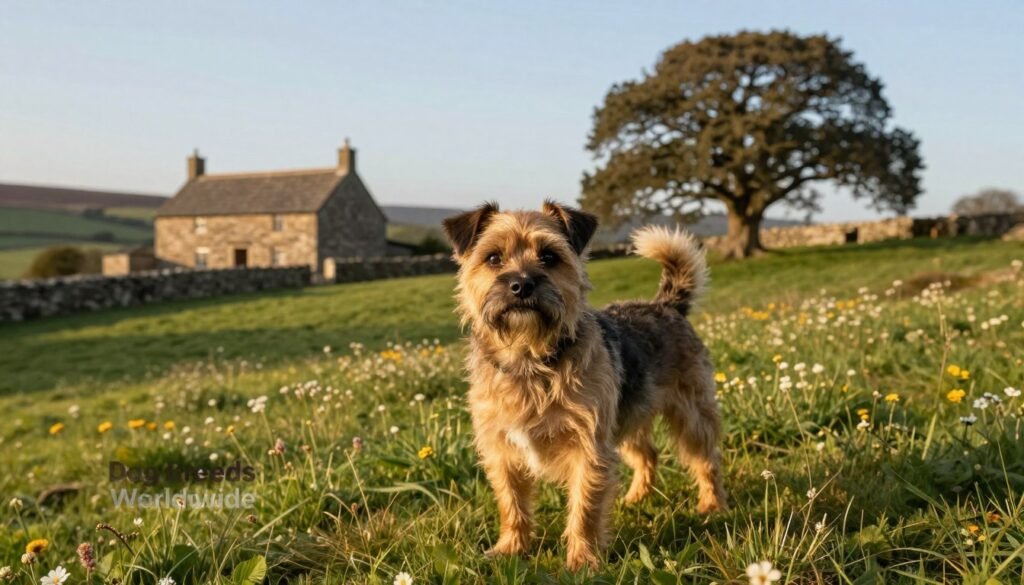
The story of this unique Border Terrier begins in the challenging, rugged terrain of the English and Scottish borderlands. This area, known for its harsh weather and hilly landscape, shaped the very essence of the dogs that lived there. Farmers and shepherds needed a companion that was both tough and smart to help manage their daily lives.
Early Beginnings in the Border Region
In the 18th and 19th centuries, the Border Terrier was not a show dog but a vital worker. These dogs lived alongside families in the Cheviot Hills, where they were prized for their ability to withstand the elements. Their thick, wiry coats provided essential protection against the cold, damp climate of the region.
Because they were bred for utility, they developed a natural independence that still defines the Terrier breed today. They were expected to be self-sufficient while patrolling the vast, open hillsides. This environment fostered a level of intelligence and problem-solving ability that remains a hallmark of the breed.
Development as a Working Dog
The primary role of these dogs was to protect livestock from hill foxes, which were a constant threat to local farmers. Unlike other hunting dogs that worked in packs, this Terrier breed was often required to work alone or in small groups. They needed the stamina to keep up with horses and the courage to follow foxes into rocky dens.
Their physical structure was carefully refined over generations to ensure they could perform these demanding tasks. A narrow body allowed them to squeeze into tight spaces, while their strong jaws and determined spirit made them effective hunters. Today, these traits translate into a dog that is highly energetic and focused when given a job to do.
| Historical Role | Key Trait | Modern Benefit |
|---|---|---|
| Livestock Guardian | Alertness | Excellent watchdog |
| Fox Hunter | Stamina | Great hiking partner |
| Farm Companion | Independence | Adaptable personality |
Size, Weight, and Lifespan
The Border Terrier is a unique breed that packs a lot of personality into a small, sturdy frame. Because they were originally bred for working in rugged terrain, they possess a compact build that is both agile and resilient. Understanding these physical traits helps you prepare your living space and budget for a long-term canine companion.
Typical Size and Weight Range
When you look at a Terrier dog of this breed, you will notice they are built for endurance rather than bulk. They typically stand between 10 and 11 inches tall at the shoulder. This height makes them a very portable and manageable size for many different households.
In terms of weight, a healthy adult usually falls between 11.5 and 15.5 pounds. Their compact structure allows them to navigate tight spaces with ease, which is a hallmark of their working heritage. Keeping them within this weight range is essential for their long-term joint health and overall mobility.
Average Lifespan of a Border Terrier
One of the most rewarding aspects of owning a Border Terrier is their impressive longevity. With proper nutrition, regular exercise, and routine veterinary care, these dogs often live between 12 and 15 years. This long lifespan means you can look forward to many years of companionship and shared adventures.
Providing a balanced lifestyle is the best way to ensure your Terrier dog stays healthy throughout their senior years. Regular check-ups help catch potential issues early, allowing for proactive care. Below is a quick summary of the physical specifications you should keep in mind.
| Feature | Measurement |
|---|---|
| Average Height | 10–11 inches |
| Average Weight | 11.5–15.5 pounds |
| Expected Lifespan | 12–15 years |
Temperament and Personality Traits

If you are looking for a dog that balances deep loyalty with a mischievous streak, the Border Terrier might be your perfect match. This breed is widely celebrated for its charming mix of affection and independent spirit. Understanding the unique Terrier temperament is the first step toward building a lasting bond with your new pet.
Loyal and Affectionate Nature
At their core, these dogs are incredibly devoted to their human families. You will find that a Border Terrier thrives on companionship and prefers to be involved in your daily activities rather than left alone. They often form strong, lasting bonds with their owners, offering a level of warmth that makes them excellent housemates.
While they are affectionate, they also maintain a sense of dignity. They are not typically “velcro” dogs, but they will certainly let you know when they want a cuddle. This balance of love and independence is a hallmark of the breed.
Playful and Energetic Characteristics
The Terrier dog is known for having a big personality packed into a small frame. They possess a high level of intelligence and a natural curiosity that keeps life interesting. You should be prepared for their playful nature, as they often enjoy games that challenge their minds and bodies.
Because of their history as working dogs, they have a high prey drive. This means they might be quick to chase squirrels or toys in the yard. These Terrier characteristics make them entertaining companions, though they can occasionally be a bit mischievous when they get bored.
| Trait | Description | Impact on Owner |
|---|---|---|
| Affection Level | High | Provides strong emotional support |
| Independence | Moderate | Allows for a balanced lifestyle |
| Prey Drive | High | Requires secure play areas |
| Playfulness | Very High | Ensures constant entertainment |
Energy Level and Exercise Requirements
If you are looking for a low-energy lap dog, this breed might surprise you with its zest for life. The Border Terrier is far from a couch potato, as these dogs possess a natural drive that keeps them constantly on the move. Providing the right outlet for this energy is the secret to a well-behaved and happy companion.
Daily Activity Needs
To keep your pet thriving, you must commit to at least one hour of daily exercise. This physical commitment is vital for a Terrier dog, as it helps burn off excess energy that might otherwise turn into frustration. Without enough movement, you may notice unwanted behaviors like digging in the yard or excessive barking.
Mental stimulation is just as important as physical exertion for this intelligent breed. Incorporating puzzle toys or scent games into their day ensures they stay sharp and satisfied. A tired dog is truly a good dog, and meeting these needs daily will strengthen your bond significantly.
“A dog that is physically and mentally engaged is a dog that is content, calm, and ready to be your best friend at the end of the day.”
Recommended Exercise Routines
Variety is the spice of life for a Border Terrier. You can mix up your daily routine to keep things exciting for both of you. Long, brisk walks are a fantastic foundation, but adding interactive play sessions will help channel their natural instincts effectively.
Consider the following activities to keep your Terrier dog in peak condition:
| Activity Type | Intensity Level | Primary Benefit |
|---|---|---|
| Brisk Walking | Moderate | Cardiovascular health |
| Fetch Games | High | Energy release |
| Agility Training | High | Mental and physical focus |
| Scent Work | Low to Moderate | Mental stimulation |
Whether you choose to join a local canine sports club or simply enjoy a game of fetch in the park, consistency is key. By prioritizing these activities, you ensure your Border Terrier remains a healthy, balanced, and joyful member of your family.
Suitability for Families and Living Situations
Bringing a new pet into your household is a big decision that depends on your living space and family dynamics. When you consider the Border Terrier, you are looking at a breed that is famously affectionate but also quite spirited. Understanding how this dog interacts with your specific environment will help ensure a harmonious home life for everyone involved.
Great for Families and Children
This breed is generally wonderful with older children who understand how to interact respectfully with a pet. Because these dogs are sturdy and playful, they often enjoy the company of active kids who can keep them engaged. However, you should be aware that they can be a bit too rambunctious for toddlers.
If you have very young children, it is important to supervise all interactions closely. The Border Terrier has a high energy level and may accidentally knock over a small child during a game of fetch. By teaching your children how to play gently, you can foster a strong and lasting bond between them and your new companion.
Adapting to Apartment Living
Living in an apartment with a Border Terrier is certainly possible, provided you are committed to meeting their exercise needs. These dogs are not couch potatoes; they require daily walks and mental stimulation to stay happy. Without enough activity, they may become restless or bored in a smaller space.
Another factor to consider is their tendency to bark. As a breed with a history of working in the field, they can be alert and vocal when they hear noises in the hallway. Consistent training and plenty of physical outlets are the best ways to manage this behavior. If you can provide a consistent routine, this breed can adapt quite well to life in a city apartment.
Pros and Cons of Owning a Border Terrier
Understanding the specific Terrier characteristics of this breed will help you decide if it is the right companion for you. Every dog brings a unique personality into your home, and being aware of both the highlights and the hurdles ensures a happy life together.
Advantages of the Breed
Many owners fall in love with the Border Terrier because of its incredibly affectionate nature. These dogs are known for forming deep bonds with their families and enjoy being involved in daily activities.
Another major benefit is their coat. They are often considered a low-shedding breed, which is a fantastic advantage for those who prefer a cleaner home environment. Their manageable size also makes them highly adaptable to various living spaces.
Challenges and Disadvantages
While they are wonderful companions, you must be prepared for certain Terrier characteristics that require proactive management. A common challenge is their high prey drive, which stems from their history as working dogs.
You should also be aware of their natural tendency to dig. If left unsupervised in a yard, a Border Terrier might quickly turn your garden into a series of tunnels. Consistent training and providing appropriate outlets for their energy are essential to managing these behaviors effectively.
| Feature | Benefit | Management Need |
|---|---|---|
| Temperament | Highly affectionate | Needs social interaction |
| Coat | Low shedding | Regular hand-stripping |
| Instincts | Alert and active | High prey drive control |
| Behavior | Playful nature | Supervised digging outlets |
Grooming and Basic Care Needs
Maintaining your pet’s physical well-being is a rewarding part of the ownership experience. When you commit to proper Terrier care, you ensure that your companion stays comfortable and healthy for years to come. A consistent routine helps you bond with your dog while keeping them in top condition.
Coat Care and Maintenance
The unique coat of a Border Terrier is one of its most defining features. Unlike many other breeds, this dog has a wiry outer coat that protects them from the elements. To keep this texture healthy, you should prioritize hand stripping over traditional clipping.
Hand stripping involves removing the dead hair by hand, which encourages new growth and maintains the coat’s natural weather-resistant properties. If you choose to clip the hair instead, the coat may become soft and lose its characteristic wiry feel. Here are a few tips for effective Border Terrier grooming:
- Schedule professional hand stripping sessions at least twice a year.
- Brush your dog weekly to remove loose debris and prevent matting.
- Check their skin regularly during grooming to spot any irritations early.
Feeding and Nutrition Requirements
Providing a balanced diet is essential for supporting your dog’s active lifestyle. Because these dogs are energetic, their nutritional needs must be tailored to their specific age, size, and daily activity level. Overfeeding can quickly lead to weight gain, which puts unnecessary stress on their joints.
You should focus on high-quality proteins and healthy fats to keep their energy levels stable. Always monitor their body condition and adjust portion sizes as needed to maintain a healthy weight. Remember that Terrier care also includes fresh water and limited, healthy treats to prevent obesity.
Consulting with your veterinarian is the best way to create a feeding plan that works for your specific dog. By staying proactive with their nutrition, you help ensure your Border Terrier remains vibrant and agile throughout their life.
Training Challenges and Social Behavior
Navigating the training journey with a Border Terrier requires both patience and a clear strategy. These dogs are widely recognized for their sharp intelligence, yet they often possess an independent streak that can surprise new owners. Understanding their unique Terrier temperament is essential for creating a harmonious home environment.
Difficulty Level in Training
When it comes to Terrier training, consistency is your most valuable tool. Because these dogs are clever, they may quickly become bored with repetitive drills. You will find that positive reinforcement—using treats, praise, and play—yields much better results than harsh corrections.
It is important to start your Terrier puppies on a structured routine as early as possible. By keeping sessions short and engaging, you prevent the stubbornness that can sometimes arise from monotony. Remember that a motivated dog is a willing learner, and your encouragement will go a long way in building their confidence.
Interaction with Other Pets
The social behavior of a Border Terrier is largely shaped by early exposure to different environments and animals. While they are generally friendly, their history as working dogs means they may have a high prey drive. Proper introductions are vital when bringing them into a household with cats or smaller pets.
Early socialization helps your dog learn how to interact politely with other animals. If you provide consistent guidance, they can become excellent companions for other household pets. Always supervise initial meetings to ensure that everyone feels safe and comfortable during the adjustment period.
| Training Aspect | Recommended Approach | Expected Outcome |
|---|---|---|
| Basic Commands | Positive Reinforcement | High Obedience |
| Socialization | Early Exposure | Balanced Behavior |
| Stubbornness | Short, Fun Sessions | Increased Engagement |
By focusing on these core areas of Terrier training, you set the stage for a lifetime of mutual respect. Embracing the spirited nature of your dog will make the process of teaching them new skills a truly rewarding experience for both of you.
Health Considerations and Common Issues
While the Border Terrier is a hardy breed, staying informed about potential health issues is vital. Understanding your dog’s physical needs helps you provide a high quality of life. By staying proactive, you can ensure your companion remains happy and active for many years.
Potential Health Problems
Like many purebred dogs, this breed may be prone to specific genetic conditions. Being aware of these possibilities allows you to catch symptoms early and seek professional help quickly.
- Patella Luxation: This involves the kneecap slipping out of its normal position, which may cause limping or an unusual gait.
- Cataracts: These can affect your dog’s vision as they age, making regular eye exams very important.
- Canine Epileptoid Cramping Syndrome (CECS): This condition is sometimes seen in the breed and involves episodes of muscle cramping or tremors.
Routine Veterinary Care Recommendations
Consistent Terrier care is the best way to maintain your dog’s long-term wellness. You should schedule annual wellness exams to monitor your pet’s health and discuss any changes in behavior or movement with your veterinarian.
When looking for Terrier puppies, always work with a reputable breeder who performs health screenings on their parent dogs. Responsible breeders prioritize the health of their litters, which significantly reduces the risk of inherited conditions. Remember that early detection through regular check-ups is the most effective tool you have for managing your dog’s health journey.
Conclusion and Next Steps
Choosing a dog is a significant life decision that shapes your daily routine for over a decade. With a lifespan of 12 to 15 years, the Border Terrier offers a long-term partnership filled with loyalty and spirited energy. You must ensure your lifestyle supports the active nature of this breed to guarantee a happy home environment.
Success with these dogs relies on your commitment to consistent guidance. You can master effective Terrier training by focusing on positive reinforcement and structured play. This approach helps manage their natural drive while building a strong bond between you and your pet.
Considering Other Breeds
If you feel the high energy of this breed might not match your current pace, you may want to look at similar options. Breeds like the Cairn Terrier or the Norfolk Terrier share some physical traits but possess slightly different temperaments. Comparing these personalities helps you find the perfect match for your family dynamics.
Finding Reliable Resources
Connecting with reputable breeders is a vital step when searching for healthy Terrier puppies. These professionals provide essential health screenings and early socialization that set the foundation for a well-adjusted adult dog. Reach out to local breed clubs or national organizations to gather more information before making your final choice. Your dedication to research now leads to a fulfilling life with your future canine friend.




💬 Leave a Comment