

Have you ever dreamed of coming home to a cheerful, cloud-like friend waiting to greet you with pure joy? If you are looking for a fluffy white dog that fits perfectly into your lap and your heart, this breed might be your ideal match. Known for their merry temperament, these small dogs bring endless sunshine into any home.
Standing between 9.5 and 11.5 inches at the shoulder and weighing just 10 to 20 pounds, this playful companion is perfectly sized for apartment living or cozy houses. They are highly adaptable, making them a fantastic choice for families, seniors, or anyone seeking a loyal partner. Their intelligence and affectionate nature ensure that life with them is never dull.
Key Takeaways
- This breed is a small, sturdy dog typically weighing between 10 and 20 pounds.
- They are famous for their signature, hypoallergenic-like white coat that resembles a soft cloud.
- These dogs are highly social and thrive on human interaction and affection.
- Their compact size makes them an excellent fit for apartment dwellers and city living.
- You will find them to be energetic, intelligent, and very easy to train for beginners.
Introduction to the Bichon Frise
If you are searching for a loyal companion, the Bichon Frise stands out among small dog breeds. This charming dog is widely recognized for its cheerful disposition and iconic, fluffy white coat that resembles a soft cloud.
Beyond their striking appearance, these dogs are deeply affectionate and thrive on human interaction. They are not merely pets; they are dedicated partners who want to be by your side throughout the day.
Overview of the Breed
The Bichon Frise is a sturdy, intelligent, and playful dog that brings immense joy to any household. They are known for their bouncy personality and a natural ability to brighten the mood of everyone they meet.
While they are small in stature, they possess a surprisingly bold and confident spirit. Their intelligence makes them quick learners, though they certainly have a mischievous streak that keeps their owners entertained.
Who is the Bichon Frise Suitable For?
This breed is an excellent choice for a wide variety of living situations. Because they are among the most adaptable small dog breeds, they fit perfectly into both quiet homes and busy family environments.
The Bichon Frise is particularly well-suited for:
- Families with children who want a gentle and playful pet.
- Seniors looking for a devoted and manageable companion.
- Apartment dwellers who need a dog that does not require a massive backyard.
If you can provide consistent attention and regular grooming, this breed will reward you with unwavering loyalty. They truly flourish when they are included in your daily activities and social life.
Origin and History of the Bichon Frise
From royal palaces to busy city streets, the Bichon Frise has a truly remarkable past. This small, cheerful dog has traveled across centuries, adapting to changing social landscapes while maintaining its signature charm. By learning about the Bichon Frise history, you gain a deeper appreciation for the resilient spirit of your furry friend.
Historical Background
The roots of this breed trace back to the Mediterranean region, where they were favored by sailors and royalty alike. These dogs were often used as trade items, moving between continents on ships. Their affectionate nature and compact size made them perfect companions for long voyages and life in the courts of Europe.
During the Renaissance, the breed became a status symbol among the nobility in France and Spain. They were frequently depicted in paintings, sitting gracefully on the laps of queens and aristocrats. This era solidified their reputation as a pampered, elegant companion dog.
Evolution of the Breed
The French Revolution brought significant changes to the lives of these dogs. As their royal owners faced hardship, the breed was left to fend for itself on the streets. This period tested their survival instincts, forcing them to adapt to a much simpler lifestyle.
To survive, many of these dogs joined traveling entertainers and organ grinders. They learned to perform tricks to earn food, which helped them develop their playful and intelligent personality. This transition from palace pet to street performer is a testament to their incredible adaptability.
| Era | Primary Role | Status |
|---|---|---|
| Ancient Times | Sailor Companion | Working Dog |
| Renaissance | Royal Lapdog | High Status |
| 18th Century | Street Performer | Survivor |
| Modern Day | Family Companion | Beloved Pet |
Today, the Bichon Frise is cherished for its ability to bring joy to any household. Their history of performing and socializing has left them with a friendly, outgoing temperament that makes them ideal for modern families.
Size, Weight, and Lifespan
When you consider bringing home a new dog, knowing their size and lifespan helps you plan for the future. The Bichon Frise is a popular choice among small dog breeds because they are both sturdy and compact. Their manageable stature makes them a perfect fit for various living situations, from cozy apartments to spacious homes.
Typical Size and Weight Range
Most adults of this breed stand between 9 and 12 inches tall at the shoulder. They typically weigh between 12 and 18 pounds, depending on their gender and overall build. This fluffy white dog is known for being surprisingly solid for its size, which gives them a confident and playful personality.
Because they are small, they do not require a massive amount of space to feel comfortable. You will find that their compact frame allows them to navigate indoor environments with ease. Their physical build is balanced, making them agile enough for daily play sessions.
Life Expectancy
One of the most rewarding aspects of owning a Bichon Frise is their impressive longevity. You can expect your companion to live between 12 and 15 years with proper care and regular veterinary checkups. This long-term commitment ensures many years of joy and companionship for your family.
Providing a healthy diet and consistent exercise will help your fluffy white dog thrive throughout their life. Staying proactive about their health is the best way to ensure they remain a happy member of your household for as long as possible. Below is a quick reference guide for these physical characteristics.
| Category | Measurement Details |
|---|---|
| Average Height | 9 to 12 inches |
| Average Weight | 12 to 18 pounds |
| Typical Lifespan | 12 to 15 years |
| Breed Classification | Small dog breeds |
Temperament and Behavior

When you bring a Bichon Frise into your home, you are welcoming a bundle of pure joy. This breed is widely celebrated for its cheerful disposition and ability to brighten any room. Whether you are a first-time owner or a seasoned dog lover, you will find their affectionate nature truly heartwarming.
Personality Traits
The Bichon Frise is a highly intelligent dog breed that thrives on human interaction. They are known for forming deep, lasting bonds with their family members, often acting like a shadow that follows you from room to room. Because they are so social, they generally dislike being left alone for long periods.
Their personality is defined by several key characteristics that make them wonderful pets:
- Affectionate: They love to cuddle and seek out physical closeness.
- Adaptable: They adjust well to the moods and routines of their owners.
- Social: They typically greet strangers and other animals with curiosity rather than aggression.
If you want to learn more about how these traits manifest in daily life, you can explore the specific needs of the Bichon Frise to ensure a happy home environment.
Energy Level and Playfulness
Beyond their sweet demeanor, these dogs are a playful companion that loves to stay active. They possess a unique burst of energy often called the “Bichon Buzz,” where they zoom around the house in a display of pure happiness. This spirited behavior is a hallmark of their fun-loving character.
While they are energetic, they do not require the intense, high-impact exercise that a Beagle dog might need. Instead, they enjoy short, interactive play sessions that keep their minds sharp and their bodies moving. Providing them with a variety of toys will help satisfy their natural curiosity and keep them entertained throughout the day.
Family Compatibility
The Bichon Frise is widely celebrated for its ability to adapt to various living situations and family dynamics. Because of their cheerful and gentle nature, they are often considered a top choice for those seeking a loyal companion. Whether you live in a bustling house or a quiet flat, this breed tends to integrate seamlessly into your daily routine.
Are Bichon Frises Good with Children?
If you are looking for a family-friendly dog, you will find that this breed is an excellent match. They are known for their playful yet patient temperament, which allows them to interact well with children of various ages. However, because of their small size, it is always important to supervise interactions to ensure both the child and the dog remain safe.
These dogs thrive on human interaction and love being part of family activities. They are rarely aggressive and usually enjoy the attention that comes with a lively household. If you have younger children, teaching them how to handle a small pet gently will help build a lasting, positive bond between them.
Living in Apartments
Many potential owners wonder if a small dog can truly handle the lifestyle of an apartment dweller. The Bichon Frise is remarkably well-suited for smaller spaces because they do not require a massive backyard to stay happy. While they are active, their energy is easily managed through indoor play and short, daily walks.
Their adaptable nature makes them a favorite for city living. Unlike some high-energy breeds that might become restless in confined areas, these dogs are generally content to relax by your side after a bit of exercise. If you are interested in other breeds that might fit a similar lifestyle, you could also explore the Airedale Terrier to see how different temperaments compare.
| Living Factor | Bichon Frise Suitability | Key Benefit |
|---|---|---|
| Apartment Living | High | Compact size |
| Family Interaction | High | Gentle temperament |
| First-time Owners | High | Easy to train |
| Activity Needs | Moderate | Indoor play friendly |
Pros and Cons of Bichon Frises
Welcoming a Bichon Frise into your family is a rewarding experience, provided you are prepared for their specific needs. Understanding the balance between their affectionate nature and the daily care they require will help you decide if this breed is the right match for your household.
Advantages of Owning a Bichon Frise
The most significant benefit of this breed is their unwavering loyalty and cheerful disposition. They are famous for their ability to brighten any room with their playful antics and loving personality.
Because of their small size and adaptable nature, they thrive in various living environments. Whether you reside in a spacious house or a cozy city apartment, these dogs are generally happy as long as they are near their favorite people.
Potential Challenges
It is important to note that this breed is not a low-maintenance pet when it comes to grooming. Their beautiful, curly coat requires regular professional attention and daily brushing to prevent painful mats and tangles.
Additionally, these dogs can be prone to separation anxiety if left alone for long periods. They form deep bonds with their owners and often prefer to be included in all family activities rather than staying home by themselves.
Training can also present a unique set of hurdles for new owners. While they are intelligent, they can sometimes be stubborn during housebreaking, requiring patience and consistent positive reinforcement to succeed.
Grooming Needs and Maintenance
While the Bichon Frise is a popular hypoallergenic dog, its coat demands consistent care. This breed is famous for its dense, curly hair that does not shed in the traditional sense. Because the hair continues to grow, it can easily become tangled or matted if you do not manage it properly.
Maintaining this fluffy white dog is not just about aesthetics; it is essential for your pet’s physical comfort. Regular grooming sessions prevent painful mats from forming close to the skin, which can cause irritation or infections. While some might consider them a low-maintenance pet in terms of shedding, they require a significant time investment for coat upkeep.
Coat Care Requirements
The coat of a Bichon Frise consists of a soft undercoat and a coarser outer coat. This combination creates the signature look but also acts as a trap for dirt, debris, and loose hair. If you leave these particles in the coat, they will quickly turn into stubborn knots.
You should aim to brush your dog at least three to four times a week. Using a slicker brush and a metal comb will help you reach the roots of the hair. Always check areas like behind the ears, under the legs, and the tail, as these spots are prone to matting.
“Consistent grooming is the secret to a happy, healthy companion. It is the best way to bond with your dog while ensuring their skin remains clear and comfortable.”
Bathing and Brushing Tips
Bathing your non-shedding dog every three to four weeks helps keep the coat bright and clean. Use a high-quality shampoo formulated for white coats to maintain that iconic appearance. Always ensure you rinse the coat thoroughly, as leftover soap can lead to dry, itchy skin.
Professional grooming is highly recommended every six to eight weeks to keep the coat at a manageable length. A professional can perform a “puppy cut” or a standard breed trim, which makes daily maintenance much easier for you. Below is a quick guide to help you organize your grooming schedule.
| Task | Frequency | Recommended Tool |
|---|---|---|
| Brushing | 3-4 times weekly | Slicker Brush |
| Bathing | Monthly | Mild Dog Shampoo |
| Professional Trim | Every 6-8 weeks | Professional Groomer |
| Nail Trimming | Every 2-3 weeks | Safety Nail Clippers |
Exercise Requirements
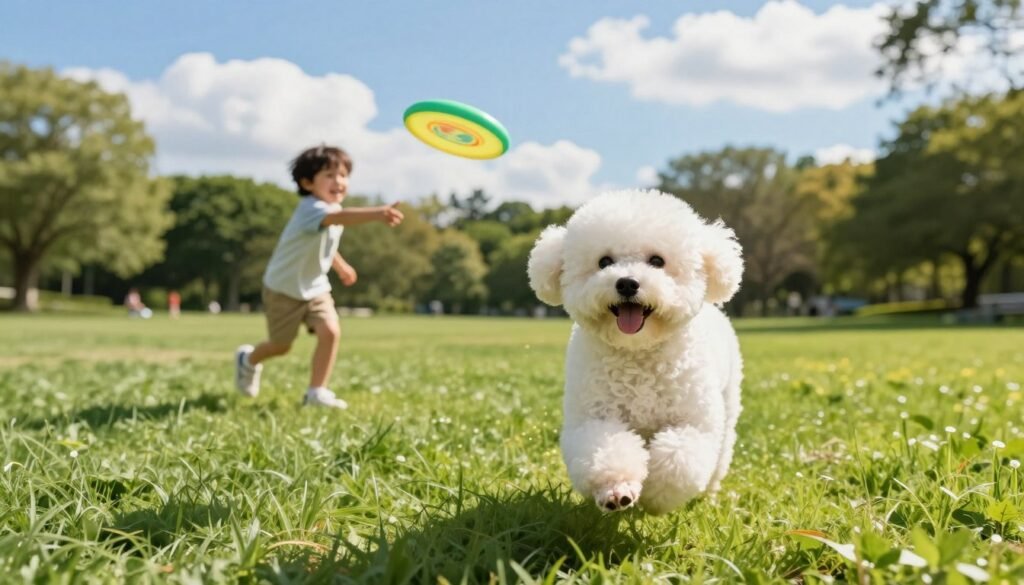
Understanding the movement needs of your pet ensures they remain a joyful member of your household. The Bichon Frise is a breed that thrives on moderate activity, making them an ideal choice for many different lifestyles. By providing consistent movement, you help your playful companion maintain a healthy weight and a sharp mind.
Daily Activity Levels
Most owners find that a few short walks each day are sufficient to keep their dog satisfied. Aim for two 15 to 20-minute walks to allow your pet to explore their surroundings and burn off excess energy. This routine is usually enough to keep them calm and content while indoors.
Consistency is the key to success when managing your dog’s energy. If you miss a day, do not worry, as indoor play can often make up for a missed walk. Always observe your dog’s behavior to see if they need more or less movement based on their mood.
Fun Activities for Bichon Frises
Beyond standard walks, incorporating interactive games will strengthen your bond. These dogs are naturally curious and enjoy challenges that keep them engaged. You can easily turn playtime into a learning experience that benefits both of you.
- Fetch: Use a soft toy to play a gentle game of fetch in your living room or backyard.
- Puzzle Toys: Hide treats inside puzzle feeders to encourage problem-solving skills.
- Hide and Seek: Call your dog from another room to encourage movement and listening skills.
The following table outlines how different activities contribute to your dog’s well-being:
| Activity Type | Recommended Duration | Primary Benefit |
|---|---|---|
| Brisk Walking | 20 Minutes | Cardiovascular Health |
| Interactive Fetch | 10 Minutes | Physical Agility |
| Puzzle Games | 15 Minutes | Mental Stimulation |
| Social Play | 10 Minutes | Emotional Bonding |
Training Difficulty and Social Behavior
When you bring home a Bichon Frise, you quickly discover that this intelligent dog breed thrives on positive reinforcement. These dogs are eager to please, but they also possess a playful streak that can sometimes distract them during lessons.
Approaching your training sessions with a calm and supportive attitude will yield the best results. By keeping your expectations realistic, you create a bond built on trust and mutual respect.
Basic Training Tips
Because the Bichon Frise is an intelligent dog breed, they learn new commands quite rapidly. However, they can become bored if sessions drag on for too long. It is best to keep your training periods short, fun, and highly engaging.
- Use high-value treats to reward good behavior immediately.
- Keep sessions under ten minutes to maintain their focus.
- Always end on a positive note with a favorite game or praise.
“Patience is the secret ingredient to unlocking the full potential of your canine companion. Consistency turns small efforts into lifelong habits.”
Interaction with Other Pets
Early socialization is vital for ensuring your dog remains confident and friendly when meeting other animals. A well-socialized Bichon Frise typically gets along famously with other household pets, including cats and larger dogs.
Introducing your pet to new environments and animals in a controlled manner helps prevent anxiety. You should prioritize positive experiences to build their social confidence over time.
| Training Focus | Primary Goal | Recommended Frequency |
|---|---|---|
| Basic Commands | Obedience | Daily (5-10 mins) |
| Socialization | Confidence | Weekly (New places) |
| Playtime | Bonding | Daily (As needed) |
Health Considerations for Bichon Frises
Understanding the health needs of your Bichon Frise helps ensure a long, happy life together. While this breed is generally robust and energetic, staying informed about potential concerns allows you to provide the best possible care. By working closely with your veterinarian, you can catch small issues before they become major problems.
Common Health Issues
Even though the Bichon Frise is a popular hypoallergenic dog, they are still prone to certain breed-specific conditions. Many owners find that being aware of these possibilities makes them feel more confident in their caregiving role.
- Dental Disease: Small breeds often struggle with crowded teeth, making regular cleanings essential.
- Patellar Luxation: This involves the kneecap slipping out of place, which can cause occasional limping.
- Skin Allergies: Despite being a hypoallergenic dog, some individuals may experience sensitivities to environmental factors or food.
- Cataracts: Like many other breeds, some dogs may develop vision changes as they age.
Preventive Care Tips
You can significantly improve your pet’s quality of life through simple, consistent habits. Weight management is one of the most effective ways to reduce stress on your dog’s joints and heart. Providing a balanced diet and ensuring your companion gets enough daily movement will keep them in top shape.
Regular veterinary checkups are the cornerstone of a healthy lifestyle. During these visits, your vet can monitor for early signs of illness and keep vaccinations up to date. Don’t forget that consistent grooming is not just for looks; it is a great time to check for skin lumps or ear infections.
| Health Focus | Action Required | Frequency |
|---|---|---|
| Dental Health | Brush teeth or use dental chews | Daily or Weekly |
| Weight Control | Monitor calorie intake | Every Meal |
| Vet Exams | Full physical checkup | Annually |
| Coat/Skin | Professional grooming | Every 4-6 Weeks |
Alternatives and Similar Breeds
If you are still weighing your options, it helps to look at how the Bichon Frise stacks up against other charming companion dogs. While this breed is famous for its cheerful personality, exploring other small dog breeds ensures you find the perfect match for your specific home environment.
Other Companion Breeds to Consider
The Maltese is a fantastic alternative if you prefer a slightly smaller dog with a silky, floor-length coat. Like the Bichon, they are affectionate, though they can be a bit more delicate during playtime with very young children.
Another excellent choice is the Havanese, which is known for being highly intelligent and sturdy. These dogs are often described as “velcro dogs” because they love to stay close to their owners throughout the day.
“The best dog for you is one that fits seamlessly into the rhythm of your daily life, bringing joy and companionship without unnecessary stress.”
Comparing with Similar Breeds
Understanding the subtle differences in temperament and physical build can help you feel confident in your final choice. The following table highlights how these popular small dog breeds compare in key areas.
| Breed | Energy Level | Grooming Needs | Best For |
|---|---|---|---|
| Bichon Frise | Moderate | High | Families |
| Maltese | Low to Moderate | High | Apartments |
| Havanese | Moderate | Moderate | Active Seniors |
Each of these dogs offers a unique set of traits that can enhance your life in different ways. By carefully reviewing these options, you can move forward with the peace of mind that you have selected the ideal companion for your household.
Conclusion: Is a Bichon Frise Right for You?
Bringing a new pet into your home requires careful thought about your daily routine and lifestyle. The Bichon Frise offers a delightful personality that fits well into many households. You should weigh your ability to commit to regular grooming and consistent training before making your final choice.
This breed remains a popular family-friendly dog for those who value affection and playfulness. Reflect on whether you have the time to provide the social interaction this intelligent animal craves. A happy pet depends on a owner who understands these specific needs.
Taking the Next Steps
Start your journey by contacting reputable organizations like the Bichon Frise Club of America. They provide resources to help you find ethical breeders who prioritize health and temperament. You might also visit local shelters to see if a companion is waiting for a loving home.
Exploring Similar Breeds
If you want to compare options, look into the Havanese or the Maltese. These breeds share many traits with the Bichon Frise and serve as excellent alternatives for those seeking a similar family-friendly dog. Researching these breeds helps you feel confident in your decision to welcome a new member into your family.




💬 Leave a Comment