
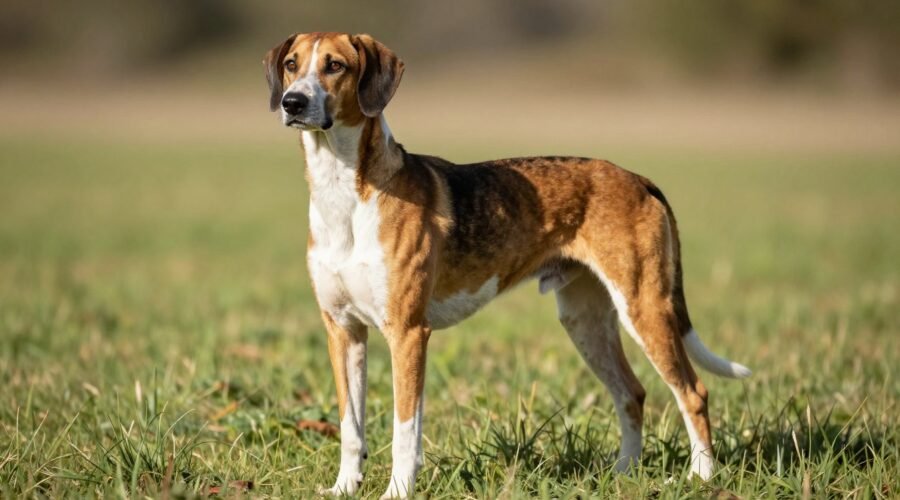
The American Foxhound represents one of the oldest and most distinctly American dog breeds. This athletic hound combines grace with stamina in a package built for endurance.
These dogs carry a legacy that traces back to colonial America. George Washington himself played a role in developing this breed standard.
Whether you’re considering adding an American Foxhound to your family or simply want to learn about this remarkable breed, understanding their unique characteristics is essential. This guide covers everything from their fascinating history to modern care requirements.
Origin and History: America’s First Sporting Dog
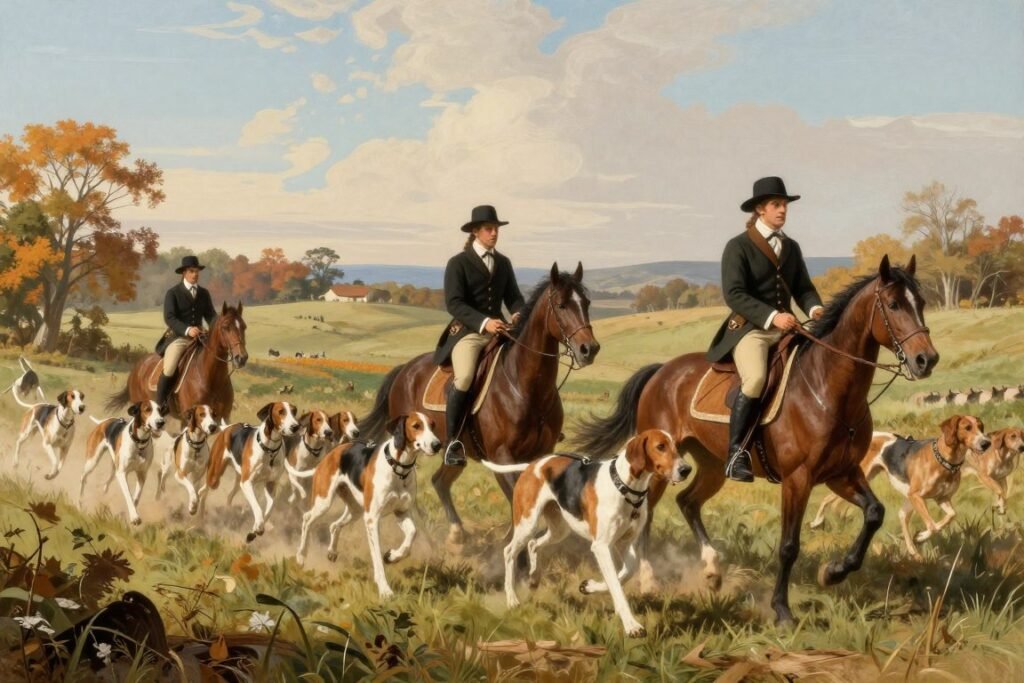
The American Foxhound emerged in the 1600s when English settlers brought their foxhounds to the colonies. These English Foxhounds formed the foundation of what would become a uniquely American breed.
Development in Colonial America
Robert Brooke brought the first documented pack of hounds to Maryland in 1650. His breeding program established a bloodline that lasted over 300 years.
George Washington later imported French hounds in 1770. He crossed these imports with English breeds to create dogs better suited to American terrain and climate.
Breed Recognition and Standardization
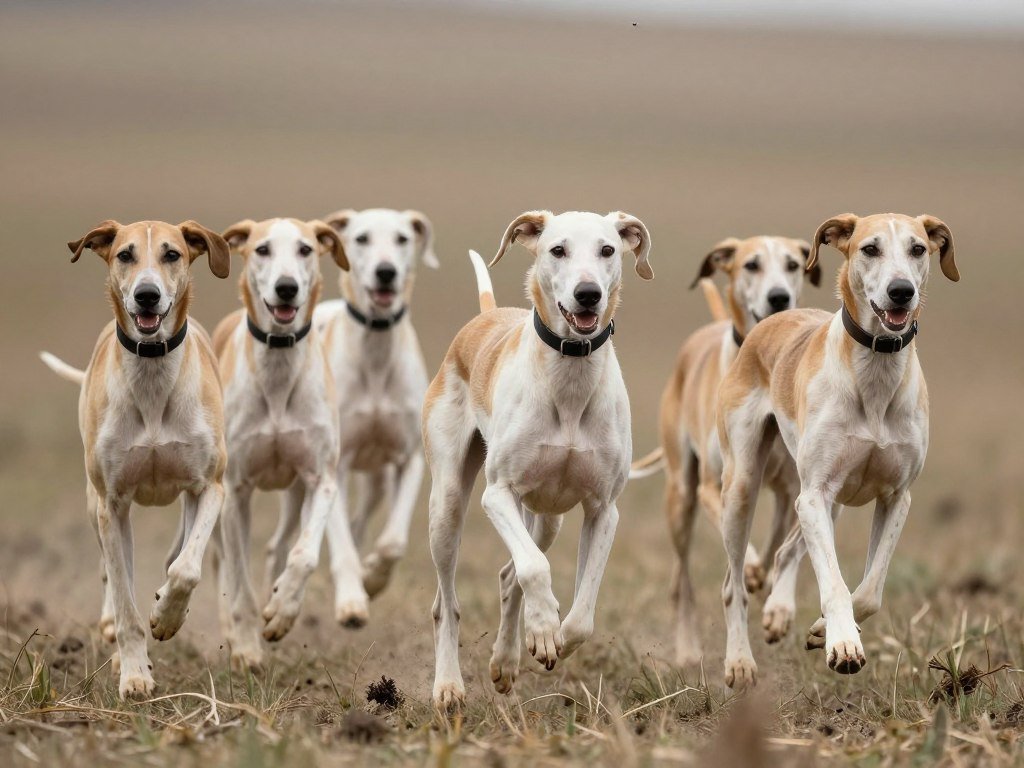
The American Kennel Club recognized the American Foxhound in 1886. This recognition came shortly after the organization’s founding, highlighting the breed’s importance.
The breed standard emphasizes hunting ability over appearance. This focus on function over form distinguishes American Foxhounds from their English cousins.
Role in Fox Hunting Culture
Fox hunting shaped American social life in many regions. The American Foxhound became central to this tradition, valued for its speed and endurance.
These hounds developed different regional varieties. Each variety adapted to local terrain, from Virginia’s hills to Georgia’s flatlands.
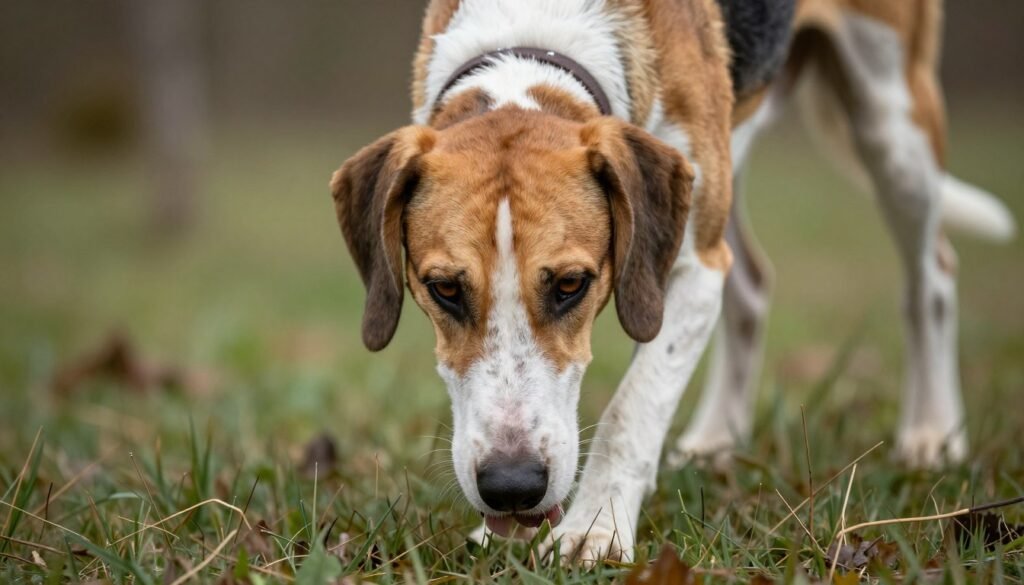
Virginia foxhounds became known for their exceptional scent-tracking abilities. Field trial hounds developed incredible speed for competitive events.
Today, the breed maintains its hunting heritage while also serving as a companion dog. Many American foxhounds still participate in organized hunts and field trials across the country.
Physical Characteristics: Built for Endurance and Speed
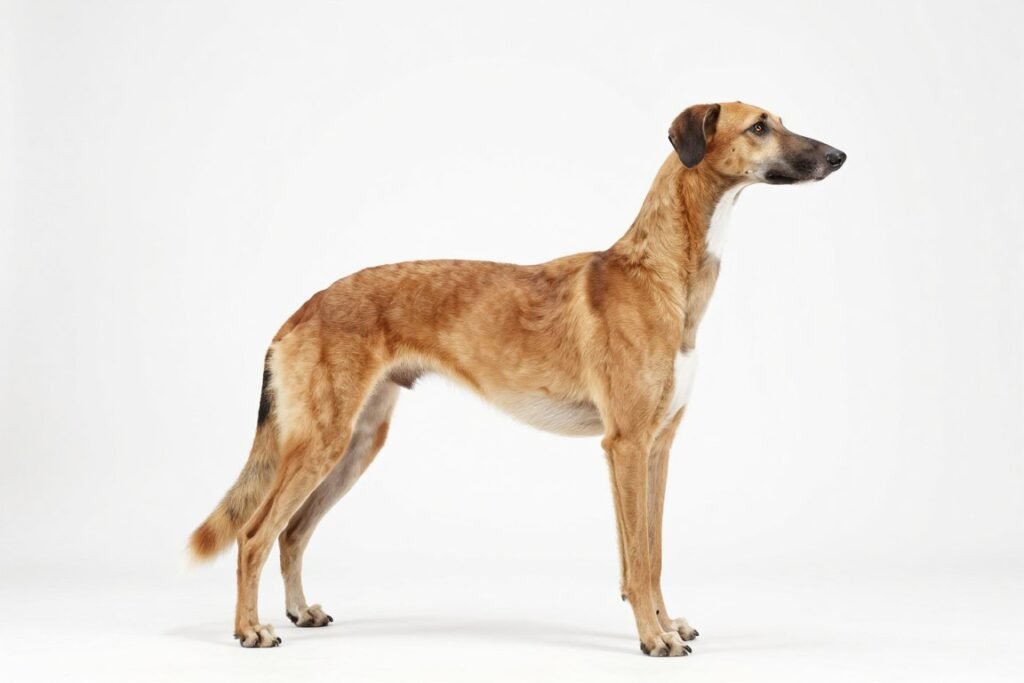
Size and Build
Male American foxhounds typically stand 22 to 25 inches tall at the shoulder. Females measure slightly smaller, ranging from 21 to 24 inches.
Weight ranges from 65 to 75 pounds for males. Females generally weigh between 60 and 70 pounds, maintaining a lean, athletic body composition.
Height Specifications
- Males: 22-25 inches
- Females: 21-24 inches
- Measured at shoulder
- Slightly taller than English Foxhounds
Weight Range
- Males: 65-75 pounds
- Females: 60-70 pounds
- Lean muscle structure
- Lower body fat percentage
Coat and Colors
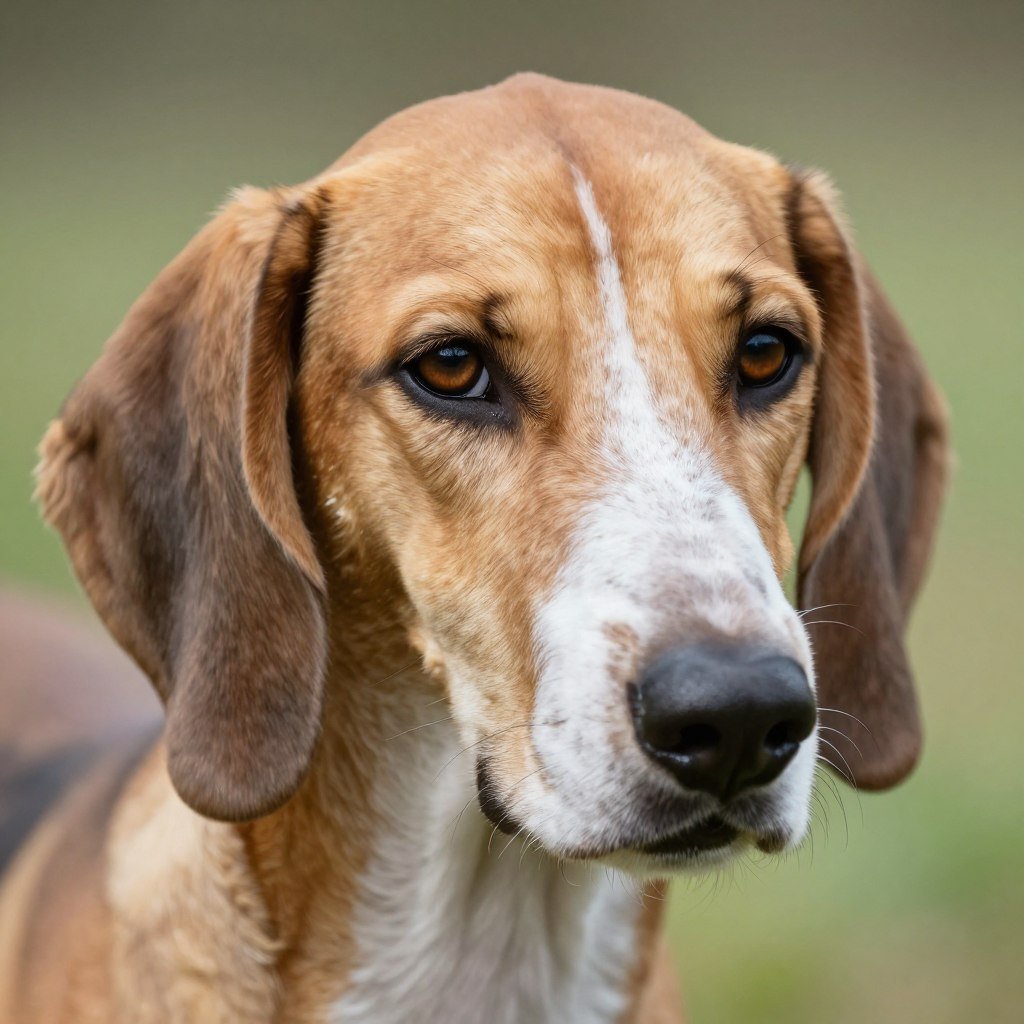
The coat is short, dense, and hard to the touch. This weather-resistant coat requires minimal grooming but provides excellent protection during outdoor activities.
American foxhounds display various color combinations. Any color is acceptable according to the breed standard, though certain patterns appear more commonly.
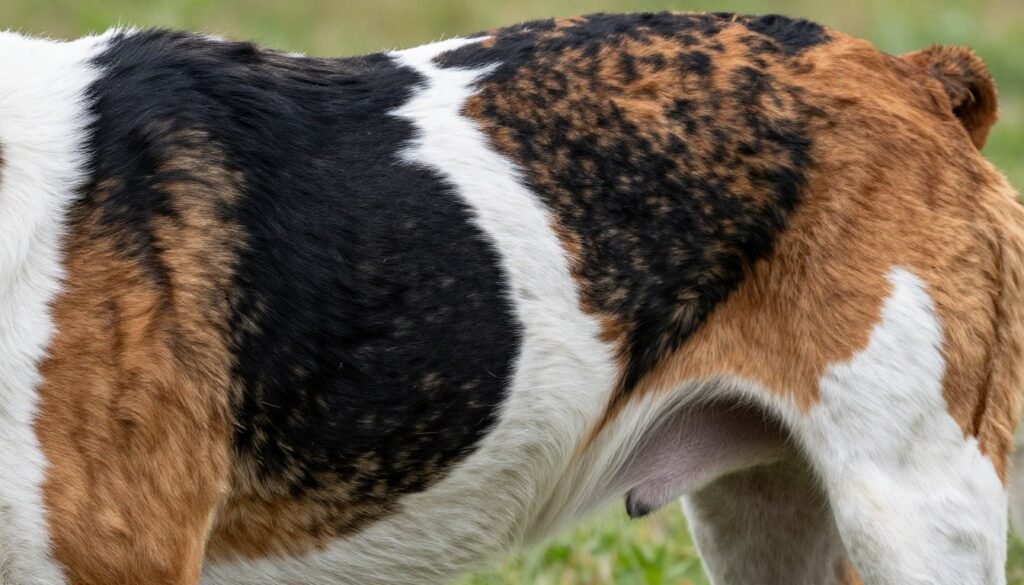
Tri-color patterns feature black, white, and tan markings. Red and white combinations also appear frequently in the breed population.
Blue ticked patterns create a distinctive mottled appearance. Lemon and white colorations produce a softer, lighter overall look.
Distinctive Features
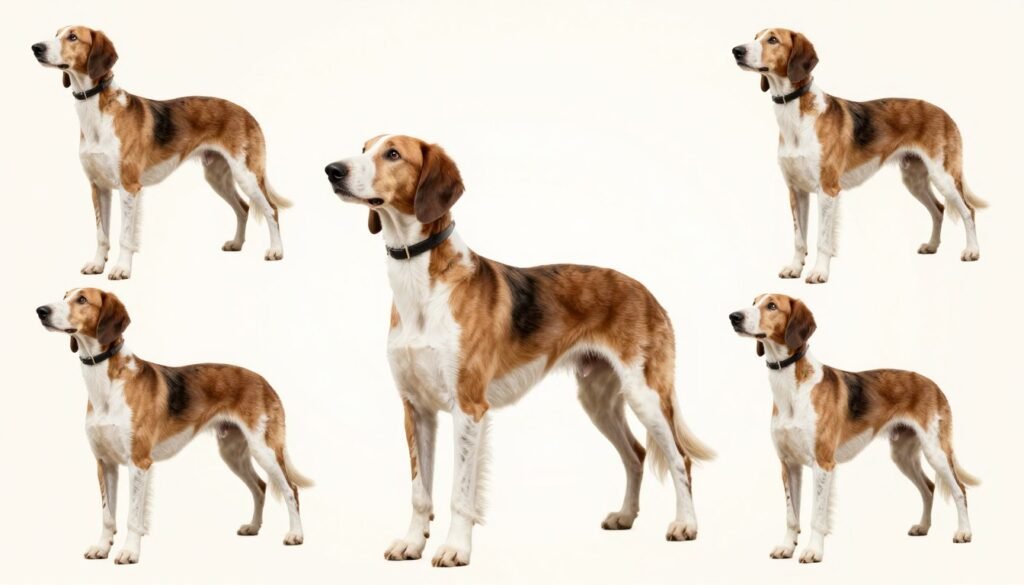
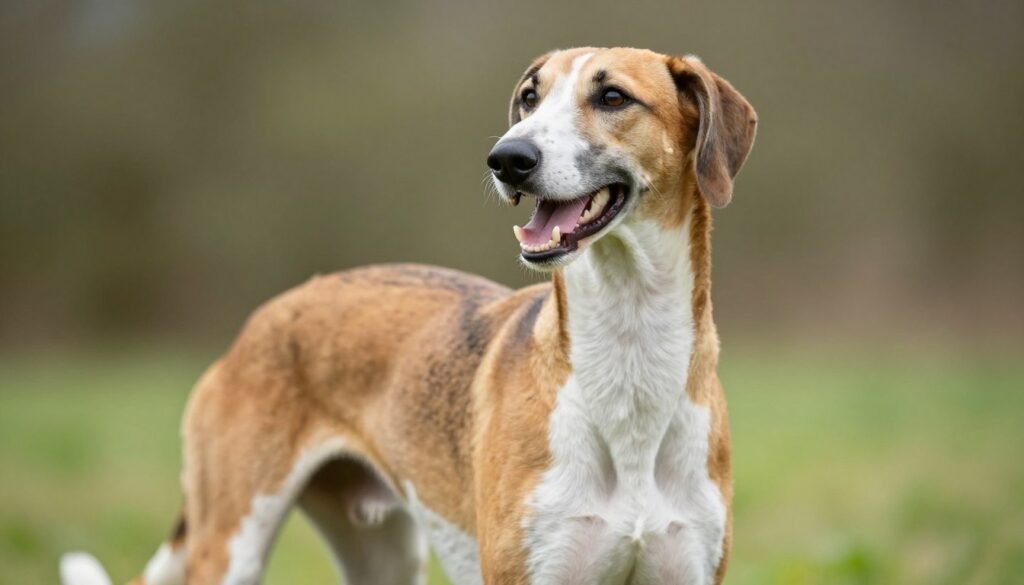
The ears are long, set low, and reach nearly to the nose tip when drawn forward. These pendulous ears help trap scent particles during tracking.
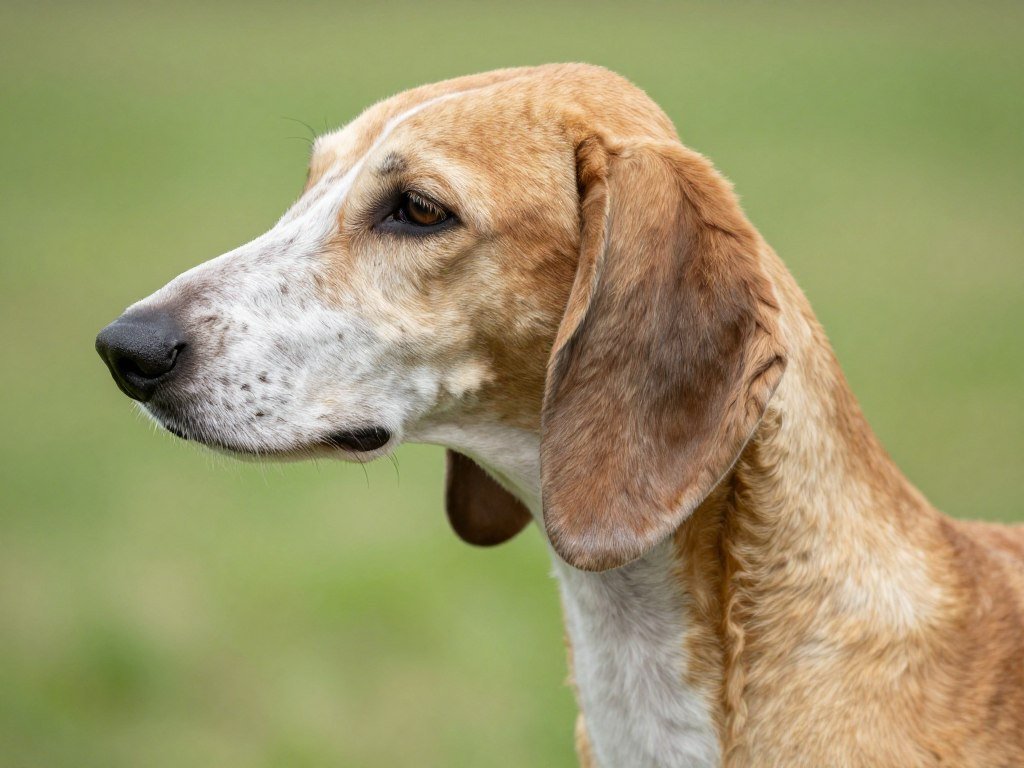
The tail, called a stern in hound terminology, is set moderately high. It carries a slight curve but never curls over the back like some breeds.
Eyes are large, wide-set, and typically brown or hazel. The gentle, pleading expression characteristic of hounds is clearly visible.
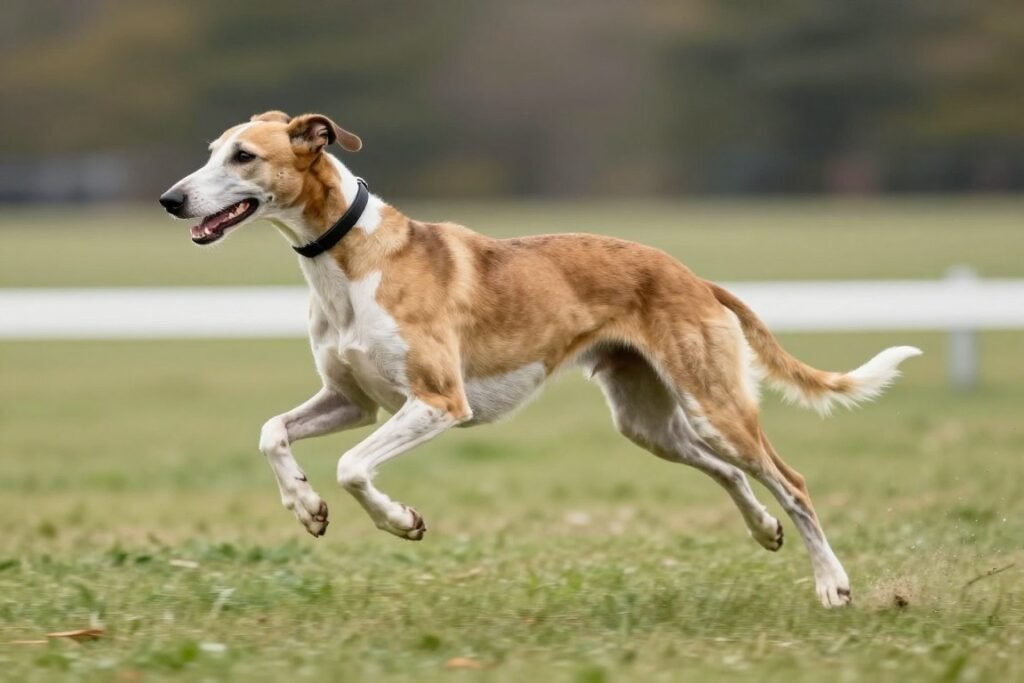
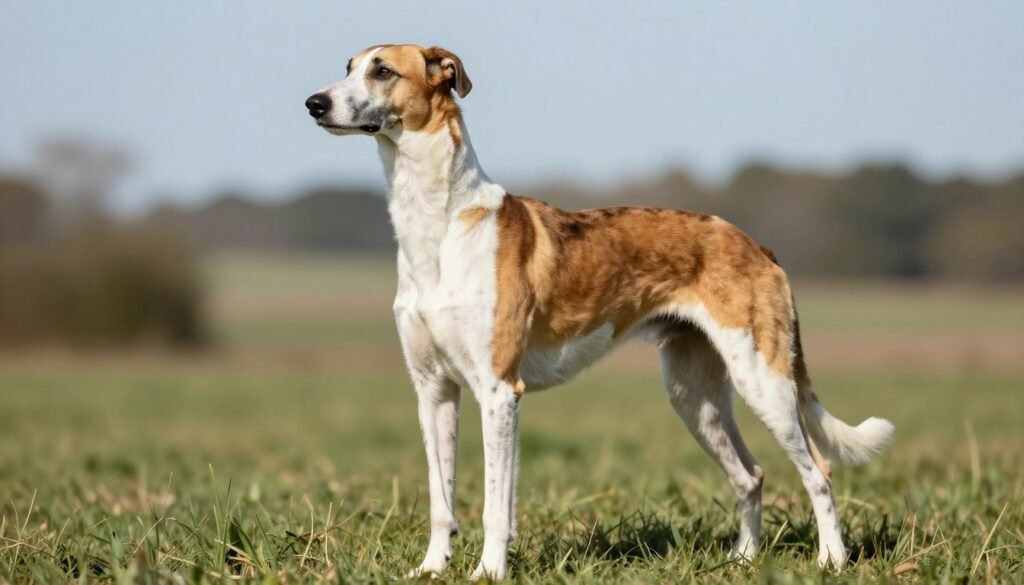
The chest is deep, providing ample lung capacity for sustained running. Legs are straight and sturdy with well-developed bone structure.
Overall, the American Foxhound presents a picture of balance and athleticism. Every physical feature serves the purpose of creating an efficient, tireless hunting companion.
Temperament and Personality: The Friendly Pack Hound
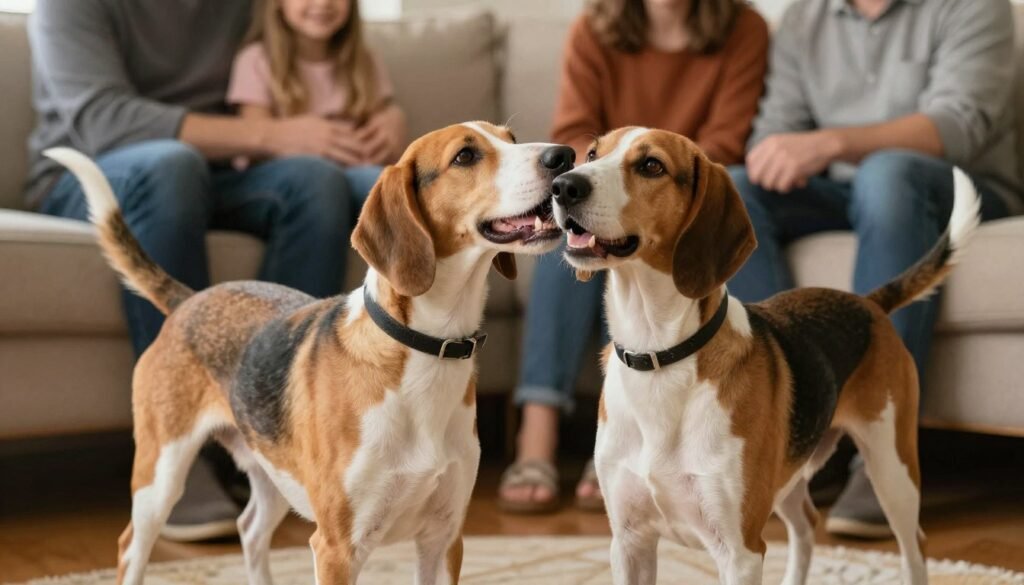
General Temperament
American foxhounds are remarkably gentle and friendly dogs. They rarely show aggression toward people, making them poor guard dogs but excellent family companions.
These hounds possess an independent streak developed through centuries of hunting. They can make decisions while tracking scent, which sometimes translates to stubborn behavior at home.
Energy Levels and Exercise Needs
This breed demands substantial exercise every day. A simple walk around the block won’t suffice for an American Foxhound’s energy requirements.
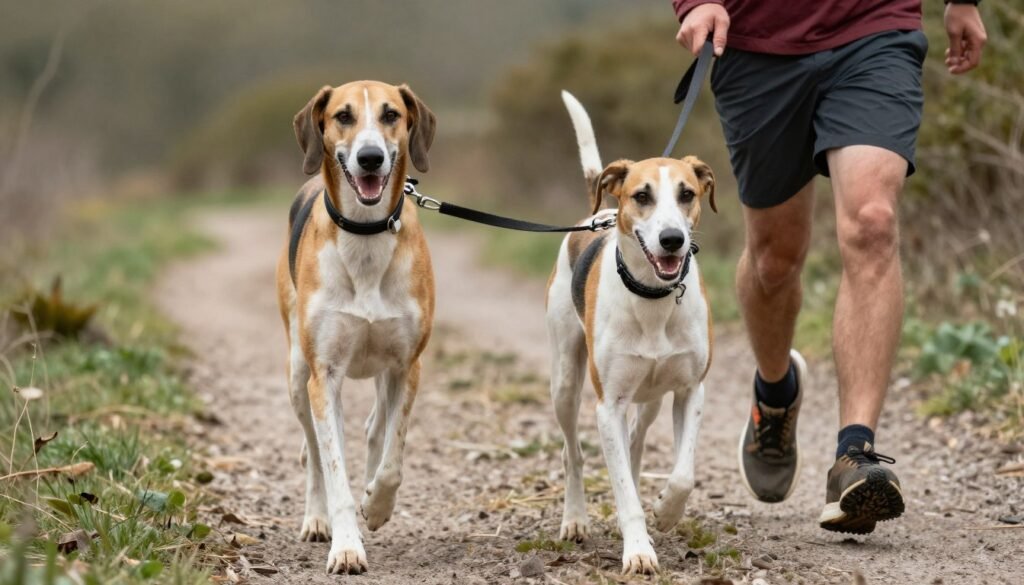
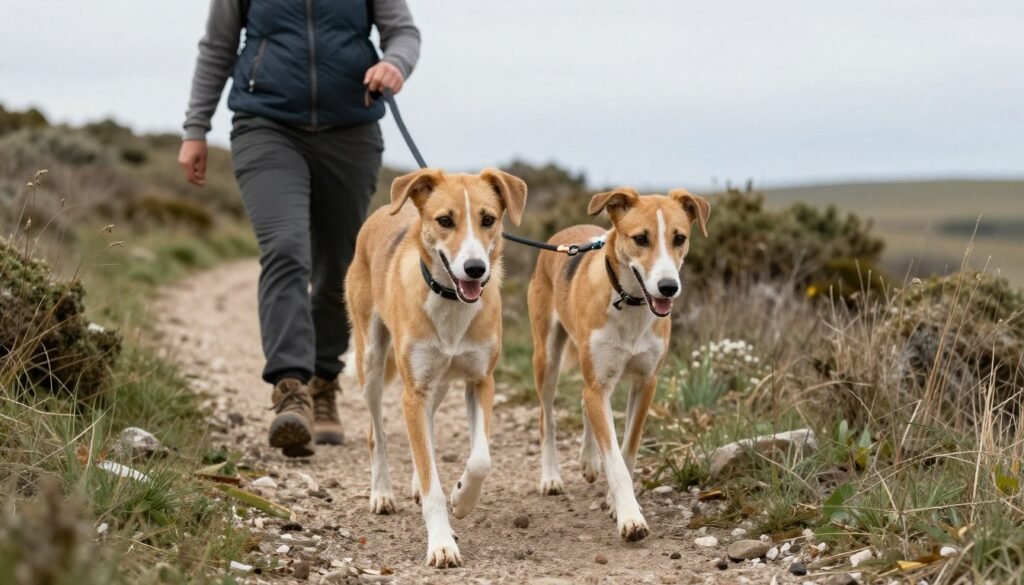
Plan for at least 60 to 90 minutes of vigorous activity daily. Running, hiking, or participating in dog sports helps channel their boundless energy appropriately.
Important: American foxhounds can run for hours without tiring. Homes without securely fenced yards or access to safe running areas may struggle to meet this breed’s exercise every day requirements.
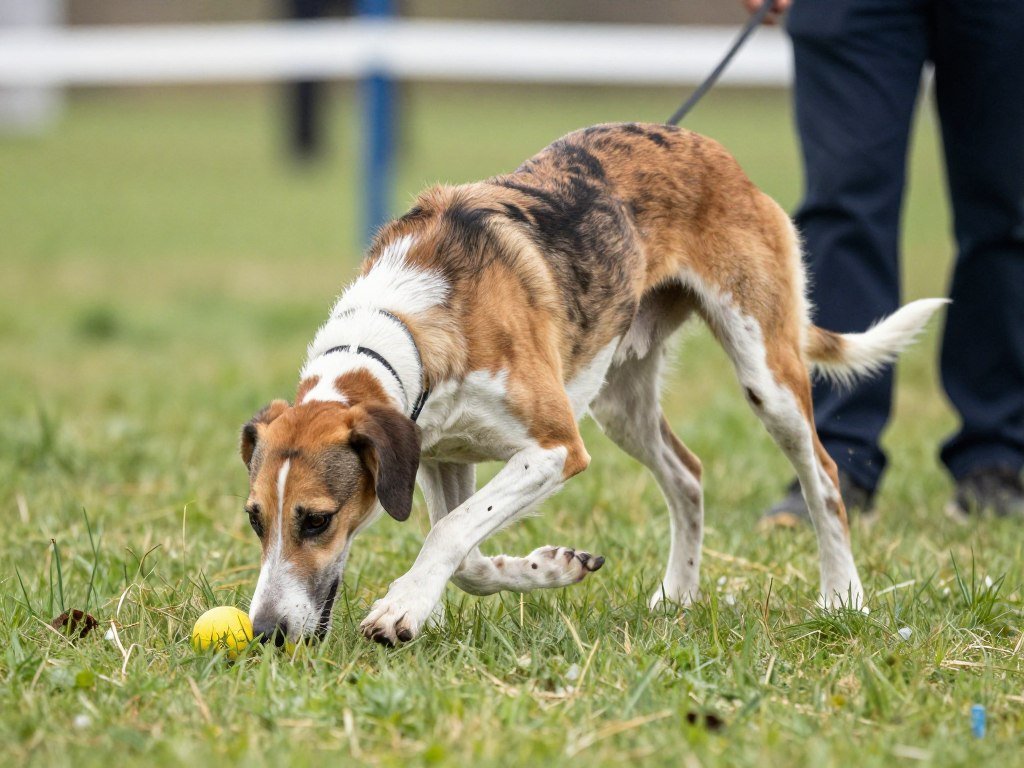
Pack Mentality and Social Behavior
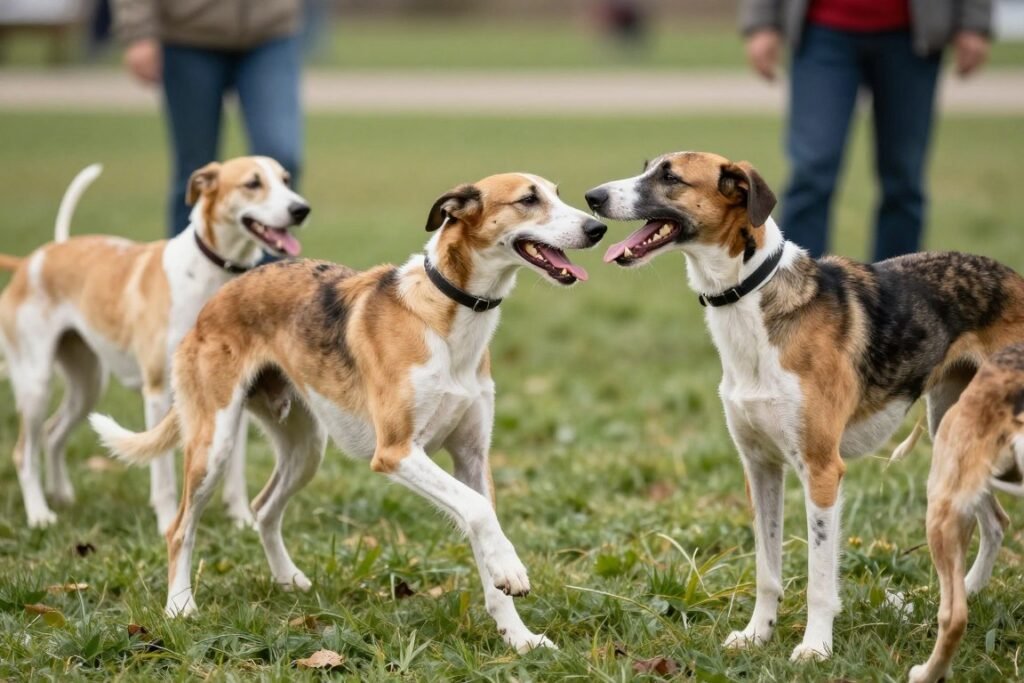
American foxhounds were bred to work in packs. This heritage makes them exceptionally social with other dogs and animals.
They typically get along wonderfully with other pets when properly socialized. Some individuals may have a strong prey drive toward smaller animals like cats.
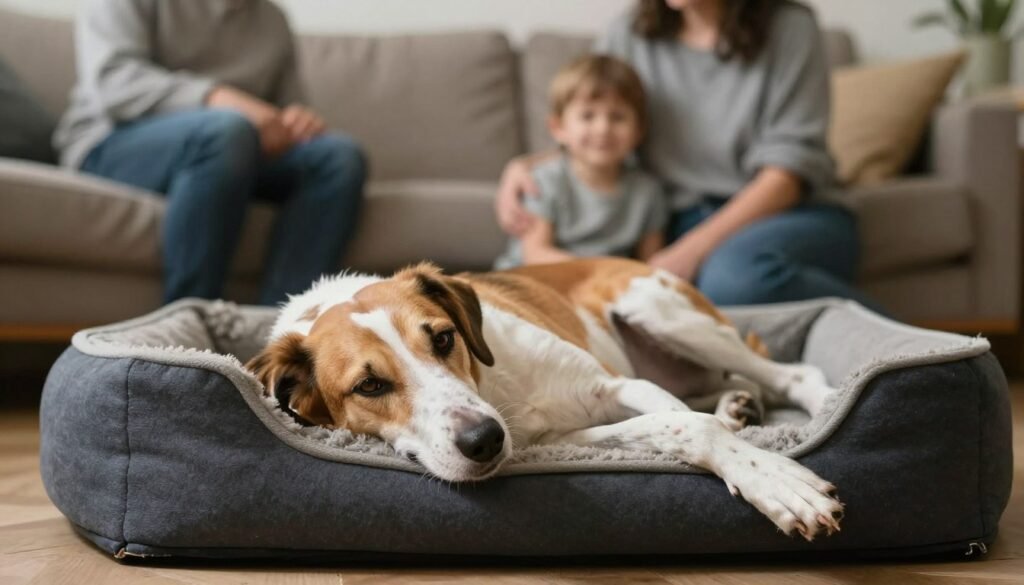
The pack mentality also means these dogs dislike being alone. Separation anxiety can develop when left isolated for extended periods.
Suitability as a Family Pet
These hounds make excellent family dogs for active households. They show patience and gentleness with children when raised together.
Young children should always be supervised around any dog. American foxhounds may accidentally knock over small children during enthusiastic play.
Pros of American Foxhounds
- Gentle and friendly with all family members
- Excellent with other dogs and pets
- Patient with children
- Low grooming requirements
- Generally healthy breed
- Adaptable to various climates
Challenges of Ownership
- Extremely high exercise requirements
- Strong prey drive and scent obsession
- Prone to wandering if not contained
- Can be vocal (baying, howling)
- Stubborn during training
- Poor choice for apartment living
Vocal Tendencies
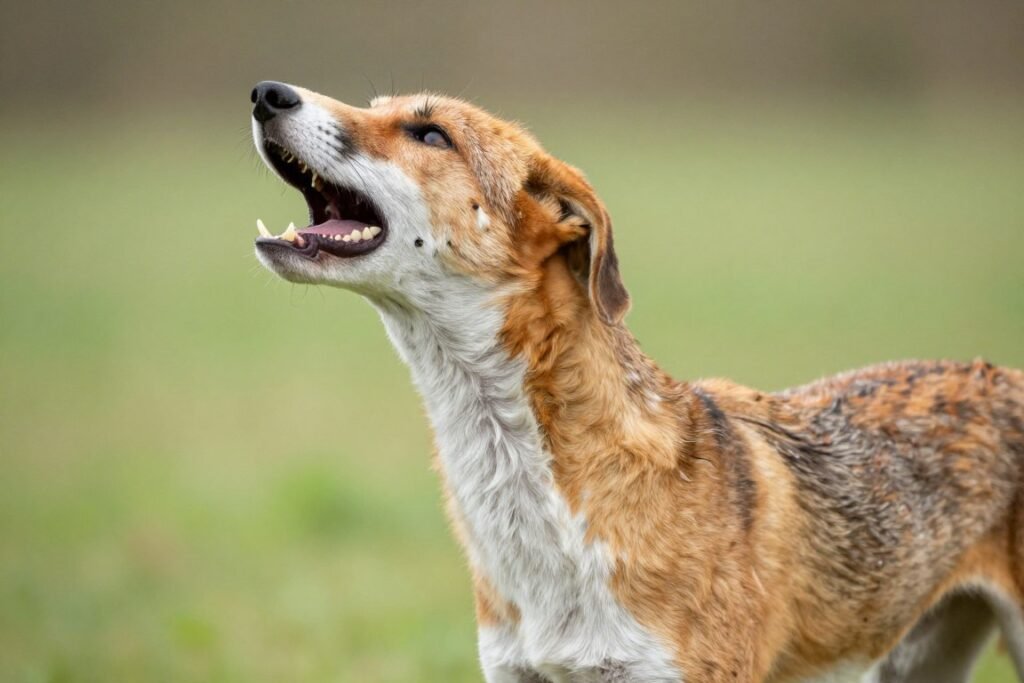
American foxhounds are naturally vocal dogs. Their distinctive bay served to communicate location during hunts.
This vocalization can become problematic in residential neighborhoods. Neighbors may complain about howling and baying, especially when the dog is bored or lonely.
Training can reduce excessive vocalization. However, expecting a completely quiet foxhound goes against the breed’s fundamental nature.
Ready to Welcome an American Foxhound?
Connect with responsible breeders who prioritize health, temperament, and breed standard. Find American Foxhound puppies from reputable sources committed to improving the breed.
Care and Grooming: Maintaining Your Foxhound’s Health
Grooming Requirements
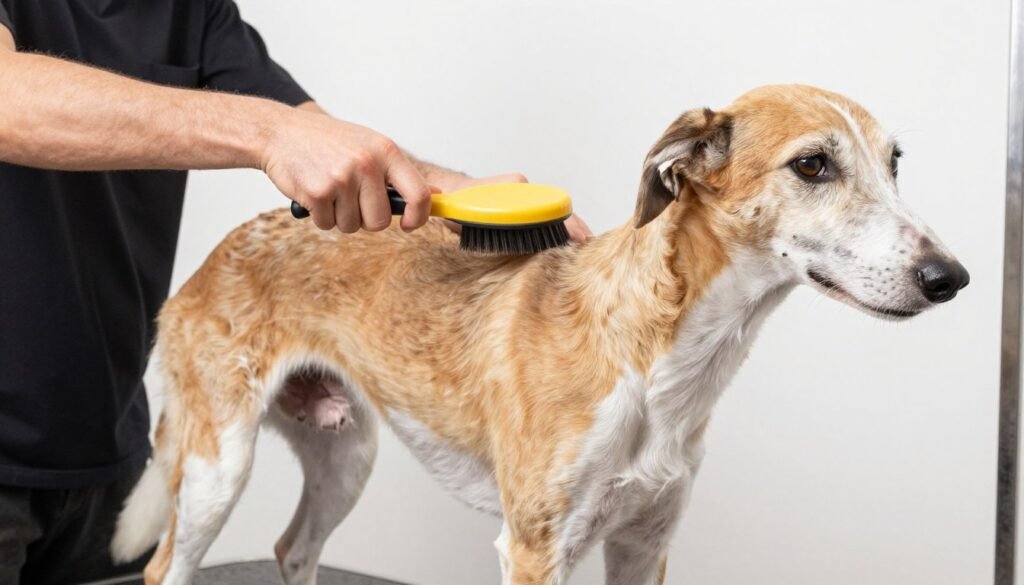
The short coat of American foxhounds makes grooming relatively simple. Weekly brushing removes loose hair and distributes natural skin oils.
A rubber curry brush or hound glove works well for this breed. These tools effectively capture dead hair while providing a gentle massage.

Bathing needs are minimal for this breed. Most American foxhounds only need a bath every two to three months unless they get particularly dirty.
Regular ear cleaning is essential. Those long, floppy ears can trap moisture and debris, creating conditions favorable for ear infections.
Exercise Every Day Requirements
American foxhounds need substantial physical activity. Without adequate exercise, these dogs become destructive and develop behavioral problems.
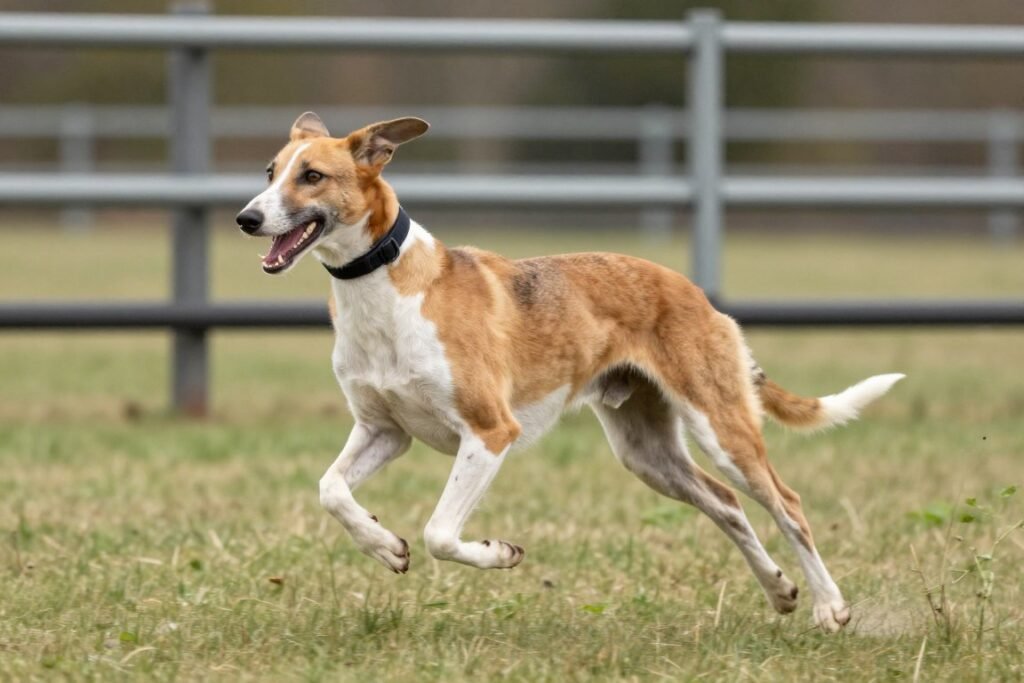
Morning and evening exercise sessions work well for most families. Each session should last at least 30 to 45 minutes of vigorous activity.
A securely fenced yard provides safe space for off-leash running. The fence should be at least six feet tall, as these athletic hounds can jump surprisingly high.
Exercise Tip: American foxhounds excel at activities like hiking, jogging, and canine sports. Scent work exercises tap into their natural abilities while providing mental stimulation.
Dietary Considerations
High-quality dog food formulated for active breeds suits American foxhounds well. The food should provide adequate protein and fat to fuel their energy needs.
Feed adult dogs two meals per day rather than one large meal. This feeding schedule helps prevent bloat, a serious condition in deep-chested breeds.
| Life Stage | Daily Food Amount | Feeding Frequency | Protein Content |
| Puppy (2-6 months) | 2-3 cups | 3-4 times per day | 28-30% |
| Puppy (6-12 months) | 3-4 cups | 2-3 times per day | 26-28% |
| Adult (1-7 years) | 2.5-3.5 cups | 2 times per day | 24-26% |
| Senior (7+ years) | 2-3 cups | 2 times per day | 22-24% |

Portion sizes vary based on the dog’s age, activity level, and metabolism. Monitor body condition and adjust food amounts to maintain a lean, healthy weight.
Treats should comprise no more than ten percent of daily caloric intake. Use small, healthy treats during training sessions rather than large biscuits.
Nail and Dental Care
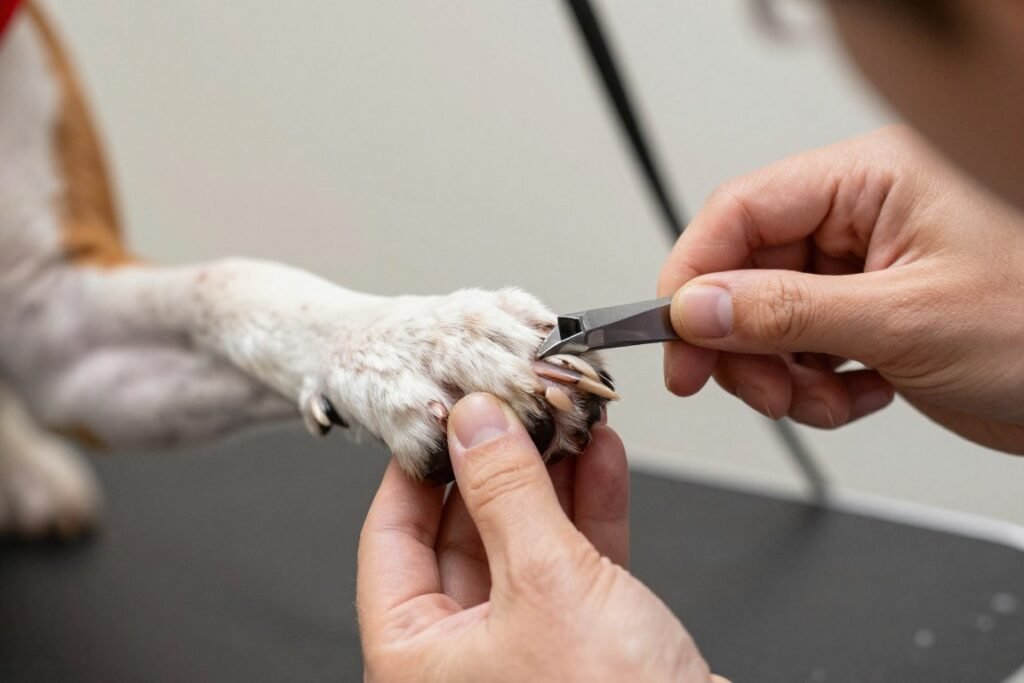
Trim nails every three to four weeks. Nails that click on hard floors are too long and can cause discomfort.
Dental care begins with regular tooth brushing. Aim to brush your foxhound’s teeth several times per week using dog-specific toothpaste.
Dental chews and toys can supplement brushing. However, these products cannot replace proper tooth brushing for maintaining oral health.
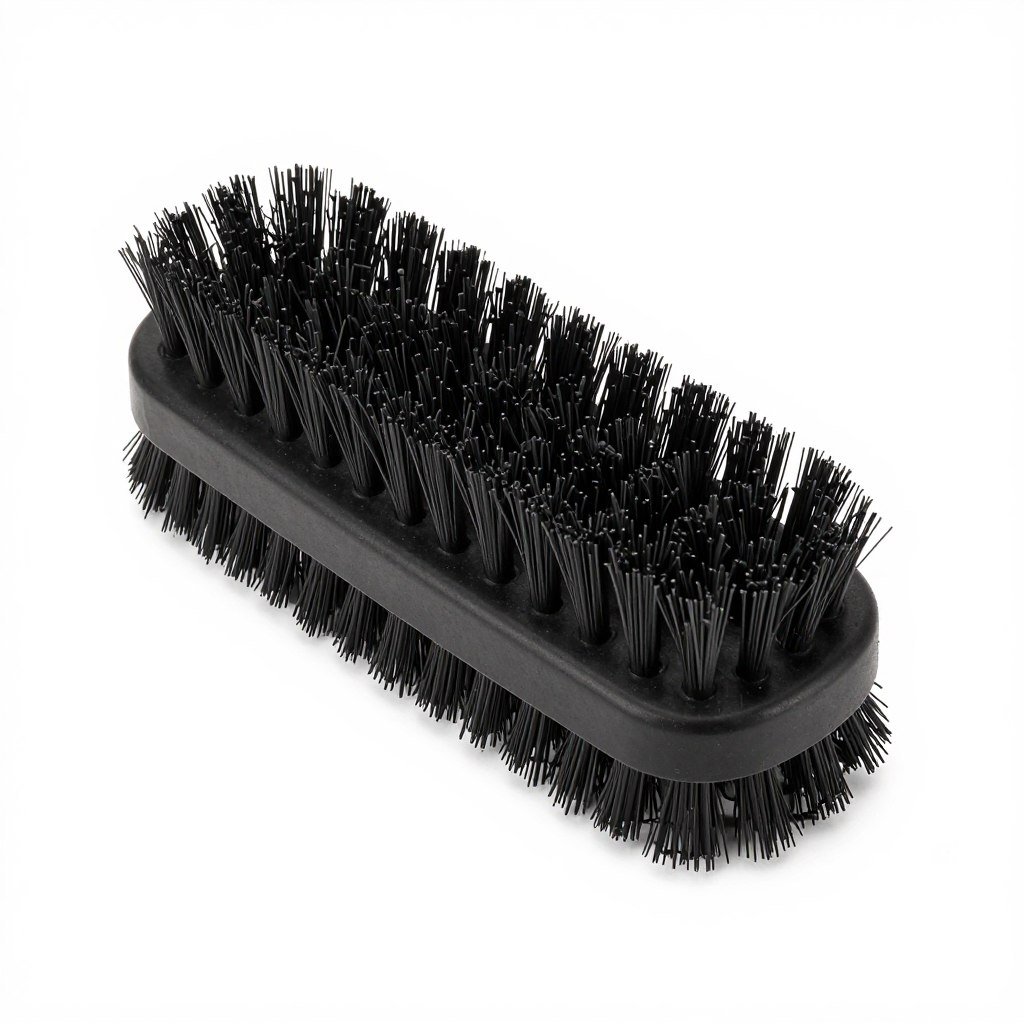
Grooming Brush
Rubber curry brush designed specifically for short-haired hounds. Removes loose fur effectively while providing gentle skin stimulation.

Ear Cleaning Solution
Veterinary-formulated ear cleaner prevents infections common in floppy-eared breeds. Gentle formula suitable for regular use.
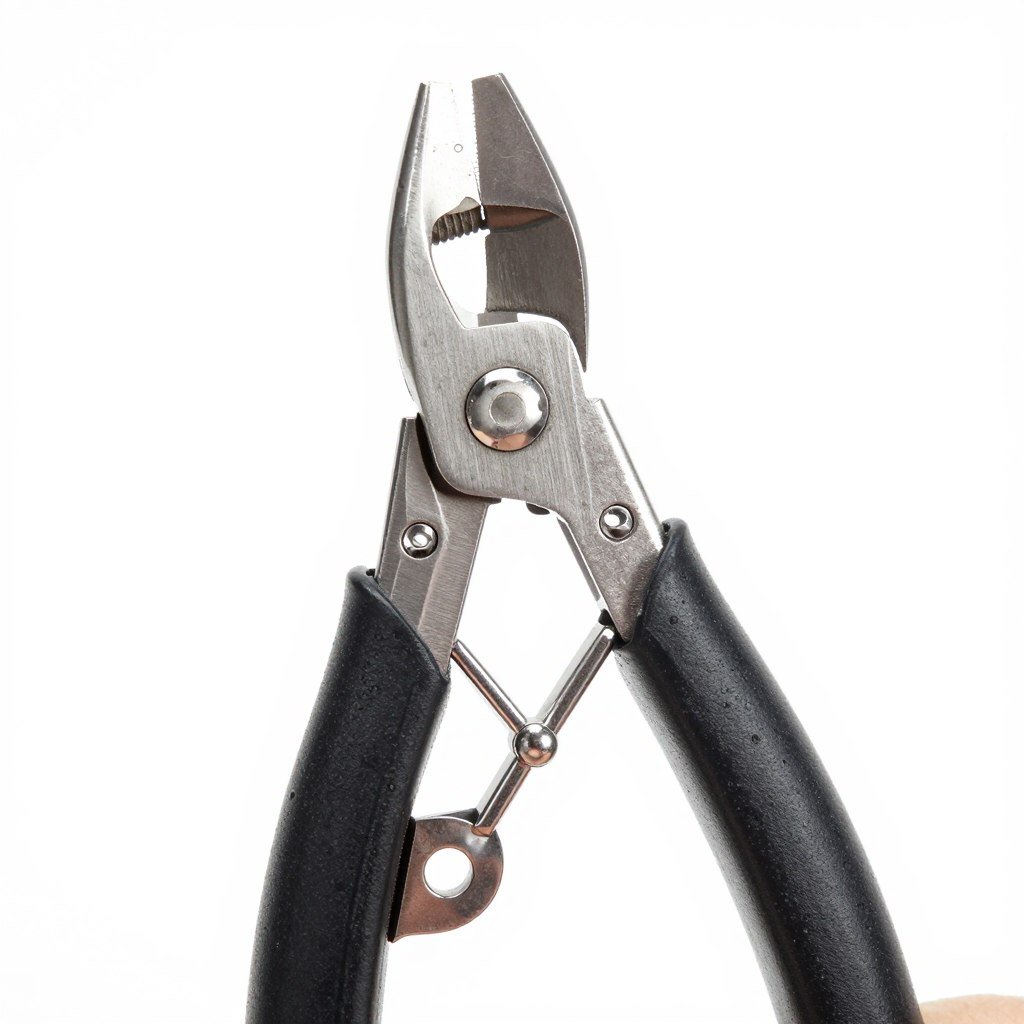
Nail Clippers
Professional-grade nail clippers with safety guard. Designed for clean, quick cuts on medium to large breed dogs.
Seasonal Care Considerations
American foxhounds adapt well to various climates. Their short coat provides some protection but may need supplementation in extreme weather.
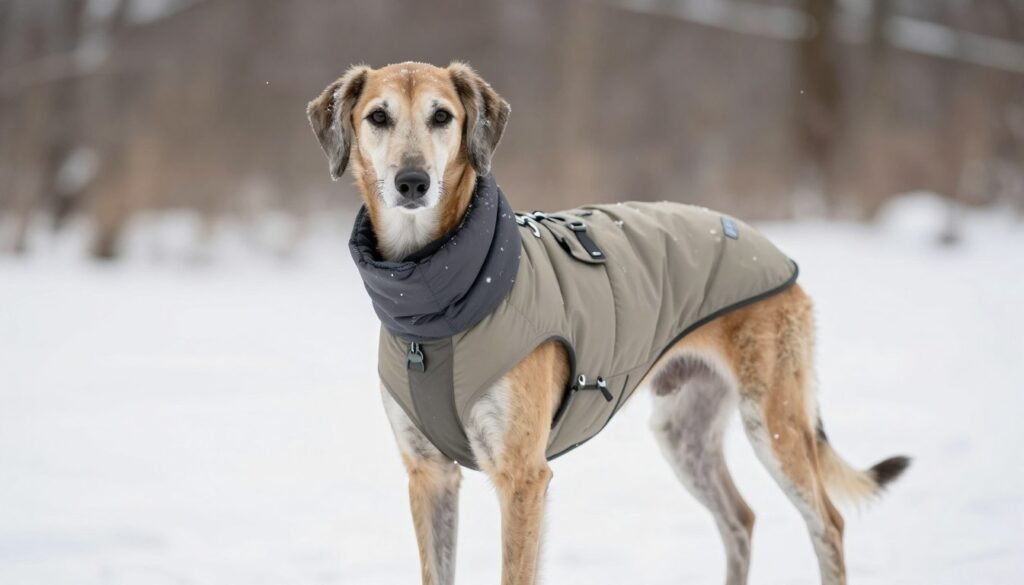
Winter months may require a dog coat for extended outdoor time. Watch for signs of cold stress like shivering or reluctance to go outside.
Summer heat poses risks for active dogs. Exercise during cooler morning and evening hours to prevent overheating.
Provide constant access to fresh water. Dehydration can occur quickly in active hounds, especially during warm weather.
Health: Common Conditions and Lifespan

General Health and Lifespan
American foxhounds are generally healthy dogs with fewer genetic health problems than many purebred breeds. Proper care and responsible breeding contribute to their robust health.
The average lifespan ranges from eleven to thirteen years. Some individuals live even longer with excellent care and genetics.
Common Health Conditions
Hip dysplasia occurs occasionally in American foxhounds. This inherited condition affects the hip joint’s development, potentially causing pain and arthritis.
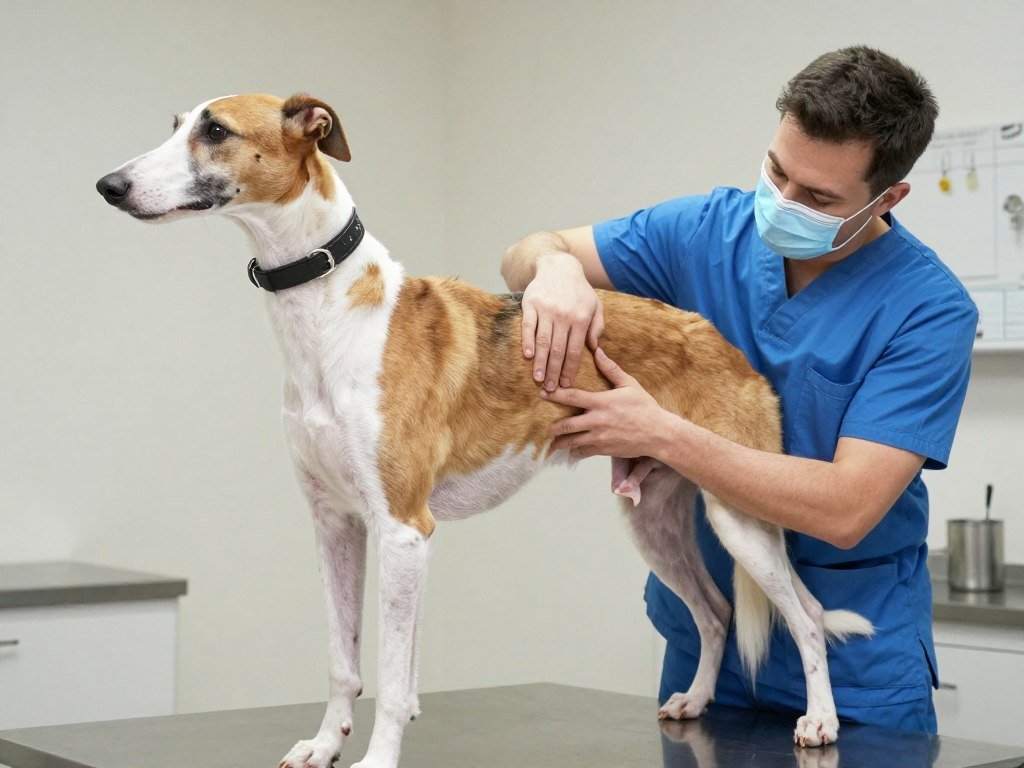
Responsible breeders screen breeding stock for hip dysplasia. Request health clearances from the American Kennel Club or Orthopedic Foundation for Animals before purchasing a puppy.
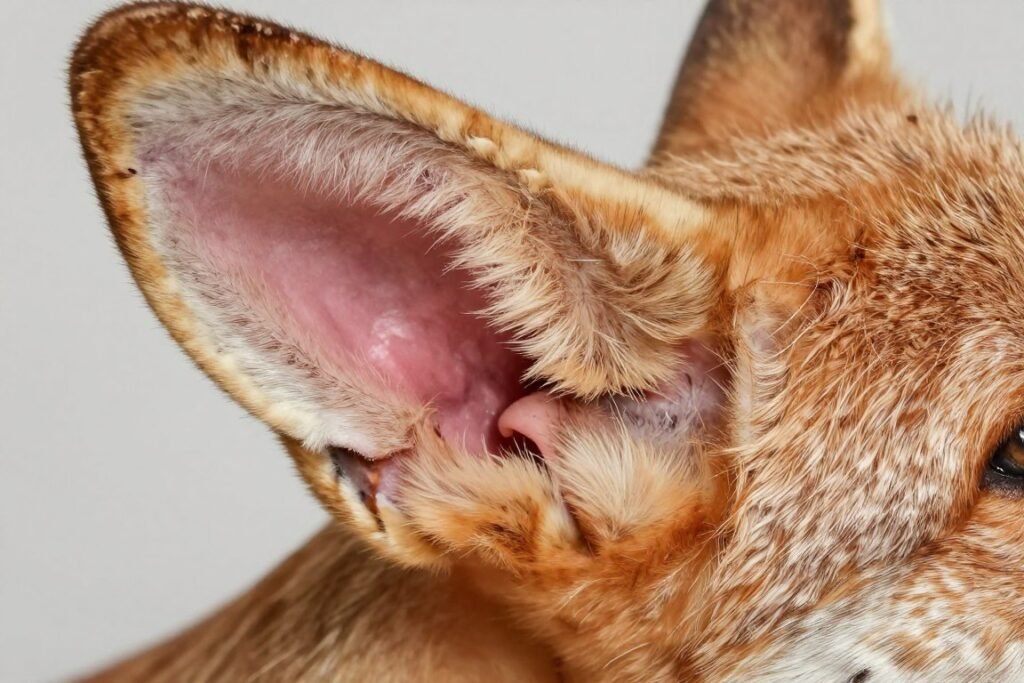
Ear infections affect dogs with long, pendulous ears more frequently. The ear flap traps moisture and reduces air circulation, creating ideal conditions for bacterial growth.
Watch for Ear Infection Signs: Head shaking, ear scratching, redness inside the ear, discharge, or foul odor indicate potential ear infections requiring veterinary attention.
Thrombocytopathy is a platelet disorder seen in some American foxhounds. This blood clotting abnormality can cause excessive bleeding from minor injuries.
Regular vet checkups help identify health issues early. Annual examinations should include blood work for mature dogs to catch problems before symptoms appear.
Responsible Breeding Practices
Choose breeders who perform comprehensive health testing on breeding animals. Reputable breeders willingly share test results and health certifications.
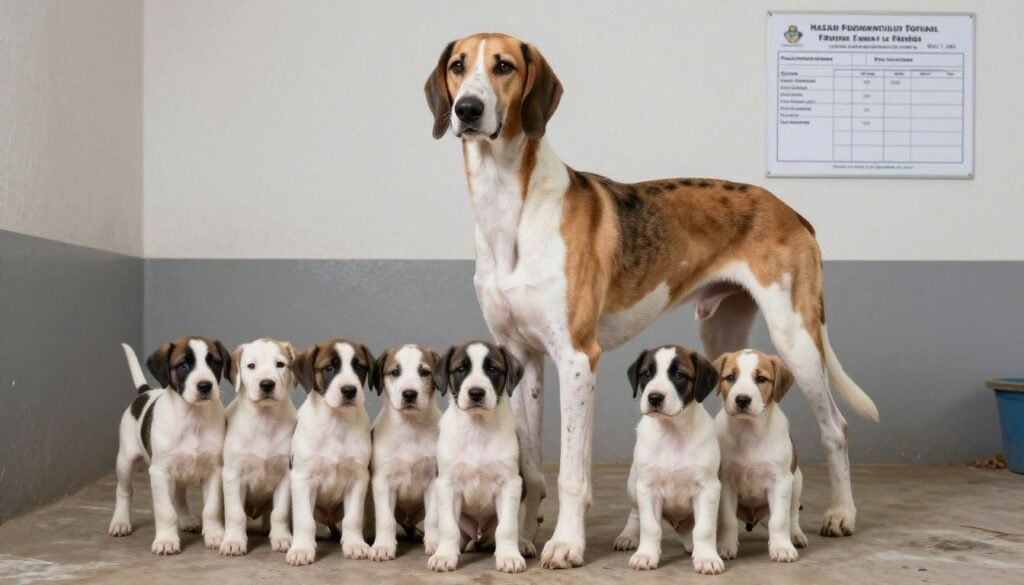
Good breeders focus on improving the breed rather than simply producing puppies. They select breeding pairs based on health, temperament, and conformation to breed standard.
Ask about the puppy’s parents, grandparents, and any health problems in the bloodline. Transparent breeders discuss both strengths and potential concerns openly.
Health Tests for Breeding Dogs
- Hip dysplasia evaluation (OFA or PennHIP)
- Eye examination by board-certified ophthalmologist
- Thrombocytopathy DNA test
- General health screening before breeding
Questions to Ask Breeders
- Can I see health clearances for both parents?
- What is the average lifespan in your lines?
- Have any dogs in this bloodline developed health conditions?
- Do you provide a health guarantee?
- Will you take the dog back if problems arise?
Preventive Care Recommendations
Keep vaccinations current according to your vet’s recommendations. Core vaccines protect against serious diseases like rabies, distemper, and parvovirus.

Parasite prevention protects against fleas, ticks, and heartworms. Many products combine multiple protections in one monthly treatment.
Spaying or neutering offers health benefits for pet dogs. Discuss the optimal timing with your vet based on the individual dog’s development.
Find Experienced Veterinary Care
Connect with veterinarians experienced in hound breeds near you. Schedule your American Foxhound’s health screening and establish a preventive care plan.
Training: Working with an Independent Hunter
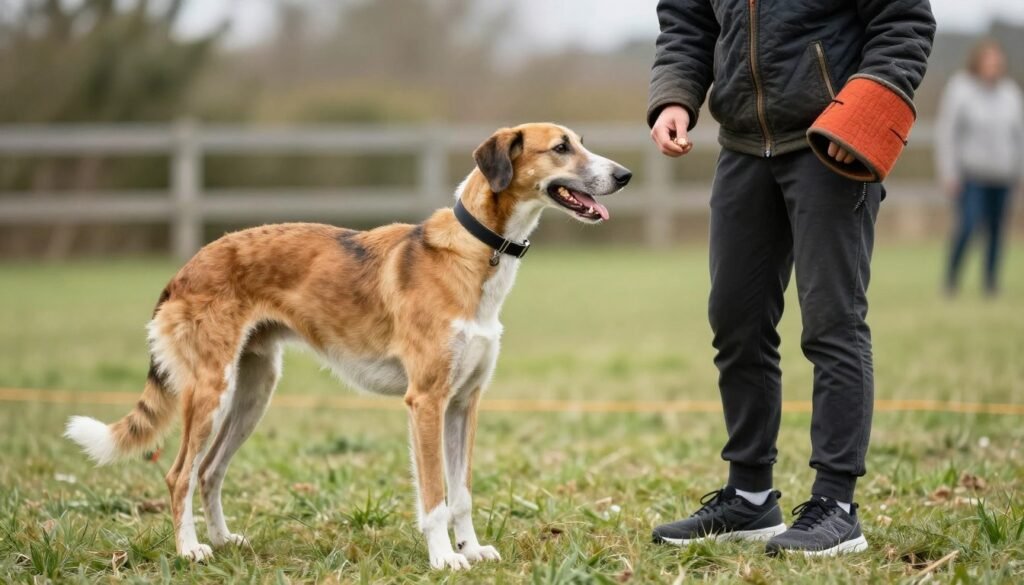
Understanding the Training Challenge
American foxhounds were bred to work independently while following scent trails. This independence translates to a stubborn streak during training sessions.
These dogs possess intelligence but may question why they should follow commands. Training requires patience and understanding of hound mentality.
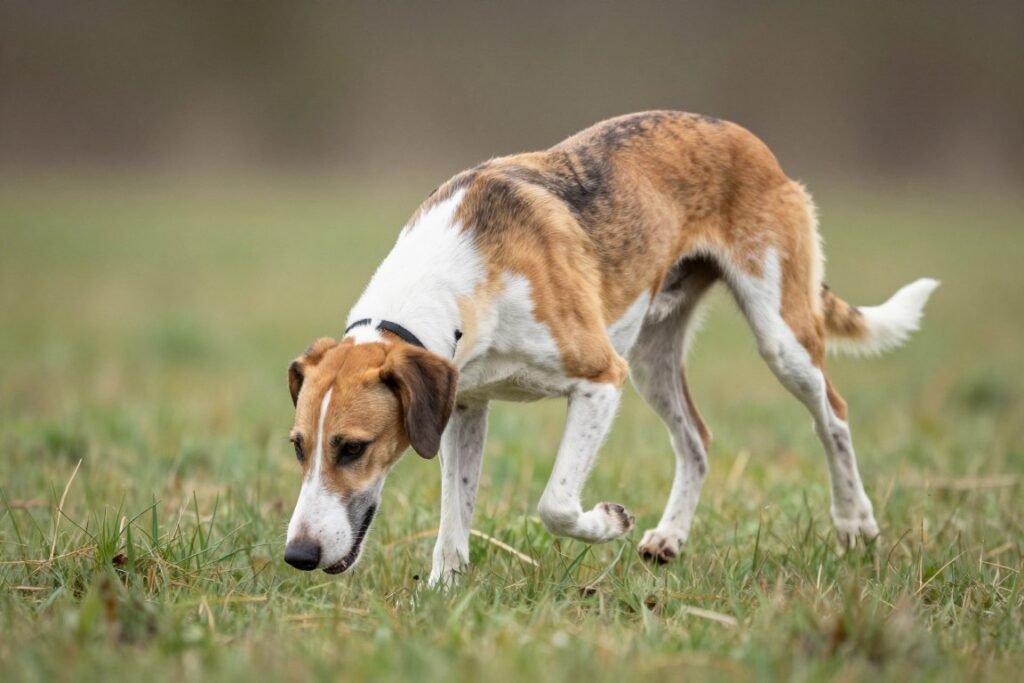
Positive Reinforcement Methods
Reward-based training works best with American foxhounds. Harsh corrections damage the trust necessary for successful training.
Use high-value treats during training sessions. Food motivation can overcome the breed’s natural independence when used strategically.

Keep training sessions short and engaging. Ten to fifteen minute sessions maintain focus better than lengthy, repetitive drills.
End each session on a positive note. Finishing with a command the dog performs well builds confidence and enthusiasm for future training.
Early Socialization Importance
Begin socialization during the critical puppy period between three and fourteen weeks. Expose puppies to various people, animals, environments, and experiences.
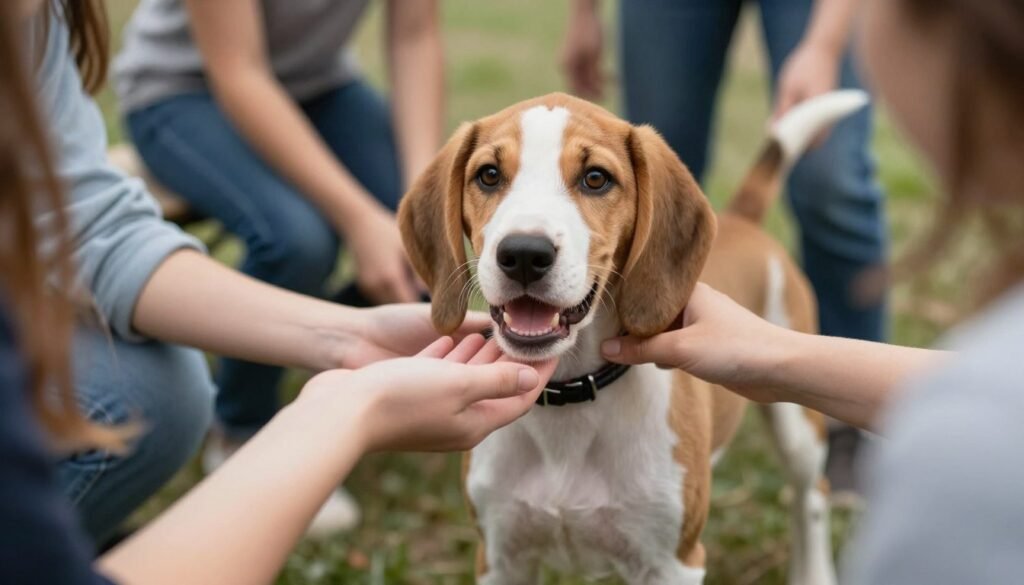
Puppy kindergarten classes provide controlled socialization opportunities. These classes teach basic obedience while exposing puppies to other dogs and people.
Well-socialized American foxhounds develop into confident, well-adjusted adults. Poor socialization can lead to fearfulness or inappropriate behaviors toward strangers.
Basic Obedience Training
Start with fundamental commands like sit, down, stay, and come. Master these basics before progressing to more complex behaviors.
- Use high-value food rewards consistently
- Keep sessions short and upbeat
- Train before meals when hungry
- Practice in low-distraction environments initially
- Gradually increase difficulty and distractions
- Incorporate scent games as rewards
Effective Training Approaches
- Using harsh corrections or punishment
- Expecting immediate obedience like working breeds
- Training in highly distracting environments too soon
- Repeating commands multiple times
- Ending sessions on failed attempts
- Inconsistent rules between family members
Training Mistakes to Avoid
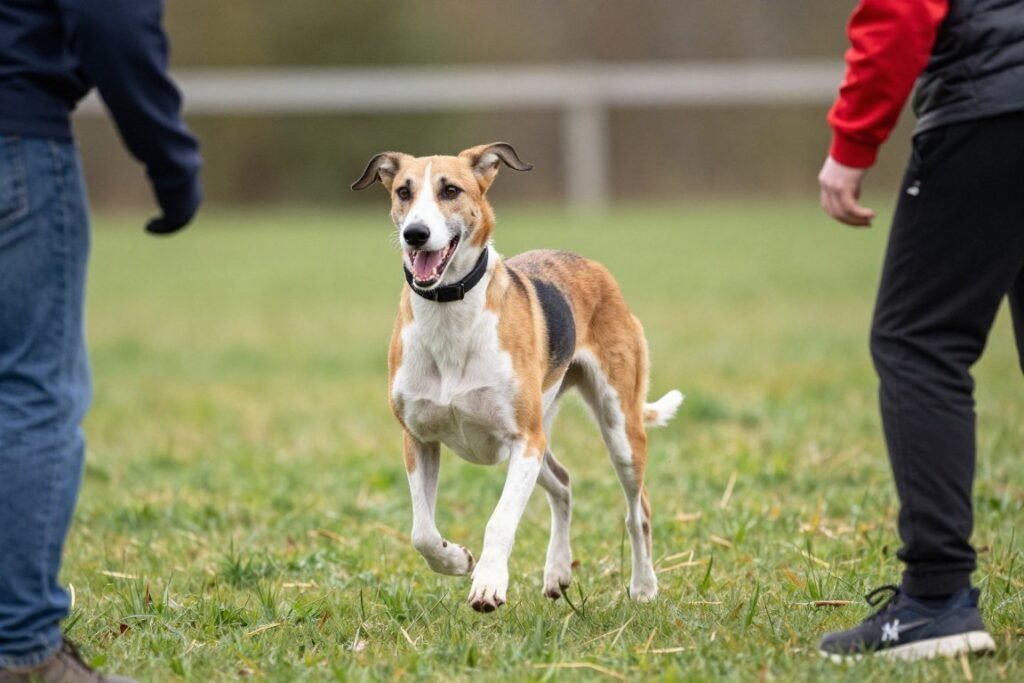
Recall Training Priority
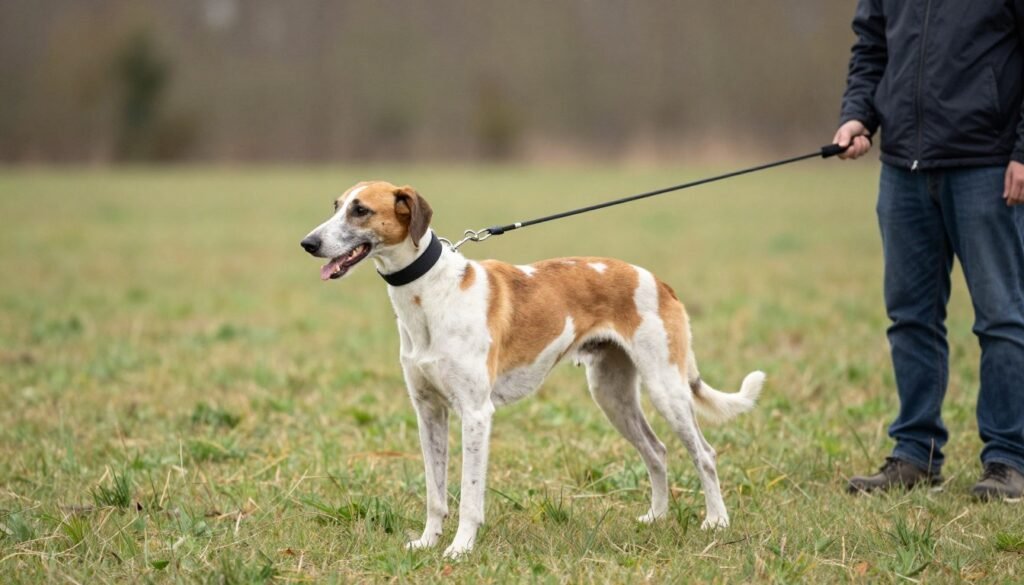
Reliable recall is critical for American foxhounds. Their scent-driven nature makes them prone to wandering when they catch an interesting smell.
Practice recall in securely fenced areas before attempting off-leash work. Never trust a foxhound off-leash in unfenced areas near roads or dangers.
Training Tip: American foxhounds may never achieve the reliable off-leash recall of herding breeds. Always use a long training line in unfenced areas for safety.
Managing Prey Drive and Scent Obsession
The strong prey drive cannot be completely eliminated through training. Management prevents problems rather than trying to suppress natural instincts.
Teach a solid “leave it” command for encounters with wildlife or other animals. This command can redirect attention before the dog becomes too focused on prey.
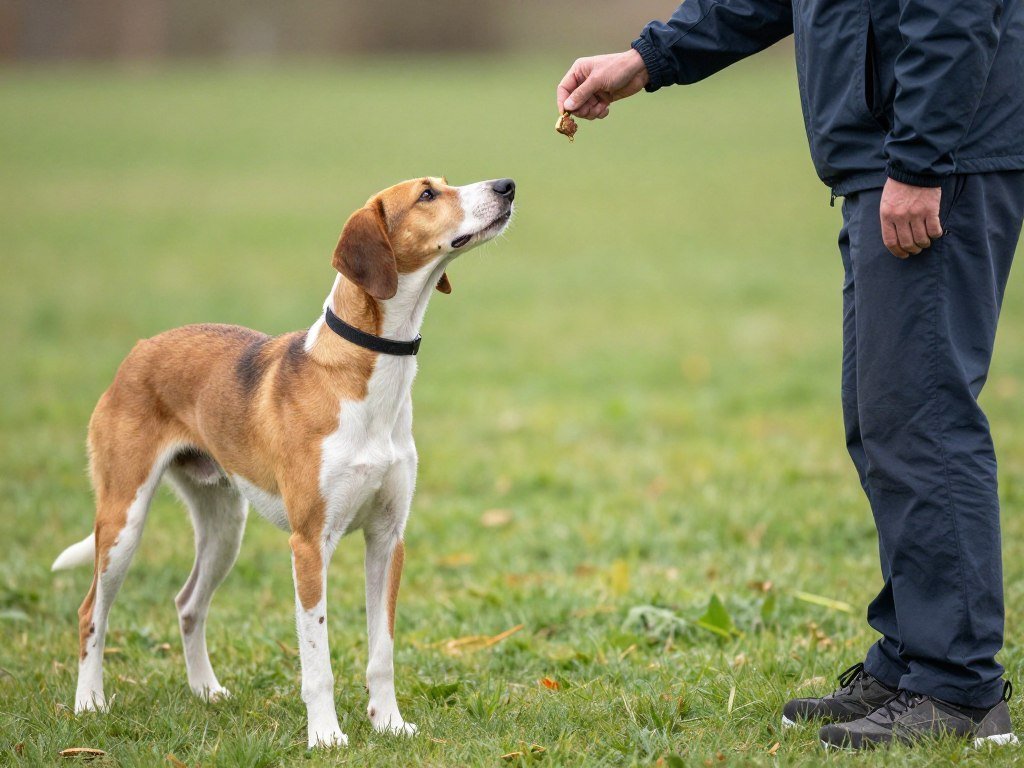
Scent work or nose work classes channel hunting instincts productively. These activities satisfy the dog’s need to use their nose while building the human-dog bond.
Addressing Vocalization
Teach a “quiet” command early in training. Reward silence rather than punishing vocalization for best results.
Identify triggers for excessive baying or howling. Boredom, loneliness, and insufficient exercise often contribute to vocal behaviors.
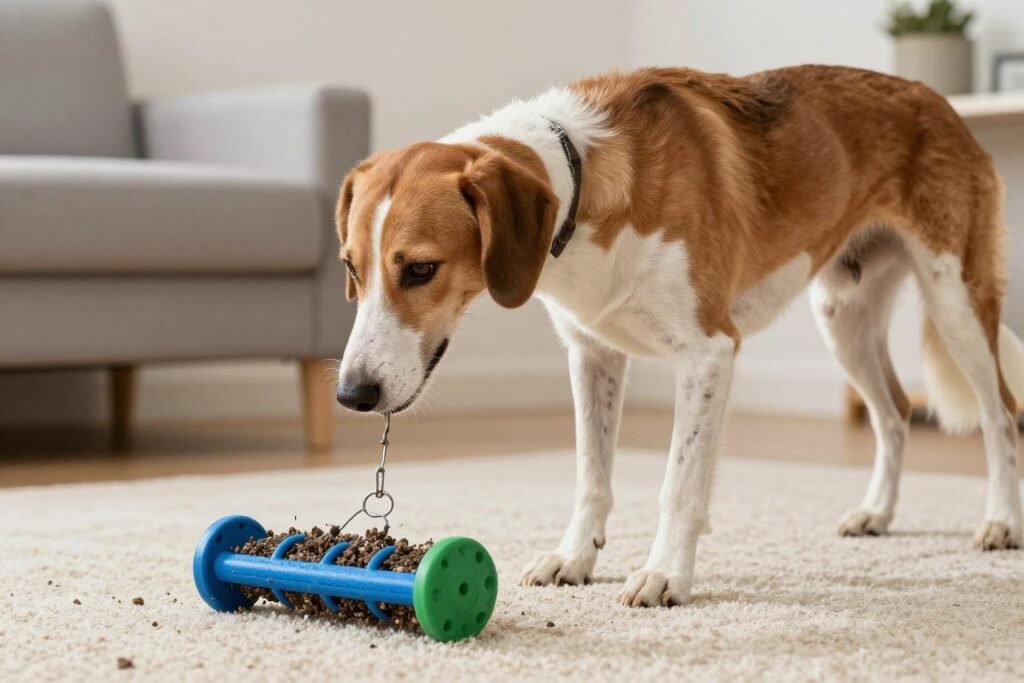
Providing adequate mental and physical stimulation reduces problem vocalization. A tired, mentally satisfied foxhound is generally a quieter foxhound.
Download: American Foxhound Training Guide
Get our comprehensive training guide specifically designed for hound breeds. Learn proven techniques for working with independent, scent-driven dogs.
Suitability: Finding the Right Home Match
Ideal Living Conditions
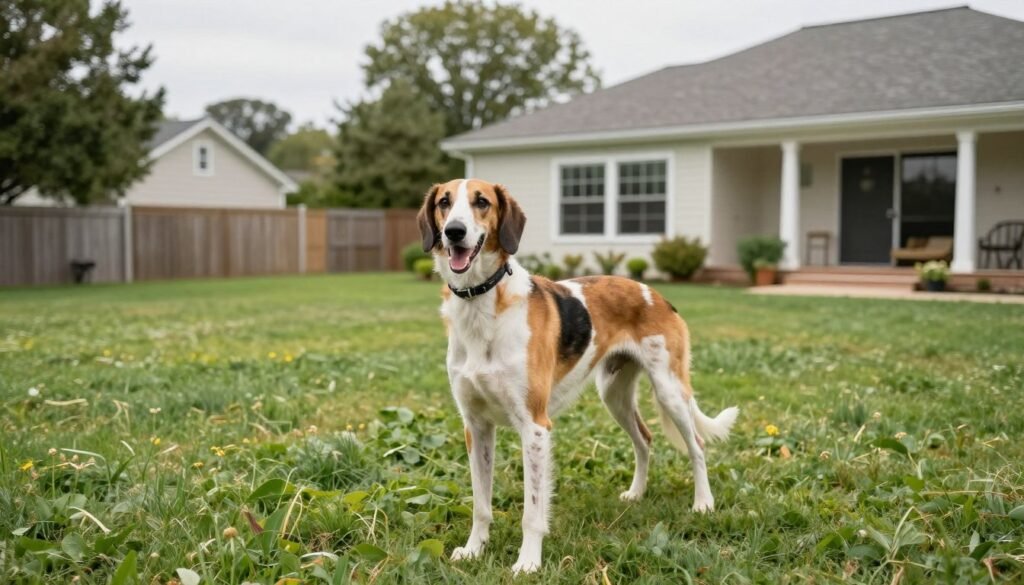
American foxhounds thrive in homes with substantial outdoor space. A large, securely fenced yard provides essential room for running and playing.
Apartment living rarely works well for this breed. The combination of high energy, vocal tendencies, and space needs makes apartments challenging.
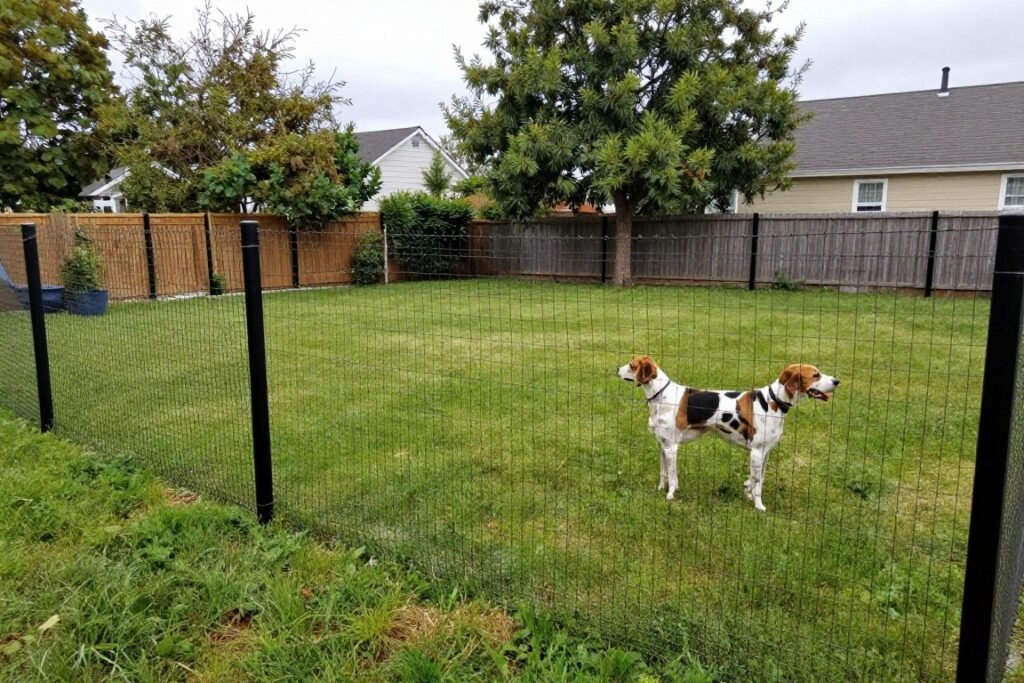
Rural or suburban settings with access to safe running areas suit American foxhounds best. Proximity to hiking trails or open spaces enhances quality of life.
The fence must be at least six feet high and checked regularly for escape routes. These determined hounds will exploit any weakness in containment.
Best Owner Matches
Active individuals or families make ideal owners for American foxhounds. These dogs need companions who enjoy outdoor activities and exercise.
Ideal Owner Characteristics
The best owners share certain qualities that align with breed needs.
- Enjoys running, hiking, or outdoor activities
- Has experience with independent dog breeds
- Patient with training challenges
- Home most of the day or provides companionship
Challenging Ownership Situations
Some circumstances make successful ownership difficult.
- First-time dog owners without support
- Apartment or condo dwellers
- People away from home 8+ hours daily
- Those wanting an obedient, off-leash companion
Activity Level Requirements
Owners must commit to substantial daily exercise.
- Minimum 60-90 minutes vigorous activity daily
- Willingness to exercise in all weather conditions
- Access to safe running areas
- Interest in dog sports or activities
Lifestyle Compatibility
Certain lifestyles align better with breed characteristics.
- Flexible schedule for exercise time
- Tolerant neighbors regarding occasional noise
- Understanding of hound independence
- Commitment to ongoing training
Compatibility with Children
American foxhounds generally do well with children when raised together from puppyhood. Their gentle nature and patience make them suitable family dogs.
Teach children appropriate interaction with dogs. Even patient dogs have limits and need their own space sometimes.
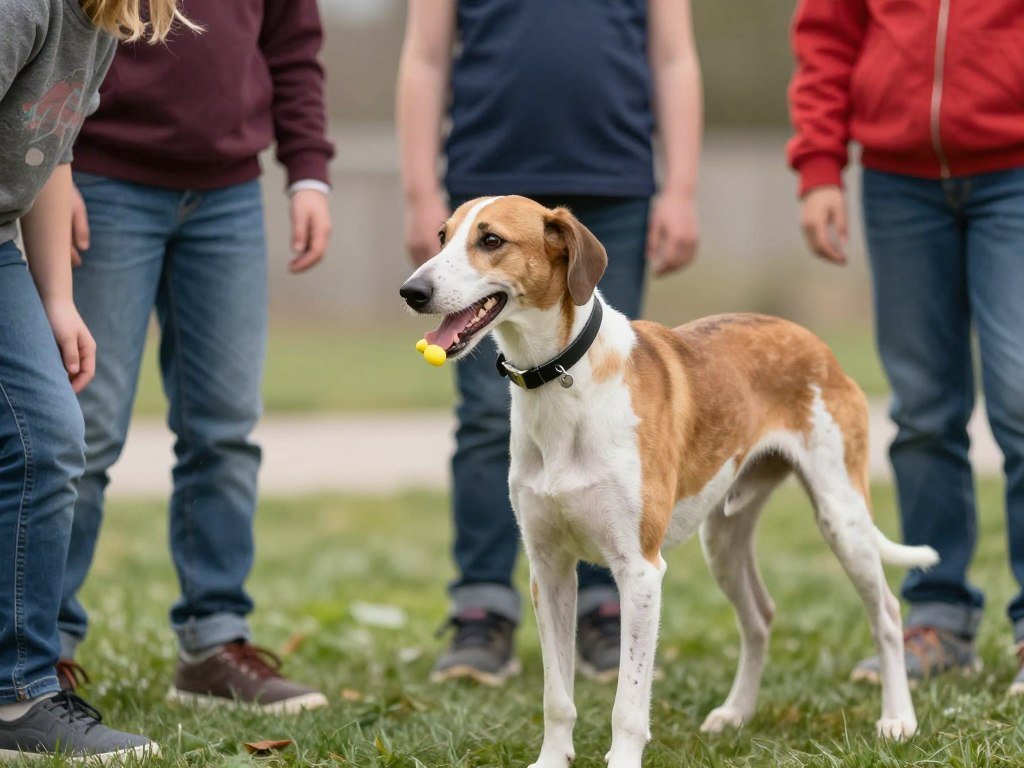
Supervise interactions between dogs and young children always. The size and energy of American foxhounds can accidentally overwhelm small kids during play.
Older children who enjoy outdoor activities often form strong bonds with foxhounds. These dogs make excellent companions for active, nature-loving kids.
Living with Other Pets
The pack mentality makes American foxhounds excellent with other dogs. Many families successfully keep multiple dogs together.
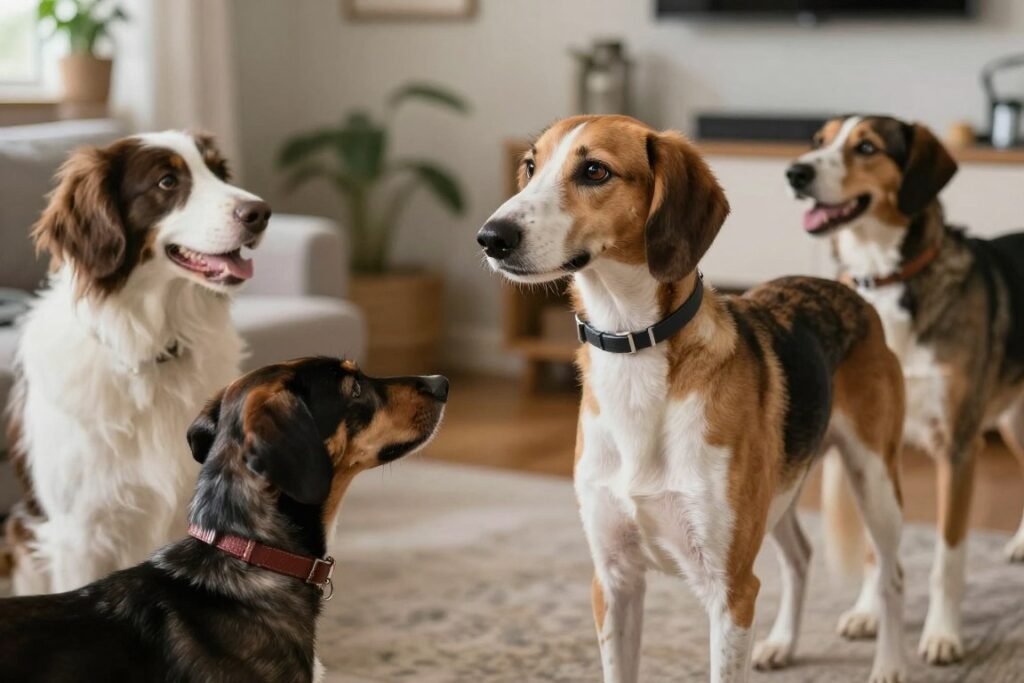
Cats and small pets require careful introduction and management. Some American foxhounds have strong prey drive toward small animals that run.
Early socialization with cats improves success rates. Foxhounds raised with cats from puppyhood typically accept them as family members.
Important: Never leave American foxhounds unsupervised with small pets like rabbits, guinea pigs, or birds. Prey instincts can trigger even in well-socialized dogs.
Time Commitment Considerations
Beyond exercise requirements, American foxhounds need companionship. These social dogs suffer when left alone for extended periods every day.
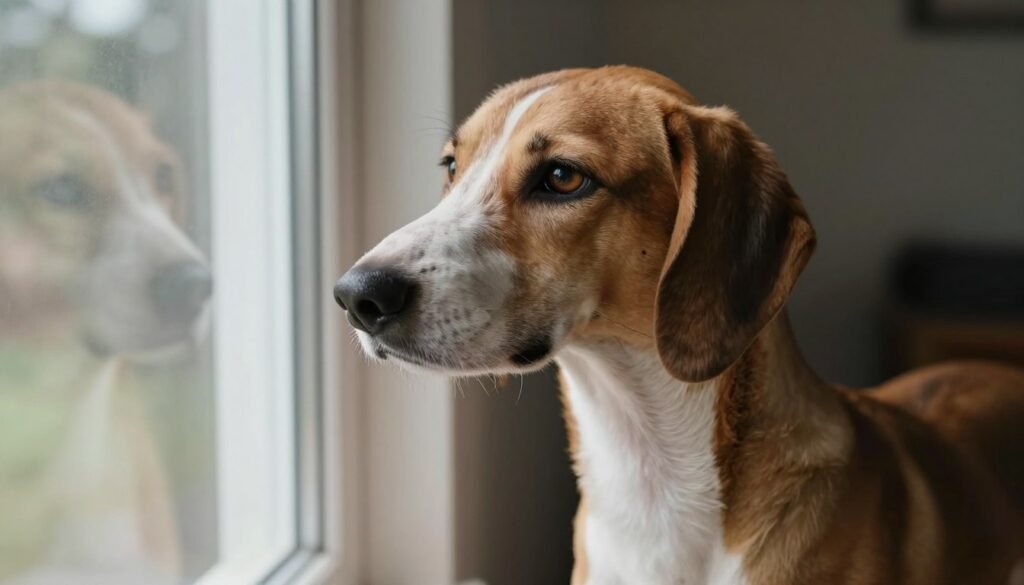
Plan for someone to be home most of the day. Work-from-home arrangements or retired individuals often make good owners.
Doggy daycare provides socialization and exercise for working owners. This option helps meet the breed’s needs for activity and companionship.
| Time Requirement | Daily Commitment | Weekly Commitment | Notes |
| Exercise | 60-90 minutes | 7-10 hours | Split into 2-3 sessions |
| Training | 15-20 minutes | 2-2.5 hours | Multiple short sessions work best |
| Grooming | 5 minutes | 30-45 minutes | Includes ear checks and brushing |
| Companionship | Most of the day | Variable | Should not be alone 8+ hours |
| Mental Stimulation | 20-30 minutes | 2.5-3.5 hours | Puzzle toys, scent games, training |
Financial Considerations
American foxhound ownership involves ongoing expenses beyond the initial purchase price. Budget for food, veterinary care, supplies, and unexpected costs.

Quality dog food for an active, medium-large breed costs between fifty and eighty dollars monthly. Premium foods may cost more but often provide better nutrition.
Annual veterinary expenses including checkups, vaccinations, and preventive medications typically range from three hundred to six hundred dollars. Emergency care or health issues increase costs significantly.
Pet insurance offers financial protection against unexpected veterinary expenses. Research policies carefully to understand coverage limits and exclusions.
Breed Clubs and Resources
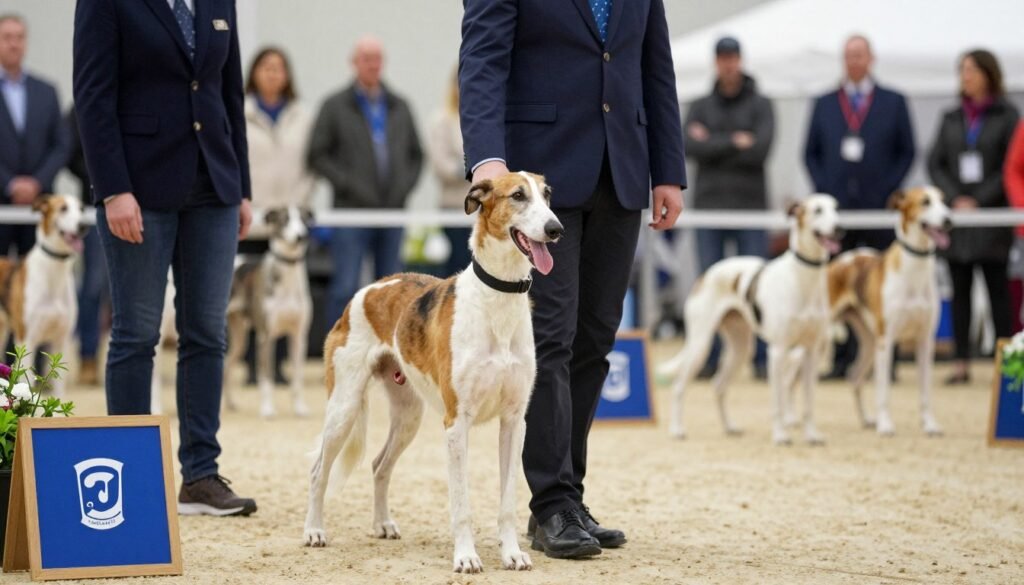
American Kennel Club Recognition
The American Kennel Club serves as the primary registry for American foxhounds in the United States. The AKC maintains breed standards and offers various programs for owners.
AKC events include conformation shows where dogs are judged against the breed standard. These events help preserve breed type and quality.
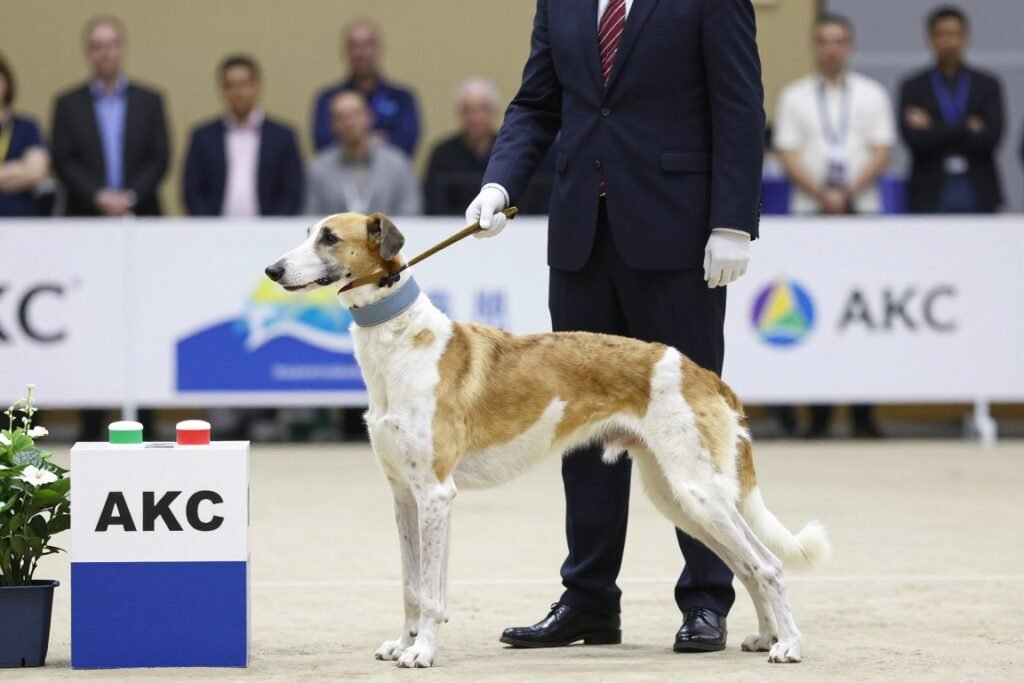
Performance events like scent work and tracking allow American foxhounds to demonstrate their natural abilities. These activities provide mental stimulation while honoring the breed’s heritage.
National Breed Clubs
The American Foxhound Club serves as the national parent club. This organization promotes responsible breeding and ownership while preserving breed history.
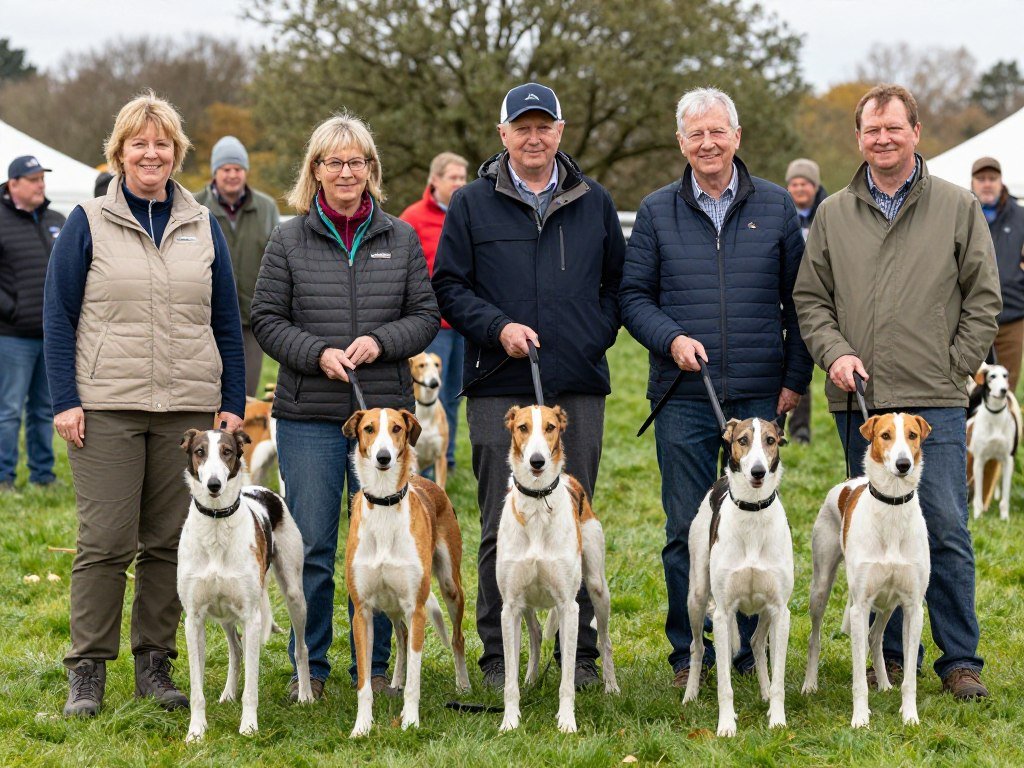
Regional breed clubs exist throughout the country. These local organizations host events, provide education, and connect owners with similar interests.
Breed club membership offers access to experienced breeders, trainers, and other resources. Networking with other American Foxhound enthusiasts provides valuable support.
Online Communities and Support
Social media groups dedicated to American foxhounds connect owners worldwide. These communities share advice, photos, and support for common challenges.

Online forums provide searchable archives of discussions about training, health, and breed-specific topics. These resources help new owners navigate common issues.
Virtual events and webinars offer educational opportunities regardless of location. Many breed clubs adapted to online formats, increasing accessibility.
Finding Reputable Breeders
The American Kennel Club marketplace lists breeders who meet certain requirements. This starting point helps identify responsible breeding programs.
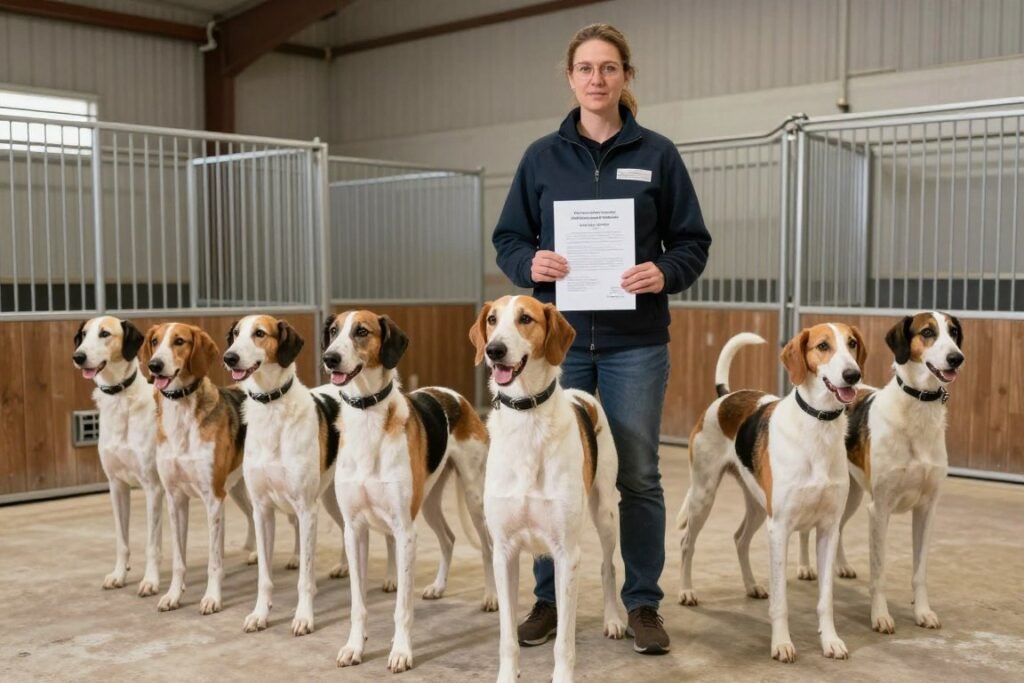
Contact multiple breeders and ask detailed questions about their program. Responsible breeders welcome questions and provide comprehensive answers.
Visit breeding facilities when possible. Clean, well-maintained kennels with happy, healthy dogs indicate responsible practices.
Red Flags: Avoid breeders who always have puppies available, don’t ask you questions, won’t let you visit, or can’t provide health clearances for breeding dogs.
Rescue Organizations
American Foxhound rescue organizations save dogs from shelters and rehome them. Adopting an adult dog can be rewarding for the right family.

Rescued American foxhounds may come with unknown histories. Work with rescue organizations that evaluate dogs’ temperaments and provide honest assessments.
Adult rescued dogs often arrive housetrained and past the demanding puppy stage. This can simplify adoption for some families.
Frequently Asked Questions About American Foxhounds
Are American Foxhounds good family dogs?
American foxhounds can make excellent family dogs for active households. They are gentle, patient with children, and generally friendly with everyone. However, their high exercise requirements and independent nature mean they work best with experienced owners who can provide substantial daily activity. Families must commit to meeting the breed’s needs for exercise every day and mental stimulation.
How much exercise does an American Foxhound need?
American foxhounds require 60 to 90 minutes of vigorous exercise every day, minimum. This should include running, hiking, or other intense activities rather than just walking. Without adequate exercise, these dogs become destructive and develop behavioral problems. They were bred to run for hours while hunting, so their stamina exceeds most other breeds.
Can American Foxhounds live in apartments?
American foxhounds are generally not suitable for apartment living. Their high energy levels, tendency toward vocal behavior, and need for substantial space make apartments challenging. These dogs thrive in homes with large, securely fenced yards where they can run freely. Rural or suburban settings typically work much better than urban apartments for this breed.
Are American Foxhounds easy to train?
American foxhounds are intelligent but independent, making training more challenging than with eager-to-please breeds. They were bred to make decisions while following scent, which translates to stubbornness during training. Positive reinforcement methods work best, and patience is essential. Most owners find that American foxhounds learn commands but may choose when to obey based on their own assessment of the situation.
Do American Foxhounds bark a lot?
American foxhounds are naturally vocal dogs. They bay and howl, which served to communicate their location during hunts. This vocalization can be problematic in residential neighborhoods. Training can reduce excessive noise, but expecting a completely quiet foxhound contradicts their nature. Providing adequate exercise and mental stimulation helps minimize boredom-related vocalization.
How long do American Foxhounds typically live?
American foxhounds have an average lifespan of eleven to thirteen years. Some individuals live longer with excellent care, proper diet, regular veterinary attention, and good genetics. This breed tends to be healthier than many purebreds, with fewer genetic health conditions affecting longevity.
Are American Foxhounds good with other dogs?
Yes, American foxhounds typically excel with other dogs due to their pack heritage. They were bred to work in groups and generally enjoy canine companionship. Many families successfully keep multiple dogs with American foxhounds. Proper socialization from puppyhood ensures the best outcomes for multi-dog households.
What health problems do American Foxhounds have?
American foxhounds are generally healthy, but some health conditions appear in the breed. Hip dysplasia occurs occasionally, and responsible breeders screen for this condition. Ear infections affect dogs with long, floppy ears more frequently. Thrombocytopathy, a blood clotting disorder, appears in some bloodlines. Regular vet checkups help identify and manage health issues early.
Can American Foxhounds be left alone during the day?
American foxhounds are social pack animals that prefer companionship. Leaving them alone for eight or more hours daily often leads to separation anxiety, destructive behaviors, and excessive vocalization. These dogs do best in homes where someone is present most of the time. Doggy daycare can help meet their social needs if owners work full-time.
What’s the difference between American and English Foxhounds?
American foxhounds are taller, lighter, and faster than English Foxhounds. Americans were bred for speed and endurance across varied terrain, while English foxhounds were developed for shorter, more intense hunts. American foxhounds have a more refined build, longer legs, and typically show more independence. Both breeds share hunting heritage and similar temperaments but differ in physical structure and working style.
Final Thoughts on the American Foxhound
The American Foxhound represents a piece of American history wrapped in fur. This breed’s development parallels the nation’s growth, from colonial times through modern day.
These dogs offer tremendous rewards for the right owners. Their gentle temperament, athletic ability, and loyal nature create strong bonds with active families.
However, American foxhounds demand significant commitments of time, energy, and patience. Their exercise requirements exceed most breeds, and their independent nature challenges inexperienced owners.

Success with this breed requires honest assessment of your lifestyle and capabilities. Can you provide exercise every day regardless of weather? Do you have secure outdoor space? Are you patient with training? Can you tolerate occasional vocal outbursts?
For those who can meet their needs, American foxhounds become cherished companions. Their history, athleticism, and gentle souls make them truly special dogs.
Research thoroughly, connect with reputable breeders or rescue organizations, and prepare your home before bringing an American Foxhound into your life. The effort invested in finding the right match pays dividends for years to come.
Join the American Foxhound Community
Connect with thousands of American Foxhound owners and enthusiasts. Receive expert care tips, training advice, health updates, and community support delivered to your inbox weekly.


💬 Leave a Comment