
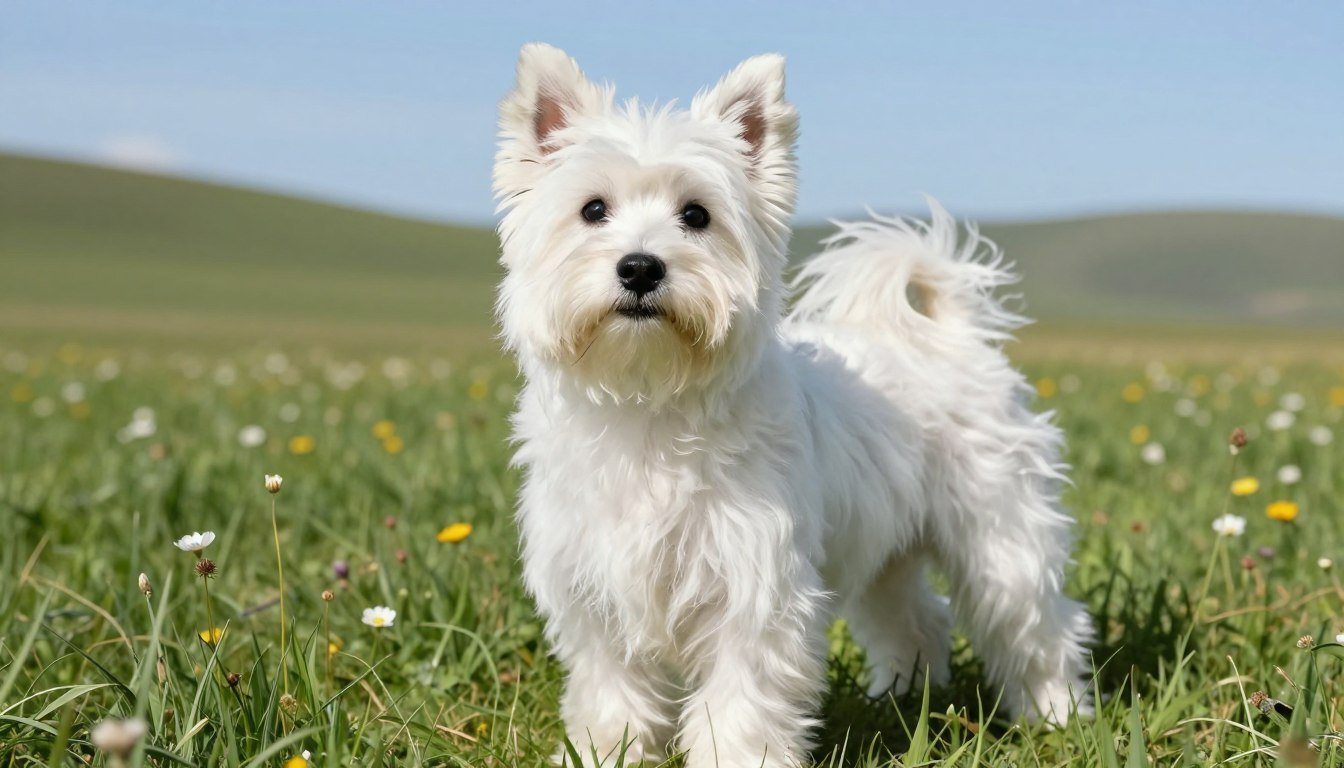
The American Eskimo Dog is a stunning companion known for its brilliant white coat and sharp, alert eyes. This charming animal brings joy to any home with its playful spirit and high intelligence.
Many families choose this Eskie breed because of its loyal nature and active personality. Understanding the unique American Eskimo Dog temperament is essential for building a strong bond with your new furry friend.
Whether you are a new owner or a long-time enthusiast, this pet care guide provides the foundational knowledge you need. We will explore everything from training tips to daily health requirements to ensure your companion thrives.
Key Takeaways
- The breed is highly intelligent and excels in agility training.
- Their thick, white coat requires regular grooming to stay healthy.
- These pets are known for being very loyal and protective of their families.
- Early socialization helps them become well-adjusted members of the household.
- Consistent exercise is vital to keep this energetic animal happy and fit.
The History and Origins of the American Eskimo Dog
The story of the American Eskimo Dog is a unique journey of adaptation and resilience in the United States. While they are now beloved American companions, their lineage traces back to various Spitz dog breeds brought over by European immigrants.
German Spitz Ancestry
These dogs share a direct heritage with the German Spitz, a group of dogs known for their intelligence and striking appearance. When German settlers arrived in America, they brought their loyal companions with them to farms and small towns.
These ancestors were highly valued for their versatility and alertness. Understanding this dog breed history helps explain why the modern American Eskimo Dog remains so eager to please and quick to learn.
Development in the United States
Once in America, the breed began to adapt to a new way of life. They were no longer just farm dogs; they became popular performers in traveling circuses due to their agility and trainability.
Their ability to learn complex tricks made them stars of the show. This period of development solidified their reputation as intelligent and capable working dogs that could thrive in diverse environments.
The Breed Name Controversy
The name “American Eskimo Dog” is actually a bit of a historical mystery. During the early 20th century, anti-German sentiment in the United States led many owners to distance their pets from their German roots.
Breeders and enthusiasts rebranded these Spitz dog breeds to avoid social stigma. This shift in dog breed history permanently changed how the public identified these beautiful, white-coated dogs, even though their genetic background remained firmly rooted in their European ancestors.
Understanding the American Eskimo Dog Breed Standards
The American Eskimo Dog stands out among other breeds due to its distinct structural requirements and elegant appearance. These standards serve as a blueprint for the breed, ensuring that every dog maintains the classic look that enthusiasts adore. By following these guidelines, breeders preserve the integrity of this beautiful companion.
Three Distinct Size Varieties
One of the most fascinating aspects of this breed is its versatility in size. The American Eskimo Dog is categorized into three specific varieties, making them one of the most adaptable small dog breeds for various living situations:
- Toy: Standing between 9 and 12 inches at the shoulder.
- Miniature: Ranging from 12 to 15 inches in height.
- Standard: The largest variety, measuring over 15 inches up to 19 inches.
Coat Texture and Coloration
As a member of the Spitz dog breeds family, this dog features a stunning double coat designed for protection. The undercoat is dense and soft, while the outer coat is straight and stands away from the body. This combination provides excellent insulation against cold weather.
The color of the coat is a signature trait, typically appearing in a brilliant white or a soft biscuit-cream. This bright, clean look is a hallmark of the breed and requires consistent care to maintain its luster. The contrast between their dark eyes and their light fur creates a striking visual appeal.
Distinctive Physical Features
Beyond their size and coat, these dogs possess unique physical characteristics that define their heritage. They are known for their alert, fox-like expression, which reflects their high intelligence and curious nature. Their ears are small, triangular, and set high on the head, adding to their keen appearance.
Another defining feature is the plumed tail, which is carried over the back in a graceful curve. This tail, combined with their compact, balanced frame, makes them a standout among other small dog breeds. Whether they are moving or standing still, their structure perfectly embodies the elegance typical of Spitz dog breeds.
Temperament and Personality Traits
Few dogs possess the combination of high intelligence and affectionate nature found in the American Eskimo Dog. This Eskie breed is known for being a lively, cheerful companion that thrives on human interaction and mental engagement.
Intelligence and Trainability
The American Eskimo Dog consistently ranks among the most intelligent dog breeds. Their ability to learn complex tricks and commands is truly impressive, often surprising even experienced owners.
“The Eskie is a quick study, eager to please and always ready for the next challenge.”
Because they are so smart, they require consistent mental stimulation to stay happy. Without proper training, their clever minds may lead them to find their own, often mischievous, forms of entertainment.
Social Behavior with Family
These dogs are widely recognized as excellent family-friendly dogs. They form deep, loyal bonds with their human companions and prefer to be involved in all household activities.
- They are highly affectionate with children.
- They thrive when included in daily family routines.
- They often display a playful, clownish side to entertain their owners.
While they are devoted to their inner circle, they may be slightly reserved with strangers at first. This balance of loyalty and caution makes them a well-rounded addition to many households.
Watchdog Instincts and Alertness
A defining feature of the American Eskimo Dog temperament is their natural alertness. They are excellent watchdogs who will promptly notify you of any unusual activity near the home.
Their protective nature is not aggressive, but rather a vigilant expression of their devotion to their family. They remain calm once they realize that visitors are welcome, showing their adaptable and sensible personality.
Essential Grooming and Coat Maintenance
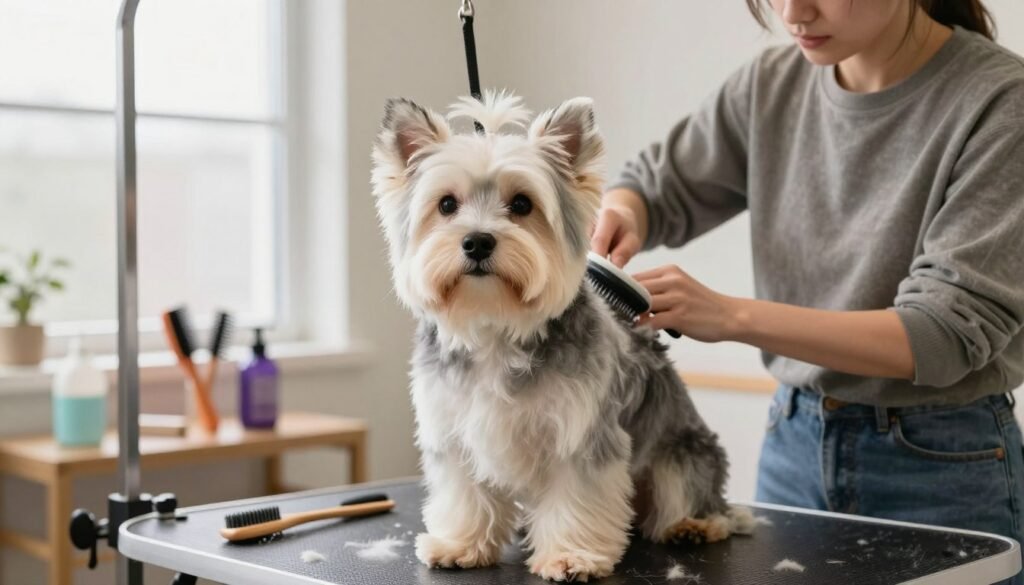
The luxurious double coat of an American Eskimo Dog is its most striking feature, but it demands consistent care to stay healthy. Implementing effective dog grooming tips early in your pet’s life will make the process much easier for both of you. A well-groomed dog is not only more comfortable but also reflects the care and love you provide as an owner.
Managing the Double Coat
This breed possesses a dense undercoat and a longer, weather-resistant outer coat. Proper double coat maintenance requires brushing at least two to three times per week to remove loose fur and prevent painful matting. During seasonal shedding periods, you may need to increase the frequency of your brushing sessions to keep your home clean.
Using a slicker brush or a metal comb is highly recommended for reaching the thick undercoat. Always be gentle when working through tangles to avoid irritating your dog’s sensitive skin. Regular grooming sessions also provide a great opportunity to check for any skin issues or parasites hiding beneath the thick fur.
Bathing and Hygiene Practices
Bathing should be done on an as-needed basis, typically every few months, to keep the coat bright white. Over-bathing can strip the natural oils from the skin, leading to dryness and irritation. Always use a high-quality, pH-balanced shampoo specifically formulated for dogs to maintain the integrity of their coat.
After a bath, ensure your dog is thoroughly dried, as moisture trapped in the thick undercoat can lead to skin problems. Pay close attention to the ears and eyes during your hygiene routine. Keeping these areas clean and dry is essential for preventing infections and ensuring your companion stays comfortable.
Dental and Nail Care
Consistent dog dental care is vital for your pet’s long-term health and well-being. Brushing your dog’s teeth several times a week helps prevent tartar buildup and gum disease. You can also provide dental chews or toys designed to support oral hygiene between brushing sessions.
Nail trimming is another critical aspect of your routine that should not be overlooked. Long nails can cause discomfort and even lead to joint issues over time. If you hear a clicking sound on the floor, it is time for a trim. Regular maintenance ensures your dog remains active, happy, and pain-free throughout its life.
Exercise Requirements and Mental Stimulation
Providing the right outlets for your dog’s energy will transform your daily routine. These dogs are naturally athletic and thrive when they have a clear purpose during their waking hours. Balancing physical movement with cognitive challenges is the key to a healthy, well-adjusted pet.
Daily Physical Activity Needs
Meeting your dog exercise needs requires a consistent schedule that includes at least one long walk per day. Because these dogs are agile and energetic, they enjoy activities like brisk jogging or hiking on local trails. Aim for at least 45 to 60 minutes of active movement to keep their muscles toned and their spirits high.
Consistency is vital for this breed. If you skip their daily routine, you may notice an increase in restlessness or vocalization. Always ensure they have access to a secure, fenced area where they can run freely and burn off excess steam safely.
Engaging Games for Smart Dogs
As one of the most intelligent dog breeds, these pets get bored easily with repetitive tasks. You should incorporate mental stimulation for dogs into your daily play sessions to keep their minds sharp. Interactive games like hide-and-seek or teaching them to identify specific toys by name can provide excellent cognitive workouts.
“A tired dog is a good dog, but a mentally stimulated dog is a happy, well-behaved companion who truly understands their place in the family.”
Consider using puzzle feeders or treat-dispensing toys during meal times. These tools force your pet to solve problems to earn their food, which mimics natural foraging behaviors. This simple change can significantly improve their focus and overall satisfaction.
| Activity Type | Primary Benefit | Intensity Level |
|---|---|---|
| Brisk Walking | Cardiovascular Health | Moderate |
| Puzzle Toys | Mental Stimulation | Low |
| Agility Training | Physical & Cognitive | High |
Preventing Boredom and Destructive Behavior
When these active dogs do not receive enough mental stimulation for dogs, they often turn to destructive habits. Chewing furniture, excessive barking, or digging are common signs that your pet is craving more engagement. You can prevent these issues by rotating their toys and introducing new training tricks every week.
Remember that your pet views you as their primary source of entertainment. By dedicating time to structured play, you build a stronger bond while keeping their environment peaceful. A proactive approach to their daily needs ensures that your home remains a happy space for everyone.
Training Your American Eskimo Dog
Because the Eskie breed is known for its sharp mind, your approach to training must be both engaging and rewarding. These dogs thrive when they feel like they have a job to do, making them highly responsive to clear, consistent guidance. By establishing a routine early on, you set the stage for a lifetime of cooperation and mutual respect.
Positive Reinforcement Techniques
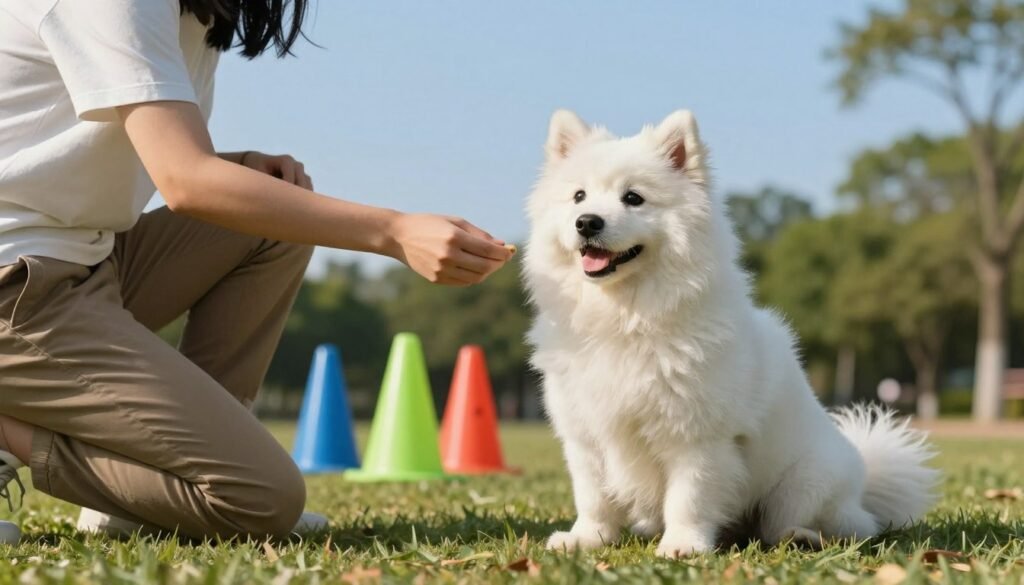
The most effective way to build a strong bond is through positive reinforcement training. This method focuses on rewarding desired behaviors with treats, praise, or play rather than using harsh corrections. When your dog performs a command correctly, immediate positive feedback helps them understand exactly what you want.
Consistency is the secret ingredient to success. Keep your training sessions short and fun to prevent your dog from becoming bored or frustrated. By keeping the atmosphere light, you encourage your pet to look forward to every learning opportunity.
Socialization Strategies
Proper dog socialization is vital for raising a confident and well-mannered companion. You should introduce your pet to a variety of environments, sounds, and people during their formative months. This exposure helps them remain calm and collected when encountering new situations in public settings.
When you take your dog out, focus on creating positive associations with new experiences. If your pet seems nervous, allow them to observe from a distance until they feel comfortable enough to approach. Gradual exposure is much more effective than forcing a dog into an overwhelming situation.
Addressing Common Behavioral Challenges
Even the most well-trained pets may face hurdles, such as excessive barking or separation anxiety. Training a dog to manage these impulses requires patience and a calm demeanor. If your dog barks to get attention, the best approach is often to ignore the behavior until they are quiet, then reward them for their silence.
For separation anxiety, start by leaving your dog alone for very short periods and gradually increasing the time. Providing puzzle toys or mental stimulation can help keep them occupied while you are away. Remember that your calm presence provides the security your dog needs to overcome these common behavioral challenges.
Common Health Concerns and Lifespan
Maintaining optimal American Eskimo Dog health requires a proactive approach to wellness and daily care. These intelligent dogs typically enjoy a long lifespan, often reaching 12 to 15 years with proper attention. By staying informed about potential risks, you can help your companion thrive throughout every stage of their life.
Genetic Health Predispositions
Like many purebred dogs, this breed has a few inherited conditions that owners should monitor. Hip dysplasia is one common concern, where the hip joint does not fit perfectly into the socket. This can lead to discomfort or mobility issues as the dog ages.
Another condition to watch for is Progressive Retinal Atrophy (PRA), which affects the eyes. Regular screenings by a veterinary ophthalmologist can help identify early signs of vision loss. Early detection is always the best strategy for managing these genetic predispositions effectively.
Preventative Veterinary Care
Routine visits to the veterinarian are the cornerstone of a long and happy life. Annual check-ups allow your doctor to monitor weight, heart health, and dental condition. Staying current on vaccinations and parasite prevention is also essential to avoid preventable illnesses.
Do not wait for symptoms to appear before scheduling an appointment. Consistent blood work and physical exams help catch subtle changes in your dog’s health before they become serious problems. A proactive mindset is the greatest gift you can give your pet.
Nutrition and Weight Management
Feeding your dog a healthy dog diet is vital for maintaining their energy levels and joint health. High-quality protein sources should be the foundation of every meal to support their active lifestyle. Always measure portions carefully to prevent obesity, which puts unnecessary strain on their joints.
Treats should be given in moderation and accounted for in their daily caloric intake. If you notice your dog gaining weight, consult your vet to adjust their feeding plan. Proper weight management is a simple yet powerful way to extend your dog’s vitality and overall well-being.
Living with an American Eskimo Dog
Whether you live in a cozy city flat or a spacious suburban home, this breed adapts with grace. The American Eskimo Dog is known for its versatile nature and desire to be near its human companions. By understanding their specific needs, you can create a harmonious environment for everyone involved.
Apartment Living vs. House Living
Many people are surprised to learn that these pups can be excellent apartment friendly dogs. While they possess a high energy level, they are quite content in smaller spaces as long as they receive consistent daily exercise. A brisk walk or a vigorous play session is usually enough to keep them calm indoors.
If you live in a house with a yard, ensure it is securely fenced. These dogs are intelligent and may try to explore beyond their boundaries if they become bored. Regardless of your living situation, mental stimulation remains just as important as physical activity to keep them happy.
Compatibility with Children and Pets
When raised together, these dogs often become family-friendly dogs that form deep bonds with children. Their playful spirit makes them wonderful companions for active kids who know how to interact respectfully with animals. Always supervise interactions to ensure both the child and the dog feel safe and comfortable.
Socialization is the secret to success when introducing your pet to other animals. Because they are naturally alert, early exposure to other household pets helps them develop a friendly and tolerant attitude. With proper guidance, they can coexist peacefully with cats and other dogs in the home.
Travel and Lifestyle Considerations
Integrating your American Eskimo Dog into your daily routine is a rewarding experience. They are generally eager to join in on family adventures, whether it is a trip to the local park or a weekend getaway. Consistency is key when traveling, so try to maintain their feeding and exercise schedule as much as possible.
Always carry a portable water bowl and a favorite toy to help them feel secure in new environments. Because they are highly observant, they will appreciate being included in your plans rather than being left behind. With a little preparation, your dog will quickly become your favorite travel companion.
Conclusion
Bringing an American Eskimo Dog into your home marks the start of a deep and lasting bond. These bright, energetic companions thrive when they receive consistent attention and clear guidance from their owners.
This pet care guide provides the foundation you need to build a happy life with your canine friend. By applying these insights, you ensure your dog stays healthy, active, and mentally sharp throughout their years.
Success with this breed relies on your commitment to their unique needs. You hold the power to shape their environment into a space where they feel secure and loved every single day.
Keep this pet care guide handy as your dog grows and changes. You will find that the effort you invest in their training and well-being returns to you in the form of unwavering loyalty and joy.
Share your experiences with other owners in your local community or online groups. Your journey with your American Eskimo Dog is a special story that continues to unfold with every walk, game, and quiet moment you share together.

💬 Leave a Comment