
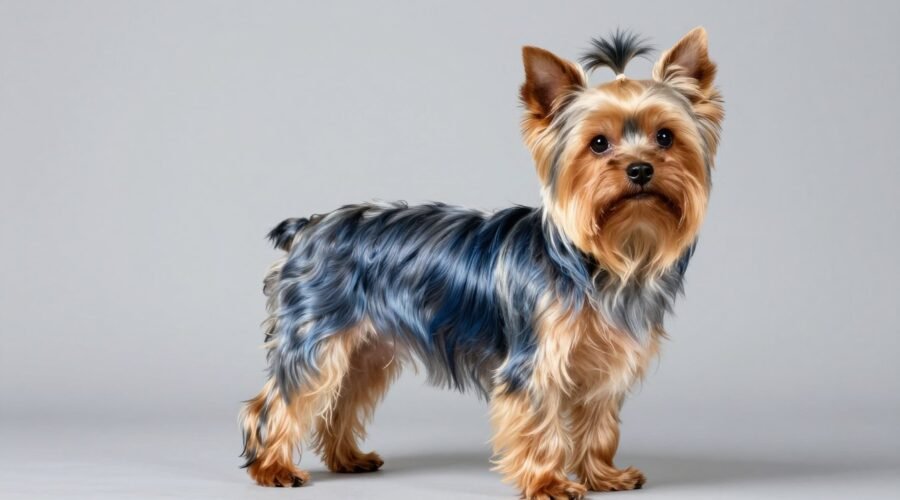
The Yorkshire Terrier stands as one of America’s most cherished companion dogs. This tiny breed captures hearts with its floor-length silky coat and oversized personality packed into a petite frame.
Despite weighing just seven pounds or less, Yorkies possess the bold spirit of much larger terrier breeds. Their journey from English coal mines to luxury apartments tells a remarkable story of adaptability and charm.
This comprehensive guide explores everything prospective owners and current Yorkie parents need to know. From understanding their feisty temperament to mastering their grooming needs, you’ll discover how to provide the best life for these spirited companions.
Whether you’re considering adding a Yorkshire Terrier to your family or seeking to improve care for your current pet, this resource delivers practical insights backed by breed expertise and veterinary knowledge.
Breed Overview and History
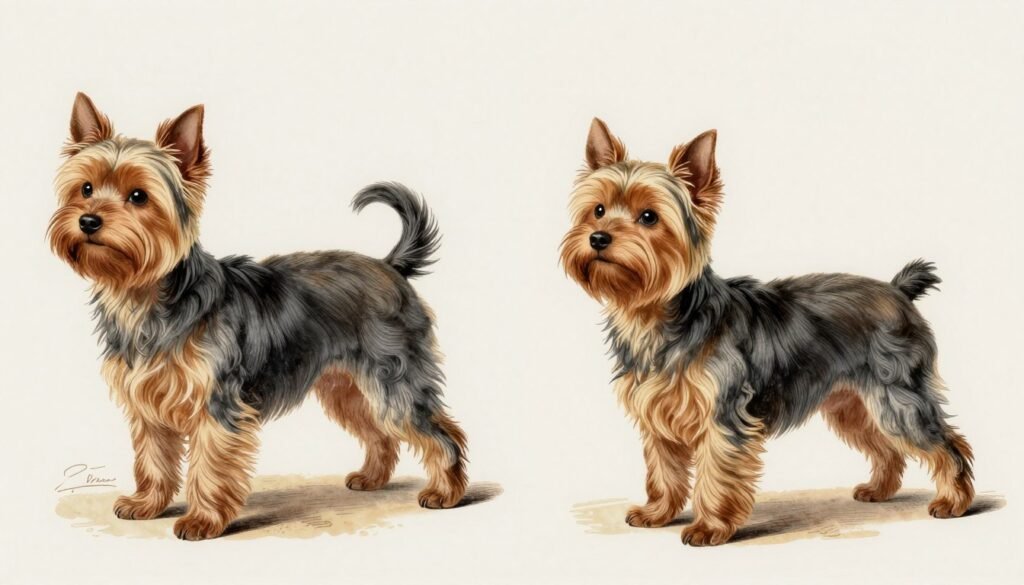
The Yorkshire Terrier emerged during the Industrial Revolution in Yorkshire, England. Scottish workers migrated south to work in coal mines and textile mills during the mid-1800s. They brought small terrier breeds that would eventually form the foundation of today’s Yorkie.
These early dogs served a practical purpose in factories and mines. Workers valued them for catching rats in dangerous industrial environments. The breed combined several terrier types, including the Waterside Terrier, Clydesdale Terrier, and Paisley Terrier.
Development as a Companion Dog
A dog named Huddersfield Ben, born in 1865, became the foundation sire of the modern breed. He won numerous dog shows and sired many puppies. His influence standardized the breed’s appearance and temperament that we recognize today.
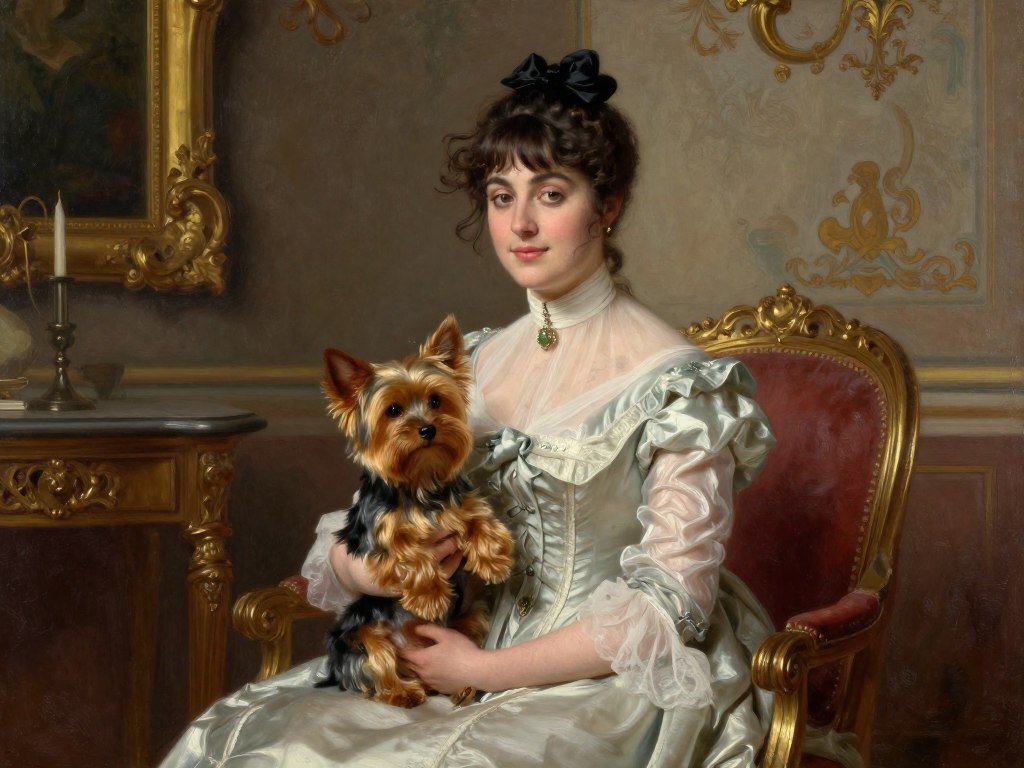
Victorian ladies discovered these charming small dogs in the 1870s. The breed transitioned from working-class ratter to fashionable companion. Their portable size and elegant appearance made them perfect lap dogs for wealthy families.
Recognition and Standardization
The breed gained official recognition from the Kennel Club in England in 1886. The American Kennel Club followed suit in 1885, making Yorkshire Terriers one of the first breeds registered in the United States.
Early breed standards emphasized their working terrier heritage. The dogs needed to be small enough to pursue rats into tight spaces, yet brave enough to confront their prey. This combination of size and courage remains a hallmark of the breed.
Original Purpose
Yorkshire Terriers initially worked as ratters in industrial settings, controlling vermin populations in mills and mines throughout northern England.
- Rat catching in textile mills
- Pest control in coal mines
- Hunting small game in rural areas
- Companionship for working families
Modern Role
Today’s Yorkshire Terrier serves primarily as a beloved companion animal, ranking among the most popular toy breeds in the United States and worldwide.
- Family companion and lap dog
- Apartment-friendly pet for urban living
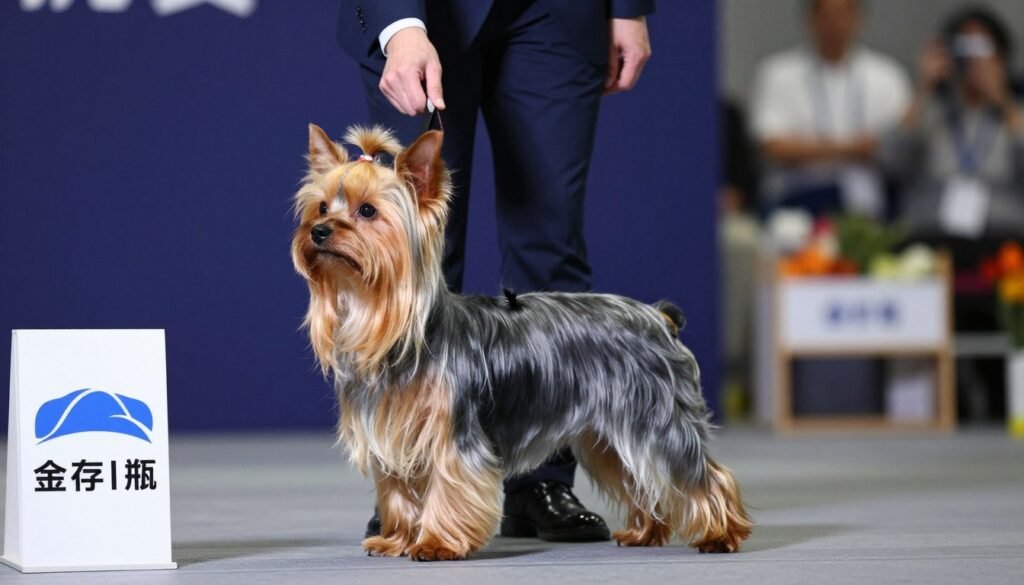
- Show dog in conformation competitions
- Therapy dog for emotional support
Breed Development
Careful breeding over generations refined the Yorkshire Terrier into the elegant toy breed we know today while maintaining their terrier spirit.
- Size reduction from 12-15 pounds to 4-7 pounds
- Coat color standardization to blue and tan
- Temperament refinement for companionship
- Health improvement through genetic testing
Global Popularity
The breed’s charm spread worldwide throughout the 20th century, establishing Yorkshire Terriers as one of the most recognizable toy dog breeds.
- Top 10 most popular breed in America
- Celebrity favorite across generations
- International show dog champion
- Social media sensation in recent years
American Kennel Club Recognition
The American Kennel Club places Yorkshire Terriers in the Toy Group. This classification reflects their primary purpose as companion animals rather than working dogs. The breed standard maintained by the American Kennel Club specifies exact requirements for size, coat, color, and structure.
Yorkies consistently rank among the top ten most popular dog breeds registered with the American Kennel Club. Their small size makes them ideal for apartment living in urban environments throughout the United States. Despite their diminutive stature, they retain the bold terrier attitude that served their ancestors well.
The breed’s popularity exploded in the post-World War II era. Returning soldiers brought stories of these brave small dogs they encountered in Europe. American families embraced Yorkies as the perfect pet for changing lifestyles that emphasized smaller homes and indoor living.
Genetic Heritage
Modern genetic research reveals the complex ancestry of Yorkshire Terriers. DNA studies confirm contributions from multiple extinct terrier breeds. This diverse genetic background provided the foundation for their unique appearance and personality traits.
Breeders continue to work toward improving health while maintaining breed type. Responsible breeding programs focus on reducing inherited health conditions. The goal remains producing healthy dogs that embody the breed’s distinctive characteristics and lively temperament.
Physical Characteristics
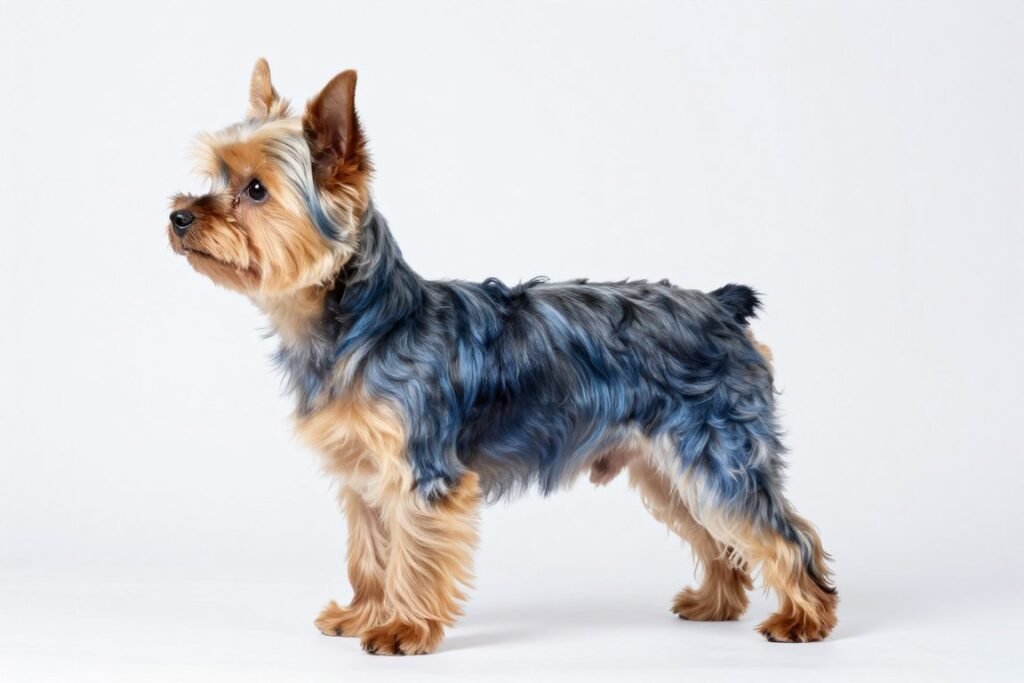
Yorkshire Terriers possess a distinctive appearance that sets them apart from other toy breeds. Their compact, well-proportioned body carries a long, luxurious coat that flows elegantly when properly maintained. Understanding these physical traits helps owners appreciate what makes this dog breed unique.
Size and Weight Standards
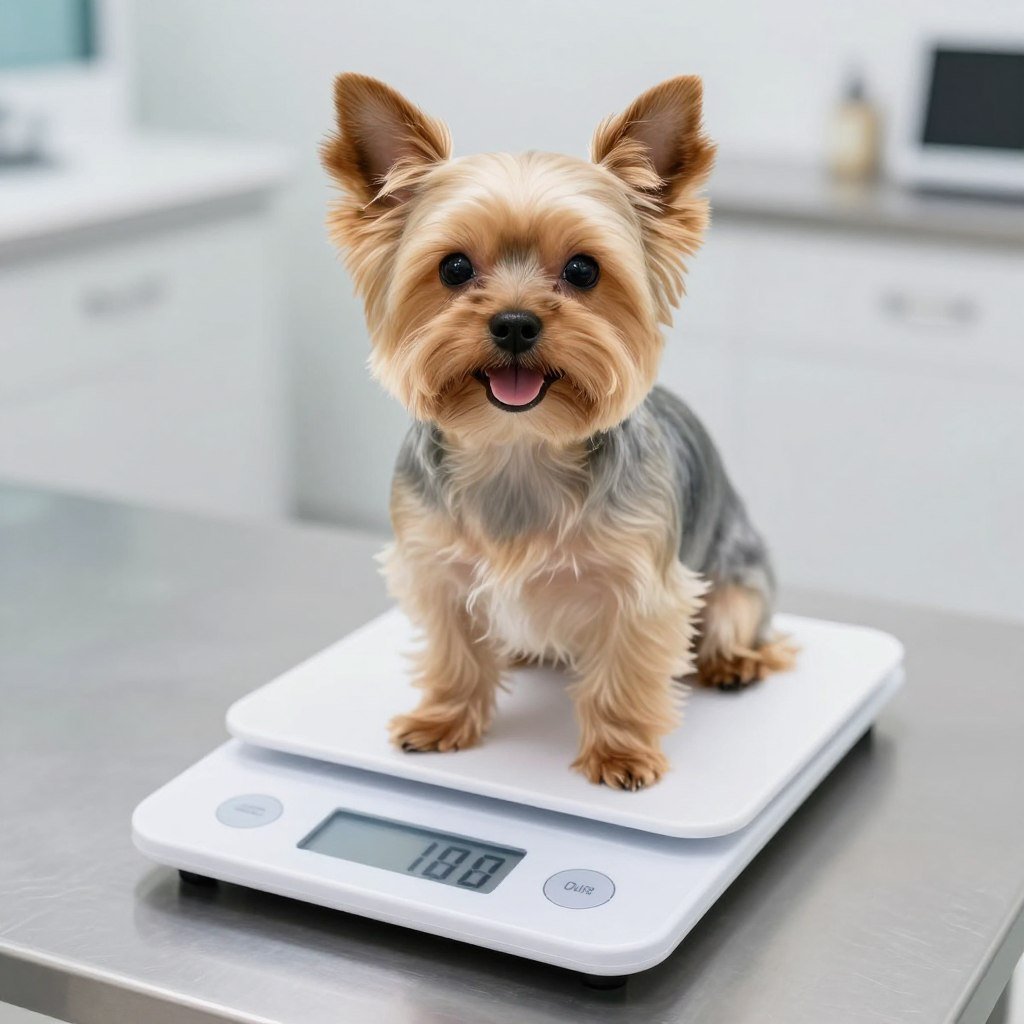
The American Kennel Club breed standard specifies that adult Yorkshire Terriers should weigh no more than seven pounds. Most healthy adults range between four and seven pounds when fully grown. Height typically measures seven to eight inches at the shoulder.
Size variations exist within the breed despite official standards. Some breeders produce “teacup” Yorkies weighing three pounds or less. These extremely small dogs often face serious health issues. Reputable breeders avoid producing dogs significantly smaller than the breed standard.
Coat Type and Texture
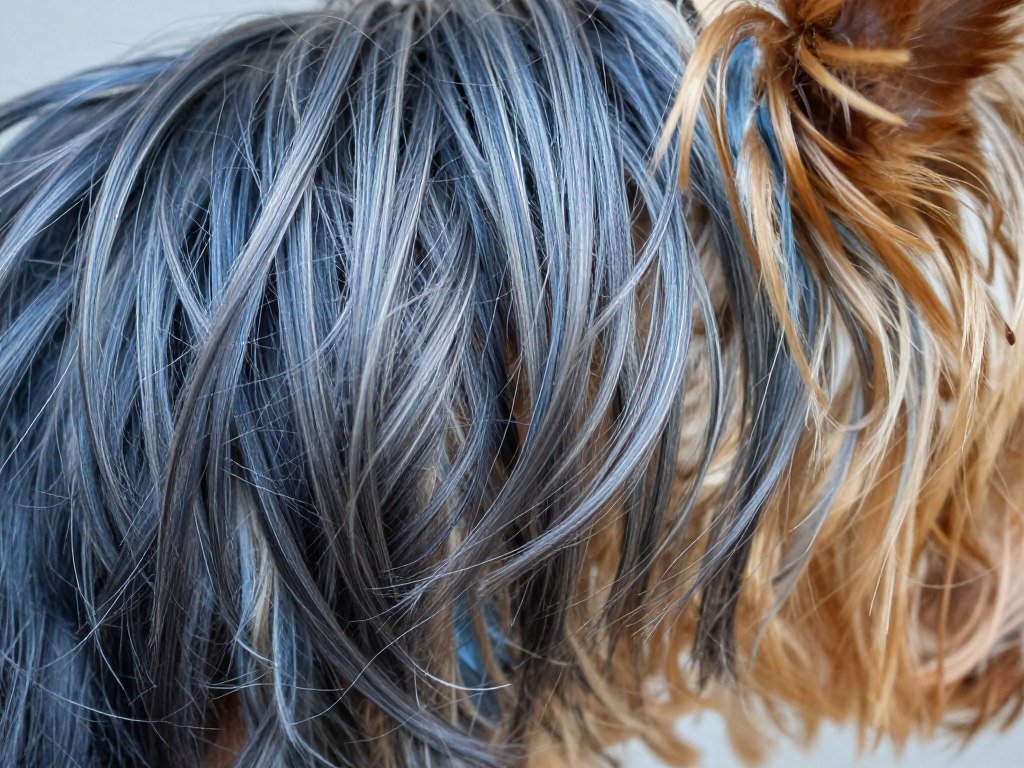
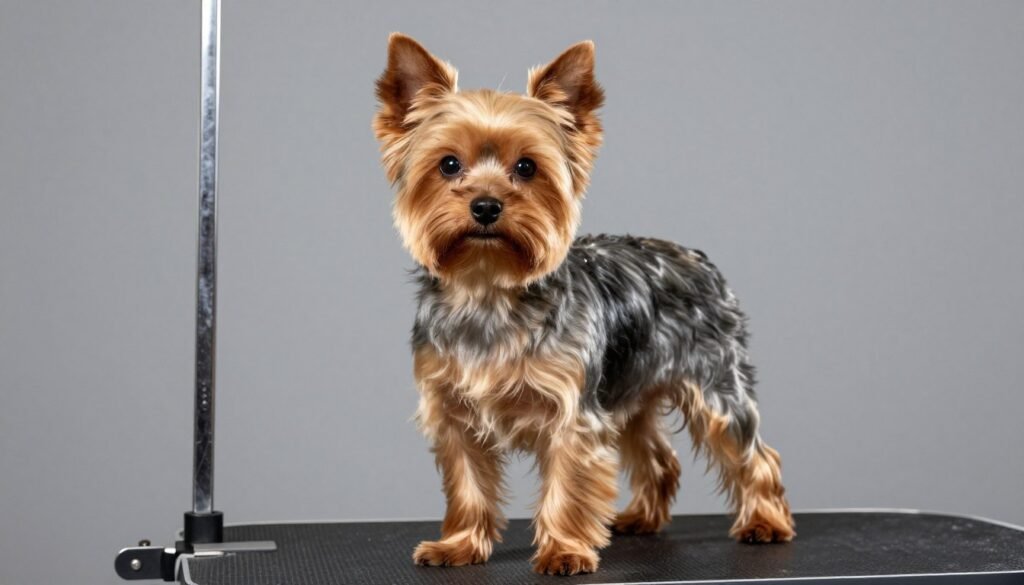
The Yorkshire Terrier coat stands as their most recognizable feature. The hair grows continuously like human hair rather than shedding seasonally. This silky, straight coat requires significant maintenance to prevent matting and tangling.
Coat texture should feel fine and silky to the touch. The hair parts naturally along the spine from the head to the tail tip. Proper coat maintenance involves daily brushing and regular professional grooming sessions.
Coat Characteristics
The Yorkshire Terrier’s coat represents one of the breed’s most demanding features requiring dedicated care and attention from owners.
- Grows continuously without seasonal shedding
- Silky texture similar to human hair
- Can reach floor length if left uncut
- Hypoallergenic properties benefit allergy sufferers
- Requires daily brushing to prevent mats
- Professional grooming every 6-8 weeks recommended
Color and Markings
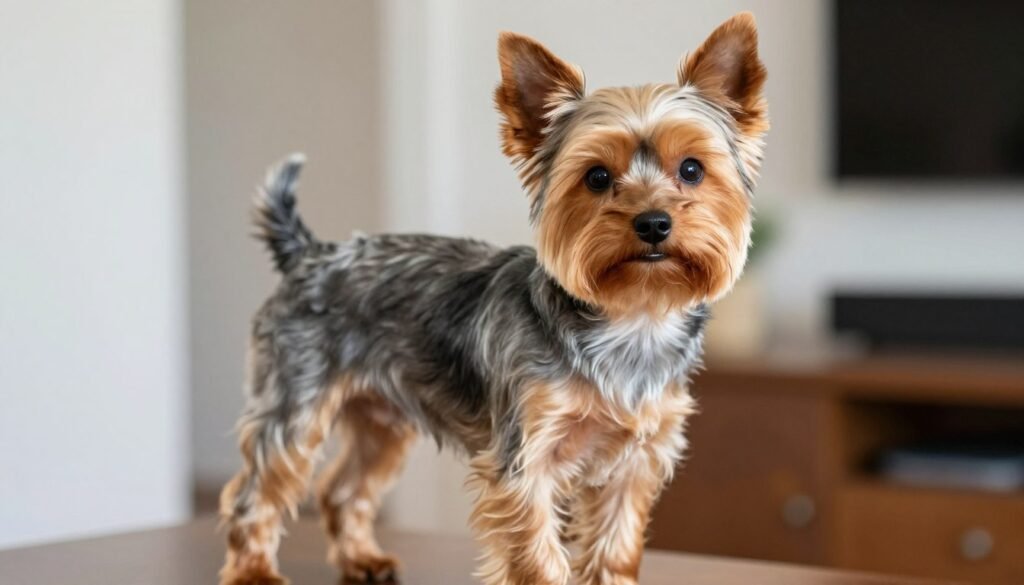
Adult Yorkshire Terriers display a specific color combination. The body coat should be dark steel blue extending from the back of the head to the tail. The head, chest, and legs feature rich tan coloring.
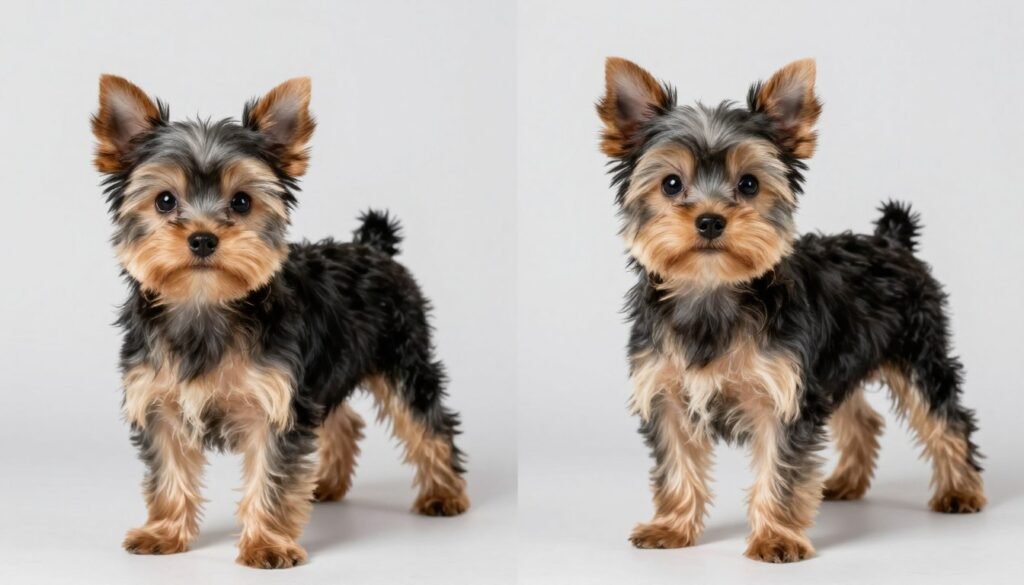
Puppies are born with black and tan coats. The blue coloring develops gradually as the puppy matures. This color transformation typically completes by eighteen months of age. The final coat color can vary in shade from light silvery blue to deep steel blue.
Distinctive Features
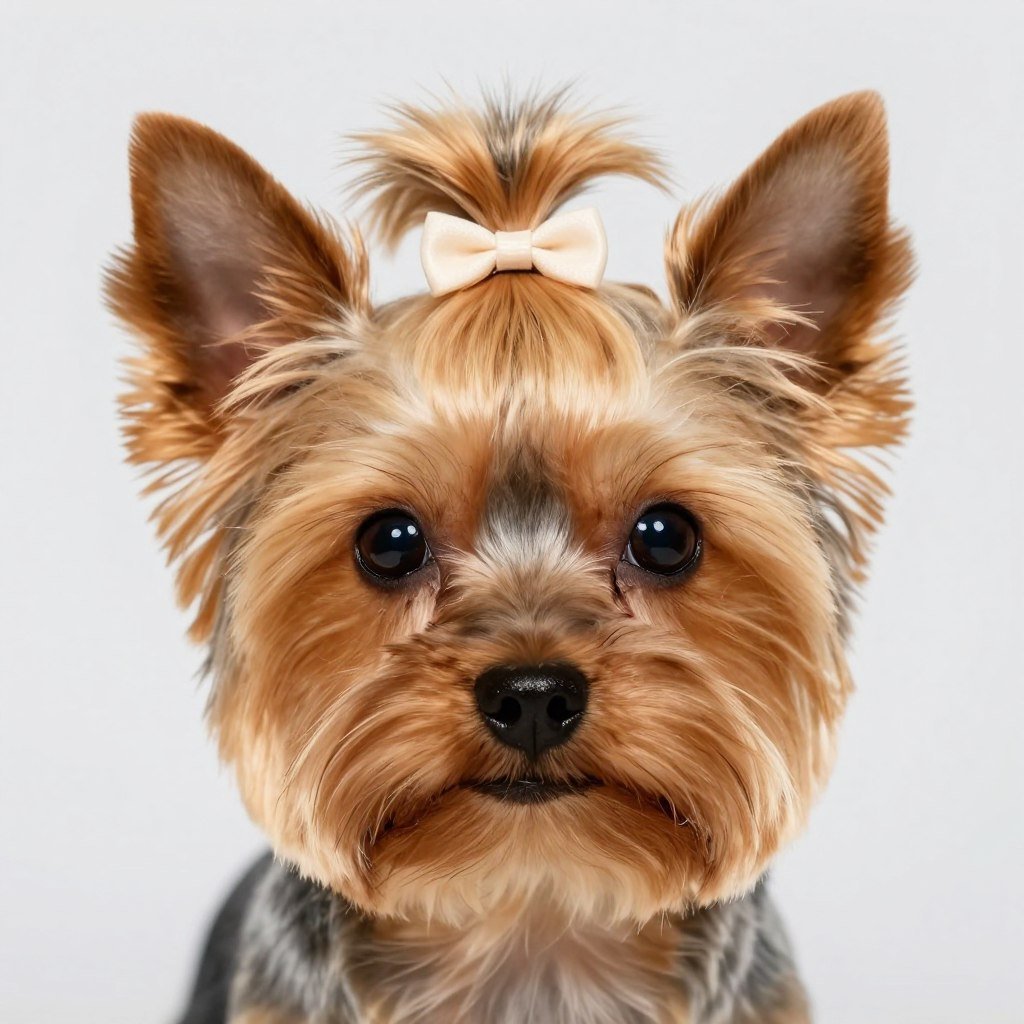
The breed’s head presents a small, flat skull with a medium-length muzzle. The nose is black and the bite should be level or scissors. Eyes are medium-sized, dark, and sparkling with an intelligent expression that captivates admirers.
Ears stand erect in a V-shape, set high on the head. Some puppies require ear taping during development to achieve proper ear carriage. The tail typically docks to a medium length, though many countries now prohibit this practice.
Body Structure and Movement
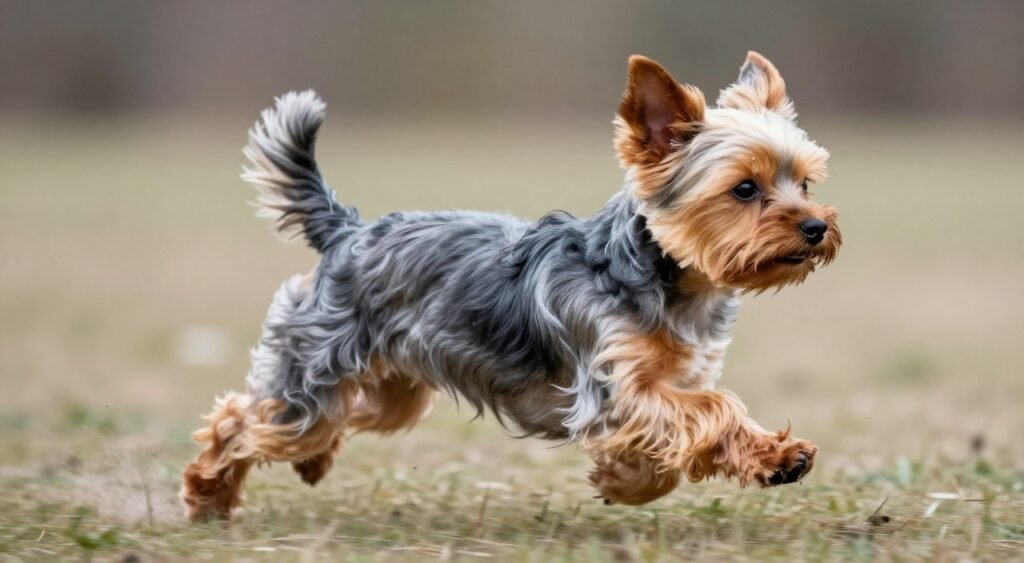
Yorkshire Terriers display a compact, well-proportioned body. The back remains level with a slight rise over the loin. The chest shows good depth and moderate width. Ribs are well-sprung, creating a sturdy frame despite the small size.
Movement should be free and effortless. The front legs reach forward smoothly while the rear provides strong drive. Proper structure allows Yorkies to move with the ground-covering efficiency their working ancestors needed. Sound movement indicates good health and correct conformation.
Head and Expression
The head shape contributes significantly to the breed’s appeal. The skull appears rather small and flat on top. The muzzle shouldn’t be too long, maintaining good proportion with the skull. Dark eyes set well apart create an alert, intelligent expression that endears them to people.
Teeth should meet in a scissors or level bite. Undershot or overshot bites represent faults in the breed standard. The overall head type creates the sweet yet spirited expression characteristic of quality Yorkshire Terriers.
Temperament and Personality
Yorkshire Terriers possess personalities far larger than their tiny bodies suggest. This breed combines terrier tenacity with affectionate companionship. Understanding their temperament helps owners build strong relationships with these spirited dogs.
Core Personality Traits
Yorkies display remarkable confidence and boldness. They approach life with enthusiasm and curiosity that surprises many first-time owners. This fearless attitude stems from their terrier heritage bred for confronting rats and other vermin.
Despite their small size, Yorkshire Terriers often behave like much larger dogs. They may challenge dogs ten times their weight without hesitation. This trait requires careful supervision around bigger animals. Their courage can sometimes exceed their common sense.
Personality Strengths
- Devoted and loving toward family members
- Alert watchdog with keen hearing
- Intelligent and quick to learn
- Energetic and playful attitude
- Confident and brave demeanor
- Adaptable to various living situations
- Forms strong bonds with owners
- Entertaining and amusing companion
Personality Challenges
- Can be stubborn during training
- May develop separation anxiety
- Prone to excessive barking
- Sometimes suspicious of strangers
- May show aggression toward other dogs
- Can be fragile and injury-prone
- Requires significant attention
- May develop small dog syndrome
Intelligence and Trainability
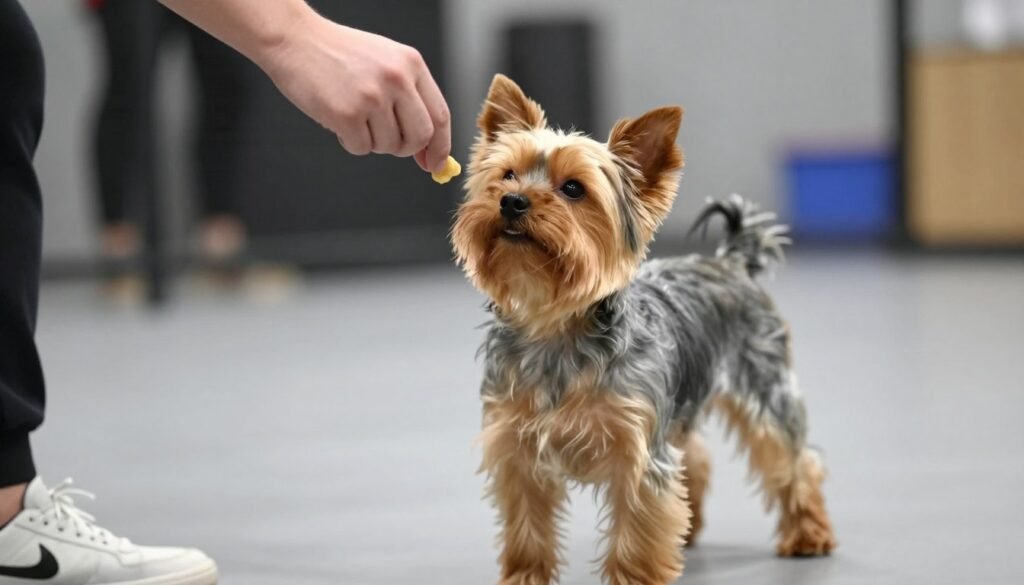
Yorkshire Terriers rank among the more intelligent toy breeds. They learn commands quickly when training methods remain positive and consistent. Food motivation often works well, though some Yorkies show independent streaks inherited from their terrier ancestors.
Mental stimulation is essential for this bright breed. Bored Yorkies may develop behavioral problems including excessive barking or destructive chewing. Interactive toys and training games keep their active minds engaged. Regular training sessions strengthen the bond between dog and owner.
Social Behavior
Most Yorkshire Terriers bond intensely with their primary caretaker. They often follow their favorite person from room to room throughout the day. This devotion makes them excellent companions for people who spend considerable time at home.
Socialization during puppyhood shapes how Yorkies interact with strangers and other animals. Well-socialized dogs greet visitors politely, though they may remain somewhat reserved. Poor socialization can result in fearful or aggressive behavior toward unfamiliar people and pets.
With Family Members
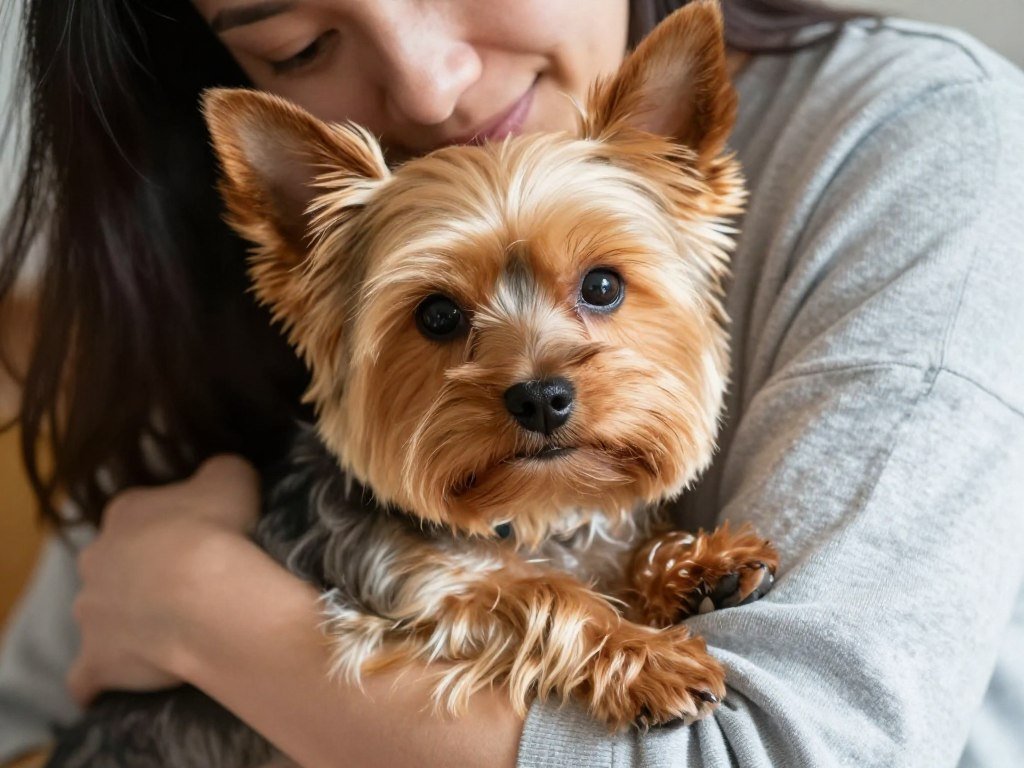
Yorkshire Terriers thrive on human companionship and form deep attachments to their families.
- Extremely loyal to primary caregiver
- Affectionate and cuddly with trusted people
- May be selective about who they trust
- Enjoy participating in family activities
- Prefer staying close to their owners
With Children
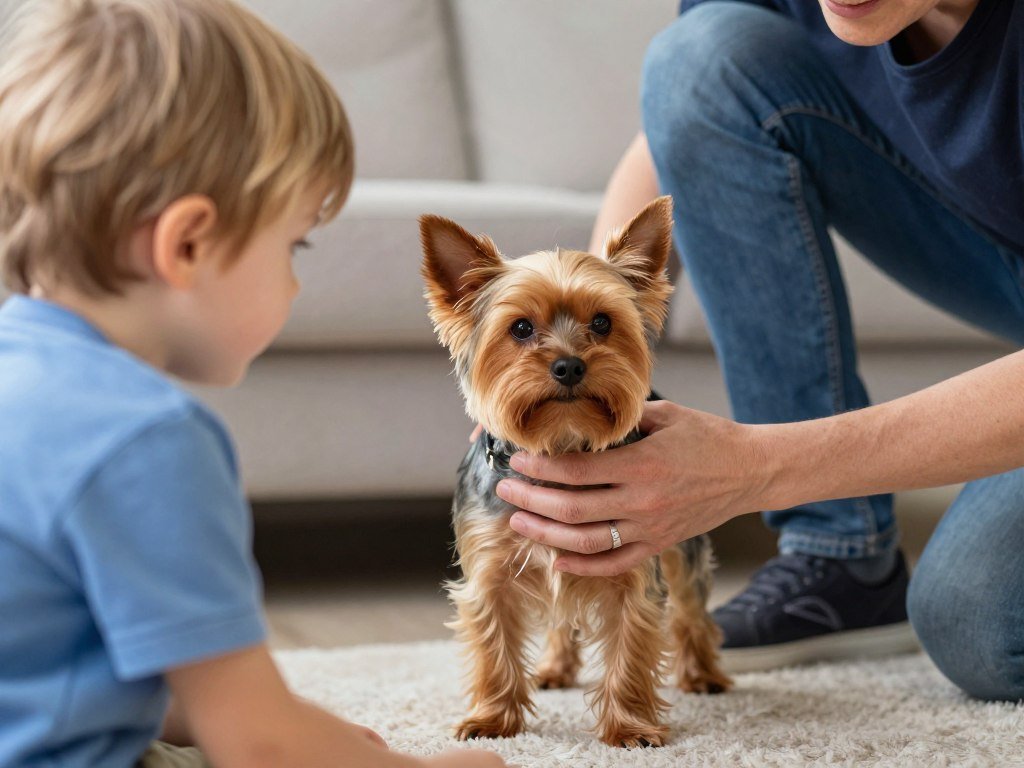
Interactions with children require supervision due to the breed’s small, delicate size.
- Better suited to homes with older children
- Young children may accidentally injure them
- Can be snappy if handled roughly
- Teach children gentle handling techniques
- Supervision prevents accidental harm
Behavior with Other Pets
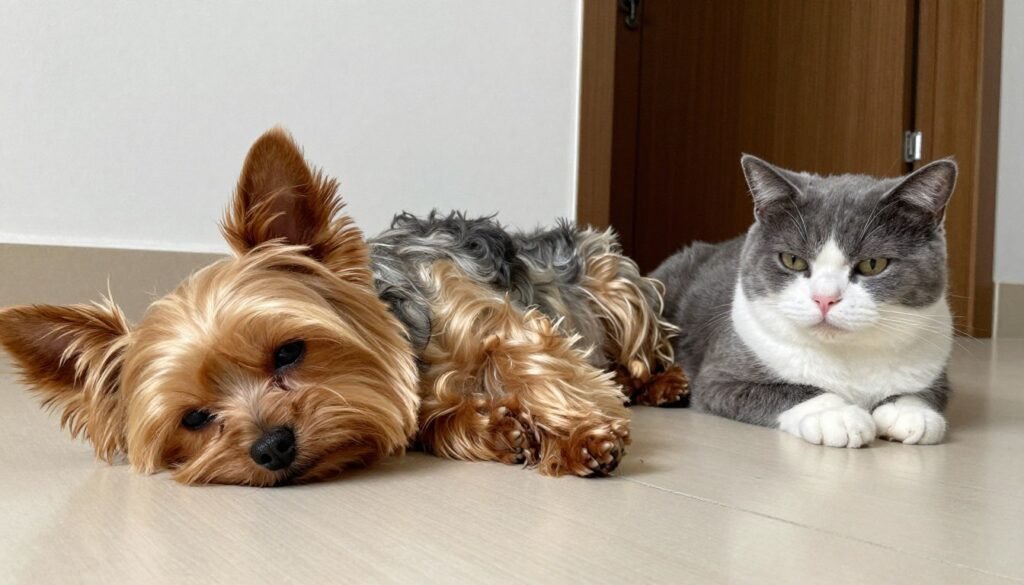
Yorkshire Terriers can coexist peacefully with other household pets when introduced properly. Early socialization increases the likelihood of harmonious multi-pet households. Some Yorkies prefer being the only pet, enjoying undivided attention from their owners.
Their terrier instincts may trigger chasing behavior toward cats or small animals. Supervision prevents accidents during initial introductions. Many Yorkies eventually accept other pets as part of their pack, particularly when raised together from puppyhood.
Energy Level and Activity Needs
Don’t let their small size fool you. Yorkshire Terriers possess surprising energy levels. They enjoy walks, play sessions, and exploring their environment. Regular exercise prevents boredom and maintains healthy weight.
Indoor play often satisfies their exercise requirements. Short walks around the neighborhood provide mental stimulation through new sights and smells. Yorkies adapt well to their owner’s activity level, enjoying both active play and quiet cuddle time.
Vocalization Tendencies
Barking represents one of the more challenging aspects of Yorkshire Terrier ownership. They excel as watchdogs, alerting owners to every sound and movement. This vigilance can become excessive without proper training and management.
Teaching the “quiet” command early helps control nuisance barking. Identifying triggers allows owners to redirect their Yorkie’s attention. Some barking is natural and expected, but excessive vocalization requires consistent training intervention.
Adaptability
Yorkshire Terriers adjust well to various living situations. They thrive equally in apartments or houses, making them popular among urban dwellers. Their portable size allows them to accompany owners on errands and trips more easily than larger breeds.
Changes in routine can stress some Yorkies. They appreciate predictability in their daily schedule. Gradual transitions help them adapt to new situations with less anxiety. Their adaptable nature makes them suitable companions for different lifestyle situations.
Find Your Perfect Yorkshire Terrier Companion
Now that you understand the Yorkshire Terrier personality, you’re ready to find a reputable breeder or rescue organization. Connect with ethical breeders who prioritize health, temperament, and proper socialization. Our comprehensive directory helps you locate responsible sources committed to producing healthy, well-adjusted puppies.
Care and Grooming
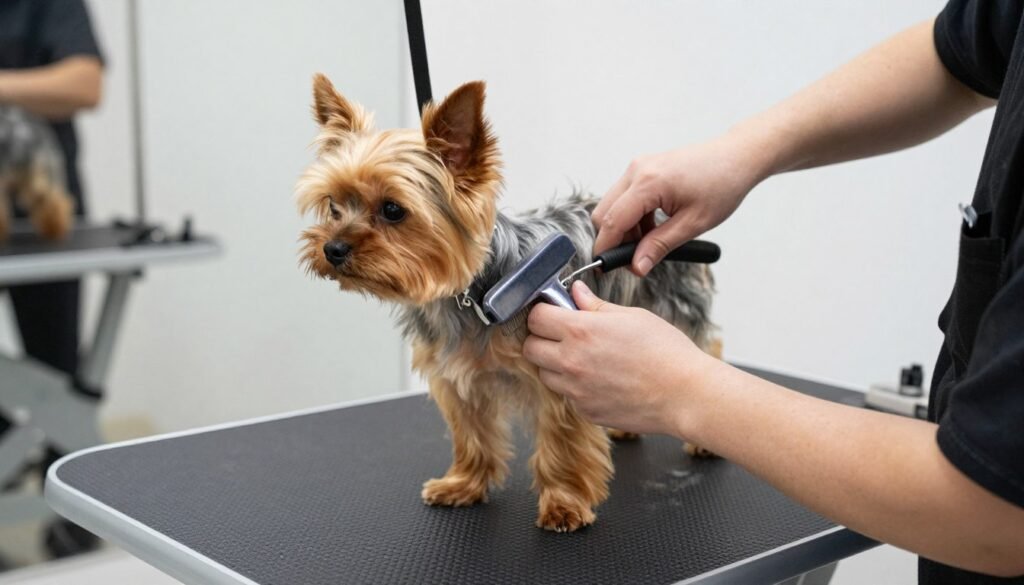
Yorkshire Terriers require more grooming maintenance than many other dog breeds. Their continuously growing coat demands regular attention to maintain health and appearance. Proper care extends beyond grooming to include nutrition, exercise, and preventive health measures.
Coat Maintenance Requirements
Daily brushing prevents the formation of painful mats and tangles in the Yorkie coat. Use a pin brush or slicker brush designed for long-haired breeds. Start at the skin and brush outward in sections to ensure thorough coverage.
Professional grooming every six to eight weeks maintains coat health and manageability. Groomers trim the hair to prevent dragging on the ground and accumulating dirt. Many pet owners choose shorter “puppy cuts” that reduce daily maintenance while keeping dogs comfortable.
| Grooming Task | Frequency | Time Required | Difficulty Level |
| Brushing | Daily | 10-15 minutes | Easy |
| Bathing | Every 2-3 weeks | 30-45 minutes | Moderate |
| Professional Grooming | Every 6-8 weeks | 2-3 hours | Professional |
| Nail Trimming | Every 2-3 weeks | 5-10 minutes | Moderate |
| Ear Cleaning | Weekly | 5 minutes | Easy |
| Teeth Brushing | Daily | 3-5 minutes | Easy |
| Eye Cleaning | Daily | 2 minutes | Easy |
Bathing and Skin Care
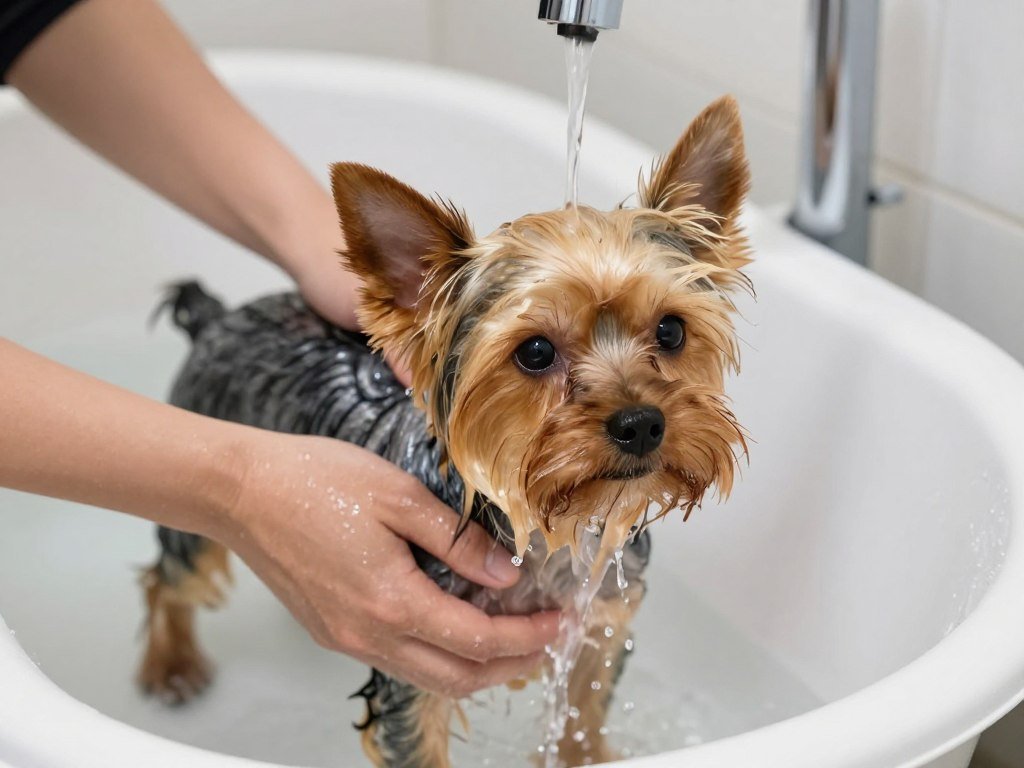
Bathe Yorkshire Terriers every two to three weeks using gentle dog shampoo formulated for long coats. Frequent bathing keeps the coat clean and maintains skin health. Always use lukewarm water and rinse thoroughly to remove all shampoo residue.
Apply conditioner after shampooing to keep hair silky and manageable. Leave conditioner on for several minutes before rinsing. Pat the coat with towels rather than rubbing to prevent tangling. Many owners use a blow dryer on low heat while brushing to achieve a smooth, flowing coat.
Dental Care
Small breeds like Yorkshire Terriers face increased risk of dental problems. Daily tooth brushing prevents plaque buildup and gum disease. Use toothpaste specifically formulated for dogs, as human toothpaste contains harmful ingredients.
Start dental care routines early in puppyhood to establish acceptance. Lift the lips and brush in gentle circular motions. Focus on the outer surfaces where plaque accumulates most. Professional dental cleanings by a veterinarian may be necessary despite home care efforts.
Essential Grooming Supplies
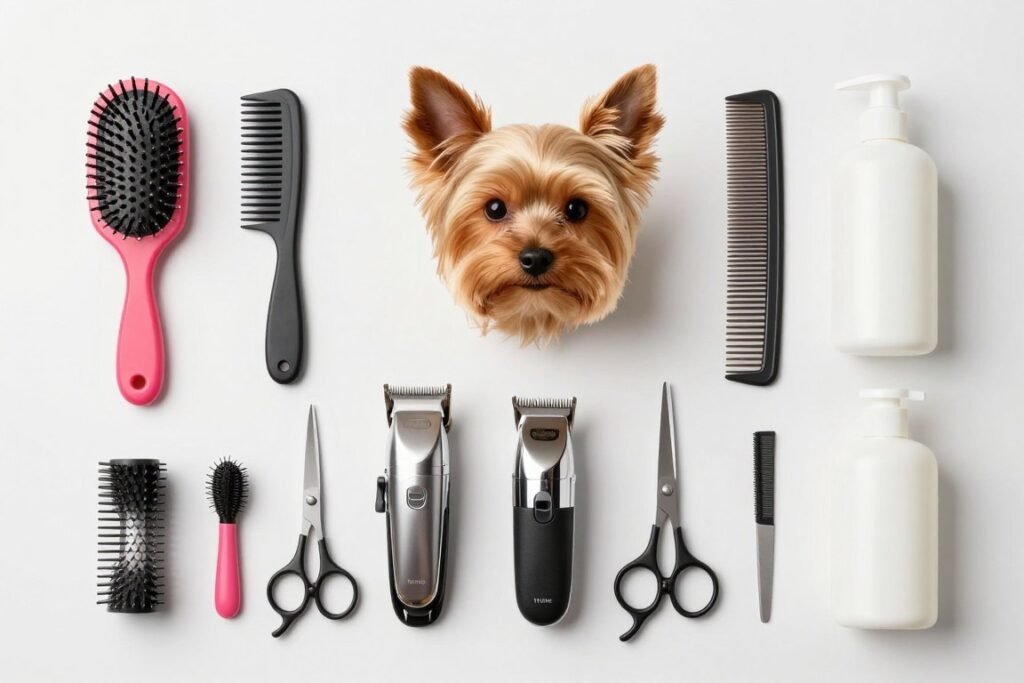
Proper tools make grooming easier and more effective for both owner and dog.
- Pin brush or slicker brush for daily use
- Metal comb for checking for tangles
- Dog-specific shampoo and conditioner
- Nail clippers or grinding tool
- Ear cleaning solution and cotton
- Dog toothbrush and toothpaste
- Grooming scissors for trimming
- Absorbent towels for drying
- Hair dryer for coat drying
- Detangling spray for mats
Nail and Paw Care
Trim nails every two to three weeks to prevent overgrowth. Long nails cause discomfort and affect gait. Use guillotine-style clippers or a grinding tool designed for small dogs. Avoid cutting into the quick, which causes bleeding and pain.
Check paw pads regularly for cuts, cracks, or foreign objects. Hair grows between the pads and requires trimming to prevent matting. Keep this area clean and free from debris that can cause irritation or infection.
Ear Maintenance
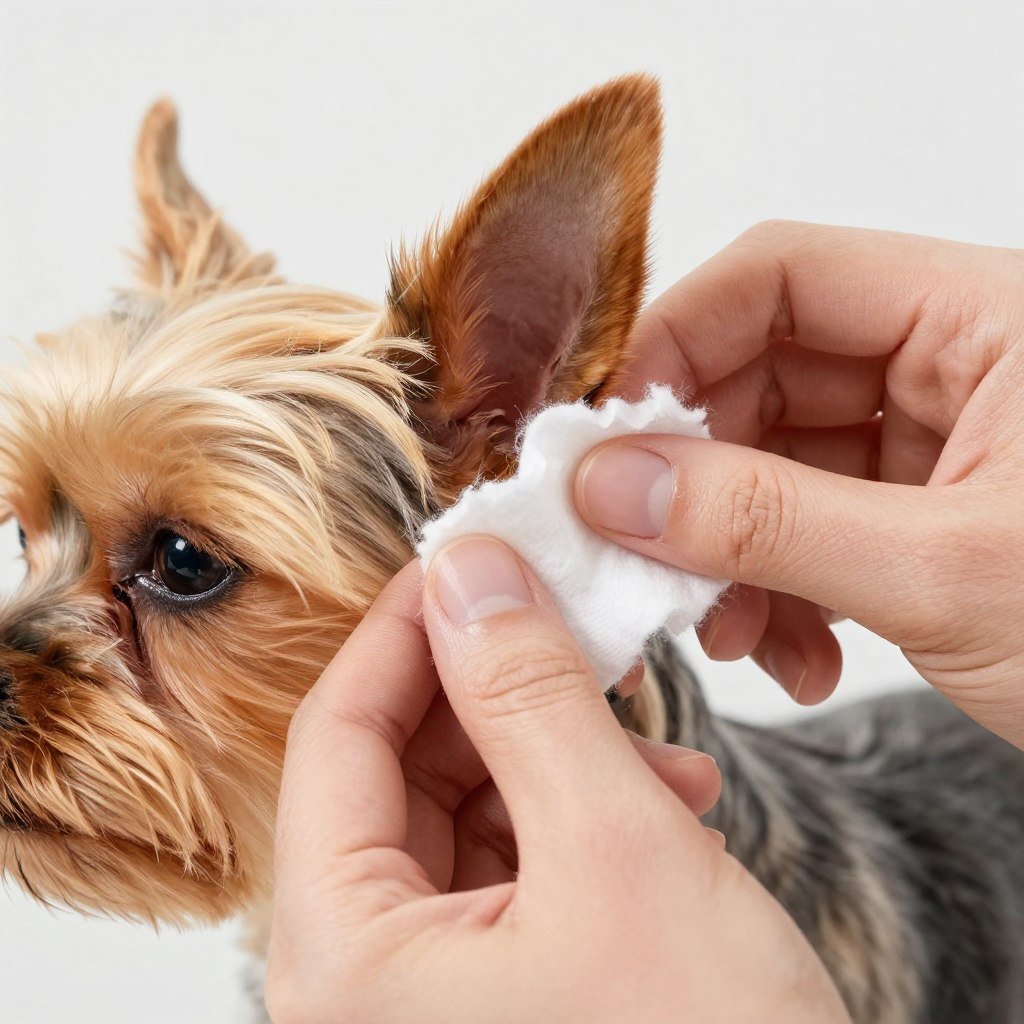
Clean ears weekly using a veterinarian-approved ear cleaning solution. Yorkies with erect ears generally have fewer ear problems than drop-eared breeds. However, hair growing in the ear canal can trap moisture and debris, leading to infections.
Gently wipe the visible parts of the ear with cotton dampened with cleaner. Never insert anything deep into the ear canal. Watch for signs of infection including redness, odor, discharge, or excessive head shaking. Consult your veterinarian if these symptoms appear.
Eye Care
Yorkshire Terriers often develop tear staining around the eyes. Clean this area daily with a soft, damp cloth. Special products designed to remove tear stains work better than plain water. Keep hair trimmed away from the eyes to prevent irritation.
Check eyes regularly for redness, discharge, or cloudiness. These signs may indicate infection or other eye problems requiring veterinary attention. Proper facial grooming prevents hair from poking the eye surface and causing damage.
Exercise Requirements
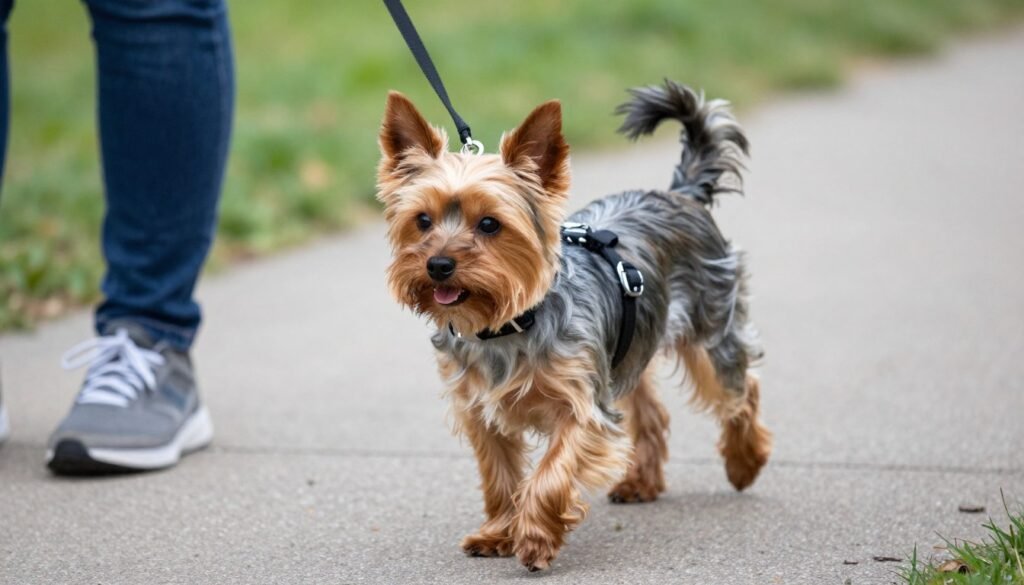
Despite their small size, Yorkshire Terriers need daily exercise. Two or three short walks totaling 30 minutes provides adequate physical activity. Indoor play sessions supplement outdoor exercise, especially during extreme weather.
Mental exercise proves equally important. Puzzle toys, training sessions, and interactive games stimulate their intelligent minds. A bored Yorkie often develops destructive behaviors or excessive barking. Regular activity maintains healthy weight and prevents obesity-related health issues.
Dietary Needs
Feed high-quality dog food appropriate for small breeds. Yorkshire Terriers require calorie-dense food due to their fast metabolism. Divide daily food into two or three small meals to maintain steady blood sugar levels and prevent hypoglycemia.
Measure portions carefully to prevent overfeeding. Obesity stresses their small frames and contributes to health problems. Fresh water should be available at all times. Avoid table scraps and foods toxic to dogs including chocolate, grapes, and onions.
| Life Stage | Daily Food Amount | Feeding Frequency | Calorie Needs |
| Puppy (2-4 months) | 1/4 to 1/2 cup | 4 times per day | 200-300 calories |
| Puppy (4-12 months) | 1/2 to 3/4 cup | 3 times per day | 300-400 calories |
| Adult (1-7 years) | 1/2 to 3/4 cup | 2 times per day | 150-200 calories |
| Senior (7+ years) | 1/3 to 1/2 cup | 2 times per day | 120-180 calories |
Seasonal Care Considerations
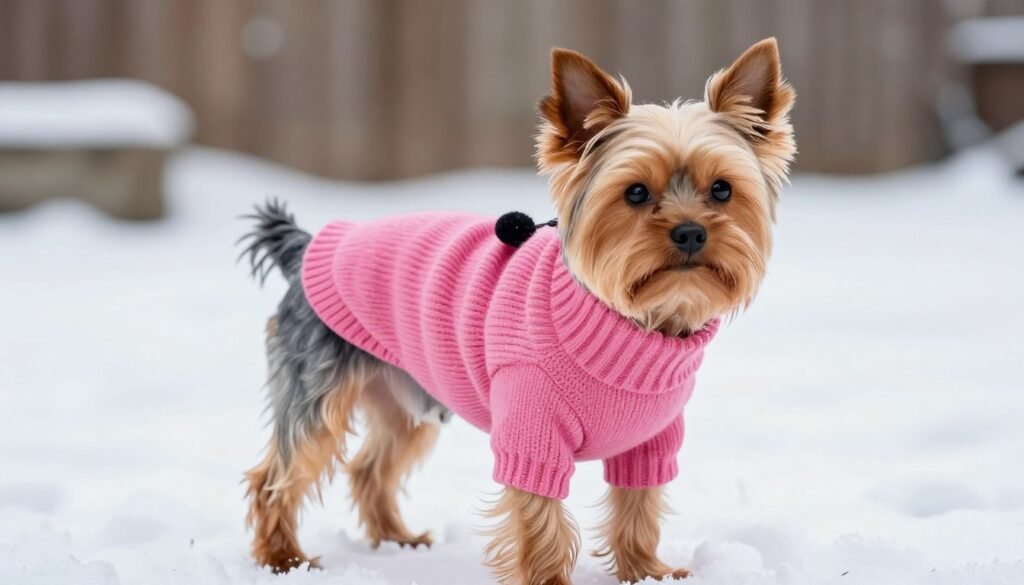
Yorkshire Terriers lack the undercoat that insulates larger breeds. They feel cold easily and require protection during winter months. Dog sweaters or coats keep them comfortable during cold weather walks. Limit outdoor time in freezing temperatures.
Summer heat poses different challenges. Their small size makes them vulnerable to overheating. Provide shade and fresh water during hot weather. Avoid walking on hot pavement that can burn sensitive paw pads. Never leave a Yorkie in a parked car, even for brief periods.

Premium Grooming Tools
Invest in professional-grade brushes, combs, and detangling tools designed specifically for long-haired toy breeds. Quality tools make daily grooming easier and more effective while protecting the delicate Yorkie coat from damage.

Small Breed Nutrition
Choose premium dog food formulated specifically for small and toy breeds. These specialized formulas provide the calorie density and nutrient balance Yorkshire Terriers need for optimal health and energy throughout all life stages.

Dental Health Products
Protect your Yorkie’s teeth with specialized dental care products. Dog-safe toothpaste, appropriate brushes, and dental chews help prevent the periodontal disease that commonly affects small dog breeds like Yorkshire Terriers.
Training Your Yorkshire Terrier
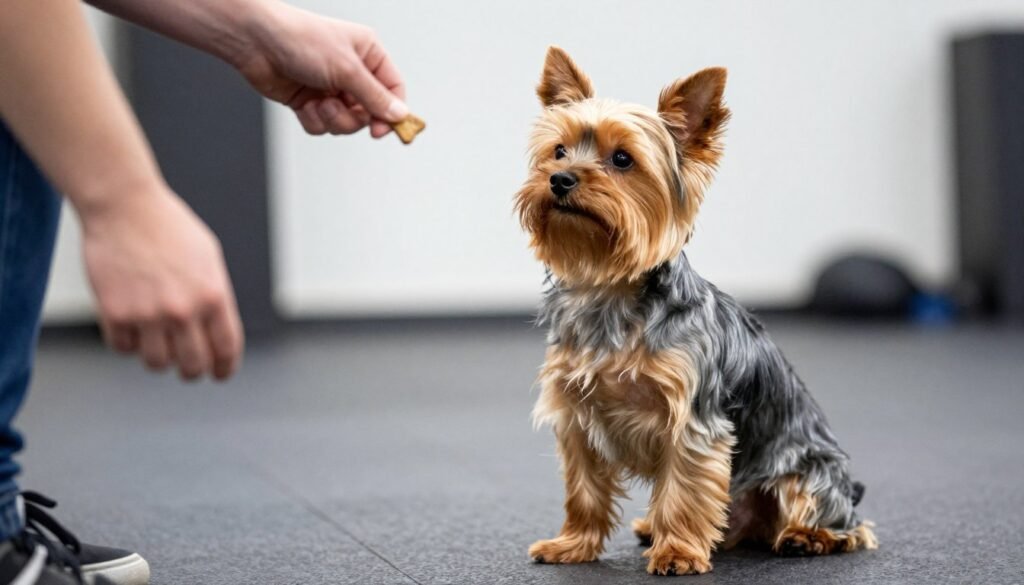
Training Yorkshire Terriers requires patience, consistency, and positive reinforcement methods. Their intelligence makes them capable learners, but their independent terrier nature can present challenges. Starting training early establishes good habits and strengthens the human-dog bond.
Basic Obedience Training
Begin basic commands as soon as you bring your puppy home. Teach “sit,” “stay,” “come,” and “down” using reward-based methods. Keep training sessions short and fun, lasting five to ten minutes. End each session on a positive note with successful command completion.
Use high-value treats to motivate learning. Small, soft treats work best for tiny Yorkie mouths. Praise enthusiastically when your dog performs correctly. Consistency among all family members ensures faster learning and prevents confusion.
- Positive reinforcement with treats and praise
- Short, frequent training sessions
- Consistency in commands and expectations
- Patience with the learning process
- Early socialization with people and pets
- Clicker training for precision
- Reward-based motivation
Effective Training Methods
- Physical punishment or harsh corrections
- Inconsistent rules and boundaries
- Overly long training sessions
- Expecting too much too soon
- Skipping socialization opportunities
- Using fear or intimidation
- Giving up when progress is slow
Training Mistakes to Avoid
Housetraining Strategies
Housetraining represents one of the biggest challenges for Yorkshire Terrier owners. Their small bladders require frequent bathroom breaks. Take puppies outside every two hours, after meals, after naps, and before bedtime.
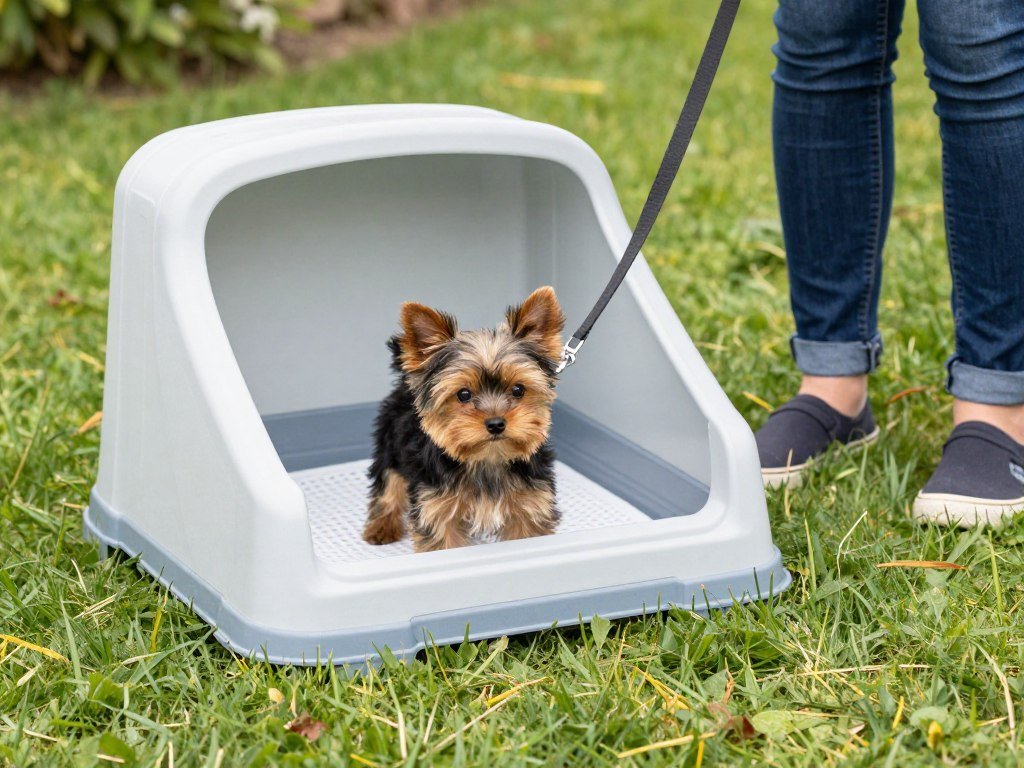
Establish a designated potty area and lead your puppy there consistently. Use a verbal cue like “go potty” while they eliminate. Reward immediately after successful bathroom trips. Accidents will happen, but never punish after the fact as dogs don’t connect punishment with earlier actions.
Crate Training Benefits
Crate training provides a safe space and aids housetraining efforts. Dogs naturally avoid soiling their sleeping area. Choose a crate appropriately sized for a Yorkshire Terrier, allowing room to stand, turn around, and lie down comfortably.
Make the crate inviting with soft bedding and toys. Feed meals in the crate to create positive associations. Never use the crate as punishment. Gradually increase crate time as your puppy becomes comfortable. Most adult Yorkies appreciate having a secure den to retreat to when overwhelmed.
Housetraining Timeline
Understanding realistic expectations helps maintain patience during the housetraining process.
- Week 1-2: Accidents are normal; establish routine
- Week 3-4: Puppy begins understanding outdoor purpose
- Week 5-8: Fewer accidents; recognizes bathroom cues
- Month 3-4: Most puppies mostly housetrained
- Month 5-6: Consistent bathroom habits established
- Month 6+: Fully housetrained with rare accidents
Common Training Challenges
Yorkshire Terriers present specific training obstacles that owners should anticipate.
- Stubbornness requires extra patience
- Small bladder means frequent breaks
- Barking needs early intervention
- Separation anxiety develops easily
- Small dog syndrome without boundaries
- Distraction in busy environments
Socialization Importance
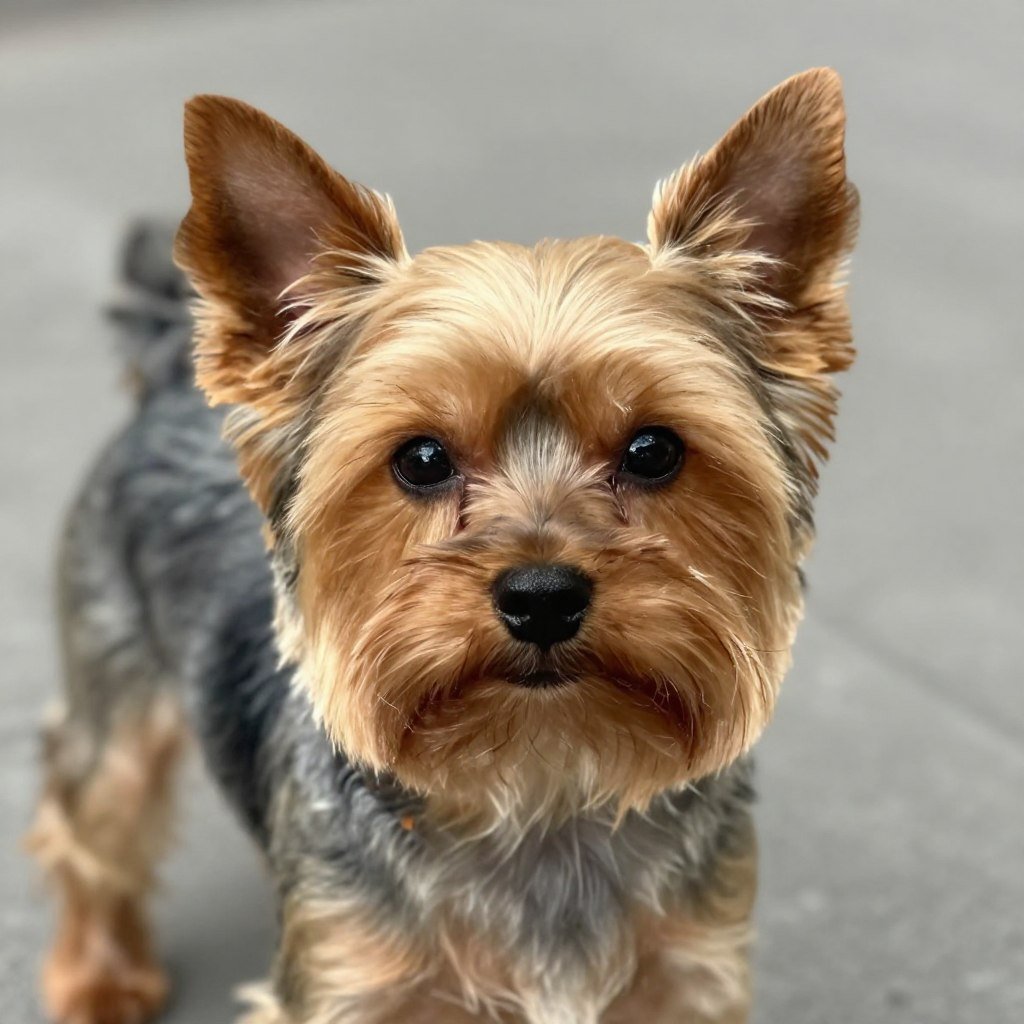
Proper socialization during the critical period between 3 and 14 weeks of age shapes adult behavior. Expose your puppy to various people, animals, sounds, and environments. Positive experiences during this window create confident, well-adjusted adult dogs.
Puppy kindergarten classes provide structured socialization opportunities. Your Yorkie learns to interact appropriately with other dogs while building basic obedience skills. Continue socialization throughout adulthood to maintain good social skills and prevent fearfulness.
Addressing Barking Behavior
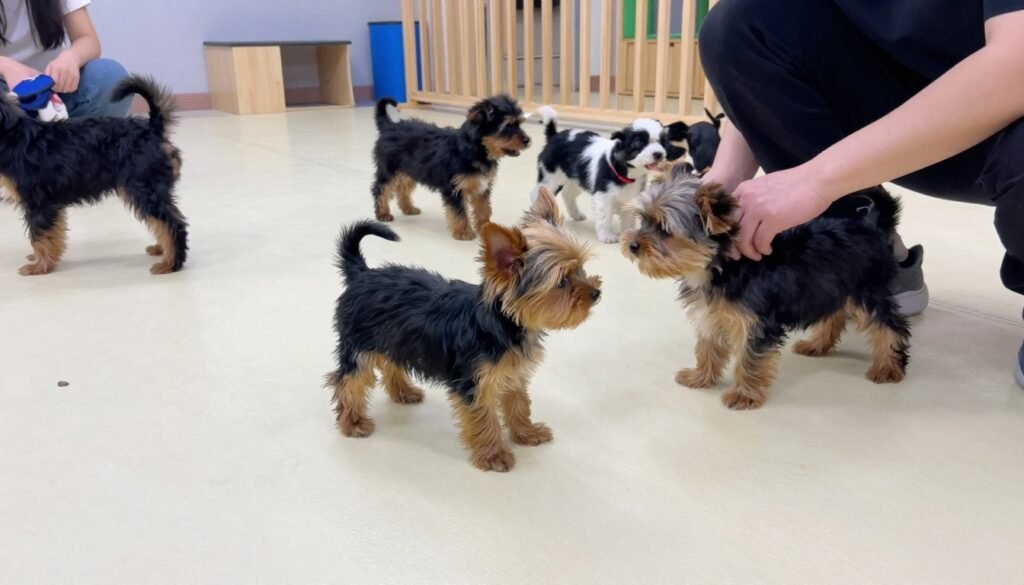
Yorkshire Terriers bark more than many breeds. They alert to every sound and movement, making them excellent watchdogs. However, excessive barking frustrates owners and neighbors. Training the “quiet” command controls unwanted vocalization.
Identify what triggers barking. Common causes include boredom, attention-seeking, territorial behavior, or alerting to perceived threats. Address the underlying cause rather than just suppressing symptoms. Provide adequate exercise and mental stimulation to reduce boredom-related barking.
Leash Training
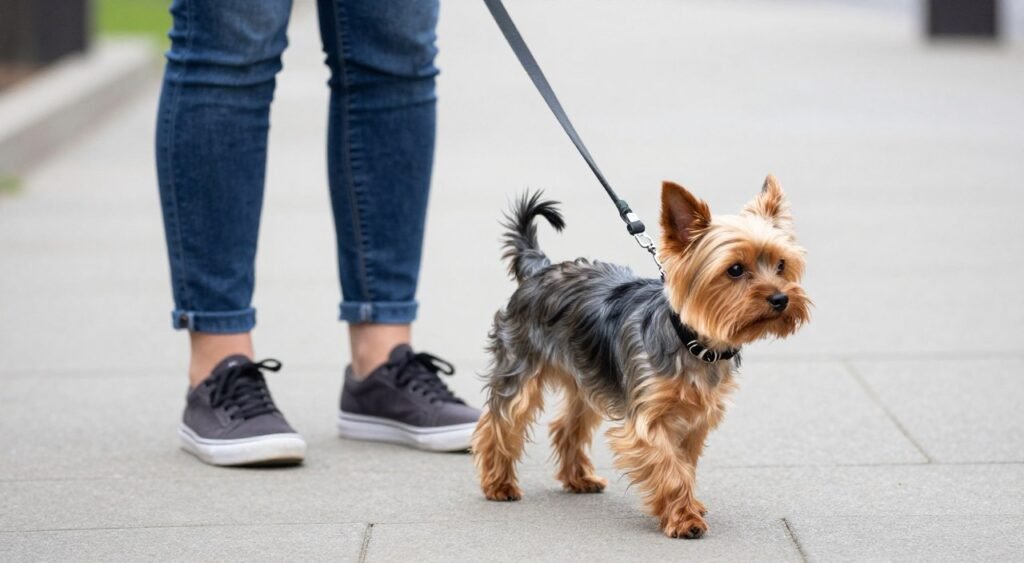
Teach your Yorkshire Terrier to walk politely on a leash from puppyhood. Use a lightweight leash and properly fitted harness rather than a collar to prevent tracheal damage. Start in a quiet area with minimal distractions.
Reward walking beside you without pulling. Stop moving when your dog pulls; resume walking when the leash loosens. Practice regularly in increasingly distracting environments. Well-trained Yorkies make pleasant walking companions despite their small size.
Advanced Training and Tricks
Yorkshire Terriers excel at learning tricks and commands beyond basic obedience. Their intelligence and food motivation make them natural performers. Teaching tricks provides mental stimulation and strengthens your relationship.
Start with simple tricks like “shake,” “spin,” or “play dead.” Break complex behaviors into small steps and reward progress. Many Yorkies enjoy agility training adapted for small dogs. The mental and physical challenge keeps them engaged and happy.
Managing Separation Anxiety
Yorkshire Terriers bond intensely with their owners and may develop separation anxiety. Signs include destructive behavior, excessive barking, and inappropriate elimination when left alone. Prevention starts with teaching independence from puppyhood.
Practice brief absences and gradually increase duration. Avoid making departures and arrivals overly emotional events. Provide puzzle toys and treat-dispensing items to occupy your dog during alone time. Severe cases may require professional behavioral intervention.

Download Your Free Yorkshire Terrier Training Guide
Master the essential training techniques specifically designed for Yorkshire Terriers. Our comprehensive guide covers housetraining, basic obedience, barking control, and socialization strategies. Get expert tips from professional trainers who understand the unique challenges and opportunities of training this intelligent toy breed.
Health Considerations

Yorkshire Terriers generally enjoy good health when bred responsibly and cared for properly. However, like all dog breeds, they’re predisposed to certain health conditions. Understanding these issues helps owners provide preventive care and recognize problems early.
Life Expectancy
The average life expectancy for Yorkshire Terriers ranges from 12 to 15 years. Many individuals live well into their late teens with proper care. Genetics, nutrition, exercise, and preventive veterinary care all influence longevity.
Small breeds typically live longer than large dogs. Yorkies reaching their senior years around age seven or eight require adjusted care. Regular veterinary checkups become increasingly important for detecting age-related health issues early.
Common Health Issues
Certain health conditions appear more frequently in Yorkshire Terriers than in other breeds. Awareness of these problems allows owners to monitor their dogs and seek veterinary care promptly when symptoms appear.
| Health Condition | Symptoms | Age of Onset | Management |
| Dental Disease | Bad breath, tooth loss, gum inflammation | 2-3 years | Daily brushing, professional cleanings |
| Patellar Luxation | Limping, skipping steps, leg held up | Variable | Weight control, surgery if severe |
| Tracheal Collapse | Honking cough, breathing difficulty | Middle age | Harness use, weight management, medication |
| Hypoglycemia | Weakness, trembling, seizures | Puppyhood | Frequent meals, blood sugar monitoring |
| Portosystemic Shunt | Stunted growth, neurological signs | Young dogs | Special diet, surgery |
| Progressive Retinal Atrophy | Night blindness, vision loss | 3-5 years | No cure, genetic testing |
| Legg-Calve-Perthes Disease | Limping, hip pain, muscle atrophy | 4-12 months | Surgery, pain management |
Dental Health
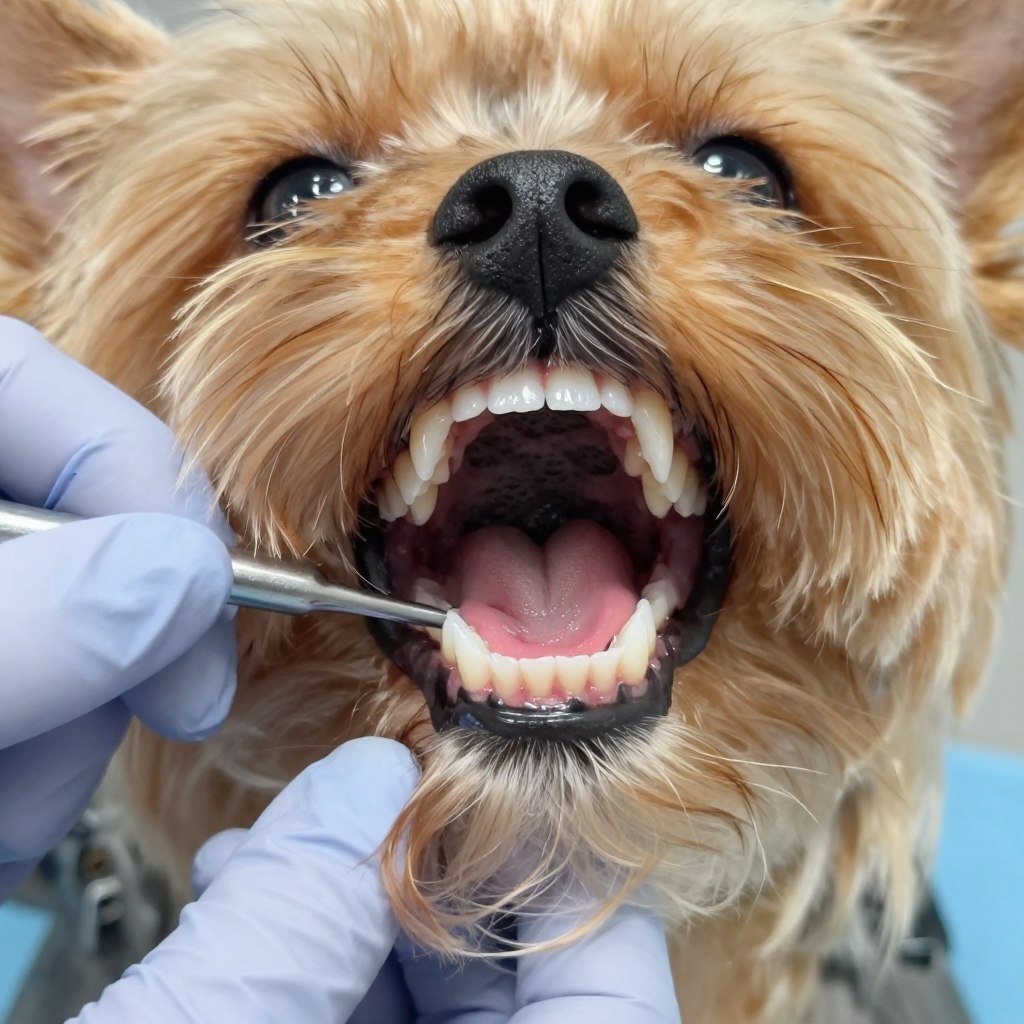
Dental disease represents the most common health problem in Yorkshire Terriers. Their small mouths create overcrowding that traps food and bacteria. Without proper care, periodontal disease develops by age three in many small dogs.
Daily tooth brushing prevents plaque accumulation and gum disease. Professional dental cleanings under anesthesia remove tartar below the gum line. Untreated dental disease causes pain, tooth loss, and potentially serious infections affecting the heart and kidneys.
Orthopedic Concerns
Patellar luxation occurs when the kneecap slips out of its normal position. This condition affects many small breeds including Yorkshire Terriers. Mild cases cause occasional limping while severe luxation requires surgical correction.
Legg-Calve-Perthes disease involves deterioration of the hip joint in young dogs. Affected puppies show limping and pain in the rear leg. Surgery can restore function and relieve pain. Responsible breeders screen breeding stock for these orthopedic issues.
Tracheal Collapse
The trachea or windpipe contains rings of cartilage that maintain its open shape. In some Yorkies, these rings weaken and flatten, causing breathing difficulties. A characteristic honking cough often signals this condition.
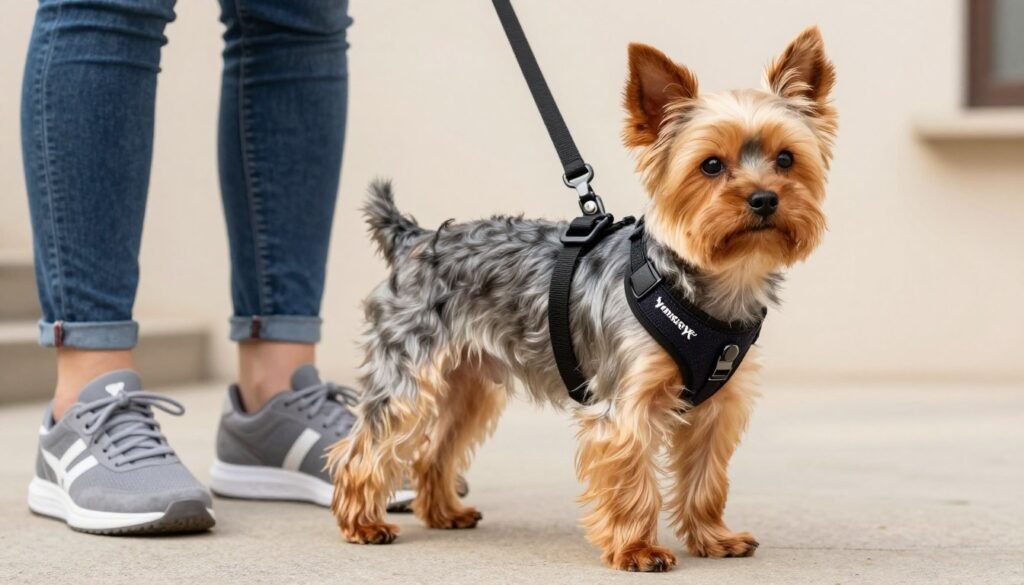
Using a harness instead of a collar prevents pressure on the trachea. Weight management reduces stress on the airway. Severe cases may require medication or surgery. Avoid exposing affected dogs to irritants like smoke or strong chemicals.
Hypoglycemia in Puppies
Young Yorkshire Terrier puppies face risk of low blood sugar or hypoglycemia. Their small size and high metabolism demand frequent meals. Missing a meal or excessive activity without food can trigger dangerous blood sugar drops.
Symptoms include weakness, trembling, disorientation, and seizures. Rubbing corn syrup on the gums provides emergency glucose. Prevent hypoglycemia by feeding puppies three to four small meals daily. Always keep a glucose source available for emergencies.
Liver Shunt
Portosystemic shunts are abnormal blood vessels that bypass the liver. This congenital condition prevents proper blood filtering and toxin removal. Affected puppies may show stunted growth, neurological symptoms, and digestive upset.
Diagnosis requires blood tests and imaging. Treatment often involves surgery to close the abnormal vessel. Special diets help manage symptoms. Responsible breeders test for liver function before breeding to reduce incidence in puppies.

Eye Problems
Progressive retinal atrophy (PRA) causes gradual vision loss leading to blindness. This inherited condition has no cure, but genetic testing identifies carriers. Responsible breeders test breeding stock and avoid breeding affected dogs.
Dry eye or keratoconjunctivitis sicca occurs when tear production decreases. Affected dogs show red, irritated eyes with thick discharge. Daily medication manages symptoms and preserves vision. Regular eye exams detect problems before permanent damage occurs.
Heart Conditions
Some Yorkshire Terriers develop heart murmurs or patent ductus arteriosus. Regular veterinary examinations detect heart abnormalities early. Diagnostic testing determines severity and appropriate treatment. Some conditions respond to medication while others require surgical intervention.
Maintaining healthy weight reduces strain on the heart. Moderate exercise keeps the cardiovascular system strong without overexertion. Monitor for signs of heart disease including coughing, fatigue, and difficulty breathing.
Preventive Health Care
Regular veterinary checkups form the foundation of preventive care. Adult Yorkies should see their veterinarian annually for examinations and vaccinations. Senior dogs benefit from twice-yearly visits to catch age-related problems early.
Keep vaccinations current according to your veterinarian’s recommendations. Core vaccines protect against distemper, parvovirus, and rabies. Non-core vaccines depend on your dog’s lifestyle and exposure risks. Parasite prevention protects against fleas, ticks, heartworms, and intestinal parasites.
Preventive Care Schedule
- Puppy vaccines at 8, 12, and 16 weeks
- Annual wellness examinations for adults
- Bi-annual checkups for seniors over 7
- Monthly heartworm prevention year-round
- Quarterly flea and tick prevention
- Annual dental examinations and cleanings
- Blood work every 1-2 years
- Regular at-home health monitoring
Warning Signs Requiring Veterinary Care
- Persistent coughing or breathing difficulty
- Sudden limping or reluctance to move
- Loss of appetite lasting over 24 hours
- Vomiting or diarrhea for more than one day
- Excessive thirst or urination changes
- Seizures or neurological symptoms
- Eye redness, discharge, or cloudiness
- Behavioral changes or lethargy
- Unexplained weight loss or gain
Spaying and Neutering
Discuss appropriate timing for spaying or neutering with your veterinarian. Traditional recommendations suggest surgery around six months of age. Recent research indicates waiting until skeletal maturity may benefit some dogs, though this remains controversial.
Spaying female Yorkies eliminates risk of uterine infections and reduces breast cancer risk. Neutering males prevents testicular cancer and reduces prostate problems. These procedures also prevent unwanted litters and may reduce certain behavioral issues.

Find a Qualified Veterinarian
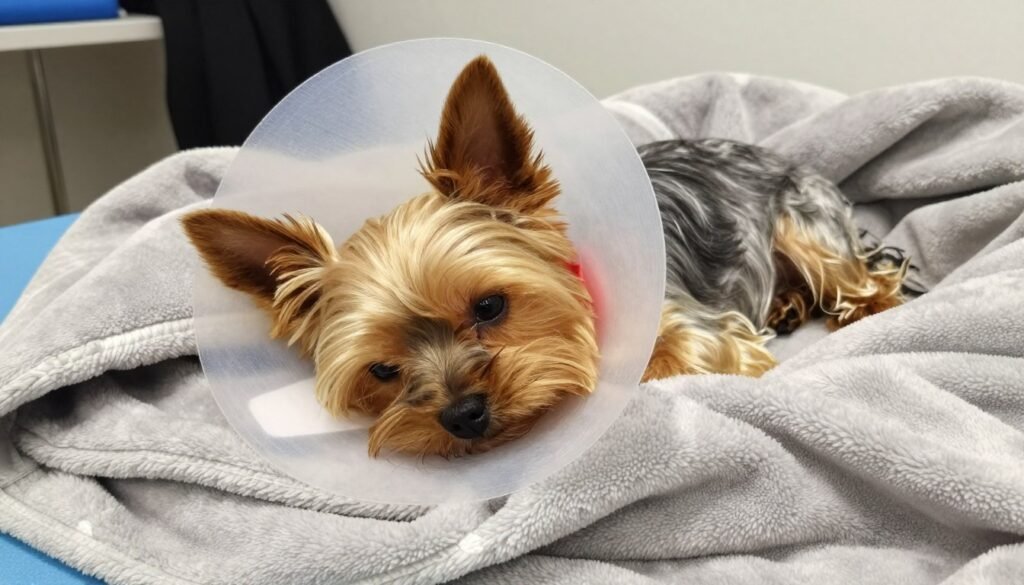
Locate experienced veterinarians in your area who understand the unique health needs of Yorkshire Terriers and toy breeds. Choose a practice offering comprehensive services including preventive care, diagnostics, and emergency treatment.

Pet Insurance Options
Protect yourself from unexpected veterinary expenses with comprehensive pet insurance. Compare coverage options, deductibles, and premium costs from leading providers. Many plans cover hereditary conditions common in Yorkshire Terriers.

Health Testing Resources
Learn about recommended health tests for Yorkshire Terriers including genetic screening for inherited conditions. Reputable breeders perform these tests before breeding. Owners can request testing to understand their dog’s health risks.
Is a Yorkshire Terrier Right for You?

Yorkshire Terriers make wonderful companions for the right owners. However, their specific needs and characteristics don’t suit every household. Carefully consider whether your lifestyle aligns with what this breed requires to thrive.
Ideal Owner Profile
The perfect Yorkshire Terrier owner provides time for daily grooming and companionship. These dogs don’t do well left alone for long periods. They thrive with people who work from home or can bring their pet along during daily activities.
Patience and commitment to training are essential. First-time dog owners can succeed with Yorkies if willing to learn proper training techniques. Previous experience with small breeds helps but isn’t mandatory with proper preparation.
Best Suited For
- People who spend significant time at home
- Apartment or condo dwellers with limited space
- Individuals or couples without young children
- Seniors seeking devoted companionship
- Those committed to regular grooming routines
- Owners who enjoy training and activities
- People comfortable with higher grooming costs
- Individuals seeking a portable travel companion
- Those who appreciate an alert watchdog

Living Environment
Yorkshire Terriers adapt well to various living situations. Apartments and condos suit them perfectly due to their small size. They don’t require large yards but benefit from regular outdoor walks and exploration.
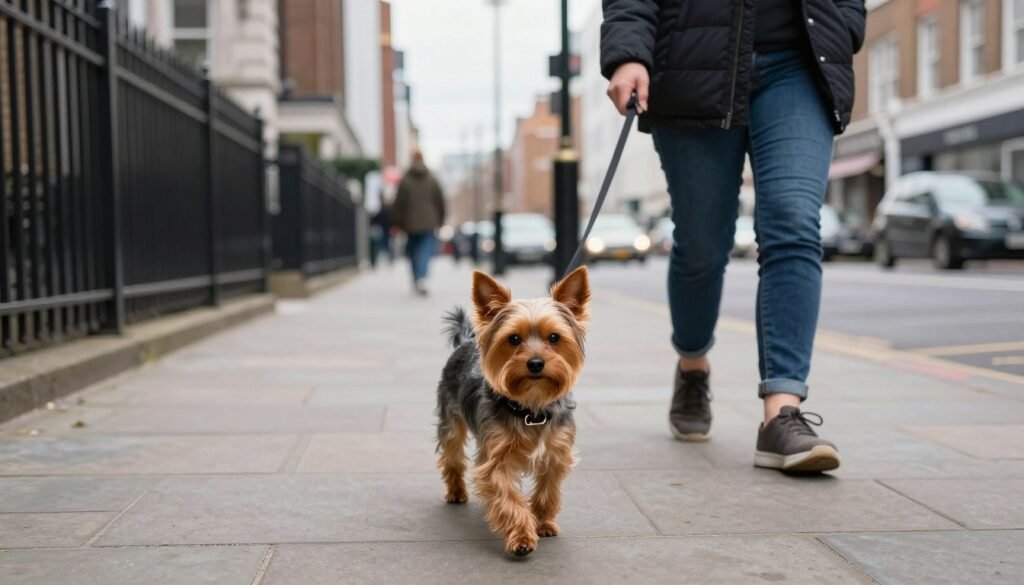
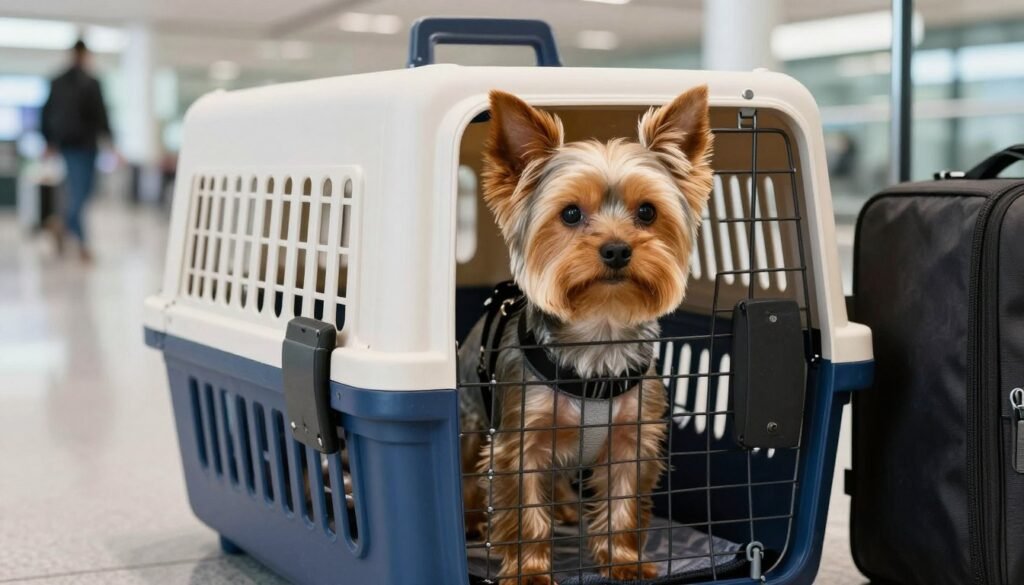
Urban environments work well for Yorkies. They enjoy accompanying owners on errands and outings. Their portable size allows them to travel in carriers on public transportation where pets are permitted.
Family Compatibility
Families with older children who understand gentle handling can successfully raise Yorkshire Terriers. Young children under age eight pose risks due to the dog’s fragile size. Accidental injuries occur when small children play too roughly with tiny dogs.
Teach children appropriate interaction methods before bringing a Yorkie home. Supervise all interactions between dogs and children. Establish rules about picking up and carrying the dog to prevent dropping injuries.
Activity Level Match
Moderately active individuals match well with Yorkshire Terriers. These dogs enjoy walks and play but don’t demand marathon exercise sessions. Two or three short walks daily plus indoor playtime satisfies their activity needs.
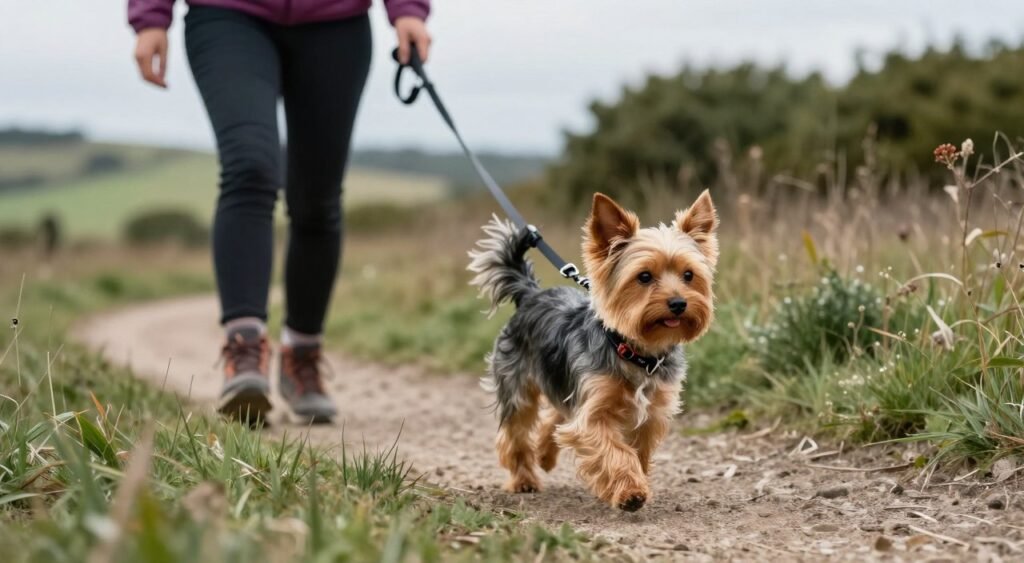
Yorkies adapt to their owner’s energy level. Active owners find their dogs enthusiastic hiking companions on appropriate trails. Less active owners can meet exercise needs through indoor play and brief neighborhood walks.
Time and Commitment Requirements
Yorkshire Terrier ownership demands significant time investment. Daily grooming takes 15-30 minutes depending on coat length. Professional grooming every six to eight weeks adds cost and scheduling requirements.
These dogs crave companionship and don’t tolerate long periods alone well. Plan for at least 2-3 hours of active interaction daily. This includes walks, play, training, and quiet together time.
| Requirement | Time Investment | Frequency | Priority Level |
| Daily Grooming | 15-30 minutes | Daily | High |
| Exercise/Walks | 30-45 minutes | Daily | High |
| Training Sessions | 10-20 minutes | Daily | High |
| Companionship Time | 2-3 hours | Daily | Essential |
| Professional Grooming | 2-3 hours | Every 6-8 weeks | High |
| Veterinary Visits | 1-2 hours | Annually/As needed | Essential |
Financial Considerations
Yorkshire Terrier ownership involves ongoing expenses beyond the initial purchase price. Professional grooming costs range from $50-$100 per session. Quality dog food, toys, supplies, and routine veterinary care add hundreds to thousands annually.
Budget for unexpected veterinary emergencies. Pet insurance helps manage costs of serious health issues. Set aside funds for dental cleanings, which may be needed annually as your dog ages.
“Yorkshire Terriers are not low-maintenance dogs despite their size. They require significant grooming, companionship, and financial investment. Prospective owners should honestly assess whether they can meet these demands before bringing a Yorkie into their home.”
Travel and Portability
The compact size makes Yorkshire Terriers excellent travel companions. They fit comfortably in airline-approved carriers for cabin travel. Many hotels that restrict dogs make exceptions for small, well-behaved breeds.
Plan ahead for pet-friendly accommodations and activities. Research local regulations regarding dogs in public spaces. Bring familiar items like bedding and toys to help your Yorkie feel comfortable away from home.
Allergies and Shedding
Yorkshire Terriers are often recommended for people with dog allergies. Their hair-like coat sheds minimally compared to double-coated breeds. No dog is truly hypoallergenic, but Yorkies produce less dander than many breeds.
Spend time with Yorkshire Terriers before committing to ownership if you have allergies. Individual reactions vary. Regular grooming and bathing further reduce allergen levels in the home environment.
Long-term Commitment
Yorkshire Terriers live 12-15 years or longer. Consider how your life might change during this timeframe. Will you have time for a dog through career changes, moves, or family additions?
Senior Yorkies may develop health issues requiring increased veterinary care. Owners must commit to providing quality care throughout the dog’s entire life, including the potentially expensive senior years.
Can Yorkshire Terriers live in homes with other pets?
Yes, Yorkshire Terriers can live peacefully with other pets when properly socialized. Early introduction and supervision facilitate positive relationships. Some Yorkies prefer being the only pet, while others enjoy companionship. Their terrier instincts may trigger chasing behavior toward cats or small animals initially. With time and training, most learn to coexist harmoniously in multi-pet households.
Are Yorkshire Terriers good for first-time dog owners?
Yorkshire Terriers can work for first-time owners willing to invest in proper training and grooming. Their small size makes physical management easier than large breeds. However, they require consistent training to prevent small dog syndrome and behavioral issues. Housetraining challenges and grooming demands test patience. First-time owners who research the breed thoroughly and commit to meeting their needs can succeed with Yorkies.
How much does it cost to own a Yorkshire Terrier annually?
Annual Yorkshire Terrier ownership costs typically range from $1,500 to $3,500 or more. This includes food ($200-400), professional grooming ($600-1,200), routine veterinary care ($300-600), supplies and toys ($200-400), and pet insurance ($300-600). Unexpected health issues can significantly increase costs. Initial first-year expenses including purchase price, supplies, and spay/neuter add $2,000-5,000 depending on sources and choices.
Do Yorkshire Terriers bark a lot?
Yorkshire Terriers tend to bark more than many breeds due to their terrier heritage and watchdog instincts. They alert to sounds, movements, and strangers readily. Without training, excessive barking can become problematic. Early training using the “quiet” command helps manage vocalization. Proper exercise and mental stimulation reduce boredom-related barking. Some barking is natural and expected, but well-trained Yorkies learn appropriate vocalization levels.
Can Yorkshire Terriers be left alone during work hours?
Yorkshire Terriers tolerate brief alone periods but struggle with full work days regularly. They bond intensely with owners and may develop separation anxiety when left alone for eight or more hours. Owners working full-time should arrange for midday visits, dog walkers, or doggy daycare. Crate training helps some dogs feel secure when alone. Gradual alone-time training from puppyhood improves tolerance, but Yorkies generally need more companionship than independent breeds.
Connect with the Yorkshire Terrier Community
Join thousands of Yorkshire Terrier owners and enthusiasts in our supportive community. Get expert advice, share experiences, access exclusive resources, and stay updated on the latest Yorkie care information. Whether you’re a prospective owner researching the breed or an experienced Yorkie parent, our community provides valuable support and information.
Conclusion: Living with Yorkshire Terriers

Yorkshire Terriers offer devoted companionship in a compact, elegant package. These spirited dogs bring joy and entertainment to households that meet their specific needs. Their popularity endures because they excel as companion animals for the right owners.
Understanding the breed’s history helps explain their modern temperament. From working-class ratters to fashionable lap dogs, Yorkies retained their bold terrier spirit through generations of selective breeding. This combination of confidence and affection makes them uniquely appealing.
Successful Yorkshire Terrier ownership requires honest assessment of your lifestyle and capabilities. Can you provide daily grooming, regular companionship, consistent training, and quality veterinary care? Do you have the patience for housetraining challenges and the commitment to manage barking behavior?
The rewards of sharing life with a Yorkshire Terrier are substantial for those prepared to meet their needs. These intelligent, loving dogs form deep bonds with their families. Their portable size allows them to participate in activities many larger dogs cannot enjoy.

Research reputable sources before acquiring a Yorkshire Terrier. The American Kennel Club maintains breeder directories and educational resources about the breed. Responsible breeders health-test their dogs and provide support throughout the puppy’s life. Rescue organizations also place wonderful Yorkshire Terriers seeking loving homes.
Prepare your home and schedule before bringing your new companion home. Purchase necessary supplies including grooming tools, quality food, crate, bedding, and toys. Establish a relationship with a qualified veterinarian experienced with toy breeds and their unique health needs.
The journey with a Yorkshire Terrier spans over a decade of companionship. These years pass quickly, filled with daily routines, training achievements, grooming sessions, and quiet moments together. The investment of time, energy, and resources yields a loyal friend who enriches your life immeasurably.
Whether you choose a Yorkshire Terrier puppy or open your heart to an adult rescue, you’re gaining more than a pet. You’re welcoming a family member with distinctive personality, unwavering devotion, and the ability to bring smiles even on difficult days.
Important Reminder: Yorkshire Terriers are living beings deserving of lifelong commitment, proper care, and respect. They depend entirely on their owners for health, happiness, and wellbeing. Approach Yorkshire Terrier ownership as a serious responsibility that brings tremendous rewards when done right.
The information in this guide provides a foundation for understanding Yorkshire Terriers. Continue learning from reputable sources, experienced breeders, veterinarians, and fellow owners. Each dog has individual personality traits and needs that you’ll discover through your unique relationship.
Yorkshire Terriers have captured hearts worldwide for good reason. Their combination of beauty, personality, and portability creates an appealing package. With proper care, training, and love, your Yorkshire Terrier will thrive as a cherished companion for many happy, healthy years.


💬 Leave a Comment