
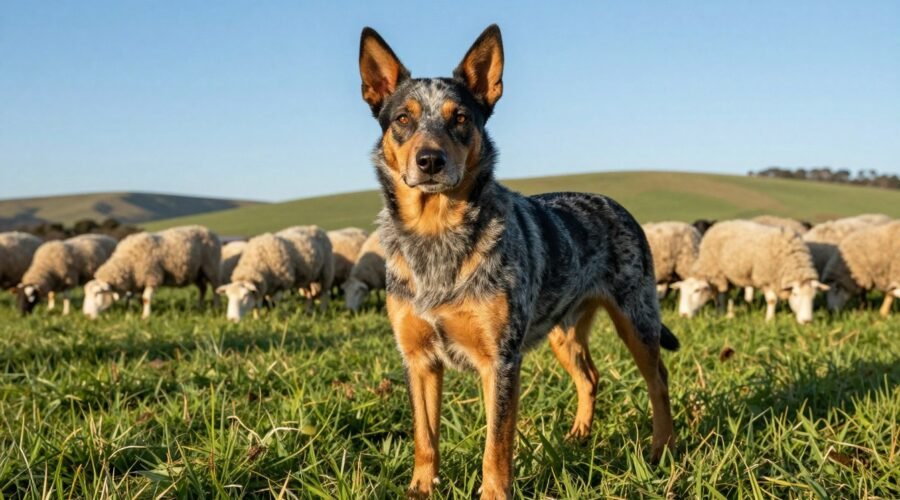
The Australian Cattle Dog is a remarkable breed known for its tireless work ethic and deep loyalty. These animals have captured the hearts of owners across the globe with their sharp intelligence and unwavering dedication to their families.
Their unique genetic history, which blends the rugged Dingo with various European herding dogs, creates a truly versatile companion. This mix results in a resilient partner capable of handling demanding tasks while remaining a devoted friend at home.
Understanding the specific needs of this breed is essential for any potential owner. Accessing accurate dog breed information ensures you are prepared for the high energy and mental stimulation these pets require. By learning about their background, you set the stage for a rewarding life with your new companion.
Key Takeaways
- These animals are celebrated for their intense loyalty and hardworking nature.
- Their ancestry includes a mix of Dingoes and traditional working breeds.
- They excel as versatile companions for active households.
- Proper research is vital to understanding their high energy levels.
- Consistent training helps channel their natural instincts effectively.
Introduction to the Australian Cattle Dog
Few breeds capture the essence of a true working dog quite like the Australian Cattle Dog. Known for their incredible stamina and sharp intellect, these animals have earned a reputation as one of the most capable herding dogs in the world. Whether working on a ranch or living in a suburban home, they bring a unique intensity to every task they undertake.
History of the Breed
The story of this breed began in the 19th-century Australian outback, where settlers needed a dog that could handle extreme heat and vast distances. Breeders crossed various dogs, including the native Dingo and the Blue Merle Collie, to create a resilient animal. This careful selection process resulted in the rugged Blue Heeler we recognize today.
These early breeders prioritized function over appearance to ensure the dogs could survive harsh conditions. By blending the silent stalking nature of the Dingo with the control of European herding breeds, they developed a versatile partner. This heritage remains a core part of what makes them stand out among other Australian dog breeds.
Distinctive Traits
The Australian Cattle Dog is defined by its unwavering loyalty and high energy levels. They are naturally alert and possess a strong protective instinct, which makes them excellent guardians of their territory. Owners often notice that these dogs are not just pets but active participants in daily life.
- High intelligence and problem-solving skills.
- Exceptional physical endurance for long days.
- Strong desire to be involved in family activities.
Purpose and Function
As one of the most efficient Cattle Dog breeds, their primary function is to move livestock with precision. They use a unique “heeling” technique, which involves nipping at the heels of stubborn cattle to keep them moving without causing injury. This specialized skill set is why they are still highly valued as herding dogs today.
Understanding their drive is essential for any potential owner. Because they are bred to work, they thrive when given a job to do, whether it is agility training or complex obedience tasks. The following table highlights the key functional differences between this breed and other common farm dogs.
| Feature | Australian Cattle Dog | Standard Farm Dog |
|---|---|---|
| Herding Style | Heeling (Low to ground) | Gathering (Wide circles) |
| Stamina | Extremely High | Moderate |
| Independence | High | Low |
| Training Needs | Advanced | Basic |
Ultimately, the Blue Heeler is a testament to selective breeding for performance. By respecting their history and natural instincts, you can ensure a happy and fulfilling life for your companion. These Cattle Dog breeds continue to prove that they are among the most capable partners a person could ask for.
Physical Characteristics of Australian Cattle Dogs
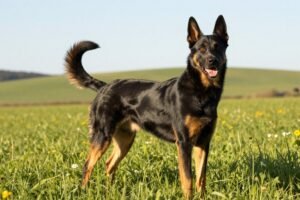
When you look at an Australian Cattle Dog, you see a compact powerhouse designed for the rugged outback. These animals possess a muscular, athletic frame that allows them to move with incredible speed and precision. Their build is perfectly suited for the demanding tasks expected of traditional Australian dog breeds.
Size and Weight
The breed is categorized as medium-sized, yet they carry significant weight due to their dense muscle mass. Typically, these dogs stand between 17 and 20 inches tall at the shoulder. Males generally weigh between 35 and 50 pounds, while females are slightly smaller, usually ranging from 30 to 45 pounds.
This compact size is a major advantage for herding dogs, as it allows them to navigate tight spaces and react quickly to livestock. Their bone structure is sturdy, providing the necessary support for long days of active work.
Coat Color and Texture
One of the most recognizable traits of the Australian Cattle Dog is its unique, weather-resistant coat. The outer layer is straight and hard, while the undercoat is short and dense to protect against harsh climates. You will often see the famous Blue Heeler speckling, which acts as a natural camouflage in the field.
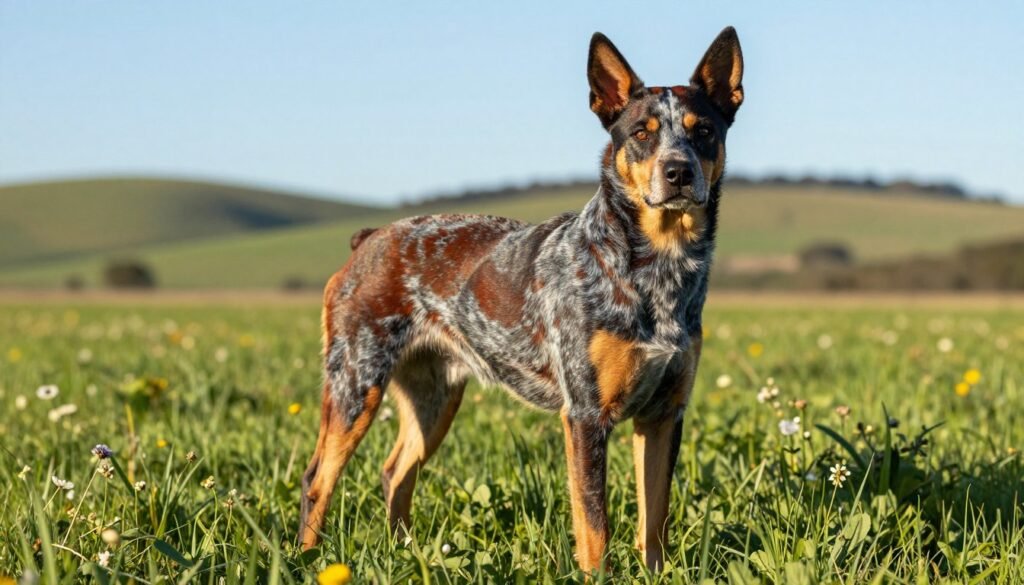
Colors range from blue to red, often featuring distinct markings on the head or body. This coat requires minimal maintenance but provides excellent protection against the elements during outdoor work.
Unique Features
Beyond their coat, these dogs are defined by their alert, pricked ears and a tail that usually hangs in a slight curve. Their eyes are typically dark and oval-shaped, reflecting a high level of intelligence and focus. Every aspect of their anatomy, from their strong paws to their balanced gait, is designed for endurance.
The Blue Heeler is truly built for performance. Owners often notice that their physical capabilities match their high energy levels, making them a top choice for active households.
Temperament and Personality Traits
Behind the rugged exterior of the Australian Cattle Dog lies a deeply sensitive and highly observant mind. These animals are not just pets; they are thoughtful partners that thrive when they have a clear job to perform. Understanding their complex nature is essential for anyone looking to welcome one into their home.
Intelligence and Trainability
As some of the most smart dogs in the canine world, these companions possess an uncanny ability to solve problems. Their high level of intelligence means they learn commands quickly, but it also means they can become bored if not mentally challenged. Consistent leadership is vital to ensure they remain focused and well-behaved.
Owners should provide plenty of puzzle toys and advanced training tasks to keep their minds sharp. Without proper mental stimulation, these bright dogs may find their own ways to stay busy, which often leads to unwanted behaviors. Positive reinforcement works best when training this breed, as they respond well to clear, fair guidance.
Energy Levels and Activity Needs
These are undeniably energetic dogs that require a significant amount of daily movement to stay happy. Their history as working herders means they have an endless supply of stamina that needs a productive outlet. A simple walk around the block is rarely enough to satisfy their physical requirements.
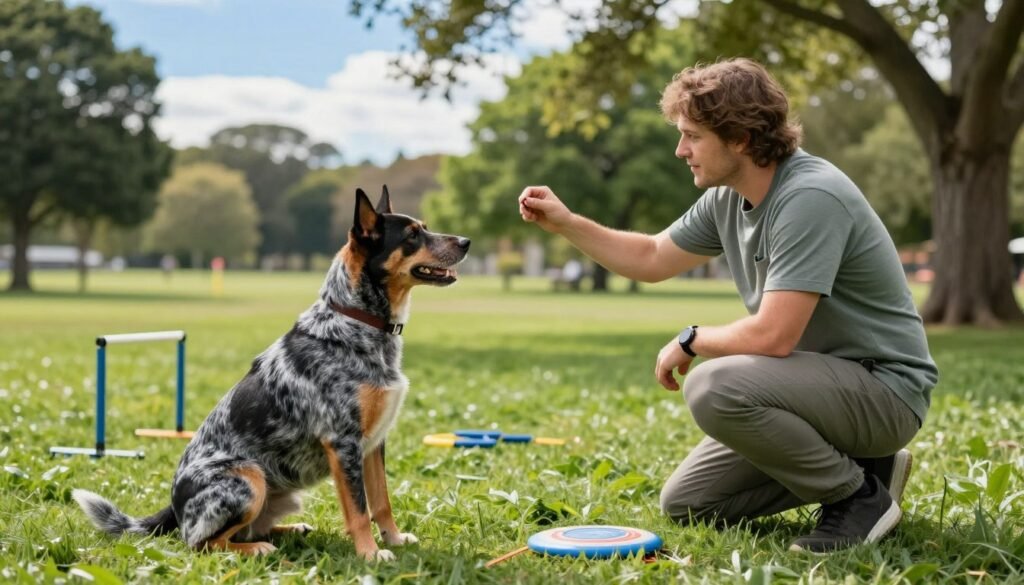
Engaging in high-intensity activities like agility training, frisbee, or long-distance hiking helps manage their high energy levels. When these needs are met, they are calm and content indoors. However, failing to provide enough exercise can lead to frustration and restlessness in this active breed.
Social Behavior with Family
The Australian Cattle Dog is famous for forming an intense, lifelong bond with its primary owner. While they may be reserved or suspicious around strangers, they are deeply loyal and protective of their family members. This protective instinct makes them excellent guardians who are always aware of their surroundings.
They often thrive in households where they are included in daily activities and feel like a true part of the pack. Because they are such smart dogs, they quickly learn the routines and emotional states of their humans. With the right socialization, they become devoted companions that offer unwavering support and affection.
Training Your Australian Cattle Dog
Because these are such smart dogs, they thrive when given clear guidance and consistent rules. Their high level of intelligence means they learn commands quickly, but they also require a handler who can stay one step ahead. A firm, patient, and positive approach is essential to building a respectful relationship with your pet.
Effective Training Techniques
The most successful training programs for this breed rely on positive reinforcement. Using treats, praise, and play as rewards encourages your dog to repeat desired behaviors. Since they are highly motivated by tasks, incorporating puzzle toys or agility drills into your sessions keeps them mentally engaged.
Consistency is the cornerstone of success. Ensure that every family member uses the same commands to avoid confusing your Australian Cattle Dog. Short, frequent training sessions are far more effective than long, tedious ones that might lead to boredom.
Socialization Importance
Early socialization is vital for helping your dog navigate the world with confidence. Introducing your puppy to various sights, sounds, and surfaces prevents fear-based reactions later in life. Exposure to different people and other animals ensures they grow into well-adjusted adults.
Consider enrolling in a puppy obedience class to provide controlled social interactions. This environment allows your dog to learn how to behave calmly around others while under your supervision. A well-socialized dog is much easier to manage in public spaces.
Dealing with Behavioral Issues
Even the most well-trained Australian Cattle Dog may occasionally display unwanted behaviors like nipping or excessive barking. These actions often stem from their natural herding instincts or a lack of physical activity. Addressing these issues early through redirection and increased exercise is the best way to maintain harmony at home.
If your dog becomes destructive, it is usually a sign that they need more mental stimulation. Providing challenging tasks or interactive games can satisfy their need for work. Remember that these smart dogs are happiest when they have a clear job to do.
| Training Method | Primary Benefit | Best For |
|---|---|---|
| Positive Reinforcement | Builds trust and motivation | Basic obedience |
| Clicker Training | Provides precise feedback | Complex tricks |
| Agility Training | Burns energy and builds focus | High-energy dogs |
Health Considerations for Australian Cattle Dogs
Proactive wellness is the cornerstone of a long and vibrant life for your loyal canine companion. With a typical lifespan of 12 to 16 years, the Australian Cattle Dog thrives when owners prioritize consistent medical oversight and attentive daily care.
Common Health Problems
While this breed is known for its rugged durability, every Australian Cattle Dog may be predisposed to certain genetic conditions. Responsible owners should remain vigilant regarding hip and elbow dysplasia, which can affect mobility as the dog ages.
Progressive Retinal Atrophy (PRA) is another concern that can lead to vision loss over time. Early detection through specialized veterinary screenings is essential for managing these conditions effectively.
“The secret of my success is that we have gone to exceptional lengths to hire the best people in the world.” — Walt Disney
Preventative Care Practices
Routine veterinary visits are the most effective way to catch potential issues before they become serious. Regular blood work and physical exams help monitor the overall health of your Australian Cattle Dog throughout its life.
Staying current on vaccinations and parasite prevention is equally vital. Consistent dental hygiene and annual check-ups will significantly improve your pet’s comfort and longevity.
Nutrition Requirements
Fueling an active Australian Cattle Dog requires a balanced diet rich in high-quality proteins and healthy fats. Because these dogs are naturally energetic, their caloric intake must be carefully managed to prevent obesity, which puts unnecessary strain on their joints.
Always consult with your veterinarian to determine the best feeding schedule based on your dog’s specific activity level. Providing proper nutrition is the simplest way to ensure your companion remains strong and agile for years to come.
Exercise Requirements for Australian Cattle Dogs
Herding dogs possess an incredible amount of drive that must be channeled into productive daily tasks. As a dedicated working dog, this breed thrives when it has a clear purpose and plenty of room to move. Without consistent outlets, these intelligent animals may develop unwanted habits born out of pure boredom.
Daily Activity Needs
These energetic dogs require at least sixty to ninety minutes of vigorous activity every single day. It is not enough to simply let them out in a fenced yard; they need interactive play that challenges their minds. A tired dog is a happy dog, and meeting these needs is essential for their overall well-being.
Recommended Exercise Regimens
Structured training sessions are highly effective for this breed. You should incorporate obedience drills into your daily walks to keep them focused. Because they are a working dog, they excel at tasks that require problem-solving and physical endurance.
Consistency is the cornerstone of a healthy routine. Try to vary the intensity of your sessions to keep your pet engaged and excited. Whether it is a long hike or a brisk jog, ensure the activity matches their high stamina levels.
Fun Activities to Try
If you want to keep your Australian Cattle Dog sharp, consider sports like agility or flyball. These activities tap into their natural instincts and provide a great way to bond. You can also try simple games like hide-and-seek or fetch to keep them moving.
Providing a “job” is the best way to satisfy their ingrained instincts. Even simple tasks like retrieving a ball or learning new tricks can make a world of difference. By staying active, you ensure your companion remains physically fit and mentally sharp for years to come.
Living with an Australian Cattle Dog
Life with an Australian Cattle Dog is an adventure that demands space, patience, and a commitment to activity. These energetic dogs thrive when they have a clear purpose and plenty of room to roam. Understanding their specific needs is the best way to ensure a happy home for everyone involved.
Ideal Living Environment
Because these dogs possess an incredible amount of stamina, they are best suited for homes with large, securely fenced yards. Apartment living is generally discouraged, as these animals require constant movement to stay mentally and physically balanced. Without a proper outlet for their drive, they may become destructive or anxious in confined spaces.
Providing a stimulating environment is essential for these energetic dogs. They enjoy having a “job” to do, whether it is patrolling the perimeter of your property or engaging in complex puzzle games. A spacious setting allows them to burn off steam naturally throughout the day.
Compatibility with Other Pets
The Australian Cattle Dog often displays a strong personality when interacting with other animals. Their natural herding instincts can sometimes lead them to “boss” other pets around, which may cause friction in a multi-pet household. Early socialization is vital to help them learn appropriate boundaries with cats and other dogs.
Family Life and Kids
These dogs are deeply loyal and protective of their human families. However, their tendency to nip at heels—a trait inherited from their herding ancestors—means that interactions with small children require close supervision. It is important to teach children how to play respectfully and safely with their canine companion.
| Feature | Apartment Living | House with Yard |
|---|---|---|
| Suitability | Low | High |
| Exercise Needs | Difficult to meet | Easily managed |
| Behavioral Risk | Higher | Lower |
| Overall Happiness | Challenging | Optimal |
When raised with structure and clear guidance, the Australian Cattle Dog becomes a devoted family member. By respecting their high energy levels and providing a safe, engaging environment, you can build a rewarding relationship that lasts for years.
Grooming Tips for Australian Cattle Dogs
Grooming your canine companion is more than just a chore; it is a chance to connect. While the Australian Cattle Dog is known for being a rugged worker, they still require regular attention to stay in top condition. Establishing a consistent routine ensures your dog remains comfortable and healthy throughout the year.
Routine Care Essentials
Beyond the coat, several hygiene tasks are vital for your pet’s overall well-being. You should check these areas weekly to prevent discomfort or infections. Consistency is the secret to a stress-free experience for both you and your dog.
- Nail Trimming: Keep nails short to prevent cracking and discomfort during movement.
- Ear Cleaning: Gently wipe the outer ear with a damp cloth to remove debris.
- Dental Hygiene: Brush their teeth regularly to maintain fresh breath and healthy gums.
Dealing with Shedding
The Blue Heeler possesses a dense, weather-resistant double coat that protects them in harsh conditions. Because of this, they experience seasonal shedding that can be quite noticeable. Using a high-quality slicker brush or a deshedding tool will help you manage loose fur effectively.
Aim to brush your dog at least once a week to remove dead hair and distribute natural oils. During peak shedding seasons, you may need to increase this frequency to daily sessions. This simple habit keeps your home cleaner and prevents painful mats from forming in their thick undercoat.
Bathing and Coat Maintenance
You do not need to bathe your Australian Cattle Dog very often. In fact, over-bathing can strip their coat of the natural oils that keep it water-resistant. A bath every few months is usually sufficient unless they have gotten into something particularly messy.
When it is time for a bath, use a mild, dog-specific shampoo to protect their sensitive skin. Always ensure you rinse thoroughly to avoid any residue that might cause irritation. After the bath, towel dry your Blue Heeler well, as their thick coat can hold moisture for a long time. Taking the time to care for their coat is a wonderful way to show your appreciation for their hard work and loyalty.
Choosing the Right Australian Cattle Dog
Selecting the perfect canine companion requires careful thought and a deep understanding of specific breed needs. Because these dogs are highly active and intelligent, gathering accurate dog breed information is the first step toward a successful partnership. You must ensure your home environment matches the intensity and dedication that these animals demand.
Finding a Reputable Breeder
When you decide to purchase a puppy, finding a responsible breeder is essential for long-term success. A reputable breeder prioritizes the health and temperament of their dogs above all else. They will gladly provide genetic testing results and allow you to meet the puppy’s parents to observe their behavior.
Avoid anyone who seems eager to sell a puppy without asking questions about your lifestyle. A good breeder wants to ensure their Australian Cattle Dog goes to a home that understands the breed’s unique requirements. They act as a mentor, offering support throughout the life of your pet.
Adoption vs. Buying
Many potential owners wonder whether they should adopt or buy from a breeder. Adoption is a wonderful way to give a deserving animal a second chance at a happy life. Many rescue organizations specialize in Cattle Dog breeds and can provide valuable insights into a dog’s personality before you commit.
Buying from a breeder offers the advantage of knowing the dog’s lineage and early socialization history. Regardless of your choice, always conduct thorough research to ensure the source is ethical and transparent. The following table outlines the key differences to help you decide which path fits your situation.
| Feature | Reputable Breeder | Rescue/Shelter |
|---|---|---|
| Health History | Extensive genetic testing | Basic vet screening |
| Cost | Higher initial investment | Lower adoption fees |
| Availability | Waitlists often apply | Immediate availability |
Selecting the Best Fit for Your Lifestyle
Before finalizing your decision, be honest about your daily activity levels. An Australian Cattle Dog thrives when it has a job to do and plenty of space to roam. If you lead a sedentary life, these Cattle Dog breeds may become frustrated or develop unwanted behaviors.
Consider your schedule, your family dynamics, and the amount of time you can dedicate to training. Accessing reliable dog breed information helps you visualize the reality of daily life with this high-energy companion. When your lifestyle aligns with the needs of an Australian Cattle Dog, you create the foundation for a truly rewarding relationship.
Conclusion: Embracing Your Cattle Dog Companion
Bringing an Australian Cattle Dog into your home marks the start of a remarkable journey. This breed offers a unique blend of loyalty and spirit that transforms daily life into an ongoing adventure.
Building a Strong Bond
Deep connections grow through shared activity and mutual respect. When you engage with your working dog, you tap into a reservoir of intelligence and agility that defines this breed. Every training session and outdoor excursion strengthens the trust between you and your pet.
Lifelong Commitment
Providing consistent mental stimulation remains the key to a happy household. Owners who prioritize active play and clear communication find that their Australian Cattle Dog thrives in any environment. This dedication ensures your partner stays healthy and content throughout their life.
Celebrating the Joy of Ownership
Living with such a capable working dog brings immense satisfaction to those ready for the challenge. You will quickly learn to appreciate the protective nature and sharp mind that make these animals stand out. Cherish the time spent together as you explore the world with your loyal companion by your side.

💬 Leave a Comment