
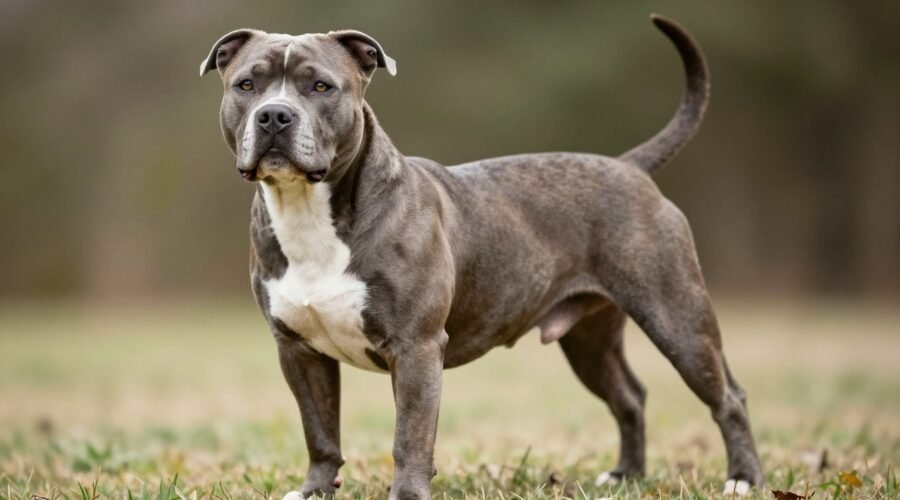

The American Staffordshire Terrier stands as one of the most misunderstood dog breeds in modern times. Behind the muscular frame and powerful appearance lives a loyal companion eager to bond with family. This breed combines strength with surprising gentleness when properly raised and trained.
Many people confuse this breed with others or believe common myths about temperament. Understanding the truth about AmStaffs helps potential owners make informed decisions. These dogs require dedicated owners who appreciate their unique personality traits and physical needs.
This comprehensive guide explores every aspect of the American Staffordshire Terrier breed. From historical origins to modern care requirements, you will discover what makes these dogs special. Whether you are considering adoption or already share your home with an AmStaff, this resource provides valuable insights for every stage of ownership.
Breed Overview and History

The American Staffordshire Terrier emerged from English roots in the 19th century. Immigrants brought their Staffordshire Bull Terriers to America, where breeders developed a larger, more powerful version. These early dogs served multiple purposes on farms and in households across growing American cities.
Origins in England
The breed traces back to England where bull-and-terrier crosses created strong working dogs. These ancestors combined the strength of bulldogs with the agility of terriers. Breeders valued dogs that could perform various farm tasks and protect property.

Early settlers brought these dogs to American shores in the mid-1800s. The American Kennel Club recognized the breed in 1936 under a new name. This distinction separated American Staffordshire Terriers from their English cousins who remained smaller in size.
Development in America
American breeders focused on creating a larger, more muscular dog than the English version. The American Staffordshire Terrier developed into a distinct breed with specific characteristics. Selective breeding emphasized temperament suitable for family companionship alongside physical capabilities.
Original Purpose
These dogs originally served as all-purpose farm dogs in rural America. They guarded property, managed livestock, and protected families from threats. Their strength made them valuable for moving heavy objects and pulling carts.
- Farm work and property protection
- Livestock management assistance
- Family guardian duties
- Versatile working companion
Modern Role
Today’s American Staffordshire Terrier primarily serves as a family companion dog. They excel in various dog sports including obedience trials and agility competitions. Many also work as therapy dogs bringing comfort to people in hospitals and care facilities.
- Loving family companion
- Competitive sports participant
- Therapy and service work
- Loyal household guardian
Recognition by Kennel Clubs

The American Kennel Club formally recognized this breed in the 1930s. The United Kennel Club maintains separate standards for the closely related American Pit Bull Terrier. International kennel clubs also acknowledge the American Staffordshire Terrier as a distinct breed with specific standards.
Breed standards define ideal physical and temperamental characteristics. The American Kennel Club publishes detailed guidelines for height, weight, coat, and behavior. These standards help judges evaluate dogs at shows and guide responsible breeding programs.
Physical Characteristics and Appearance

The American Staffordshire Terrier displays a powerful, muscular build that immediately catches attention. This breed exhibits strength and agility in equal measure. Every aspect of their physical structure reflects their heritage as working dogs.
Size and Build
Adult males typically stand between 18 and 19 inches tall at the shoulder. Females measure slightly smaller at 17 to 18 inches in height. Weight ranges from 40 to 70 pounds depending on gender and individual build.
| Measurement | Male | Female |
| Height | 18-19 inches | 17-18 inches |
| Weight | 55-70 pounds | 40-55 pounds |
| Build | Stocky and muscular | Lean and athletic |

The breed features a broad chest with well-sprung ribs creating a barrel-like appearance. Strong shoulders connect to straight, heavy-boned front legs. The hindquarters show powerful muscling that enables explosive movement and jumping ability.
Head and Face
The American Staffordshire Terrier head presents a broad skull with pronounced cheek muscles. A medium-length muzzle ends in a wide, strong jaw. Dark, round eyes sit wide apart conveying intelligence and alertness.

Ears can be natural or cropped though many owners prefer the natural look today. Natural ears are short and held either rose or half-prick. The nose is always black regardless of coat color providing contrast to the facial features.
Coat Type and Colors


The coat is short, stiff, and glossy laying close to the body. This low-maintenance coat requires minimal grooming to maintain appearance. Hair texture feels smooth to the touch while providing protection from weather.
American Staffordshire Terriers come in many color variations. Common colors include blue, fawn, white, black, and red. Brindle patterns create striking tiger-stripe effects across the coat.
- Solid colors: black, blue, red, fawn, white
- Brindle patterns with various base colors
- Patched combinations of colors
- White markings on chest, feet, or face

Distinctive Features
The breed exhibits several unique physical characteristics that distinguish it from similar dogs. The wide-set eyes give an honest, direct expression. A deep chest provides ample lung capacity for sustained physical activity.
Strong jaws and a powerful bite reflect the breed’s terrier heritage. The tail tapers to a point and hangs low when relaxed. During activity the tail rises but never curls over the back.

Overall balance and proportion matter more than exact measurements. A well-built American Staffordshire Terrier appears sturdy without looking bulky. The athletic frame should suggest both power and agility in proper proportion.
Temperament and Personality

The American Staffordshire Terrier personality combines courage with a surprising affectionate nature. These dogs form deep bonds with their human family members. Despite their tough appearance they often behave like gentle giants around people they trust.
General Temperament
Confidence defines the typical AmStaff personality. These dogs approach life with enthusiasm and curiosity. They remain alert to their surroundings while maintaining a stable, calm demeanor in familiar environments.

Intelligence makes these dogs quick learners who enjoy mental challenges. They respond well to positive training methods and consistent leadership. Many owners describe their AmStaffs as eager to please family members.
Behavior with Family
American Staffordshire Terriers typically show unwavering loyalty to their families. They often follow family members from room to room seeking companionship. This breed thrives on human interaction and dislikes being left alone for extended periods.


Most AmStaffs display patience with children when properly socialized from puppyhood. They tolerate rough play better than many breeds. Supervision remains important during interactions between any dog and young children to ensure safety for both.
Interaction with Children
The breed’s reputation as a “nanny dog” comes from their protective instincts toward family children. They often position themselves between children and perceived threats. Their sturdy build allows them to handle enthusiastic play from kids.

Teaching children proper behavior around dogs is essential. Kids should learn to respect the dog’s space and recognize signs of stress. Even the most patient AmStaff needs breaks from constant attention and stimulation.
- Patient with family children when socialized early
- Protective instincts toward young family members
- Tolerant of noise and active play
- Requires supervision during all child interactions
- Benefits from teaching children proper dog etiquette
Socialization with Other Animals
Early socialization proves critical for AmStaffs living with other pets. Some individuals show strong prey drive toward small animals. Others coexist peacefully with cats and smaller dogs when raised together from puppyhood.

Dog parks require careful consideration for this breed. While many AmStaffs enjoy canine companionship, some display dominant behaviors toward unfamiliar dogs. Professional training helps manage these tendencies through proper socialization techniques.
Energy Levels and Playfulness
This energetic dog requires substantial daily exercise to maintain physical and mental health. They enjoy various activities from long walks to interactive play sessions. Without adequate outlets for energy they may develop destructive behaviors at home.

Play remains an important part of life for adult AmStaffs who maintain puppy-like enthusiasm. They excel at fetch, tug-of-war, and other interactive games. Mental stimulation through puzzle toys prevents boredom during downtime.
Protective Instincts
Natural guarding instincts make AmStaffs excellent watchdogs who alert families to unusual activity. They typically bark to announce visitors but rarely show aggression without cause. Proper training channels these protective behaviors appropriately.

The breed’s courage means they will defend family if truly threatened. Early socialization prevents fear-based reactivity that can escalate situations unnecessarily. A well-trained AmStaff distinguishes between normal activity and genuine threats.
Master American Staffordshire Terrier Training
Download your free comprehensive guide with expert training techniques, socialization schedules, and behavior management strategies specifically designed for AmStaffs. Get instant access to 30+ pages of professional training advice.

Training and Exercise Requirements

Training an American Staffordshire Terrier requires consistency, patience, and positive reinforcement methods. These intelligent dogs respond best to reward-based training approaches. Starting early establishes good habits that last throughout life.
Training Approaches and Methods
Positive reinforcement works exceptionally well with this breed. Rewards like treats, praise, and play motivate AmStaffs to repeat desired behaviors. Harsh corrections damage the trust bond and often backfire with these sensitive dogs.

Short, engaging training sessions maintain the dog’s focus better than lengthy drills. Five to ten minutes of focused work several times daily produces better results. Ending each session on a positive note keeps the dog eager for future training.
Basic Obedience Training
Every American Staffordshire Terrier needs solid obedience skills for safety and good manners. Basic commands form the foundation of good behavior in all situations. Training should begin as soon as a puppy joins the household.
- Sit – Basic control command
- Down – Calming behavior cue
- Stay – Impulse control exercise
- Come – Critical recall command
- Leave it – Safety command
- Heel – Leash walking control
Essential Commands
- Wait at doors and gates
- Place or bed command
- Drop it for object release
- Quiet to stop barking
- Touch for attention redirect
- Focus for eye contact
Advanced Skills

Socialization Needs
Early and ongoing socialization shapes a well-adjusted adult American Staffordshire Terrier. Exposure to various people, places, sounds, and experiences during puppyhood builds confidence. The critical socialization period occurs between three and fourteen weeks of age.
Puppy kindergarten classes provide controlled socialization opportunities with other dogs. These classes teach basic manners while building positive associations with training. Professional guidance helps prevent common puppy problems from developing.

- Introduce to various people of all ages and appearances
- Expose to different environments and surfaces
- Practice handling for grooming and vet visits
- Arrange positive encounters with other animals
- Desensitize to common sounds like traffic and appliances
- Visit different locations beyond the home neighborhood
Exercise Requirements
The American Staffordshire Terrier needs substantial daily exercise to maintain physical and mental health. A minimum of 60 to 90 minutes of activity each day keeps them satisfied. This exercise should include both physical exertion and mental stimulation.

Brisk walks provide basic exercise but active play sessions burn more energy. Games of fetch, tug-of-war, and chase satisfy both physical and mental needs. Swimming offers excellent low-impact exercise for dogs who enjoy water.
Daily Exercise Activities

- Morning and evening walks
- Interactive play sessions
- Fetch or frisbee games
- Swimming when available
Mental Stimulation

- Puzzle toys and food games
- Training sessions with new commands
- Scent work activities
- Hide and seek games
Dog Sports and Activities
American Staffordshire Terriers excel in various canine sports that channel their energy productively. Agility courses challenge their athleticism and problem-solving abilities. Obedience competitions showcase their training and handler bond.

Weight pulling competitions highlight the breed’s natural strength. Many AmStaffs enjoy dock diving which combines swimming with jumping. Rally obedience offers a fun alternative to traditional obedience trials.
- Agility courses for speed and coordination
- Weight pulling competitions for strength
- Obedience trials for precision training
- Dock diving for water-loving dogs
- Rally obedience for teamwork
- Barn hunt for natural prey drive outlets

Mental Stimulation Importance
Intelligence makes mental exercise as important as physical activity for this breed. Boredom leads to destructive behaviors like chewing and digging. Providing mental challenges prevents problem behaviors while strengthening the human-dog bond.
Rotating toys keeps them interesting and engaging over time. Food puzzle toys make dogs work for meals providing entertainment and slower eating. Training new tricks or commands offers mental exercise that strengthens obedience skills.

Behavior Management
Addressing unwanted behaviors early prevents them from becoming ingrained habits. Jumping on people often stems from excitement which proper greeting protocols can redirect. Excessive barking usually indicates boredom, anxiety, or insufficient exercise.
Effective Training Practices
- Consistent rules from all family members
- Positive reinforcement with high-value rewards
- Regular training sessions maintaining skills
- Adequate daily exercise preventing excess energy
- Mental stimulation through varied activities
Training Mistakes to Avoid
- Using harsh corrections or punishment
- Inconsistent enforcement of rules
- Insufficient socialization during critical period
- Skipping basic obedience foundations
- Inadequate daily exercise and stimulation
Professional help from certified trainers benefits dogs showing reactivity or aggression. These specialists develop customized behavior modification plans. Early intervention produces better outcomes than waiting for problems to worsen.
Health and Care Requirements

American Staffordshire Terriers generally enjoy good health when properly cared for. Understanding common health issues helps owners provide preventive care. Regular veterinary checkups catch potential problems early when treatment is most effective.
Common Health Issues
Hip dysplasia affects many medium to large breeds including AmStaffs. This genetic condition causes improper hip joint formation leading to arthritis. Reputable breeders screen parents for hip health before breeding.

Skin allergies plague some American Staffordshire Terriers causing itching and discomfort. Environmental allergens like pollen or food sensitivities trigger reactions. Veterinary dermatologists help identify allergens and develop management plans.
Heart disease occurs in some lines particularly aortic stenosis. This congenital defect narrows the aortic valve reducing blood flow. Annual cardiac screenings detect murmurs or irregularities requiring further investigation.
- Hip dysplasia affecting joint development
- Skin allergies and dermatitis conditions
- Heart disease including aortic stenosis
- Hypothyroidism affecting metabolism
- Progressive retinal atrophy causing vision loss
- Cerebellar ataxia in some genetic lines

Average Lifespan
The typical American Staffordshire Terrier lives between 12 and 16 years. Genetics, diet, exercise, and preventive care influence longevity. Dogs from health-tested parents generally live longer, healthier lives.
Senior dogs benefit from adapted care including joint supplements and modified exercise. Regular blood work monitors organ function as dogs age. Catching age-related conditions early improves quality of life in later years.

Grooming Needs
The short coat requires minimal grooming compared to longer-haired breeds. Weekly brushing removes loose hair and distributes natural oils. A rubber curry brush or grooming mitt works well for this coat type.

Regular Grooming Tasks
- Weekly brushing for coat health
- Monthly baths unless dirty
- Regular nail trimming every 3-4 weeks
- Weekly ear cleaning and checks

Health Maintenance
- Daily teeth brushing ideal
- Skin checks during grooming
- Eye cleaning as needed
- Paw pad inspection and care
Bathing frequency depends on activity level and skin condition. Most AmStaffs need baths monthly or when visibly dirty. Over-bathing strips natural oils from skin potentially causing dryness and irritation.
Nail trimming prevents overgrowth that affects gait and causes discomfort. Dogs who walk on pavement may naturally wear nails down. Regular paw pad checks identify cuts, cracks, or embedded objects requiring attention.

Dental Care
Dental health significantly impacts overall wellbeing yet often gets neglected. Daily teeth brushing prevents tartar buildup and gum disease. Dog-specific toothpaste and brushes make the process easier and safer.
Dental chews and toys provide supplemental cleaning between brushings. Professional dental cleanings under anesthesia remove tartar below the gum line. Most dogs need professional cleanings every one to three years depending on dental health.

Nutritional Requirements
High-quality dog food appropriate for life stage provides balanced nutrition. Adult AmStaffs typically eat two meals daily totaling 1.5 to 2.5 cups of food. Individual needs vary based on activity level, metabolism, and body condition.
| Life Stage | Daily Food Amount | Meals Per Day | Key Nutrients |
| Puppy (2-12 months) | 2-4 cups | 3-4 | High protein, calcium, DHA |
| Adult (1-7 years) | 1.5-2.5 cups | 2 | Balanced protein, healthy fats |
| Senior (8+ years) | 1.5-2 cups | 2 | Joint support, lower calories |

Protein should come from quality animal sources listed first in ingredients. Avoid foods with excessive fillers, artificial colors, or by-products. Some AmStaffs thrive on grain-free diets while others do well with whole grains included.
Weight management prevents obesity-related health problems common in the breed. Monitor body condition regularly and adjust food portions accordingly. Ribs should be easily felt but not visible under a thin layer of fat.
Preventive Health Care
Annual veterinary examinations catch health issues before they become serious. Core vaccinations protect against rabies, distemper, parvovirus, and adenovirus. Additional vaccines may be recommended based on lifestyle and regional disease risks.

Parasite prevention includes monthly heartworm medication and flea and tick control. Intestinal parasite screening should occur during annual exams. Year-round prevention proves more effective than seasonal treatment in most regions.
- Annual comprehensive veterinary examinations
- Core and lifestyle-appropriate vaccinations
- Monthly heartworm prevention medication
- Regular flea and tick control measures
- Annual fecal testing for intestinal parasites
- Blood work screening starting at middle age
Essential Health & Care Products for Your AmStaff

Premium Athletic Dog Food
High-protein formula designed for muscular, active breeds. Contains glucosamine for joint health and omega fatty acids for coat condition.

Indestructible Chew Toys
Ultra-durable toys engineered for powerful jaws. Satisfy natural chewing instincts while promoting dental health and preventing destructive behavior.

Joint Health Supplements
Glucosamine and chondroitin formula supporting hip and joint health. Prevents arthritis and maintains mobility in active dogs throughout life.
Suitability for Different Owners and Living Situations

The American Staffordshire Terrier thrives with owners who understand their needs and commitment requirements. This breed suits active individuals or families ready to invest time in training and exercise. First-time dog owners can succeed with proper research and professional guidance.
Ideal Owner Characteristics
Successful AmStaff owners display confidence and consistency in leadership. These dogs respect clear boundaries and respond well to calm, assertive guidance. Patience during training and socialization proves essential for developing a well-mannered companion.

Physical capability to handle a strong, energetic dog matters for safe management. While not aggressive, AmStaffs possess considerable strength requiring secure leash handling. Owners should comfortably manage the dog’s power during walks and play.
- Active lifestyle with time for daily exercise
- Commitment to ongoing training and socialization
- Confidence in providing consistent leadership
- Physical ability to handle a strong breed
- Patience with energetic, playful temperament
- Willingness to research and learn about breed
Living Conditions and Space
American Staffordshire Terriers adapt to various living situations with adequate exercise. Apartment living works if owners commit to multiple daily walks and play sessions. Access to a securely fenced yard provides valuable space for off-leash activity.

Apartment Living
AmStaffs can thrive in apartments with proper exercise. Multiple daily walks and dedicated play time prevent restlessness. Neighbors should be considered as these dogs can be vocal.

House with Yard
A fenced yard offers ideal space for exercise and play. Secure fencing is mandatory as AmStaffs can jump surprisingly high. Outdoor time complements but doesn’t replace structured walks.
Climate considerations affect outdoor exercise timing and duration. The short coat provides limited insulation in cold weather requiring protective clothing. Hot weather demands caution as the breed can overheat during intense activity.

Family Dynamics
Families with children often find AmStaffs make excellent companions with proper introduction and training. The breed’s patient nature tolerates active households well. Establishing rules about dog interactions protects both children and pets.
Single owners and couples without children also match well with this breed. The dog’s devotion to their person creates a strong bond. These dogs enjoy being included in activities and outings whenever possible.

Experience Level Requirements
First-time dog owners can successfully raise an American Staffordshire Terrier with dedication to learning. Attending training classes and consulting professional trainers builds necessary skills. Research about the breed helps set realistic expectations.
Important for First-Time Owners: Commit to puppy kindergarten and basic obedience classes. These structured learning environments teach both handler and dog essential skills. Professional guidance prevents common mistakes that create behavior problems.

Experienced dog owners appreciate the breed’s intelligence and trainability. Those familiar with strong-willed breeds find AmStaffs responsive and eager to please. Previous training experience helps navigate the breed’s occasional stubborn moments.
Time and Commitment Considerations
This breed requires significant daily time investment beyond basic care. Exercise needs demand one to two hours daily including walks and play. Training and mental stimulation add another 30 minutes minimum each day.
| Activity | Daily Time Required | Frequency |
| Walking | 45-60 minutes | 2-3 times daily |
| Active Play | 30-45 minutes | 1-2 sessions |
| Training | 15-30 minutes | 2-3 sessions |
| Mental Stimulation | 15-20 minutes | Daily |
| Grooming | 10 minutes | 2-3 times weekly |
People working long hours should reconsider this breed or arrange midday care. AmStaffs don’t tolerate extended alone time well and may develop separation anxiety. Doggy daycare or dog walkers help meet exercise needs during work hours.

Legal and Insurance Considerations
Some regions enforce breed-specific legislation restricting or banning American Staffordshire Terriers. Research local laws before acquiring this breed to avoid legal complications. Rental properties often prohibit breeds on insurance company restricted lists.
Legal Warning: Verify that your city, county, and state allow American Staffordshire Terriers before adoption. Some homeowner and renter insurance policies exclude coverage for specific breeds. Research thoroughly to avoid forced rehoming situations.
Homeowner’s insurance may cost more or require special riders for this breed. Some companies refuse coverage entirely for homes with AmStaffs. Shopping multiple insurance providers often reveals options willing to cover responsible owners.

Best Match Scenarios
Active individuals who enjoy outdoor activities find ideal companions in AmStaffs. Runners, hikers, and outdoor enthusiasts appreciate a dog matching their energy level. The breed excels at activities like jogging, hiking, and swimming.
Families seeking a protective yet affectionate dog often choose this breed. Parents willing to supervise interactions and teach children proper dog handling create safe environments. The breed’s loyalty and patience reward dedicated family involvement.

Experienced dog owners seeking a challenging but rewarding breed appreciate AmStaffs. Those who enjoy training and developing strong bonds find this breed fulfilling. The intelligence and eagerness to please make training a enjoyable partnership.
Find Reputable American Staffordshire Terrier Breeders & Rescues
Connect with verified breeders who health-test their dogs and ethical rescue organizations specializing in AmStaffs. Access our comprehensive directory of trusted sources committed to breed health and welfare.
Fun Facts and Unique Characteristics

The American Staffordshire Terrier possesses many fascinating traits beyond their physical appearance. These unique characteristics make the breed memorable to those who know them. Learning these facts deepens appreciation for this remarkable dog.
Historical Significance
The American Staffordshire Terrier earned the nickname “America’s Dog” during World War I. Images of AmStaffs appeared on military recruitment posters symbolizing courage and loyalty. The breed represented American strength and determination during wartime.

Sergeant Stubby, a famous war dog of mixed heritage including Staffie traits, served in World War I. He became the most decorated war dog earning multiple medals for bravery. His legacy inspired respect for courageous, loyal dogs serving alongside soldiers.
Celebrity Connections
Famous families throughout history have owned American Staffordshire Terriers. President Theodore Roosevelt kept an AmStaff in the White House during his presidency. The breed’s association with notable figures enhanced their reputation as distinguished companions.

Hollywood has featured AmStaffs in various films and television shows. Pete the Pup from “Our Gang” comedies was the most famous fictional AmStaff. These media appearances showcased the breed’s intelligence and trainability to wide audiences.
Physical Abilities
The breed exhibits remarkable strength relative to their size. American Staffordshire Terriers can pull several times their body weight. This power made them valuable as working dogs on farms and in various labor roles.

Their jumping ability often surprises new owners. AmStaffs routinely clear fences four to five feet tall with ease. This athleticism requires secure fencing and careful supervision in open areas.
Personality Quirks
Many American Staffordshire Terriers believe they are lap dogs despite their size. They attempt to curl up on owner’s laps just like small breeds. This endearing trait reflects their desire for close physical contact with loved ones.

The breed displays remarkable facial expressions conveying emotions clearly. Their expressive eyes and mobile features communicate happiness, curiosity, or concern. Owners quickly learn to read their AmStaff’s mood through these expressions.
Many AmStaffs develop amusing sleep positions including the “roach” pose lying on their backs. They snore loudly and dream actively with running motions and vocalizations. These sleep behaviors entertain families throughout the dog’s life.

Intelligence and Problem Solving
American Staffordshire Terriers rank high in intelligence among dog breeds. They learn commands quickly and remember training long-term. This intelligence requires mental stimulation to prevent boredom-driven mischief.
The breed shows remarkable problem-solving abilities when motivated. They figure out how to open doors, cabinets, and containers holding treats. Owners must secure homes against their AmStaff’s clever investigations.

Vocalizations and Communication
The breed uses varied vocalizations beyond barking to communicate. Many AmStaffs “talk” using groans, grumbles, and whines expressing emotions. These vocal dogs keep families entertained with their conversational attempts.
Some individuals develop unique sounds specific to certain situations. Excitement might trigger high-pitched whimpers while contentment produces deep rumbling sounds. Owners learn to interpret their dog’s personal vocabulary over time.

Breed Records and Achievements
AmStaffs excel in various competitive dog sports setting records. The breed holds titles in weight pulling, agility, and obedience competitions. Their versatility allows success across multiple disciplines.
Several American Staffordshire Terriers work as certified therapy dogs visiting hospitals and nursing homes. Their gentle demeanor with vulnerable people showcases the breed’s true temperament. These working dogs change perceptions about the breed one visit at a time.

Unique Physical Traits
The breed’s smile has become legendary among AmStaff enthusiasts. Their lips curl up in what appears to be a genuine grin when happy. This endearing expression melts hearts and challenges negative breed stereotypes.
Many AmStaffs have remarkably soft skin despite their tough appearance. The coat feels like velvet when stroked in the right direction. This tactile quality makes petting sessions enjoyable for both dog and owner.

Frequently Asked Questions About American Staffordshire Terriers
Are American Staffordshire Terriers good with children?
Yes, properly socialized AmStaffs typically excel with children when raised together. They display patience and tolerance toward family kids. The breed’s sturdy build withstands rough play better than smaller breeds.
However, supervision remains essential during all dog and child interactions. Teaching children respectful behavior toward dogs prevents accidents. Early socialization and training create the foundation for safe, positive relationships.
How much exercise does an American Staffordshire Terrier need daily?
American Staffordshire Terriers require 60 to 90 minutes of exercise each day minimum. This should include brisk walks, active play sessions, and mental stimulation activities. The breed’s high energy level demands consistent physical outlets.
Without adequate exercise, AmStaffs may develop destructive behaviors from boredom. Activities like fetch, swimming, and agility training provide excellent outlets. Mental challenges through training and puzzle toys complement physical exercise.
What is the difference between an American Staffordshire Terrier and a Pit Bull?
The American Staffordshire Terrier is a specific breed recognized by the American Kennel Club. The term “Pit Bull” often refers to several breeds including American Pit Bull Terriers, American Staffordshire Terriers, and mixes.
AmStaffs typically stand slightly taller and heavier than American Pit Bull Terriers. The breeds share common ancestry but have been selectively bred along different lines. American Kennel Club standards define AmStaff characteristics precisely while Pit Bull remains a more general classification.
Do American Staffordshire Terriers shed a lot?
AmStaffs shed moderately year-round with heavier shedding during seasonal changes. Their short coat requires minimal grooming compared to longer-haired breeds. Weekly brushing removes loose hair and keeps the coat healthy.
Regular brushing reduces the amount of hair on furniture and clothing. The breed is not hypoallergenic and does produce dander. Consistent grooming routines minimize shedding impact on the household.
Are American Staffordshire Terriers aggressive?
No, properly bred and socialized American Staffordshire Terriers are not inherently aggressive toward people. The breed standard emphasizes stable temperament and friendliness. Responsible breeding and early socialization create well-adjusted, confident dogs.
Like any breed, individual dogs may show aggression if poorly bred, abused, or inadequately socialized. The vast majority of AmStaffs display affectionate, loyal temperaments with proper care. Media portrayal often misrepresents this gentle breed unfairly.
Can American Staffordshire Terriers live in apartments?
Yes, AmStaffs can adapt to apartment living with sufficient daily exercise. They require multiple walks and dedicated play sessions outside the apartment. Mental stimulation through training and puzzle toys prevents boredom in smaller spaces.
Potential owners should check building policies as many apartments restrict this breed. Proper exercise and enrichment prevent destructive behaviors in confined living spaces. Consistent training ensures good manners in shared building areas.
How long do American Staffordshire Terriers typically live?
The average American Staffordshire Terrier lifespan ranges from 12 to 16 years. Genetics, diet, exercise, and preventive healthcare influence longevity. Dogs from health-tested parents typically enjoy longer, healthier lives.
Maintaining healthy weight and providing regular veterinary care extends lifespan. Many AmStaffs remain active and playful well into their senior years. Quality of life matters as much as quantity during the dog’s lifetime.
Are American Staffordshire Terriers easy to train?
Yes, AmStaffs are intelligent and eager to please making them highly trainable. They respond best to positive reinforcement methods using treats, praise, and play. Consistency and patience produce excellent training results.
The breed can display stubbornness requiring firm but gentle leadership. Early training and socialization create well-mannered adults. Professional training classes benefit both first-time and experienced owners.
What health problems are common in American Staffordshire Terriers?
Common health issues include hip dysplasia, skin allergies, and heart disease. Some lines show predisposition to hypothyroidism and certain eye conditions. Reputable breeders health-test parents reducing genetic disease risk.
Regular veterinary checkups catch health problems early when most treatable. Maintaining healthy weight and providing appropriate exercise prevents many issues. Genetic testing helps identify carriers of hereditary conditions before breeding.
Do American Staffordshire Terriers need a fenced yard?
While not absolutely required, a securely fenced yard greatly benefits this active breed. Fencing must be at least five to six feet tall as AmStaffs jump impressively high. The yard provides space for off-leash play and exercise.
Dogs without yards need multiple daily walks and trips to dog parks. Invisible fences prove ineffective as the breed’s determination overcomes shock deterrents. Physical barriers ensure safety and prevent roaming behavior.
Conclusion: Is an American Staffordshire Terrier Right for You?

The American Staffordshire Terrier offers loyal companionship to owners who appreciate their unique qualities. This breed combines strength with surprising gentleness toward family. Understanding their needs ensures a rewarding relationship lasting many years.
Potential owners must honestly assess their ability to meet exercise and training requirements. These energetic dogs demand daily physical activity and mental stimulation. Time commitment extends beyond basic care to include training, socialization, and play.
Research thoroughly before bringing an AmStaff into your life. Connect with reputable breeders or rescue organizations prioritizing health and temperament. Proper preparation creates the foundation for successful long-term ownership.

The rewards of AmStaff ownership include unwavering loyalty and affectionate companionship. These dogs form deep bonds that enrich daily life. Their playful nature and intelligence keep families entertained and engaged.
Responsible ownership requires commitment to training, socialization, and exercise throughout the dog’s life. Those willing to invest time and effort discover an incredible companion. The American Staffordshire Terrier repays dedication with years of devoted friendship.
Join the AmStaff Community
Stay connected with fellow American Staffordshire Terrier owners and enthusiasts. Receive weekly care tips, training advice, success stories, and exclusive resources delivered directly to your inbox.

Bouvier des Flandres: The Loyal, Hardworking Companion | dogbreedsworldwide
April 12, 2026 at 9:26 PM[…] While some may live longer with great care, planning for this time is wise. You might compare their lifespan to other breeds, like the American Staffordshire Terrier. […]
Bullmastiff: Loyal, Protective Breed for Families | dogbreedsworldwide
April 15, 2026 at 12:41 AM[…] food are vital for aging well. If you’re curious about other sturdy breeds, check out the American Staffordshire Terrier. It helps understand longevity […]
Cairn Terrier: A Lively, Loyal Breed for Active Families | dogbreedsworldwide
April 15, 2026 at 6:43 AM[…] Cairn Terrier characteristics show they are strong and well-shaped. They usually grow to be 9 to 10 inches tall. Despite their small size, they are very strong and agile, like the American Staffordshire Terrier. […]