
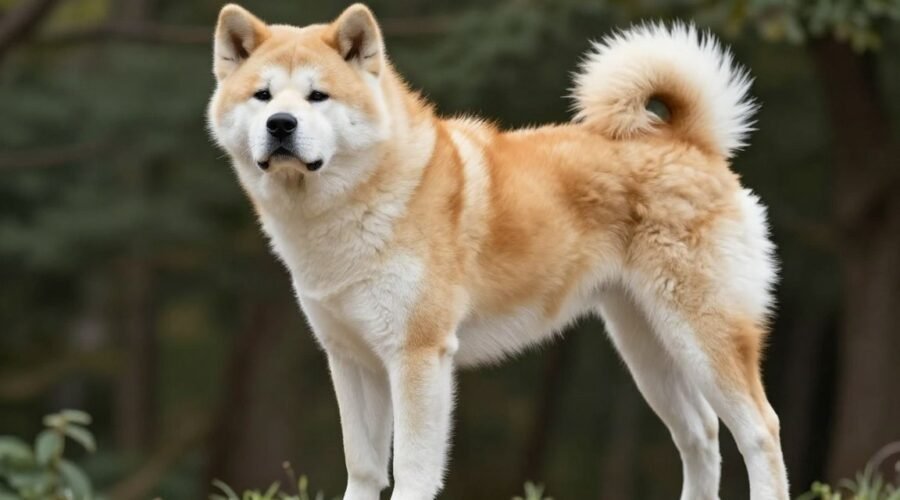
The Akita dog represents one of the most distinguished and revered breeds in canine history. Originating from the mountainous regions of northern Japan, this powerful and dignified breed has captured hearts worldwide with its unwavering loyalty and striking appearance. Whether you’re considering adding an Akita to your family or simply want to learn about this remarkable breed, understanding their unique characteristics is essential.
This comprehensive guide explores everything you need to know about Akita dogs. From their ancient origins to modern care requirements, you’ll discover what makes these dogs truly special. The information provided here will help you make informed decisions about Akita ownership and appreciation.
Origin and History of the Akita Dog

Ancient Japanese Heritage
The Akita dog breed traces its roots back more than 300 years to the Akita Prefecture in northern Japan. These powerful dogs originally served as hunting companions for Japanese nobility. The breed was developed to track and hunt large game including wild boar, deer, and even bears in the harsh mountain terrain.
During the Edo period, Akitas became symbols of good health, prosperity, and good fortune in Japanese culture. The breed gained such prestigious status that ownership was often restricted to the imperial family and ruling aristocracy. This elevated position in society shaped the breed’s development for centuries.
Near Extinction and Recovery
The breed faced near extinction during World War II. Food shortages and government orders to confiscate dogs for their fur nearly eliminated the Akita population. Dedicated breeders worked tirelessly after the war to restore the breed. They carefully selected breeding stock to preserve the Akita’s distinctive characteristics.
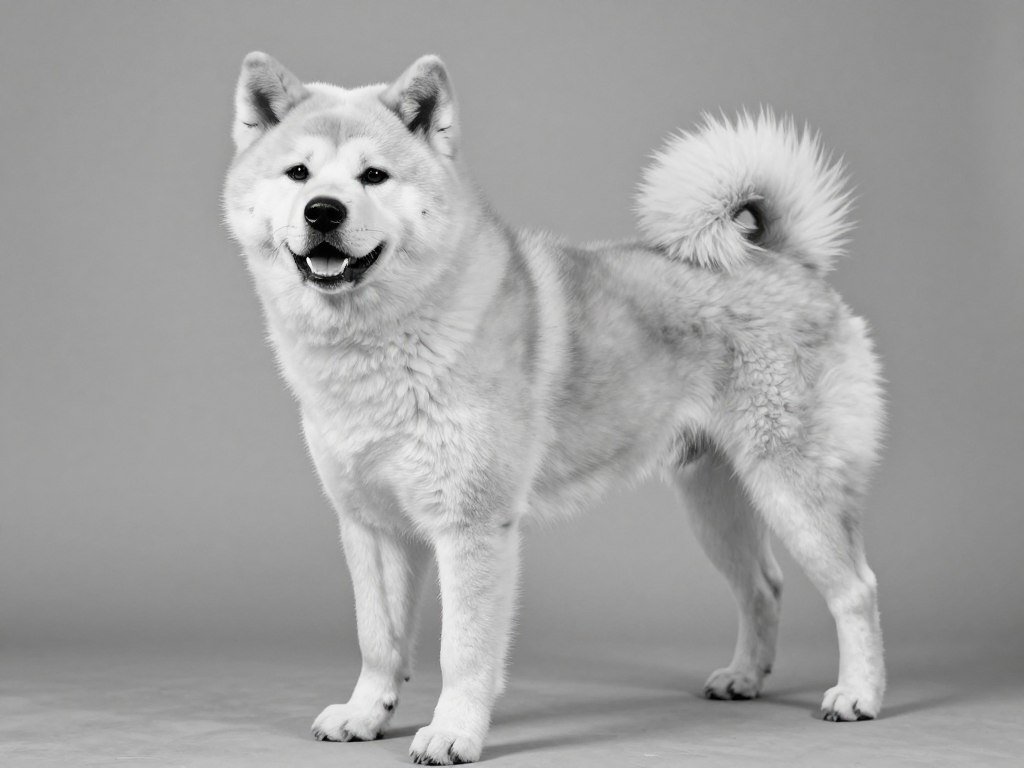
American servicemen stationed in Japan after the war fell in love with the breed. They brought Akitas back to the United States, where the breed developed slightly differently than their Japanese counterparts. This led to the recognition of two distinct types: the Japanese Akita Inu and the American Akita.
The Legend of Hachiko
No discussion of Akita history is complete without mentioning Hachiko. This loyal Akita dog waited at Shibuya Station in Tokyo every day for nine years after his owner’s death. Hachiko’s devotion became a national symbol of loyalty in Japan. A bronze statue at the station honors this faithful dog to this day.
The story spread worldwide and significantly increased interest in the breed. Movies, books, and documentaries have shared Hachiko’s tale with millions. This remarkable story perfectly captures the Akita’s legendary loyalty and devotion to family.
Japanese Akita Characteristics
The Japanese Akita Inu maintains stricter breed standards with specific color requirements and fox-like facial features.
- Limited color variations allowed
- Smaller, more refined build
- Fox-like head shape
- Almond-shaped eyes only
American Akita Features
American Akitas show greater variation in appearance with a larger, more substantial build and diverse coloring.
- All colors accepted in breeding
- Heavier bone structure overall
- Bear-like head appearance
- Variable eye shape permitted
Historical Working Roles
Throughout history, Akitas served multiple purposes beyond companionship in Japanese society.
- Large game hunting partners
- Guard dogs for nobility
- Symbols of status and prestige
- Ceremonial gift representations
Modern Recognition
Today’s kennel clubs worldwide recognize and celebrate the Akita as a distinct and valued breed.
- AKC recognition since 1972
- Working group classification standard
- International breed standards established
- Popular show and companion dog
Physical Characteristics of the Akita Breed
Size and Build
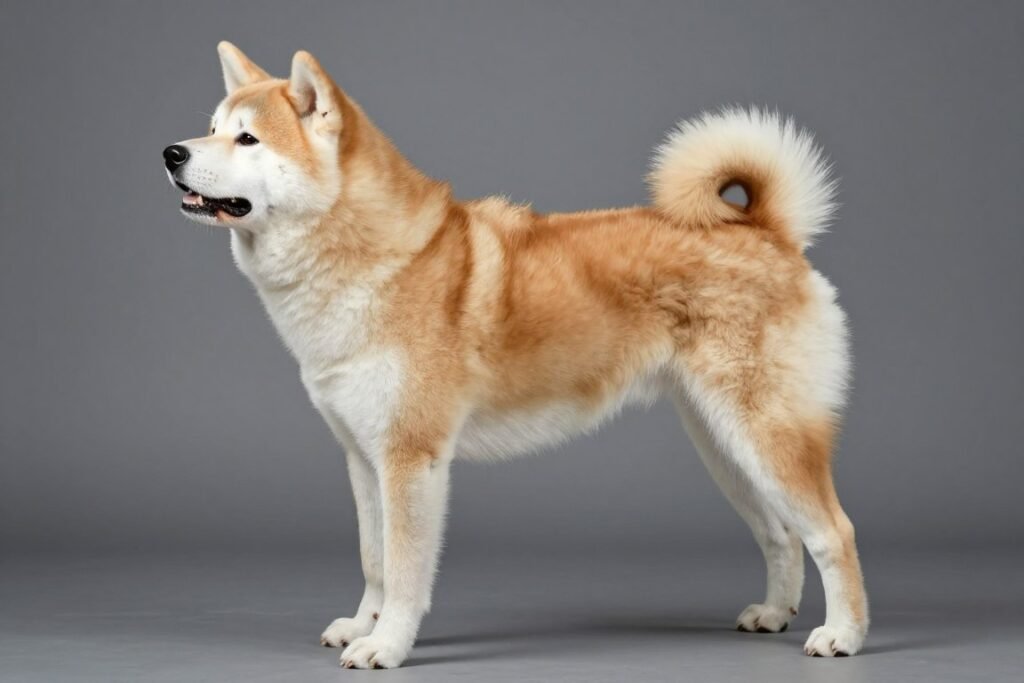
Akita dogs are large, powerful animals with substantial bone structure. Males typically stand between 26 and 28 inches at the shoulder. Females measure slightly smaller at 24 to 26 inches. This impressive height contributes to their commanding presence.
Weight varies considerably between individual dogs. Male Akitas generally weigh between 100 and 130 pounds. Female dogs typically range from 70 to 100 pounds. These weights reflect the breed’s substantial, muscular build and dense bone structure.
| Measurement | Male Akita | Female Akita |
| Height at Shoulder | 26-28 inches | 24-26 inches |
| Weight Range | 100-130 pounds | 70-100 pounds |
| Body Length | Slightly longer than tall | Slightly longer than tall |
| Chest Depth | Half the height at shoulder | Half the height at shoulder |
Coat and Colors
The Akita’s double coat provides excellent protection against harsh weather. The outer coat consists of coarse, straight guard hairs. The undercoat features soft, dense fur that provides insulation. This combination keeps dogs comfortable in cold climates.
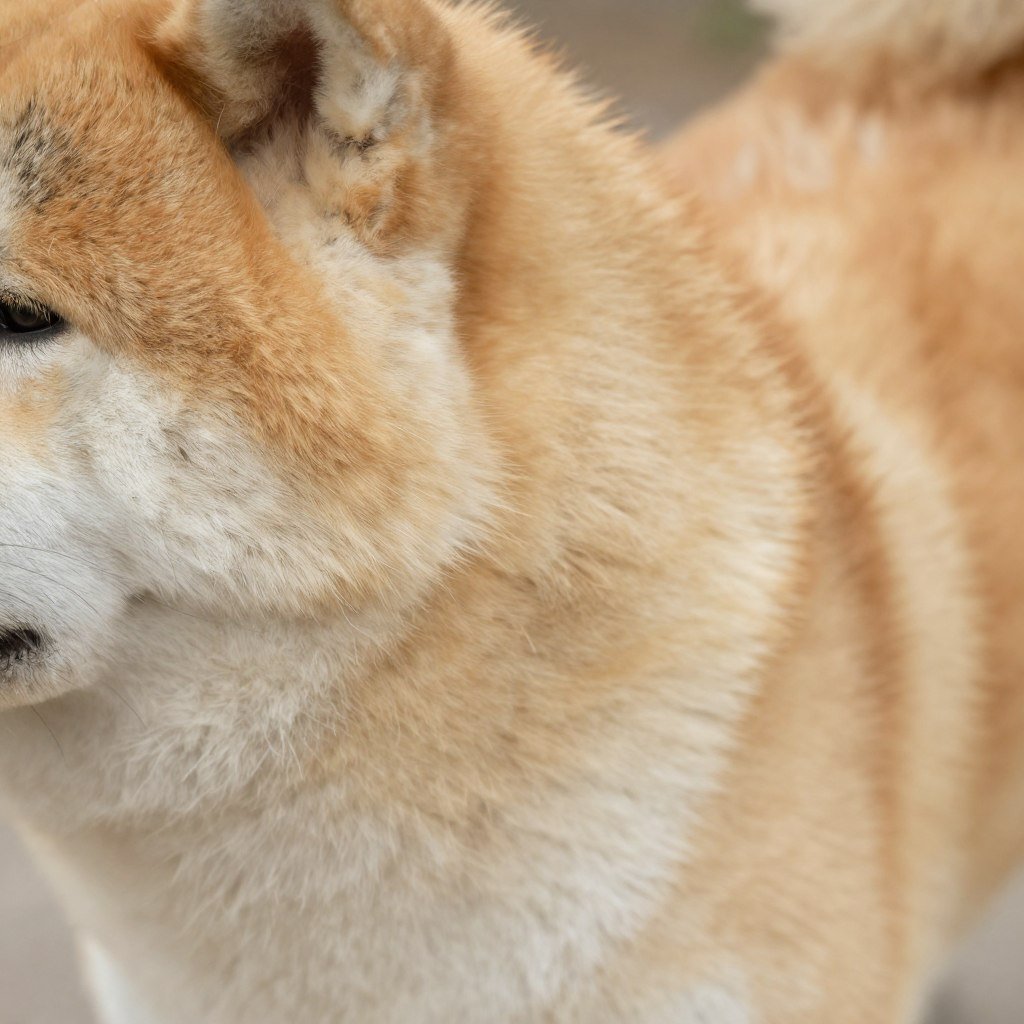
American Akitas display a wide variety of coat colors. Common colors include white, brindle, and pinto patterns. Red, fawn, and various shades of brown also appear frequently. The breed standard accepts any color combination.
Japanese Akita Inu breed standards are more restrictive regarding color. Acceptable colors include red, fawn, sesame, brindle, and pure white. Pinto patterns are not permitted in Japanese breed standards. These color restrictions help maintain traditional breed appearance.
Common Coat Colors
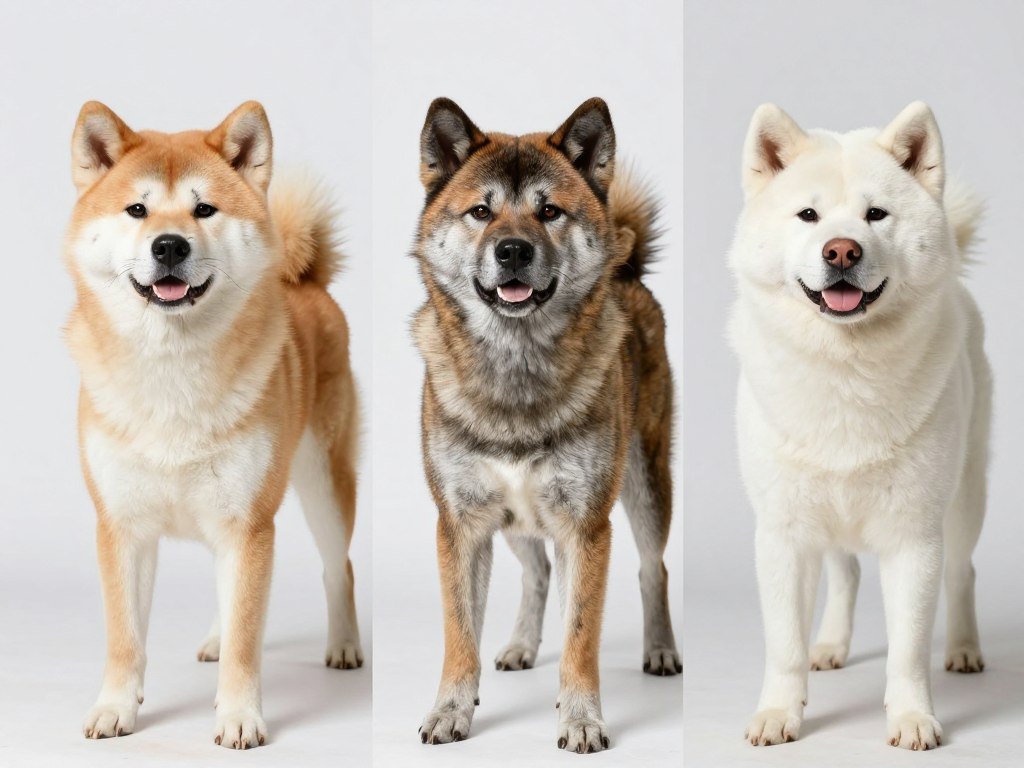
- Pure white without markings
- Red with white markings
- Brindle patterns on various backgrounds
- Fawn shades ranging light to dark
Distinctive Markings
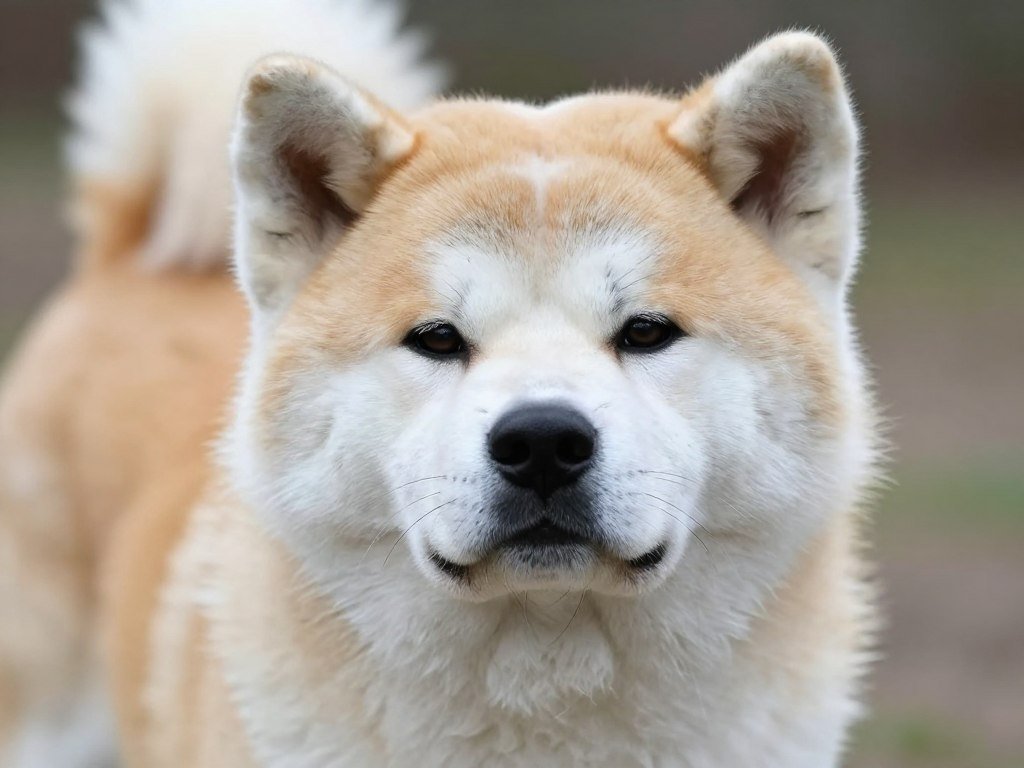
- Urajiro white markings on cheeks
- White chest and underside areas
- Dark facial masks on some dogs
- Symmetrical facial blazes occasionally
Coat Maintenance Needs
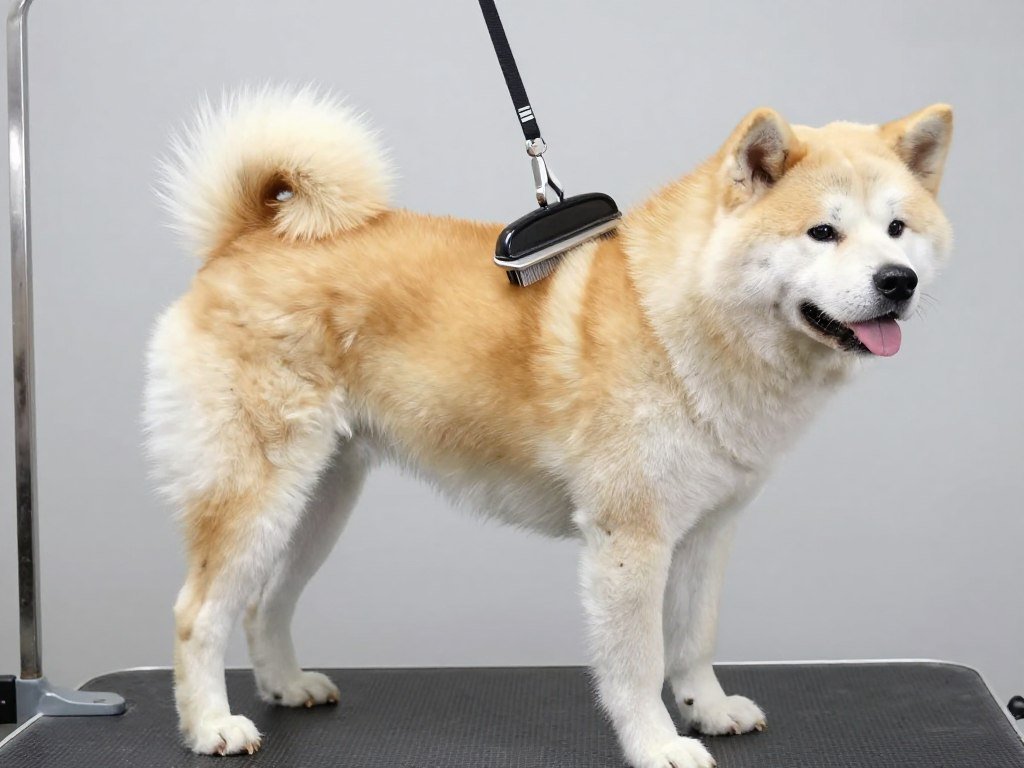
- Heavy shedding twice per year
- Regular brushing prevents matting always
- Minimal bathing requirements needed
- Professional grooming optional for owners
Head and Facial Features
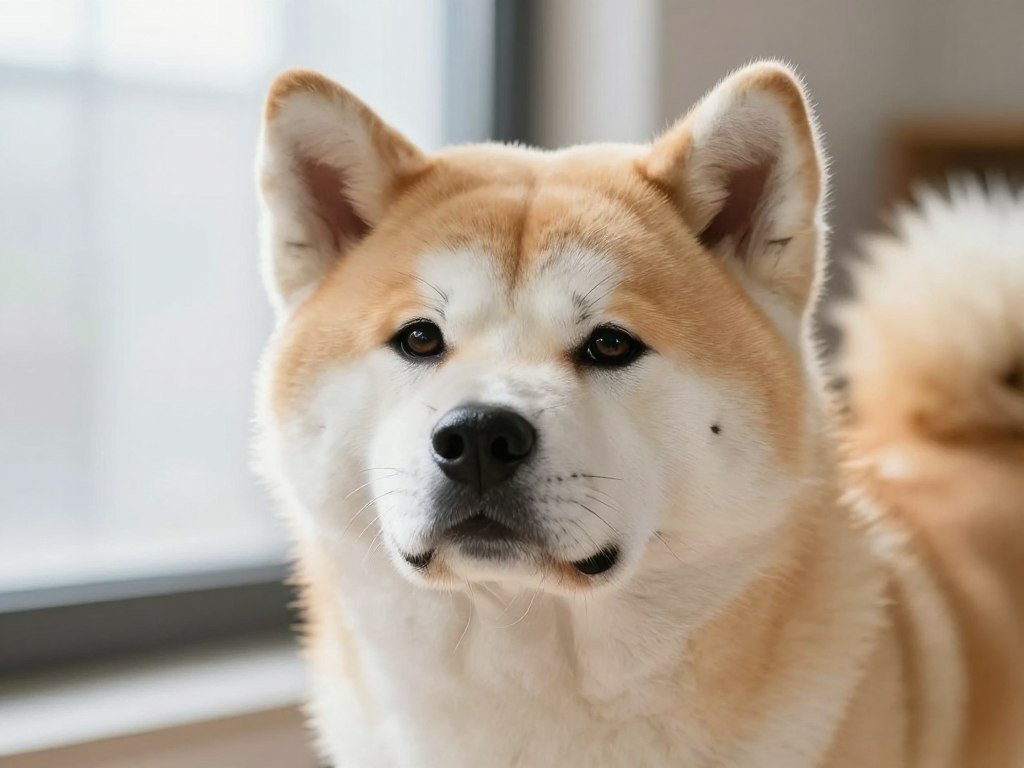
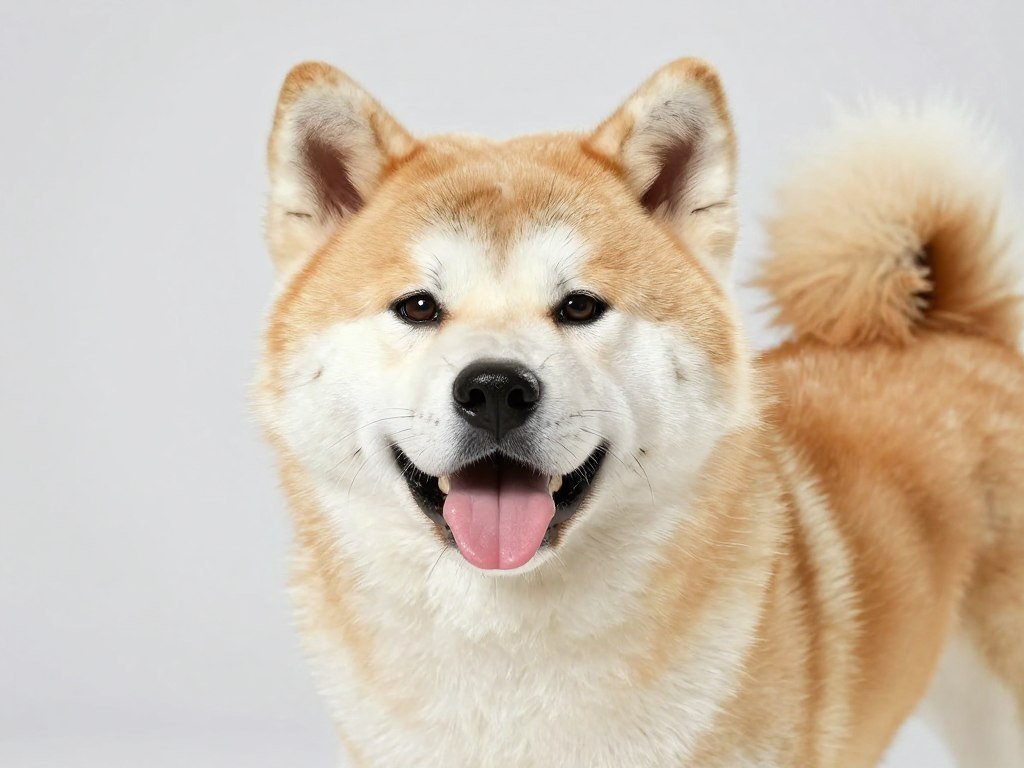
The Akita’s head is broad and massive in proportion to the body. The skull appears flat between the ears with a distinct stop. American Akitas have a bear-like head shape. Japanese Akitas display a more fox-like appearance.
Eyes are small, triangular, and set deep in the skull. The eye color is dark brown, regardless of coat color. This consistent eye color contributes to the breed’s alert, intelligent expression. Eyes should never appear light or protruding.
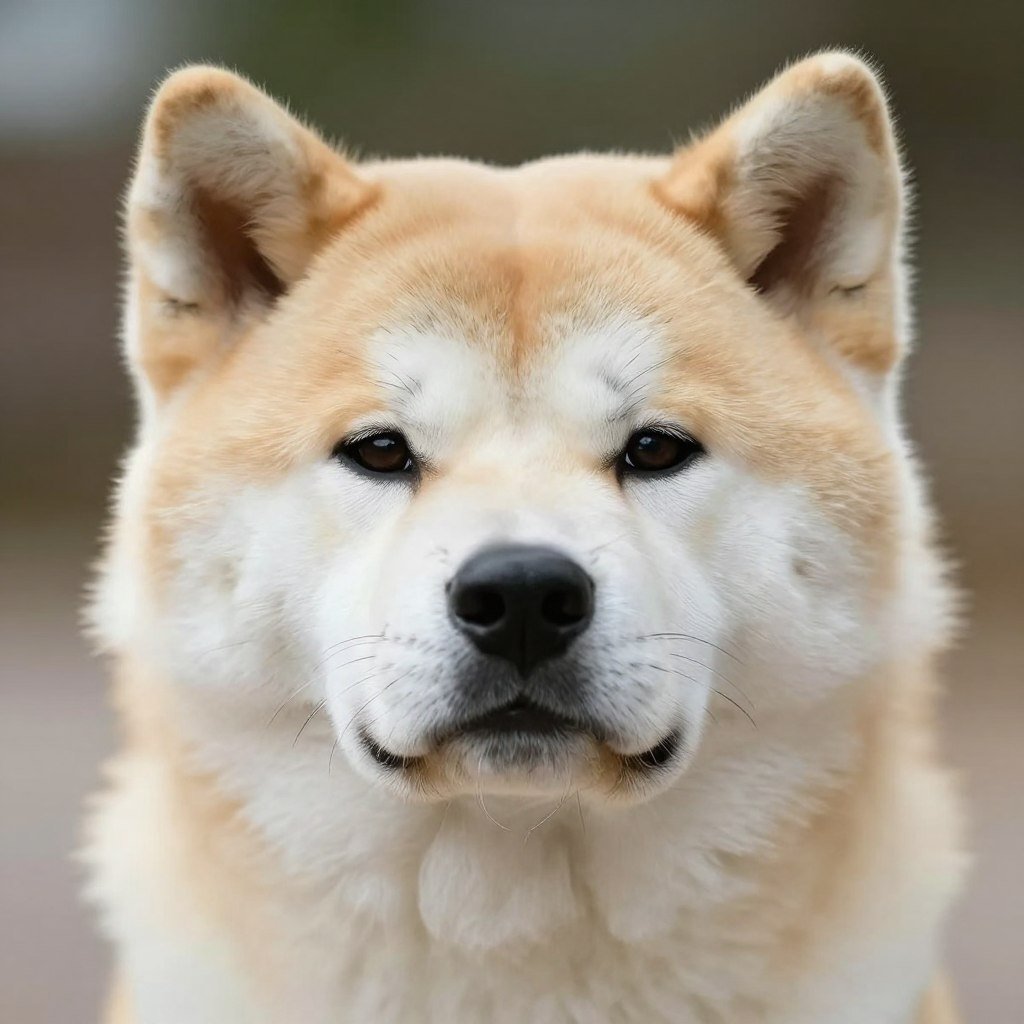
Ears are thick, triangular, and slightly rounded at the tips. They stand firmly erect and tilt forward. The ears are set wide apart on the head. Ear position and carriage contribute significantly to the breed’s alert, dignified expression.
Body Structure and Movement
The body is longer than tall with a level topline. The chest is deep and well-developed. Ribs are well-sprung, providing ample lung capacity. This structure supports the breed’s endurance and strength.
Legs are straight with heavy bone structure throughout. The front legs stand parallel when viewed from the front. Rear legs show moderate angulation at the stifle. This construction provides power and balance for movement.
The tail is the breed’s most distinctive feature. It sets high on the back and curls over in a gentle or double curl. A full, generous plume covers the tail. The tail should never hang straight or appear sparse.
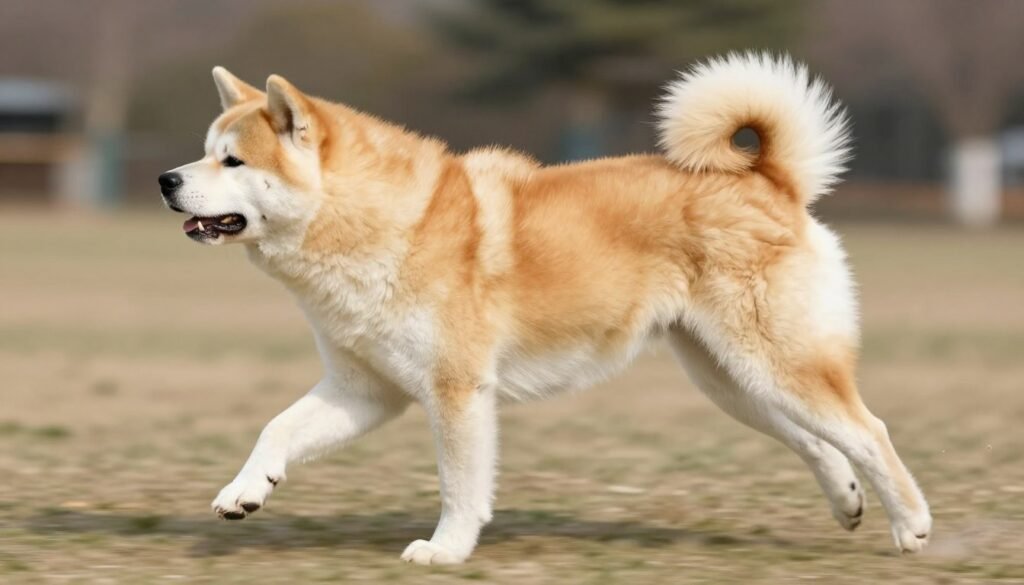
Akitas move with brisk, powerful strides. The gait appears smooth and efficient. Front and rear legs move in parallel planes. This movement reflects the breed’s working heritage and physical capabilities.
Temperament and Personality Traits
Loyalty and Bonding
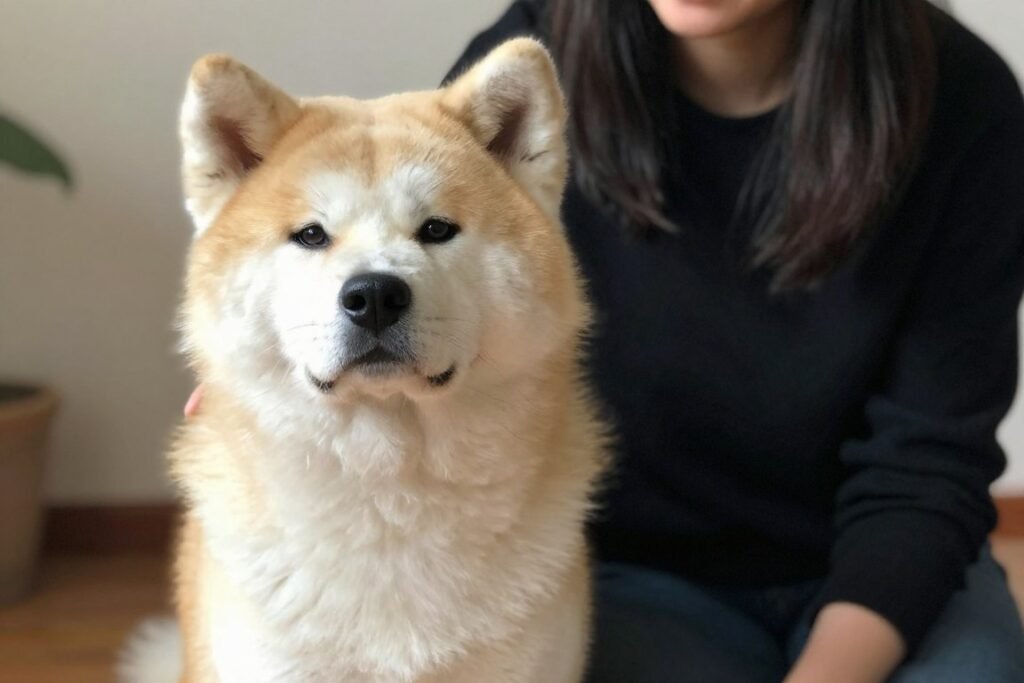
Akita dogs form incredibly strong bonds with their families. This intense loyalty defines the breed’s character. Once an Akita accepts you as family, their devotion knows no bounds. The breed’s loyalty extends to all family members equally.
These dogs often choose one person as their primary attachment. However, they remain protective and loving toward all household members. This focused devotion stems from centuries of breeding as guardian companions. The Akita dog takes their protective role seriously.
Independence and Intelligence
Akitas possess remarkable intelligence paired with strong independence. They think for themselves and make decisions without constant direction. This trait made them excellent hunting partners historically. Modern owners must understand this independent nature.
Training an Akita requires patience and consistency. These dogs respond best to respectful, positive methods. Harsh corrections damage the relationship with this sensitive breed. Intelligence means they learn quickly but may choose when to comply.
Behavior with Strangers
Akitas tend to be reserved and cautious around strangers. This wariness is natural and protective, not aggressive. Proper socialization helps Akitas distinguish between normal visitors and actual threats. Without socialization, this caution can become problematic.
The breed does not welcome strangers with enthusiasm like some other dogs. They prefer to observe and assess new people from a distance. Once an Akita accepts someone, they warm up gradually. This reserved nature makes them excellent watchdogs.
Early and ongoing socialization helps Akitas develop appropriate responses to strangers. Exposing puppies to various people, places, and situations creates confidence. Well-socialized Akitas can distinguish between welcome guests and unwelcome intruders. This training is essential for the breed.
Interaction with Other Animals
Akitas tend to be dominant with other dogs. Same-sex aggression is common in the breed. Many Akitas prefer being the only dog in the household. Those raised with other pets from puppyhood may accept them.
Positive Personality Traits
- Extremely loyal to family members always
- Courageous and protective of home territory
- Quiet indoors with calm demeanor usually
- Dignified and clean in habits consistently
- Intelligent and capable of learning quickly
- Affectionate with trusted family members deeply
Challenging Personality Aspects
- Strong-willed and independent minded often
- Reserved or aloof with strangers typically
- Dominant with other dogs frequently encountered
- High prey drive toward small animals
- Requires experienced, confident owner leadership
- Can be possessive of food and toys
The Akita’s prey drive remains strong from their hunting heritage. Small animals including cats may trigger chasing behavior. Supervision is necessary around small pets always. Some Akitas never accept cats or other small animals safely.
Family Compatibility
Akitas can make wonderful family pets in the right home. They are patient and protective with children they know well. However, their size and strength require supervision around young children. An Akita’s play can accidentally knock down small kids.
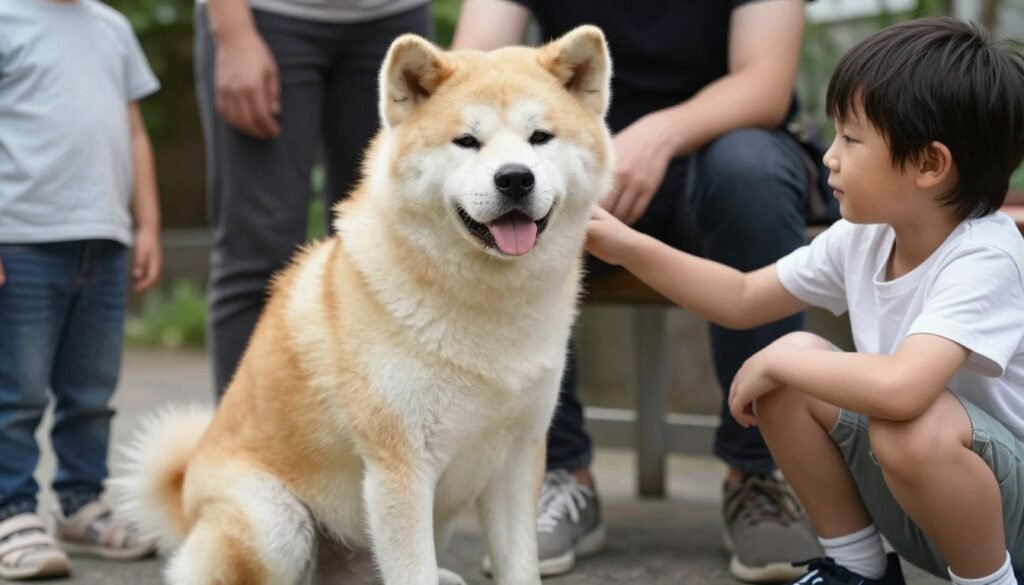
The breed does best with older children who understand proper dog interaction. Teaching children to respect the dog’s space prevents problems. Akitas typically tolerate children’s activities patiently within the family. They may not extend this tolerance to visiting children.
Families considering an Akita should honestly assess their lifestyle. This breed needs confident leadership and consistent rules. They thrive in structured environments with clear boundaries. The right family creates a loyal, devoted companion for life.
Is an Akita Right for Your Family?
Download our comprehensive assessment guide to evaluate if the Akita breed matches your lifestyle, experience level, and family situation. This free resource includes a detailed questionnaire, expert insights, and honest evaluation criteria to help you make an informed decision.
Care and Grooming Requirements
Coat Care and Shedding
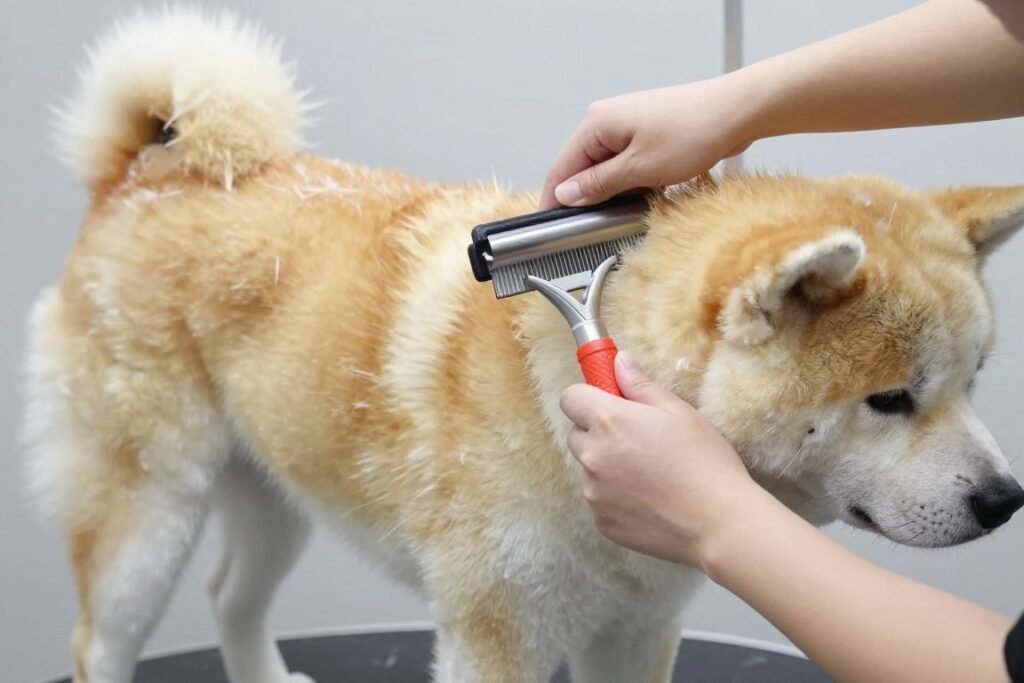
The Akita’s double coat requires regular maintenance throughout the year. Weekly brushing removes loose hair and prevents matting. During shedding season, daily brushing becomes necessary. This coat care keeps your home cleaner and your dog comfortable.
Akitas experience two major shedding periods annually. These “coat blows” typically occur in spring and fall. During these times, the undercoat releases in large quantities. Expect dramatic amounts of fur throughout your home for several weeks.
An undercoat rake proves invaluable during heavy shedding periods. This tool reaches through the guard hairs to remove loose undercoat efficiently. A slicker brush works well for routine maintenance between major sheds. Pin brushes help smooth the outer coat.

Bathing and Hygiene
Akitas are naturally clean dogs that require infrequent bathing. Bathe your Akita only when noticeably dirty or smelly. Over-bathing strips natural oils from the coat and skin. Most Akitas need baths only three to four times per year.
Use a high-quality dog shampoo formulated for double coats. Thoroughly wet the coat down to the skin before applying shampoo. The dense undercoat resists water penetration. Complete rinsing is essential to prevent skin irritation from residual shampoo.
Drying an Akita’s coat takes considerable time and effort. Towel dry as much as possible initially. A high-velocity dryer speeds the process significantly. Ensure the undercoat dries completely to prevent hot spots and skin problems. Damp undercoat creates perfect conditions for bacterial growth.
Nail, Ear, and Dental Care
Trim your Akita’s nails every three to four weeks. Long nails cause discomfort and affect gait. Use sharp, high-quality nail clippers designed for large dogs. Cut conservatively to avoid the quick inside each nail.
Weekly Care Tasks
- Brush coat thoroughly to remove loose fur
- Check ears for dirt, odor, or redness
- Brush teeth with dog-safe toothpaste
- Inspect paws for cuts or foreign objects
- Check skin for hot spots or irritation
Check ears weekly for signs of infection or excessive wax buildup. Clean ears with a veterinarian-approved ear cleaner when needed. The Akita’s erect ears generally stay cleaner than drop ears. However, regular inspection prevents problems from developing unnoticed.
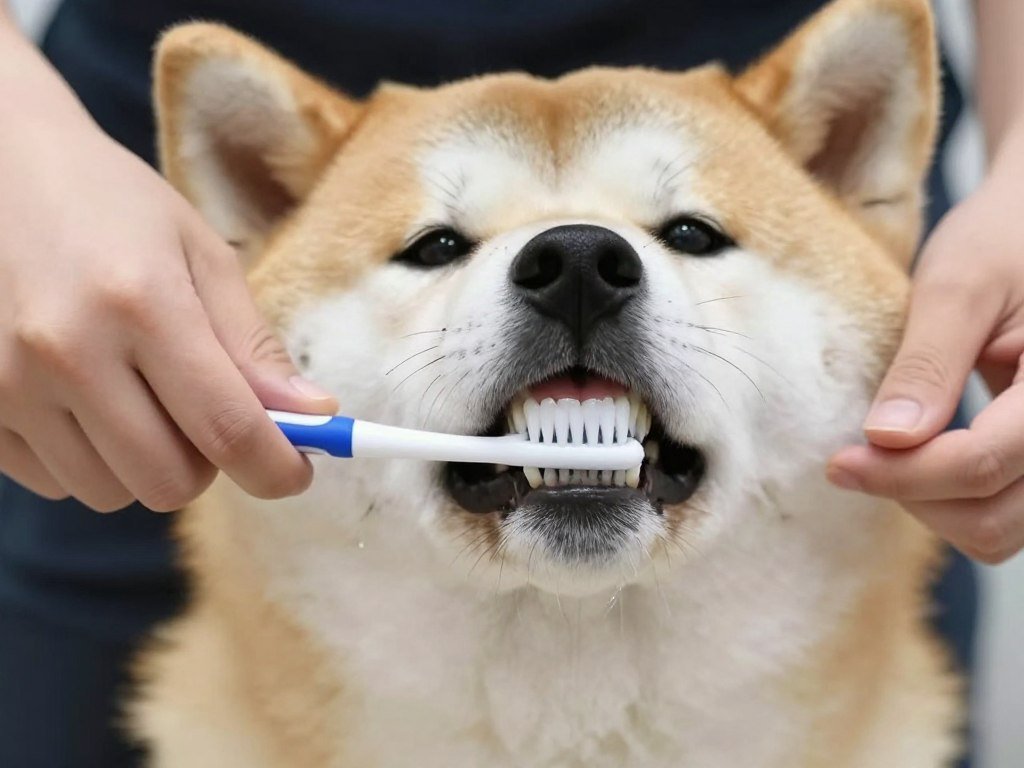
Dental care is crucial for overall health throughout your Akita’s life. Brush teeth several times weekly using dog toothpaste. Never use human toothpaste on dogs. Dental chews and toys supplement but don’t replace brushing. Professional dental cleanings may be necessary as your dog ages.
Exercise and Activity Needs
Akitas require moderate daily exercise to maintain physical and mental health. Adult dogs need at least one hour of activity per day. This exercise can be divided into multiple shorter sessions. Quality matters more than quantity for this breed.
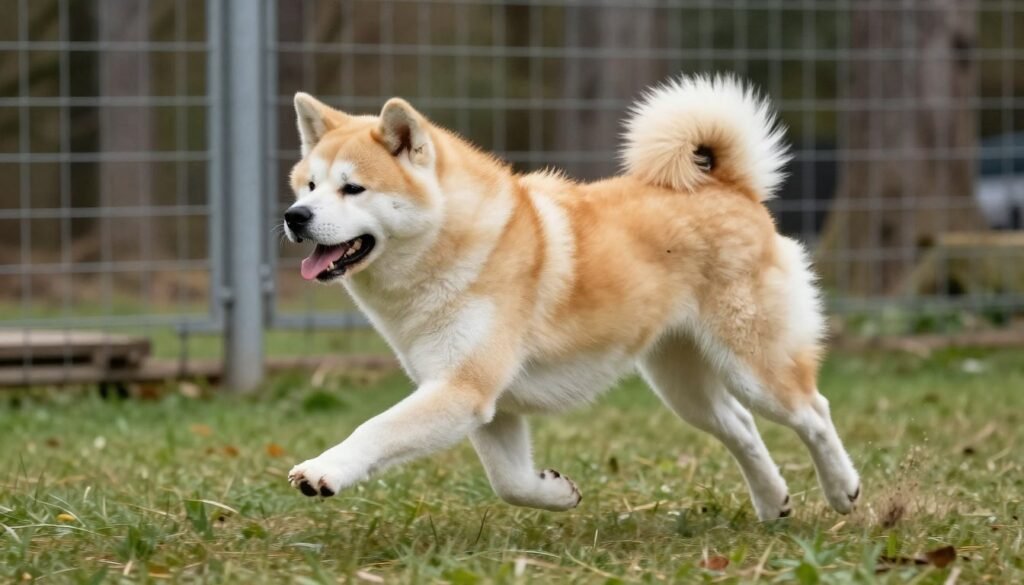
Walking provides excellent exercise while reinforcing training and bonding. Akitas enjoy exploring their environment at a steady pace. Avoid dog parks due to the breed’s tendency toward dog aggression. Secure, fenced areas allow safe off-leash exercise for recall-trained dogs.
Mental stimulation is equally important as physical exercise for intelligent Akitas. Puzzle toys, training sessions, and interactive games prevent boredom. A bored Akita may develop destructive behaviors. Rotating toys maintains interest and engagement over time.
Nutrition and Feeding
Feed your Akita a high-quality diet appropriate for large breed dogs. Adult Akitas typically eat three to five cups of food daily. Divide this amount into two meals to reduce bloat risk. Individual needs vary based on age, activity level, and metabolism.
Large breed puppy formulas support proper growth in young Akitas. These foods contain appropriate calcium and phosphorus levels. Rapid growth in puppies can contribute to joint problems later. Controlled growth through proper nutrition protects developing bones and joints.
| Life Stage | Daily Food Amount | Feeding Frequency | Special Considerations |
| Puppy (8-12 weeks) | 3-4 cups | 3-4 meals per day | Large breed puppy formula required |
| Puppy (3-6 months) | 4-5 cups | 3 meals per day | Monitor growth rate carefully always |
| Puppy (6-12 months) | 5-6 cups | 2 meals per day | Transition to adult food gradually |
| Adult (1-7 years) | 3-5 cups | 2 meals per day | Adjust for activity level needs |
| Senior (7+ years) | 2.5-4 cups | 2 meals per day | Senior formula with joint support |
Monitor your Akita’s body condition regularly. You should feel ribs easily but not see them prominently. Obesity stresses joints and contributes to other health problems. Adjust food amounts as needed to maintain ideal weight throughout life.
Bloat is a serious concern in deep-chested breeds like Akitas. Feed smaller meals rather than one large daily feeding. Avoid vigorous exercise immediately before and after meals. Raised food bowls may increase bloat risk despite popular belief. Discuss bloat prevention strategies with your veterinarian.
Training and Socialization Needs
Early Socialization Importance
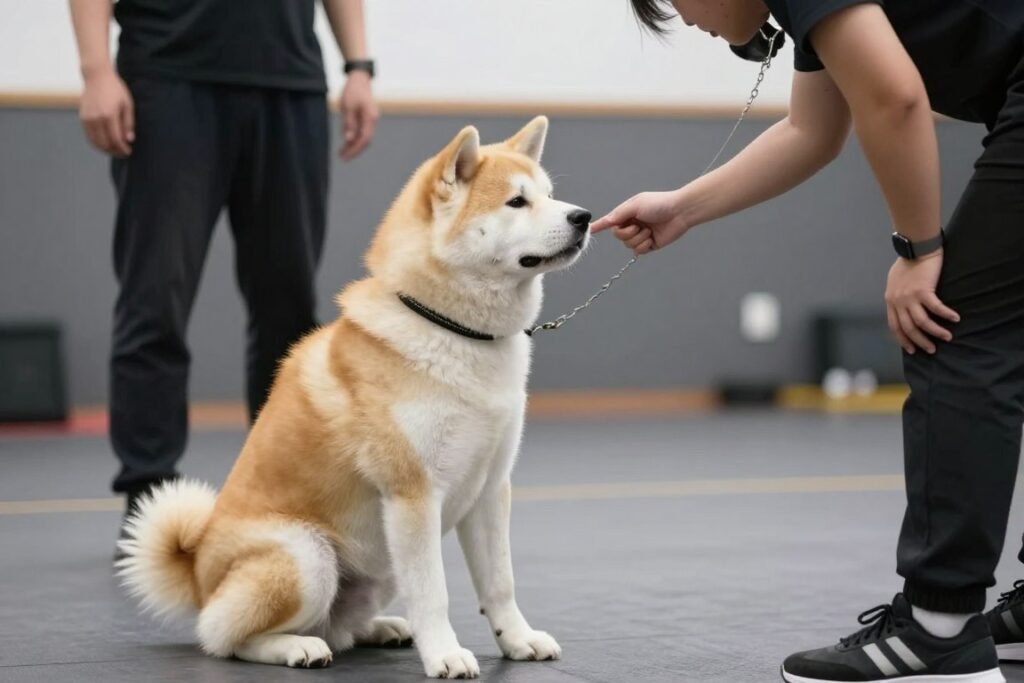
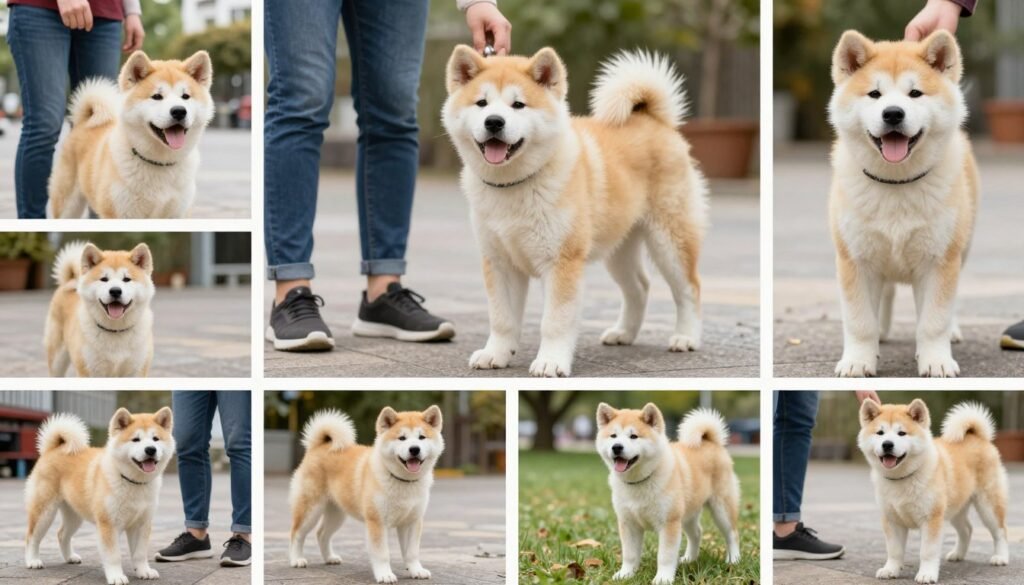
Socialization must begin immediately when bringing an Akita puppy home. The critical socialization window closes around 16 weeks of age. Exposing puppies to various experiences during this time shapes their adult personality. Well-socialized Akitas become confident, balanced adults.
Introduce your puppy to different people of all ages gradually. Include people wearing hats, using wheelchairs, or carrying umbrellas. These varied experiences teach puppies that differences are normal. Positive associations during these introductions create lasting impressions.
Expose puppies to various environments beyond your home and yard. Visit pet-friendly stores, parks, and neighborhoods regularly. Different surfaces, sounds, and smells build confidence. Each positive experience expands your puppy’s comfort zone significantly.
Basic Obedience Training
Start training your Akita puppy immediately upon arrival. Begin with simple commands like sit, down, and stay. Use positive reinforcement methods exclusively with this sensitive breed. Food rewards, praise, and play motivate Akitas effectively.
Consistency is absolutely essential when training Akita dogs. Everyone in the household must use the same commands and rules. Mixed messages confuse the dog and slow progress. Establish household rules early and enforce them consistently always.
- Positive reinforcement with treats and praise
- Short, frequent training sessions daily
- Consistency in commands and expectations
- Patience with the independent Akita nature
- Making training fun and engaging
- Building on previous success gradually
Effective Training Methods
- Harsh corrections or physical punishment
- Long, repetitive training sessions
- Inconsistent rules or commands used
- Frustration or impatience during training
- Boring, drill-style repetitive exercises
- Expecting too much progress too quickly
Methods to Avoid
Training sessions should remain short and positive. Akitas become bored with excessive repetition. Five to ten minute sessions several times daily work better than hour-long sessions. End each session on a positive note before frustration develops.
Leash Training and Walking
Leash training is crucial given the Akita’s size and strength. Begin leash training as soon as your puppy comes home. Use a properly fitted collar or harness. A six-foot leash provides control while allowing some freedom.
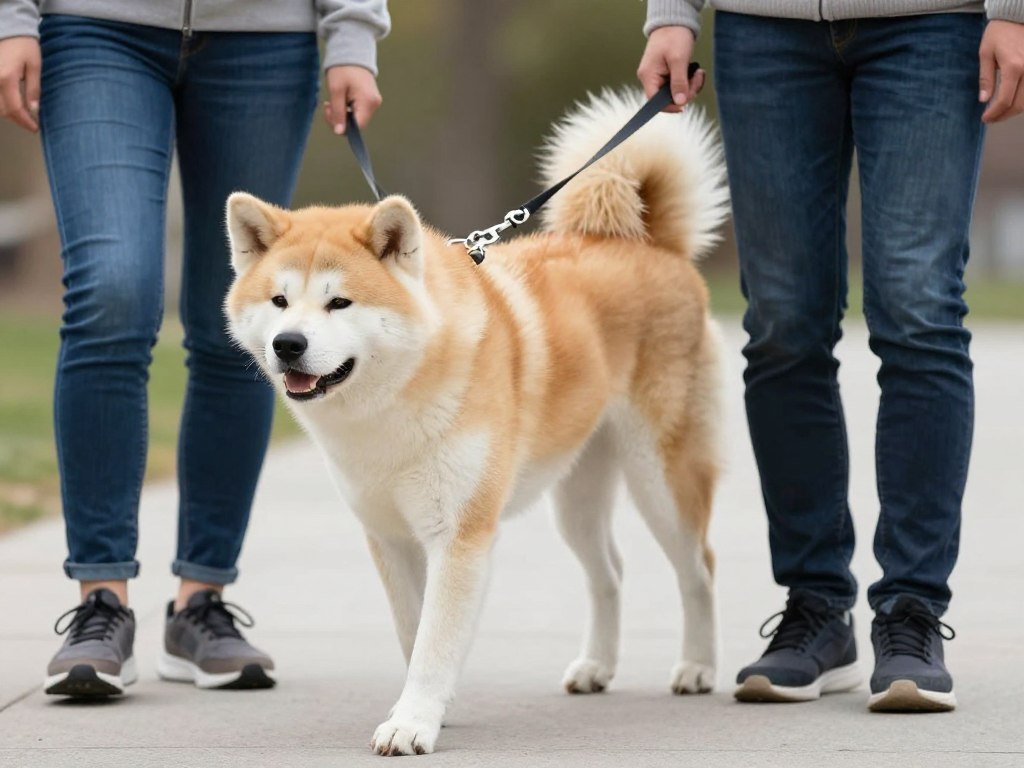
Teach loose-leash walking through positive reinforcement. Reward your Akita for walking without pulling. Stop moving forward when the dog pulls. This teaches that pulling doesn’t achieve the desired goal of moving forward.
Practice leash walking in low-distraction environments initially. Gradually increase distractions as skills improve. Akitas can become reactive to other dogs on walks. Cross the street or create distance when encountering other dogs. Management prevents rehearsal of unwanted behaviors.
Recall Training
Reliable recall is challenging but essential for Akita safety. Begin recall training in a secure, enclosed area. Use high-value treats your Akita loves. Call your dog enthusiastically and reward generously for coming.
Never call your Akita for something unpleasant. This includes baths, nail trims, or ending playtime. These negative associations undermine recall training. Instead, go get your dog when necessary for unpleasant activities.
Practice recall regularly in various environments and situations. Gradually increase distractions as reliability improves. However, never trust an Akita off-leash in unfenced areas. The breed’s prey drive and independence make recall unreliable in high-distraction situations.
Managing Dominant Behavior
Akitas test boundaries, especially during adolescence. Establish yourself as a fair, consistent leader. Leadership means controlling resources, not physical dominance. The dog earns privileges through polite behavior.
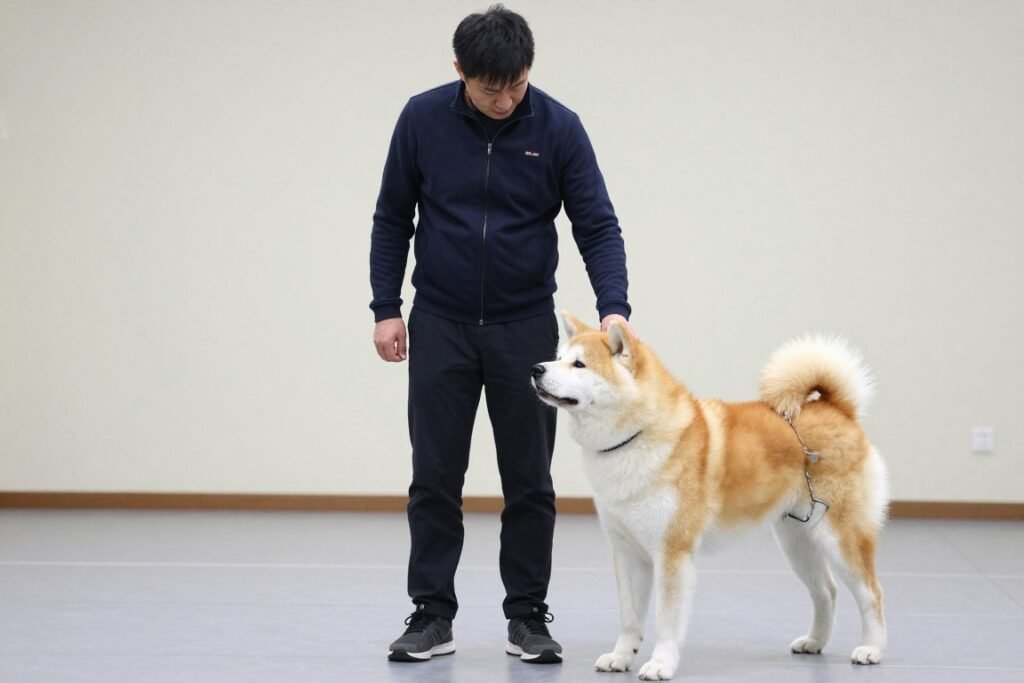
Resource guarding can develop in Akitas without proper training. Teach your puppy that people approaching their food bowl is positive. Add treats to the bowl while the puppy eats. This creates positive associations with human proximity during meals.
Address any signs of aggression or possessiveness immediately. Consult a professional dog trainer experienced with the breed. Early intervention prevents minor issues from becoming serious problems. Akitas require knowledgeable handling to develop into well-adjusted adults.
Find Professional Akita Training Support
Connect with experienced dog trainers who specialize in working with Akita dogs and similar breeds. Professional guidance helps you navigate the unique challenges of training this intelligent, independent breed and prevents common behavioral problems.
Health Considerations and Common Conditions
Life Expectancy and Wellness
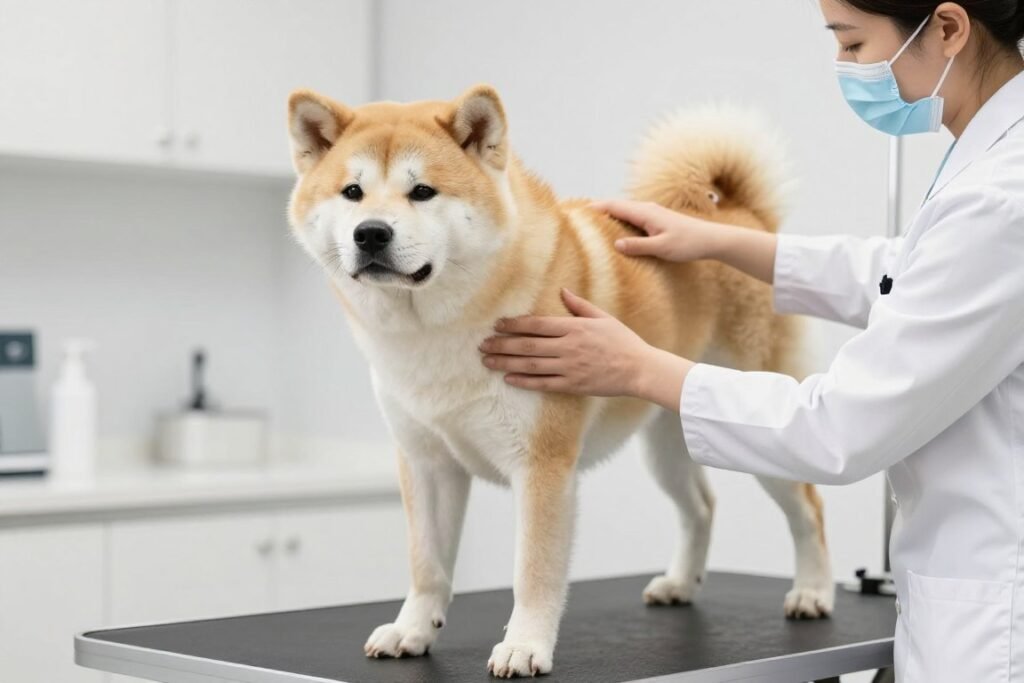
Akita dogs typically live between 10 and 13 years. Proper care, nutrition, and preventive health measures can maximize lifespan. Regular veterinary checkups detect problems early when treatment is most effective. Establishing a relationship with a trusted veterinarian is essential.
Annual wellness examinations should include physical assessment and blood work. Senior dogs benefit from twice-yearly checkups starting around age seven. These examinations often reveal issues before obvious symptoms appear. Early detection significantly improves treatment outcomes for many conditions.
Hip Dysplasia
Hip dysplasia is a common inherited condition in large dog breeds. This developmental disorder causes abnormal formation of the hip joint. The ball and socket don’t fit together properly. Over time, this leads to arthritis and pain.
Reputable breeders screen breeding dogs for hip dysplasia using radiographs. The Orthopedic Foundation for Animals (OFA) evaluates and certifies hips. Only dogs with good or excellent hip scores should be bred. Always ask to see health clearances when selecting a puppy.
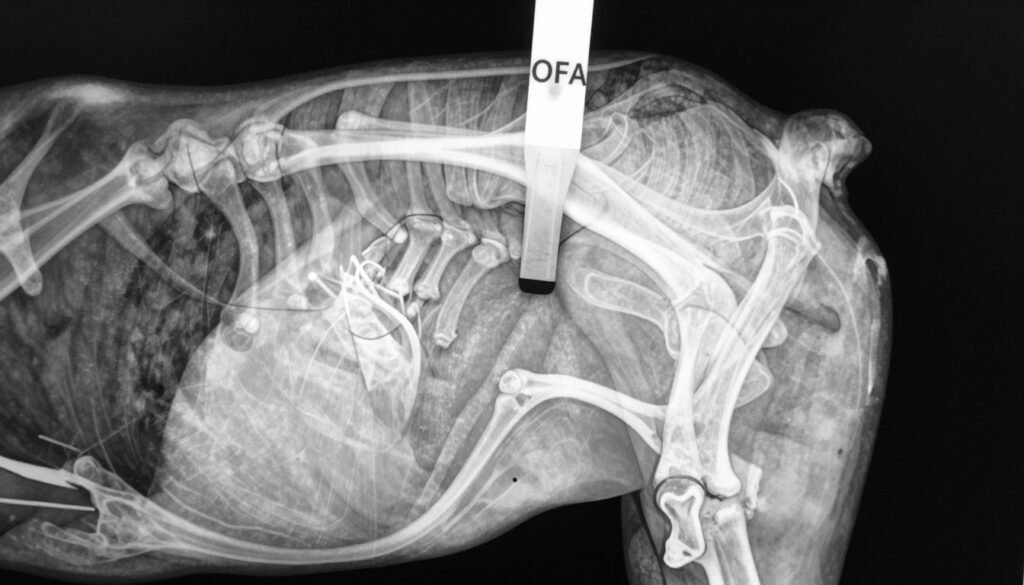
Symptoms of hip dysplasia include difficulty rising, reluctance to jump or climb stairs, and bunny-hopping gait. Pain may cause decreased activity and muscle loss in the hind legs. Treatment options range from weight management and supplements to surgical intervention.
Preventing hip dysplasia in susceptible puppies involves controlled growth. Feed large breed puppy food to avoid rapid growth. Maintain lean body condition throughout the dog’s life. Excess weight stresses developing and mature joints significantly.
Eye Conditions
Several eye conditions affect Akita dogs with varying severity. Progressive retinal atrophy (PRA) causes gradual vision loss leading to blindness. This inherited disease has no treatment. Genetic testing identifies carriers to prevent producing affected puppies.
Cataracts cause cloudiness in the eye lens affecting vision. Some cataracts are inherited while others develop with age. Surgical removal can restore vision in appropriate cases. Regular eye examinations detect cataracts early.
| Eye Condition | Symptoms | Treatment Options | Prevention |
| Progressive Retinal Atrophy | Night blindness, dilated pupils, gradual vision loss | No treatment available currently | Genetic testing before breeding dogs |
| Cataracts | Cloudy appearance in eye, vision impairment | Surgical removal in severe cases | Breeding from clear parents only |
| Glaucoma | Eye pain, redness, cloudy cornea, vision loss | Medications or surgery to reduce pressure | Regular eye pressure screening recommended |
| Entropion | Eyelid rolling inward, eye irritation, discharge | Surgical correction is usually necessary | Selecting dogs with proper eyelid conformation |
Glaucoma results from increased pressure within the eye. This painful condition can cause permanent vision loss rapidly. Emergency veterinary care is necessary when glaucoma is suspected. Medications can control pressure if started promptly.
Hypothyroidism
Hypothyroidism occurs when the thyroid gland produces insufficient hormones. This endocrine disorder is relatively common in Akitas. Symptoms include weight gain, lethargy, hair loss, and skin problems. Behavioral changes may also occur with thyroid disease.
Diagnosis requires blood tests measuring thyroid hormone levels. Treatment involves daily thyroid hormone replacement medication. Most dogs respond well to treatment with symptoms resolving. Regular monitoring ensures medication dosage remains appropriate as the dog ages.
Bloat (Gastric Dilatation-Volvulus)
Bloat is a life-threatening emergency affecting deep-chested breeds. The stomach fills with gas and may twist on itself. This twisting cuts off blood supply and traps gas. Without immediate surgery, bloat is fatal.
Symptoms include restlessness, unsuccessful attempts to vomit, and abdominal distension. The dog may drool excessively and show signs of pain. Any suspicion of bloat requires emergency veterinary care immediately. Minutes matter with this condition.
Risk factors include eating one large meal daily, rapid eating, and exercise around mealtimes. Feed multiple smaller meals rather than one large feeding. Use slow-feeder bowls if your dog eats too quickly. Avoid vigorous activity for one hour before and after meals.
Autoimmune Conditions
Akitas are predisposed to several autoimmune diseases. Immune-mediated conditions occur when the body attacks its own tissues. Sebaceous adenitis affects skin glands causing hair loss and skin problems. This condition has no cure but can be managed.
Autoimmune thyroiditis causes hypothyroidism through immune system attack on the thyroid. Vogt-Koyanagi-Harada syndrome is a rare autoimmune disease affecting the eyes, skin, and nervous system. Symptoms include vision changes, skin depigmentation, and neurological signs.
Warning Signs Requiring Immediate Veterinary Attention
- Difficulty breathing or rapid breathing patterns
- Unproductive retching or unsuccessful vomiting attempts
- Distended, hard abdomen or visible bloating
- Collapse, weakness, or inability to stand
- Seizures or neurological symptoms appearing
- Bleeding that doesn’t stop with pressure
- Sudden eye cloudiness or apparent vision loss
Health Testing for Breeding Dogs
Responsible breeders conduct extensive health testing before breeding. Hip dysplasia evaluation through OFA or PennHIP is essential. Eye examinations by a veterinary ophthalmologist should be current. Thyroid testing screens for autoimmune thyroiditis.
Genetic tests are available for several inherited conditions. These DNA tests identify carriers of disease genes. Breeding decisions based on test results reduce disease incidence. Always request copies of health clearances when selecting a puppy.
Essential Health Screenings
Reputable Akita breeders perform these minimum health tests on all breeding dogs before mating.
- Hip dysplasia OFA or PennHIP evaluation
- Eye examination by veterinary ophthalmologist
- Thyroid function blood panel testing
- Cardiac examination for heart conditions
Recommended Additional Tests
Progressive breeders may conduct additional genetic and health tests for comprehensive screening.
- Progressive retinal atrophy DNA test
- Elbow dysplasia radiographic screening regularly
- Autoimmune panel blood testing periodically
- Patellar luxation physical examination assessment
Puppy Health Guarantees
Quality breeders provide health guarantees protecting buyers against genetic conditions and early health problems.
- Written contract with health guarantee terms
- Coverage for genetic defects typically included
- Time period usually two to three years
- Veterinary examination required within specified time
Ongoing Health Monitoring
Throughout your Akita’s life, regular health monitoring catches problems early when most treatable.
- Annual veterinary wellness examinations required
- Blood work screening starting at age
- Dental cleanings as recommended by veterinarian
- Weight monitoring and body condition assessment
Find Veterinarians Experienced with Akita Dogs
Locate veterinary professionals in your area who have experience treating Akita dogs and are familiar with breed-specific health concerns. Establishing care with a knowledgeable vet ensures your dog receives appropriate preventive care and treatment.
What Makes Akitas Unique Among Dog Breeds
Cultural Significance and Symbolism
The Akita holds deep cultural significance in Japan beyond being simply a dog breed. These dogs symbolize good health, happiness, and long life. Small Akita statues are traditional gifts for new parents and those recovering from illness. This cultural importance has existed for centuries.
Japanese mothers historically received Akita figurines when a baby was born. The gift represented wishes for the child’s health and protection. Similarly, friends gave Akita statues to sick people as symbols of speedy recovery. These traditions continue in modern Japan.
The breed was designated as a national treasure in Japan in 1931. This official recognition protected Akitas during difficult times. The designation acknowledged the breed’s historical and cultural importance to Japanese heritage. Few dog breeds receive such high national honor.
Distinctive Physical Features
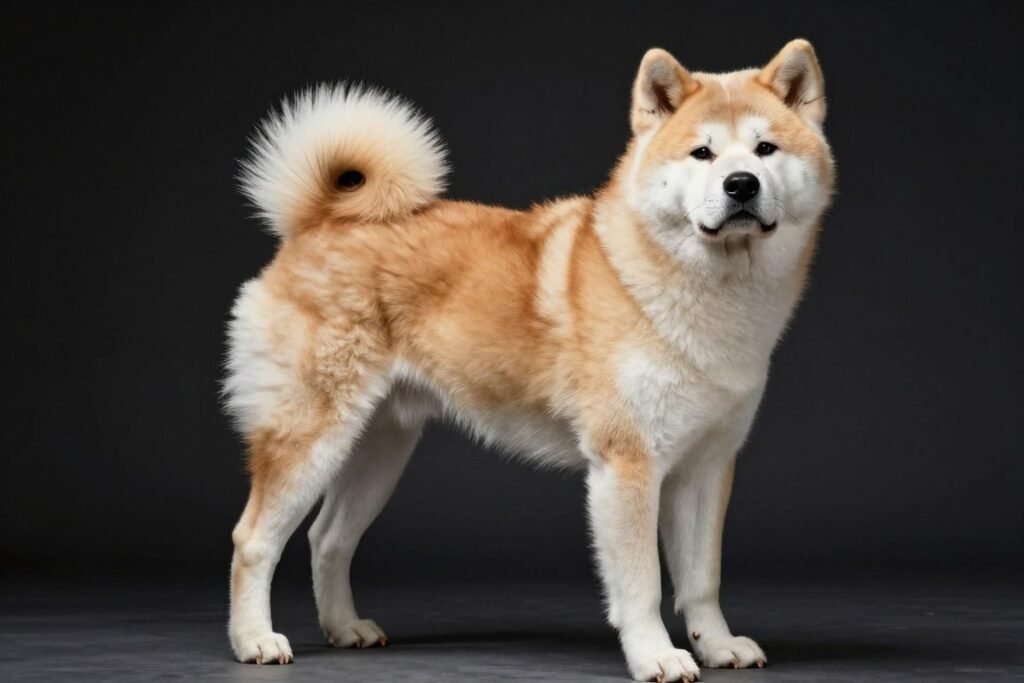
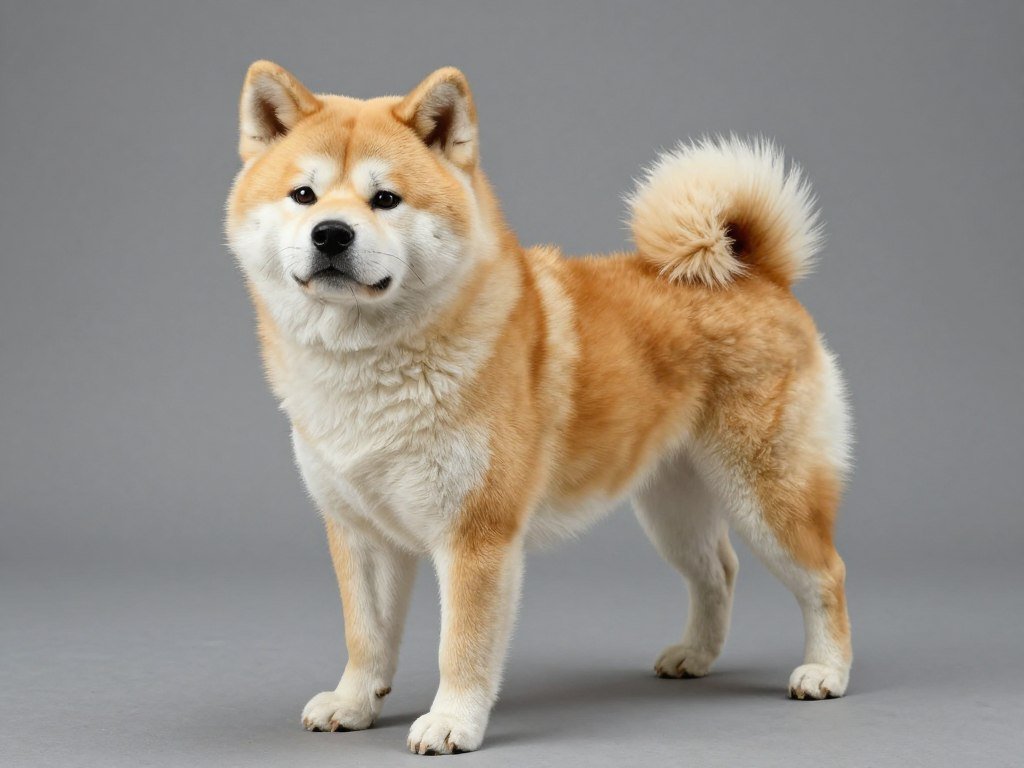
Several physical characteristics make Akitas immediately recognizable. The plush, curled tail is the breed’s signature feature. This tail curls over the back in a full or double curl. The generous plume of tail fur adds to the Akita’s majestic appearance.
The Akita’s bear-like or fox-like head creates an unforgettable expression. Small, triangular eyes give an alert, intelligent look. Thick, erect ears stand at attention constantly. These features combine to create the breed’s distinctive and dignified appearance.
Unique Behavioral Traits
Akitas display several unusual behaviors not commonly seen in other breeds. Many Akitas are fastidiously clean, almost cat-like in their grooming habits. They often clean their faces with their paws after eating. This natural cleanliness makes them pleasant house dogs.
The breed is known for being relatively quiet compared to many dogs. Akitas rarely bark without good reason. When they do vocalize, they make various sounds including grunts, moans, and mumbles. Some owners describe these vocalizations as the dog “talking.”
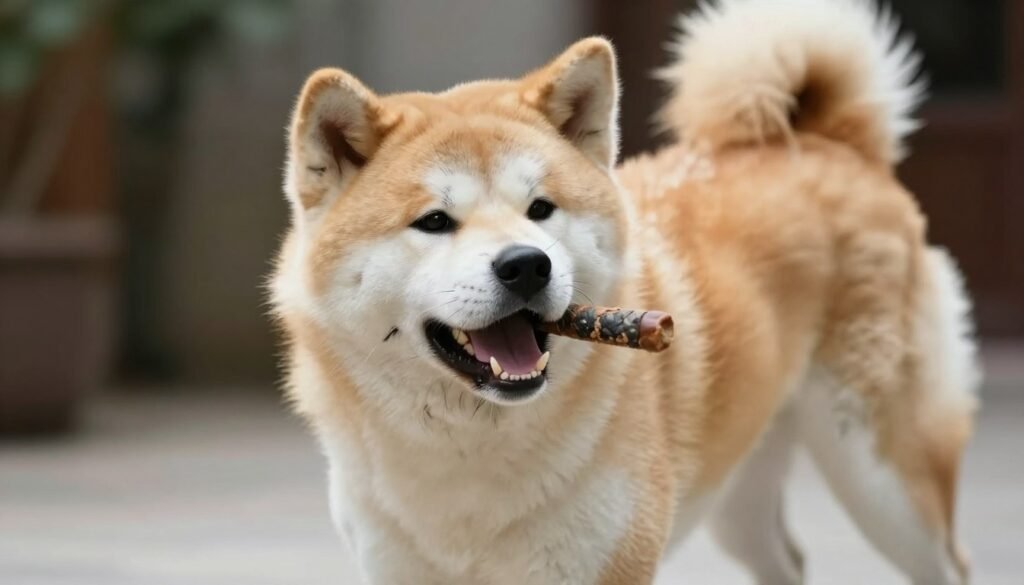
Akitas often carry objects in their mouths, even when not playing fetch. They may greet family members with toys or other items. This carrying behavior seems to be an expression of joy and greeting. The behavior is endearing and characteristic of the breed.
Working Heritage and Abilities
The Akita’s working history shaped many of their modern characteristics. Originally bred to hunt large, dangerous game, courage runs deep in the breed. This bravery makes them excellent guard dogs without specific training. Their natural protectiveness serves families well.
Despite their hunting background, Akitas can have gentle mouths. Many carry eggs without breaking them when properly trained. This soft mouth combined with strength creates a versatile working ability. The breed excels at various tasks when properly motivated.
Historical Roles
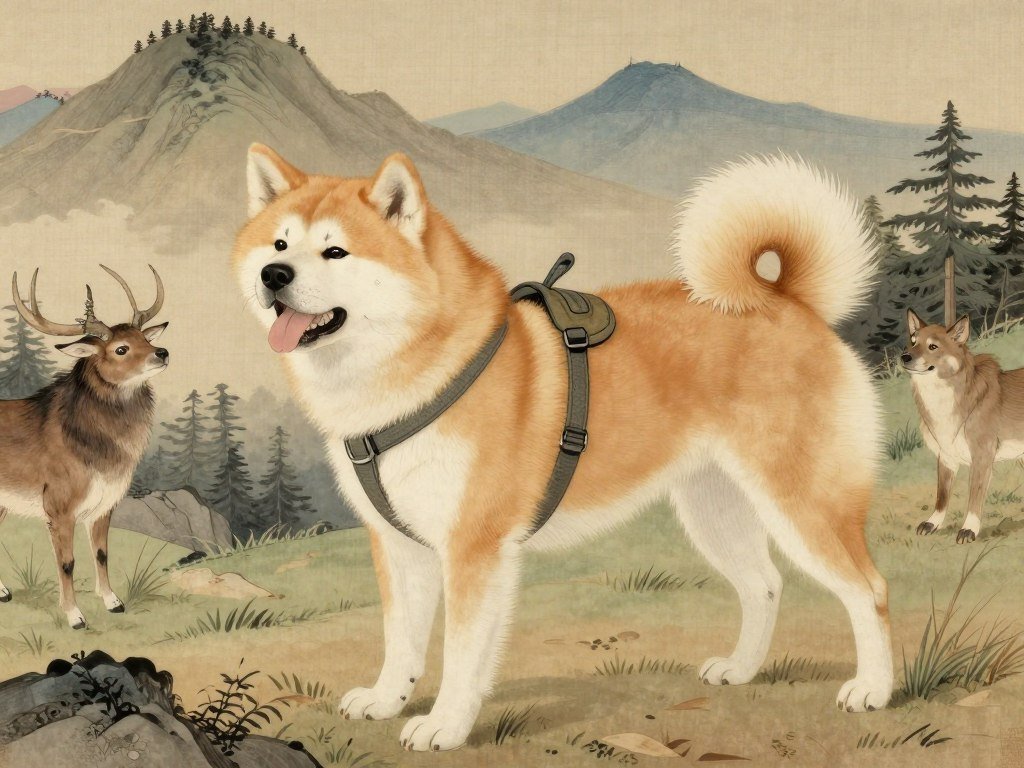
- Large game hunting companion always
- Estate and property guardian historically
- Symbol of status for nobility
- Ceremonial gift to important persons
Modern Capabilities
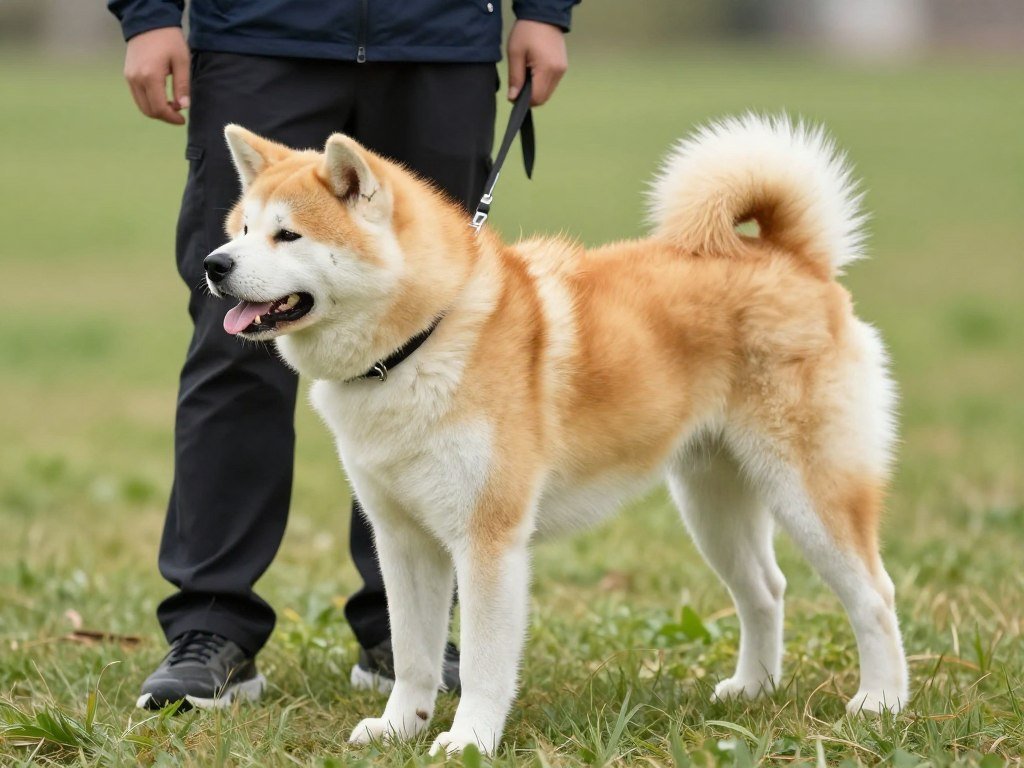
- Effective home and family protection
- Therapy dog work with proper temperament
- Search and rescue in some cases
- Companion for active outdoor people
Natural Instincts
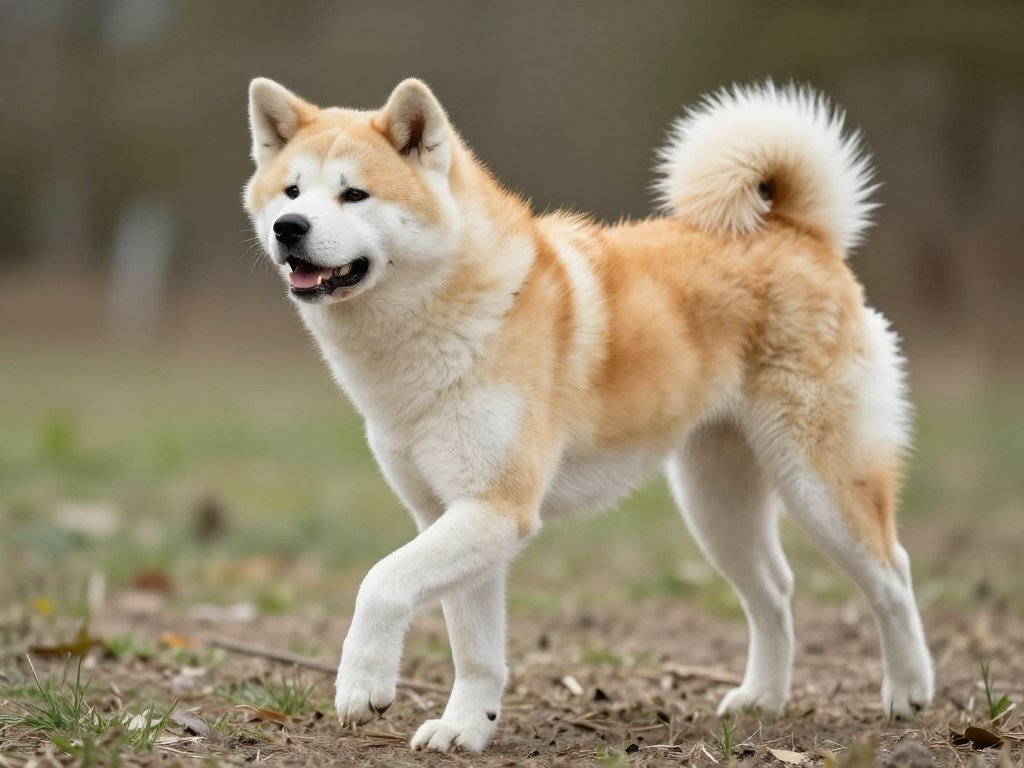
- Strong prey drive toward movement
- Territorial awareness and protective instinct
- Independent problem-solving ability shown
- Natural guarding without specific training
Comparison with Similar Breeds
Akitas are often compared to other large, spitz-type breeds. However, several factors distinguish them from similar dogs. Their size exceeds most other spitz breeds significantly. The Akita dog breed possesses a more substantial build than Siberian Huskies or Alaskan Malamutes.
Temperamentally, Akitas differ markedly from other northern breeds. While Huskies and Malamutes are generally friendly with everyone, Akitas are more reserved. The protective nature of Akitas contrasts with the social nature of many sled dog breeds. This fundamental difference affects their suitability for various homes.
| Breed Characteristic | Akita | Siberian Husky | Alaskan Malamute | Shiba Inu |
| Average Weight | 70-130 pounds | 35-60 pounds | 75-85 pounds | 17-23 pounds |
| Temperament with Strangers | Reserved and cautious | Friendly and outgoing | Friendly and social | Aloof but less intense |
| Dog Aggression Level | Moderate to high concern | Generally dog-friendly overall | Can be dog-aggressive | Selective with other dogs |
| Guard Dog Ability | Excellent natural guardian instinct | Poor guard dog qualities | Moderate guard dog ability | Alert but small size |
| Vocalization Tendency | Quiet, rarely barks unnecessarily | Very vocal with howling | Vocal with various sounds | Moderate barking and screaming |
| Exercise Requirements | Moderate daily exercise needs | Very high exercise demands | High exercise requirements needed | Moderate exercise is sufficient |
The Akita Personality
The Akita personality is complex and multifaceted. These dogs are dignified and reserved, yet deeply affectionate with their families. They combine independence with loyalty in a unique balance. Understanding this duality is key to appreciating the breed.
Akitas form incredibly strong emotional bonds with their people. They are happiest when near their family members. Despite their independence, they prefer being part of household activities. Leaving an Akita alone for long periods can lead to separation anxiety and destructive behavior.
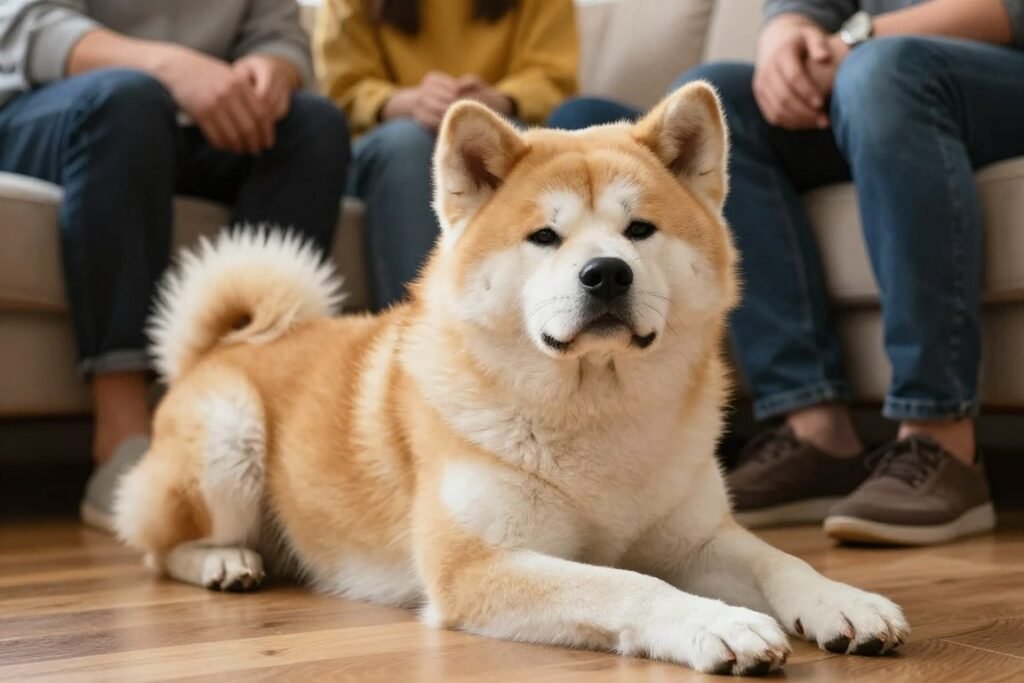
The breed’s sensitive nature surprises many people expecting a tough guard dog. Akitas respond poorly to harsh training methods or unfair treatment. They thrive with fair, consistent leadership and positive interactions. Respect must be mutual between Akita and owner always.
Finding and Choosing an Akita Dog
Choosing a Reputable Breeder
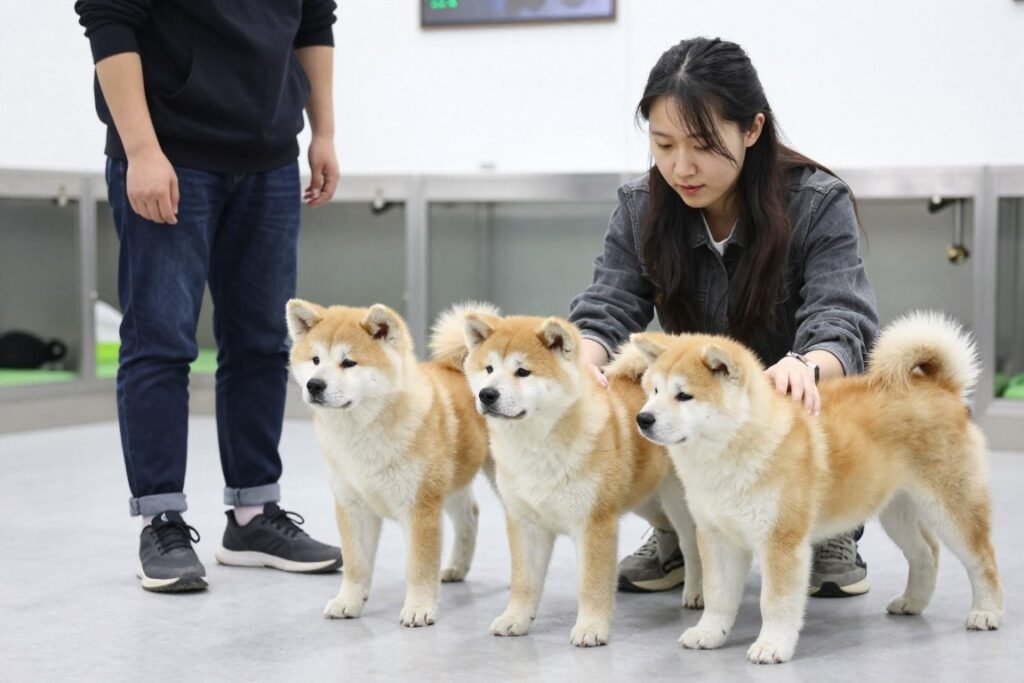
Finding a responsible breeder is crucial when acquiring an Akita puppy. Reputable breeders prioritize health, temperament, and breed preservation over profit. They conduct extensive health testing on all breeding dogs. These tests include hip evaluations, eye examinations, and thyroid screening at minimum.
Good breeders willingly share health clearances and pedigree information openly. They encourage potential buyers to visit and meet the parents. Meeting the mother, at minimum, provides insight into puppy temperament. The breeding environment should be clean and the dogs well-cared-for.
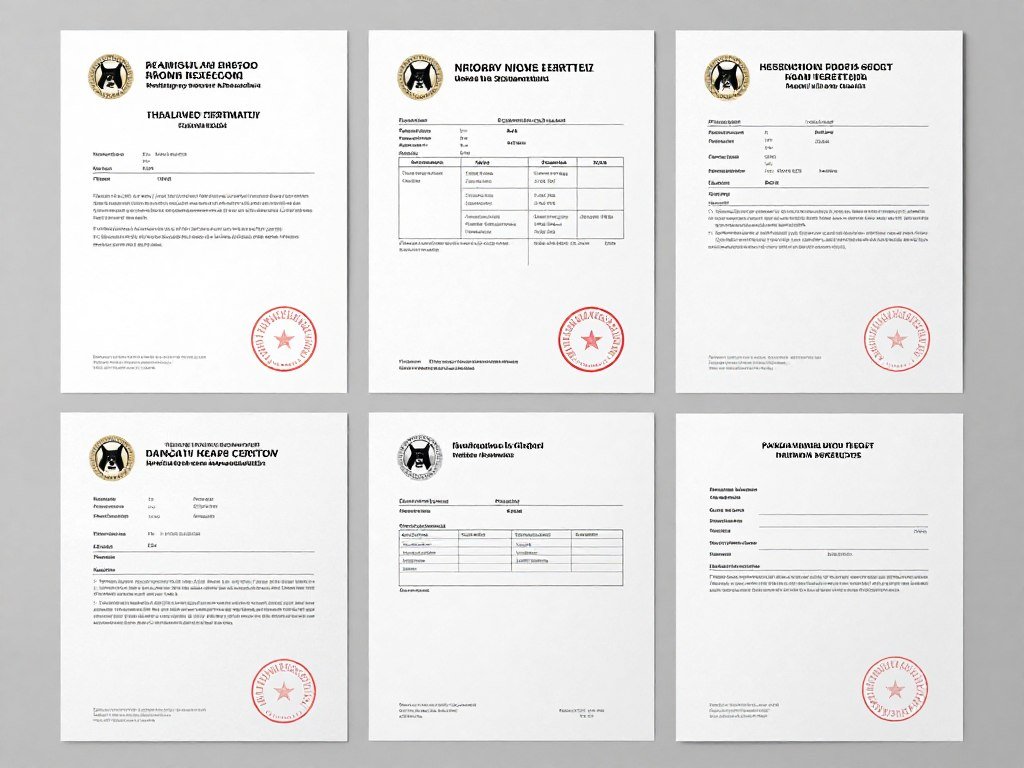
Responsible breeders carefully screen potential puppy buyers. They ask detailed questions about your lifestyle, experience, and expectations. This screening ensures puppies go to appropriate homes. A breeder who sells to anyone without questions is a red flag.
Questions to Ask Breeders
Prepare a list of questions before contacting breeders. Ask about health testing performed on the parents. Request to see copies of hip certifications, eye clearances, and other tests. Inquire about the parents’ temperaments and any titles they hold.
- What health tests have the parents completed
- May I see copies of all clearances
- What is the health guarantee provided specifically
- Have any relatives had health problems noted
- What support do you offer after purchase
Questions About Health
- How would you describe both parents’ temperaments
- Have the parents shown any aggression issues
- How are the puppies being socialized currently
- What temperament testing do you conduct regularly
- Can I meet both parents if possible
Questions About Temperament
- How long have you been breeding Akitas
- How many litters do you produce yearly
- Are you involved with the kennel club actively
- Do you show or work your dogs
- What is your breeding philosophy and goals
Questions About Breeding Program
Ask about the breeder’s experience with the breed. How long have they been breeding Akitas specifically. What is their involvement with breed clubs and kennel club activities. Dedicated breeders remain involved in the Akita community actively.
Inquire about the breeder’s policies regarding returns and support. Good breeders commit to taking dogs back if circumstances change. They offer lifetime support and guidance to puppy buyers. This ongoing relationship benefits both dog and owner.
Adoption and Rescue Options
Akita rescue organizations provide another option for adding an Akita to your family. These groups rescue abandoned, surrendered, and homeless Akitas. They evaluate dogs carefully and match them with appropriate homes. Adoption fees are typically much lower than puppy prices.
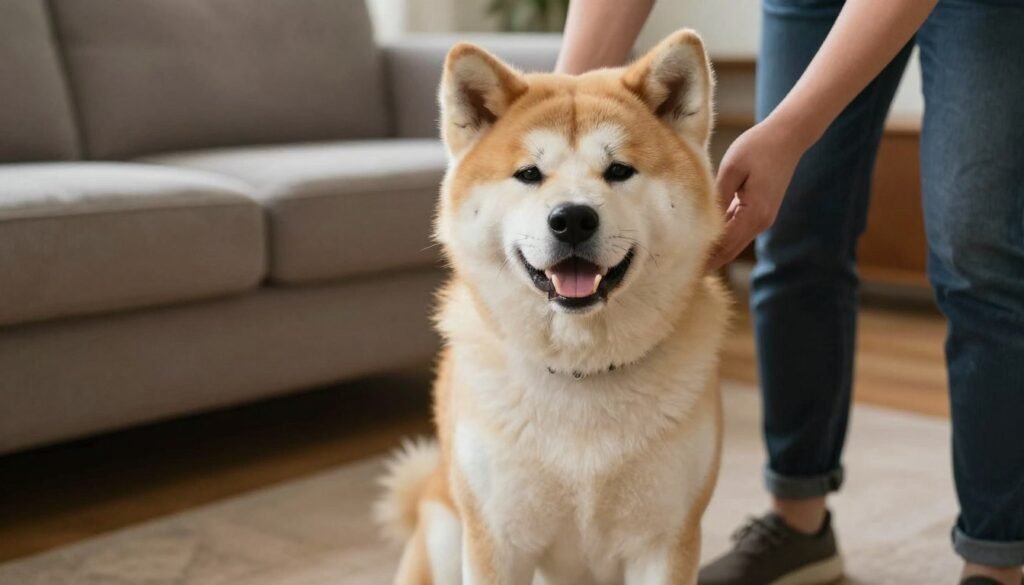
Adult dogs from rescue organizations often have known temperaments and behaviors. This can make it easier to find the right match. Many rescued Akitas are already housetrained and past the destructive puppy stage. The adjustment period may be shorter than with puppies.
Rescue groups provide valuable support during and after adoption. They honestly assess each dog’s temperament, needs, and challenges. Foster families can share insights about the dog’s behavior in a home environment. This information helps ensure successful placements.
Benefits of Adopting an Adult Akita
- Temperament is fully developed and known
- Size, appearance, and energy level are established
- Many are already housetrained and crate trained
- Past destructive puppy phase entirely now
- Lower adoption fees than purchasing puppies
- Rescue support and guidance provided throughout
- Satisfaction of giving a second chance
Puppy Selection Process
When choosing a specific puppy from a litter, observe the puppies carefully. Watch how they interact with littermates and people. Confident puppies explore their environment eagerly. Extremely shy or aggressive puppies may present challenges later.
Good breeders often help match puppies to buyers based on temperament. They observe puppies daily and understand individual personalities. Trust their recommendations about which puppy suits your situation best. Their experience and knowledge prove invaluable in selection.
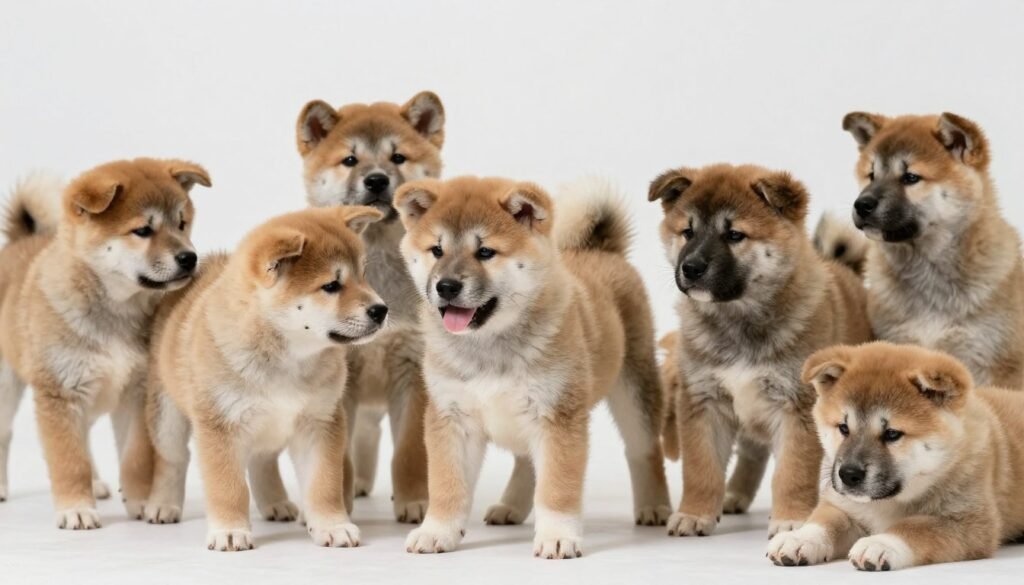
Puppies should be curious but not overly fearful. They should willingly approach people and enjoy interaction. A puppy that cowers or runs away may have socialization issues. Similarly, a puppy showing aggression toward people or littermates raises concerns.
Physical health is equally important during selection. Puppies should have clear eyes, clean ears, and healthy coats. They should move freely without limping or stiffness. The breeder should provide a health certificate from a veterinarian with each puppy.
Costs and Financial Considerations
Akita puppies from reputable breeders typically cost between $1,000 and $3,000. Puppies from champion bloodlines or with show potential cost more. These prices reflect the breeder’s investment in health testing, quality care, and breeding program expenses.
| Expense Category | Initial Cost | Annual Cost | Notes |
| Puppy Purchase Price | $1,000 – $3,000 | N/A | From reputable breeder with health testing |
| Initial Veterinary Care | $300 – $500 | N/A | Initial exam, vaccinations, deworming included |
| Spay/Neuter Surgery | $300 – $600 | N/A | If not included in purchase price |
| Supplies and Equipment | $400 – $700 | $200 – $400 | Crate, bowls, leash, collar, toys, bed |
| Food | N/A | $800 – $1,200 | Quality large breed dog food required |
| Routine Veterinary Care | N/A | $400 – $800 | Exams, vaccinations, heartworm prevention always |
| Grooming | N/A | $100 – $400 | If using professional grooming services |
| Training Classes | $200 – $500 | Optional | Puppy classes and basic obedience recommended |
| Pet Insurance | N/A | $500 – $1,200 | Highly recommended for breed health issues |
Initial setup costs include essential supplies and equipment. You’ll need a sturdy crate, quality food and water bowls, leash and collar, and toys. Budget $400 to $700 for these initial purchases. Replacement items add to annual costs.
Ongoing expenses include food, veterinary care, and supplies. Quality large breed dog food costs $800 to $1,200 annually. Routine veterinary care including vaccinations, heartworm prevention, and checkups costs $400 to $800 yearly. Unexpected health issues can significantly increase costs.
Consider pet insurance for your Akita given the breed’s health risks. Monthly premiums vary based on coverage level and deductibles. Insurance can significantly reduce out-of-pocket expenses for major health problems. Compare policies carefully to find appropriate coverage for your situation.
Connect with Reputable Akita Breeders
Find responsible Akita breeders who prioritize health testing, proper socialization, and lifelong support. The Akita Club of America maintains a breeder directory of members committed to ethical breeding practices and breed preservation.
Living with an Akita Dog
Home Environment Requirements
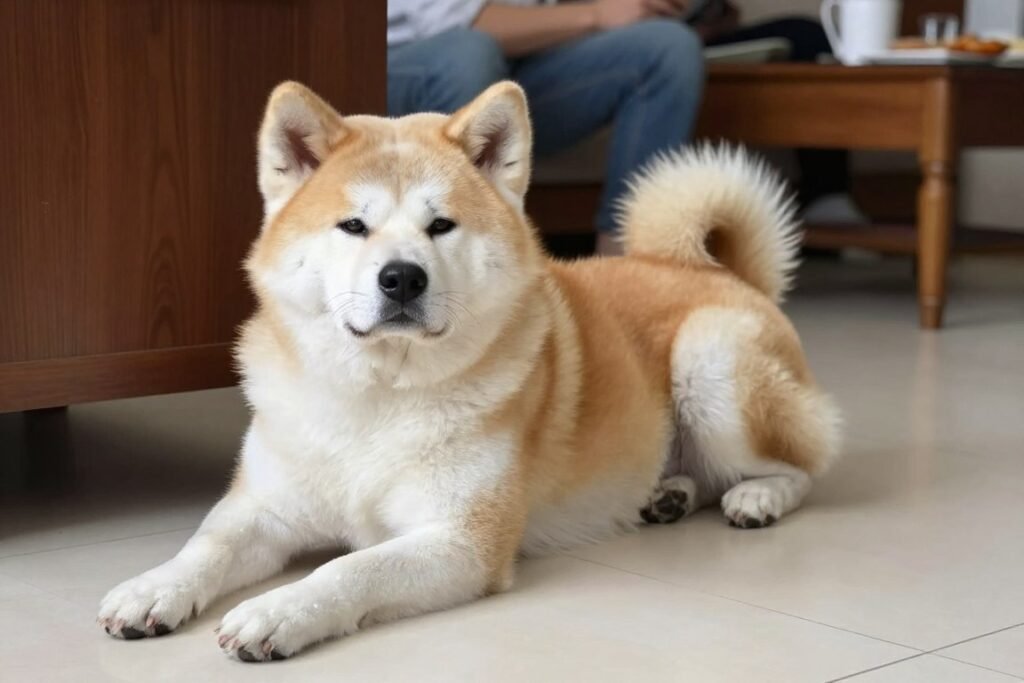
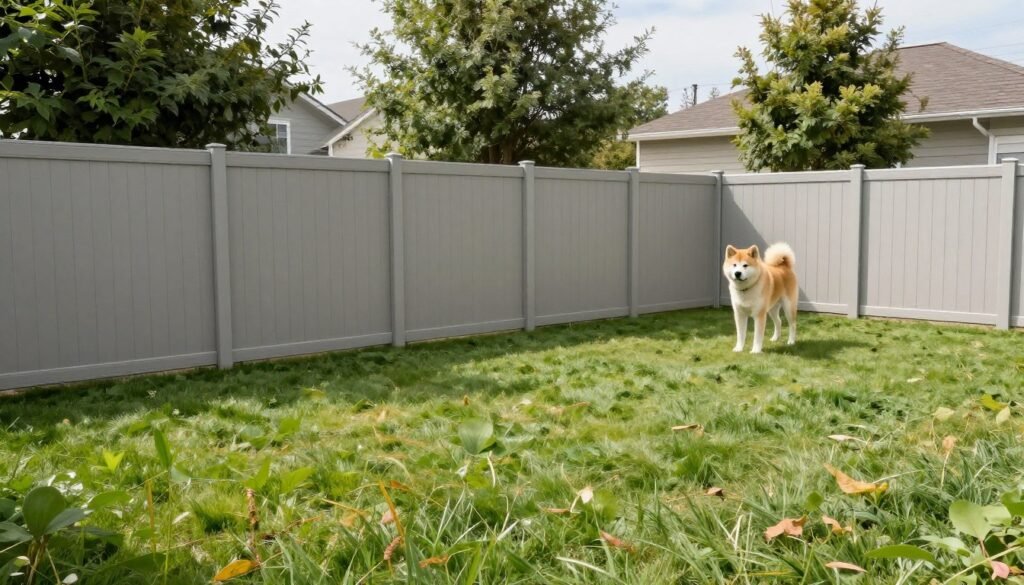
Akitas adapt to various living situations when their needs are met. A house with a securely fenced yard is ideal for this large breed. The fence should be at least six feet tall. Akitas can jump surprisingly high when motivated. Underground electronic fences are not reliable for this strong-willed breed.
Apartment living is possible with an Akita if you commit to sufficient exercise. The breed is relatively calm indoors when mature. However, they need outdoor time for exercise and bathroom breaks regularly. Stairs can stress joints, especially in older dogs living in upper floors.
The home environment should accommodate a large dog comfortably. Akitas need space to stretch out and move around. They typically choose to lie where they can observe household activities. Providing comfortable bed options in main living areas satisfies this preference.
Daily Routine and Structure
Akitas thrive on consistent daily routines and clear structure. Feed meals at the same times each day. Maintain regular exercise schedules and bedtime routines. This predictability provides security and helps prevent behavior problems. Sudden changes in routine can stress these sensitive dogs.
Morning routines typically include a bathroom break followed by breakfast. Many owners prefer exercising their Akita in the morning when temperatures are cooler. This exercise can be a walk, play session, or training time. Mental stimulation is as important as physical activity.
Evening routines offer another opportunity for bonding and exercise. Many Akitas become more active as the day cools. An evening walk or play session helps them settle for the night. Consistent bedtime routines promote better sleep for both dog and owner.
Integrating an Akita into Your Family
Introducing a new Akita requires planning and patience. Set up their space before the dog arrives home. Have all necessary supplies ready including food, bowls, crate, and bedding. Establishing the environment beforehand reduces stress for everyone involved.
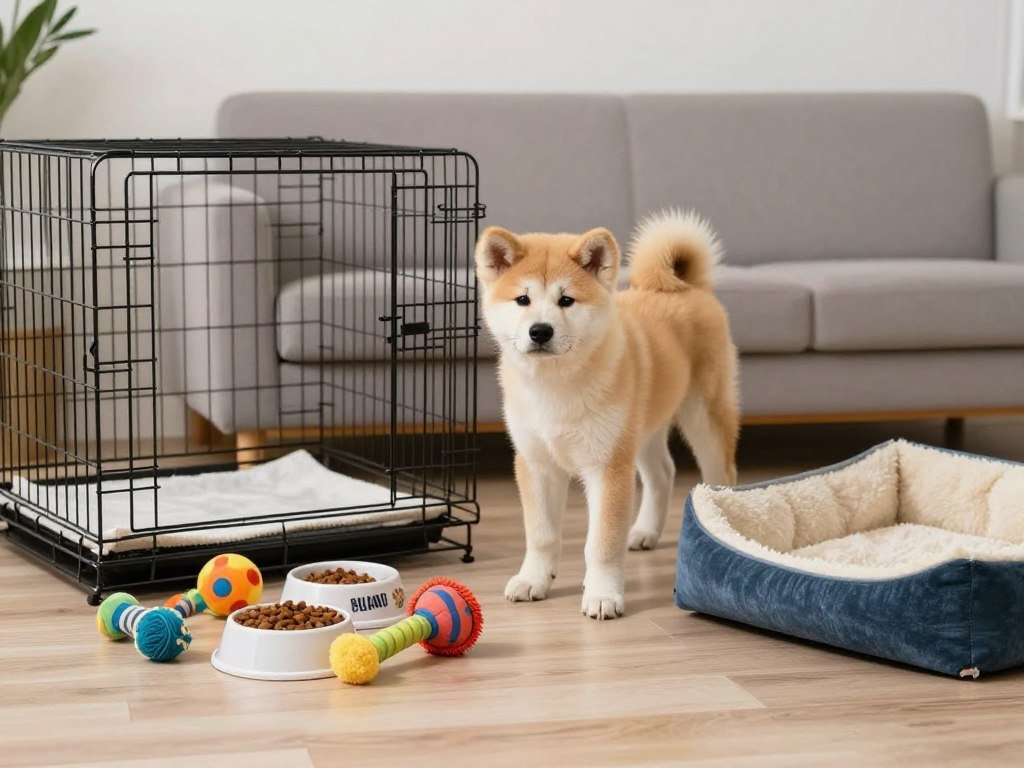
The first few days focus on helping your Akita decompress and adjust. Keep activities calm and low-key initially. Establish basic house rules immediately but maintain patience. Puppies and rescue dogs especially need time to understand expectations.
Gradually introduce your Akita to various aspects of your routine. Start with quiet family members and expand slowly. Too much stimulation overwhelms dogs in a new environment. Building confidence through gradual exposure creates a more stable foundation.
Akitas and Children
Akitas can be wonderful with children in their own family. They are typically patient and tolerant with kids they know well. However, their size and strength require supervision during interactions. Teach children how to interact respectfully with the dog always.
Teaching Children Dog Safety
Children must learn proper behavior around any large dog, but especially with Akitas given their size and protective nature.
- Never disturb a sleeping or eating dog
- Avoid rough play or teasing behaviors
- Respect the dog’s space and signals
- Use gentle touches, not pulling or grabbing
Supervising Interactions
Adult supervision prevents problems and teaches both children and dogs appropriate behavior with each other.
- Always supervise young children and dogs
- Separate when supervision isn’t possible entirely
- Watch for stress signals in dog
- Intervene before situations escalate ever
Building Positive Relationships
Involving children in appropriate care activities builds bonds between child and Akita under parental guidance.
- Children can help with feeding routines
- Older kids participate in training sessions
- Supervised play sessions build friendship bonds
- Teach children to recognize happy dog behavior
Managing Visiting Children
Akitas may not extend their tolerance of family children to visiting friends, requiring management during playdates.
- Separate dog during children’s playdates often
- Introduce visiting children carefully if attempted
- Never leave visiting children unsupervised ever
- Provide dog with quiet space away
Akitas tend to be more tolerant of family children than strange children. Visiting kids may trigger the dog’s protective instincts. Careful management during playdates prevents problems. Some owners prefer separating the dog when young visitors come over.
Travel and Boarding Considerations
Traveling with an Akita presents unique challenges due to their size and temperament. Car travel requires a sturdy crate or vehicle barrier for safety. Acclimate your Akita to car rides gradually starting in puppyhood. Short, positive trips build good associations with vehicle travel.
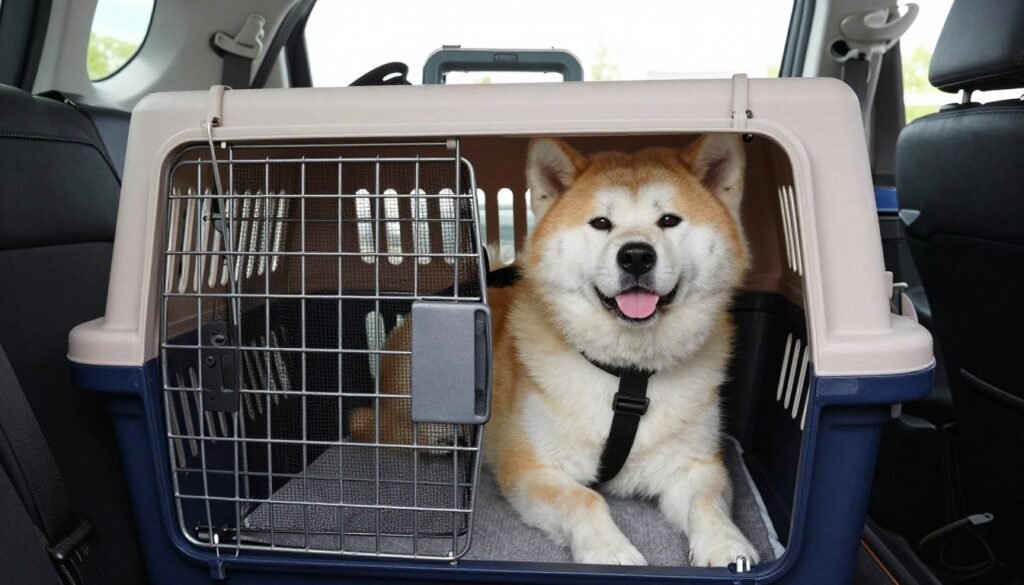
Hotels and accommodations accepting large dogs can be limited. Research pet-friendly options well in advance of travel. Some establishments have size or breed restrictions that may exclude Akitas. Always confirm policies directly before making reservations.
Boarding facilities must have experience handling large, powerful breeds. Visit facilities beforehand to assess their setup and protocols. The Akita’s tendency toward dog aggression requires individual housing. Group play areas are not appropriate for most Akitas.
In-home pet sitting often works better for Akitas than boarding facilities. The dog remains in familiar surroundings with their routine maintained. Find a sitter experienced with large breeds and willing to follow your instructions precisely. Meet the sitter multiple times before leaving your dog in their care.
Seasonal Considerations
Akitas tolerate cold weather exceptionally well due to their thick double coat. They often prefer cooler temperatures and enjoy snow. Winter weather poses few challenges for this breed. However, provide shelter from extreme cold and wet conditions always.
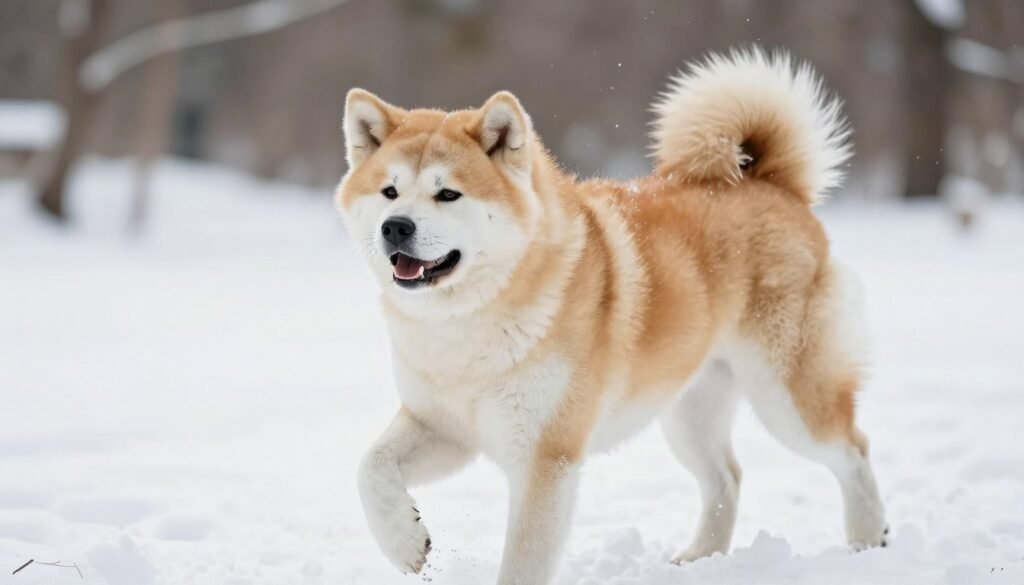
Hot weather requires more careful management for heavily coated Akitas. Provide plenty of fresh water and shade during summer months. Exercise during cooler morning or evening hours. Watch for signs of overheating including excessive panting and lethargy.
Never leave an Akita in a parked car, especially in warm weather. Temperatures inside vehicles rise dangerously fast. Even mild days can create life-threatening conditions. The Akita’s thick coat makes them particularly vulnerable to heat stress.
Coat care changes with seasons as shedding patterns follow temperature and daylight changes. Spring and fall coat blows require intensive grooming. Daily brushing during these periods manages the massive fur loss. Regular grooming year-round makes seasonal shedding more manageable overall.
Breed Clubs and Resources for Akita Owners
National and Regional Breed Clubs
The Akita Club of America serves as the national breed club in the United States. This organization is dedicated to protecting and preserving the Akita breed. They maintain breed standards, support responsible breeding, and educate the public about Akitas. Membership offers valuable resources and connections.
Regional breed clubs exist throughout the country offering local support and activities. These clubs host specialty shows, training events, and social gatherings. Members share knowledge and experiences about living with Akitas. Finding a local club provides community and ongoing education opportunities.
The kennel club in your country maintains breed standards and registry information. In the United States, the American Kennel Club recognizes and registers purebred Akitas. These organizations provide resources about dog breeds, responsible ownership, and events. Their websites offer breeder referral services and educational materials.
Educational Resources and Support
Numerous books provide comprehensive information about Akita dogs. Breed-specific books cover history, characteristics, training, and care in detail. Authors with extensive breed experience offer valuable insights. Libraries and bookstores carry titles suitable for various knowledge levels.
Online Resources
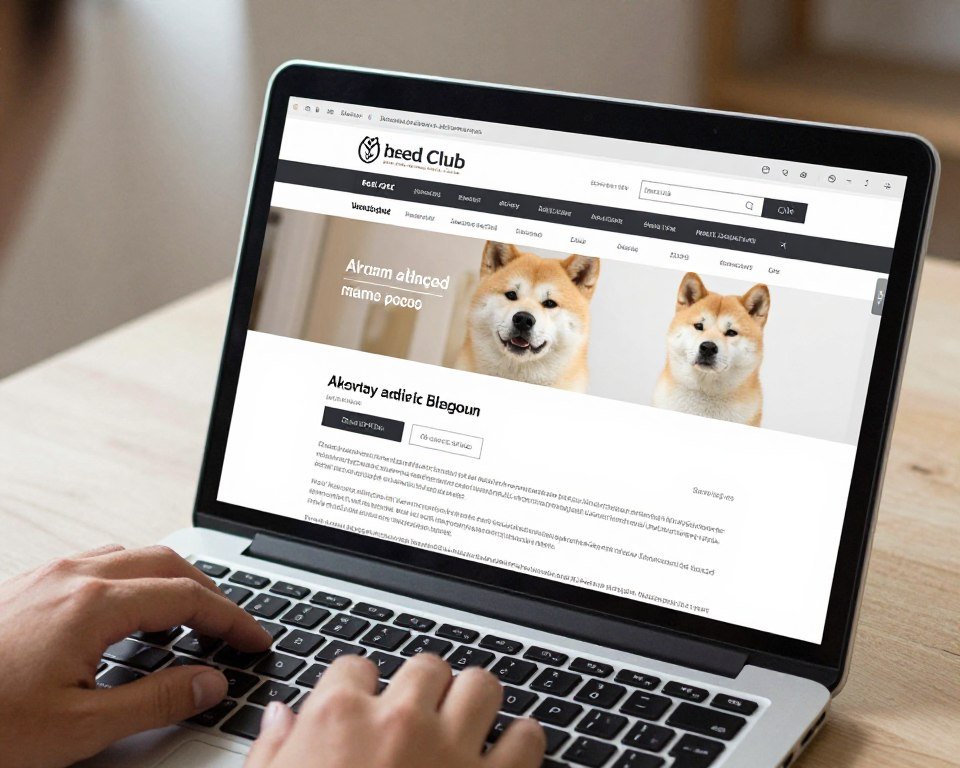
- Breed club websites with extensive information
- Online forums for owner discussions
- Social media groups for Akita enthusiasts
- Video training tutorials for specific issues
- Breed-specific blogs and articles regularly
In-Person Opportunities
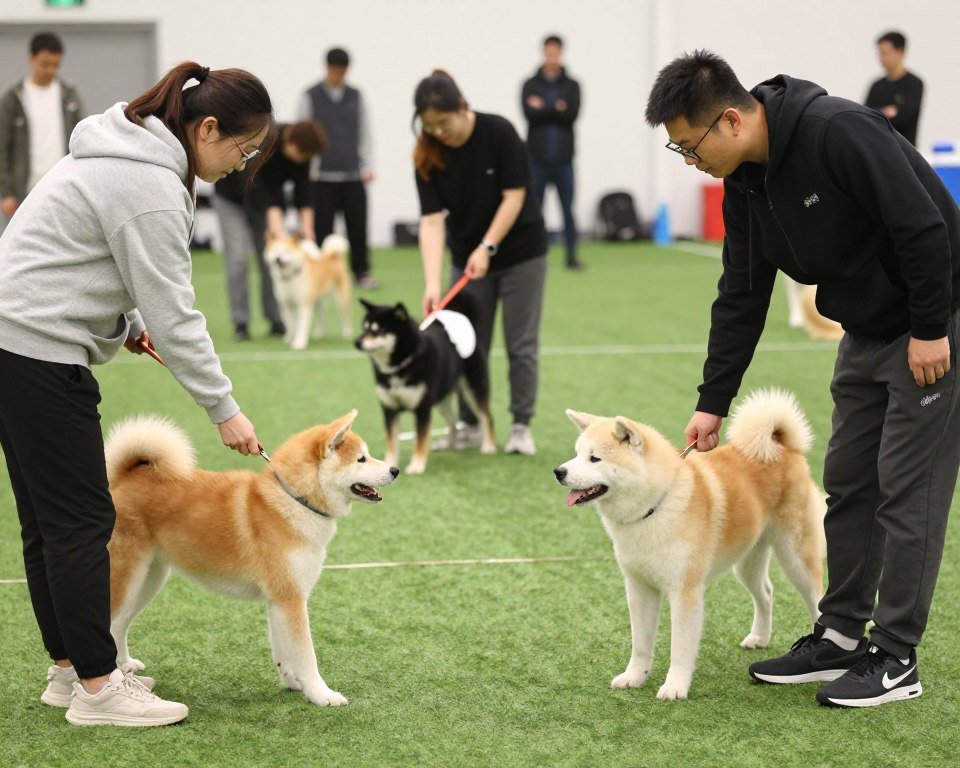
- Breed club meetings and seminars held
- Dog shows and performance events attended
- Training classes specifically for large breeds
- Breeder mentorship programs when available
- Akita specialty shows nationwide annually
Professional Services
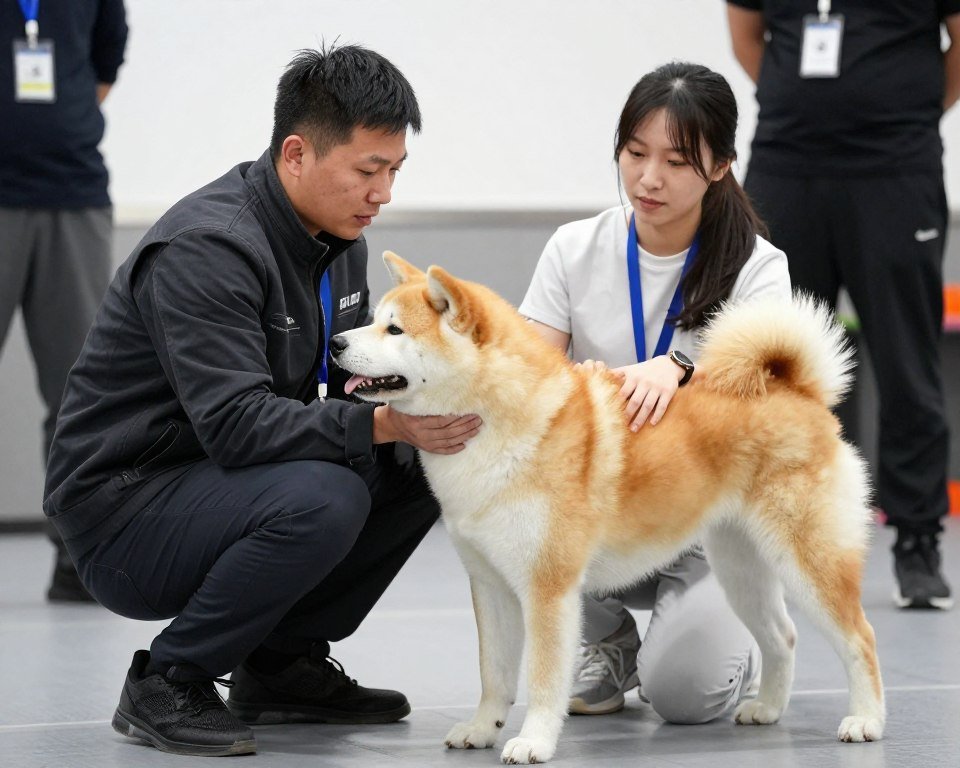
- Certified professional dog trainers available
- Veterinary behaviorists for serious issues
- Professional groomers experienced with breed
- Breed-specific veterinary specialists when needed
- Board-certified canine rehabilitation therapists
Health and Rescue Organizations
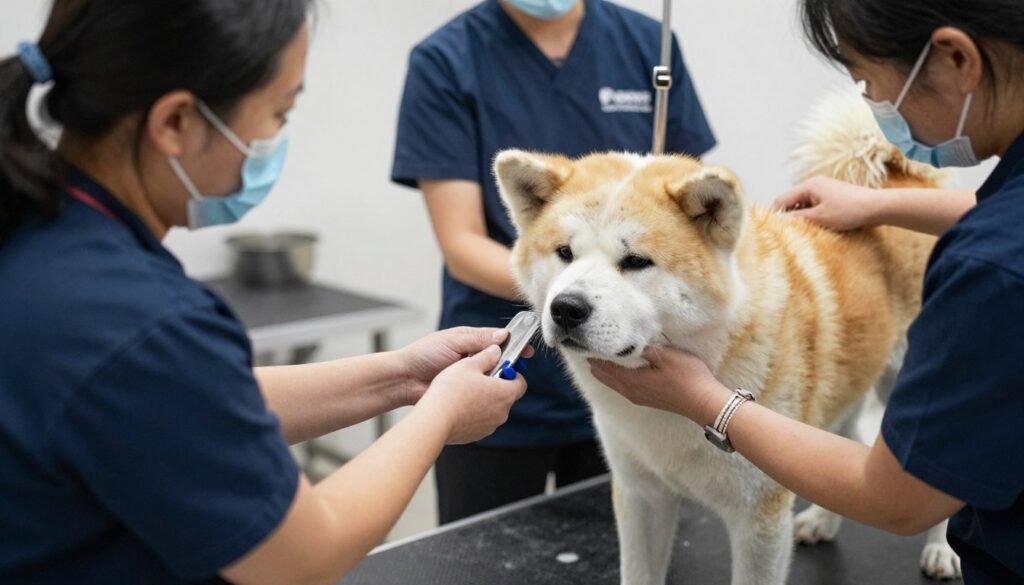
Several rescue organizations focus specifically on Akita dogs nationwide. These groups rescue, rehabilitate, and rehome Akitas in need. They provide valuable resources even if you’re not adopting. Rescue volunteers have extensive experience with the breed and behavior issues.
The Akita Club of America sponsors rescue efforts and maintains rescue contact information. Regional rescue groups operate independently but often coordinate through the national club. These organizations rely on volunteers and donations to continue their work. Supporting breed rescue helps Akitas even if you don’t adopt.
Events and Activities
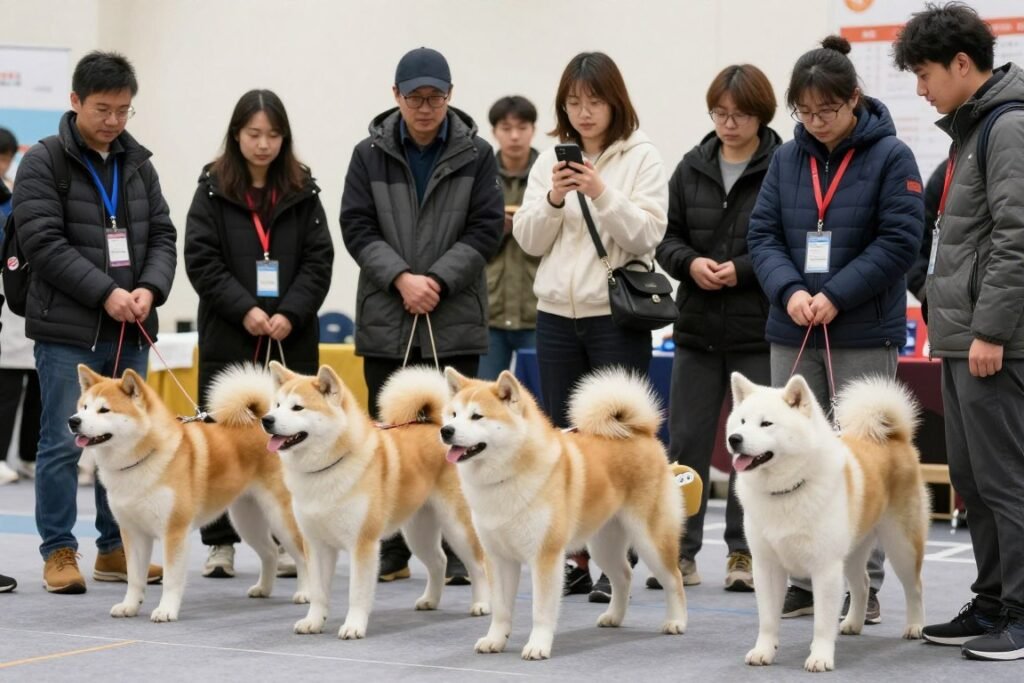
Akita specialty shows celebrate the breed exclusively. These events bring together breeders, owners, and enthusiasts from wide areas. Attending provides opportunities to see many Akitas and meet knowledgeable people. Educational seminars often accompany specialty shows.
All-breed dog shows include Akita entries in the working group. Watching breed judging teaches about proper conformation and movement. Chat with exhibitors between classes to learn more. Most dog people enjoy discussing their breed with interested spectators.
Performance events provide outlets for Akita energy and intelligence. Some Akitas participate in obedience, rally, or tracking competitions successfully. These activities strengthen the bond between dog and handler. They provide mental stimulation and physical exercise simultaneously.
How can I find reputable Akita rescue organizations?
Contact the Akita Club of America for a list of recognized rescue groups. Many regional clubs also maintain rescue committees. Search online for “Akita rescue” with your state or region. Verify the organization’s legitimacy and practices before getting involved. Reputable rescues conduct home visits and provide ongoing support.
What benefits do breed club memberships provide?
Membership typically includes newsletters with breed-specific information and updates. You gain access to breeder referrals, rescue contacts, and health resources. Members receive discounts on club events and publications. Most importantly, you connect with a community of Akita enthusiasts who share knowledge and support.
Can Akitas participate in dog sports and activities?
Akitas can excel in various activities with proper training and motivation. Obedience, rally, and tracking suit their intelligence and working heritage. Some Akitas participate in therapy dog work successfully. However, activities involving close proximity to strange dogs may be challenging. Individual temperament determines which activities are appropriate.
Where can I find Akita-specific training resources?
Breed clubs often publish training guides specific to Akitas. Many experienced trainers write books addressing the unique challenges of training this independent breed. Online forums and social media groups offer advice from other Akita owners. Look for trainers certified through organizations like the Certification Council for Professional Dog Trainers who have experience with guardian breeds.
Download the Complete Akita Care Guide
Get instant access to our comprehensive Akita care guide covering everything from puppy selection through senior care. This detailed PDF resource includes health checklists, training timelines, grooming schedules, and emergency reference information. Perfect for new and experienced Akita owners alike.
Conclusion: Is the Akita Dog Right for You?
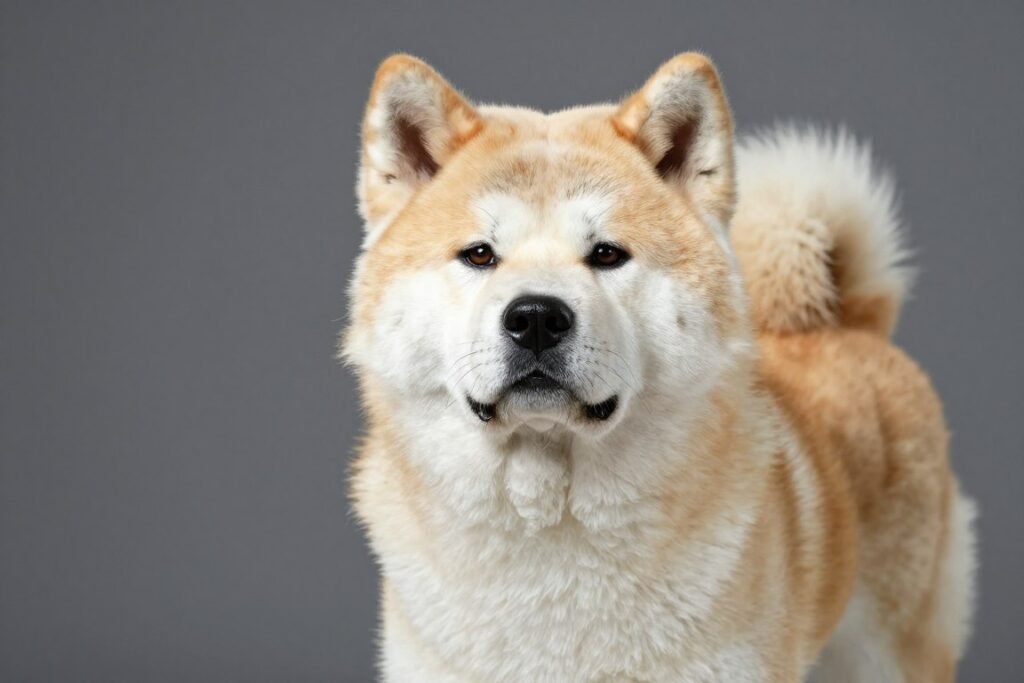
The Akita dog is a remarkable breed combining beauty, intelligence, and unwavering loyalty. These powerful dogs offer devoted companionship to the right owners. However, they require experienced handling, consistent training, and appropriate socialization. The commitment to raising an Akita properly extends throughout the dog’s life.
Prospective owners must honestly assess their capability and lifestyle before choosing an Akita. This breed thrives with confident leadership and clear boundaries. They need owners who understand and respect their independent nature. Families with young children, multiple pets, or limited dog experience may find challenges overwhelming.
The time investment for an Akita is substantial but rewarding. From daily grooming during coat blows to ongoing training and socialization, Akitas demand dedication. They are not a breed for busy people seeking a low-maintenance companion. The right owner finds their devotion and companionship worth every effort invested.
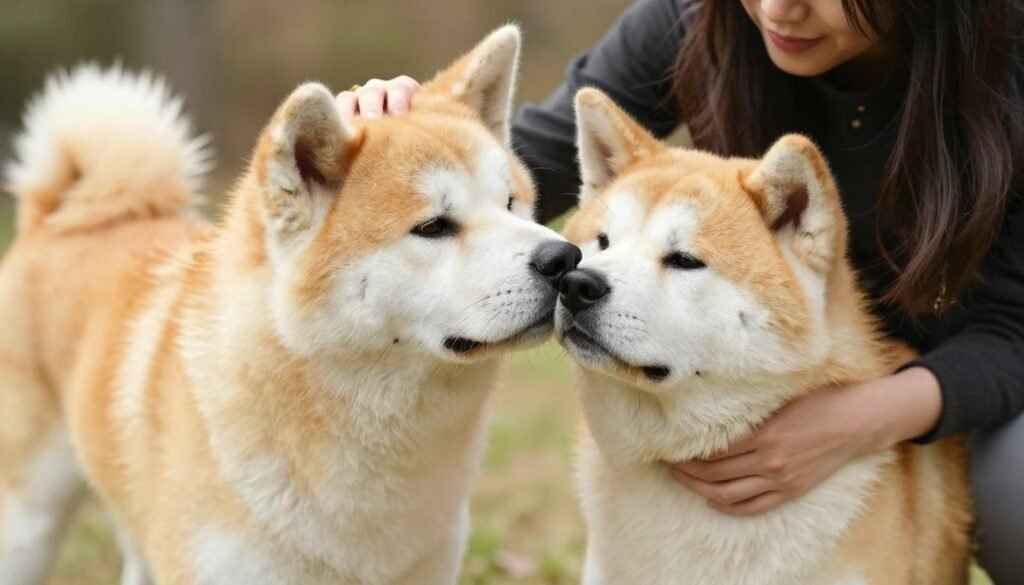
Health considerations are serious with this breed given their predisposition to certain conditions. Hip dysplasia, autoimmune diseases, and bloat require vigilance throughout life. Prospective owners should budget for potentially significant veterinary expenses. Pet insurance provides financial protection against unexpected health problems.
For those willing to meet their needs, Akitas offer unparalleled loyalty and companionship. The bond with an Akita is deep and lasting. These dogs protect their families fearlessly while showing gentle affection at home. Their dignified presence and beautiful appearance make them truly special companions.
Education is essential before bringing any Akita into your life. Research the breed thoroughly through books, websites, and conversations with breeders and owners. Visit dog shows to see many Akitas and speak with exhibitors. Volunteer with rescue organizations to experience the breed firsthand. The more you learn, the better prepared you’ll be for Akita ownership.
Whether you choose a puppy from a reputable breeder or adopt through rescue, your Akita deserves your best efforts. Provide proper training, socialization, nutrition, and veterinary care throughout their life. In return, you’ll receive devotion, protection, and companionship from one of the dog world’s most noble breeds. The Akita dog truly is a magnificent companion for the right home.
Final Thoughts for Prospective Akita Owners
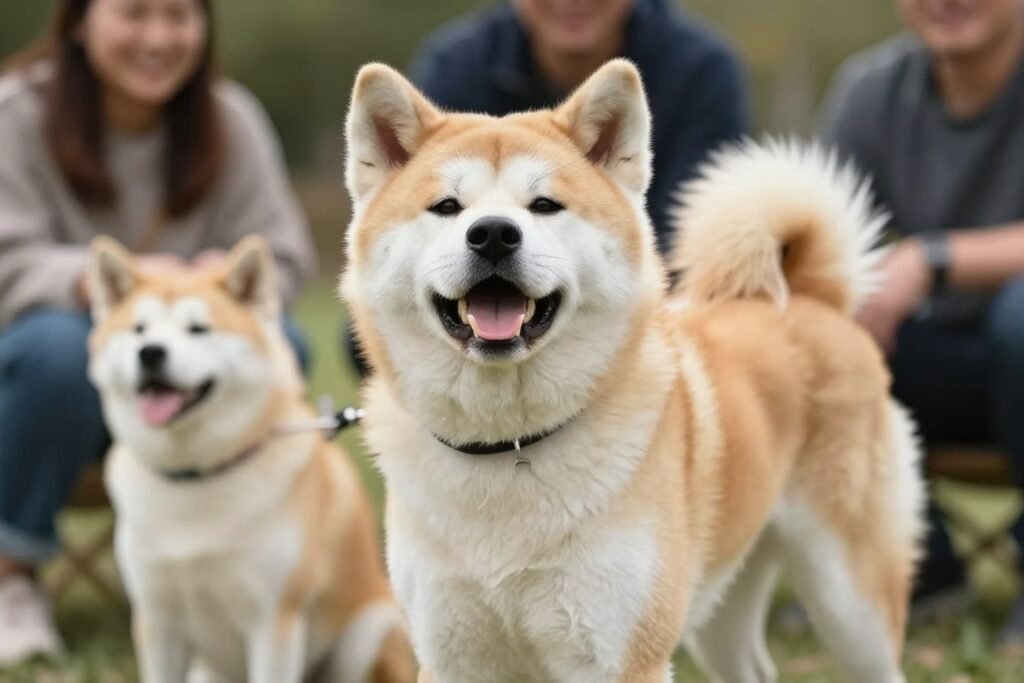
The Akita is not a breed for everyone, but for the right person or family, they are everything. Success with an Akita requires honesty about your experience, lifestyle, and commitment level. If you can provide strong leadership, consistent training, proper socialization, and devoted care, an Akita will reward you with fierce loyalty and deep affection. Take time to prepare, educate yourself thoroughly, and connect with the breed community. Your Akita deserves nothing less than your very best, and they will give you their best in return.
Join the Akita Community
Stay connected with the latest Akita news, training tips, health updates, and community stories. Subscribe to our newsletter for weekly insights from breed experts, experienced owners, and veterinary professionals. Get answers to your questions and support from fellow Akita enthusiasts.


💬 Leave a Comment